Plumber Las Vegas News

Your trusted source for plumbing updates, DIY fixes, and industry insights in Las Vegas. Stay informed with practical tips, local trends, and expert advice for homeowners and professionals alike.

Plumbing Tool Storage Solutions: Organize for Efficiency and Longevity

Introduction: Why Plumbing Tool Storage Matters

For every plumbing professional and serious DIY enthusiast, tools are more than just implements—they are essential partners on every job. However, without a system for storage and organization, even the best tools can become liabilities. Lost wrenches, damaged pipe cutters, and rusted threading tools cost time, money, and credibility. A cluttered workspace or van leads to wasted effort, increased risk of injury, and premature tool replacement. Conversely, a well-organized storage system boosts productivity, protects your investment, and ensures you are always ready for the next challenge. This comprehensive guide dives into practical, field-tested plumbing tool storage solutions—whether you work from a sprawling workshop, a compact garage, or a mobile van setup. Discover how to organize for maximum efficiency, prevent tool damage, and create a professional impression with clients and colleagues alike.

Assessing Your Plumbing Tool Inventory

Why Inventory Matters

Before reorganizing or investing in new storage, take stock of what you have. An accurate, up-to-date inventory prevents unnecessary purchases, highlights missing or duplicated items, and reveals what storage solutions you truly need. For business owners, it also aids insurance claims and tax documentation.

How to Conduct a Tool Audit

  • Gather All Tools: Collect every tool from your workshop, van, and job sites. Don’t forget seldom-used specialty items.
  • Sort by Category: Group hand tools, power tools, diagnostic equipment, consumables, and accessories separately.
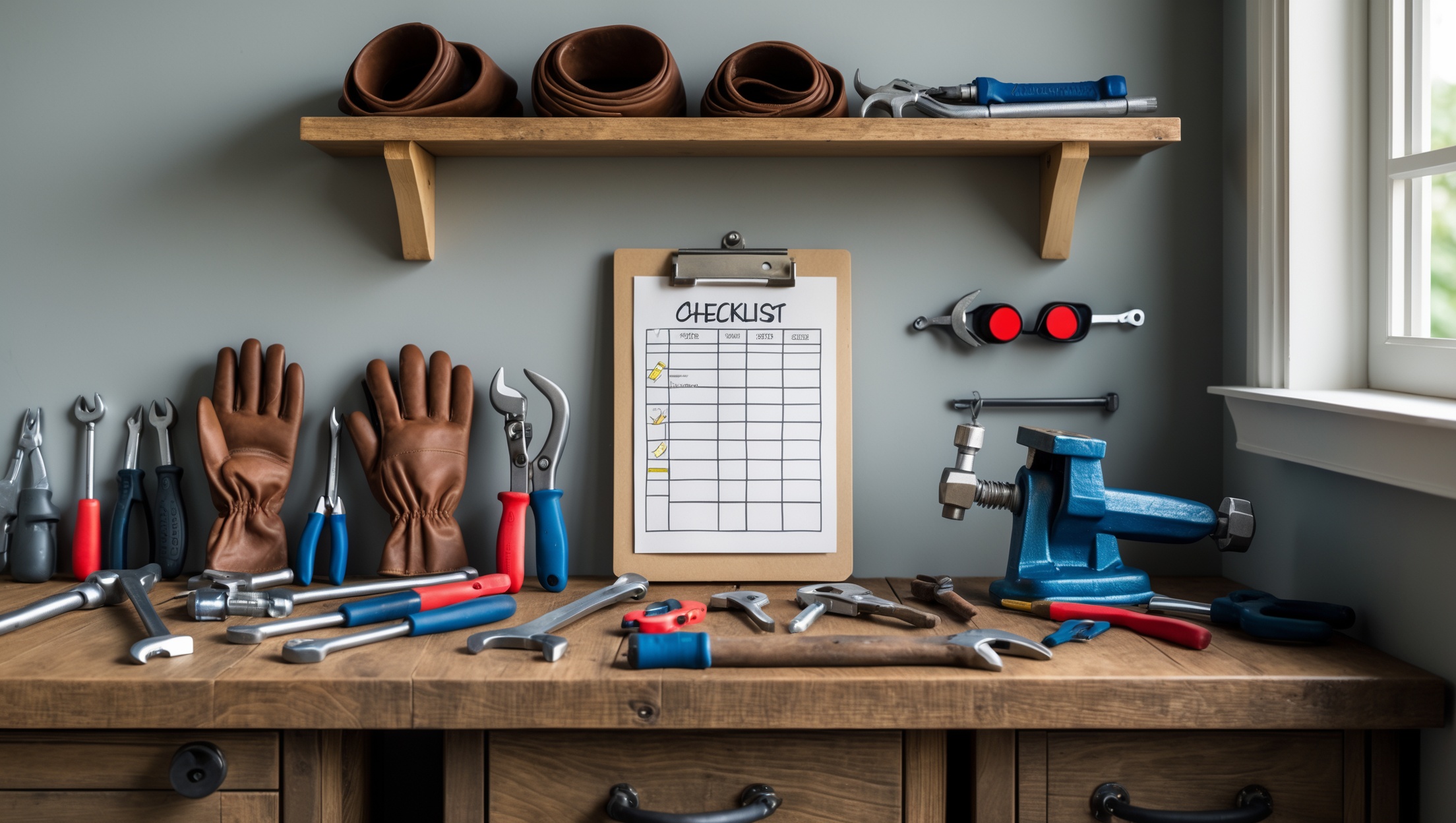
  • Document: Use a spreadsheet or tool management app to log each item, its condition, serial numbers, and storage location.
  • Purge: Dispose of broken, obsolete, or duplicate tools responsibly.

Workshop Organization: Building a Functional Home Base

Layout Principles

A well-designed workspace saves steps and reduces search time. Start with a floor plan:

  • Work Zones: Dedicate spaces for assembly, repairs, cleaning, and storage.
  • Traffic Flow: Keep main walkways clear. Place frequently used tools within arm’s reach of your main bench.
  • Vertical Storage: Use walls for racks, shelves, and pegboards to free up floor space.

Storage Types

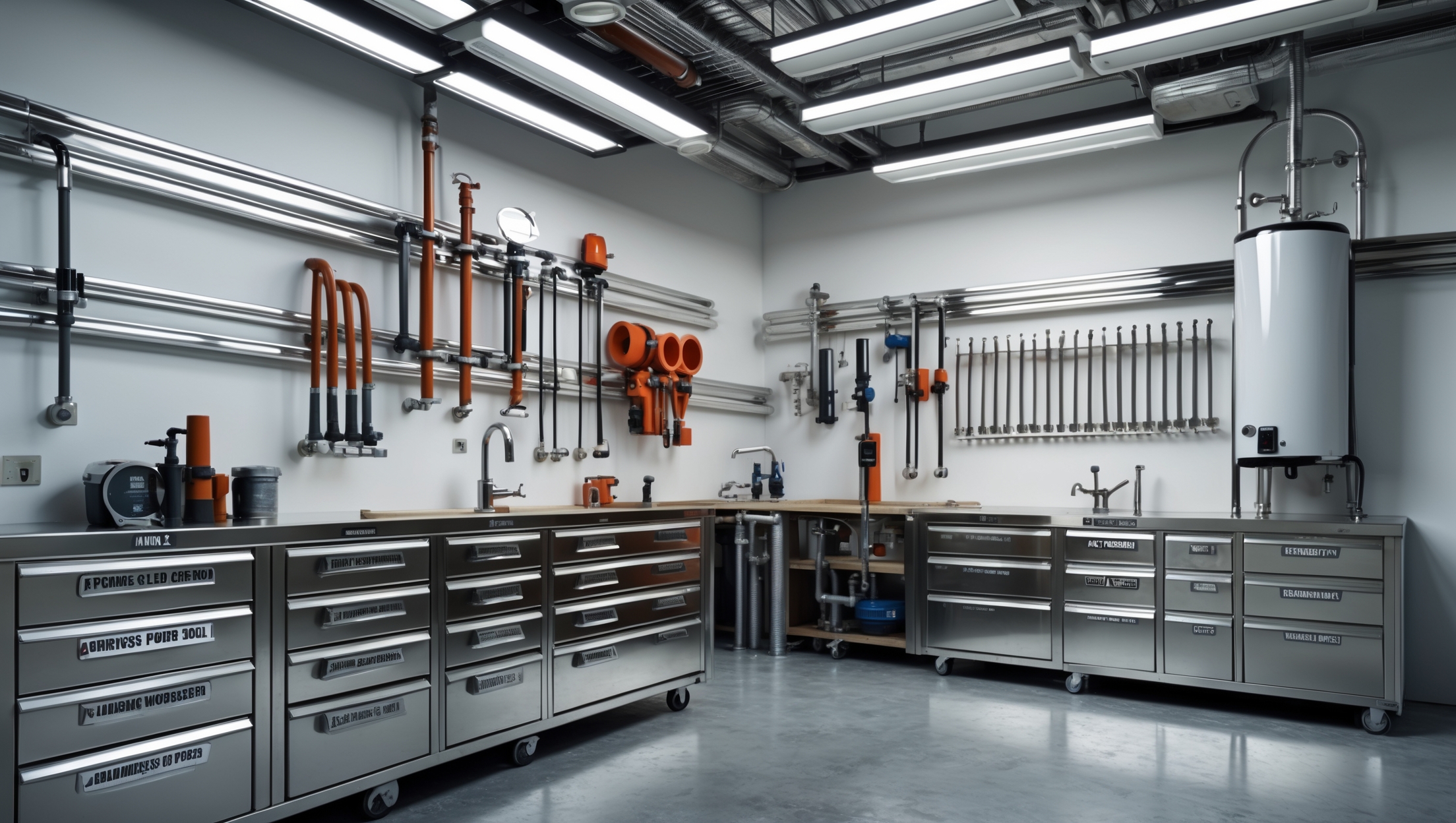
  • Pegboards and Slatwalls: Ideal for hanging wrenches, pliers, and pipe cutters. Use labeled outlines for quick identification and return.
  • Drawer Cabinets: Store small items like washers, O-rings, and replacement valves in shallow, labeled drawers or divided organizer boxes.
  • Shelving Units: Heavy-duty metal shelves hold toolboxes, power tools, and bulkier equipment. Adjustable shelves accommodate changing needs.
  • Bins and Totes: Stackable bins are perfect for consumables—PVC fittings, copper elbows, Teflon tape—sorted by type and size.
  • Magnetic Strips: Secure screwdrivers, snips, and other metal tools for instant access.

Climate and Security Considerations

  • Humidity Control: Install a dehumidifier or moisture absorbers to prevent rust, especially for precision tools.
  • Security: Invest in lockable cabinets or a monitored workshop alarm to deter theft.

Mobile Plumbing: Organizing Your Work Van

Why Van Organization is Different

On the road, space is at a premium and tools are exposed to vibration, temperature swings, and theft risks. A thoughtfully organized van turns every job into a smoother, faster process and projects professionalism to clients.

Essential Storage Solutions for Vans

  • Custom Shelving Units: Install modular shelving tailored to your tool inventory. Include adjustable dividers for flexibility.
  • Drawer Systems: Heavy-duty drawers keep small tools and parts secure and sorted. Lockable drawers deter theft.
  • Tool Racks: Mount racks for pipe wrenches, levels, and tubing benders to prevent shifting during transit.
  • Parts Organizers: Transparent bins with tight lids make it easy to spot and access fittings and fasteners.
  • Pipe Storage Tubes: Secure PVC or metal tubes along the van’s length for safe, accessible pipe transport.
  • Power Tool Cases: Keep drills, saws, and batteries in their original cases, stacked on shelves to minimize jostling.

Van Safety and Security

  • Load Restraints: Use cargo straps or netting to prevent toolboxes from sliding.
  • Weatherproofing: Ensure all storage is sealed against dust and moisture.
  • Locks and Alarms: Upgrade van locks and consider GPS tracking for high-value equipment.

Tool Protection: Preventing Damage and Extending Lifespan

Cleanliness is Key

Dirty tools corrode faster and can damage other equipment in storage. Build quick cleaning into your routine:

  • Wipe down hand tools after every job.
  • Lubricate moving parts (pipe cutters, threading tools) regularly.
  • Use compressed air to clear debris from power tools.

Rust Prevention

  • Store tools in dry areas; use silica gel packs or vapor corrosion inhibitor (VCI) bags for added protection.
  • Apply light machine oil to exposed metal surfaces.
  • Never store wet tools—dry thoroughly after use.

Protective Cases and Foam Inserts

  • For specialty tools (pipe inspection cameras, electronic leak detectors), invest in hard cases with custom foam inserts to absorb shocks and prevent scratches.
  • Label cases for quick ID in the field.

DIY Storage Solutions: Budget-Friendly Options

Repurposing Materials

  • PVC Pipe Racks: Cut short lengths of PVC pipe, mount them to a board, and use them for storing screwdrivers, chisels, and small hand tools.
  • Magnetic Tool Bars: Affordable bars can be mounted anywhere for instant, visible storage.
  • Old Cabinets: Repurpose kitchen cabinets as wall-mounted storage for larger tools.

Custom Rolling Carts

  • Build or buy a sturdy cart with shelves, hooks, and bins to move essential tools between your workshop and vehicle.
  • Include a pegboard panel for hanging commonly used items.

Labeling and Inventory Management

Label Everything

  • Use color-coded labels or tags for different tool categories.
  • Label drawers, bins, and shelves so anyone can find and return items quickly.
  • Consider QR code labels linked to a digital inventory for larger businesses.

Inventory Apps and Digital Tools

  • Apps like Sortly, ToolWatch, or even a shared Google Sheet help track tool locations, maintenance schedules, and usage history.
  • Set reminders for calibrating diagnostic equipment or replacing consumables.

Tool Storage for Specialized Plumbing Equipment

Inspection Cameras and Electronics

  • Always store in padded, waterproof cases.
  • Remove batteries if storing for long periods to prevent corrosion.
  • Keep silica gel packs inside cases to absorb moisture.

Threading and Pressing Tools

  • Clean and lubricate after each use before storing in fitted cases.
  • Hang heavy manual threaders on reinforced wall brackets to prevent accidental drops.

Consumables and Replacement Parts

  • Use clear, divided organizers for O-rings, washers, and small valves.
  • Label expiration dates for items like sealants and adhesives.

Best Practices for Maintenance and Routine Checks

  • Schedule quarterly deep cleans of your main storage areas.
  • Inspect storage units for rust, moisture, or pest damage.
  • Rotate stock—use older consumables first to prevent waste.
  • Replace worn foam inserts and tighten hardware on storage units regularly.

Professional Image: How Organized Storage Impresses Clients

First impressions matter. When clients see a plumber arrive with a tidy, organized van or witness a workshop where every tool has its place, confidence soars. Organized storage communicates reliability, attention to detail, and respect for both your tools and your client’s property. Even on hectic days, a solid storage system prevents embarrassing delays searching for tools or fumbling with tangled hoses. In competitive markets, this professionalism can be the deciding factor for repeat business and referrals.

Conclusion: Invest in Storage, Reap Professional Rewards

Effective plumbing tool storage is more than a matter of aesthetics—it’s a cornerstone of safety, efficiency, and professionalism. By assessing your inventory, optimizing your workspace or van, and maintaining a rigorous routine of cleaning, labeling, and digital tracking, you protect both your livelihood and your reputation. The upfront effort yields dividends: fewer lost tools, faster job completion, lower replacement costs, and a clear edge over less organized competitors. Whether you implement high-end modular systems or inventive DIY solutions, the goal is the same—every tool in its place, ready when you need it, and protected for years of dependable service. Start small, prioritize your most-used items, and build from there. Your future self—and your clients—will thank you for the investment in organization and care.


64 comments
Patricia Hernandez

After I finish taking inventory and getting rid of duplicates like you suggest, what’s the best way to prevent my collection from getting cluttered again over time? Any habits or routines you recommend to keep things organized long-term?

    Mario The Plumber

    A simple routine can really help maintain your organized setup. After each job, put every tool back in its designated spot immediately. Set aside a few minutes each week to quickly scan your storage for misplaced items or anything you no longer use. Label bins or drawers so tools are easy to return. Finally, do a full inventory check every few months—this prevents clutter from creeping back in.

William Williams

Do you have any tips for keeping tools dry and rust-free when storing them in a mobile van, especially in areas with lots of humidity or temperature changes?

    Mario The Plumber

    To keep your tools dry and prevent rust in a mobile van, use moisture-absorbing products like silica gel packs or dehumidifier tubs in your storage areas. Wipe tools clean and dry before storing, and apply a light coat of oil to metal surfaces for extra protection. Consider using sealed toolboxes or cases for sensitive tools. Regularly inspect for condensation, especially after temperature changes, and leave vents slightly open when safe to promote air circulation.

Christopher Smith

When doing a tool inventory like you suggest, do you have any tips for tracking small plumbing tools and consumables that tend to get misplaced on job sites? I feel like those always go missing first, even after sorting and documenting things.

    Mario The Plumber

    Keeping track of small plumbing tools and consumables can be tough. It helps to use clear, labeled containers or bins and assign each category its own spot in your storage system. Consider color-coding or numbering containers for quick identification. Portable toolboxes with smaller compartments are useful for frequently used items, and a quick check-in/check-out log, even on your phone, can reduce loss. Regular mini-inventories at the end of each day help catch missing items early.

James Robinson

I’m curious about how often you recommend doing a full tool inventory and audit, especially if you’re working out of both a workshop and a van. Do you find quarterly checks are necessary, or is annual enough to keep things from falling through the cracks?

    Mario The Plumber

    If you split your tools between a workshop and a van, a quarterly inventory is usually best. This helps catch missing or damaged tools early and keeps both spaces organized. Annual checks may be enough for small setups, but with two locations, quarterly reviews help prevent costly surprises and make sure nothing gets overlooked.

Jessica Thompson

What’s the most common mistake people make when setting up a new plumbing tool storage system, according to your research or experience? I’m worried about spending time on organization and then realizing I missed something important.

    Mario The Plumber

    One of the most common mistakes is not planning for future growth and changes in your tool collection. People often set up storage based only on what they currently have, leading to overcrowding or disorganization as they acquire more tools. It’s helpful to leave extra space and choose adjustable storage options so your system can adapt over time.

Mark Perez

Since you highlight the importance of a tool audit before buying new storage, how often do you suggest doing a full inventory as a busy parent who only tackles plumbing projects a few times a year?

    Mario The Plumber

    For a busy parent who only handles plumbing projects a few times a year, doing a full tool inventory once a year should be enough. Consider scheduling it at the start of each year or right before a big project. This keeps your storage organized, helps you avoid buying duplicate tools, and ensures everything is ready when you need it.

Lisa Johnson

How much time should I realistically set aside to do a thorough tool audit for a small home garage setup? I want to upgrade my storage system but can’t afford to spend a whole weekend on inventory.

    Mario The Plumber

    For a small home garage setup, a thorough tool audit typically takes about 1 to 2 hours, especially if you stay focused and group similar tools together first. Setting aside an hour to sort and inventory your tools, then another 30 minutes to assess what storage solutions you need, should be plenty. You don’t need a whole weekend—breaking it into two shorter sessions can also help if time is tight.

John Johnson

After sorting and purging my tools as you described, any advice on organizing the leftover consumables and small accessories so they don’t get lost or mixed up in drawers or bins?

    Mario The Plumber

    To keep your consumables and small accessories organized, consider using compartmentalized organizers or small parts bins with clear lids—this makes it easy to see contents at a glance. Label each section by item type, like washers, fittings, or screws. Drawer dividers or stackable containers also help prevent items from mixing together. For even more order, group similar items into zippered pouches before placing them in bins or drawers.

Michelle Taylor

When setting up dedicated work zones in a small garage or tight workspace, what layout strategies have you found most effective for maximizing both efficiency and safety without a major renovation budget?

    Mario The Plumber

    For small garages or tight spaces, wall-mounted pegboards and magnetic strips are great for keeping tools visible and off the floor. Use stackable bins or clear containers under benches for supplies. Keep your most-used items closest to your main work zone. Leave clear walkways by arranging shelves or cabinets along the perimeter. Rolling carts can also double as portable workstations, letting you adapt the space as needed without major renovations.

Patricia Brown

The article brings up insurance claims and tax documentation as benefits of proper inventory. If you’re just starting out, how often should you update your inventory, and is there a standard format insurers prefer?

    Mario The Plumber

    When starting out, it’s wise to update your inventory whenever you purchase new tools or equipment, and at least once a year for a complete review. Many insurers prefer a detailed spreadsheet or inventory list that includes item descriptions, serial numbers, purchase dates, and values. Photos of your tools can also help. Check with your insurer to see if they have a preferred template or specific requirements.

Daniel Moore

When you talk about conducting a tool audit and documenting everything, do you have any tips or templates for parents who juggle multiple responsibilities and might not have much time to make detailed inventories?

    Mario The Plumber

    Absolutely, for busy parents, a quick photo inventory on your phone works well—snap a picture of each tool or group of tools in their storage spots. If you prefer lists, jot down tool names in your phone’s notes app as you come across them. You can also involve kids by turning it into a quick scavenger hunt. Keeping it simple helps make audits manageable and less time-consuming.

Kimberly White

After conducting a full tool audit and reorganization in my workshop, how often should I update my tool inventory and reassess my storage setup to keep everything running efficiently?

    Mario The Plumber

    It’s a good idea to update your tool inventory and review your storage setup at least every 6 to 12 months, or sooner if you make significant changes to your tools or workflow. Seasonal check-ins help you catch missing items, adjust for new tools, and keep your setup efficient as your needs evolve.

Megan Robinson

When you recommend documenting each tool’s condition and serial numbers, is there a specific app you find works best for plumbers who are always on the move rather than just spreadsheets?

    Mario The Plumber

    For plumbers frequently on the go, mobile inventory apps like Sortly or ToolWatch can be more practical than spreadsheets. These apps let you snap photos, record serial numbers, and note tool conditions directly from your phone or tablet. They also make it easy to update records in real time, which is great for tracking tools used across multiple jobsites.

Tyler Robinson

When you’re doing a tool inventory, do you recommend logging even the smaller consumables like Teflon tape and washers, or should the focus be on larger hand and power tools only?

    Mario The Plumber

    It’s a good idea to log your larger hand and power tools for inventory since they’re valuable and less frequently replaced. For smaller consumables like Teflon tape and washers, you don’t need to track each item individually, but keeping a general stock list can help you avoid running out. Focus your detailed inventory on tools, and keep a simple checklist or count for consumables.

Diane Anderson

Do you have any suggestions for organizing consumables and accessories in a compact garage where space is really limited? I’d like to avoid clutter but still have everything within easy reach.

    Mario The Plumber

    For a compact garage, consider using wall-mounted pegboards and magnetic strips to keep small consumables and accessories visible and within reach. Stackable clear bins or drawer organizers help categorize and store items like washers, fittings, and tape. Overhead shelves or a rolling cart can also maximize space and keep essentials close without crowding your work area.

Kevin Wilson

When doing a tool audit for plumbing, do you recommend using a particular app or spreadsheet template to track things like condition and serial numbers, or do you find handwritten records are just as effective for small operations?

    Mario The Plumber

    For small plumbing operations, using a simple spreadsheet can be really effective to track tool condition, serial numbers, and maintenance dates. While handwritten records work, digital spreadsheets make updates and searches much easier over time. You don’t necessarily need a complex app—Google Sheets or Excel offer plenty of flexibility and can be shared if your team grows.

Nancy Perez

I noticed you suggest grouping tools into categories like hand tools and accessories. Any tips on storing odd-shaped or bulky plumbing items? I struggle to find an efficient way to keep those organized in my small garage.

    Mario The Plumber

    Storing odd-shaped or bulky plumbing items in a small garage can be tricky, but there are a few effective approaches. Use heavy-duty wall hooks or pegboards for large tools like pipe wrenches or tubing cutters. Stackable bins or sturdy shelves can hold items like pipe lengths or fittings; label them for easy access. For extra-large items, consider overhead storage racks or hang them along the wall to free up floor space.

Anthony Lewis

I’m curious about organizing consumables and accessories separately from tools. Are there best practices for storing small parts like washers or pipe fittings so they are easy to find but don’t clutter the workspace?

    Mario The Plumber

    To keep small parts like washers and pipe fittings organized and accessible, consider using stackable, clear plastic containers or drawer organizers with labeled sections. Magnetic trays or compartment boxes also work well for sorting by size or type. Storing these separately from your main tools, on shelves or in dedicated bins, will help prevent clutter and make finding what you need much quicker.

Lisa Miller

In terms of saving money, is it usually better to invest up front in a professional tool storage system, or start with budget-friendly options and upgrade as needed as your inventory grows?

    Mario The Plumber

    Investing in a quality professional tool storage system upfront can save you money over time by protecting your tools from damage and loss, and keeping your workspace efficient. However, if your tool collection is still small or growing, starting with budget options and upgrading as you expand can be a sensible choice. Consider the value of your tools and your long-term needs before deciding.

Susan Miller

How much time should I realistically set aside to complete a thorough tool inventory and reorganization if I have a small team and a mix of workshop and van storage?

    Mario The Plumber

    For a small team managing both workshop and van storage, you should set aside about half a day to a full day to complete a thorough tool inventory and reorganization. This includes sorting, cataloging, cleaning, and setting up new storage systems. If your tool collection is extensive or disorganized, consider spreading the process over two shorter sessions to keep it manageable and accurate.

Lisa Lopez

For someone organizing tools in a smaller garage space, what are some practical strategies to maximize storage efficiency without investing in custom cabinetry or expensive modular systems?

    Mario The Plumber

    To maximize storage in a small garage without the cost of custom solutions, try using wall-mounted pegboards or shelves to keep tools off the floor and visible. Magnetic strips can hold metal tools efficiently, while clear bins or stackable containers make it easy to store and identify smaller items. Also, consider using hooks or racks for hoses and larger equipment to keep the space uncluttered.

David Sanchez

I’ve noticed that my pipe threaders and cutters seem to rust quickly, even when I store them in a toolbox. Are there specific storage materials or locations you recommend to really minimize moisture and prevent corrosion in a typical workshop or garage?

    Mario The Plumber

    To minimize moisture and prevent rust on your pipe threaders and cutters, consider storing them in a toolbox with silica gel packs or moisture-absorbing desiccants. Lined drawers with foam can cushion tools and reduce humidity exposure. Avoid storing them directly on concrete floors, as concrete can hold moisture. Wall-mounted storage or cabinets in a well-ventilated area away from dampness can also help maintain dryness and reduce corrosion risk.

Mark Davis

If I’m just starting to organize my small workshop, what would you say is the most important area to focus on first for improving workflow—should I start with storage cabinets, work zones, or tool labeling?

    Mario The Plumber

    For a small workshop, starting with clear work zones is key. Defining areas for different tasks helps you see what storage and labeling you’ll actually need and prevents clutter from building up. Once your zones are set, it’s easier to pick appropriate storage cabinets and then label tools accordingly, making everything accessible and efficient.

Tyler Rodriguez

Could you go into more detail about what types of storage solutions are best for protecting tools from rust, especially for folks working in damp basements or garages?

    Mario The Plumber

    To protect your tools from rust in damp areas, consider airtight storage bins or lockable weatherproof toolboxes. Using silica gel packs or moisture-absorbing products inside your storage can help control humidity. Wall-mounted racks and pegboards keep tools off the floor, reducing moisture contact. For added protection, regularly wipe tools with an oil cloth before storage and choose organizers made of rust-resistant materials like plastic or stainless steel.

George Harris

The article talks about creating different zones in a workshop. How much space do you recommend allocating for each work zone if you’re working out of a standard-sized residential garage?

    Mario The Plumber

    For a standard residential garage, it’s helpful to divide the space into three main zones: tool storage, workspace (like a bench), and material storage. Allocate about 30% of the area for tool storage along one wall, 40% for the main workbench and movement space in the center, and 30% for storing pipe, fittings, and bulky items along another wall. Adjust these proportions based on your workflow and the size of your tool collection.

Karen Brown

I noticed the article suggests tool management apps for documenting your inventory. Could you recommend any specific apps that are especially user-friendly for students or beginners in plumbing?

    Mario The Plumber

    For students or beginners in plumbing, apps like Sortly and Tool Tracker are great options. Sortly offers a simple interface where you can add photos, categories, and notes about your tools, making inventory easy to manage. Tool Tracker is also straightforward and lets you quickly check tools in and out. Both are designed to be intuitive, so you won’t need much technical experience to get started.

Robert Lewis

You talked about purging duplicate or broken tools. For someone on a tight budget, how do you decide what is actually obsolete versus what might be useful someday? Any tips for avoiding regrets after getting rid of something?

    Mario The Plumber

    When deciding what to purge, consider how often you’ve used the tool in the past year. If it’s broken and you haven’t fixed it, it’s probably not essential. Keep one high-quality version of each tool and let go of duplicates unless they serve different purposes. If you’re unsure, set those questionable items aside for a few months; if you don’t reach for them, it’s safe to let them go. This way, you avoid regrets and keep your budget in check.

Sean White

Could you share any tips for maintaining an accurate tool inventory over time, especially for plumbing businesses with multiple vans or job sites? I’m wondering how to keep everything up-to-date without spending too much time on paperwork.

    Mario The Plumber

    To maintain an accurate tool inventory, consider using digital inventory management apps that allow real-time tracking and easy updates from multiple locations. Assign each van or job site its own checklist, and have team members quickly scan tools in and out using barcodes or QR codes. Schedule brief, regular audits—weekly or bi-weekly—to catch discrepancies early without it becoming a burden. This reduces paperwork and keeps your records current with minimal effort.

Brian Thomas

How can I optimize a small garage for both storage and quick access to tools if I frequently switch between DIY home projects and occasional plumbing side jobs?

    Mario The Plumber

    To make the most of a small garage, use wall-mounted pegboards or tool racks for items you need often, so everything is visible and within reach. Install labeled bins or drawers for plumbing-specific tools and supplies, keeping them grouped together. Rolling tool carts can help you quickly shift between DIY and plumbing tasks. Finally, keep a clear work surface for ongoing projects and regularly reassess your setup to maintain order.

Michelle Thompson

Can you share some practical tips for documenting tool condition and serial numbers when doing a tool audit? I’m wondering which details are most important for insurance purposes and if there are any apps you would recommend for this process.

    Mario The Plumber

    When documenting tools for an audit, record the make, model, serial number, purchase date, and current condition (noting any wear or damage). For insurance, clear photos of each tool help verify ownership and condition. Apps like Sortly or ToolWatch are popular for organizing this info, allowing you to attach photos and notes to each entry, making updates and sharing with insurers much easier.

Lisa Moore

When you talk about dedicating specific work zones in a compact garage or van, do you have any layout examples or templates that work well for those of us with limited space? I often end up moving things around too much.

    Mario The Plumber

    Absolutely, organizing a compact garage or van is all about maximizing every bit of space. For a van, consider wall-mounted racks for hand tools, labeled bins for fittings, and a fold-down workbench near the rear doors. In a small garage, use pegboards above a narrow workbench, stackable drawers for small parts, and vertical shelves for longer tools. Keeping high-use items within easy reach and grouping similar items together can help minimize shuffling things around.

Joshua Martin

You mentioned creating work zones in a workshop. Can you give examples of what zones are most important for a typical home garage setup? I don’t have much space and want to prioritize the most useful zones.

    Mario The Plumber

    For a home garage with limited space, focus on a few key zones: a tool storage zone for keeping your hand and power tools organized, a workbench zone for projects and repairs, and a plumbing parts zone for fittings, pipe, and small components. If possible, add a cleaning zone for washing up after messy jobs. Keeping these areas clearly defined will help you stay efficient and make the most of your space.