
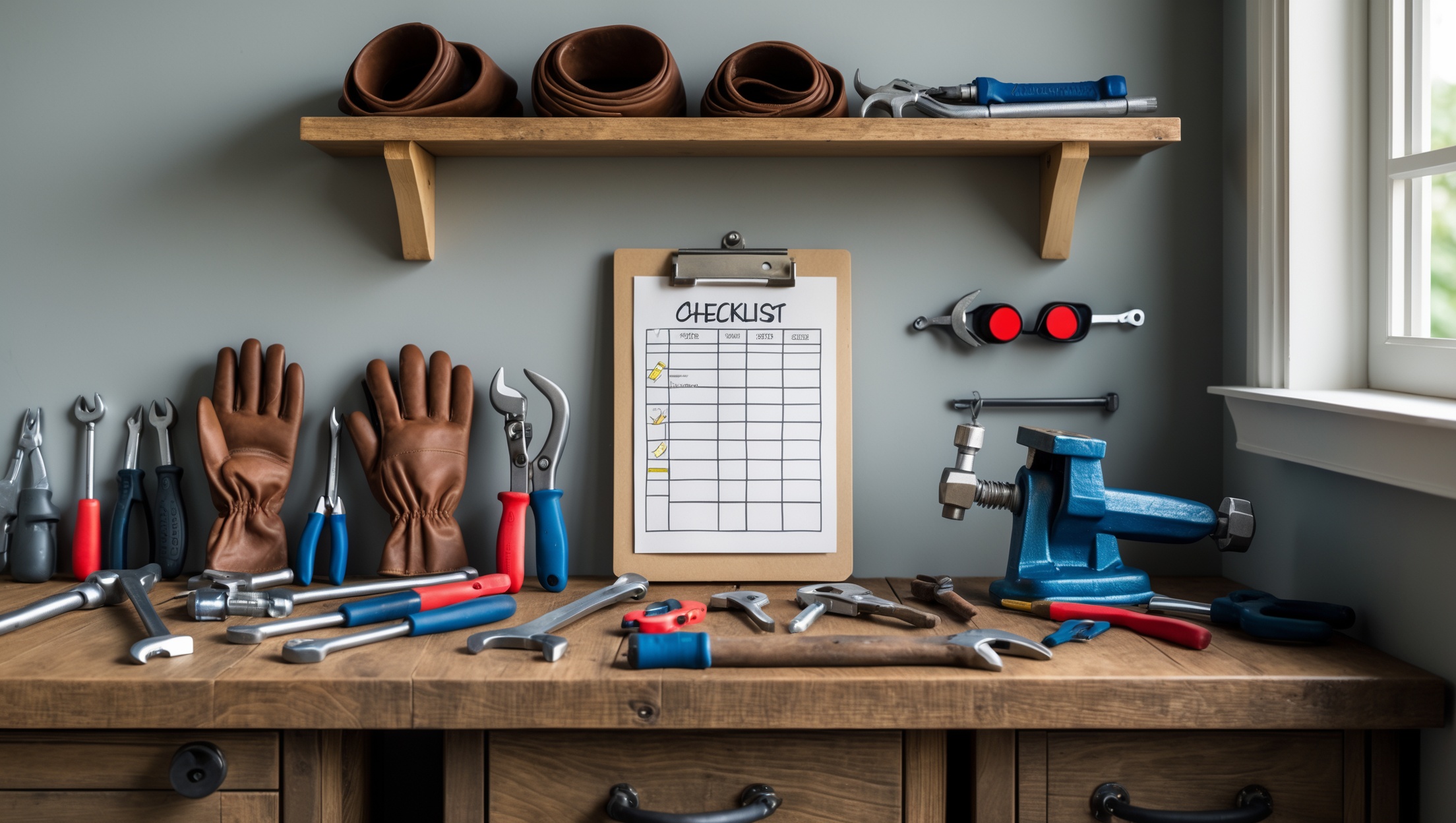
Introduction: Why Plumbing Safety Matters
Whether you’re a seasoned professional, a weekend DIYer, or a property manager overseeing maintenance, plumbing projects always come with risks. From slips, falls, and chemical exposures to the potential for water damage and code violations, safety must be at the forefront of every plumbing task. Unfortunately, safety is often overlooked in favor of speed or cost-saving, leading to preventable injuries and expensive mistakes. According to the U.S. Bureau of Labor Statistics, plumbing is consistently ranked among the trades with higher injury rates, mostly due to inadequate hazard awareness, improper equipment use, and failure to follow regulations.
This detailed plumbing safety checklist is designed to help you systematically assess risks, implement practical precautions, and ensure compliance with relevant codes and standards. Whether you’re tackling a quick repair or a major renovation, following these steps will protect not only your health but also your property, your tools, and your reputation. Let’s dive in to make plumbing projects safer and smarter—every time.
1. Pre-Project Planning: Setting the Stage for Safety
1.1 Conduct a Site Assessment
Before you touch a tool or shut off a valve, carefully evaluate your work area:
- Identify Hazards: Look for standing water, uneven flooring, exposed wiring, mold, asbestos, confined spaces, and sharp objects.
- Check Ventilation: Ensure the area is well-ventilated, especially if using sealants, adhesives, or soldering equipment.
- Plan Lighting: Bring portable lighting if needed for crawlspaces or dimly lit basements.
- Access and Egress: Keep pathways clear for quick exits in emergencies.
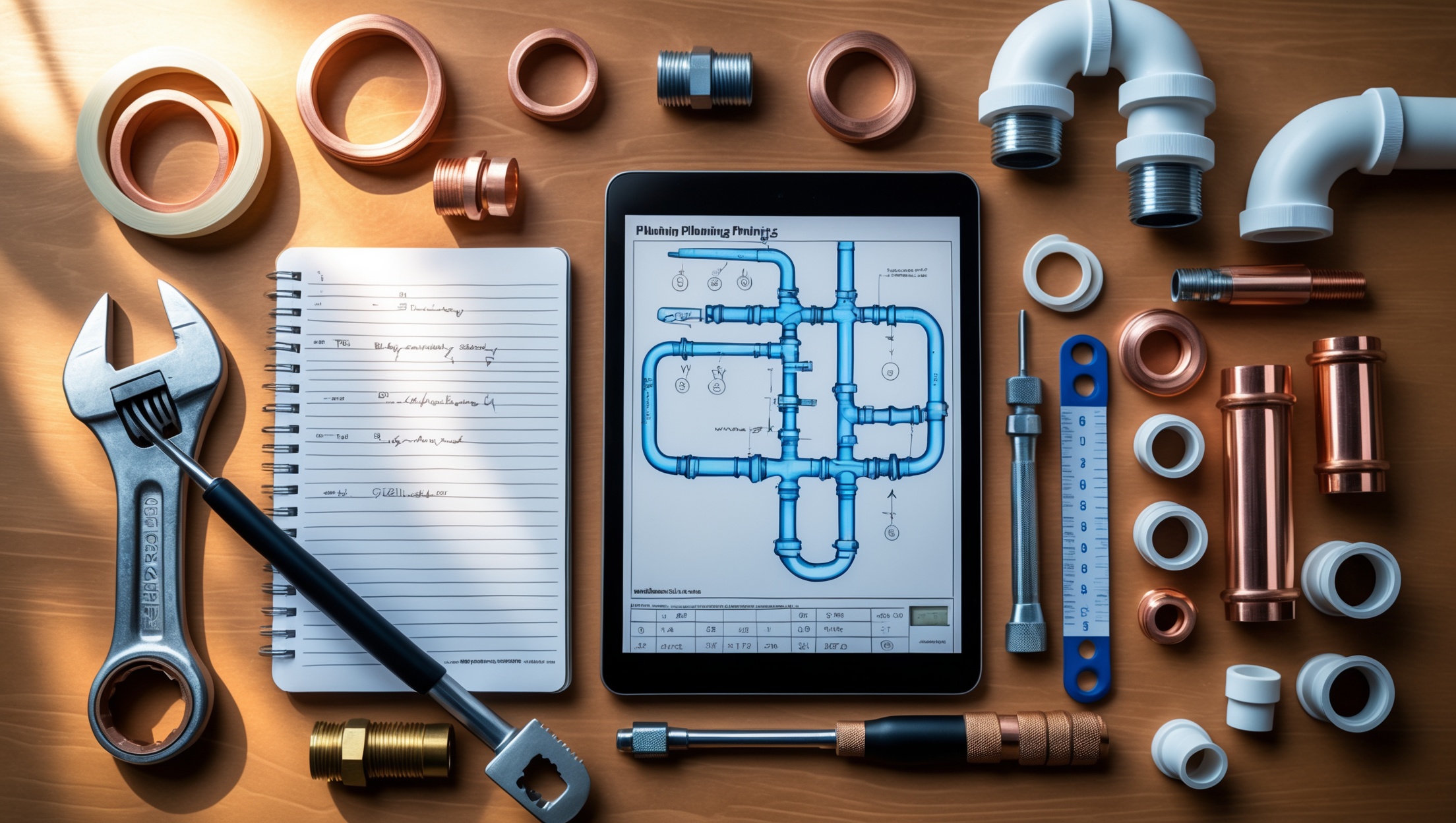
1.2 Review Building Plans and Codes
- Check for Permits: Confirm whether your project requires permits and if they’re up to date.
- Know Utility Locations: Use site diagrams or detection tools to locate gas, water, and electrical lines before drilling or cutting.
- Compliance: Review local plumbing codes, especially for backflow prevention, venting, and drainage requirements.
1.3 Emergency Preparedness
- First Aid Kit: Keep a stocked first aid kit within reach.
- Fire Extinguisher: Especially important when soldering or working near electrical wiring.
- Know Shut-Offs: Locate all relevant water, gas, and electrical shut-off valves/switches.
- Emergency Contacts: Post emergency numbers and procedures in a visible location.
2. Personal Protective Equipment (PPE): Gear Up Correctly
2.1 Essential PPE for Plumbing Tasks
- Gloves: Use cut-resistant gloves for handling pipes and sharp objects; nitrile gloves for working with chemicals.
- Eye Protection: Always wear safety goggles when cutting, soldering, or using power tools.
- Respiratory Protection: Use masks or respirators when exposed to dust, mold, or chemical fumes.
- Hearing Protection: Use earplugs or earmuffs when using loud power tools or working in echoing spaces.
- Knee Pads: Essential for prolonged work on hard surfaces or in crawlspaces.
- Protective Clothing: Wear long sleeves and pants to prevent cuts, burns, and chemical exposure.
- Steel-Toe Boots: Protects your feet from falling tools or heavy pipes.
2.2 Inspect and Maintain PPE
- Check for rips, cracks, and wear before each use.
- Replace disposable items (masks, gloves) as needed.
- Clean reusable PPE according to manufacturer instructions.
3. Tool Safety: Using Equipment the Right Way
3.1 Inspect Tools Before Use
- Look for cracks, frayed cords, missing guards, and loose parts.
- Test power tools on a safe surface before starting work.
- Ensure batteries and chargers are in good condition.
3.2 Safe Operation Guidelines
- Use each tool only for its intended purpose and within its rated capacity.
- Keep hands away from moving or sharp parts.
- Never bypass safety switches or guards.
- Unplug or remove batteries before changing accessories or cleaning tools.
3.3 Lifting and Handling
- Use proper lifting techniques: bend at the knees, keep the load close, and avoid twisting.
- Ask for help or use mechanical aids for heavy pipes or fixtures.
4. Hazard Prevention: Specific Risks and How to Avoid Them
4.1 Electrical Hazards
- Always assume wires are live unless tested.
- Use insulated tools when working near electrical sources.
- Keep water away from outlets and junction boxes.
- Turn off circuits at the breaker when possible.
4.2 Chemical Exposure
- Read all labels and safety data sheets (SDS) for products used.
- Store chemicals in original containers, away from heat and children.
- Work in well-ventilated areas; use fans or open windows if indoors.
- Dispose of chemicals following local regulations.
4.3 Confined Spaces
- Never enter crawlspaces or vaults alone—always have a spotter.
- Test for oxygen deficiency and toxic gases if possible.
- Use portable lighting and keep communication lines open.
- Watch for rodents, insects, or sharp debris.
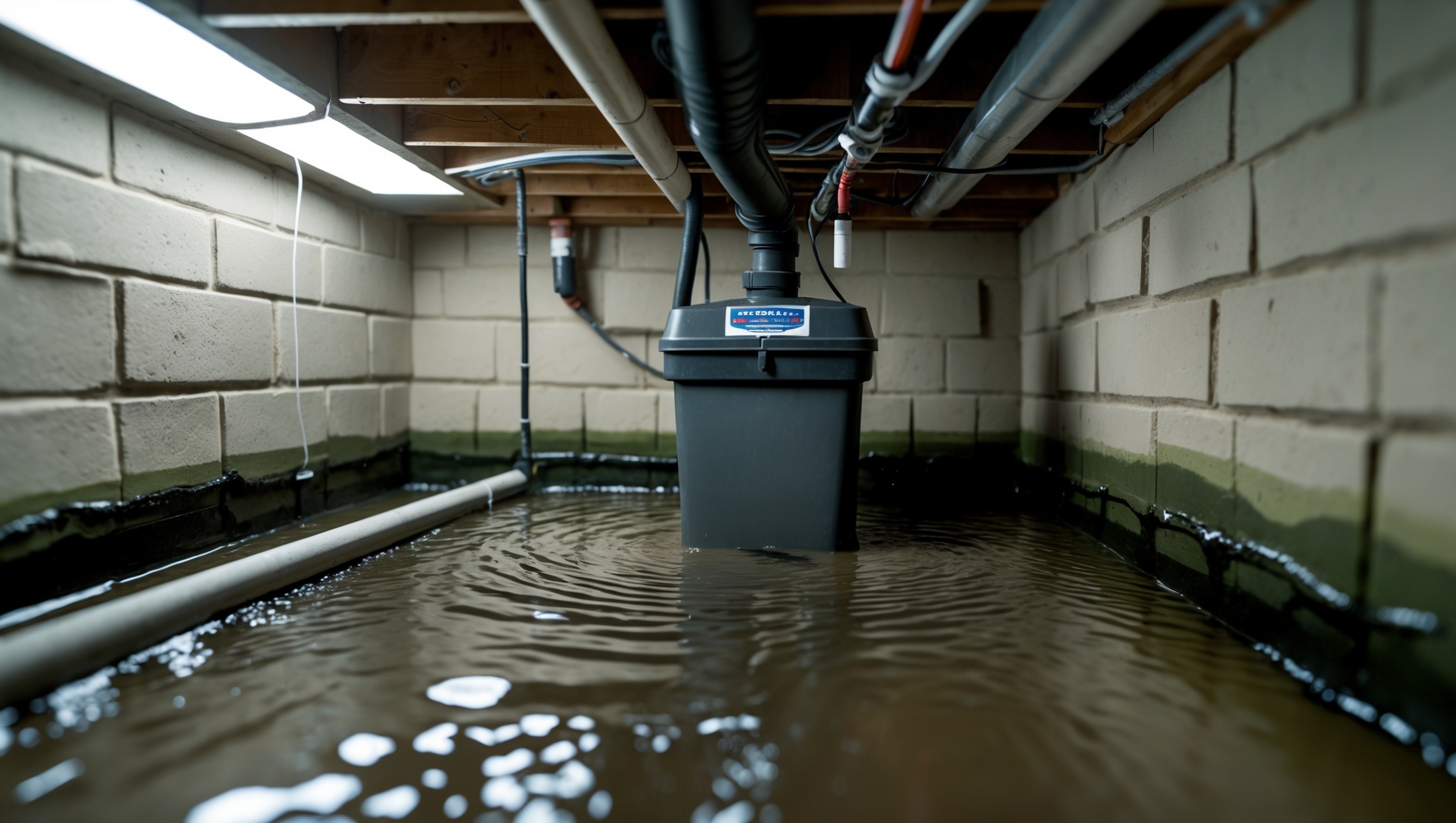
4.4 Slips, Trips, and Falls
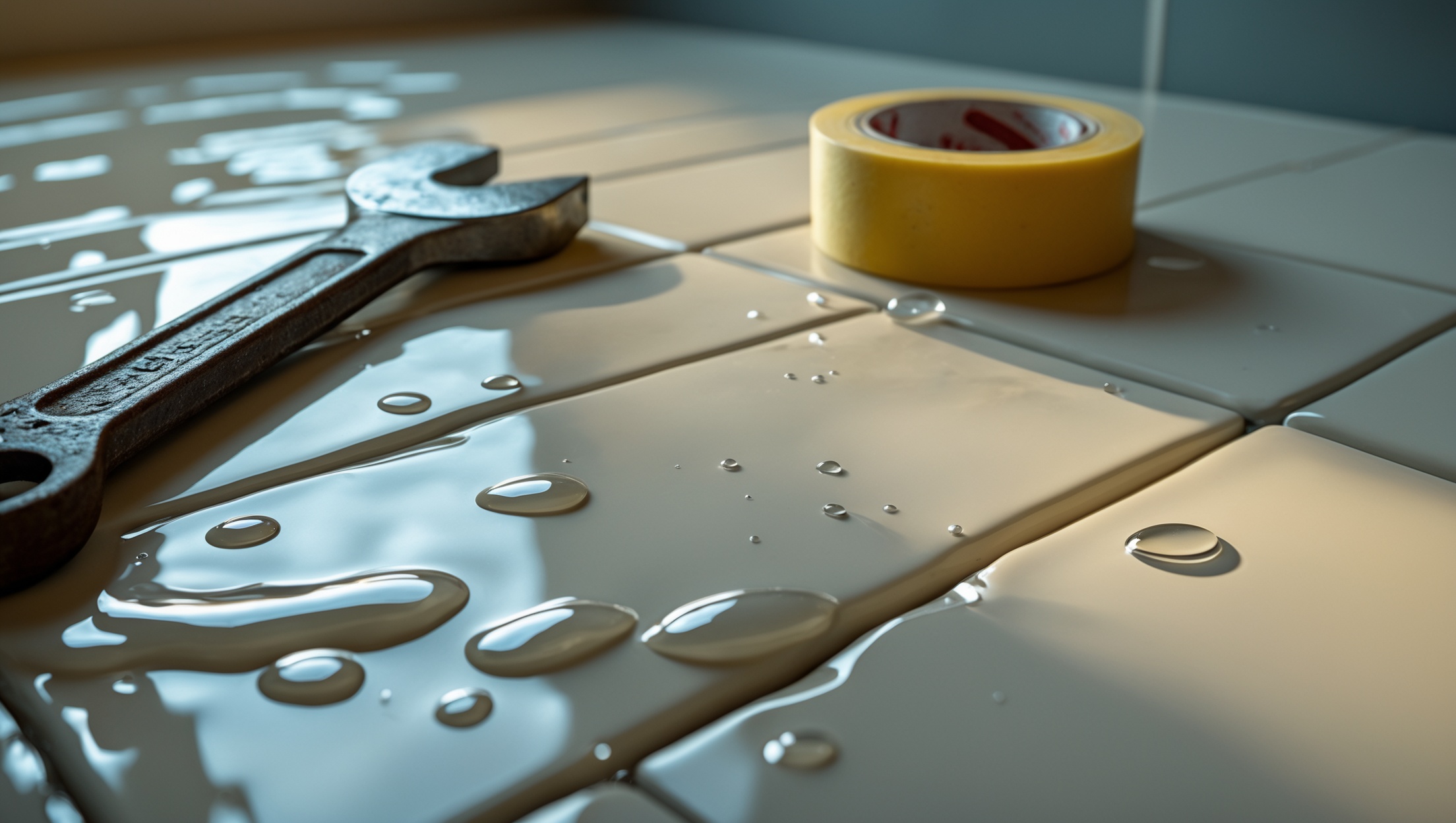
- Keep the work area dry by using absorbent pads or towels.
- Immediately clean up spills.
- Use non-slip mats in wet areas.
- Secure extension cords and hoses so they don’t become tripping hazards.
5. Safe Work Practices: Process and Procedures
5.1 Lockout/Tagout Procedures
- Label and lock water, gas, and electrical sources during repairs.
- Tag all locked-out valves and switches to alert others.
- Never restore power or water until all work is complete and tools are cleared.
5.2 Soldering and Hot Work
- Clear flammable materials from the work area.
- Use heat shields to protect walls and floors.
- Keep a fire extinguisher within reach.
- Ventilate the area to disperse fumes.
- Allow parts to cool before handling.
5.3 Ladder and Scaffold Safety
- Inspect ladders for cracks, loose rungs, and missing feet.
- Set ladders on stable, level ground.
- Maintain three points of contact while climbing.
- Never overreach—move the ladder instead.
6. Compliance and Documentation
6.1 Record-Keeping
- Log all safety inspections, incidents, and corrective actions taken.
- Keep copies of permits, inspection reports, and code compliance certificates.
- Document the use of PPE and safety briefings, especially on larger projects.
6.2 Ongoing Training
- Stay updated on OSHA requirements and local regulations.
- Participate in regular safety meetings and refreshers.
- Train new team members or helpers on the checklist and procedures.
7. Safety Checklist: Quick Reference
- Site assessed and hazards identified
- Permits and codes reviewed
- Emergency contacts and shut-offs located
- PPE available and in good condition
- Tools inspected and tested
- Ladders and scaffolds checked
- Chemicals stored and labeled
- Work area dry and clutter-free
- Lockout/tagout procedures followed
- Fire extinguisher and first aid accessible
- Documentation up to date
8. Special Considerations for DIYers vs. Professionals
8.1 DIYers
- Don’t skip PPE, even for ‘simple’ jobs.
- Know your limits—call a pro for gas lines, main drains, or any job involving structural changes.
- Never work alone in confined or hazardous spaces.
- Double-check all shut-offs before starting.
8.2 Professionals
- Lead by example—demonstrate safe practices for your team.
- Keep detailed records for liability and insurance purposes.
- Invest in advanced PPE and detection equipment for specialized tasks.
- Stay current with continuing education and certifications.
Conclusion: Safety is a Skill—Practice It Every Time
Plumbing may not always seem dangerous at a glance, but every project—big or small—presents unique risks. From sharp tools and hazardous chemicals to the ever-present threat of water damage or electrical shock, a lapse in safety can have serious, lasting consequences. Following a comprehensive plumbing safety checklist isn’t just about avoiding accidents; it’s about building habits that protect your health, your property, and your professional reputation.
Remember: safety is not a one-time task, but an ongoing process. Review your checklist before every job, take the time to gear up properly, and never cut corners, no matter how routine the task seems. For professionals, fostering a culture of safety within your team can reduce workplace injuries, lower insurance costs, and boost client confidence. For homeowners and DIYers, safe habits mean fewer costly mistakes and a lot less stress.
By integrating these safety best practices into every plumbing project, you’ll ensure smoother jobs, fewer emergencies, and peace of mind all around. Make safety your first tool out of the box—and the last you put away at the end of every job.



Sarah Davis
The checklist mentions the importance of assessing ventilation when dealing with adhesives or soldering. Are there specific types of safety masks or ventilation systems you recommend for smaller, DIY plumbing jobs in older homes?