

Introduction: Why Fall Plumbing Prep Matters
As the days grow shorter and temperatures begin to drop, your home’s plumbing system faces new challenges. Fall is the critical transition season that determines whether your pipes and fixtures will withstand winter’s harshest conditions or fall victim to costly cold-weather damage. From frozen pipes to cracked outdoor faucets and hidden leaks, the risks of ignoring autumn plumbing maintenance can be severe—leading to emergency repairs, property damage, and unnecessary stress when temperatures plummet.
Taking proactive steps during the fall not only protects your plumbing but also extends the life of your system and helps you avoid unexpected expenses. Whether you’re a homeowner, property manager, or DIY enthusiast, understanding the specific vulnerabilities of your plumbing system as the weather changes is essential. This in-depth guide will walk you through every critical aspect of fall plumbing preparation, from inspecting insulation and winterizing outdoor fixtures to checking for leaks, draining systems, and making sure your home is ready to face the cold head-on. Equip yourself with expert knowledge, proven strategies, and practical checklists to ensure a worry-free winter.
Understanding Cold-Weather Plumbing Risks
How Cold Affects Your Plumbing
When water freezes, it expands—putting immense pressure on pipes and fixtures. Unprotected plumbing can crack, burst, or leak, causing thousands of dollars in damage. Outdoor faucets, irrigation lines, exposed pipes in basements or crawl spaces, and poorly insulated sections are especially vulnerable to freezing temperatures.
Common Fall and Winter Plumbing Problems
- Burst Pipes: Water inside pipes freezes and expands, causing ruptures.
- Leaky Outdoor Fixtures: Hoses, spigots, and irrigation systems often crack if not properly drained or insulated.
- Clogged Drains: Falling leaves and debris can block gutters and exterior drains, leading to backups and ice dams.
- Water Heater Strain: Cold weather forces your water heater to work harder, increasing the risk of breakdowns.
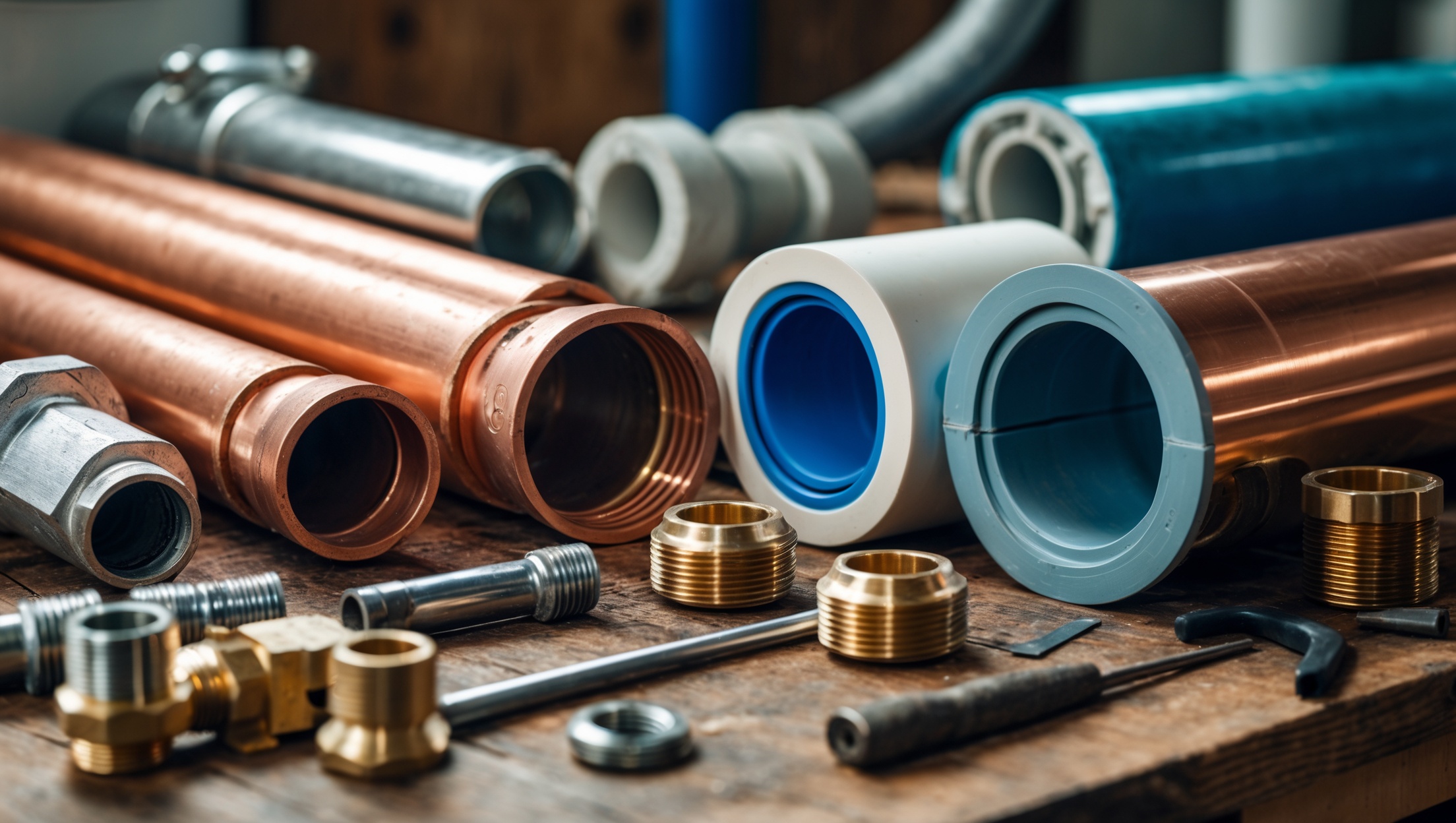
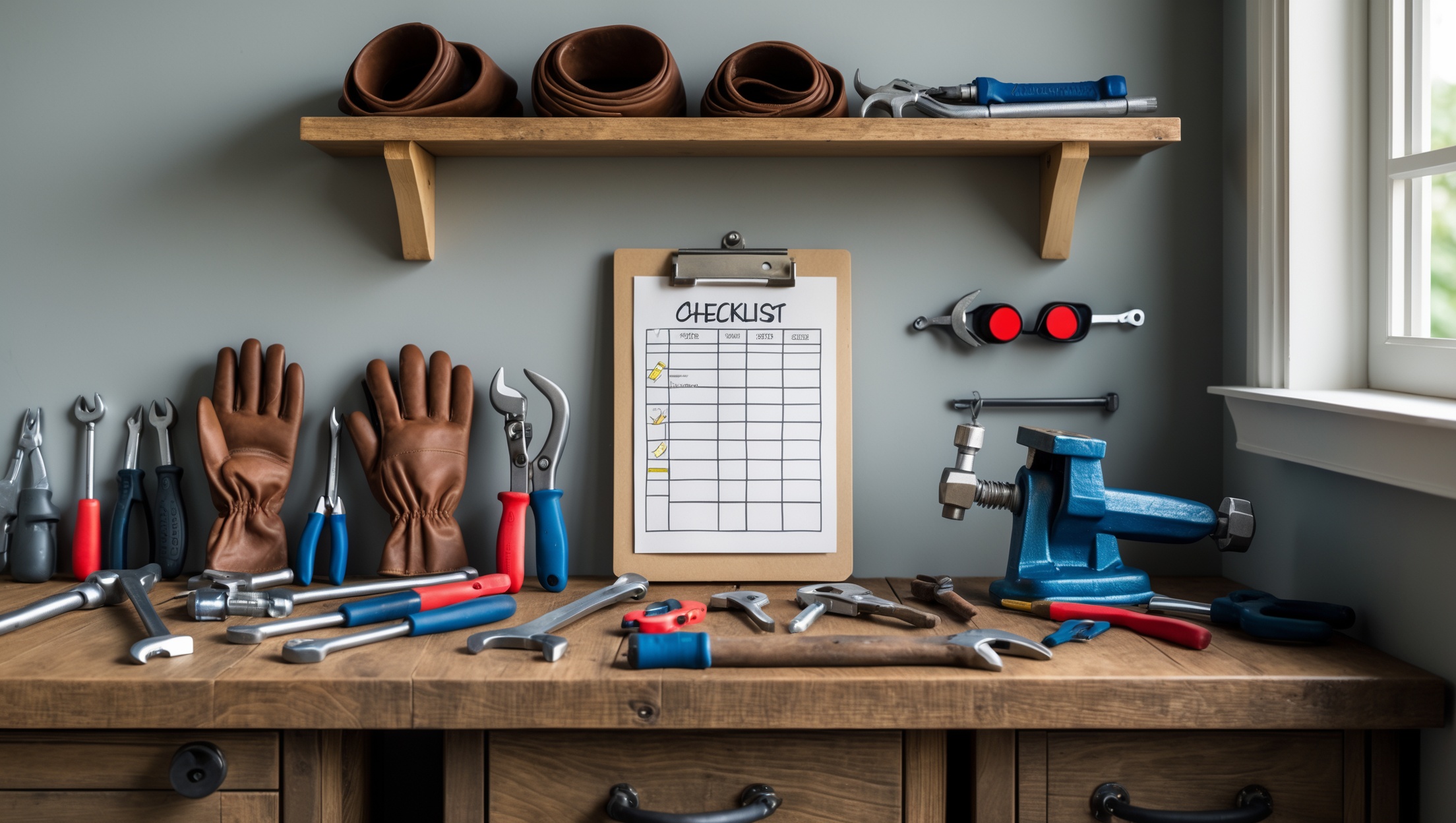
Essential Tools and Supplies for Fall Plumbing Prep
- Pipe insulation sleeves or foam tubes
- Weatherproof faucet covers
- Adjustable wrench and pliers
- Outdoor faucet shut-off keys
- Caulk and weatherstripping
- Gutter cleaning tools (scoop, gloves, ladder)
- Garden hose quick-disconnects
- Heat tape (for exposed pipes in extreme climates)
- Plumbing leak detection dye or sensor (optional but helpful)
Step-by-Step Fall Plumbing Preparation
1. Inspect and Insulate Exposed Pipes
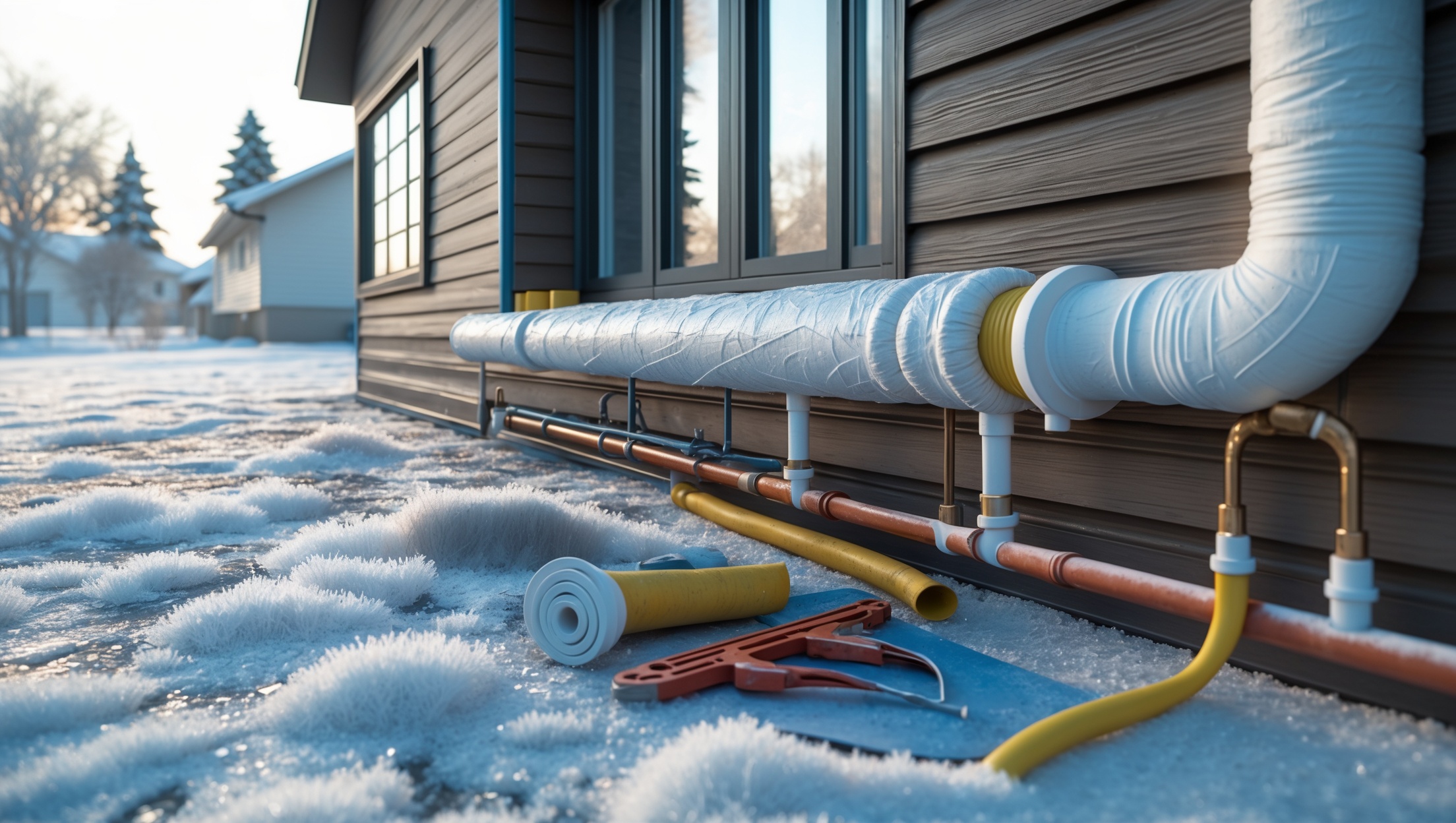
Begin by identifying all pipes located in unheated areas: basements, crawl spaces, attics, garages, and exterior walls. These are the first to freeze. Measure their lengths and diameters, then install pre-slit foam insulation sleeves or wrap them with pipe insulation tape. Pay close attention to joints and elbows—these are common weak points.
- Choose insulation rated for your climate. Thicker insulation is better for extreme cold.
- Secure insulation with weather-resistant tape, especially at seams.
- Consider heat tape for pipes in especially vulnerable locations, following manufacturer instructions for safe installation.
2. Winterize Outdoor Faucets and Hoses
Outdoor spigots and hose bibs are prime candidates for freezing and bursting. Take these steps:
- Disconnect all garden hoses, drain them completely, and store them indoors.
- Shut off and drain outdoor faucets using the interior shut-off valve (if available).
- Open the outdoor faucet to let residual water drain out.
- Install insulated faucet covers to protect exposed fixtures.
- Check for leaks or drips—repair immediately to prevent ice buildup.
3. Drain and Protect Irrigation and Sprinkler Systems
Water left in irrigation lines can freeze, expand, and rupture underground pipes. Properly shutting down your system is crucial:
- Turn off the main irrigation water supply.
- Use manual drain valves, automatic drain valves, or compressed air (blow-out method) to clear lines. For compressed air, always follow manufacturer guidelines and use appropriate safety gear.
- Remove and store backflow preventers, timers, and other detachable components indoors.
4. Clean Gutters and Exterior Drains
Clogged gutters and drains cause water to pool around your foundation, increasing the risk of leaks and basement flooding as temperatures fluctuate. Fall debris can also create ice dams. Clean gutters thoroughly and ensure all downspouts direct water at least 3–4 feet away from the foundation.
- Use a gutter scoop and heavy-duty gloves to remove leaves and debris.
- Flush gutters and downspouts with a garden hose to confirm proper flow.
- Check exterior drains, window wells, and stairwell drains—clear any blockages.
5. Check for Leaks and Address Small Issues
Minor leaks can escalate into major problems when temperatures drop. Inspect your plumbing system thoroughly:
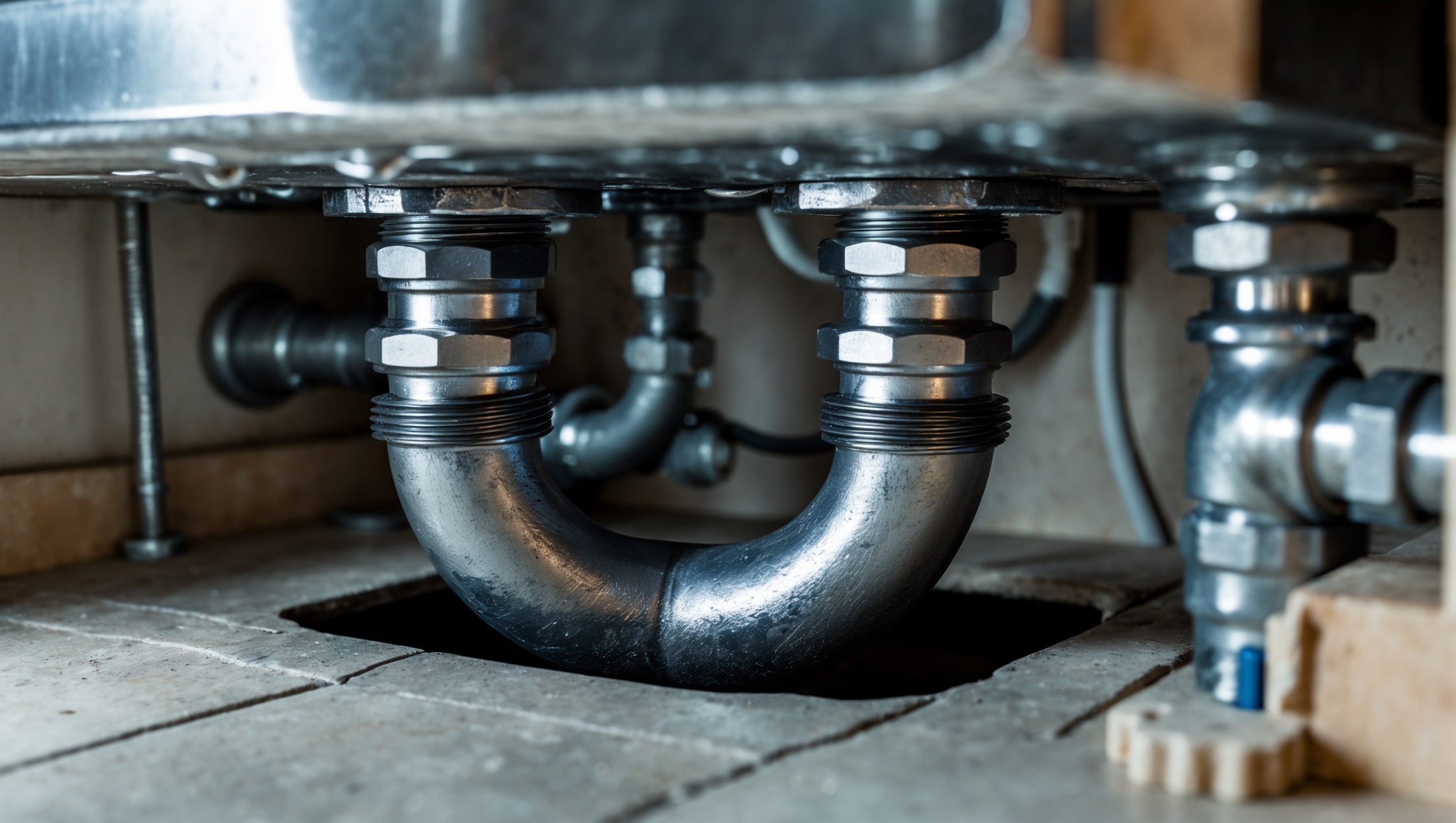
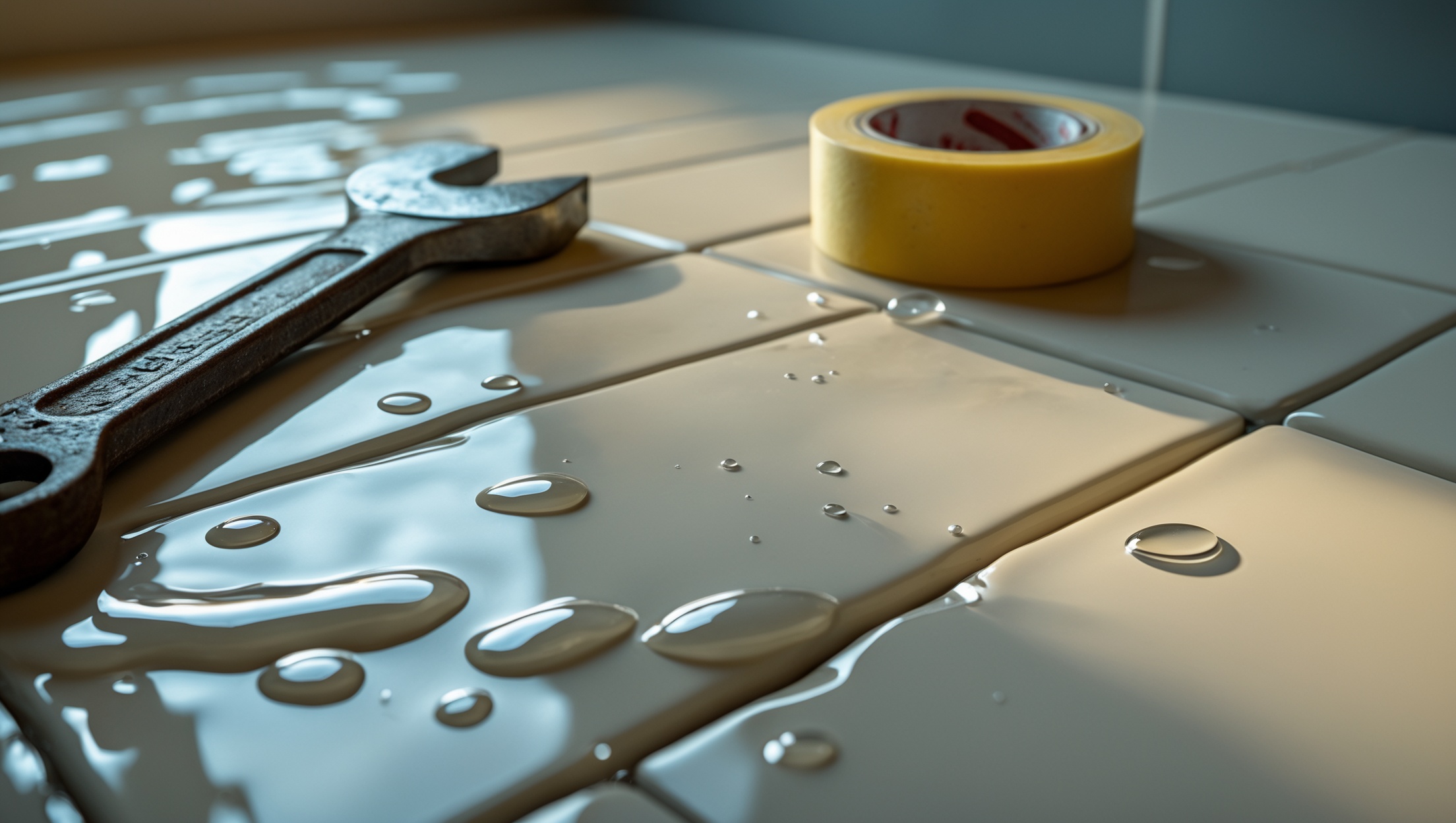
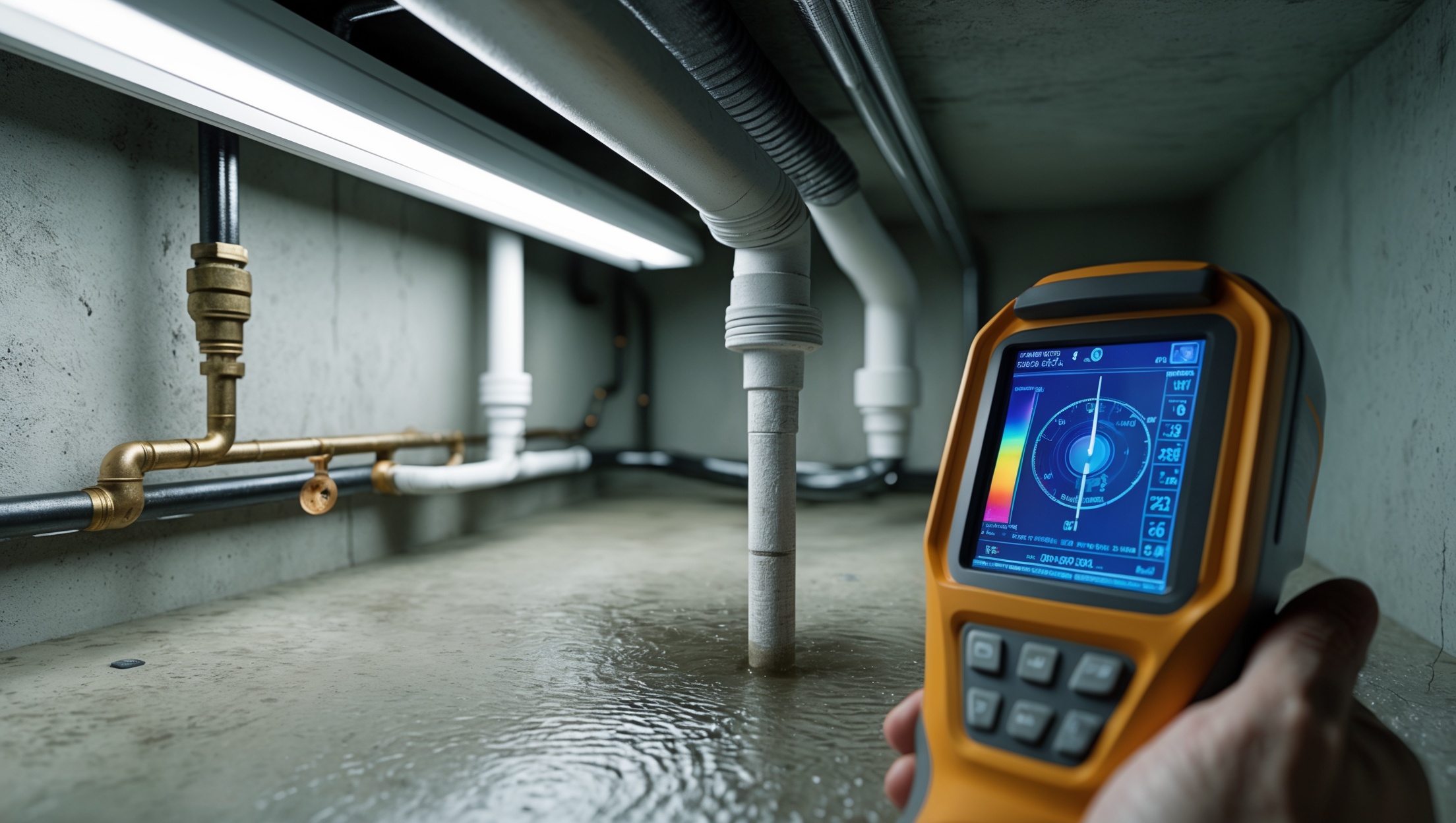
- Look for drips under sinks, around water heaters, at pipe joints, and on ceilings or walls.
- Use leak detection dye or a moisture sensor in suspicious areas.
- Repair leaks promptly—tighten fittings, replace washers, or hire a professional for larger issues.
6. Prepare Water Heater for Peak Performance
Colder incoming water temps make your water heater work harder. Fall is the ideal time to:
- Drain and flush your water heater to remove sediment buildup.
- Check the temperature setting—120°F is generally optimal for efficiency and safety.
- Inspect the tank and connections for leaks or corrosion.
- Install an insulating blanket (if compatible) to reduce heat loss.
7. Test Sump Pump and Check Basement Drainage
Heavy autumn rains and melting snow can flood basements if your sump pump isn’t working correctly. Test your pump by pouring a bucket of water into the sump pit—it should activate and remove the water quickly. Inspect the discharge pipe for clogs or freezing risks, and ensure it directs water away from your foundation.
8. Seal Gaps and Weatherproof Vulnerable Areas
Gaps around pipes entering your home can let in cold air, increasing the risk of frozen pipes and higher heating bills. Use weatherproof caulk or expanding foam to seal any openings in exterior walls, foundations, or crawl space vents.
9. Review Your Plumbing Emergency Plan
Know where your main water shut-off valve is located and make sure it’s accessible. Ensure every household member knows how to use it in case of a burst pipe. Keep emergency contact info for your preferred plumber on hand, and review your home insurance policy for water damage coverage.
Special Considerations for Different Property Types
Single-Family Homes
Focus on exterior fixtures, irrigation, and exposed basement or attic pipes. Inspect crawl spaces and ensure vents can be closed or insulated for winter.
Older Homes
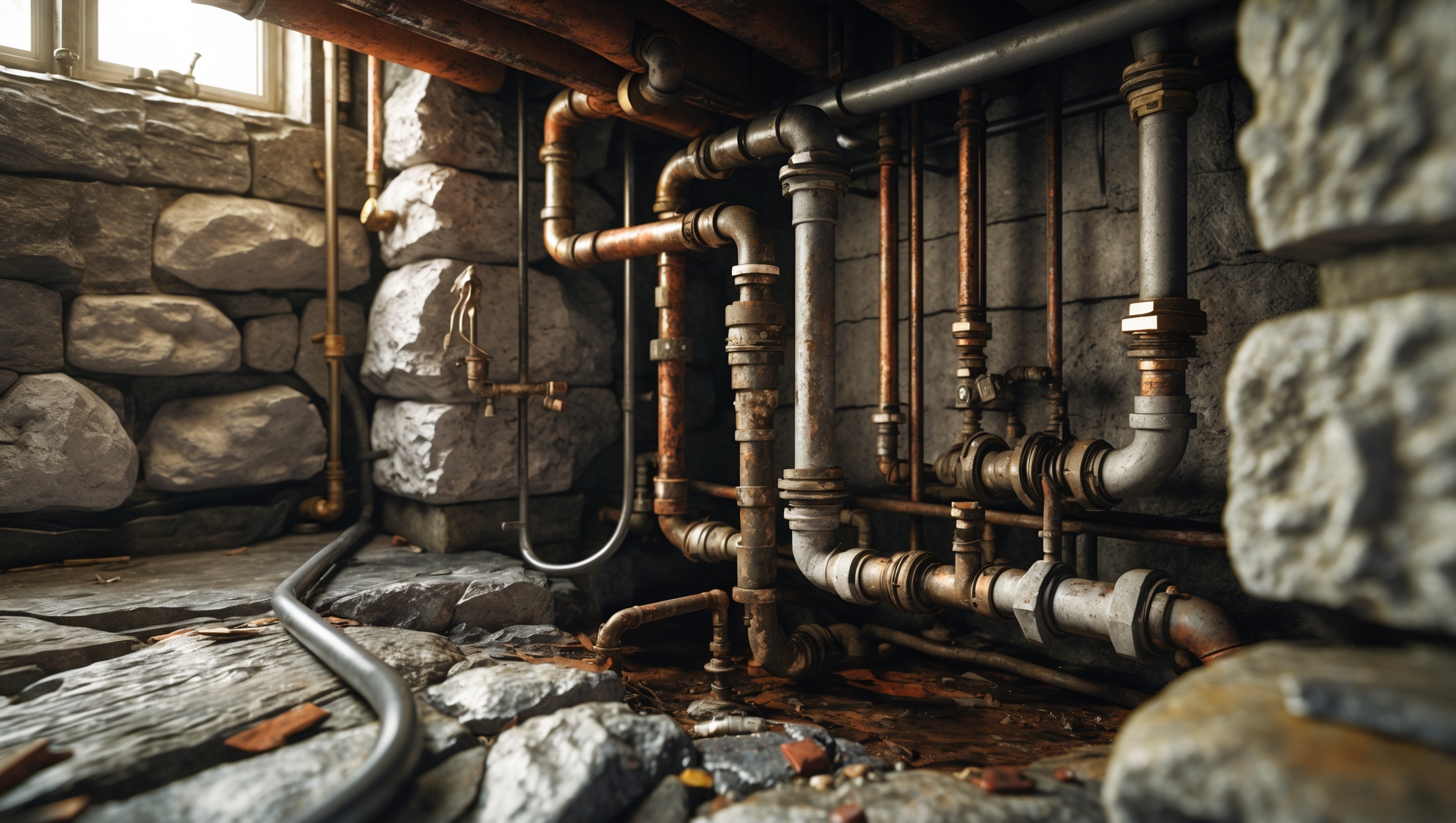
Be extra vigilant: older plumbing systems often have less insulation and more vulnerable pipe materials. Use thicker insulation and consider a plumber’s inspection for hidden risks.
Rental Properties
Communicate clearly with tenants about steps they should take, such as leaving faucets dripping during deep freezes or reporting leaks promptly. Schedule professional inspections if you can’t be on-site.
Vacation or Unoccupied Homes
Consider fully draining the water system and shutting off the main supply. Leave the heat on low to prevent freezing, and arrange for periodic checks during the coldest months.
Preventive Maintenance and Long-Term Planning
- Annual Inspection: Schedule a comprehensive plumbing inspection every fall.
- Upgrade Vulnerable Fixtures: Replace old outdoor faucets and pipe sections with frost-proof models where possible.
- Monitor Water Pressure: High pressure increases risk of leaks and bursts—install a pressure regulator if needed.
- Keep Records: Document repairs and upgrades for warranty and insurance purposes.
DIY vs. Hiring a Professional: Making the Right Call
Many fall plumbing prep tasks are DIY-friendly, especially with the right tools and attention to detail. However, some situations call for professional expertise:
- Hidden or hard-to-access pipes
- Recurring leaks or persistent low water pressure
- Complex irrigation or boiler systems
- Unfamiliarity with local plumbing codes or insurance requirements
When in doubt, a licensed plumber can provide peace of mind and potentially save money by preventing major repairs down the line.
Checklist: Fall Plumbing Preparation at a Glance
- Insulate exposed pipes and vulnerable fixtures
- Disconnect and store hoses; drain outdoor faucets
- Shut down and drain irrigation systems
- Clean gutters and check exterior drains
- Inspect for and repair leaks
- Flush and service water heater
- Test sump pump and drainage
- Seal exterior gaps and pipe entry points
- Review emergency shut-off procedure
Conclusion: Secure Your Plumbing for a Worry-Free Winter
Autumn is more than just a season of falling leaves and cooler air—it’s your opportunity to shield your home or property from the plumbing hazards of winter. A few focused hours spent inspecting, insulating, draining, and weatherproofing your plumbing system can provide months of protection and peace of mind. You’ll avoid the stress of frozen pipes, emergency repairs, and water damage, all while extending the lifespan of your plumbing investment.
Preparation is always more affordable than repair. By following the expert-backed steps and checklists above, you’re taking control of your property’s well-being, safeguarding your budget, and ensuring your plumbing runs smoothly from the first frost through the last thaw. Remember, diligent fall maintenance isn’t just a routine—it’s your best defense against winter’s unpredictability. Start today, and rest easy knowing your plumbing is ready to weather the season.



Michelle Smith
When you mention inspecting insulation as part of fall preparation, is there a specific type of insulation that works best for pipes in older homes, especially in basements or crawl spaces?