

Introduction: Why Plumbing Maintenance Matters for Rental Properties
Landlords and property managers have a lot on their plates—tenant relations, rent collection, legal compliance, and property upkeep. Yet, of all the building systems that keep a rental property running smoothly, plumbing is among the most critical and most often overlooked. Minor leaks, unnoticed corrosion, or neglected water heaters can quickly spiral into expensive emergencies, property damage, and even tenant disputes. Regular plumbing maintenance isn’t just about preventing disasters; it’s about protecting your investment, preserving property value, and ensuring long-term tenant satisfaction. This in-depth guide will walk landlords through the essential plumbing maintenance best practices for rental properties—covering routines, documentation, cost-saving strategies, and actionable steps you can implement right away. Whether you manage a single-family home or a portfolio of multifamily units, this resource will help you stay ahead of plumbing issues and foster a reputation as a proactive, reliable landlord.
Understanding the Unique Plumbing Challenges in Rental Properties
High Occupancy and Turnover
Rental properties experience higher wear and tear compared to owner-occupied homes. Multiple tenants, frequent move-ins and move-outs, and varied usage habits can accelerate plumbing system fatigue. Landlords must anticipate increased maintenance needs, especially in high-turnover properties.
Lack of Tenant Awareness
Not all tenants recognize the signs of a brewing plumbing problem. Small drips, slow drains, and subtle leaks may go unreported until they become significant. Clear communication and regular inspections are key to catching issues early.
Legal and Insurance Considerations
Local regulations may require landlords to maintain plumbing systems to specific standards. Neglecting routine maintenance can result in code violations, insurance claim denials, or legal liability if tenant belongings are damaged.
Essential Routine Plumbing Maintenance Tasks
1. Leak Detection and Repair
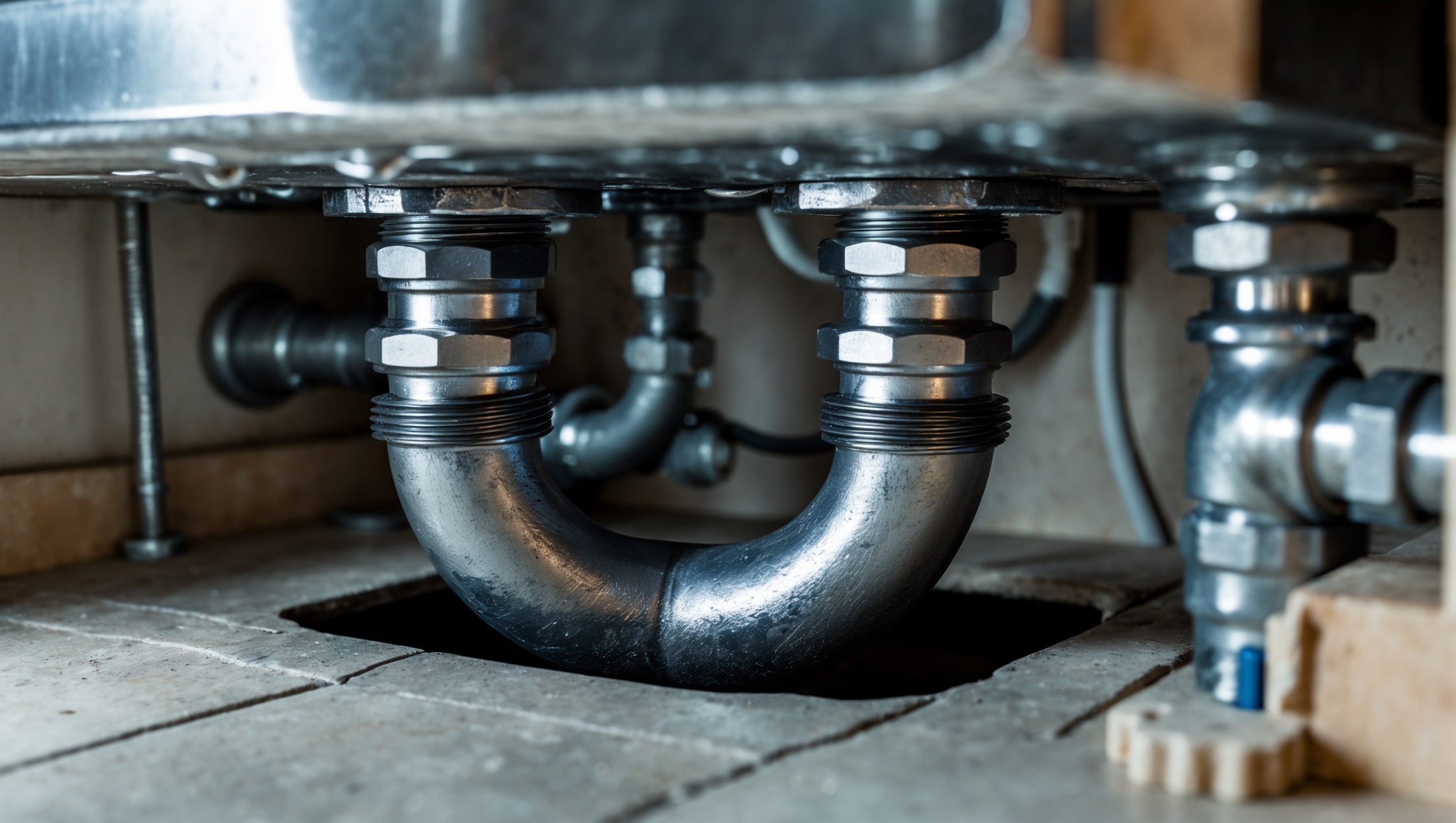
- Visual Inspections: Check under sinks, around toilets, and behind appliances for signs of moisture, water stains, or mold growth.
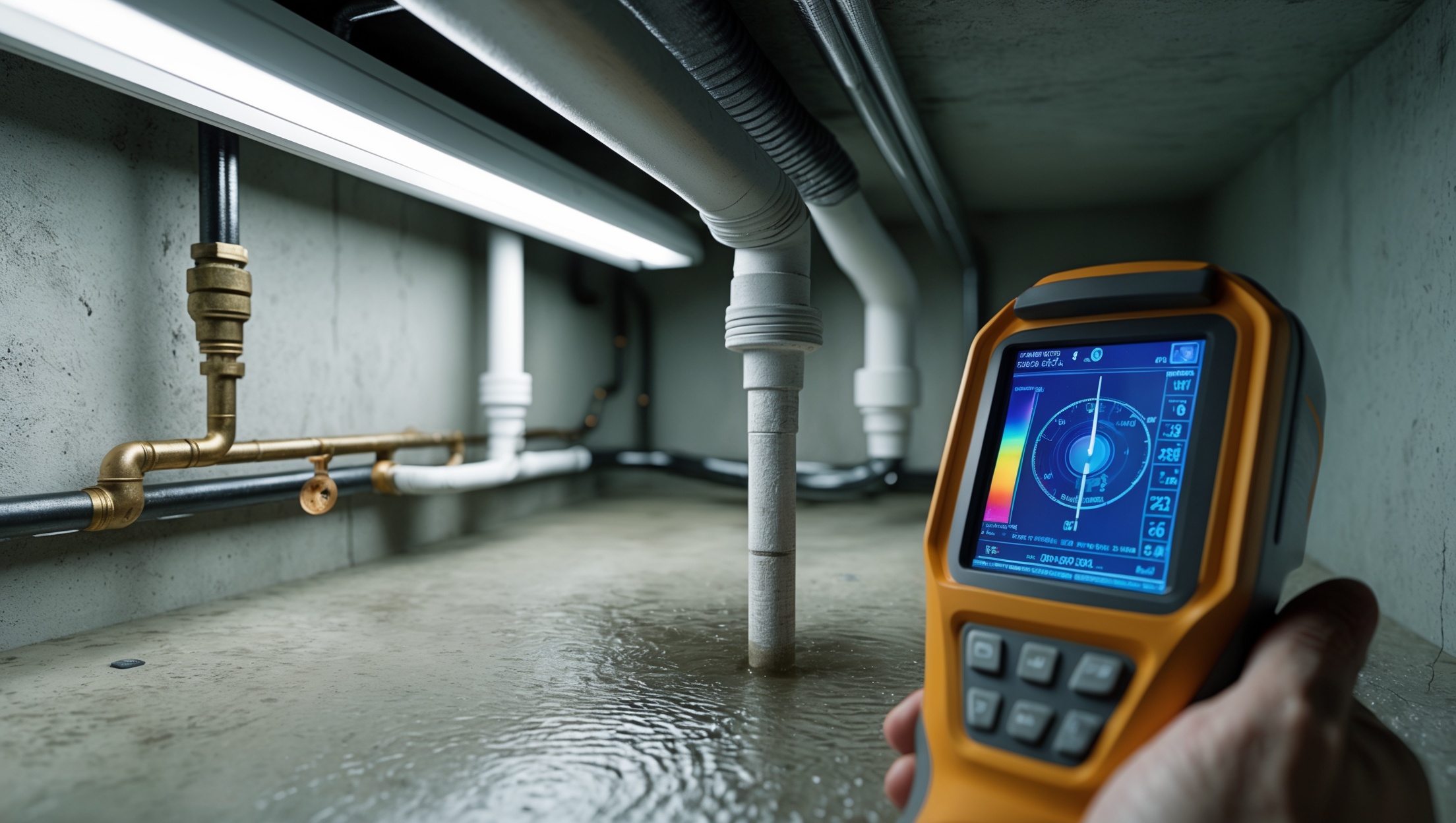
- Monitor Water Bills: Unexplained spikes often indicate hidden leaks.
- Address Drips Promptly: Fix dripping faucets and running toilets immediately to prevent water waste and damage.
2. Drain and Sewer Maintenance
- Regular Flushing: Use enzyme-based cleaners to keep drains clear (avoid harsh chemicals that can damage pipes).
- Prevent Grease Build-Up: Provide tenants with guidelines on proper grease disposal.
- Sewer Line Inspections: Schedule a camera inspection every 3–5 years, especially in older properties or those with large trees nearby.
3. Water Heater Maintenance
- Annual Flushing: Flush the tank to remove sediment buildup, which can reduce efficiency and lifespan.
- Check for Leaks: Inspect around the base for pooling water or rust.
- Inspect Safety Features: Test the temperature-pressure relief valve annually.
4. Fixture and Appliance Checks
- Toilets: Inspect for leaks at the base, tank, and supply line. Listen for running water.
- Faucets: Ensure all handles and sprayers are functioning and tight.
- Washing Machines: Check hoses for cracks and replace every 5–7 years.
- Dishwashers: Inspect supply and drain lines for leaks or corrosion.
5. Shutoff Valve Accessibility and Testing
- Main Shutoff Valve: Locate and test annually to ensure it turns freely. Label it for tenant reference.
- Fixture Shutoffs: Check under sinks and behind toilets; replace any that are stuck or leaking.
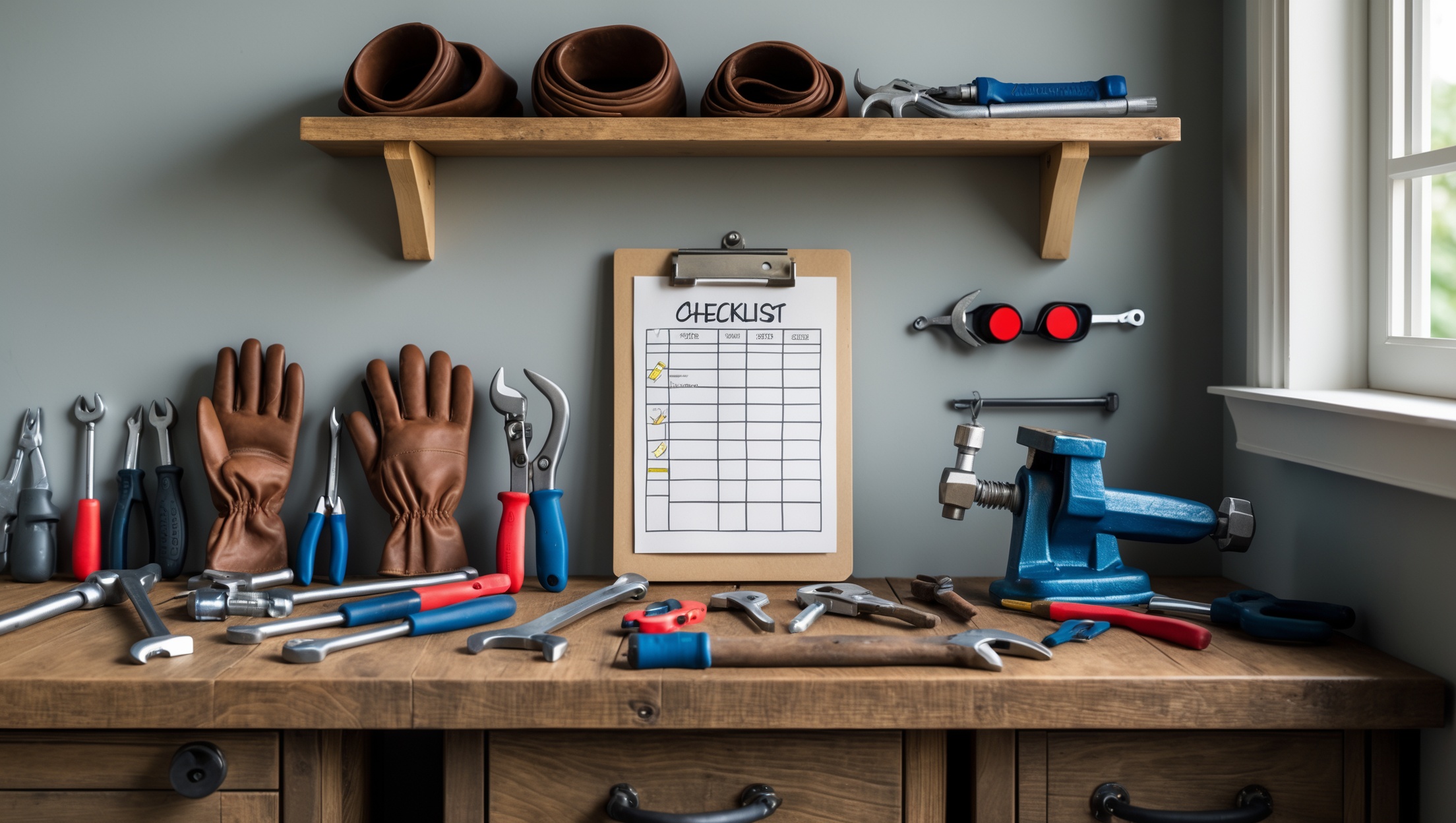
Setting Up a Proactive Maintenance Schedule
Annual Maintenance Tasks
- Flush water heaters
- Test shutoff valves
- Sewer line inspection (if due)
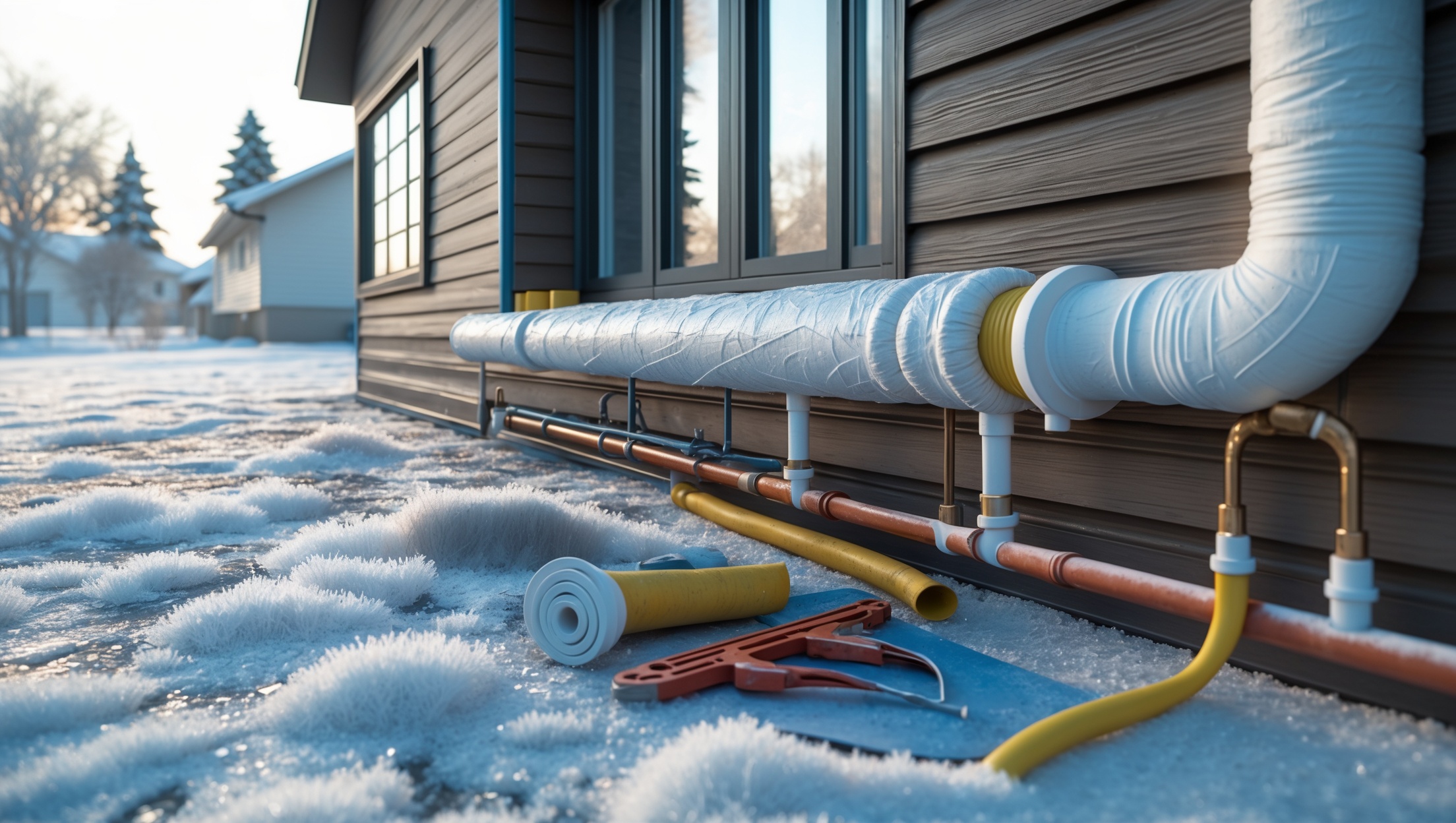
- Inspect exterior hose bibs for leaks and proper winterization
Semiannual Maintenance Tasks
- Check all visible supply and drain lines for leaks
- Inspect under sinks and inside cabinets for moisture
- Assess caulking and grout around tubs, showers, and sinks
Quarterly Maintenance Tasks
- Communicate with tenants about plumbing performance and encourage reporting issues
- Check for slow drains or gurgling noises
Move-In/Move-Out Inspections
- Inspect all fixtures for leaks or damage
- Document condition with photos
- Test all shutoff valves and supply lines
Tenant Communication and Education
Welcome Packets and Signage
Include a plumbing care guide in your tenant welcome packet. Cover:
- How to shut off water in case of emergency
- What not to flush or pour down drains
- How to recognize signs of leaks or clogs
- Who to contact and how to report issues promptly
Periodic Reminders
Send seasonal maintenance reminders (e.g., before winter, advise tenants to keep cabinet doors open and drip faucets during cold snaps).
Encourage Early Reporting
Stress the importance of reporting minor leaks and slow drains before they become major issues. Offer incentives (like a small gift card) for tenants who promptly report plumbing problems.
Documentation and Recordkeeping
Why Keep Records?
Accurate records help track recurring issues, support insurance claims, and demonstrate due diligence in case of tenant disputes. Documentation is also useful for planning future upgrades and budgeting for capital improvements.
What to Document
- Date and details of all inspections and repairs
- Photos of fixtures, piping, and problem areas before and after repairs
- Invoices from plumbers or maintenance staff
- Tenant communications regarding plumbing issues
Digital Tools for Efficiency
Consider using property management software with maintenance tracking features, or simple cloud-based spreadsheets to log plumbing issues and repairs. This makes it easier to access information when needed and share updates with tenants or contractors.
Cost-Saving Plumbing Strategies for Landlords
Preventive Investments
- Install water leak sensors in high-risk areas (under sinks, behind water heaters).
- Upgrade to braided stainless steel supply lines for washers, dishwashers, and toilets.
- Replace old shutoff valves with quarter-turn ball valves for easier operation and reliability.
Bulk Service Contracts
If you manage multiple units or properties, negotiate bulk service contracts with local plumbers for inspections and repairs. This can yield better pricing and faster response times.
Energy and Water Efficiency
- Install low-flow showerheads and aerators to reduce water usage.
- Consider tankless water heaters for smaller units where feasible.
- Use toilet leak-detection tablets during inspections to catch silent leaks.
DIY vs. Professional Repairs
While minor fixes (like replacing a washer or unclogging a sink trap) can be done in-house, always hire licensed professionals for major repairs, water heater work, or anything involving main supply lines. This protects you from liability and ensures code compliance.
Responding to Plumbing Emergencies
Develop an Emergency Plan
- Provide tenants with a 24/7 emergency contact number.
- Keep a list of trusted local plumbers who offer after-hours service.
- Supply tenants with basic instructions for shutting off water in emergencies.
Immediate Actions
- Shut off water to the affected area or the whole property if necessary.
- Mitigate water damage with towels or buckets until help arrives.
- Document the incident and repairs thoroughly.
Planning for Long-Term Plumbing Upgrades
Assessing Pipe Material and Age
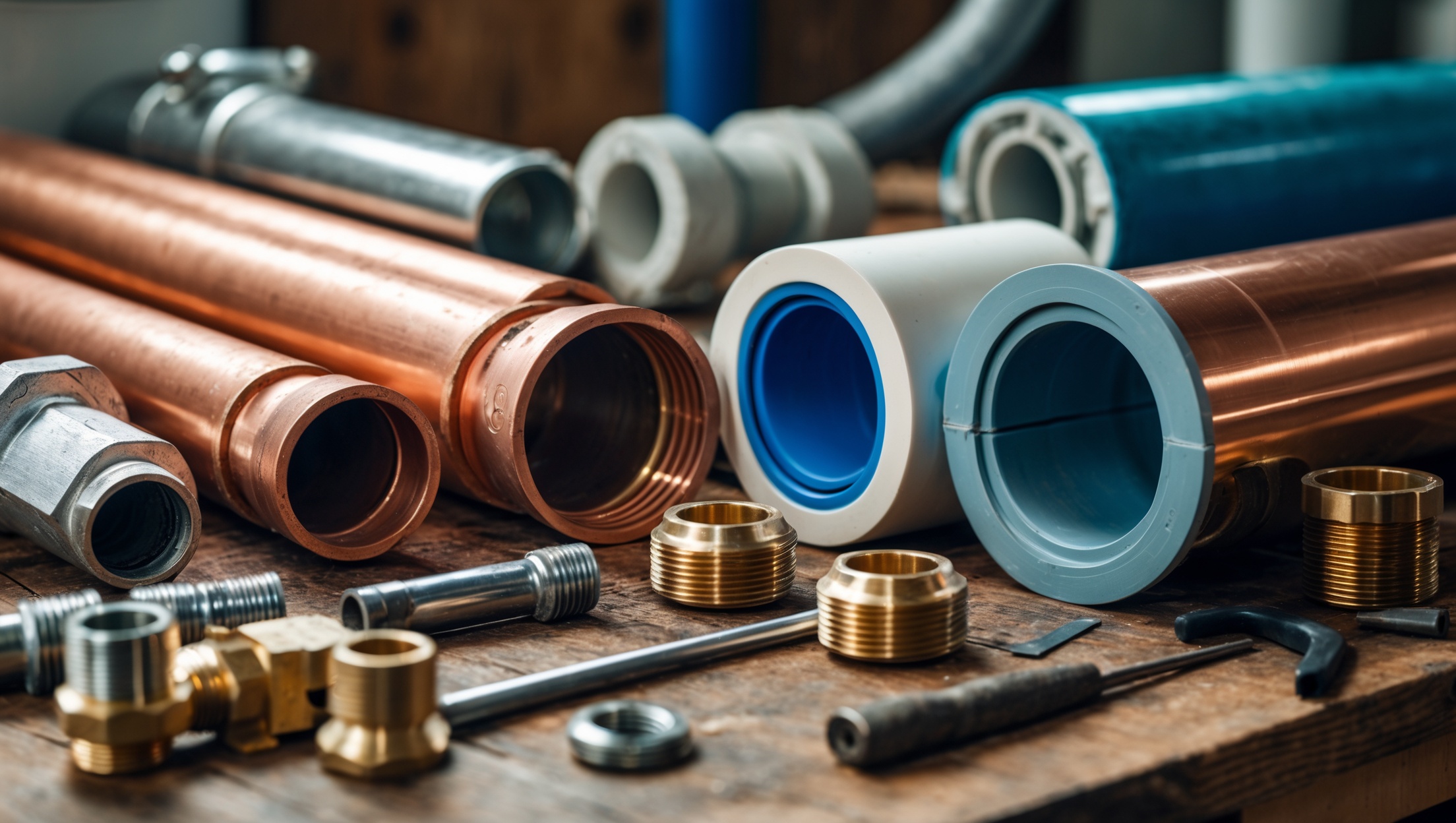
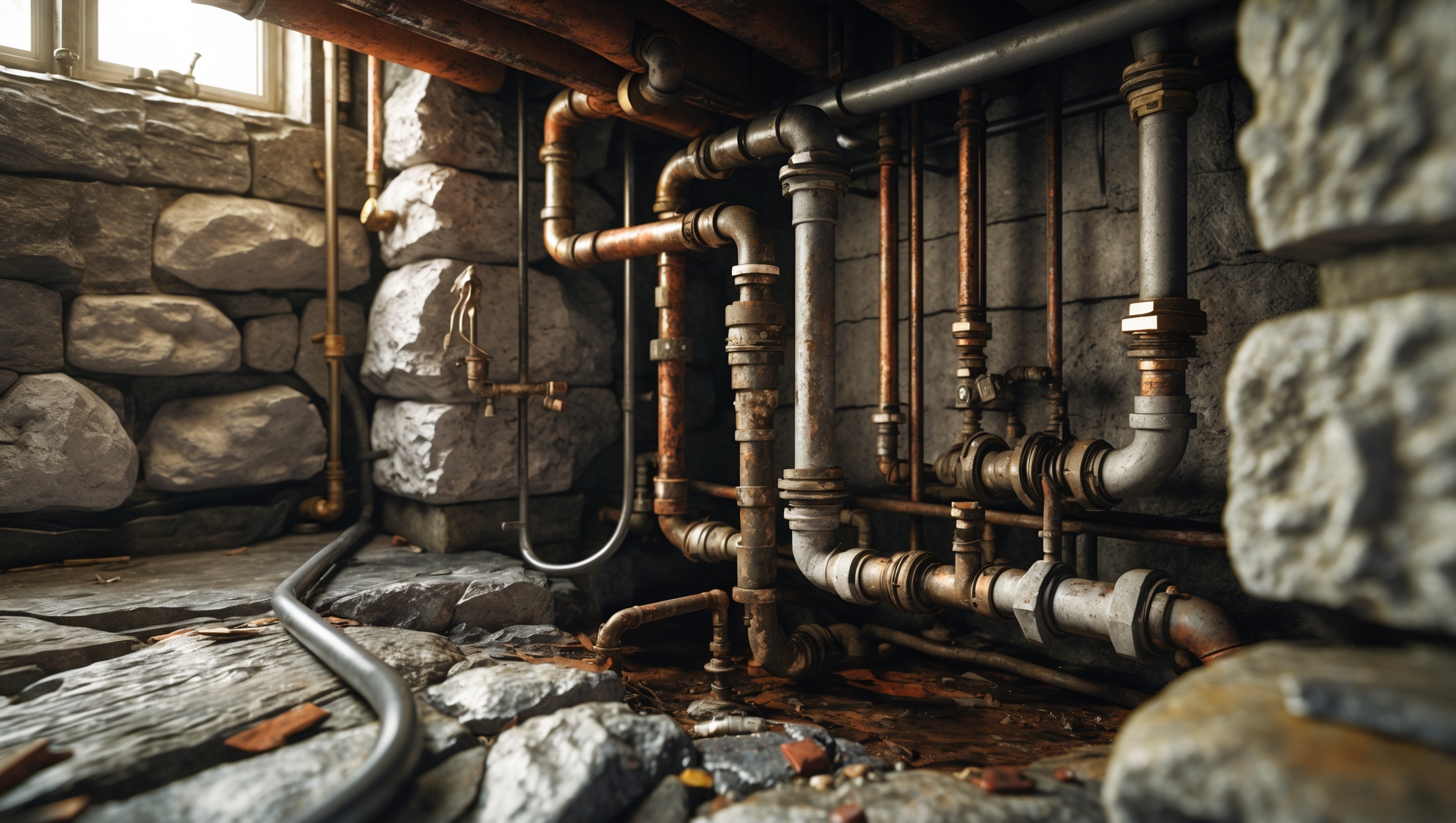
Older properties may have galvanized steel, polybutylene, or lead pipes, all of which are prone to failure or no longer meet code. Schedule a comprehensive plumbing assessment if your rental is over 30 years old.
Budgeting for Replacements
- Prioritize high-risk areas (main supply lines, areas with recurring leaks).
- Spread upgrades over several years to manage cash flow.
- Combine plumbing work with other renovations to minimize tenant disruption.
Tenant Notification and Access
Always provide proper notice before major plumbing work and coordinate schedules to minimize inconvenience. Clear communication fosters cooperation and goodwill.
Legal Compliance and Liability Protection
Know Your Local Codes
Familiarize yourself with state and municipal requirements regarding plumbing maintenance, water heater settings, water conservation, and habitability standards. Noncompliance can result in fines or legal action.
Insurance and Documentation
- Carry adequate landlord insurance covering property damage and liability.
- Require tenants to hold renter’s insurance for their belongings.
- Keep detailed maintenance records to support insurance claims.
Conclusion: Building a Proactive Plumbing Maintenance Culture
Landlords who take plumbing maintenance seriously set themselves apart in a competitive rental market. By implementing routine inspections, clear tenant communication, and detailed recordkeeping, you can prevent small issues from snowballing into costly emergencies. Investments in quality materials, preventive technology, and professional service contracts pay for themselves in reduced repair bills and happier, longer-tenured tenants. Remember, the goal isn’t just to avoid disasters—it’s to protect your property’s value, reduce vacancy rates, and build trust with your renters. Proactive plumbing maintenance demonstrates your commitment to safe, comfortable living spaces and responsible property stewardship. Start with a comprehensive inspection, set up a digital maintenance log, and share plumbing care tips with your tenants. With a clear plan in place, you’ll navigate the challenges of rental property ownership with confidence and peace of mind. Stay ahead of problems, and your plumbing system—and your tenants—will thank you for years to come.





Sandra Johnson
Can you elaborate on how often landlords should schedule professional plumbing inspections, especially in multifamily units with frequent tenant turnover? I’m trying to find the right balance between preventative care and not overspending on routine checks.