
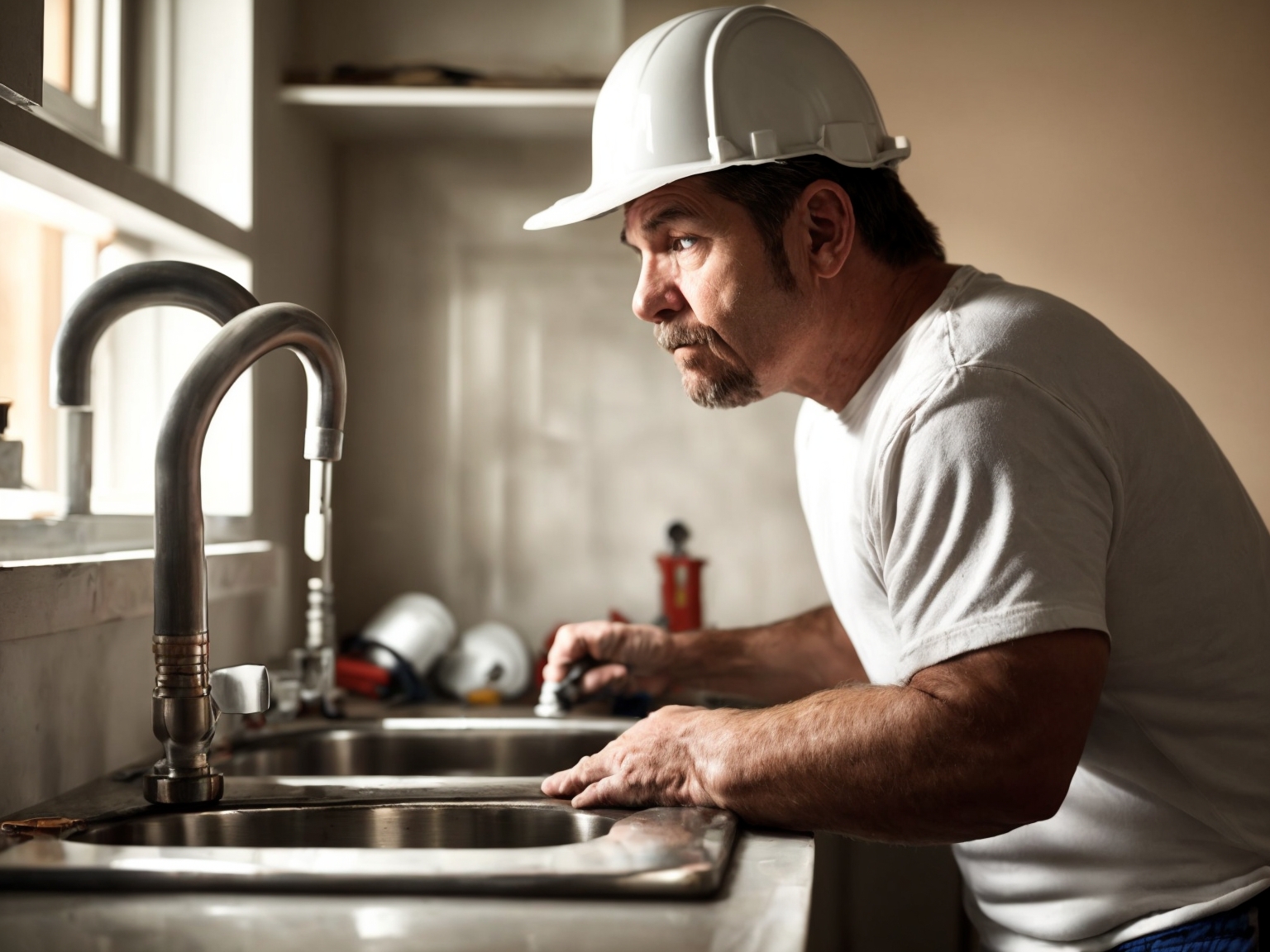
Plumbing problems rarely arrive at a convenient time. A slow drain becomes a backed-up shower before work. A small water stain turns into a ceiling leak on a weekend. A water heater fails when guests are visiting. In those moments, the best plumber is not simply the first name you find online. The best plumber is the one you already know how to evaluate.
Choosing a licensed plumber before an emergency gives you more control over cost, quality, and response time. It also helps you avoid rushed decisions, unclear pricing, and repairs that only address the symptom instead of the cause. Whether you own a home in Las Vegas, manage a rental property, or simply want a reliable plan for the next unexpected leak, the steps below will help you make a confident choice.
Why Licensing Matters More Than a Low Price
A plumbing license is not just a formality. It is a sign that the plumber has met minimum trade requirements, understands applicable codes, and is accountable to a regulatory standard. Plumbing systems affect sanitation, water quality, gas safety, and structural protection. A poorly installed fitting or drain line can create damage that costs far more than the original repair.
Price matters, of course. No homeowner wants to overpay. But the lowest quote is not always the best value if it leaves out permits, uses improper materials, or comes with no meaningful workmanship guarantee. A licensed plumber should be able to explain what is wrong, what options exist, and why a particular repair is recommended.
For homeowners comparing providers across different markets, examples can be useful. A reputable plumbing company should make it easy to understand its services, service area, and approach to customer communication. The same principle applies whether you are hiring in Las Vegas, Henderson, North Las Vegas, or another city: look for transparency before you look for discounts.
Start With the Plumbing Problem You Are Trying to Solve
Before calling several companies, define the issue as clearly as possible. You do not need to diagnose the problem yourself, but you should be ready to describe what you see, hear, and smell. This helps the plumber prioritize the call and bring the right tools.
- For leaks: Note where water appears, when it started, whether it is steady or intermittent, and whether any fixture triggers it.
- For clogs: Identify which drains are affected. One slow sink is different from multiple fixtures backing up at once.
- For water heaters: Describe whether the issue is no hot water, inconsistent temperature, strange noises, leaking, or a tripped breaker.
- For sewer odors: Mention if the smell is near a drain, outdoors, or throughout the home.
- For high water bills: Check whether toilets are running, irrigation is active, or the meter moves when all fixtures are off.
Clear observations help prevent vague estimates. They also help you identify whether the person answering the phone is asking practical questions or simply pushing for an appointment without understanding the urgency.
How to Verify a Plumber Before You Book
A few minutes of verification can prevent major headaches. You do not need to become an investigator, but you should confirm the basics before allowing anyone to open walls, replace fixtures, or work on gas or water lines.
Confirm licensing and insurance
Ask for the contractor license information and confirm that it is active through the appropriate state or local licensing board. Also ask whether the company carries liability insurance and workers’ compensation when applicable. Insurance protects both the worker and the property owner if something goes wrong.
Ask who will perform the work
Some companies send licensed plumbers to every job. Others use apprentices or technicians under supervision. There is nothing wrong with training, but you should know who is coming and what level of oversight is provided. For complex work, code-related repairs, repipes, water heaters, sewer repairs, and gas lines, experience matters.
Review the company’s communication style
A good plumber should communicate in plain language. Watch for clear arrival windows, written estimates, and explanations that do not rely on scare tactics. If a company is disorganized before the job starts, it may be disorganized after the work begins.
Look for relevant experience
Different plumbing problems require different skills. Clearing a kitchen drain is not the same as locating a slab leak. Replacing a toilet is not the same as diagnosing a sewer line collapse. Ask whether the plumber regularly handles your type of issue.
What a Good Plumbing Estimate Should Include
A written estimate is one of the easiest ways to compare plumbers fairly. It should describe the work, parts, labor, any diagnostic charges, and conditions that may change the final price. Not every plumbing issue can be priced perfectly before inspection, especially if damage is hidden behind walls or underground. Still, a professional should be able to explain the pricing structure.
Look for these items in an estimate:
- The specific fixture, pipe, drain, appliance, or system being repaired
- Whether the price includes parts and labor
- Whether additional access work, drywall repair, or cleanup is included
- Permit requirements, if applicable
- Warranty or workmanship guarantee details
- Payment terms and accepted payment methods
- Any diagnostic, dispatch, or after-hours fees
Be cautious if a plumber refuses to provide anything in writing. A quick verbal quote may be acceptable for a very small task, but larger repairs should be documented. Written estimates protect both the homeowner and the contractor by reducing misunderstandings.
Emergency Plumbing: When Waiting Costs More
Some plumbing problems can wait for a scheduled appointment. Others need immediate attention because they can damage flooring, walls, cabinets, electrical systems, or the foundation. Knowing the difference helps you avoid panic while still acting quickly when necessary.
Call for urgent help if you have a burst pipe, active flooding, sewage backup, no usable toilets, a major water heater leak, suspected gas line issue, or water entering electrical areas. If a leak is active, shut off the water supply if you can do so safely. Many homes have a main shutoff near the water meter, garage, exterior wall, or utility area. Individual fixtures may also have local shutoff valves.
In regional searches, the term emergency plumber is often used by homeowners who need fast help with leaks, backups, and sudden failures. The search intent is urgent, but the evaluation process still matters. Even in an emergency, ask about response time, emergency fees, licensing, and what the technician can do immediately to stabilize the situation.
Questions to Ask Before Hiring a Plumber
The best questions are simple and direct. They should help you understand qualifications, pricing, and the repair plan without turning the conversation into an interrogation.
- Are you licensed for this type of plumbing work?
- Do you provide a written estimate before starting?
- Is there a diagnostic or dispatch fee?
- Who will perform the work, and how experienced are they with this issue?
- Do you charge extra for evenings, weekends, or holidays?
- What repair options do I have?
- Is the repair a temporary fix or a long-term solution?
- What warranty applies to labor and parts?
- Will the work require a permit?
- What can I do to prevent this problem from returning?
Pay attention to how the plumber responds. A trustworthy professional will not be offended by reasonable questions. Clear answers are a sign of experience and confidence.
Common Red Flags Homeowners Should Avoid
Most plumbers work hard and want satisfied customers. Still, high-pressure tactics exist in every home service industry. Recognizing warning signs can help you avoid an expensive mistake.
Pressure to approve immediately
Emergencies require fast decisions, but not every repair must be approved in seconds. If a plumber uses fear instead of facts, ask for a clear explanation and, when possible, a second opinion. A serious leak may need immediate mitigation, but the permanent solution can often be discussed calmly.
No license information
If a contractor avoids licensing questions or gives vague answers, move on. Plumbing is too important to leave to someone who cannot verify basic credentials.
Unclear pricing
Watch for estimates that hide key fees or fail to explain what is included. A professional does not need to be the cheapest, but pricing should be understandable.
One solution for every problem
If every drain issue requires a full replacement or every leak requires a major remodel, ask for evidence. Video inspection, pressure testing, moisture readings, or clear visual proof can support a recommendation. Without evidence, be cautious.
Special Considerations for Desert Homes
Homes in desert regions, including the Las Vegas area, face plumbing stresses that may differ from coastal or colder climates. Hard water can contribute to mineral buildup in fixtures, water heaters, and appliances. High summer temperatures can affect exterior lines, irrigation systems, and water usage patterns. Soil movement and slab construction can make leak detection more complicated.
Preventive maintenance is especially valuable in these conditions. Flushing a tank water heater, checking supply lines, testing shutoff valves, cleaning aerators, and monitoring water pressure can reduce avoidable service calls. If your home has a water softener or filtration system, keep it maintained according to the manufacturer’s instructions.
For slab-on-grade homes, unexplained warm spots on floors, rising water bills, mildew smells, or the sound of running water when fixtures are off may signal a hidden leak. Do not ignore these symptoms. Early leak detection can limit damage and preserve repair options.
Comparing Local and Out-of-Area Plumbing Searches
Plumbing is local by nature, but homeowners often compare companies in different cities when they are relocating, managing property, or researching what professional service pages should include. For example, someone evaluating a licensed plumber in Vista, CA may look for the same trust signals a Las Vegas homeowner should expect: licensing, service descriptions, emergency availability, reviews, and straightforward contact information.
The location changes, but the decision framework remains similar. Do not hire solely because a website looks polished. Do not reject a smaller local provider simply because it has fewer pages. Instead, compare responsiveness, credentials, clarity, and whether the company can explain the specific work your property needs.
What to Do Before the Plumber Arrives
You can save time and reduce damage by taking a few practical steps before the appointment. Safety comes first, so do not attempt anything that requires tools, electrical work, gas handling, or entering contaminated water.
- Shut off the water supply if there is active leaking and you know the correct valve.
- Clear the area around the affected fixture, water heater, or access point.
- Move valuables, rugs, and stored items away from water.
- Take photos or short videos of the issue for documentation.
- Avoid using chemical drain cleaners before a plumber arrives, especially if the drain is fully blocked.
- Do not keep flushing toilets or running sinks if drains are backing up.
- Write down when the problem started and what fixtures are affected.
These steps help the plumber work efficiently and may reduce cleanup costs. They also help you communicate clearly if more than one person in the household has observed the issue.
Preventive Maintenance That Reduces Emergency Calls
The cheapest emergency repair is often the one you prevent. A simple maintenance routine can extend the life of plumbing components and reveal problems early.
Know your shutoff valves
Every adult in the home should know where the main water shutoff is located. Test it periodically if it is safe to do so. Stuck or corroded valves should be replaced before an emergency.
Watch water pressure
Excessive water pressure can stress pipes, fixtures, supply lines, and appliances. If you hear banging pipes or notice frequent leaks in supply lines, ask a plumber to test the pressure and inspect the pressure reducing valve if your home has one.
Maintain the water heater
Water heaters should be inspected for corrosion, leaks, venting issues, and proper temperature settings. Tank-style units may benefit from periodic flushing depending on water quality and manufacturer guidance.
Treat drains carefully
Avoid putting grease, coffee grounds, wipes, and fibrous food waste down drains. Use sink strainers and keep hair out of shower drains when possible. Recurring clogs should be diagnosed rather than repeatedly cleared without investigation.
Inspect visible plumbing
Look under sinks, around toilets, behind washing machines, and near the water heater. Small signs such as corrosion, staining, soft cabinet bottoms, or musty odors can reveal problems before they become major leaks.
How to Build a Shortlist of Reliable Plumbers
Do not wait until water is spreading across the floor to begin your search. Build a shortlist when you are calm and have time to compare options. Choose two or three companies you would feel comfortable calling for different levels of urgency.
Start with licensing, service area, and the types of work offered. Then evaluate how the company communicates. Does the website clearly describe services? Are phone representatives helpful? Are estimates explained? Does the company answer questions about fees and scheduling? These everyday signals often predict how the company will handle a stressful job.
Keep your shortlist in your phone and share it with other household members, tenants, or property managers. Include the main water shutoff location and any special notes about your plumbing system. A few minutes of preparation can make the next emergency less chaotic.
FAQ
Should I always hire the cheapest plumber?
No. A low price can be attractive, but it should not override licensing, experience, and a clear written scope of work. The best value is a repair that is safe, code-appropriate, durable, and fairly priced.
Is a plumbing license necessary for small repairs?
For minor tasks, homeowners sometimes handle simple maintenance themselves. However, licensed help is strongly recommended for leaks inside walls, water heaters, sewer lines, gas-related work, major fixture replacements, and anything requiring code compliance or permits.
What should I do first during a major leak?
Shut off the water if you can safely access the correct valve. Move valuables away from the water, avoid electrical hazards, and call a qualified plumber. If water is near electrical panels, outlets, or appliances, prioritize safety and stay clear.
How many estimates should I get?
For non-urgent work, two or three estimates can help you compare price and approach. For active flooding or sewage backups, focus first on stopping damage, then review options for the permanent repair.
Are recurring drain clogs normal?
No. A one-time clog may be simple, but repeated clogs can indicate buildup, improper slope, root intrusion, damaged piping, or a deeper sewer issue. Recurring problems deserve diagnosis rather than repeated temporary clearing.
Final Takeaway
Choosing a licensed plumber is easier when you know what to look for before the emergency happens. Verify credentials, ask direct questions, insist on clear pricing, and learn the warning signs of poor service. For homeowners in Las Vegas and beyond, the goal is not just to find someone who can arrive quickly. The goal is to find a professional who can protect your home, explain your options, and complete the work correctly.
Plumbing systems are too important for guesswork. A little preparation now can save money, reduce stress, and help you respond calmly the next time a pipe leaks, a drain backs up, or hot water suddenly disappears.





James Thomas
If a plumber gives me a lower quote but says I don’t need permits for a repair, should I take that as a red flag even if they claim to be licensed? I’m trying to stay on budget but don’t want problems later.