Plumber Las Vegas News

Your trusted source for plumbing updates, DIY fixes, and industry insights in Las Vegas. Stay informed with practical tips, local trends, and expert advice for homeowners and professionals alike.

Plumbing Safety Checklist: Essential Steps Before Any DIY Repair

Introduction: Why Plumbing Safety Matters for Every DIYer

DIY plumbing can be empowering, cost-effective, and even enjoyable—until something goes wrong. Every year, homeowners suffer injuries or cause unintended water damage because they underestimate the risks involved in plumbing repairs. From exposure to harsh chemicals and sharp tools to electrical hazards near water lines, the dangers are real and often overlooked. Whether you’re fixing a leaky faucet, replacing a shut-off valve, or unclogging a stubborn drain, preparation is crucial. This comprehensive plumbing safety checklist will walk you through the essential steps to take before you pick up a wrench. Designed for homeowners and DIY enthusiasts of all experience levels, it covers everything from personal protective equipment to system shut-down procedures and workspace organization. By following these detailed guidelines, you can significantly reduce the risk of accidents and protect both yourself and your property from costly mistakes. Let’s dive into the practical steps that set the foundation for safe and successful plumbing repairs.

Personal Protective Equipment (PPE): Your First Line of Defense

Assessing the Right PPE for the Task

Not all plumbing jobs are created equal. Some require minimal gear, while others demand a full suite of protective equipment. Before starting, analyze the job:

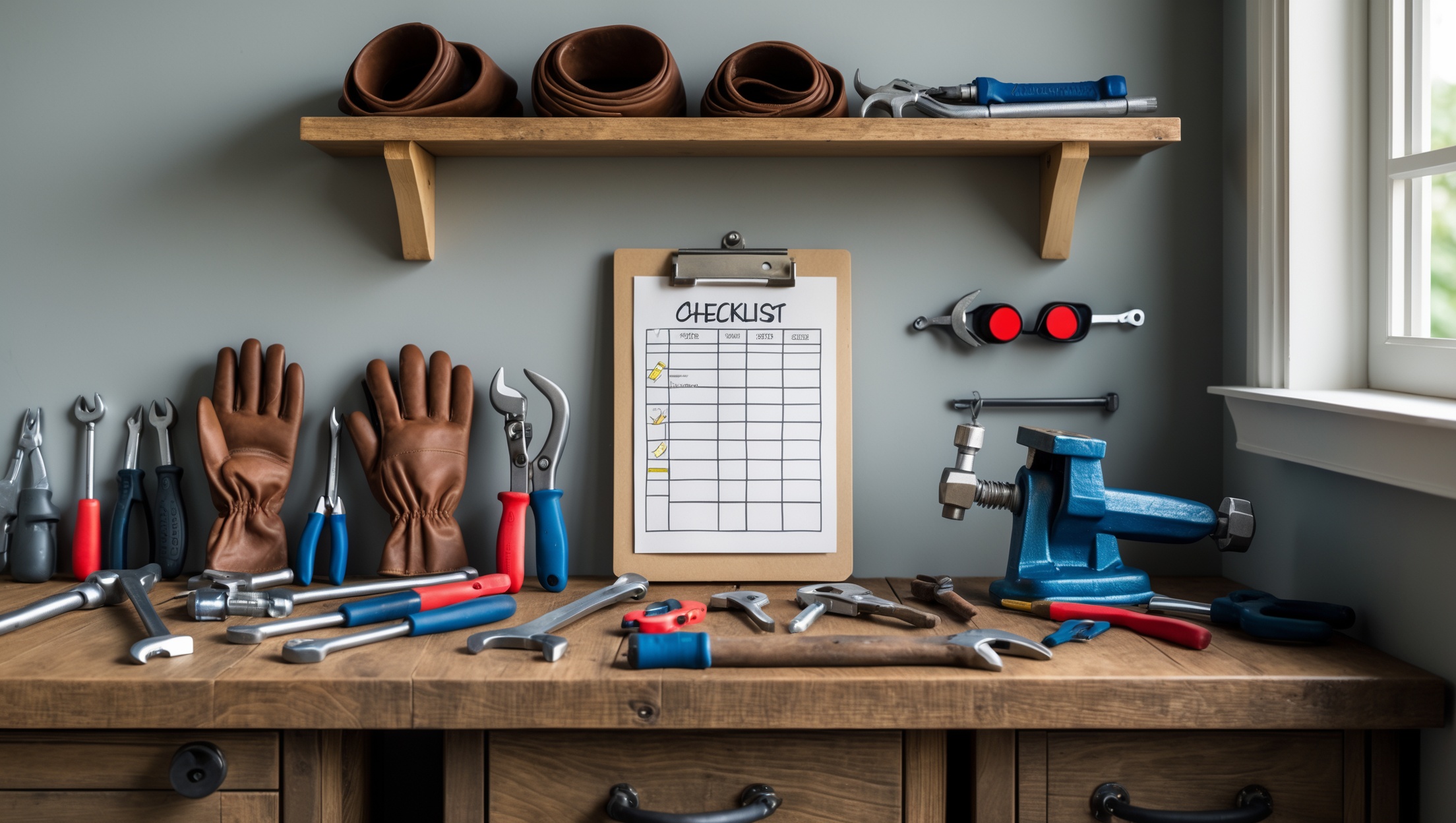
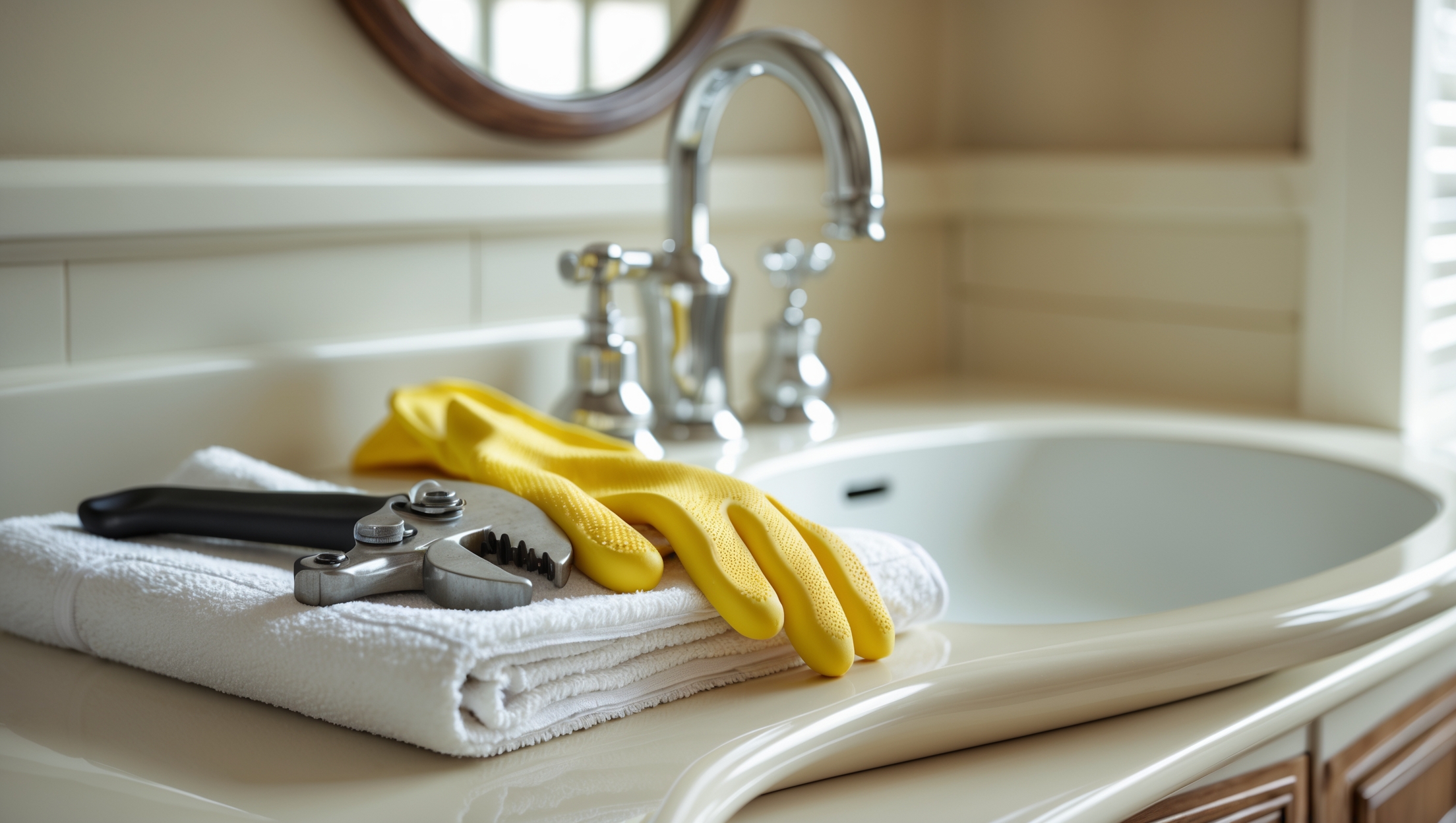
  • Gloves: Use durable, waterproof gloves for handling pipes, drains, and fittings. Nitrile gloves protect against chemicals, while cut-resistant gloves shield you from sharp edges.
  • Safety Glasses or Goggles: Always wear eye protection to guard against flying debris, splashes from drain cleaners, or accidental water sprays.
  • Face Mask or Respirator: If you’re working in dusty environments or with chemical drain cleaners, protect your respiratory system.
  • Knee Pads: Extended work under sinks or on hard floors can take a toll—knee pads prevent discomfort and injury.
  • Hearing Protection: Power tools or hammering on pipes can cause hearing damage. Use earplugs or earmuffs as needed.

Checklist: PPE Essentials Before You Begin

  • Lay out gloves, goggles, and mask before starting.
  • Check for tears, cracks, or contamination in all PPE.
  • Ensure PPE fits snugly and comfortably.
  • Have a spare set of gloves and glasses in case of breakage.

System Shut-Down: Preventing Unintended Floods and Shocks

Water Supply: Know Your Shut-Offs

Before you touch any pipe or fixture, locate and test the relevant shut-off valves:

  • Main Water Shut-Off: Identify its location (often near the water meter or where the main line enters your home). Practice turning it off and back on—sometimes valves seize up from disuse.
  • Fixture-Specific Valves: Sinks, toilets, and washing machines usually have dedicated shut-off valves. Turn these off before disassembly.
  • Drain the Lines: After shutting off water, open the lowest faucet in your home to drain residual water and reduce pressure.

Electricity: Stay Clear of Hidden Hazards

Water and electricity are a dangerous mix. Plumbing work may expose hidden wiring or require the use of power tools near moisture. Follow these steps:

  • Shut off power to the area if working near electrical outlets, water heaters, or appliances.
  • Test outlets with a voltage tester before starting.
  • Never use power tools with wet hands or in standing water.

Workspace Preparation: Organize for Efficiency and Safety

Clear and Clean the Area

  • Remove rugs, toiletries, and clutter from the work area.
  • Lay down old towels or a waterproof mat to catch drips and protect flooring.
  • Ensure adequate lighting; use a battery-powered work light if needed.
  • Ventilate the space, especially if using chemicals or working in enclosed spaces (like under sinks or in crawlspaces).

Tool and Material Staging

  • Check that you have all necessary tools and replacement parts before starting—running to the store mid-repair increases risk and frustration.
  • Arrange tools on a tray or in a tool bucket to prevent accidental drops or spills.
  • Have a bucket and absorbent towels ready for unexpected leaks.

Chemical Safety: Handling and Disposal

Read Labels and Instructions

Many plumbing repairs involve the use of chemical drain cleaners, pipe sealants, or adhesives. Each carries risks that can be mitigated by:

  • Reading manufacturer labels thoroughly for hazards, first aid, and proper usage.
  • Measuring and mixing chemicals exactly as instructed—never mix different cleaners or solvents.

Safe Storage and Disposal

  • Keep chemicals out of reach of children and pets.
  • Store chemicals in original containers, tightly sealed, and away from heat or open flames.
  • Dispose of unused chemicals at a hazardous waste facility—never pour them down the drain unless the label explicitly allows.

Assessing the Plumbing System: Know What You’re Working With

Identify Pipe Material

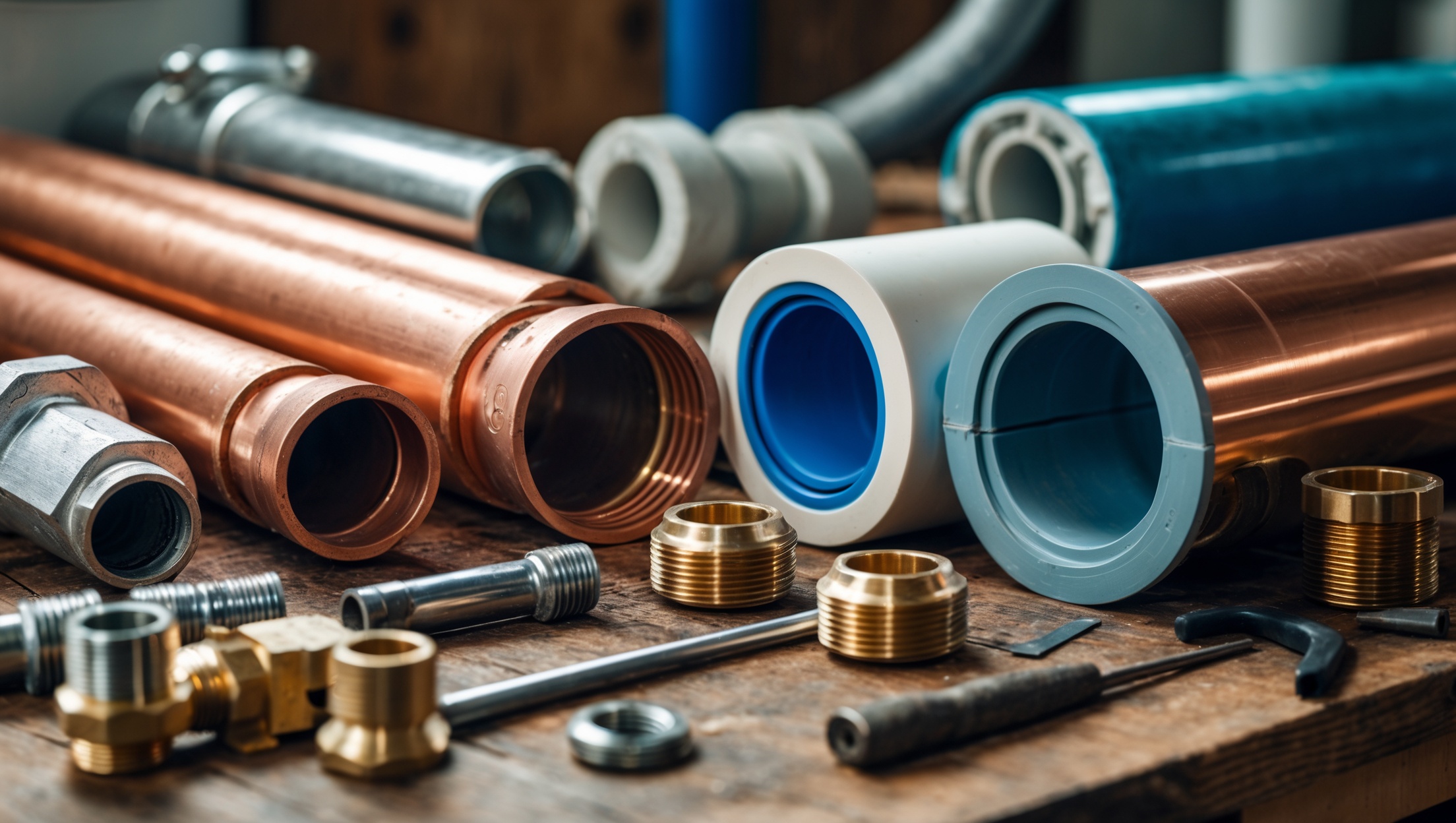
Pipes may be copper, PVC, PEX, galvanized steel, or even lead. Each material requires different tools and safety considerations:

  • Lead Pipes: If you suspect lead, do not disturb—lead exposure is hazardous. Contact a licensed professional.
  • Old or Brittle Pipes: Older pipes can break or crumble unexpectedly. Apply gentle force and consider professional help for fragile systems.

Check for Asbestos or Mold

  • Insulation around pipes in homes built before 1980 may contain asbestos. If you see white or gray fibrous material, stop work and consult an abatement expert.
  • If you notice black or green mold, wear an N95 mask and limit disturbance until it can be safely removed.

Emergency Preparedness: Have a Plan Before You Start

Know Your Emergency Contacts

  • Have the number of a local 24/7 emergency plumber saved in your phone.
  • Know the location of your nearest urgent care or emergency room in case of injury.

Prepare for Contingencies

  • Keep a fire extinguisher nearby if working with torches or soldering tools.
  • Have a first aid kit on hand with bandages, antiseptic, and eye wash.
  • Notify someone else in the household that you’re about to start a repair—they can assist or call for help if something goes wrong.

Step-by-Step Safety Checklist: Before You Begin Any DIY Plumbing Repair

  • Inspect and don all required PPE (gloves, goggles, mask, etc.).
  • Identify and test all water shut-off valves pertinent to your repair.
  • Shut off electrical circuits in your work area if applicable.
  • Clear and organize your workspace; ensure adequate lighting and ventilation.
  • Stage all tools, materials, and backup supplies within arm’s reach.
  • Read all chemical labels and instructions before use; prep safe storage and disposal options.
  • Assess pipe material and system age; avoid disturbing hazardous materials.
  • Prepare for spills and leaks with towels, buckets, and a plan for rapid clean-up.
  • Have emergency contacts and first aid supplies easily accessible.
  • Notify another person when and where you’ll be working.

Common Safety Pitfalls and How to Avoid Them

  • Overconfidence: Don’t skip steps or ignore warning signs because a task seems simple. Even basic repairs can go wrong quickly.
  • Improper Tool Use: Using the wrong tool damages both pipes and your hands. Match the tool to the job and inspect it for defects before use.
  • Ignoring Leaks: Even a small drip can cause water damage or mold if left unaddressed. Always check for leaks after finishing a repair.
  • Forgetting to Ventilate: Chemical fumes and dust can build up fast in enclosed spaces. Open windows and use fans if possible.
  • Working Alone in Isolation: Always let someone know you’re working, especially when tackling complex or hazardous repairs.

Advanced Safety: When to Call a Professional

Some plumbing jobs are simply not suitable for DIY due to complexity or risk:

  • Major leaks or burst pipes: These require immediate, expert attention to prevent water damage and mold growth.
  • Gas line repairs: Only licensed professionals should work on natural gas or propane lines.
  • Main sewer line backups: Specialized equipment and training are needed to address these safely.
  • Suspected hazardous materials: Lead, asbestos, or large mold infestations must be handled by certified abatement experts.

When in doubt, prioritize safety over savings and call a professional.

Conclusion: Proactive Safety is the Best Tool in Your Kit

Undertaking your own plumbing repairs can be a rewarding way to save money, learn new skills, and maintain your home. However, the foundation of any successful DIY project is a commitment to safety. By following the checklist and best practices outlined in this guide, you not only safeguard your well-being but also ensure the integrity of your home’s plumbing system. Every step—from donning the right PPE and shutting off utilities to organizing your workspace and preparing for emergencies—reduces the risk of accidents, injuries, and costly damage. Remember, even the most seasoned professionals never skip fundamental safety checks, and neither should you.

Take the time to prepare, respect the power of water and tools, and don’t hesitate to seek professional help when a job exceeds your expertise or comfort level. With these habits in place, you’ll set yourself up for plumbing success—confident that you’re not just fixing a leak or a clog, but doing so in the safest possible way. Stay safe, stay prepared, and happy DIY plumbing!

306 comments
Richard Hernandez

For smaller plumbing tasks like fixing a leaky faucet, is it really necessary to wear all the recommended PPE, or can I safely skip some items if the job seems low-risk?

    Mario The Plumber

    For small repairs like fixing a leaky faucet, you might not need every piece of PPE listed in the checklist. However, wearing gloves and safety glasses is still a good idea to protect your hands from sharp parts and your eyes from any unexpected spray. You can usually skip heavier gear like masks or steel-toed boots for these low-risk tasks.

Emily Martin

The article talks about eye protection like safety glasses or goggles. I sometimes wear regular glasses while working—are they enough, or should I be investing in actual safety goggles?

    Mario The Plumber

    Regular glasses aren’t designed to protect against flying debris, splashes, or dust the way safety goggles or glasses are. Safety goggles provide side and top protection that regular glasses lack. For any DIY plumbing work where particles or liquids could be involved, investing in proper safety goggles is definitely recommended to keep your eyes safe.

Jennifer Smith

Could you elaborate on the specific types of knee pads that are best for plumbing work under sinks? Are there certain features or materials you recommend for better comfort and durability?

    Mario The Plumber

    For plumbing work under sinks, look for knee pads with thick gel or foam cushioning to provide comfort during long periods on hard surfaces. Pads made from durable neoprene or heavy-duty PVC are both flexible and long-lasting. Adjustable straps help keep them secure without cutting into your legs, and a non-slip textured surface is helpful for stability. Some plumbers prefer hinged knee pads for greater mobility when moving around tight spaces.

Julie Taylor

If I’m setting up my workspace in a tight bathroom where space is limited, what are your top tips for keeping tools and materials organized so that I don’t trip or cause accidents during the repair process?

    Mario The Plumber

    When working in a small bathroom, try to keep only the tools you actually need right within arm’s reach, perhaps in a small tray or tool belt. Lay down a non-slip mat to prevent slipping on wet surfaces. Store extra materials just outside the door to free up space, and tidy up as you go to avoid clutter and trip hazards.

Barbara Brown

For the PPE section, is there a specific type or brand of gloves you would recommend for someone who has sensitive skin but still needs chemical protection during plumbing repairs?

    Mario The Plumber

    For sensitive skin, look for nitrile gloves labeled as ‘hypoallergenic’ and ‘powder-free,’ since these are less likely to cause irritation compared to latex or vinyl. Brands like Kimberly-Clark and Medline offer such options with good chemical resistance. Just make sure the gloves are rated for chemical protection, not just for medical use, to ensure safety during plumbing work.

Mary Brown

I noticed you mentioned hearing protection if using power tools. Would regular foam earplugs be sufficient for occasional use, or is it better to invest in earmuffs or specialized hearing protection for plumbing work?

    Mario The Plumber

    For occasional DIY plumbing work, regular foam earplugs can offer adequate protection, especially if you’re only using power tools briefly. However, if you expect longer sessions or use particularly loud tools like reciprocating saws, earmuffs or specialized hearing protection provide more consistent noise reduction and comfort. It often comes down to personal preference and how often you plan to use these tools.

Linda Anderson

I often find myself squeezing into tight spaces under sinks where it’s hard to move around. Do you have tips for organizing a cramped workspace to reduce risks, especially when I have multiple tools and PPE to keep track of?

    Mario The Plumber

    Keeping your workspace organized in tight spots can make a big difference. Lay a towel or mat nearby to keep tools from slipping, and use a small tray or bucket to hold your essentials within reach. Try attaching your PPE, like gloves or goggles, to a belt or placing them in a spot where you can quickly grab them. Limit the number of tools under the sink at one time to avoid clutter and tripping hazards.

Sean Williams

When it comes to safety glasses versus goggles, how do I decide which is more appropriate for a typical home repair, like fixing a leaky faucet? Are goggles overkill or is it better to be cautious?

    Mario The Plumber

    For most home repairs like fixing a leaky faucet, safety glasses are usually sufficient. They protect your eyes from splashes and small debris, while still being comfortable and easy to wear. Goggles provide extra protection if you expect more water spray or are working with chemicals, but for a basic plumbing task, they might be more than you need. Always choose what feels safest for your situation.

Julie White

After organizing my workspace and wearing the right PPE, what are the first warning signs that I should stop and call a professional instead of continuing with the DIY plumbing repair?

    Mario The Plumber

    Once you’re prepped and ready, watch for these warning signs: water leaking from unexpected places, strong odors of gas or sewage, pipes that look badly corroded or cracked, and any confusion about shutting off water or gas lines. If you feel unsure about the repair steps or notice electrical wiring near the plumbing, it’s safest to stop and call a professional.

Susan Wilson

The article mentions using both nitrile gloves and cut-resistant gloves depending on the job. Is it ever necessary to wear both at once, or should you just choose the most appropriate type for each step?

    Mario The Plumber

    You usually only need to wear the most suitable glove type for each step in your plumbing project. For example, nitrile gloves are great for working with chemicals, while cut-resistant gloves are better for handling sharp tools or materials. However, if you need both chemical protection and cut resistance at the same time, you can wear nitrile gloves as a liner under cut-resistant gloves, as long as it doesn’t affect your dexterity.

Michael Moore

When considering PPE for different plumbing tasks, how do you decide between using nitrile gloves versus cut-resistant gloves if a job might involve both sharp edges and exposure to chemicals?

    Mario The Plumber

    When tasks involve both sharp edges and chemical exposure, it’s important to choose gloves that offer protection against both hazards. Some cut-resistant gloves are also chemical-resistant, so look for gloves that specify dual protection. If that’s not available, consider wearing a chemical-resistant glove as a liner under a cut-resistant glove, but ensure you have good dexterity and comfort for the task.

Helen Taylor

The article says knee pads are recommended for working under sinks. Any tips for affordable knee pad options, or even DIY alternatives, if I don’t already have a pair at home?

    Mario The Plumber

    If you don’t have knee pads, you can use household items as a temporary solution. Folded towels, a thick garden kneeling pad, or even a small pillow can provide cushioning for your knees. For affordable store-bought options, basic foam knee pads from hardware stores or dollar stores work well and are usually inexpensive. Whatever you use, make sure it stays securely in place and provides enough cushioning for comfort and protection.

William Lopez

Once I finish a plumbing repair, are there any quick ways to check if I’ve accidentally caused a leak or made a mistake before I close everything up and clean my workspace? I don’t want to overlook something that could cause water damage later.

    Mario The Plumber

    After finishing your plumbing repair, turn the water supply back on slowly and visually inspect the area for any drips or moisture. Use a dry tissue or paper towel to wipe joints and connections; if the tissue gets wet, there’s likely a small leak. Let water run through the fixture for a couple of minutes, checking underneath for any signs of seeping. Waiting a few extra minutes before closing up everything can help you catch delayed leaks.

Diane Johnson

How much time should someone new to DIY plumbing set aside for preparation, including gathering PPE and organizing the workspace, before actually starting a repair?

    Mario The Plumber

    For someone new to DIY plumbing, it’s best to set aside at least 30 to 60 minutes for preparation. This includes gathering personal protective equipment (like gloves, goggles, and masks), collecting all necessary tools and materials, and making sure your workspace is clean, well-lit, and free of obstacles. Taking this time before you start can help the repair go more smoothly and prevent accidents.

Sean Davis

How long should I expect to spend on organizing and prepping my workspace according to your checklist, especially if I’ve only got weekends to work on a plumbing task?

    Mario The Plumber

    Organizing and prepping your workspace following the checklist usually takes about 30 to 60 minutes for a basic plumbing task. This allows time to clear the area, gather all necessary tools and materials, and put on safety gear. If your workspace is cluttered or you need to move furniture or large items, allow a bit longer. Planning ahead during the week can help you make the most of your weekend project time.

Sean White

Is there a recommended way to tell when gloves or other PPE need to be replaced during a plumbing job? I sometimes use regular latex gloves for small fixes, but I’m unsure how often I should be swapping them out to stay safe.

    Mario The Plumber

    For plumbing jobs, gloves should be replaced right away if you notice any tears, punctures, or visible wear, as they won’t protect you properly anymore. If your gloves become wet inside, sticky, or start to lose their grip, it’s also time to swap them out. For longer jobs, expect to change disposable latex gloves every couple of hours or whenever you move to a new task, especially if you’ve been in contact with harsh chemicals.

Diane Ramirez

I noticed the checklist talks about shutting down systems before starting repairs. Is there a recommended sequence for turning off water, electricity, or gas lines to maximize safety when plumbing near appliances?

    Mario The Plumber

    Yes, the safest sequence is to first turn off the water supply to prevent leaks or flooding. Next, shut off electricity to nearby outlets or appliances, since water and electricity are a dangerous combination. If your plumbing work is near gas lines or gas-powered appliances, turn off the gas last. This order helps reduce the risk of accidents while working near appliances.

Jason Martin

When it comes to using chemical drain cleaners, how do I decide if a regular face mask is enough or if I really need a full respirator? Are there specific products that are riskier?

    Mario The Plumber

    A regular face mask usually isn’t enough when working with chemical drain cleaners, especially those with strong fumes like sulfuric acid or lye. These chemicals can release hazardous vapors that a simple face mask won’t filter out. A full respirator with chemical cartridges is recommended for these products. Always check the product label for warnings about ventilation and required protective equipment, as some cleaners are much riskier than others.

Jennifer Lopez

After following these safety steps and organizing my workspace as suggested, what signs should I watch for during the repair itself that could indicate I need to stop and call a professional instead?

    Mario The Plumber

    During your DIY plumbing repair, watch for unexpected water leaks, persistent dripping after you’ve tightened connections, foul odors that could indicate sewer issues, or discolored water. Stop immediately if you notice unusual noises like banging pipes, encounter wiring or gas lines, can’t shut off the main water supply, or the problem seems more complex than expected. These are clear signals to call a professional for safety and to prevent additional damage.

Betty Jones

Is there a suggested way to organize tools and workspace in a small area, like under a bathroom sink, to minimize clutter and avoid tripping hazards during DIY plumbing work?

    Mario The Plumber

    To keep a small area like under a bathroom sink organized, try using a shallow tray or container to hold all your tools and small parts. Lay out only what you need for each step, and keep the rest nearby but out of the way. Placing a nonslip mat on the floor can also help prevent tools from rolling and reduce tripping hazards.

Michael Rodriguez

For homeowners trying to keep costs down, are there specific types of PPE that are worth spending more on versus others where the cheapest safe option will do?

    Mario The Plumber

    It’s wise to invest a bit more in high-quality safety goggles and sturdy gloves, since those offer key protection and comfort for most plumbing tasks. Other PPE like dust masks, knee pads, or disposable coveralls can usually be bought at lower cost as long as they meet basic safety standards. Prioritize spending on gear that protects your eyes and hands.

Barbara Perez

You mention system shut-down procedures as an important safety step, but I’ve always wondered about the best way to make sure water lines are completely drained before starting a repair. Are there specific valves or tools you use to double-check everything is safely shut off?

    Mario The Plumber

    To ensure water lines are fully drained, first turn off the main water supply valve. Then, open the lowest faucet in your home—often in the basement or on the first floor—to allow water to completely drain out of the pipes. For extra assurance, open additional faucets to let air in and speed up the process. If your system has branch shut-off valves, close those as needed. There aren’t special tools required, but keeping a bucket and some towels handy is wise in case water remains in the pipes.

Sandra Brown

I get overwhelmed picking out the right gloves—how do I know when to use nitrile gloves versus cut-resistant ones for different DIY plumbing jobs?

    Mario The Plumber

    For most plumbing tasks that involve handling water or chemicals, nitrile gloves are a safe choice because they protect your skin from irritation and are waterproof. If you’re working with sharp tools or materials like metal pipes, cut-resistant gloves will help prevent injuries. Choose nitrile for general wet work and chemical exposure, and switch to cut-resistant gloves when there’s a risk of cuts or scrapes.

Joshua Jones

Organizing the workspace is noted as important, but I’m not sure how much I need to clear out if I’m just working under the kitchen sink. Are there basic guidelines for how much space to make and what to move beforehand?

    Mario The Plumber

    When working under the kitchen sink, it’s best to clear out everything from the cabinet to give yourself room to move and prevent items from getting wet or damaged. Remove cleaning supplies, bins, and any stored items. Also, keep tools and materials you’ll need within easy reach but outside the immediate workspace to avoid clutter. This helps you work more efficiently and safely.

Daniel Anderson

The article mentions hearing protection for power tools or hammering. If the project doesn’t require power tools, is standard ear protection still advisable, or are there specific scenarios where it becomes necessary for manual tasks?

    Mario The Plumber

    If your plumbing project doesn’t involve power tools or heavy hammering, standard ear protection isn’t usually necessary. However, it’s a good idea to use ear protection if you’ll be doing any activity that creates loud, repetitive noises, such as striking hard metal pipes with a hammer. For most basic, quiet manual tasks, it isn’t required.

Linda Rodriguez

When the article mentioned system shut-down procedures, does that mean I need to turn off just the water in the immediate area, or should I always turn off my home’s main water supply before any repair, no matter how small?

    Mario The Plumber

    The system shut-down procedures refer to ensuring water is off where you’ll be working. For minor repairs like changing a faucet, shutting off the local valve is usually enough. However, if the area doesn’t have its own shut-off or you’re unsure, it’s safer to turn off your home’s main water supply before starting any work.

Jason Lee

Could you expand on workspace organization? Besides clearing out the area under the sink, are there particular strategies or tools that help prevent accidents or make cleanup easier after a DIY plumbing repair?

    Mario The Plumber

    Absolutely, organizing your workspace can make a big difference. Lay down an old towel or a drip tray to catch water and small parts. Use a bucket for any leaks or to collect removed parts. Keep your tools within arm’s reach, ideally in a tool caddy or organizer, so you don’t have to search for them mid-repair. Cleanup is easier if you place all removed hardware in a small container and have disposable wipes or a sponge handy for any spills.

Sean Miller

The checklist talks about system shut-down procedures. Could you provide more detail on how to safely shut off a water supply for specific repairs, especially for folks living in older homes where shut-off valves might be hard to access or labeled poorly?

    Mario The Plumber

    To safely shut off your water supply in older homes, first locate the main shut-off valve, which is often where the water line enters the house (usually in the basement, crawl space, or near a water heater). If valves are hard to access or unlabeled, use a flashlight and look for a round or lever-type valve. Turn it clockwise to close. For individual fixtures, find smaller shut-off valves under sinks or behind toilets. If the valves are stuck, use gentle pressure and avoid forcing them to prevent damage. Always have towels and a bucket handy in case of residual water.

Betty Smith

You mention using nitrile gloves for chemical protection and cut-resistant gloves for sharp edges, but what would you recommend if I might be dealing with both hazards during the same repair? Is there a glove type that offers both chemical and cut protection, or should I layer gloves?

    Mario The Plumber

    If you expect to encounter both chemicals and sharp edges during your repair, look for gloves specifically labeled as both chemical-resistant and cut-resistant. These are often made from materials like laminated Kevlar with a chemical-resistant coating. Layering a cut-resistant glove under a nitrile glove is possible, but it can reduce dexterity and may not provide full protection. Using a dual-rated glove designed for both hazards is usually the safest and most comfortable option.

Charles Martin

When shutting down the water supply before a repair, do you have tips for avoiding accidental leaks or surprises, especially in older US homes with unpredictable plumbing?

    Mario The Plumber

    Before shutting off the water in older homes, test the main shutoff valve gently to make sure it actually closes fully—these valves can be stuck or leak if not used often. Drain water from the system by opening the lowest faucet or a basement spigot after shutting off the supply. Keep towels and a bucket handy, and check for secondary shutoff valves that might control only parts of the house.

Barbara Anderson

If I accidentally skip a step on the safety checklist, like forgetting to wear eye protection, what should I do immediately in case I get splashed with a chemical or debris during a repair?

    Mario The Plumber

    If you get splashed with a chemical or debris and weren’t wearing eye protection, immediately flush your eyes with clean water for at least 15 minutes. Make sure to avoid rubbing your eyes and remove any contact lenses if you wear them. Seek medical attention right away, especially if you feel pain, irritation, or visual changes. Taking quick action can help reduce the risk of lasting damage.

Sarah Jackson

You mentioned using different types of gloves like nitrile or cut-resistant ones depending on the job. How do you know which glove is safest if you’re dealing with both chemicals and sharp edges during a single repair?

    Mario The Plumber

    When handling both chemicals and sharp edges, it’s important to choose gloves that offer both chemical resistance and cut protection. You can look for gloves specifically labeled as ‘chemical-resistant cut-resistant’ or check the manufacturer’s safety ratings. Avoid using basic latex or fabric gloves, as they may not provide adequate protection for both hazards.

Richard Lopez

You mention using different types of gloves for various plumbing tasks, like nitrile for chemicals and cut-resistant for sharp edges. Is there a specific scenario where you would recommend layering these gloves, or is it best to stick with one type depending on the task?

    Mario The Plumber

    Layering gloves can be helpful in some cases, such as when you’re dealing with both chemicals and sharp objects at the same time. For example, you might wear a cut-resistant glove underneath a nitrile glove to combine protection. However, this can reduce dexterity and comfort, so for most DIY plumbing jobs, it’s usually best to stick with the single glove type most suited to the main hazard. Always check that the gloves fit well and allow you to work safely.

Daniel Jackson

The checklist mentions shutting down the plumbing system before repairs. Can you clarify how to safely do this in an apartment setting where access to the main shut-off might be limited?

    Mario The Plumber

    In an apartment, you often don’t have access to the main water shut-off for the whole building. Instead, look for individual shut-off valves under your sink, behind the toilet, or at the appliance you’re working on. Turn these valves clockwise to close them before starting repairs. If you can’t find these or they don’t work, contact your building manager or maintenance staff for assistance.

David Hernandez

Is all this PPE really necessary for basic stuff like unclogging a drain or fixing a small leak under the sink, or can I get away with minimal gear if I’m careful and don’t use chemicals?

    Mario The Plumber

    Even for simple jobs like unclogging a drain or fixing a small leak, basic PPE like gloves and eye protection is still recommended. Hidden debris, bacteria, or unexpected splashes can cause irritation or injury, even if no chemicals are involved. While you might not need full gear, protecting your hands and eyes is a smart precaution for any plumbing task.

Anthony Perez

I see you recommend knee pads for working on hard floors. Are there specific brands or features you think are best for someone who only does plumbing repairs occasionally rather than every week?

    Mario The Plumber

    For occasional plumbing work, look for knee pads with good cushioning and a non-slip surface, but you don’t need to invest in the most heavy-duty models. Brands like NoCry and Custom LeatherCraft offer affordable, comfortable options that are easy to strap on and take off. Adjustable straps and lightweight designs are helpful if you’ll only be wearing them for short periods.

Mark Thompson

Could you elaborate a bit more on how to safely handle electrical hazards when working near water lines? I’m not sure what precautions I should take if there are outlets or wiring close to where I need to work.

    Mario The Plumber

    When working near water lines and electrical outlets or wiring, always turn off the power to the area at the circuit breaker before you start. Use a voltage tester to be sure the power is off. Keep all electrical devices and extension cords away from wet surfaces. If you spot exposed or damaged wiring, don’t attempt to repair it—call a licensed electrician. Wearing rubber-soled shoes and using insulated tools also helps reduce risk.

Sean Wilson

The article mentions using nitrile gloves to protect against harsh chemicals during plumbing repairs. Are there any specific brands or thickness levels you recommend for typical DIY jobs involving chemical drain cleaners?

    Mario The Plumber

    For DIY plumbing jobs that involve chemical drain cleaners, it’s best to choose heavy-duty nitrile gloves with a minimum thickness of 6 mils. This thickness offers reliable resistance to harsh chemicals while maintaining flexibility. Brands like Gloveworks and Venom Steel are popular among DIYers for their durability and comfort. Always check that the gloves are labeled chemical-resistant to ensure adequate protection during your repairs.

Julie Hernandez

I noticed you talk about electrical hazards near water lines. As someone who’s new to DIY plumbing, what are the safest steps to take to avoid electrical accidents before starting a repair?

    Mario The Plumber

    To avoid electrical accidents before starting a DIY plumbing repair, always turn off the power to outlets and fixtures near your work area at the circuit breaker. Use a voltage tester to double-check that no electricity is running to those outlets. Also, keep all tools and extension cords well away from any water. Dry the area completely before you begin, and if you’re ever unsure, it’s safest to consult a professional electrician.

Sean Davis

The article mentions the risks of working near water lines and electrical hazards. What precautions should I take if there’s an outlet close to where I’ll be doing the plumbing repair?

    Mario The Plumber

    If there’s an electrical outlet near your plumbing repair area, turn off the power to that outlet at the breaker box before starting any work. Cover the outlet with tape or a plastic cover to prevent water from getting in. Make sure your hands and tools are dry whenever you’re near electrical sources, and never work on wet surfaces if you can avoid it. These steps help reduce the risk of electrical shock.

Mary Davis

When preparing my workspace as suggested, are there specific organizational tips or tools you recommend to minimize the chances of misplacing critical parts or tools during a repair? I always seem to lose track of small fittings halfway through a project.

    Mario The Plumber

    To keep track of small parts and tools, try using a divided tray or small containers to separate fittings, nuts, and bolts as you remove them. Label each section if possible, especially for multi-step repairs. Laying out tools on a towel or mat also helps prevent them from rolling away. Magnetic trays and a checklist of required tools can further reduce the chances of misplacing anything during your plumbing project.

David Lewis

You mention the importance of preparation to prevent accidents and water damage, but I’m on a pretty tight budget. Are there any affordable substitutes for PPE or ways to improvise basic protective equipment for DIY plumbing tasks?

    Mario The Plumber

    Absolutely, there are some budget-friendly options for basic protective gear. For gloves, you can use sturdy kitchen or dishwashing gloves. Old safety glasses from previous projects or even wraparound sunglasses can help protect your eyes. If you don’t have knee pads, folded towels or garden kneeling pads work well. Always prioritize safety, but these improvised alternatives can help you stay protected without spending much.

Andrew Martinez

I have a teenager who likes to help with home repairs. For basic plumbing tasks like fixing a leaky faucet, would safety glasses and gloves be enough, or should we also use masks or knee pads?

    Mario The Plumber

    For basic plumbing tasks like fixing a leaky faucet, safety glasses and gloves are usually sufficient to protect against splashes and sharp edges. Masks aren’t typically necessary unless you’re working in dusty or moldy areas. Knee pads can add comfort if you’ll be kneeling for a while, but they’re not essential for quick repairs. Always make sure your teen knows how to safely shut off the water supply before starting.

Mary Wilson

Your mention of eye protection makes a lot of sense, especially with chemical drain cleaners. Do you have any advice on cleaning up accidental splashes right away, or what to do if something gets in your eyes during a repair?

    Mario The Plumber

    If any chemical gets into your eyes, immediately flush them with clean, lukewarm water for at least 15 minutes, ideally using an eyewash station or by gently pouring water over your eyes. Avoid rubbing your eyes. After rinsing, seek medical attention right away, even if irritation seems minor. For splashes on your skin, rinse thoroughly with water and remove any contaminated clothing. Always keep safety gear on hand and know where your nearest water source is before starting repairs.

Emily Moore

The article mentions different gloves like nitrile for chemicals and cut-resistant for sharp edges. Is there a glove type that covers both hazards, or should we have several pairs handy for one repair job?

    Mario The Plumber

    There are some gloves designed to offer both chemical resistance and cut protection, but they may not be as specialized as gloves made for just one hazard. For most DIY plumbing tasks, it’s safest to keep both nitrile and cut-resistant gloves available. You can switch gloves as needed, depending on whether you’re dealing with chemicals or working near sharp objects.

Sean Moore

The checklist mentions shutting down the system before starting repairs. Could you elaborate on which shut-off valves are most essential for a typical homeowner to know about, especially for someone living in an older house with outdated plumbing?

    Mario The Plumber

    For most homeowners, the main water shut-off valve is the most crucial to locate—usually found where the water line enters your home. For sink and toilet repairs, look for smaller shut-off valves under sinks or behind toilets. In older homes, these valves may be stiff or hidden behind panels, so check their accessibility and condition before you start. If they’re in poor shape, consider replacing them to make future repairs safer and easier.

Sarah Miller

I noticed workspace organization is listed as part of the safety checklist. For people like me who have never set up a repair area before, what are some must-do tips to make my workspace safer and less chaotic when I start working under the sink?

    Mario The Plumber

    To keep your workspace safe and organized, start by clearing out everything from under the sink so you have plenty of room to move. Lay down a non-slip mat or towel for comfort and to prevent tools from rolling away. Arrange your tools within easy reach, ideally on a tray or in a bucket, and keep a flashlight handy for better visibility. Finally, make sure any cleaning products or chemicals are removed from the area to avoid spills or accidents.

Megan Smith

The checklist mentions shutting down systems before repairs—does that mean turning off water just to the fixture I’m working on, or should the main supply always be turned off for safety?

    Mario The Plumber

    When making repairs, it’s usually safest to turn off the water supply directly to the fixture you’re working on, if that shut-off valve is working properly. However, if you can’t locate the fixture valve or if it doesn’t shut off completely, turn off the main water supply. Always double-check by testing the fixture before starting your repair.

Julie Smith

Is there a rough estimate on how much it would cost to get all the recommended PPE for a beginner DIYer? I’d like to be prepared before I start any repairs, but I’m also trying to stay within a reasonable budget.

    Mario The Plumber

    For a beginner DIYer, basic PPE usually includes safety goggles, gloves, a dust mask, and possibly ear protection and steel-toed boots. Altogether, you can expect to spend around $40 to $80 if you shop for entry-level options at most hardware stores. Investing in these essentials should help you stay safe without breaking the bank.

Michael Robinson

When you talk about system shut-down procedures, do you mean I should turn off the main water supply every time, or only for certain repairs? I’m concerned about accidentally causing water damage if I skip this step.

    Mario The Plumber

    You only need to shut off the main water supply for major repairs or if you’re working on pipes that don’t have dedicated shut-off valves. For smaller fixes, like replacing a faucet or toilet part, you can usually just turn off the local valve. When in doubt, it’s safest to turn off the main supply to avoid any risk of accidental leaks or water damage.

Joshua Williams

I noticed the checklist mentions both nitrile gloves and cut-resistant gloves. For a typical small business office where we might fix a leaky faucet or unclog a sink, should we invest in both types of gloves, or is one type suitable for most DIY plumbing tasks?

    Mario The Plumber

    For most small office plumbing tasks like fixing a leaky faucet or unclogging a sink, good-quality nitrile gloves are usually sufficient—they protect your hands from grime and mild chemicals. Cut-resistant gloves are helpful if you’re handling sharp tools or pipe edges, but for basic repairs, they’re not always necessary unless you anticipate exposure to sharp objects. Investing in nitrile gloves should cover most of your needs.

Sandra Jackson

You talk about choosing different types of gloves for chemical versus cut risks. Is it common to switch gloves mid-job, or do most DIYers stick with one type throughout a plumbing repair?

    Mario The Plumber

    Most DIYers tend to stick with one pair of gloves for convenience, usually choosing a type that offers general protection. However, for jobs involving strong chemicals or sharp tools, it’s actually safer to switch gloves as needed. It might feel like extra effort, but changing gloves during different tasks can offer better protection for your hands during plumbing repairs.

David Gonzalez

For small business owners who are often pressed for time, do you have suggestions for quickly assessing which personal protective equipment is truly necessary without skipping important safety steps?

    Mario The Plumber

    For small business owners, focus on the specific task at hand—identify if it involves cutting, exposure to chemicals, or risk of splashes. Then, match PPE like gloves, eye protection, or masks to those hazards. A quick skim of product labels or tool instructions often highlights required safety gear. Always keep basic PPE on hand and do a 60-second check before starting work.

Elizabeth Johnson

I noticed you recommend both nitrile and cut-resistant gloves depending on the task. For a beginner, is it worth buying both types, or can one kind usually handle most common plumbing repairs?

    Mario The Plumber

    For most beginner plumbing repairs—like fixing leaks, changing washers, or tightening fittings—nitrile gloves usually offer enough protection by keeping your hands clean and safe from chemicals. Cut-resistant gloves are helpful if you’re working with sharp tools or cutting pipes, but you may not need them right away. If you’re just starting out, you can begin with nitrile gloves and get cut-resistant ones later if your projects become more advanced.

Sandra Moore

If I’m planning to unclog a stubborn drain but have limited experience, which steps from your safety checklist would you say are absolutely non-negotiable for preventing the most common injuries or mishaps?

    Mario The Plumber

    For unclogging a drain, make sure you turn off the water supply to prevent flooding, wear gloves and eye protection to guard against splashes and chemicals, and use only recommended tools rather than makeshift items. Never mix drain cleaning products, as this can cause harmful reactions. These steps are crucial for keeping yourself safe and avoiding the most common plumbing accidents.

James Robinson

If I follow this checklist and something still goes wrong, like a burst pipe, what’s the very first step I should take to minimize damage until I can get professional help?

    Mario The Plumber

    If a pipe bursts despite your preparations, immediately shut off the main water supply to your home to stop more water from flowing. This action will help prevent further flooding and damage while you wait for a professional plumber to arrive. Once the water is off, you can start mopping up excess water to reduce the risk of mold or structural problems.

Andrew Williams

The checklist talks a lot about personal protective equipment, but I’m wondering if there are any affordable PPE brands or sets you’d recommend for someone just starting out. Are there budget-friendly options that still meet safety standards?

    Mario The Plumber

    Absolutely, there are budget-friendly PPE options that still meet safety standards. Brands like 3M, Honeywell, and Pyramex offer reliable gloves, safety glasses, and masks at reasonable prices. Many hardware stores also sell starter PPE kits that include multiple items for a lower cost. Just make sure that whatever you choose is rated for plumbing work and carries appropriate standard certifications.

Tyler Jackson

You mention using nitrile gloves for chemical protection and cut-resistant gloves for sharp edges. Are there any situations where it’s important to layer different types of gloves, or is one type usually sufficient for most DIY plumbing projects?

    Mario The Plumber

    For most DIY plumbing projects, wearing one appropriate type of glove—either nitrile for chemicals or cut-resistant for handling sharp edges—will be enough. Layering gloves is rarely needed. However, if you’re dealing with both harsh chemicals and sharp materials at the same time, you might layer nitrile gloves under cut-resistant gloves for added protection. In general, choose gloves based on your main risk for each task.

Karen Taylor

You mention turning off the system as part of the safety checklist—does that mean just shutting off the water, or are there electrical considerations I should be aware of when working near pipes in my kitchen or bathroom?

    Mario The Plumber

    Turning off the water supply is essential, but you should also consider electrical safety, especially in areas like kitchens and bathrooms where outlets or appliances may be close to the plumbing. If you’ll be working near electrical fixtures or wiring, switch off the relevant circuit at your breaker box. This helps prevent accidental shocks or short circuits while you’re making repairs.

George Anderson

If I’m dealing with a simple leaky faucet and not using any chemicals, do I still need to use all the PPE you listed, or are there specific basics that are non-negotiable for even small repairs?

    Mario The Plumber

    For a simple leaky faucet repair without using chemicals, you don’t need full PPE. However, basic safety gear is still important. At minimum, wear protective gloves to shield your hands from sharp edges and potential bacteria, and use safety glasses to guard against unexpected water spray or debris. Non-slip shoes are also a good idea for traction if water spills. These basics help minimize risks, even during minor repairs.

Daniel Wilson

If I accidentally get a splash of drain cleaner in my eye despite wearing glasses, what should my immediate response be? Are there any home first aid steps I should know about before heading to urgent care?

    Mario The Plumber

    If you get drain cleaner in your eye, immediately start rinsing your eye with lukewarm running water for at least 15 to 20 minutes. Holding your eyelid open, let water gently flush out the chemical. Even if you wear glasses, they may not provide full protection. After rinsing, seek urgent medical care right away, as drain cleaner can cause serious eye damage. Avoid rubbing your eye or using any eye drops unless instructed by a healthcare professional.

Michelle Clark

I noticed you mentioned using both nitrile and cut-resistant gloves depending on the task. Is there a recommended situation where it’s best to double up and wear both types at the same time, or should I just pick one based on the main risk involved?

    Mario The Plumber

    Wearing both nitrile and cut-resistant gloves together can be helpful if your plumbing task involves exposure to both sharp objects and chemicals or dirty water. For example, when cutting metal pipes that might also be greasy or contaminated, you could wear nitrile gloves under cut-resistant gloves. In most cases, though, it’s fine to select only the glove best suited to your task’s primary risk.

Thomas Harris

If I organize my workspace and gather all the recommended safety gear, how much extra time should I plan for on an average plumbing project compared to just jumping straight into the repair?

    Mario The Plumber

    Setting up your workspace and collecting safety gear usually adds about 15 to 30 minutes to your project time, depending on how organized your tools are and the size of the job. While it may seem like extra work, this preparation helps prevent accidents and mistakes, often saving more time and trouble in the long run.

Mary Jackson

For someone on a tight budget, which pieces of personal protective equipment do you think are absolutely essential to buy first, and are there any safe substitutes for the rest?

    Mario The Plumber

    For DIY plumbing on a tight budget, the most essential personal protective equipment to buy first are sturdy rubber gloves and safety goggles—these protect against chemicals and flying debris. If you can’t afford steel-toed boots, closed-toe shoes with non-slip soles are a safe substitute. For kneepads, you can use a folded towel for cushioning. Avoid skipping gloves and goggles, as they are the bare minimum for safety.

Thomas Smith

I noticed you listed hearing protection for when using power tools or hammering. Do you have any recommendations for affordable hearing protection that actually works well for occasional DIY plumbing jobs?

    Mario The Plumber

    For occasional DIY plumbing work, foam earplugs are a budget-friendly and effective option—they block out a lot of noise and are widely available at hardware stores. If you want something reusable, basic earmuff-style hearing protectors from brands like 3M or Howard Leight also work well and usually cost under $30. Either choice should give you good protection for typical home projects.

Aaron Martin

Is there a recommended way to balance cost with safety when it comes to buying personal protective equipment? For someone on a tight budget, which items are truly essential versus nice to have?

    Mario The Plumber

    Focusing on essential protective gear is key when working with a limited budget. For most DIY plumbing jobs, safety goggles and sturdy gloves are the must-haves—you’ll need to protect your eyes from debris and your hands from sharp edges or chemicals. While items like knee pads or full-face shields are helpful, they can be considered add-ons if funds are tight. Always prioritize quality for the basics, even if it means skipping less critical gear.

James Clark

I work in some tight, awkward spaces under customers’ sinks. Besides knee pads, are there other ergonomic tips or tools that can help reduce strain or injury during these kinds of repairs?

    Mario The Plumber

    Absolutely, working in confined areas can be tough on your body. In addition to knee pads, consider using a padded mat to cushion your knees and back. Low-profile stools or rolling creepers designed for plumbers can help you move more comfortably. Wearing gloves with good grip reduces hand fatigue, and using telescoping or flexible tools can help you reach tight spots without awkward stretching. Take frequent breaks to stretch and reposition, too.

Aaron Moore

Organizing the workspace sounds important, but I’m usually limited on space in my shop. Any cost-effective tips for keeping tools and materials organized while working on plumbing repairs?

    Mario The Plumber

    Keeping tools organized in a small workspace is definitely possible without spending much. Use a sturdy bucket or caddy to hold frequently used plumbing tools and parts. Magnetic trays or old muffin tins can keep small fittings and screws sorted. Pegboards or wall hooks can also help store tools vertically, freeing up bench space. Try to lay out only the items you’ll need for the specific repair to avoid clutter.

Joseph Gonzalez

Could you share some troubleshooting advice for situations where, even after organizing the workspace and suiting up in PPE as suggested, you still end up with a minor leak or water spray when reconnecting plumbing fixtures?

    Mario The Plumber

    If you notice a minor leak or water spray after reconnecting plumbing fixtures, double-check that all connections are tightened securely, but avoid overtightening. Inspect washers and O-rings for wear or misalignment, and replace them if needed. Make sure pipe threads are clean and use plumber’s tape to help seal threaded joints. If the leak persists, turn off the water supply, disconnect, and reassemble the joint carefully, ensuring all parts fit snugly and are free from debris.

James Clark

If you’ve already started a repair and realize you forgot to organize your workspace as recommended, what steps would you suggest taking mid-project to minimize the risk of accidents?

    Mario The Plumber

    If you find yourself mid-repair without an organized workspace, pause your work if safe to do so. Clear away any unnecessary tools or clutter, mop up spills, and ensure your area is well-lit and dry. Keep essential tools within easy reach and make sure walkways are free from tripping hazards. Taking a few minutes to reorganize can help prevent accidents.

Julie Lopez

Could you give more examples of the kind of personal protective equipment someone should have on hand for less common DIY jobs, like working behind toilets or in crawl spaces?

    Mario The Plumber

    For less common DIY plumbing jobs like working behind toilets or in crawl spaces, it’s smart to have knee pads for comfort on hard surfaces, disposable coveralls to protect your clothes, a headlamp for hands-free lighting, and a dust mask or respirator if you’re in a dusty or mold-prone area. Waterproof gloves and safety goggles are also helpful for unexpected splashes or debris.

Anthony Miller

I noticed the checklist mentions using different types of gloves depending on the task. How do I decide when to switch from regular gloves to something like nitrile gloves or cut-resistant ones during a single plumbing project?

    Mario The Plumber

    Choosing the right gloves depends on the specific task. Use regular rubber gloves for handling water, cleaning, or light tasks to keep your hands dry and clean. Switch to nitrile gloves when working with chemicals, solvents, or sealants, since they offer better chemical resistance. For cutting pipes or handling sharp tools and materials, cut-resistant gloves are safer to prevent injuries. Assess each step of your project and change gloves if you move from cleaning to cutting, or if you start working with chemicals.

Linda Rodriguez

Could you give an example of what should be included in the ‘system shut-down procedures’? Does turning off the main water valve suffice or are there other steps I might overlook as a beginner?

    Mario The Plumber

    Turning off the main water valve is a crucial first step, but there are a few more things to include in system shut-down procedures. You should also open faucets to relieve pressure, drain any water from pipes in the area you’ll be working, and shut off any connected appliances like water heaters if necessary. This helps prevent leaks and accidental water flow while you’re making repairs.

Christopher Garcia

For someone new to DIY plumbing, what are the main workspace organization mistakes that tend to cause accidents? Are there quick ways to make a space safer before starting, even if you’re in a hurry?

    Mario The Plumber

    Some common workspace organization mistakes include leaving tools scattered on the floor, not clearing clutter around the work area, and failing to identify where the water shutoff valves are. To quickly make your space safer, gather all your tools in a bucket or tray, remove any tripping hazards, and keep towels or a bucket handy for spills, even if you’re short on time.

Elizabeth Perez

If I’m working with chemical drain cleaners for the first time, do you have any specific recommendations for face masks or respirators that are safe for home use? I want to make sure I’m picking the right level of protection.

    Mario The Plumber

    When using chemical drain cleaners, it’s wise to wear a respirator that is rated for organic vapors, such as an NIOSH-approved half-face respirator with organic vapor cartridges. Simple dust masks won’t provide enough protection. Make sure the respirator fits snugly and always follow the manufacturer’s instructions for use and cartridge replacement. Good ventilation in your workspace is also important.

John Lee

Do you have recommendations for affordable but reliable PPE brands? I want to be safe but am on a budget and not sure which gear is actually worth investing in for occasional plumbing projects.

    Mario The Plumber

    For occasional plumbing projects, you can find quality PPE without overspending. Brands like 3M and Honeywell offer reliable safety glasses and masks at reasonable prices. For gloves, consider Firm Grip or G & F Products, which are durable and affordable. Basic ear protection and knee pads from brands like Husky or DeWalt provide good value too. Investing in these essentials should keep you both safe and within budget.

Megan Martinez

When you mention shutting down the system before a repair, do you mean just turning off the water supply to the affected area or the whole house? I’m always worried about missing a hidden valve and causing a flood.

    Mario The Plumber

    For most minor repairs, shutting off the water supply to just the affected area—like under a sink or behind a toilet—is usually enough. However, if you’re unsure about hidden valves or can’t find a local shutoff, it’s safest to turn off the main water supply to the whole house. This ensures you won’t accidentally cause a leak or flood while working.

William Moore

Could you clarify which types of gloves are best for handling both harsh cleaning chemicals and sharp metal pipe edges? The article mentions nitrile and cut-resistant gloves separately, so I’m wondering if it’s ever necessary to layer them for certain repairs.

    Mario The Plumber

    For tasks involving both harsh chemicals and sharp metal edges, it’s a good idea to layer your gloves. Wear a snug-fitting nitrile glove underneath for chemical protection, then add a cut-resistant glove on top for physical safety. This way, you protect your hands from both risks. Just make sure the layered fit still allows for enough dexterity while you work.

William Garcia

If I start a plumbing job and realize I forgot an important piece of protective equipment, is it safer to stop and get it before proceeding, or are there certain tasks where it’s okay to improvise if you’re careful?

    Mario The Plumber

    It’s always safest to stop and get the proper protective equipment before continuing any plumbing task. Even if a job seems simple, unexpected issues like sharp edges, hot pipes, or chemical exposure can occur. Improvising or skipping safety gear increases your risk of injury, so it’s best not to take chances. Taking a break to gear up is worth your safety.

Elizabeth Lee

You mentioned hazards like exposure to harsh chemicals and working near electrical sources. Are there particular warning signs I should watch for during a job that mean I should stop and call a professional instead of continuing on my own?

    Mario The Plumber

    Absolutely, there are definite warning signs you should not ignore. If you notice a strong chemical smell that makes you dizzy or short of breath, exposed or damaged electrical wires near water, persistent water leaks you can’t control, or if you’re unsure how to safely shut off water or power, it’s best to stop immediately and call a professional. Your safety should always come first.

Mark Johnson

Could you share your thoughts on when it’s more appropriate to use nitrile gloves versus cut-resistant gloves? I know some plumbing jobs get messy, but is there a specific situation where one kind is better than the other?

    Mario The Plumber

    Nitrile gloves are best when you need to protect your hands from water, oils, chemicals, or bacteria—common in messy plumbing tasks like dealing with drains or sewage. Cut-resistant gloves, on the other hand, are ideal when handling sharp objects such as pipes, metal edges, or using cutting tools. For some jobs, you might even layer nitrile gloves under cut-resistant gloves for both protection and cleanliness.

Ashley Wilson

You mentioned shutting down the system as one of the key steps. For a basic leaky faucet fix, do I need to shut off the main water supply or just the local valve under the sink?

    Mario The Plumber

    For a basic leaky faucet repair, it’s usually enough to turn off the local shutoff valve under the sink. This stops water flow just to that fixture, making the repair safer and more convenient. You only need to shut off the main water supply if the local valve doesn’t work or isn’t accessible.

Mark Perez

The checklist talked about wearing knee pads for work under sinks, but are there any quick alternatives for someone who doesn’t have knee pads on hand? I’m trying to stick to a tight budget for supplies.

    Mario The Plumber

    If you don’t have knee pads, you can use a folded towel, a small cushion, or even an old blanket under your knees while working under a sink. These simple household items can provide some comfort and protection without any extra cost. Just make sure whatever you use is clean and thick enough to cushion your knees during the repair.

Mary Perez

Is there a way to estimate how much I should budget for personal protective equipment if I’m just doing a simple faucet repair? I don’t want to buy more than I need, but I also want to be safe.

    Mario The Plumber

    For a simple faucet repair, you only need basic personal protective equipment. A pair of durable gloves (around $5–$10) will protect your hands, and safety glasses (about $5–$15) will shield your eyes from splashes. Altogether, budgeting $10–$25 should be enough. No need to buy more specialized gear for this type of job.

Daniel Jackson

I noticed the article mentions using different types of gloves for plumbing, like nitrile for chemicals and cut-resistant ones for sharp edges. How do I know which type to use for a project when I might be dealing with both hazards at the same time?

    Mario The Plumber

    If your plumbing project involves both chemical exposure and sharp edges, consider using gloves that combine both features—look for cut-resistant gloves with a nitrile coating. These provide a barrier against chemicals while also protecting your hands from cuts. If you can’t find combination gloves, you may want to wear a pair of nitrile gloves underneath cut-resistant gloves for added protection.

David Clark

You mentioned the importance of shutting down the water system before starting repairs. Could you clarify whether it’s necessary to shut off the main water supply for simple tasks like changing a faucet washer, or if shutting off the local valve is usually sufficient?

    Mario The Plumber

    For simple tasks like changing a faucet washer, it’s usually sufficient to shut off the local valve under the sink instead of the main water supply. This isolates just that fixture, minimizing disruption. However, if the local valve is stuck, leaking, or not working properly, then turning off the main supply is the safer choice.

David Wilson

If I have a limited budget, which pieces of personal protective equipment from your list would you consider absolute necessities versus nice-to-have for basic plumbing tasks like fixing a leaky faucet?

    Mario The Plumber

    For basic plumbing tasks like fixing a leaky faucet, the absolute necessities would be rubber gloves to protect your hands from chemicals and dirty water, and safety glasses to shield your eyes from splashes. Items like knee pads or work boots are helpful but not essential for a simple repair, so you can skip those if you’re on a tight budget.

Mark Thompson

I noticed you recommended different types of gloves for various plumbing tasks. How do I figure out when to use cut-resistant gloves versus standard nitrile gloves, especially if I’m dealing with both chemicals and sharp pipes?

    Mario The Plumber

    If you’re handling sharp pipes or cutting tools, opt for cut-resistant gloves to protect your hands from injury. For tasks mainly involving chemicals, standard nitrile gloves are a better choice since they resist many common substances. If both risks are present, consider wearing cut-resistant gloves that have a nitrile coating—these offer a good balance of chemical resistance and cut protection.

Patricia Hernandez

Can you explain a bit more about the ‘system shut-down procedures’ mentioned in the article? Are there standard steps homeowners should follow to safely shut off water before any plumbing repair?

    Mario The Plumber

    System shut-down procedures refer to safely turning off your home’s water supply before starting any plumbing work. Typically, you should locate the main water shut-off valve—usually found near where the water line enters your house—and turn it clockwise until it stops. After shutting off the main valve, open a faucet at the lowest point in your home to drain any remaining water from the pipes. This helps prevent leaks and water damage while you make repairs.

Betty Miller

You mention knee pads for working under sinks, but do you have recommendations for affordable options that actually work? I don’t want to spend a lot if I’ll only use them occasionally.

    Mario The Plumber

    For occasional use, you don’t need to splurge on high-end knee pads. Look for foam or gel knee pads at hardware stores or big box retailers; many are under $20 and provide decent cushioning for short tasks. Brands like NoCry or Husky offer budget-friendly options that get good reviews for comfort and protection during DIY jobs.

Tyler Jones

If I follow all the PPE steps you outlined, is it still risky to unclog a stubborn drain myself, or are there situations where I should definitely call in a licensed plumber instead?

    Mario The Plumber

    Wearing PPE greatly reduces your risk, but some situations do call for a licensed plumber. If you notice persistent clogs, foul odors, water backing up from multiple drains, or signs of damaged pipes, it’s safer to call a professional. Chemical drain cleaners and unfamiliar tools can also create hazards if used incorrectly. Always trust your instincts—if a job feels overwhelming or unsafe, getting expert help is the best choice.

Betty Moore

Is there a checklist or printable resource you suggest for keeping track of all these safety steps before starting a plumbing project? I tend to forget things unless I have something to reference while I’m working.

    Mario The Plumber

    You’re not alone—having a checklist definitely helps keep things organized and safe. While the article outlines the essential steps, you can turn these into a simple checklist by writing them out or typing them up for printing. Create a list that includes turning off the water supply, wearing safety gear, gathering tools, checking for gas and electrical lines, and keeping a first aid kit handy. Checking off each item as you go will help make sure nothing gets missed.

Lisa Miller

If I accidentally skip a step in shutting down the water system, what’s the best way to handle minor flooding or leaks before things get out of hand?

    Mario The Plumber

    If you notice minor flooding or leaks after missing a shutdown step, act quickly by locating and turning off the main water supply valve to stop water flow. Use towels or a mop to soak up excess water and place a bucket under leaks if possible. Make sure to dry the area thoroughly to prevent water damage. Once the situation is stable, double-check all plumbing connections before restarting any repairs.

Helen Williams

If I accidentally skip a step on your safety checklist, like forgetting eye protection while unclogging a drain, what should I do immediately if something splashes into my eye?

    Mario The Plumber

    If something splashes into your eye while unclogging a drain, rinse your eye immediately with clean, lukewarm water for at least 15 minutes. Try to keep your eye open while rinsing to flush out any debris or chemicals. If irritation, pain, or vision problems continue after rinsing, seek medical attention as soon as possible. Remember, wearing eye protection is important to help prevent injuries like this in the future.

Patricia Robinson

When working with chemical drain cleaners, do you recommend a respirator over a regular face mask for typical home use? I want to be safe, but I’m also trying to stick to a tight budget.

    Mario The Plumber

    For most typical home use, a well-ventilated area and a standard face mask are usually sufficient when using chemical drain cleaners. However, if you notice strong fumes or feel sensitive to chemicals, a respirator rated for chemical vapors provides better protection. If budget is a concern and you rarely use harsh cleaners, stick with a mask, keep windows open, and avoid direct inhalation.

Nathan Wilson

If my workspace is pretty cramped under the sink, what are some tips for organizing tools and materials ahead of time to avoid accidents or having to stop in the middle of the repair?

    Mario The Plumber

    Before starting, lay out all the tools and materials you’ll need nearby but outside the cramped area—perhaps on a tray or towel just within arm’s reach. Use a small container or tool belt to keep essentials organized and prevent them from rolling away. Only bring what you need under the sink, and consider labeling or grouping items by task to make the process smoother and safer.

Megan Johnson

If I accidentally skip a step from your safety checklist and run into a problem, are there any quick troubleshooting guidelines you recommend before calling a professional, or is it better to stop immediately?

    Mario The Plumber

    If you skip a step and encounter a problem, first shut off the water supply to prevent further issues. Double-check the missed step to see if completing it now resolves things safely. If you’re unsure or if leaks, unusual noises, or electrical concerns arise, it’s best to stop work and contact a professional to avoid bigger risks.

Charles White

The article mentions personal protective equipment like gloves and knee pads. Are there any budget-friendly recommendations for PPE, or is it worth investing in the more expensive options for DIY plumbing?

    Mario The Plumber

    For basic DIY plumbing, budget-friendly PPE like simple nitrile gloves and foam knee pads usually offer enough protection. These items are widely available at hardware stores and online. If you plan to do frequent or more complex plumbing work, investing a bit more in heavy-duty gloves and gel-cushioned knee pads can improve comfort and durability, but for occasional jobs, affordable options work well.

Sarah Perez

The article mentions shutting down systems before plumbing repairs—can you explain the safest way to turn off water or even electricity if your work area is close to both? I’m worried about missing an important step.

    Mario The Plumber

    To shut off water, locate your home’s main water valve—usually near where the water line enters the house—and turn it clockwise until it stops. For electricity, switch off the circuit breaker that controls outlets or lights near your work area. Always double-check that water isn’t running and outlets have no power before starting repairs. This ensures you avoid leaks and electrical hazards while working.

William White

What’s your recommendation for safely shutting down a plumbing system before starting a DIY repair, especially if I’m not sure exactly which shut-off valve controls the area I’m working on?

    Mario The Plumber

    If you’re not sure which shut-off valve controls the area you’ll be working on, it’s safest to turn off your home’s main water supply valve before starting any repair. After shutting it off, open faucets at the lowest and highest points in your house to drain any remaining water from the pipes. This reduces the risk of leaks, spills, or water damage while you work.

Emily Garcia

Do you have advice for safely shutting down my home’s water system before starting a repair, especially if I’ve never done it before? I’m worried about making a mistake and flooding something.

    Mario The Plumber

    To safely shut down your home’s water system, first locate the main water shut-off valve, usually found where the main pipe enters your house (often in the basement or near an exterior wall). Turn the valve clockwise to close it fully. Open the lowest faucet in the house to drain any remaining water from the pipes. Double-check that no water is running at any taps before starting your repair. If you feel unsure, consider practicing shutting off and turning on the valve a few times before your project.

Patricia Rodriguez

If I’m working alone and organizing my workspace as suggested, are there specific safety checks or reminders I should keep visible to avoid missing critical steps during a DIY plumbing project?

    Mario The Plumber

    It’s a great idea to keep key safety reminders visible. Some useful ones include: shut off the water supply before starting, wear protective gloves and goggles, check for any electrical outlets nearby, keep tools organized and dry, and have a towel or bucket ready for spills. Posting a simple checklist on the wall or your toolbox can help you stay on track and avoid missing anything important.

Helen Perez

When the article mentions shutting down systems before starting repairs, does that just mean turning off the water, or should I also be concerned about electricity near pipes, even for minor tasks like fixing a leaky faucet?

    Mario The Plumber

    You’re right to think beyond just turning off the water. While shutting off the water supply is essential, you should also check for any electrical sources nearby, especially if outlets, switches, or appliances are close to where you’ll be working. Even for minor repairs like a leaky faucet, it’s safest to make sure the area is dry and, if possible, turn off power to nearby outlets to prevent accidental shocks.

Linda Johnson

I noticed you recommend wearing nitrile gloves for chemical protection, but is there a particular glove thickness or brand that holds up best when using strong drain cleaners like lye? I’ve had a few gloves break down before.

    Mario The Plumber

    For handling strong drain cleaners like lye, it’s best to use nitrile gloves that are at least 8 mils thick, as thinner gloves can degrade quickly. Brands like SHOWA and Ansell offer heavy-duty nitrile gloves designed for chemical resistance. Always check the glove’s chemical compatibility chart, and replace gloves immediately if you notice any softening, discoloration, or thinning during use.

Margaret Davis

For homeowners working around electrical hazards near water lines, as mentioned in the article, do you have tips on shutting off electricity safely before beginning a repair?

    Mario The Plumber

    If you need to work near electrical hazards and water lines, first locate your home’s main electrical panel. Flip the circuit breaker that supplies power to the area you’ll be working in. Double-check that outlets and switches in that space are off before starting your repair. Always use insulated tools and, if you’re unsure, consult a licensed electrician for help.

Megan Thompson

The checklist mentions turning off the system before starting repairs, but can you clarify what exactly needs to be shut down for small jobs like replacing a faucet washer? Is it just the local shut-off valve or the whole house?

    Mario The Plumber

    For small jobs like replacing a faucet washer, you usually only need to turn off the local shut-off valve under the sink, not the whole house water supply. This will stop water flow just to that fixture, making the repair easier and minimizing disruption. Always check that the water has stopped completely before beginning your repair.

Lisa Lopez

If you do end up with minor water damage despite following the checklist, what should be the first steps to minimize repair costs and prevent mold or further issues?

    Mario The Plumber

    If you notice minor water damage, act quickly by drying the area thoroughly using fans and towels. Remove any soaked materials like rugs or cardboard. Open windows to improve airflow. If you see standing water, mop it up immediately. Keep an eye out for signs of mold and, if necessary, use a mild disinfectant to clean surfaces. Address the source of the leak to prevent further damage.

Margaret Miller

If I’m working on a plumbing project for the first time and things start to go wrong, what immediate safety steps should I take before calling a professional? For example, is there a checklist for handling small chemical spills or sudden leaks?

    Mario The Plumber

    If you encounter problems during your plumbing project, the first step is to shut off the main water supply to prevent further leaks or flooding. For small chemical spills, ventilate the area and wear gloves to avoid skin contact. Clean the spill with plenty of water, and avoid mixing chemicals. For sudden leaks, use towels or a bucket to contain water and try to tighten any loose fittings gently. Once things are stable, contact a professional for help.

Michelle Sanchez

If I don’t have knee pads on hand, are there quick DIY alternatives that provide similar protection during longer plumbing jobs under sinks or in tight spaces?

    Mario The Plumber

    If you don’t have knee pads, you can use folded towels, a thick yoga mat, or even a small cushion to protect your knees while working under sinks. Just make sure whatever you use is thick enough to provide padding and large enough to stay in place as you move. These improvised solutions can help reduce discomfort during longer plumbing tasks.

Kevin Miller

When prepping for a plumbing project, how much should a homeowner expect to spend on basic personal protective equipment like gloves, eye protection, and masks? Are there budget-friendly options that still meet safety standards?

    Mario The Plumber

    For basic personal protective equipment, homeowners can expect to spend around $15 to $40 total for gloves, safety glasses, and masks at most hardware stores. There are definitely budget-friendly options that still meet safety standards—look for products labeled ANSI-rated for eye protection and nitrile or latex gloves for chemical resistance. Buying multipacks or store brands can also help save money while keeping safety a priority.

Anthony White

I noticed you suggested knee pads for long work under sinks. About how much extra time should I expect to spend prepping my work area with PPE and organizing tools before a simple DIY repair?

    Mario The Plumber

    For a simple DIY plumbing repair, setting up your work area with personal protective equipment like knee pads and gathering your tools usually adds about 10 to 20 minutes to your prep time. Investing this small amount of time up front helps keep you safe and organized, which can actually make the repair itself go more smoothly and quickly.

Rachel Hernandez

How can I tell if a plumbing task is safe enough to DIY with just the basic PPE, or if I should consider hiring a professional? Is there a checklist or red flags I should look out for?

    Mario The Plumber

    When deciding if a plumbing task is safe to DIY, consider the complexity and risks involved. Simple jobs like unclogging a drain or fixing a leaky faucet are usually fine with basic PPE. Red flags indicating you should hire a professional include dealing with gas lines, major leaks, sewage backups, or if you’re unsure about the water shutoff. If any step feels beyond your comfort or knowledge level, it’s safest to consult a pro.

George Hernandez

When you talk about shutting down systems before repairs, do you mean just turning off the water main, or are there other valves or lines I should be paying attention to? I don’t want to accidentally miss something.

    Mario The Plumber

    Turning off the water main is a key first step, but you may also need to shut off localized valves, like those under sinks or behind toilets, depending on where you’re working. If your project involves hot water, turning off the water heater supply is wise. Always double-check that all related water lines are fully shut before starting your repair.

William Clark

I’m planning to replace a shut-off valve in my bathroom and I see you recommend shutting down systems before starting. Should I turn off the water supply to just that fixture or the whole house, and are there any extra safety steps for older plumbing?

    Mario The Plumber

    For replacing a shut-off valve, it’s safest to turn off the main water supply to the whole house, especially in case the fixture’s shut-off doesn’t function properly or leaks. With older plumbing, you should also check for signs of corrosion or brittle pipes before starting, and have towels and a bucket handy to catch any residual water. If pipes look very worn, consider consulting a professional.

Lisa White

Is there a particular type or brand of knee pads you recommend for someone who might only use them occasionally? I don’t want to overspend if I’m not going to be doing plumbing repairs all the time.

    Mario The Plumber

    For occasional plumbing work, you don’t need to invest in top-of-the-line knee pads. Look for lightweight foam or gel knee pads from reputable brands like Husky, McGuire-Nicholas, or NoCry—they’re affordable and offer adequate protection for infrequent use. Adjustable straps and soft padding are usually sufficient for comfort during short tasks, so you can skip the heavy-duty options aimed at professionals.

David Lopez

When you talk about system shut-down procedures, does that just mean turning off the main water supply, or are there other steps I should follow to prevent water damage during a DIY repair?

    Mario The Plumber

    System shut-down procedures usually start with turning off the main water supply, but there are a few more precautions you should take. After closing the main valve, open nearby faucets to drain any remaining water from the pipes. For certain repairs, you may also need to turn off water supply valves specific to toilets or sinks. Always double-check that water flow has fully stopped before you begin your work to prevent leaks and water damage.

Daniel Rodriguez

The checklist talks about system shut-down procedures before starting repairs. How should homeowners with older plumbing systems handle water shut-off to minimize the risk of valve failure or leaks when turning the water back on?

    Mario The Plumber

    For older plumbing systems, it’s wise to turn the main water shut-off valve slowly to avoid stressing old pipes and valves. Before shutting off, let household members know and open a faucet at the lowest point in your home to relieve pressure. After repairs, turn the water back on gradually while checking for leaks at the valve and in your work area. If the valve feels stiff, consider having it inspected or replaced by a professional to prevent future problems.

Kevin Jones

I noticed you suggest different gloves for chemicals and sharp objects. Are there any specific brands or types you recommend for homeowners, especially if you only want to purchase one set for general plumbing tasks?

    Mario The Plumber

    For general plumbing tasks at home, a good pair of cut-resistant nitrile-coated gloves works well. They provide protection against both sharp edges and mild chemicals you might encounter during DIY repairs. Brands like Ansell, Mechanix, and Milwaukee offer reliable options that balance flexibility, grip, and safety. Just make sure the gloves are rated for both chemical resistance and cut protection to cover most situations.

Margaret Perez

The article mentions using different types of gloves for plumbing tasks, like nitrile for chemicals and cut-resistant for sharp edges. If I’m not sure exactly what I’ll run into during a repair, is it best to double up with both glove types, or is one generally safer to start with for most beginner projects?

    Mario The Plumber

    If you’re unsure what hazards you’ll face during your plumbing repair, it’s usually safest to start with cut-resistant gloves. They protect against sharp edges, which are common in plumbing. If you later use chemicals or cleaners, you can switch to nitrile gloves or wear nitrile gloves over the cut-resistant pair for added protection. Just make sure your hands can move comfortably and safely handle your tools in whatever combination you choose.

Joshua Harris

For a first-timer like me, how do I know when basic gloves are enough versus when I really need those cut-resistant or nitrile gloves mentioned in the checklist? Is it risky to just use regular household gloves for simple repairs?

    Mario The Plumber

    For simple repairs like tightening fittings or handling clean pipe sections, regular household gloves are usually fine—they protect your hands from dirt and light scrapes. If you’re working with sharp tools, cutting pipes, or dealing with rough metal edges, cut-resistant gloves are much safer. Use nitrile gloves when handling chemicals or if wastewater is involved, as they give better protection against liquids and contaminants.

Elizabeth Thomas

Is there a recommended process for organizing tools and workspace before diving into a plumbing repair? I have a small area to work in and am worried about keeping everything both accessible and safe.

    Mario The Plumber

    Absolutely, organizing your tools and workspace is key, especially in a small area. Start by laying out all the tools and materials you’ll need within easy reach, but away from where you’ll be moving or kneeling. Use a small tray or toolbox to keep items grouped and prevent clutter. Clear the area of unnecessary objects, and ensure the floor is dry to avoid slips. Good lighting will also help you work safely and efficiently.

Joseph Taylor

You mention using a face mask or respirator when working around chemical drain cleaners. Is a regular dust mask enough, or should I look for a specific type when dealing with harsh chemicals?

    Mario The Plumber

    A regular dust mask isn’t enough protection when handling harsh chemical drain cleaners. For proper safety, look for a mask or respirator rated for chemical or vapor protection, such as one with an NIOSH-approved organic vapor cartridge. This will help filter out harmful fumes that a dust mask can’t block, keeping you safer during your DIY repairs.

Joseph Davis

I noticed the article highlights different types of gloves for various tasks. Is there a recommended glove that balances both chemical protection and cut resistance, or do I really need to keep multiple glove types on hand for most home plumbing jobs?

    Mario The Plumber

    Some gloves offer a balance between chemical protection and cut resistance, such as certain nitrile-coated gloves with reinforced palms or multi-layered designs. However, these may not match the high-level protection of specialized gloves for either hazard. For most DIY plumbing jobs, a general-purpose nitrile-coated glove should suffice, but if you’re working with strong chemicals or sharp materials, having both chemical-resistant gloves and cut-resistant gloves on hand is the safest approach.

Thomas Ramirez

Can you suggest some tips for keeping a workspace organized during a complex DIY plumbing job? I sometimes find that things get scattered quickly, and I worry it could create extra hazards while working.

    Mario The Plumber

    To keep your workspace organized during a DIY plumbing project, try sorting all your tools and parts before starting, using small containers or trays for different fittings and fasteners. Keep a clear path to your exit and work area. Clean up debris and spills as you go, and return tools to a designated spot after each use. Laying out towels or drop cloths can also help contain messes and make post-job cleanup easier.

Richard Moore

If you accidentally skip a step from the checklist, like not fully shutting down your system before starting, what’s the safest way to recover and minimize damage once you realize the mistake?

    Mario The Plumber

    If you notice you’ve missed a key step like shutting down your system, stop working immediately. Turn off the water supply or power as required to prevent further issues. Clean up any water spills quickly to avoid damage, and check for leaks or hazards before resuming. Make sure to review the checklist again before continuing to ensure nothing else is missed.

Aaron Gonzalez

Could you provide a rough estimate of how much it would cost to put together all the essential PPE mentioned in the checklist for someone just starting with basic plumbing repairs?

    Mario The Plumber

    For basic plumbing repairs, the essential PPE usually includes safety goggles, work gloves, a dust mask, and possibly knee pads. On average, buying all these items new would cost between $30 and $60, depending on the brands and quality you choose. Most home improvement stores offer basic PPE kits for beginners at the lower end of this range.

Lisa Sanchez

If I accidentally get splashed with a chemical drain cleaner while I’m wearing gloves but not safety goggles, what immediate steps should I take to minimize injury? The PPE suggestions made me realize I might not be fully prepared.

    Mario The Plumber

    If you get splashed with chemical drain cleaner and aren’t wearing safety goggles, immediately rinse your eyes and any affected skin with plenty of clean, cool water for at least 15 minutes. Remove contaminated clothing and seek medical attention right away, even if symptoms seem minor. Next time, make sure to wear both gloves and goggles to better protect yourself.

Michelle Robinson

How do you suggest safely organizing tools and materials in a cramped workspace like under a kitchen sink, so everything is within reach but not in the way? I always seem to end up with a mess and accidentally knock things over mid-repair.

    Mario The Plumber

    A handy way to keep things tidy under a sink is to use a shallow tray or baking sheet to hold small tools and parts; it slides out easily if you need more space. Arrange only essential tools within reach and set the rest outside the cabinet. Also, keep a small container for screws and loose fittings so they don’t get lost. Organizing before you start really helps prevent mid-job clutter and accidents.

Michelle Brown

In the checklist, you highlight turning off the system before starting work. If I live in a multi-story house, is there a way to isolate just one plumbing line, or do I need to shut off the entire water supply for safety?

    Mario The Plumber

    If your home has shut-off valves on individual plumbing lines (usually under sinks or behind toilets), you can turn off just the line you’re working on. This lets you keep water running elsewhere in the house. If there aren’t local shut-off valves, you’ll need to shut off the main supply to be safe. It’s always a good idea to check your plumbing layout before starting any repair.

James Thompson

For small repair jobs like fixing a leaky faucet, is it really necessary to use all the PPE listed, or are there certain items that can be skipped safely? Sometimes it feels like overkill for minor tasks.

    Mario The Plumber

    For small jobs like fixing a leaky faucet, you may not need every piece of PPE listed in the article. Essential items are usually safety goggles to protect your eyes from splashes and gloves to keep your hands safe from chemicals or sharp edges. Skipping heavy-duty gear like knee pads or full-face shields is generally safe for minor repairs, but basic protection is always recommended.

Anthony Garcia

Is there a budget-friendly brand or type of cut-resistant gloves that still offers reliable protection for someone who only does minor plumbing repairs a few times a year?

    Mario The Plumber

    For occasional DIY plumbing, you don’t need to invest in expensive gloves. Brands like G & F and NoCry offer affordable cut-resistant gloves that are well rated for light tasks. Look for gloves with an ANSI Cut Level 3 or higher for decent protection. These types are budget-friendly and should provide the safety you need for minor repairs.

Rachel Johnson

For homeowners on a budget who might not have all the recommended PPE already, which pieces would you consider absolutely essential to buy before attempting even minor plumbing fixes?

    Mario The Plumber

    For minor plumbing repairs, the most essential PPE items to invest in are sturdy rubber gloves to protect your hands from chemicals and bacteria, and safety glasses to guard your eyes against splashes or debris. These two are low-cost, provide key protection, and should be prioritized even if you’re on a tight budget.

Jessica Perez

You talked about the risks of electrical hazards near water lines. For someone who’s never dealt with this before, what’s the best way to identify and avoid these hazards during simple plumbing repairs?

    Mario The Plumber

    To identify electrical hazards, look for electrical outlets, switches, or wires near where you’ll be working. Before starting any plumbing repair, always turn off power to that area at the breaker box. If you see any exposed wires or if water has leaked near electrical sources, stop and consult an electrician before proceeding. Never use tools or touch electrical fixtures with wet hands.

Anthony Robinson

I noticed the article talks about using nitrile gloves for chemicals and cut-resistant gloves for sharp edges. Is it overkill to use both types at once, or should I just switch gloves depending on the stage of the repair?

    Mario The Plumber

    It’s not overkill to use both at once if you’re dealing with both chemicals and sharp edges at the same time, but in most cases, switching gloves during different stages of the repair is more comfortable and practical. Use nitrile gloves when handling chemicals, and switch to cut-resistant gloves when working with tools or parts that might cut you.

Joseph White

If I accidentally get some chemical drain cleaner splashed on my skin, what’s the immediate first aid step you’d suggest before seeking further medical help?

    Mario The Plumber

    If chemical drain cleaner gets on your skin, rinse the affected area immediately with plenty of cool running water for at least 15–20 minutes. Remove any contaminated clothing or jewelry right away. Avoid using any creams or lotions. After rinsing, if you notice burns, persistent pain, or other concerning symptoms, seek medical help as soon as possible.

Daniel Thompson

You touched on using knee pads for under-sink work. Are there tips for setting up a workspace in tight bathroom spaces to reduce strain or prevent accidental slips while working?

    Mario The Plumber

    When working in tight bathroom spaces, clear the area of rugs and anything that could trip you. Use a non-slip mat for stable footing, and keep your tools within easy reach to avoid overreaching. A small LED headlamp helps visibility if lighting is poor. Take breaks to stretch and reposition to avoid strain, and if possible, use a step stool or cushion to shift your weight as needed.

Kevin Garcia

If I’m tackling a repair over the weekend, is there a way to estimate how much extra time I should budget for all these safety steps before I even start the actual plumbing work?

    Mario The Plumber

    For most DIY plumbing jobs, you should plan to spend 20 to 40 minutes on the safety steps in the checklist before starting the actual repair. This time covers shutting off water, gathering tools, wearing protective gear, and clearing the work area. If it’s your first time, allow a bit longer to double-check each step and ensure you’re fully prepared.

Robert Gonzalez

How do you recommend homeowners determine if they need a face mask or a full respirator for chemical drain cleaners? Are there signs or product labels we should look for?

    Mario The Plumber

    When using chemical drain cleaners, always check the product label for any warnings or recommended protective equipment. Labels will indicate if a face mask or a full respirator is needed based on the fumes or chemicals involved. Strong warnings like ‘corrosive vapors,’ ‘toxic fumes,’ or ‘use in well-ventilated areas’ are signs you may need extra protection beyond a basic mask. If in doubt, err on the side of caution and use a full respirator.

Helen Garcia

If I only have a basic toolkit and no knee pads yet, is it safe to improvise by kneeling on a folded towel when working under sinks, or do you strongly recommend buying dedicated knee pads even for small DIY jobs?

    Mario The Plumber

    Using a folded towel can offer some cushioning for your knees during quick or occasional plumbing tasks, especially if you’re just starting out. However, if you plan to spend more time working under sinks or tackling multiple jobs, investing in dedicated knee pads is definitely better for long-term comfort and joint protection. For a quick fix, the towel is fine, but consider knee pads if you’ll be kneeling often.

Donna Brown

For someone on a tight budget, are there must-have pieces of PPE you shouldn’t skip, or is it okay to substitute household items in a pinch for less hazardous plumbing jobs?

    Mario The Plumber

    For basic plumbing jobs, the essentials you shouldn’t skip are sturdy gloves and safety glasses—these protect your hands from cuts and your eyes from splashes or debris. While household items like old goggles or thick rubber gloves can work in a pinch for minor tasks, they may not offer the same level of protection. For anything involving chemicals or power tools, proper PPE is important, so try not to substitute in those cases.

Joshua Perez

I see you mention both nitrile and cut-resistant gloves for different plumbing tasks. For a beginner like me, is it better to have both types on hand, or is one generally suitable for most DIY repairs around the home?

    Mario The Plumber

    For most basic DIY plumbing repairs, a good pair of nitrile gloves will protect your hands from grime and mild chemicals. Cut-resistant gloves are handy if you’ll be handling sharp tools or metal parts, like cutting pipes. If you expect to do a range of tasks, having both is ideal, but you can start with nitrile gloves and add cut-resistant ones as needed.

Mary Davis

Could you explain how to organize a workspace to minimize tripping hazards and accidental tool drops, especially in cramped areas under sinks? Any tips on layout or essential items to keep nearby?

    Mario The Plumber

    To minimize tripping hazards and tool drops under sinks, lay a non-slip mat and remove clutter from the floor. Use a small tool tray or magnetic mat to keep essential tools within arm’s reach. Position a flashlight or headlamp for extra visibility. Only bring necessary tools and parts into the space to prevent crowding, and keep frequently used items on your dominant side for easier access.

Donna Davis

I see safety glasses are recommended for plumbing repairs, even minor ones. What kind of eye protection is best if I’m just unclogging a bathroom drain but don’t plan on using any chemicals?

    Mario The Plumber

    For unclogging a bathroom drain without using chemicals, basic safety glasses or goggles that fit snugly and protect against splashes are ideal. Look for eyewear labeled as impact-resistant. Even though you’re not using chemicals, debris or dirty water could splash up unexpectedly, so having a simple pair of clear safety glasses is a safe and affordable precaution.

Mary Lopez

If I accidentally skip the step of organizing my workspace before starting a repair, what kinds of problems should I look out for? Is it really a big deal for smaller repairs or more of a concern for bigger projects?

    Mario The Plumber

    Skipping workspace organization can lead to misplaced tools, tripping hazards, and difficulty finding parts, even during small repairs. For bigger projects, the risks increase—you might lose track of important components or make mistakes due to clutter. Staying organized helps prevent accidents and makes repairs go smoother, no matter the size of the job.

Linda Martin

If I’m planning to unclog a stubborn drain, how important is it to use a face mask or respirator, especially if I’m not using chemical cleaners but just a standard plunger or a snake?

    Mario The Plumber

    If you’re using just a plunger or a drain snake and not handling chemical cleaners, wearing a face mask or respirator is generally not necessary. However, if the drain is particularly dirty or there’s a chance of splashing or exposure to unpleasant odors, a simple disposable mask can add some comfort and protection. Just be sure to wear gloves and wash your hands thoroughly afterward.

John Moore

Do you have any recommendations for organizing a workspace in a small bathroom where space is limited and there’s a risk of tools getting wet or falling into the drain during a plumbing job?

    Mario The Plumber

    In a small bathroom, using a shallow plastic bin or tray to keep your tools together can help prevent them from getting wet or falling into the drain. Consider lining the floor with a towel to absorb splashes and plug the drain with a stopper or rag. Try hanging a tool bag from a towel bar for extra storage and easy access during your plumbing work.

John Perez

When it comes to PPE, do you recommend a particular type of cut-resistant glove that works well for handling both pipes and fittings? I’ve tried a few brands but some are bulky and make it hard to grip small parts.

    Mario The Plumber

    For plumbing tasks that require dexterity, look for cut-resistant gloves made from materials like HPPE or Kevlar with a nitrile-coated palm. These tend to offer good protection while maintaining flexibility and grip for handling both pipes and small fittings. Brands like MaxiFlex Cut or Ansell HyFlex are popular among DIYers for striking a balance between safety and dexterity. Make sure to choose a snug fit to avoid bulkiness.

Julie Miller

I noticed you mention using both nitrile gloves and cut-resistant gloves depending on the task. For jobs that might involve both chemicals and sharp edges, is it alright to layer these gloves, or is there a specific type that handles both hazards well?

    Mario The Plumber

    Layering cut-resistant gloves over nitrile gloves is a common approach for tasks involving both chemicals and sharp edges, as this offers dual protection. However, always check that the gloves fit well together and don’t reduce dexterity. There are specialized gloves made to resist both cuts and certain chemicals, but their effectiveness varies, so review the manufacturer’s safety info to ensure they meet your needs.

David Perez

Budget-wise, are there affordable brands or basic starter kits for PPE you’d recommend for someone who just wants to handle occasional home repairs safely?

    Mario The Plumber

    For occasional home repairs, you don’t need to spend much on PPE. Many hardware stores sell basic safety kits that include gloves, safety glasses, and dust masks for under $20. Brands like 3M and Honeywell offer affordable, reliable options. You can also buy individual items if you only need certain pieces. Look for sets labeled for home or DIY use—they’re usually both budget-friendly and sufficient for light plumbing tasks.

Betty Anderson

You mention workspace organization as part of safety prep. Do you have tips for setting up a small area, especially if I have limited space in an apartment bathroom? What should I prioritize to avoid accidents or messes?

    Mario The Plumber

    In a small apartment bathroom, keep only the essential tools and parts in the workspace, using a sturdy tray or container to corral items. Lay down an old towel or waterproof mat to protect the floor from spills. Prioritize clearing personal items out of the way, keeping the area dry, and making sure you have good lighting. Always have a bucket and some rags handy to quickly deal with any unexpected leaks or drips.

Nathan Jackson

You mention workspace organization as a safety step before starting plumbing repairs. Are there certain tools or organizational hacks that make the process safer and less stressful in a small apartment setting?

    Mario The Plumber

    In small apartments, using a portable tool caddy or tool belt helps keep your essentials organized and within reach, reducing clutter and trip hazards. Lay out a drop cloth to contain spills and parts, and use small bins or trays to separate different fittings and fasteners. Clear the immediate workspace of unnecessary items to maximize your room to work and lower the risk of accidents.

Andrew Thompson

You recommend knee pads for working under sinks. Is there a particular kind or brand that works best for beginners, especially if I want something affordable but protective enough for occasional use?

    Mario The Plumber

    For occasional DIY projects under sinks, look for foam or gel knee pads with adjustable straps, as they provide good comfort and support without being bulky. Brands like NoCry and ToughBuilt offer affordable options that are well-reviewed for home use. You don’t need heavy-duty construction knee pads unless you’re doing frequent or extensive work. Just make sure the pads fit securely and have enough cushioning to protect your knees on hard surfaces.

Lisa Martinez

When it comes to knee pads, are there specific features or materials that work best for working in tight spaces under sinks? I want to avoid buying something bulky that makes it harder to move around while doing repairs.

    Mario The Plumber

    For working in tight spaces under sinks, look for low-profile knee pads made with flexible, lightweight materials like neoprene or soft foam. These tend to be slimmer and allow for easier movement compared to bulky, hard-shell pads. Adjustable straps can also help ensure a snug fit that won’t shift around while you work. Breathable fabrics can add comfort if you’ll be wearing them for longer periods.