Plumber Las Vegas News

Your trusted source for plumbing updates, DIY fixes, and industry insights in Las Vegas. Stay informed with practical tips, local trends, and expert advice for homeowners and professionals alike.

Plumbing Tool Storage and Organization: Pro Tips to Protect Your Investment

Introduction: Why Tool Storage Matters in Plumbing

Whether you’re tackling your first DIY repair or running a busy plumbing business, the tools you use are among your most valuable assets. Yet, too often, plumbing tools end up scattered, improperly stored, or damaged due to lack of organization. The result? Lost productivity, wasted money on replacements, safety hazards, and the frustration of not finding the right tool when you need it most.

Proper storage and organization of plumbing tools isn’t just about tidiness—it’s about protecting your investment, extending tool life, and ensuring every job goes smoothly. This guide dives deep into practical strategies for organizing, storing, and maintaining plumbing tools. We’ll cover storage solutions for every budget and space, tips to prevent rust and wear, mobile setups for on-the-go work, and essential maintenance routines. Whether you’re a DIY enthusiast with a few key tools or a pro with a fully equipped van, you’ll find actionable advice to level up your workspace and safeguard your gear.

Assessing Your Tool Inventory

Step 1: Take Stock

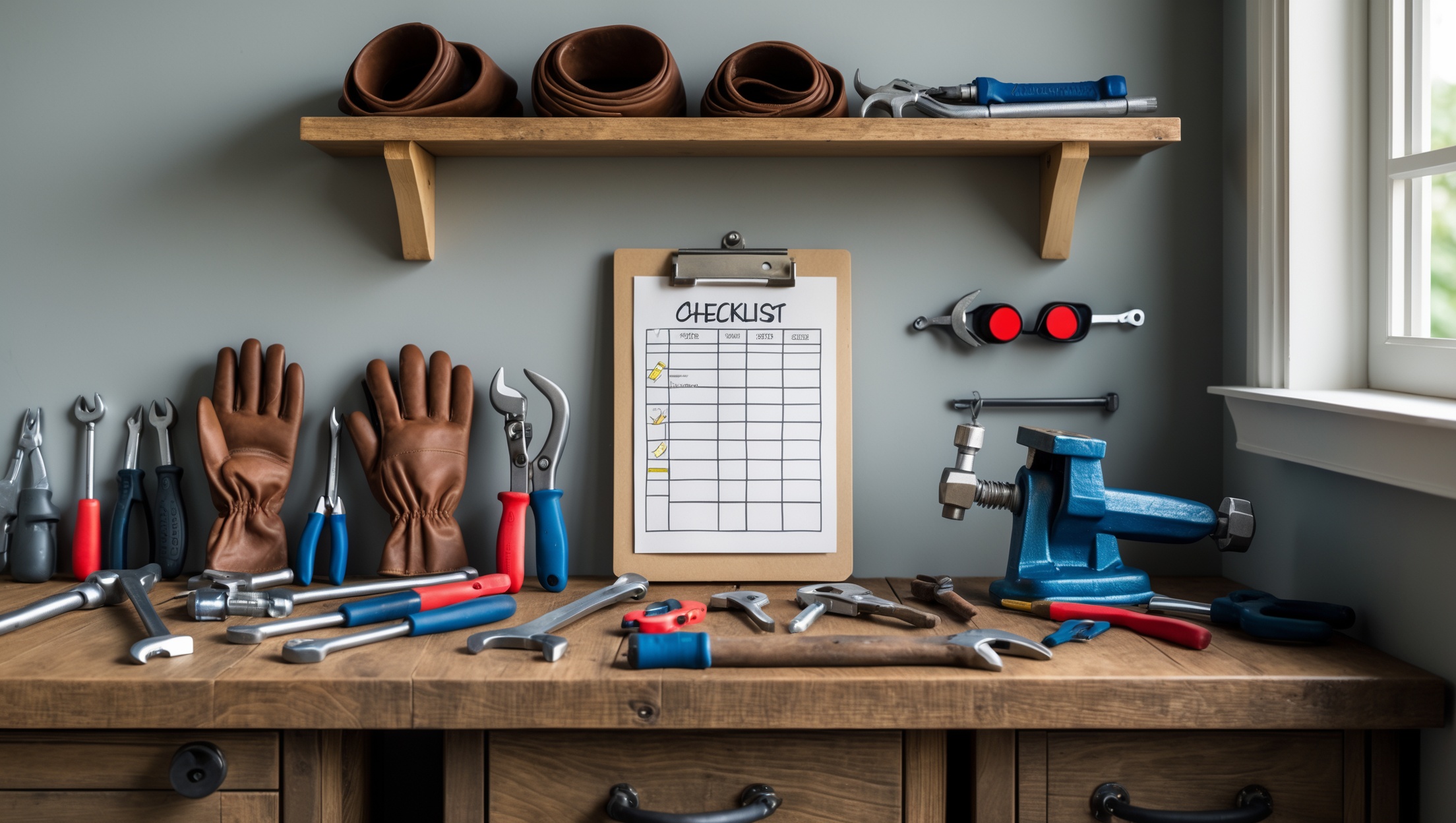
Start by gathering every tool you own. Lay them out in a clear space—garage floor, workbench, or even a large table. Group tools by type (wrenches, pipe cutters, soldering tools, etc.) and frequency of use. This process helps you identify duplicates, lost items, and tools in need of repair or replacement.

Step 2: Declutter and Prioritize

  • Discard damaged or obsolete tools: If a tool is beyond repair or obsolete due to code changes, responsibly dispose of or recycle it.
  • Prioritize essentials: Set aside your most-used tools for easy access. Less commonly used specialty items can be stored separately.

Step 3: Take Inventory

Document your tools with a simple spreadsheet or inventory app. Note purchase dates, serial numbers, and current condition. This helps with insurance claims and keeps you aware of what you own.

Choosing the Right Storage Solutions

Wall-Mounted Systems

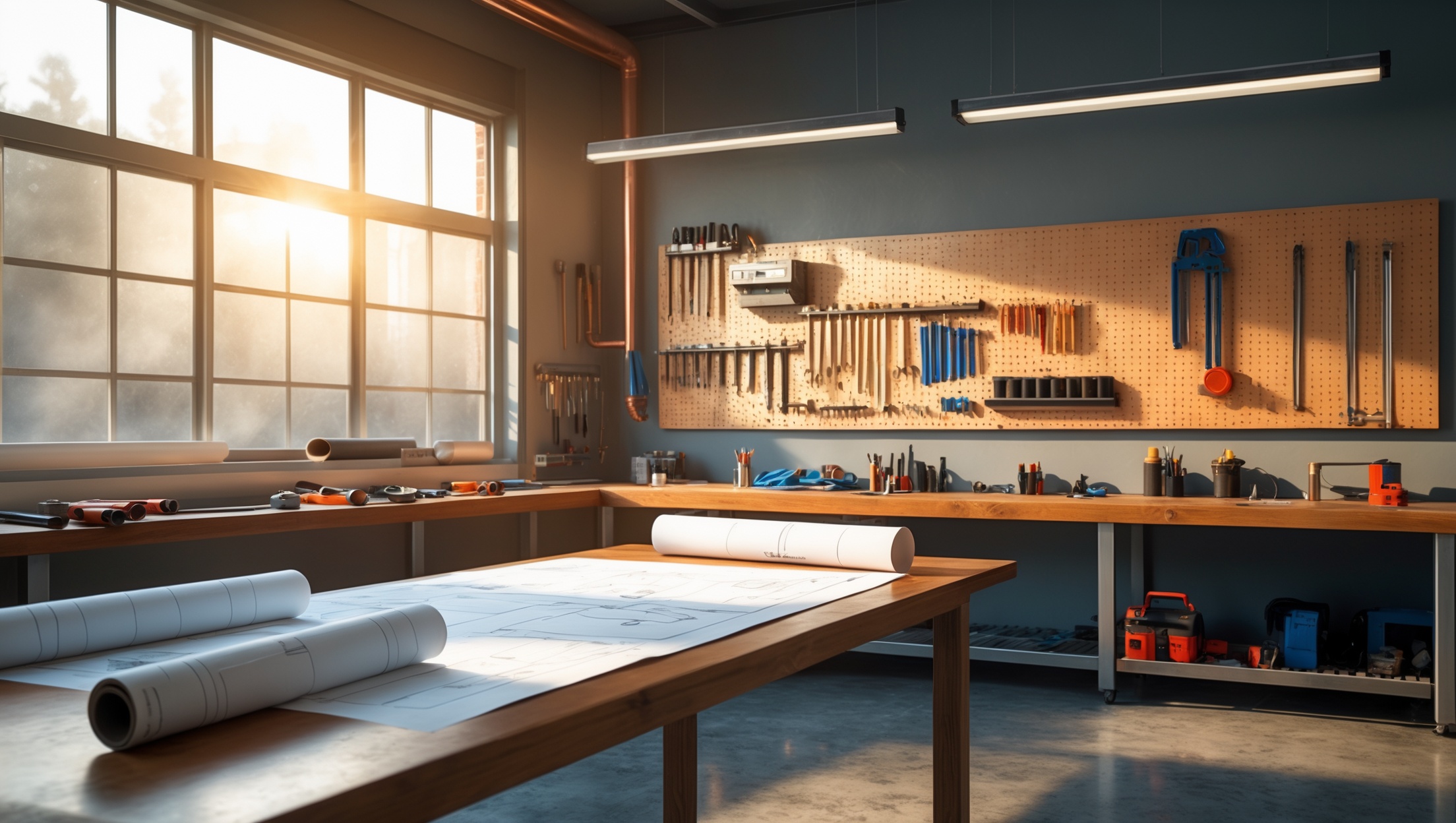
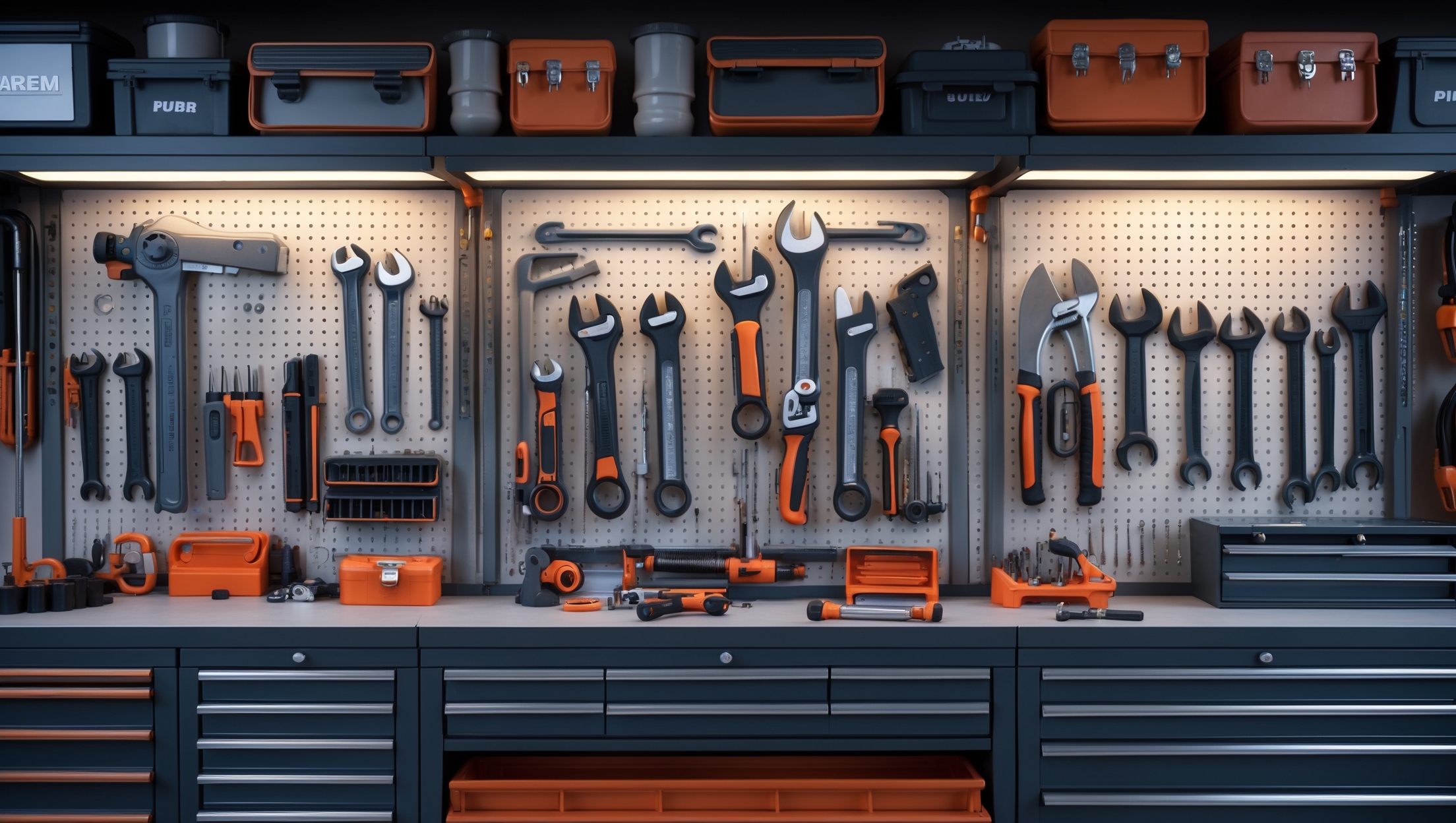
Pegboards: Pegboards are a classic for a reason. They allow you to hang tools vertically, keeping them visible and accessible. Use hooks and baskets for different tool shapes and sizes. Label each spot to maintain consistency.

Slatwall Panels: A step up from pegboards, slatwalls offer more robust and customizable mounting options, including heavy-duty hooks and shelves for bulkier tools.

Tool Chests and Cabinets

For small hand tools and delicate instruments (like pipe threading dies or specialty wrenches), drawer-based tool chests are ideal. Look for cabinets with ball-bearing slides, foam liners to prevent movement, and lockable drawers for security. Mobile tool cabinets can be rolled to different work areas.

Open Shelving and Bins

Open shelves are perfect for storing larger items such as pipe benders, buckets, or boxed supplies. Use labeled bins or crates for related small parts—like O-rings, washers, and fittings—to prevent clutter.

Magnetic Tool Holders

Magnetic strips are excellent for frequently used metal tools (pipe wrenches, pliers, screwdrivers). Mount them above your workbench for quick access.

DIY Storage Hacks

  • PVC Pipe Holders: Cut sections of large-diameter PVC pipe to create custom holders for long tools or extension handles.
  • Repurposed Cabinets: Old kitchen cabinets can be upcycled for tool storage with a few modifications.

Mobile Storage for On-the-Go Plumbers

Tool Bags and Totes

Choose bags with reinforced bottoms, multiple compartments, and sturdy handles or straps. Bucket organizers are a budget-friendly option for carrying a selection of tools into tight spaces.

Rolling Toolboxes

For larger jobs or when transporting many tools, rolling toolboxes provide durability and mobility. Opt for models with weather-resistant seals and lockable compartments.

Van and Truck Organization

  • Custom Racking Systems: Commercial racking systems offer shelves, bins, and locking drawers tailored for plumbing tools and parts.
  • DIY Van Builds: Use plywood, angle brackets, and heavy-duty bins to construct your own storage in a work van or truck bed.
  • Securing Tools: Always secure heavy items to prevent movement during transit. Use straps or bungee cords to anchor toolboxes and bins.

Protecting Tools from Damage and Theft

Preventing Rust and Corrosion

  • Climate Control: Store tools in a dry, temperature-controlled environment when possible. Use dehumidifiers or silica gel packs in damp basements or garages.
  • Cleaning After Use: Wipe down tools with a dry cloth after each job. For tools exposed to water or chemicals, use a light machine oil to coat metal surfaces.
  • Dedicated Rust-Proof Storage: Invest in rust-inhibiting drawer liners or vapor corrosion inhibitor (VCI) toolboxes.

Theft Prevention

  • Lockable Storage: Use lockable tool chests, cabinets, or van compartments. Always lock up when leaving the job site.
  • Tool Tracking: Consider GPS trackers for high-value tools. Mark tools with engravings or unique paint to deter theft and aid recovery.
  • Insurance Documentation: Keep updated records and photos of your tools for insurance claims in case of loss.

Organizational Strategies for Maximum Efficiency

Zone Your Workspace

Divide your shop or garage into functional zones: cutting, assembly, storage, and cleaning. Place tools near the areas where they’re used most. For example, pipe cutters and reamers near the cutting bench; soldering tools near the assembly zone.

Label Everything

Clearly label shelves, bins, and tool locations. This helps everyone (including helpers or employees) return tools to their correct spot, reducing loss and confusion.

Go Vertical

Maximize floor space by mounting shelves, pegboards, and cabinets on walls. Ceiling-mounted racks can hold rarely used items or longer lengths of pipe.

Color Coding

Assign color codes to bins or tool handles for quick identification—e.g., blue for copper work, red for drain cleaning, green for testing equipment.

Routine Maintenance: Keeping Tools Ready for Action

Cleaning and Inspection Schedule

  • After Each Use: Remove dirt, grime, and water. Inspect for visible damage.
  • Weekly: Check moving parts for smooth action. Lubricate where needed. Tighten loose screws or handles.
  • Monthly: Inspect power tools and meters for frayed cords, battery condition, and calibration. Replace worn parts promptly.

Sharpening and Calibration

Keep pipe cutters, snips, and blades sharp. Dull tools are less effective and more dangerous. Power tools and pressure gauges should be calibrated regularly for accuracy.

Replacement Planning

Track the lifespan of consumables (blades, batteries, O-rings) and set reminders to restock before running out.

Space-Saving Solutions for Small Workshops

Fold-Down Workbenches

Install a wall-mounted, fold-down workbench to save floor space when it’s not in use.

Stackable Storage

Use stackable bins and modular drawer units to maximize vertical storage without cluttering the workspace.

Hidden Storage

Utilize space beneath benches or stairs for pull-out drawers or rolling carts.

Digital Tools: Inventory and Maintenance Apps

Inventory Management Software

Apps like Sortly, ToolWatch, or simple spreadsheet templates can help track tool locations, maintenance schedules, and purchase history. Some allow barcode or QR code scanning for fast check-in/out.

Maintenance Reminders

Set up calendar alerts for routine maintenance, calibration, and cleaning tasks. This ensures no tool falls through the cracks.

Upgrading and Customizing Your Storage

Modular Storage Systems

Brands like Milwaukee, DeWalt, and Bosch offer modular storage units that stack and lock together—ideal for growing tool collections or specialized kits.

Custom Foam Inserts

Create foam tool organizers by tracing your tools and cutting out shapes. This protects tools from jostling and makes it easy to spot missing items instantly.

Lighting and Power

Good lighting above workbench and storage areas reduces mistakes and improves safety. Add power strips or charging stations for cordless tools.

Common Mistakes to Avoid

  • Storing wet tools, leading to rust and corrosion.
  • Overfilling drawers or bins, risking damage and making it hard to find tools.
  • Ignoring regular maintenance and cleaning.
  • Leaving tools unsecured in vehicles or on job sites.
  • Failing to label or organize, causing loss and inefficiency.

Conclusion: Invest in Organization—Reap the Rewards

Effective tool storage and organization is not just a matter of convenience—it’s a critical component of your success as a plumber, whether you’re a seasoned professional or a weekend DIYer. By investing time and effort into organizing your plumbing tools, you protect them from damage, loss, and theft, and you create a safer, more efficient workspace. The benefits are tangible: fewer lost tools, reduced replacement costs, and the confidence of knowing your equipment is always ready for action.

Remember, the best storage solution is the one that fits your space, workflow, and budget. Start small if needed—pegboards and bins can make a huge difference. As your tool collection or business grows, upgrade to modular systems, custom van racking, or digital inventory tracking. Maintain your tools diligently, label everything, and review your setup regularly for improvements. In the long run, these habits will save you time, money, and frustration, enabling you to tackle any plumbing challenge with the right tool at hand—every time.

Ready to give your plumbing tools the care they deserve? Start organizing today and experience the difference a well-ordered workspace can make!

226 comments
Brian Smith

When sorting through tools to declutter, how do you decide whether to repair or replace something that’s seen a lot of use but still technically works? I find it hard to let go of tools I might need someday.

    Mario The Plumber

    It’s always tough to let go of tools, especially if they still function. A good rule is to check if the tool performs safely and efficiently. If it’s unreliable, causes frustration, or would be expensive to repair compared to replacing, it’s usually best to upgrade. For tools you rarely use, consider whether you’ve needed them in the last year—if not, it may be time to let them go.

Kimberly Williams

I noticed you mention storage options for all budgets. Are there specific low-cost storage solutions you recommend for someone just starting out with a small collection of plumbing tools?

    Mario The Plumber

    For those just starting out with a small tool collection, affordable options like sturdy plastic bins, stackable totes, or even repurposed buckets can work well. Pegboards are another budget-friendly choice for keeping tools visible and organized on a wall. Small toolboxes or drawer organizers can help sort smaller items. The key is to keep tools clean, dry, and easy to access.

Jennifer Rodriguez

I noticed you recommend documenting tools with a spreadsheet or app for insurance and tracking. Do you have any suggestions for specific inventory apps that work well for plumbing tools, especially for someone who’s running a small plumbing business?

    Mario The Plumber

    For a small plumbing business, apps like Sortly and ToolWatch are both popular options for tool inventory management. Sortly is user-friendly, lets you add photos, and is great for tracking tool locations and conditions. ToolWatch is more robust if you have a few employees checking tools in and out. Both can help with insurance documentation and make audits much easier.

Joshua Lee

The article talks about grouping tools by frequency of use and type. If I have very limited wall space in my garage, what would be a compact storage solution that still keeps my tools organized and easy to find?

    Mario The Plumber

    If wall space is tight, consider using stackable drawer units or a rolling tool chest with multiple compartments. These let you group tools by type and frequency of use, but keep everything compact and mobile. You could also use pegboards mounted on the inside of cabinet doors for smaller tools, maximizing even the smallest spaces while keeping your gear visible and accessible.

Megan Robinson

For those of us with limited van space, what mobile storage setups work best to prevent rust and damage, especially when tools get exposed to moisture between jobs?

    Mario The Plumber

    For limited van space, stacking modular toolboxes with waterproof seals is very effective. Look for units with trays or removable bins to separate hand tools and keep them dry. Using silica gel packs or moisture-absorbing liners inside your boxes helps prevent rust if tools go back slightly damp. Wall-mounted racks or magnetic strips can also save space and keep tools off the floor, minimizing exposure to pooled moisture.

Karen White

Regarding tool maintenance routines, how frequently should tools be checked for rust or wear to really extend their lifespan? Is a monthly check enough or would you suggest something more frequent?

    Mario The Plumber

    A monthly check is a good baseline for most tools, especially if they’re stored in a dry, organized environment. However, if you use your tools daily or work in damp conditions, inspecting them every week for rust or wear is even better. Regular wiping and drying after each use can also prevent issues before they start.

Anthony Lopez

You mention grouping tools by frequency of use during inventory. After doing that, what are some effective ways to store rarely used specialty tools so they’re protected but still easy to locate when needed?

    Mario The Plumber

    After grouping your tools, rarely used specialty tools are best stored in clearly labeled bins or sturdy containers on higher or less accessible shelves. Consider using transparent boxes to easily identify contents, or add a simple inventory list to the outside of each bin. For delicate tools, add foam padding or original cases for extra protection. Keeping a digital or physical log of where each tool is stored also helps you locate them quickly when needed.

Charles Taylor

For those on a tight budget, which basic storage upgrades would make the biggest impact on tool longevity and organization without requiring a major investment?

    Mario The Plumber

    Focusing on a few affordable upgrades can really help. Start with a sturdy toolbox or stackable plastic bins to keep your tools off the ground and protected from moisture. Add some pegboard or wall hooks for hanging common hand tools, which keeps them organized and easy to see. Using small containers or drawer organizers for fittings and small parts also prevents loss and damage without costing much.

Joseph Lewis

Can you elaborate on how to decide which specialty plumbing tools should be kept separate from daily-use tools, especially when working with limited storage space?

    Mario The Plumber

    To decide which specialty plumbing tools should be kept separate, consider how often you use each tool. Daily-use tools like wrenches and pipe cutters should be most accessible. Specialty tools, such as pipe thawers or inspection cameras, can be stored together in a less accessible spot since they’re used less frequently. Labeling bins or cases helps to quickly locate what you need and keeps your storage space organized.

Thomas Wilson

For someone who works both out of a van and a home garage, what would be a practical way to split tool storage between mobile setups and a fixed workspace, without ending up constantly moving tools back and forth?

    Mario The Plumber

    A practical approach is to keep frequently used tools and essentials in your van, organized in portable cases or tool bags, so they’re always ready for jobs. Reserve your garage for larger, specialty, or backup tools that aren’t needed daily. This way, you minimize shuffling tools between locations and can quickly grab specialty items from your garage when a specific job calls for them.

Diane Robinson

Are there any recommendations for organizing smaller items like replacement washers or O-rings, so they don’t get lost in all the bigger plumbing tools?

    Mario The Plumber

    For organizing small items like replacement washers and O-rings, try using compartmentalized organizers such as tackle boxes, small parts bins, or drawer organizers. Label each compartment for quick identification. Clear plastic containers also help you see contents at a glance. Keep these organizers in a dedicated toolbox or drawer so tiny parts don’t get mixed up with larger tools.

Anthony Smith

When organizing plumbing tools by frequency of use, do you have any advice for keeping seasonal or rarely-used specialty tools protected but still easy to locate when needed? I sometimes lose track of mine if they’re stored too far out of sight.

    Mario The Plumber

    Storing seasonal or rarely-used specialty tools in clear, labeled bins is a practical solution. Place these bins on higher shelves or in a dedicated cabinet so they’re out of the way but still accessible. Keep an inventory list taped to the outside or stored on your phone to quickly check what’s inside. This helps you locate items easily and ensures nothing gets forgotten.

Jessica Lewis

Could you share more about storage solutions for smaller workspaces? I’m limited on garage space and need a setup that keeps my tools accessible but out of the way.

    Mario The Plumber

    For smaller workspaces, vertical storage options work really well. Consider wall-mounted pegboards or magnetic strips for hand tools. Stackable, clear plastic bins can keep supplies organized without taking up much floor space. You might also use a rolling tool cart that fits under a workbench or in a corner, so you can move it as needed and tuck it away when not in use.

Tyler Moore

You mentioned using a spreadsheet or app to document tool inventory. Are there affordable or free inventory apps that work well for someone who just has a handful of plumbing tools?

    Mario The Plumber

    For a small plumbing tool collection, free apps like Sortly (basic version), Tooli, or Google Sheets can work well for tracking your inventory. These options let you add photos, notes, and basic details about each tool. If you prefer a simple approach, Google Sheets is free and easy to customize for your needs.

Elizabeth Garcia

When assessing your tool collection, how do you decide which specialty tools should be easily accessible and which ones can be stored further away? Any tips for dealing with tools that are only used once or twice a year?

    Mario The Plumber

    When deciding tool placement, keep frequently used specialty tools within easy reach, like in a main toolbox or on a wall rack. Tools you only use occasionally can be stored in labeled bins or on higher shelves to save space. For tools used just once or twice a year, consider grouping them together and placing them in a less accessible area, but make sure they’re clearly labeled so you can find them when needed.

Sandra Smith

When categorizing tools by frequency of use as you suggest, do you recommend keeping rarely used specialty plumbing tools in a separate storage area entirely, or just a different section within the same main workspace?

    Mario The Plumber

    It’s best to store rarely used specialty plumbing tools in a separate section within your main workspace if you have the space. This keeps everything accessible but avoids cluttering your primary work area. If the tools are very bulky or used only a few times a year, a separate storage area like a labeled cabinet or drawer outside your main workspace can work well too.

Charles White

Do you have any tips for documenting tool inventory if I’m not great with spreadsheets or apps? What’s a simple method that won’t take much time but still tracks everything?

    Mario The Plumber

    You can keep things simple by using a dedicated notebook or binder. Write down each tool you own, assign it a number or label, and jot down its location and condition. Update it whenever you add or remove tools. Using printed checklists or index cards for each tool is another easy option. This way, you don’t need to rely on technology or spreadsheets.

Jason Williams

For those of us just starting out with a limited budget, what are some cost-effective storage solutions besides pegboards that still help prevent tool rust and wear?

    Mario The Plumber

    If you’re on a budget, consider using plastic bins with tight-fitting lids to keep moisture away from your tools. Adding silica gel packets or a bit of charcoal can help absorb humidity and prevent rust. Tool rolls made from canvas or old towels are another inexpensive option to keep tools separated and protected from wear.

Betty Wilson

What are some cost-effective storage solutions you would recommend for someone just getting started with DIY plumbing and only owning a handful of tools?

    Mario The Plumber

    For a beginner with just a few plumbing tools, a sturdy plastic toolbox or a soft-sided tool bag is an affordable option and keeps everything together. You might also use a small tackle box for organizing fittings and small parts. Wall hooks or pegboards in your workspace can help store larger tools like pipe wrenches. These solutions are budget-friendly and easy to expand as your tool collection grows.

Emily Harris

You mention grouping plumbing tools by type and frequency of use when taking stock. Do you have any suggestions for organizing tools that serve multiple purposes or get used equally often for different tasks?

    Mario The Plumber

    For tools with multiple uses or equal frequency, consider a dedicated section labeled ‘multi-purpose’ or ‘general use.’ This keeps them easy to find without forcing them into a single category. You could also store them in a central, easily accessible spot. Using color-coded bins or tags can help quickly identify these versatile tools among the rest.

Nathan Jones

When organizing plumbing tools by frequency of use, what’s the best way to handle specialty tools that are only occasionally needed but hard to replace if forgotten at a job site?

    Mario The Plumber

    For specialty plumbing tools that you rarely use but can’t risk leaving behind, create a dedicated section in your storage—like a clearly labeled bin or pouch—reserved just for these items. Before heading out, quickly scan this section as part of your pre-job checklist to ensure nothing essential is left behind. This minimizes clutter in your main toolkit while making it easy to verify you have all critical tools for each job.

Donna Lewis

Once you’ve done the full inventory and organization, how often should you re-check your tool setup or repeat the decluttering process to keep things in top shape?

    Mario The Plumber

    After your initial organization and inventory, it’s a good idea to review your tool setup every few months—about every 3 to 6 months works well for most plumbers. Regular checks help you spot missing or damaged tools and keep clutter from building up. If you notice things starting to get disorganized sooner, adjust your schedule to fit your workflow.

Susan Miller

I’m curious how often you recommend checking and updating the tool inventory list you suggested. Is this something most pros do monthly, yearly, or just when buying new tools?

    Mario The Plumber

    It’s a good idea to check and update your tool inventory list at least every few months, especially if you’re using your tools regularly. Many professionals review their lists quarterly or after big projects, in addition to updating whenever they buy new tools or notice something missing. Regular updates help prevent loss and keep your inventory accurate.

Charles Thomas

Are there specific storage solutions you suggest for people on a tight budget, especially DIYers who don’t have space for wall-mounted systems or professional tool chests?

    Mario The Plumber

    For DIYers on a budget with limited space, consider using stackable plastic bins, sturdy tote bags, or even repurposed drawers and cabinets to organize plumbing tools. Clear bins help you see contents easily, while labeled containers keep things sorted. A rolling toolbox or a heavy-duty bucket with a tool organizer insert can also store a lot without taking up wall space or costing much.

Michelle Moore

How do you handle obsolete tools that might not meet current plumbing codes but are still functional? Is there a best practice for disposal or donation to keep the workspace uncluttered?

    Mario The Plumber

    Obsolete but functional plumbing tools can often be donated to local trade schools, community workshops, or charities, where they might still be useful for training. If donation isn’t possible, recycling centers sometimes accept metal tools. The key is to regularly assess your inventory, remove unused items promptly, and ensure your storage only contains code-compliant tools to keep your workspace efficient and organized.

Michael Martinez

When you’re first setting up your wall-mounted storage, how do you decide between pegboard and metal rail systems? Are there big pros and cons when it comes to supporting heavier plumbing tools?

    Mario The Plumber

    Choosing between pegboard and metal rail systems depends largely on the weight and type of your plumbing tools. Pegboards are great for lighter tools and offer flexible arrangements, but they can sag or break with heavier gear. Metal rail systems are sturdier and better suited for supporting hefty tools like pipe wrenches or power tools. If you plan to store a lot of heavy equipment, metal rails are the safer, more durable choice.

Matthew Harris

The article talks about grouping tools by frequency of use. Do you have any tips for organizing specialty plumbing tools that I only use a couple of times a year so they don’t get forgotten or misplaced over time?

    Mario The Plumber

    For specialty plumbing tools you rarely use, consider storing them in clearly labeled bins or drawers, separate from your everyday tools. Create an inventory list—either a written log or a note on your phone—so you know exactly what you have and where it’s stored. Checking this list before taking on new jobs will help keep those seldom-used items from being forgotten or misplaced.

John Brown

For someone on a tight budget, what affordable storage solutions would you recommend for keeping plumbing tools organized, especially if garage space is limited? Are there any DIY ideas you could suggest beyond pegboards?

    Mario The Plumber

    If garage space is tight and you want to stay on budget, consider using stackable plastic bins or clear shoe boxes to group similar tools—both are inexpensive and easy to label. A sturdy over-the-door shoe organizer works well for storing small hand tools and fittings. For a DIY approach, you can repurpose old buckets and toolbags to create portable caddies, or use PVC pipe offcuts to make custom holders for wrenches and screwdrivers. Wall-mounted magnetic strips are also a cost-effective way to keep metal tools visible and accessible.

Aaron Thompson

When you mention documenting tools with purchase dates and serial numbers, do you have any tips for DIYers who might not have kept receipts or original packaging? How important is it to have those details for insurance purposes?

    Mario The Plumber

    If you don’t have receipts or original packaging, it’s still helpful to make a list of your tools, noting brand, model, and any visible serial numbers. Take clear photos of each tool, especially any identifying marks or numbers. For insurance, written records and photos can support your claim even if you don’t have purchase paperwork. Keeping this info in a secure digital folder is a good way to stay organized.

Elizabeth Moore

Could you share more about how to keep tools from rusting, especially in a humid garage? I struggle with condensation on my wrenches even when they’re not in use.

    Mario The Plumber

    To prevent rust on your tools in a humid garage, try storing them in airtight containers or toolboxes with silica gel packets or moisture absorbers. Wipe tools clean and dry before storage, and consider applying a light coat of oil or a rust inhibitor spray. Hanging tools on a wall board can also help air circulate and reduce condensation buildup.

Rachel Perez

Could you share more tips on preventing rust and wear for tools in humid environments, beyond the general maintenance routines mentioned?

    Mario The Plumber

    To further protect your tools from rust and wear in humid environments, consider using silica gel packs or dehumidifiers in your storage areas to reduce moisture. Apply a thin coat of machine oil or a rust inhibitor spray on metal surfaces after each use. Store tools in airtight containers or cabinets if possible, and avoid leaving them on damp surfaces. Regularly inspect your tools for early signs of corrosion and address them quickly to extend their lifespan.

Nancy Sanchez

When you mention documenting tools for inventory, do you have any recommendations for specific apps that work well for plumbing tools, especially for those of us who are not running a full business but just want something simple?

    Mario The Plumber

    For simple personal tool tracking, apps like Sortly and Memento Database work well—they let you add photos and details for each item, so you always know what you have. You can organize by type or project and update your inventory easily. Both are user-friendly and suited for individuals, not just businesses.

Megan Ramirez

For someone organizing their plumbing tools on a tight budget, what are some effective DIY storage solutions that still keep tools easily accessible and well-protected?

    Mario The Plumber

    Using items like pegboards, inexpensive plastic bins, and repurposed containers can help you organize plumbing tools without much expense. Pegboards keep tools visible and easy to grab, while bins or old buckets can hold smaller parts. Add labels for quick identification. Wrapping tools in old towels or using foam inserts from packaging helps protect them from damage. Try stacking bins or using a sturdy shelf to save space.

Christopher Clark

How do you recommend organizing tools that are used only occasionally versus ones you need every day, especially if you have limited space in your garage or work van?

    Mario The Plumber

    For limited spaces, keep everyday tools within easy reach—use wall-mounted racks or a tool belt for these. Store occasionally used tools in labeled bins or drawers, placing them higher up or deeper in your storage area. Group similar items together and use clear containers if possible. Rotating tools seasonally can also help maximize your available space.

Mary Perez

When grouping plumbing tools by frequency of use, do you recommend separate storage areas for rarely used specialty tools, or is there a way to integrate everything efficiently without taking up extra space?

    Mario The Plumber

    It’s usually most efficient to store rarely used specialty tools separately from your frequently used items. This keeps your main workspace uncluttered and makes your go-to tools easier to access. Consider using labeled bins or a dedicated shelf for specialty tools in a less central location, while keeping everyday tools in your main storage area. This way, you maximize space and keep everything organized.

Thomas Clark

You mentioned documenting tools with purchase dates and serial numbers for insurance. Can you recommend any specific inventory apps or templates that are user-friendly for someone who isn’t super tech-savvy?

    Mario The Plumber

    Absolutely! For simple tool inventory, try using an app like Sortly, which is very user-friendly and lets you add photos, purchase dates, and serial numbers with easy navigation. Another good choice is Memento Database, which has ready-made templates and is quite intuitive. If you prefer paper, a basic spreadsheet template printed out can also do the trick—just fill in the tool name, date, and serial number by hand.

Richard Rodriguez

For a family with limited garage space and just a handful of plumbing essentials, what are some budget-friendly storage ideas that still make it easy to keep track of everything mentioned in your organizing steps?

    Mario The Plumber

    For small spaces and a basic set of plumbing tools, consider using a sturdy plastic toolbox or a compartmented tackle box. These keep everything organized and portable. Wall-mounted pegboards can also help if you have some wall space, allowing you to hang tools for easy access. Label drawers or bins for things like fittings, tape, and wrenches, so you always know where each item is.

Nathan Jackson

Could you share more details about what kind of inventory apps work best for tracking plumbing tools? I want to start documenting my tools but I’m not sure which features to look for as a beginner.

    Mario The Plumber

    For tracking plumbing tools as a beginner, look for inventory apps that let you add photos, group tools by type, and set up simple check-in/check-out logs. Apps like Sortly, ToolWatch, or Asset Panda are user-friendly and allow easy scanning with your phone. Make sure the app can export reports, track tool location, and store warranty or purchase details. Cloud backup is also helpful, so your data stays safe and accessible.

Sarah Perez

When organizing plumbing tools by frequency of use as suggested, do you have tips for dealing with tools that fit multiple categories or are rarely used but essential in emergencies? I struggle to decide where to keep those specialty items without forgetting about them.

    Mario The Plumber

    For specialty tools that are essential but rarely used, it’s helpful to dedicate a clearly labeled storage area, such as a marked bin or a separate drawer, and keep an updated inventory list nearby. For tools that fit multiple categories, consider storing them in a central location or with the most commonly used group, so they’re easy to grab when needed. Periodically review your specialty section to stay aware of what’s on hand.

Elizabeth Jackson

When you say to group tools by frequency of use, do you have any tips on organizing specialty tools that you only need a few times a year? Should these go in a separate location or just further back in storage?

    Mario The Plumber

    For specialty tools you rarely use, it’s best to store them in a separate location or on a higher shelf, away from your primary work area. Label their containers clearly so you can find them quickly when needed. This keeps your frequently used tools accessible while protecting your specialty items from unnecessary handling or clutter.

Michelle Jones

When organizing plumbing tools for a mobile setup, like in a service van, do you have any tips for securing heavier items so they don’t shift or get damaged during transit? I’m always worried about my pipe wrenches banging around.

    Mario The Plumber

    For a mobile setup, securing heavy tools like pipe wrenches is key. Try using metal hooks, magnetic strips, or foam-lined drawers to keep each tool in place. Heavy-duty toolboxes with custom-cut foam inserts can also absorb shocks. Mounting racks or bins against the van walls with straps or locking bars work well to prevent movement. Arranging heavier items low and near the van’s center helps keep things stable during transit.

Aaron Thompson

When you mention using a spreadsheet or inventory app to track tools, do you have any recommendations for specific apps that work well for small plumbing businesses? I’m looking for something simple that doesn’t require a lot of setup.

    Mario The Plumber

    For a simple solution, many small plumbing businesses find Google Sheets or Microsoft Excel ideal since they’re easy to set up and can be accessed from multiple devices. If you want a dedicated app, Sortly and ToolWatch are user-friendly and designed for tool tracking without too much complexity. Both allow you to organize, tag, and check tools in and out, making inventory management straightforward.

Nancy Lewis

After decluttering tools that are obsolete or broken, is there a recommended way to recycle or dispose of them responsibly, especially if they include things like old soldering tools or pipe cutters?

    Mario The Plumber

    Once you’ve sorted out obsolete or broken tools, it’s best to check with your local recycling center—many accept metal tools like pipe cutters for scrap recycling. Old soldering tools or electronics should go to electronic waste collection sites. Avoid tossing them in regular trash, as some components can be hazardous. Your municipality’s waste management website usually lists drop-off points or special recycling events for these items.

Patricia Jones

What’s a realistic timeframe to organize and inventory a medium-sized plumbing tool collection following your steps? Is it something that can be tackled in a weekend, or would it take longer if you’re documenting everything?

    Mario The Plumber

    If you have a medium-sized plumbing tool collection and follow the article’s steps, you can realistically organize and inventory everything over a weekend. Set aside about 6–8 hours, depending on how detailed you want your documentation to be. If you’re taking photos, labeling, and logging every item, you might need a few extra hours or split the process over two days for accuracy.

Elizabeth Hernandez

When grouping tools by frequency of use, what’s the best way to set up a storage system that keeps the essentials handy without cluttering my workspace? I’m curious how pros decide what goes where in their vans or garages.

    Mario The Plumber

    Professionals usually keep the most-used tools within easy reach—like in a front toolbox, wall-mounted rack, or drawer nearest the workspace. Less frequently used items are stored further away or in labeled bins. The key is to arrange tools by task and usage frequency, so essentials never block each other. Regularly reassess your layout and adjust as your needs or projects change.

Brian Gonzalez

If I’m just starting out with a basic DIY tool set, is it worth investing in a wall-mounted system, or should I start with something simpler like a toolbox until my collection grows?

    Mario The Plumber

    If you’re just getting started and have a basic DIY tool set, a simple toolbox or portable case is usually enough. It keeps your tools organized and is easy to move around. As your collection grows and you accumulate more tools, you can then consider investing in a wall-mounted system for better accessibility and organization.

Ashley Martin

For someone running a plumbing business with multiple employees, do you have suggestions on how to keep track of who is using which tools each day? I like the inventory app idea but wonder if you have tips for team organization.

    Mario The Plumber

    Using an inventory app is a strong start, but pairing it with a check-in/check-out system can really help. Assign each employee a unique ID or login to track who takes which tools each day. You can also create a daily tool sign-out sheet, either digital or physical, and have team members confirm returns. Regularly scheduled tool audits and designated storage zones for each crew can further boost accountability and organization.

Tyler Jones

How much time should I expect to spend on the initial assessment and decluttering of my tool collection? Is this usually a one-day job or something that needs to be done over several sessions?

    Mario The Plumber

    The time needed for assessment and decluttering depends on the size and complexity of your tool collection. For a small to medium set, you might finish in a few hours or within a day. However, if you have a large or very disorganized collection, you may find it easier to break the process into several sessions to avoid feeling overwhelmed and to make more thoughtful decisions about what to keep or discard.

Joshua Anderson

Do you have any recommendations for tool inventory apps that are user-friendly for busy parents who might not be super tech-savvy? I like the idea of tracking purchase dates and condition, but I want something simple to keep up with.

    Mario The Plumber

    Absolutely, there are a few tool inventory apps designed for ease of use, even if you’re not very tech-savvy. Sortly is popular for its simple interface and lets you add photos, purchase dates, and item conditions. Another option is Tool Tracker, which focuses on straightforward tracking. Both apps work on smartphones, so you can update your inventory quickly while juggling family tasks.

Patricia Martin

When discarding damaged or obsolete tools, do you have any suggestions for environmentally friendly disposal or recycling options that are commonly available to plumbers in the US?

    Mario The Plumber

    For plumbers in the US, many local recycling centers accept metal tools as scrap, so separating metal parts and dropping them off there is a good option. Some big-box hardware stores offer tool recycling programs for certain items like power tools. You might also check with tool manufacturers, as some have take-back or recycling initiatives. Donating usable but obsolete tools to trade schools or community programs is another way to extend their life and reduce waste.

Joseph White

You mention grouping tools by type and frequency of use during the organization process. How often should I revisit this step to keep things decluttered, especially as my business grows and I add more equipment?

    Mario The Plumber

    It’s a good idea to review and reorganize your tool storage every few months, especially when you notice your collection growing or your workflow changing. If you add new equipment or notice clutter building up, take the time to reassess your groupings by type and frequency of use. Setting a reminder to revisit your setup quarterly can help keep things efficient and tidy as your business expands.

Michael Brown

You talk about noting serial numbers for insurance. How often should I update my inventory, and do you have advice for making the process less time-consuming?

    Mario The Plumber

    Updating your inventory once or twice a year is usually enough unless you frequently add or replace tools. To save time, consider taking photos of your tools and keeping a digital list with serial numbers. Apps or spreadsheets can make updates quick—just add or remove items when you buy or retire equipment.

Thomas Harris

The article suggests documenting tools with a spreadsheet or app—do you have any recommendations for simple inventory apps that work well for tracking tool condition and purchase info?

    Mario The Plumber

    A couple of user-friendly inventory apps you might find helpful are Sortly and ToolTrackr. Both allow you to catalog tools, attach photos, and store details like purchase dates and condition notes. Sortly offers customizable fields and an easy interface, while ToolTrackr is designed specifically for tools, making it straightforward to log repairs and status updates.

Joshua Lewis

What are some budget-friendly storage solutions you’d recommend for someone just starting out who doesn’t have a garage or much workshop space yet?

    Mario The Plumber

    If you’re limited on space and budget, consider using stackable plastic bins or sturdy tool bags that can fit under a bed or in a closet. Over-the-door organizers or hanging shoe racks can hold smaller tools and parts. Pegboards mounted on a wall or even behind a door are also effective for keeping tools visible and accessible without taking up much floor space.

Jason Garcia

For people who work out of their vans, what are some practical tips for keeping tools from rusting during humid summers, especially if you don’t have climate control in the vehicle?

    Mario The Plumber

    Keeping tools from rusting in a van during humid summers can be a challenge. Use silica gel packs or moisture-absorbing desiccants in your toolboxes and storage bins to reduce humidity. Wipe your tools dry after each use and apply a light coat of oil to metal surfaces. Consider using sealed plastic containers, and air out the van when possible to prevent moisture buildup.

Tyler Davis

You mention documenting tools with a spreadsheet or inventory app for insurance purposes. Are there any particular features or types of inventory apps that plumbers have found especially useful for tracking tool condition and purchase dates?

    Mario The Plumber

    Plumbers often find inventory apps with photo uploads, barcode scanning, and customizable fields especially useful for tracking tool condition and purchase dates. The ability to set maintenance reminders and attach proof of purchase is also helpful. Look for apps that allow easy exporting of records for insurance claims and those that let you note serial numbers and store warranty information alongside each item.

Sandra Lee

I see decluttering is part of the process, but is there a good rule of thumb for knowing when a plumbing tool is too worn or outdated to keep? Some of mine are pretty old but seem to work fine.

    Mario The Plumber

    If your old tools are still working reliably and safely, you don’t necessarily need to replace them. A good rule of thumb is to check for cracks, excessive rust, loose handles, or worn-out edges—these can affect performance or safety. If a tool is hard to use, causing damage to materials, or no longer fits modern plumbing parts, it’s probably time to retire it.

Mark Ramirez

You mention grouping tools by type and frequency of use before storing them. How often do you recommend repeating this inventory and decluttering process to keep your setup organized over time?

    Mario The Plumber

    Reviewing and reorganizing your plumbing tools every three to six months is a good routine. This timeframe helps you catch any misplaced or unused tools and keeps your setup efficient. If you notice clutter building up sooner, you might want to do a quick check monthly, especially after busy work periods or big projects.

Mark Johnson

When grouping tools by type and frequency of use, how would you suggest handling multipurpose tools that might fit into several categories? I want to avoid misplacing or duplicating them in my storage setup.

    Mario The Plumber

    For multipurpose tools, choose one main category based on their most common use in your work. Store them in a dedicated spot that’s easy to access, and clearly label that space as ‘multipurpose’ or with the tool’s name. This helps prevent misplacement and reduces the chance of unnecessary duplicates, while still keeping your storage organized and efficient.

Rachel Thompson

You mentioned documenting tools in a spreadsheet or app for insurance purposes. Could you recommend any specific inventory apps that work well for plumbing professionals, particularly those needing to track tools across multiple job sites or vehicles?

    Mario The Plumber

    For plumbing professionals managing tools across multiple sites or vehicles, apps like ToolWatch, Sortly, and Asset Panda are popular choices. They let you catalog tools, record serial numbers, and assign items to job sites or vehicles. Many offer mobile access and barcode scanning, making it easier to track equipment on the go. These features can be especially helpful for insurance documentation and day-to-day management.

Thomas Ramirez

When documenting your tools for insurance, do you recommend any specific apps that work well for tracking purchase dates and serial numbers, especially for plumbers who have tools scattered across a van and a shop?

    Mario The Plumber

    For plumbers managing tools in multiple locations, apps like Sortly and ToolWatch are popular choices. They let you log purchase dates, serial numbers, and even photos for each tool. Both are user-friendly and make it easy to track items whether they’re in your van or your shop, helping keep your insurance documentation organized and up to date.

Barbara Lee

You mention documenting tools for insurance. Are there any specific inventory apps you recommend for tracking serial numbers and conditions, especially for someone just starting to get organized?

    Mario The Plumber

    For someone just starting out, apps like Sortly and ToolWatch are user-friendly options for tracking tool inventory, serial numbers, and conditions. They let you add photos, notes, and easily update details as your collection grows. Many users also find spreadsheets work well if you prefer a simple, customizable approach. Whichever method you choose, make sure to keep records backed up and updated regularly.

Barbara Lee

After decluttering my tools and getting rid of damaged ones, how often should I repeat the inventory and maintenance routine to keep everything in good working order? Is once a year enough, or should it be more frequent?

    Mario The Plumber

    It’s best to check your plumbing tools every 3 to 6 months rather than just once a year. Regular inspections help you spot wear, clean off any buildup, and ensure tools stay in top shape. This way, you’ll catch issues early and avoid surprises when you need your tools most.

George Brown

When organizing plumbing tools, how do you suggest separating items that are used daily versus those only needed for rare repairs, especially if space is tight in a garage or van?

    Mario The Plumber

    To maximize space and efficiency, keep your daily-use plumbing tools in an easily accessible toolbox or a dedicated section near the front of your garage or van. Store rarely used items in labeled bins or drawers further back or higher up. Rotate or adjust these zones as your needs change, so your most-used tools are always within easy reach without cluttering your main workspace.

Jessica Garcia

I have a lot of my plumbing tools in a work van and struggle with them getting banged up or rusty, especially after rainy jobs. Could you go into more detail on mobile storage setups or routines to prevent rust when tools have to move from site to site?

    Mario The Plumber

    To protect your tools in a work van, consider installing drawer systems or divided bins so each tool has a secure spot and doesn’t knock against others. Use foam liners or rubber mats for extra cushioning. After rainy jobs, always dry tools thoroughly before packing them away. Keep a supply of rags and a light oil spray in your van to quickly wipe down and coat metal surfaces, which helps prevent rust during transit.

Jason Smith

For someone working in a small garage with limited wall space, what are some effective storage solutions that keep everyday plumbing tools accessible, but still organized and protected from moisture or rust?

    Mario The Plumber

    In a small garage with little wall space, stackable plastic bins with tight lids work well to protect tools from moisture and rust—label each bin by tool type for easy access. Consider a rolling tool chest with drawers lined with anti-rust mats, so you can move tools around as needed. Hanging organizers that fit over doors or pegboards mounted on the back of a door can also add storage without taking up wall space.

George Ramirez

When you’re working out of a van and need a mobile setup, what are some practical solutions for keeping tools both accessible and secure while on the move? Any recommendations for products or configurations that maximize space?

    Mario The Plumber

    For a mobile setup in a van, modular shelving units and drawer systems are a great way to keep tools organized and easy to reach. Lockable toolboxes or cabinets help keep your gear secure when you’re away from the van. Consider using labeled bins or foam inserts to prevent tools from shifting during transit. Brands like Sortimo and VanTech offer van-specific storage solutions that can be customized to your space, making the most of every inch while keeping everything safe and accessible.

Elizabeth Jackson

If a tool is in need of repair but not totally broken, should it be kept in the main storage area or separated somehow to avoid confusion? What’s a good system for tracking repairs along with inventory?

    Mario The Plumber

    It’s wise to separate tools needing repair from those in good working order. Designate a clearly labeled area or bin just for tools awaiting repair to prevent accidentally using them. For tracking, you can use a spreadsheet or a simple logbook to record each tool’s status, repair dates, and any other notes. This helps you monitor both your inventory and repair schedules efficiently.

Charles Johnson

How often should I reassess and reorganize my tool inventory to make sure I’m not holding onto obsolete or damaged items, and what’s the best way to responsibly recycle old tools?

    Mario The Plumber

    It’s a good idea to review and reorganize your plumbing tool inventory at least twice a year. Regular checks help you spot damaged, missing, or obsolete items before they become a problem. For responsible recycling, check if your local hardware store or recycling center accepts metal tools, or look into specialized recycling programs for tools in your area. Donating usable but outdated tools to community groups or trade schools is another great option.

Susan Jones

When documenting your tool inventory, do you have any tips on which inventory apps are easiest to use for someone who isn’t very tech-savvy? I’m looking for something simple so I can track tool purchases and keep up with my insurance needs.

    Mario The Plumber

    For a straightforward tool inventory app, consider using Sortly or Memento Database. Both are known for being user-friendly and let you add photos, purchase details, and notes. Sortly, in particular, is popular with those new to digital tracking because of its simple interface. These apps also allow you to export reports, which is helpful for insurance documentation.

Brian Lewis

The article mentions using inventory apps or spreadsheets to document tools. Do you have a recommendation for an easy-to-use app that works well for families with a mix of DIY and professional tools?

    Mario The Plumber

    For families managing both DIY and professional tools, Sortly is a popular inventory app that’s user-friendly and flexible. It lets you organize tools with photos, tags, and categories, and works across devices. Another good option is ToolTrack, which is straightforward and well-suited for tracking household and job-specific tools. Both apps make it easy to share lists among family members, helping everyone stay organized.

Christopher Lee

When grouping my tools by frequency of use, I’m not always sure which ones I’ll need most since some jobs are unpredictable. How do you recommend deciding which tools really deserve ‘easy access’ status versus those that can be stored further away?

    Mario The Plumber

    A good approach is to keep your core set of everyday tools—like pipe wrenches, adjustable pliers, tape measure, and basic screwdrivers—within easy reach, since they’re needed for most plumbing tasks. For specialty tools you use less often, consider how critical they are for emergencies or common repairs and store them in accessible but separate spots. Over time, pay attention to which tools you actually reach for most and adjust your setup accordingly.

Sarah Smith

Do you have any recommendations for organizing tools that tend to rust quickly, like pipe wrenches or cutters, especially if I don’t have a climate-controlled garage? I’m trying to avoid corrosion but don’t have a huge budget for high-end storage solutions.

    Mario The Plumber

    For tools prone to rust, try wiping them down with a bit of oil after use and store them in a plastic toolbox or sealed container with silica gel packets to absorb moisture. You can also use inexpensive tool wraps or even old towels to keep them dry and separated. Avoid leaving them on concrete floors, as that attracts condensation.

Rachel Gonzalez

How often should I repeat the assessment and decluttering process for my tool collection to make sure I’m not hanging on to obsolete or damaged plumbing tools?

    Mario The Plumber

    Assessing and decluttering your plumbing tool collection every six months is a practical schedule for most professionals. This frequency helps you spot obsolete or damaged tools before they cause problems or take up valuable space. However, if you notice rapid tool turnover or frequent updates in your work, consider a quarterly check instead to keep your collection in top shape.

Anthony Harris

You mention separating commonly used tools from specialty items for better organization. What’s the best approach to set up a storage system that allows quick access to essentials but still keeps specialty tools protected and easy to locate when needed?

    Mario The Plumber

    To set up an efficient storage system, use a tiered approach. Keep everyday tools in a portable toolbox or on a pegboard near your workspace for easy grab-and-go access. Store specialty tools in labeled drawers, bins, or cases—ideally in a cabinet or on higher shelves to keep them protected but visible. Clear labeling and grouping by function help you find what you need quickly while keeping the less-used items secure.

Nancy Lopez

If we’re on a tight budget, is it better to start with wall-mounted storage like pegboards, or would portable toolboxes make more sense for organizing a smaller plumbing toolkit?

    Mario The Plumber

    For a smaller plumbing toolkit on a tight budget, a portable toolbox is usually the better choice. Toolboxes keep your tools together, are easy to move between jobs, and require no installation. Pegboards work well if you have a dedicated workspace, but they can cost more upfront and aren’t portable. Start with a sturdy toolbox, and consider adding wall-mounted storage later if your collection grows.

Margaret Gonzalez

You mentioned documenting tools with serial numbers and purchase dates for insurance claims. Have you found a specific inventory app that works well for plumbers, or is a spreadsheet generally sufficient if you have a larger collection?

    Mario The Plumber

    A well-organized spreadsheet is usually sufficient for most plumbers, especially if you keep it updated with photos, serial numbers, and purchase details. However, if your collection is quite large or you want more features, inventory apps like Sortly or ToolWatch are popular among tradespeople. These apps let you attach photos, manage tool check-outs, and generate reports, which can be very handy for insurance or tracking purposes.

Mary Sanchez

What’s the best way to set up tool storage if I’m renting and can’t make permanent changes like drilling into walls for pegboards? Are there portable options that still offer good organization?

    Mario The Plumber

    If you can’t make permanent changes, consider freestanding tool chests, rolling carts, or stackable storage bins with removable trays. These options keep tools organized and accessible without altering the property. Magnetic tool holders, portable toolboxes, and over-the-door organizers can also help maximize space and organization while allowing you to relocate or reconfigure your setup easily when needed.

Daniel Hernandez

After sorting and inventorying my tools, how often should I re-assess or update my inventory, especially if I’m acquiring new tools regularly for different plumbing projects?

    Mario The Plumber

    If you’re frequently adding new tools for different projects, it’s smart to update your inventory every month. This helps you stay organized, prevents tools from going missing, and makes it easier to spot any gaps or duplicates. A quick check after each major project is also helpful, especially if you’re moving tools between jobs.

Megan Ramirez

When you mention discarding obsolete tools due to code changes, do you have any tips on responsible recycling or donation options for those of us looking to minimize waste?

    Mario The Plumber

    Absolutely, minimizing waste is important. For tools that are still in good shape but no longer code-compliant, consider donating them to local trade schools, community workshops, or vocational training programs, where they might be used for non-commercial training. If recycling is needed, many metal tools can be taken to scrap metal facilities, while some hardware stores and recycling centers offer tool-specific recycling programs. It’s a good idea to call ahead to see what’s accepted in your area.

Anthony Thomas

I’m wondering about preventative measures for rust and wear, especially for tools frequently exposed to moisture. Are there particular storage materials or maintenance routines you find most effective for plumbers?

    Mario The Plumber

    For plumbing tools often exposed to moisture, using storage materials like plastic bins or stainless steel toolboxes can help prevent rust. Line drawers with rubber mats to absorb moisture and keep tools dry. Wipe tools after each use, apply a light coat of machine oil to metal surfaces, and periodically inspect for early signs of rust. Silica gel packs in your toolbox can also absorb excess moisture and further protect your investment.

Matthew Anderson

Can you give some advice for someone on a really tight budget? What are some effective but inexpensive storage solutions for keeping plumbing tools organized and protected, especially if I don’t have a lot of wall space?

    Mario The Plumber

    If you’re working with a tight budget and limited wall space, consider using sturdy plastic bins or stackable storage totes to keep your tools organized. You can also repurpose items like old buckets or toolboxes for smaller tools. Label each container clearly to make finding items easier. For added protection, use foam or old towels to cushion delicate tools inside the bins. These solutions are affordable and help keep your plumbing tools safe and organized without needing much space.

Jessica Lopez

After sorting through my tools and decluttering, what’s the best way to keep my setup organized long term so things don’t end up disorganized again in a couple of months?

    Mario The Plumber

    To keep your tool setup organized over the long term, try assigning each tool or tool type a specific spot—like labeled bins, pegboards with outlines, or drawer organizers. Make it a habit to put tools back right after use. Regularly review your setup every few weeks to tidy up and adjust as needed. This consistency helps prevent clutter from building up again.

Daniel Garcia

I noticed the article mentions documenting tools with a spreadsheet or inventory app. Do you have any recommendations for specific inventory apps that are user-friendly and affordable for someone just starting a plumbing business?

    Mario The Plumber

    For someone just starting out, consider inventory apps like Sortly, ToolTrack, or AssetTiger. These options are known for being user-friendly and often have free or low-cost plans. Sortly, for example, lets you add photos and details for each tool, which can help with organization. Try a couple out to see which fits your needs best.

Ashley Martinez

The article mentions documenting tools for insurance and inventory. What’s the most efficient way to keep these records updated when my crew and I are constantly moving tools between work sites?

    Mario The Plumber

    To keep your tool records updated efficiently, consider using a digital inventory app that allows real-time updates from mobile devices. Assign responsibility to crew members to check tools in and out as they move between sites. Regularly review the inventory, perhaps weekly, to catch discrepancies early. This approach minimizes paperwork and helps keep your records accurate for insurance and asset management.

Anthony Garcia

What steps do you recommend for ensuring tools stay rust-free if they’re stored in a humid environment like a garage, beyond the basic tips mentioned here?

    Mario The Plumber

    To keep your tools rust-free in a humid garage, consider using silica gel packs or desiccants inside your toolboxes to absorb moisture. You can also run a small dehumidifier in the space if possible. Wipe down metal surfaces with a light coat of machine oil or a rust inhibitor before storage. Regularly inspect tools and reapply protective coatings as needed to catch early signs of rust.

Rachel Robinson

After decluttering and assessing your tools, what should be the priority: investing in higher-end storage systems right away, or just starting with basic organization and upgrading over time?

    Mario The Plumber

    Once you’ve decluttered and assessed your tools, it’s usually best to start with basic organization using what you already have or simple solutions like bins or pegboards. This helps you understand your actual storage needs. As your collection or requirements grow, you can invest in higher-end storage systems that truly match your workflow and space. Upgrading over time often leads to smarter, more efficient investments.

Julie Hernandez

When documenting tools for inventory, do you have any recommendations on which inventory apps are best suited for plumbers trying to track purchase dates and tool condition, especially for those with larger tool collections?

    Mario The Plumber

    For plumbers with larger tool collections, consider inventory apps like Sortly, ToolWatch, or Asset Panda. These apps allow you to record purchase dates, track tool condition, and even attach photos or maintenance notes. They are especially helpful for organizing many items and generating reports, which is useful for ongoing tool management and keeping your investment protected.

Mark Taylor

Could you give some examples of budget-friendly storage solutions for someone who’s just starting out and doesn’t have a lot of space in their home or apartment?

    Mario The Plumber

    Absolutely! For small spaces and limited budgets, consider using stackable plastic bins or clear shoe boxes to keep smaller tools organized and visible. Pegboards mounted on a wall or inside a closet door are great for hanging frequently used items. Over-the-door organizers can hold lighter tools, and a sturdy toolbox or tool bag keeps everything portable and tidy. Repurposing jars and old containers can also help sort screws and fittings without extra cost.

James Lopez

When organizing plumbing tools in a busy household garage, do you have suggestions for affordable storage solutions that keep everything accessible but also safe from the kids? We have limited wall space, so I’m not sure if pegboards or cabinets would work better.

    Mario The Plumber

    With limited wall space, consider stackable plastic bins with secure lids for hand tools and small parts—these can slide under benches or on shelves. For larger items, a lockable rolling tool chest keeps tools mobile and secure from kids. Cabinets are safer for child-proofing, but if space is tight, compact, lockable toolboxes are a good alternative. Always store hazardous items on the highest shelf or in locked storage.

Donna Perez

You mention mobile setups for plumbers on the go—could you give some examples of how to keep tools organized in a work van or even just the trunk of a car? I’m struggling to keep my gear from sliding around while I drive between jobs.

    Mario The Plumber

    For work vans, using modular shelving units, stackable bins, and drawer systems can keep your tools in place and easy to reach. In a car trunk, try heavy-duty tool bags or totes with divided compartments. Non-slip mats and adjustable cargo bars can prevent items from moving during transit. Velcro straps or bungee cords also help secure larger tools, making it easier to stay organized on the road.

Nathan Smith

After decluttering damaged or obsolete tools, do you have any environmentally friendly suggestions for disposing of or recycling old plumbing equipment?

    Mario The Plumber

    Absolutely, there are eco-friendly ways to handle old plumbing tools. Many metal tools can be taken to local scrap metal recycling centers. For items still in working condition, consider donating them to community workshops or vocational schools. Some manufacturers also offer take-back or recycling programs for their products. Always check with your local waste management facility for specific guidance on hazardous materials or mixed-material items.

Mark Gonzalez

I noticed the article suggests documenting tools for insurance purposes. Do most homeowners’ or renters’ policies actually cover plumbing tools stored in a garage, or is extra coverage needed?

    Mario The Plumber

    Most standard homeowners’ or renters’ insurance policies offer some coverage for personal property, including tools stored in a garage. However, coverage limits can be low for tools and equipment, and certain types of loss (like theft from a detached garage) may have restrictions. For higher-value tools or business use, it’s often wise to check your specific policy details and consider additional coverage, like a scheduled personal property rider or a separate policy. Always document your tools for easier claims, as the article suggests.

Thomas Williams

The article mentions mobile setups for on-the-go work. What storage solutions do you suggest for plumbers who need to move their tools between multiple job sites without risking damage or losing track of items?

    Mario The Plumber

    For plumbers working across multiple job sites, consider using a heavy-duty rolling tool chest or a tool backpack with padded compartments. These options keep tools secure during transport and minimize damage. Modular stackable toolboxes are also useful—they let you separate tools by type and can be locked together for easy movement. Always label compartments or use inventory checklists to quickly account for your tools before leaving each site.

Sandra White

When discarding obsolete or unreparable tools, what is the best way to safely recycle or dispose of plumbing tools, especially those containing metal or hazardous materials?

    Mario The Plumber

    For metal plumbing tools, check with your local recycling center—they often accept scrap metal. Tools containing hazardous materials, like those with batteries or chemicals, should be taken to a hazardous waste collection facility. Always remove any non-metal parts if possible, and never dispose of hazardous items in regular trash. Contact your municipality for specific guidelines.

Kevin Rodriguez

You mention organizing tools by frequency of use and type—do you have any tips for those of us who share tools with a family member or roommate? I’m wondering how to keep everything easy to find without mixing up each person’s tools.

    Mario The Plumber

    Sharing tools can be much easier if you set up labeled bins or sections for each person—use names, colors, or even initials to mark them. Keep commonly used tools in a shared, central spot for convenience, while less-used or personal tools can stay in individual storage areas. This helps prevent mix-ups and makes it quick to find what you need.

Christopher Sanchez

After decluttering and disposing of obsolete tools, what is the best way to responsibly recycle old metal tools to make sure they are disposed of safely and environmentally friendly?

    Mario The Plumber

    Once you’ve sorted out obsolete metal tools, the best way to recycle them is to take them to a local scrap metal recycling facility. Most metal tools, even if broken or rusted, can be recycled as scrap metal. Be sure to remove any non-metal parts like plastic or rubber handles if possible. Some municipalities may also offer pickup or drop-off services for metal recycling—check with your local waste management provider for specific guidelines.

Daniel Martinez

You mention using a spreadsheet to keep track of purchase dates and serial numbers for tools—do you find this is necessary for DIYers with only a handful of tools, or is it more for professional plumbers?

    Mario The Plumber

    Tracking tool details in a spreadsheet is most useful for professionals or anyone with a large collection of tools. For DIYers with just a few tools, it might not be necessary. However, recording key details like purchase dates and serial numbers can still help if you need to make a warranty claim or report a theft, so it’s a personal choice based on how organized you’d like to be.

Joshua Davis

I noticed you mentioned discarding obsolete tools due to code changes. How do you usually stay on top of which tools are no longer compliant, and what’s the best way to responsibly recycle specialized plumbing tools?

    Mario The Plumber

    Staying updated on code changes involves regularly reviewing local plumbing codes, joining professional associations, and attending industry workshops. Tool manufacturers and suppliers often notify customers about outdated items, so subscribing to their updates helps too. For recycling specialized plumbing tools, check with local metal recycling centers or contact tool manufacturers, as some offer take-back or recycling programs for old equipment.

Andrew Davis

How do you recommend organizing tools that are used less frequently but still need to be accessible in case of emergency repairs? The article mentioned storing specialty items separately, but I’m wondering about the best practical options for home garages with limited space.

    Mario The Plumber

    For tools you rarely use but might need urgently, consider using clear stackable bins or labeled containers on higher shelves to save floor space while keeping them visible. Magnetic strips or pegboards can also help keep odd-shaped tools accessible without taking up much room. Group similar emergency repair tools together so you can grab everything quickly when needed.

Lisa Thomas

When you talk about decluttering and recycling old tools, what’s the best way to responsibly dispose of damaged plumbing tools? Are there industry programs or recommended places for recycling metal tools?

    Mario The Plumber

    To responsibly dispose of damaged plumbing tools, first check with your local recycling center—most accept metal hand tools for scrap recycling. Some hardware stores or tool retailers also offer recycling programs for old tools. If you have power tools, look for e-waste collection events or facilities, as these sometimes handle tools with electrical components. Many trade associations and community workshops also collect tools for recycling or parts reuse.

Julie Martin

After sorting and discarding damaged or obsolete tools, I often feel unsure about how to dispose of them responsibly. Are there any specific recycling programs or guidelines in the US for old plumbing tools?

    Mario The Plumber

    You can often recycle old metal plumbing tools at local scrap metal yards—just make sure to remove any non-metal parts first. Some cities offer special recycling days for tools or accept them at household hazardous waste facilities. If the tools are still usable, consider donating them to community workshops or charities. Always check your local government’s website for specific disposal guidelines in your area.

Matthew Garcia

When documenting tool inventories for insurance purposes as suggested, are there particular details insurers typically require beyond serial numbers and purchase dates, such as photos or receipts?

    Mario The Plumber

    Insurers usually appreciate as much detail as possible for tool inventories. Along with serial numbers and purchase dates, it’s recommended to include clear photos of each tool, and receipts if you have them. Descriptions of the tool’s make, model, and condition can also help. These details make claims easier and speed up the process if you ever need to file one.

Aaron Rodriguez

You mention discarding or recycling damaged or obsolete tools. What is the best way to responsibly recycle old plumbing tools, especially metal items like pipe cutters and wrenches?

    Mario The Plumber

    For metal plumbing tools like pipe cutters and wrenches, check if your local recycling center accepts scrap metal; most do, and they’ll properly process these items. Be sure to remove any non-metal parts first, such as plastic handles. Some hardware stores or community recycling drives also collect old tools for recycling or donation. If tools are still usable, consider donating them to local trade schools or charities.

Sarah Thompson

I’m just getting started with basic plumbing repairs at home and only have a small collection of tools. Would you recommend a wall-mounted system or something more portable for someone with limited space and a growing toolset?

    Mario The Plumber

    For your situation, a portable tool box or tote is probably best. It keeps your small collection organized, easily accessible, and lets you carry everything to where you’re working. As your toolset grows, you might consider adding a wall-mounted rack or pegboard for frequently used items if you have a bit of wall space. Start portable now, then expand your storage as your needs change.

Rachel Clark

When documenting tools for an inventory, do you have any favorite apps or templates that make it easier to track purchase dates and condition? I’m worried I’ll lose track of things if it’s not simple to update.

    Mario The Plumber

    For straightforward inventory tracking, many plumbers like using spreadsheet templates in Excel or Google Sheets, since you can easily add columns for purchase dates, condition, and notes. If you prefer an app, Sortly and ToolWatch are popular for tool management, offering photo uploads and reminders for maintenance. Choose an option you’ll find easy to update regularly—consistency is key to keeping your inventory accurate.

Matthew Johnson

After assessing and organizing my tools as you suggest, how often should I repeat this assessment to make sure my inventory stays accurate and my tools stay in good shape?

    Mario The Plumber

    It’s a good idea to reassess and organize your plumbing tools every 3 to 6 months. If you use your tools daily or on multiple job sites, checking them more frequently—such as once a month—can help catch missing items and prevent wear or damage. Regular assessments make it easier to spot issues early and keep your inventory accurate.

Megan Jones

If my collection includes a mix of newer and older tools, what’s the recommended routine for checking which ones are obsolete or no longer meet code? Is there a standard timeframe for reassessing my tool inventory?

    Mario The Plumber

    It’s smart to regularly go through your tool collection, especially if you have both old and new items. Most pros find it helpful to review their inventory every 6 to 12 months. During these checks, compare your tools to current plumbing codes and manufacturer guidelines. If a tool is worn out, damaged, or no longer meets code requirements, it’s time to retire or upgrade it.

Sarah Robinson

How often do you recommend reassessing and decluttering your tool inventory? Is this something that should be built into a regular maintenance schedule, and if so, what’s a realistic timeframe for a small plumbing business?

    Mario The Plumber

    For a small plumbing business, reassessing and decluttering your tool inventory every three to six months works well. Yes, it’s smart to build this into your regular maintenance schedule, as it helps keep your gear organized and reduces the risk of misplacing important tools. Setting a recurring reminder, perhaps at the end of each quarter, makes the process manageable and keeps your tool setup efficient.

Mary Garcia

For someone with only basic plumbing tools and a limited garage space, which storage solutions would you recommend that are both budget-friendly and maximize organization?

    Mario The Plumber

    For basic plumbing tools in a small garage, a sturdy toolbox or stackable plastic bins work well and are affordable. Wall-mounted pegboards can also help keep tools visible and organized without taking up floor space. Magnetic strips or hooks for items like wrenches and tape can maximize vertical storage. Shelving units above head height store less-used items, freeing up accessible space.

Aaron Ramirez

When setting up a mobile storage solution for on-the-go plumbing work, how do you prevent tools from getting jumbled or damaged during transport? Are there specific cases or organizers you recommend for smaller budgets?

    Mario The Plumber

    To keep your plumbing tools safe and organized in a mobile setup, use tool bags or boxes with padded dividers and dedicated compartments. Stackable plastic bins with snap-on lids are affordable and prevent shifting. For hand tools, a roll-up tool pouch or a soft-sided tool bag with multiple pockets works well on a budget. Secure everything to prevent movement, and add foam or cloth padding for extra protection if needed.

Margaret Martinez

After decluttering and setting aside essentials, how often should a plumber reassess and reorganize their tool storage to keep everything efficient and up to date?

    Mario The Plumber

    It’s a good idea for plumbers to reassess and reorganize their tool storage every few months, or at least twice a year. Regular checks help ensure tools stay in good condition, missing items are replaced, and the setup continues to match your current jobs. You might also want to do a quick check after any major project or equipment purchase.

Sean Ramirez

I noticed the article covers storage ideas for different spaces and budgets. Could you provide more guidance on organizing plumbing tools in a small apartment or limited-space setup without a dedicated workshop or garage?

    Mario The Plumber

    Absolutely! In a small apartment, use vertical space with wall-mounted pegboards to hang hand tools. A sturdy rolling toolbox or stackable storage bins can fit in a closet or under a table. Magnetic strips on the wall hold metal tools neatly. Try using drawer organizers or compartment boxes for fittings and tiny parts. Keeping tools grouped by type or task and labeling bins will help you stay organized, even with limited space.