Plumber Las Vegas News

Your trusted source for plumbing updates, DIY fixes, and industry insights in Las Vegas. Stay informed with practical tips, local trends, and expert advice for homeowners and professionals alike.

Pipe Insulation Strategies: Saving Money and Preventing Damage Year-Round

Introduction: Why Pipe Insulation Is a Must for Every Homeowner

When most homeowners think of plumbing, their minds jump to leaky faucets, clogged drains, or the occasional burst pipe during deep winter freezes. Yet, one of the most overlooked—and cost-effective—ways to protect your home’s plumbing system is by investing in quality pipe insulation. Far from being a seasonal fix, proper insulation delivers year-round benefits: it reduces energy costs, prevents frozen pipes, controls condensation, and even extends the lifespan of your plumbing. Whether you’re a DIY enthusiast or simply want to make informed decisions when hiring a pro, understanding the essentials of pipe insulation can save you significant money and headaches down the line. This guide will walk you through the science behind pipe insulation, material options, step-by-step installation for various pipe types, maintenance tips, and advanced strategies tailored to your home’s unique needs. By the end, you’ll know exactly how to implement or upgrade insulation—whether you’re prepping for harsh winters, hot summers, or just want to maximize efficiency all year long.

The Science Behind Pipe Insulation: How It Works

Thermal Transfer and Heat Loss Explained

Pipes carry water at temperatures that often differ from the surrounding air. Without insulation, heat moves from hot water pipes to cold ambient air (or vice versa), causing energy loss and increased utility bills. In cold climates, this can lead to freezing, while in humid areas, condensation can cause corrosion and rot. Insulation acts as a barrier, reducing the flow of heat or cold between the pipe and its environment.

Condensation and Moisture Control

When warm, humid air contacts cold pipes, condensation forms. Over time, this moisture can drip onto wooden joists, drywall, or insulation materials, leading to mold, mildew, and structural damage. Pipe insulation not only keeps water inside pipes at the desired temperature but also prevents the formation of damaging condensation.

Types of Pipe Insulation: Materials, Pros, and Cons

  • Foam Tubing (Polyethylene or Rubber): Affordable, easy to install, and widely available. Best for indoor pipes. Look for pre-slit versions for quick DIY jobs.
  • Fiberglass Wrap: Superior for high-temperature pipes (e.g., near boilers or water heaters). Often comes with a vapor barrier to prevent moisture ingress.
  • Foil-Backed Insulation: Offers both thermal resistance and a moisture barrier. Ideal for pipes in unconditioned spaces like attics or crawl spaces.
  • Spray Foam: Used for hard-to-reach spots, elbows, or junctions. Provides custom coverage but is more expensive and requires careful application.
  • Rubber Insulation (EPDM): Flexible, durable, and resistant to UV and ozone. Excellent for outdoor or exposed piping.

Choosing the Right Material for Your Application

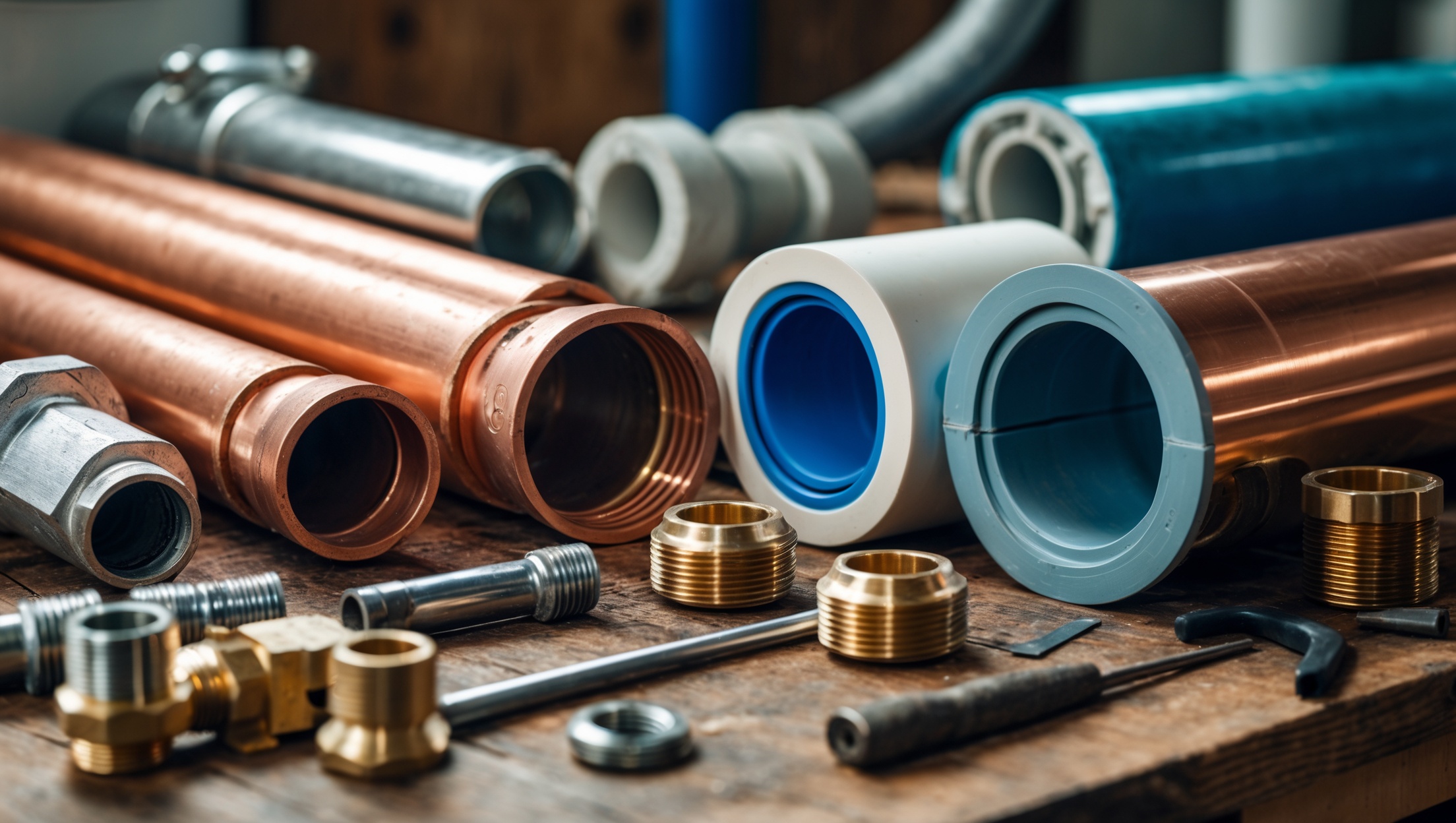
The best insulation depends on pipe material (copper, PVC, PEX), location (indoor/outdoor), temperature range, and exposure to moisture or sunlight. For example, foam tubing is perfect for basement hot water lines, while EPDM rubber is better for outdoor applications.

Where Pipe Insulation Matters Most: Prioritizing Your Efforts

  • Exterior Walls: Pipes running through poorly insulated exterior walls are at high risk of freezing and should be insulated first.
  • Unheated Basements and Crawl Spaces: These are common trouble spots, especially in older homes.
  • Attics and Garages: Even brief cold snaps can freeze pipes in these unconditioned spaces.
  • Near the Water Heater or Boiler: Insulating hot water pipes reduces heat loss and can deliver hot water faster, saving energy and money.
  • Outdoor Pipes and Spigots: Protection here is crucial to prevent bursts and leaks.

Step-by-Step Pipe Insulation Installation

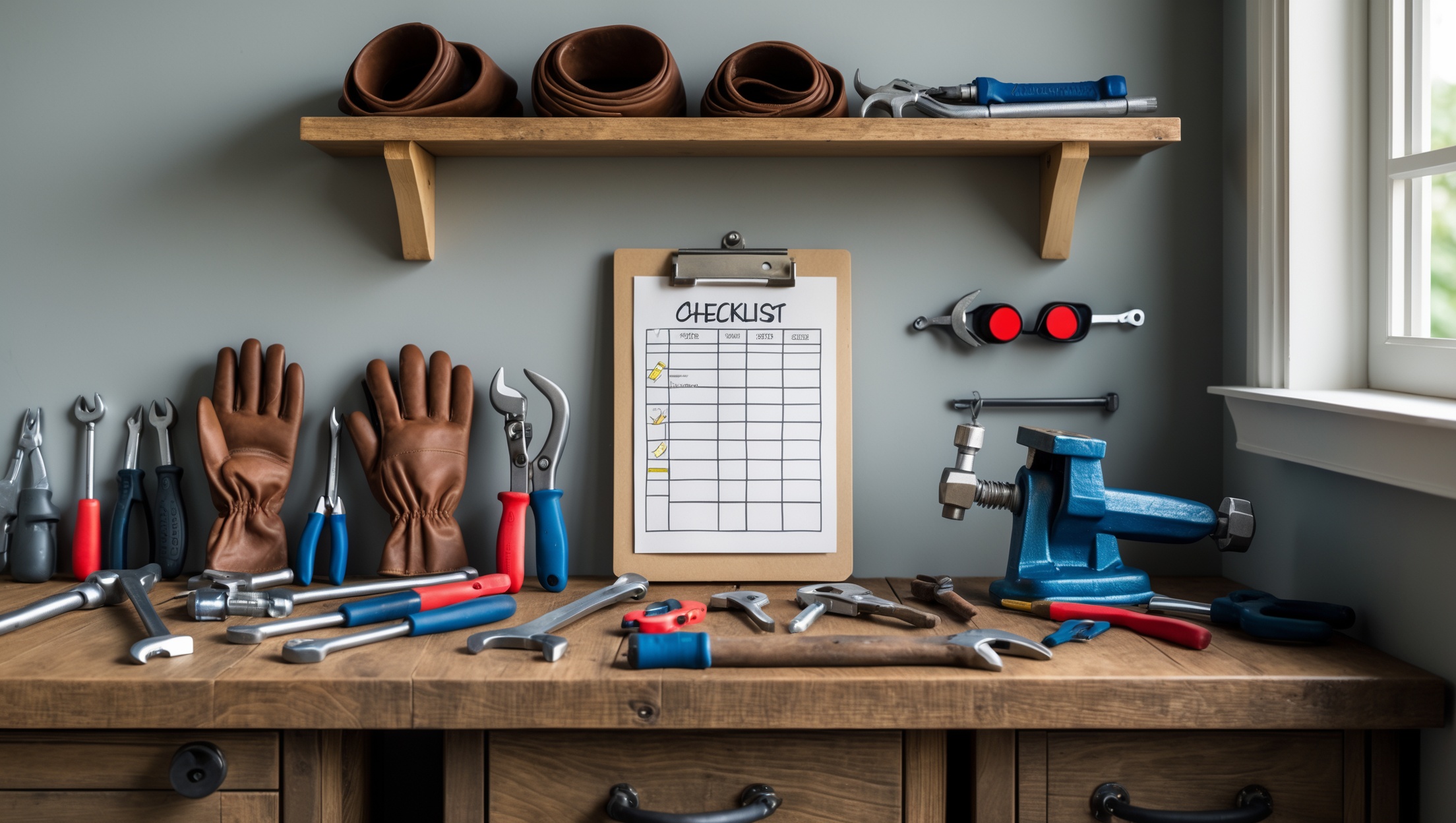
Tools and Materials Checklist

  • Pre-slit foam or rubber pipe insulation (sized to your pipes)
  • Utility knife or scissors
  • Measuring tape
  • Duct tape or specialized insulation tape
  • Cable ties (optional, for extra security)
  • Gloves and dust mask (for fiberglass insulation)

Preparation: Measuring and Cleaning

Start by measuring the length and diameter of every pipe you plan to insulate. Clean the pipes to remove dust, oil, or debris, which can interfere with adhesion and fit.

Cutting and Fitting Insulation

Cut insulation to length with a utility knife. For elbows and T-joints, use angled cuts to ensure full coverage. Slide pre-slit tubes over the pipe, ensuring a snug fit. For wrap or tape-style insulation, spiral it tightly around the pipe, overlapping each layer by at least half an inch.

Sealing Joints and Gaps

Secure seams with insulation tape or duct tape. Pay special attention to corners, valves, and connections. Any exposed pipe can become a weak point in your system.

Special Cases: Outdoor and Underground Pipes

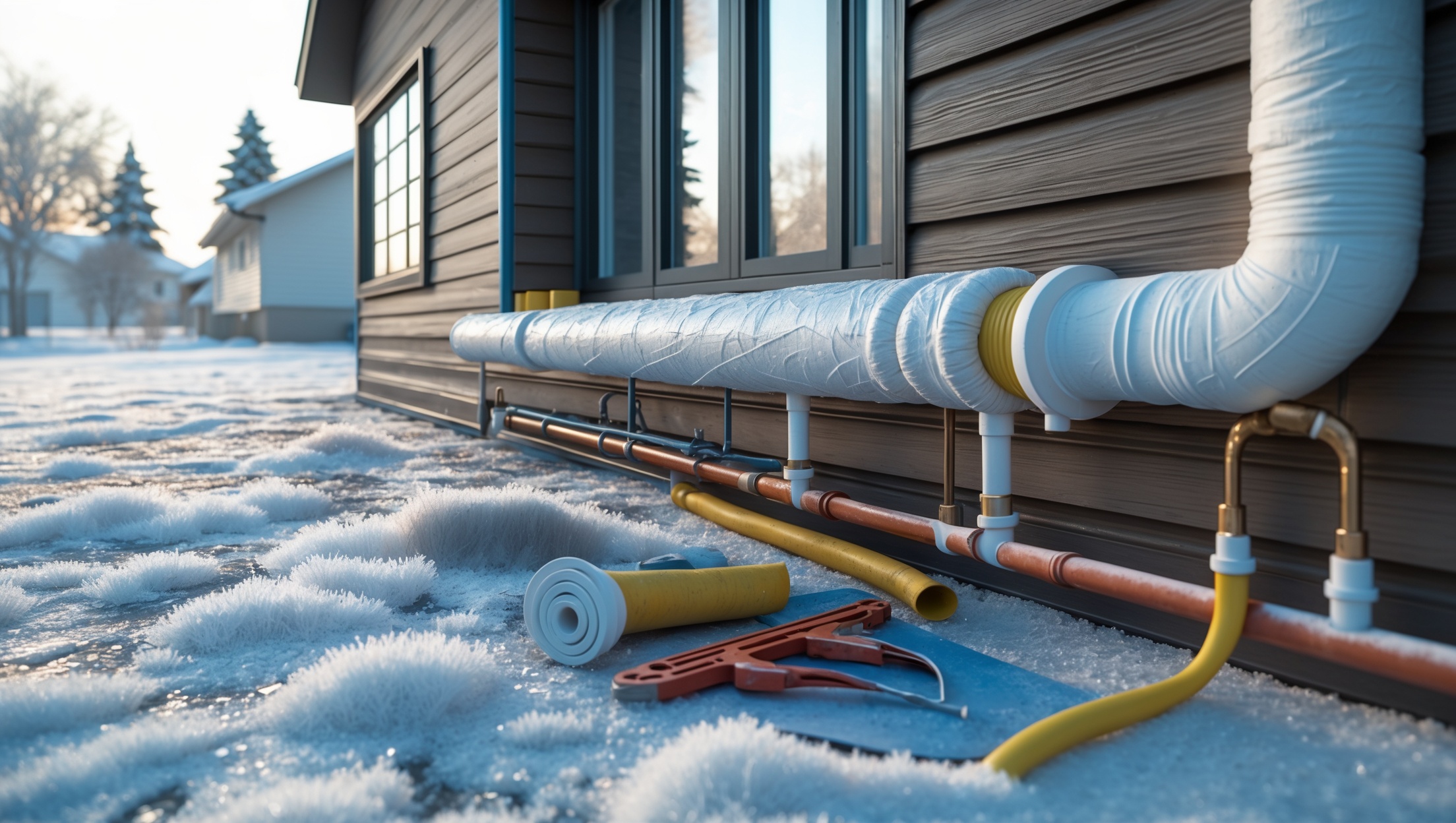
  • For exterior pipes, use weather-resistant insulation and waterproof tape. Consider adding a plastic or metal covering for extra protection from the elements.
  • Underground pipes should be insulated with closed-cell foam and covered with a moisture barrier before burial.

Advanced Insulation Strategies for Maximum Protection

Double-Layering in Extreme Climates

In regions with severe winters, double up on insulation or combine materials (e.g., foam tubing plus fiberglass wrap). This layered approach can dramatically reduce the risk of freezing.

Heat Tape and Cable Integration

For pipes that are especially vulnerable, apply UL-rated heat tape or cable directly to the pipe before insulating. This ensures continuous warmth during sub-zero temperatures, but always follow manufacturer instructions for safe use.

Vapor Barriers and Moisture Control

Especially in humid climates or near cold-water lines, use insulation with built-in vapor barriers to prevent condensation from dripping onto other surfaces.

Common Mistakes to Avoid

  • Gaps at Joints or Valves: Even small exposed spots can allow freezing or condensation. Seal every seam meticulously.
  • Incorrect Sizing: Insulation that’s too loose won’t be effective; too tight, and it may compress or split over time.
  • Using the Wrong Material: Don’t use indoor-only insulation outdoors, where UV and rain will quickly degrade it.
  • Neglecting Regular Checks: Insulation can shift, compress, or degrade; always re-inspect at least once a year.

Maintenance: Keeping Your Insulation Effective Year After Year

Seasonal Inspection Checklist

  • Check for signs of wear, moisture, or damage in late summer and early winter.
  • Look for displaced insulation, especially after plumbing repairs or renovations.
  • Inspect outdoor insulation for cracking or UV damage each spring.
  • Replace or repair any compromised sections immediately.

Cleaning and Rodent Prevention

Dust and debris can settle on exposed insulation, especially in basements or crawl spaces. Gently wipe with a dry cloth or vacuum with a soft brush attachment. In areas prone to rodents, consider wrapping insulation with metal mesh to prevent chewing.

Pipe Insulation and Energy Savings: What the Numbers Say

Energy Efficiency Benefits

The U.S. Department of Energy estimates that insulating hot water pipes can reduce heat loss by up to 80%, resulting in water temperatures that are 2–4°F higher compared to uninsulated pipes. This means you can lower your water heater setting and still enjoy hot showers—reducing your energy bills by 3–5% annually.

Preventing Costly Repairs

The average burst pipe repair costs between $500 and $2,000—not including water damage restoration. A weekend spent insulating pipes is a tiny investment compared to the expense of emergency plumbing calls and home repairs.

Frequently Asked Questions About Pipe Insulation

  • Do I need to insulate both hot and cold water pipes?
    Yes. Hot water pipes benefit from reduced heat loss, while cold water pipes are protected from condensation and freezing.
  • Can I insulate pipes myself, or should I hire a professional?
    Most homeowners can handle basic installations. For complex systems or hard-to-reach pipes, a professional can ensure optimal coverage.
  • How long does pipe insulation last?
    Quality insulation can last 10–20 years indoors. Outdoor insulation may need replacement sooner, especially if exposed to direct sunlight or harsh weather.

Conclusion: Investing in Pipe Insulation Pays Off

Pipe insulation doesn’t just prevent winter disasters—it’s a smart, year-round investment that pays dividends in comfort, efficiency, and peace of mind. By understanding the science behind insulation, choosing the right materials, and following expert installation and maintenance practices, homeowners can safeguard their plumbing systems against freezing, condensation, and energy loss. The upfront cost of materials and a few hours of DIY labor pale in comparison to the expenses—and stress—of emergency plumbing repairs or water damage. More importantly, well-insulated pipes make your home more energy-efficient, environmentally friendly, and comfortable for everyone inside.

Start by inspecting your home’s vulnerable spots: exterior walls, basements, attics, and any outdoor piping. Gather the right materials, take your time with installation, and schedule regular maintenance checks to catch problems early. Don’t hesitate to consult a professional for tricky areas or if you’re unsure about local code requirements. Remember, every foot of insulated pipe is an investment in your home’s resilience—and your wallet’s bottom line. Take action today, and you’ll enjoy the rewards of safer, more efficient plumbing for years to come.

244 comments
Patricia Sanchez

You talk about condensation causing mold and damage if pipes aren’t insulated. What are early warning signs that moisture is already becoming a problem around pipes, and what immediate steps should I take if I spot them?

    Mario The Plumber

    Early warning signs of moisture problems around pipes include visible water droplets, damp or discolored spots on nearby walls or ceilings, a musty smell, or peeling paint. If you notice these, dry the area thoroughly, improve ventilation, and inspect for leaks. Address any leaks promptly and consider applying pipe insulation to prevent further issues. If mold is present, clean small patches with a mold cleaner, but consult a professional for larger areas.

William Thompson

You mentioned different material options for pipe insulation in the article. Could you elaborate on how to choose between foam, fiberglass, or rubber insulation, especially if I’m dealing with both hot and cold water pipes in various parts of my house?

    Mario The Plumber

    Choosing between foam, fiberglass, or rubber pipe insulation depends on your specific needs. Foam is easy to install and works well for both hot and cold pipes, making it great for most indoor applications. Fiberglass handles higher temperatures and is often used on hot water pipes or near boilers; just make sure to use a vapor barrier for cold pipes to prevent condensation. Rubber insulation is flexible, resists heat loss, and does well in areas exposed to sunlight or varying temperatures. Consider the pipe temperature, location, and exposure to moisture when deciding which material to use.

Brian Jackson

What’s the best way to check if my existing pipe insulation is still effective? Is there a general rule for how often it should be replaced, or any tell-tale signs that it’s no longer protecting against heat loss or condensation?

    Mario The Plumber

    To check if your pipe insulation is still effective, look for signs of wear like cracks, gaps, dampness, or areas where the insulation has come loose. If you notice higher energy bills or pipes sweating with condensation, these are red flags. Generally, insulation should be inspected annually and replaced every 5–10 years, but immediate replacement is needed if you spot any damage or water intrusion.

Helen Sanchez

I’m getting ready to insulate some older copper pipes in my basement, but some areas are tough to access. Do you have any techniques or recommended products that make it easier to insulate pipes in cramped or awkward spaces without compromising effectiveness?

    Mario The Plumber

    For hard-to-reach copper pipes, consider using self-sealing foam pipe sleeves or split foam tubes, which can be wrapped around pipes without needing much clearance. For very tight spots, flexible pipe wrap insulation tape is helpful and can be spiraled around bends and fittings. Make sure to overlap the tape and seal any gaps for full coverage. These products are designed to maintain insulation effectiveness even in cramped areas.

Nancy Jackson

If a homeowner is mainly concerned with controlling condensation in a humid climate, is basic foam tubing enough, or should we consider vapor-barrier wraps too? Any tips to avoid moisture problems from the start?

    Mario The Plumber

    In humid climates, basic foam tubing can help, but it may not be enough on its own to control condensation. It’s best to use foam insulation that includes a built-in vapor barrier or to add a vapor-barrier wrap over the foam. Make sure all seams and joints are tightly sealed with tape to prevent moist air from reaching the pipe surface. Also, check for gaps or damage regularly to stop moisture problems before they start.

Betty Hernandez

How long does a typical DIY pipe insulation project take for an average-sized home, and are there specific maintenance checks you recommend throughout the year to make sure the insulation stays effective?

    Mario The Plumber

    For an average-sized home, a DIY pipe insulation project usually takes between 4 to 8 hours, depending on how many pipes you need to cover and your experience level. To keep the insulation effective, check it twice a year—once before winter and again in spring. Look for any gaps, moisture, or signs of wear, and replace damaged sections promptly to maintain good protection.

Jessica Moore

If I’m on a tight budget, are there specific pipe insulation strategies or materials that still offer solid protection without costing too much up front? I want to avoid big repairs but not break the bank right now.

    Mario The Plumber

    If you’re watching your budget, foam pipe insulation sleeves are a cost-effective choice. They’re easy to install yourself and provide decent protection against both heat loss and freezing. You can focus on insulating the most vulnerable pipes first, like those in unheated areas or near exterior walls. Even wrapping pipes with layers of inexpensive fiberglass or using insulating tape can help prevent damage without a big upfront cost.

Linda Gonzalez

The article mentions that condensation on pipes can cause mold and structural damage. If I already see some condensation on my basement pipes, should I just insulate the pipes as they are, or do I need to address any existing moisture or mold first?

    Mario The Plumber

    It’s important to address any existing moisture or mold before adding insulation. Wipe down the pipes to remove condensation, and if you notice any mold, clean it using an appropriate cleaner or consult a professional if the problem seems extensive. Insulating over damp or moldy pipes can trap moisture and worsen the issue over time.

Jessica Jones

For a homeowner not comfortable with DIY projects, what should they look for when hiring a pro to upgrade their pipe insulation, and are there any red flags that might indicate a lack of experience or poor-quality work?

    Mario The Plumber

    When hiring a professional to upgrade your pipe insulation, ask about their experience with similar projects and request references or photos of past work. Make sure they use materials suited to your climate and plumbing. Red flags include reluctance to show credentials or insurance, vague estimates, or a lack of knowledge about local building codes and insulation types. Always get a written estimate before work begins.

Sandra Taylor

You mention that proper pipe insulation can help control condensation and prevent mold or structural damage. Are there certain insulation materials that are better suited for high-humidity climates, and how do I determine which one is best for my basement pipes?

    Mario The Plumber

    In high-humidity climates, closed-cell foam insulation and rubber insulation are especially effective because they resist moisture and won’t absorb water. For basement pipes, look for insulation with a built-in vapor barrier to prevent condensation. When choosing, consider pipe size, temperature, and local humidity. If in doubt, consult a local hardware expert or plumber for recommendations tailored to your specific environment.

Rachel Martinez

If some of my plumbing is hard to reach, like in tight crawl spaces, are there any advanced strategies or tools recommended for installing insulation in those tricky spots?

    Mario The Plumber

    For tight crawl spaces and hard-to-reach plumbing, consider using flexible foam pipe insulation that can be bent or squeezed into place. Pre-slit insulation tubes with adhesive strips can make installation easier. Specialty tools like telescoping grabbers or insulation push rods help you position and secure the material from a distance. In especially tricky spots, spray foam insulation can fill gaps around pipes, but use it cautiously to avoid over-application.

Betty Moore

You talked about step-by-step installation for different pipe types, but I live in an older house with oddly shaped and hard-to-reach plumbing. What’s the best strategy for insulating pipes in tight spaces or awkward corners?

    Mario The Plumber

    For tight spaces or awkward corners, use flexible insulation materials like foam tape or fiberglass wrap instead of rigid pipe sleeves. These can be cut to size and wrapped around oddly shaped pipes. For really hard-to-reach spots, consider using spray foam insulation, which expands to fill gaps. Always make sure pipes are dry before insulating to prevent trapping moisture.

Karen Rodriguez

I’m interested in saving on energy costs year-round like you described, but is insulating just the hot water pipes enough, or should I do the cold ones too? I don’t want to overspend if it won’t make much difference.

    Mario The Plumber

    Insulating hot water pipes does offer the most noticeable energy savings by reducing heat loss, but insulating cold water pipes has its own benefits as well. Cold pipe insulation helps prevent condensation and reduces the risk of freezing in colder months, which can avoid costly damage. If energy savings are your main goal, focus on hot water pipes. For added protection and to prevent moisture issues, consider insulating cold pipes in areas prone to condensation or freezing.

Jason Hernandez

How often should pipe insulation be checked or replaced, especially in homes that experience both really cold winters and hot, humid summers? I’d like to avoid any surprises or unexpected repairs down the line.

    Mario The Plumber

    It’s a good idea to inspect your pipe insulation at least once a year, ideally before the extreme seasons set in. In areas with harsh winters and hot, humid summers, check for cracks, moisture, or loosened insulation. Replace any sections that appear damaged or degraded. Regular yearly checks help catch problems early and prevent costly repairs.

Kevin Garcia

I noticed you mentioned extending the lifespan of plumbing through insulation. Is there a point where it no longer makes sense to insulate older pipes because of wear, or can insulation always help—even if the pipes are already showing signs of corrosion?

    Mario The Plumber

    Insulating older pipes can still offer some benefits, like reducing heat loss or protecting against freezing, but if pipes are already corroded or showing significant wear, insulation is not a fix for existing damage. In fact, insulating corroded pipes can sometimes trap moisture and make corrosion worse. If you see signs of serious wear, it’s best to have a plumber assess whether repair or replacement should come before any new insulation.

James Smith

I’m interested in the cost-saving aspect you brought up. About how much can a typical homeowner expect to save on utility bills per year by properly insulating their pipes?

    Mario The Plumber

    Properly insulating your pipes can typically help a homeowner save around 3% to 4% on their annual energy bills. For an average household, this often amounts to about $30 to $50 each year, though savings can be higher in colder climates or older homes with uninsulated plumbing. These savings also come with the added benefit of reducing potential repair costs from frozen or burst pipes.

Lisa Smith

For a homeowner on a tight budget, what are the most cost-effective pipe insulation strategies that still prevent freezing and reduce energy loss without requiring a professional?

    Mario The Plumber

    For homeowners on a budget, using pre-slit foam pipe insulation is both affordable and effective. Measure your exposed pipes and cut the foam sleeves to fit, then simply slip them on and seal any gaps with tape. Focus on pipes in unheated areas like basements, crawl spaces, and attics. Also, insulating hot water pipes helps reduce energy loss. No special tools or professional help are needed for these steps.

Nathan Robinson

How often should I check or replace pipe insulation to ensure it’s still effective, especially in areas that might be exposed to occasional leaks or condensation?

    Mario The Plumber

    You should inspect your pipe insulation at least once a year, ideally before winter sets in. In areas prone to leaks or condensation, check more frequently—every six months is a good rule of thumb. Look for signs of moisture, mold, or damage. Replace insulation immediately if you notice it’s wet, crumbling, or no longer fitting snugly around the pipe.

Brian Miller

Is there a certain type of pipe insulation material that works better for both winter freezes and summer heat, or do you need different products for different seasons?

    Mario The Plumber

    Closed-cell foam pipe insulation is a versatile option that performs well in both winter and summer. It helps prevent pipes from freezing during cold months and also minimizes heat gain or loss in warmer weather. Generally, you don’t need separate products for each season if you use high-quality foam insulation, though for extreme cold, you might want to choose thicker insulation for extra protection.

James Martin

I’ve always insulated my pipes before winter to prevent freezing, but I hadn’t thought about doing it for summer efficiency as well. For someone on a budget, is there a strategic way to prioritize which pipes to insulate first for the biggest year-round impact?

    Mario The Plumber

    Absolutely, prioritizing can help you get the most value for your effort and budget. Start by insulating pipes in unconditioned spaces like basements, crawl spaces, attics, and garages, since these are most vulnerable to both winter freezing and summer heat gain. Focus first on hot water pipes to reduce energy loss year-round, then cold water pipes to prevent condensation and potential moisture issues. This approach gives you the best protection and efficiency with minimal investment.

Helen White

If I want to insulate pipes myself, how do I know which areas of my home’s plumbing system should be prioritized to get the most savings and protection?

    Mario The Plumber

    Focus first on insulating pipes in unheated areas like basements, crawl spaces, attics, garages, and exterior walls. These spots are most vulnerable to both heat loss and freezing, which can lead to costly damage. Also, pay close attention to hot water pipes throughout your home, as insulating them reduces energy loss and can lower your bills. Prioritizing these locations will give you the best protection and savings.

Joshua Williams

The article talks about advanced strategies tailored to unique home needs. Could you give examples of what kinds of homes might need those, or what situations might mean I should go beyond just basic insulation?

    Mario The Plumber

    Advanced pipe insulation strategies are often needed in homes with features like exposed pipes in unheated spaces, older homes with unusual layouts, or properties in regions with extreme temperatures. If your home has areas that are hard to access, pipes running through exterior walls, or a history of frozen pipes, you may benefit from extra protection like heat tape, insulated pipe sleeves, or even smart temperature monitoring systems.

Aaron Lewis

If I want to start insulating the pipes myself, is there a step-by-step guide or checklist you’d recommend for beginners like me? I’m especially interested in learning how to handle tight spaces and corners, since that seems tricky.

    Mario The Plumber

    Absolutely, starting with pipe insulation is manageable for beginners with the right approach. First, measure all exposed pipes to estimate materials needed. Clean pipes before applying insulation. Use foam pipe sleeves or fiberglass wrap, cutting sleeves to length as needed. For tight spaces and corners, use pre-slit foam that can be bent, or cut small pieces and tape them securely. Don’t forget to seal all joints and seams with insulation tape. Take your time around bends and valves—wrapping these areas carefully ensures full coverage and better protection.

Thomas Lee

If I start insulating pipes now, how long does a typical installation take for an average-sized home, and are there any sections of the plumbing system that homeowners tend to overlook during this process?

    Mario The Plumber

    For an average-sized home, installing pipe insulation usually takes about one to two days, depending on accessibility and the amount of piping. Homeowners often overlook insulating pipes in crawl spaces, attics, and behind walls, as well as short sections near water heaters or under sinks. Be sure to check these areas to ensure complete coverage and maximum protection.

Lisa Lopez

For homeowners on a budget, which pipe insulation material offers the best balance between cost and effectiveness for reducing energy bills year-round?

    Mario The Plumber

    For homeowners on a budget, foam pipe insulation is often the best choice. It’s affordable, easy to install yourself, and provides good year-round thermal protection that helps reduce energy bills. While it might not last as long as more expensive materials like rubber or fiberglass, it’s effective for most household needs and readily available at hardware stores.

Linda Thomas

If my main concern is condensation and preventing mold under my house in the summer, is there a specific type of insulation or technique that works better for moisture control compared to basic freeze protection?

    Mario The Plumber

    For controlling condensation and preventing mold in summer, focus on closed-cell foam insulation, which acts as a vapor barrier and resists moisture better than basic fiberglass or foam sleeves meant for freeze protection. Make sure the insulation is properly sealed at all seams and joints to keep humid air from reaching cold pipes. This will significantly reduce the risk of condensation and mold growth under your house.

Kevin Wilson

When choosing between different insulation materials, how significant is the cost savings over time for energy bills? Are there any budget-friendly options that still provide strong protection against both freezing and condensation?

    Mario The Plumber

    The cost savings from choosing effective pipe insulation materials can be quite significant over time, especially in regions with extreme temperatures. While higher-end materials like fiberglass or elastomeric foam offer top performance, budget-friendly options like polyethylene foam still provide good protection against freezing and condensation. Choosing the right thickness and ensuring a proper installation are key to maximizing savings and protection, even with less expensive materials.

Julie Jackson

How often does pipe insulation need to be checked or replaced to keep it effective year-round? Does the maintenance schedule vary depending on the climate or the type of insulation you choose?

    Mario The Plumber

    Pipe insulation should generally be checked at least once a year, ideally before winter or peak usage seasons. In harsher climates or areas with temperature swings, more frequent inspections are helpful. The maintenance schedule can also vary by insulation type—foam and fiberglass may deteriorate faster outdoors and need more regular replacement, while rubber or closed-cell types often last longer. Look for cracks, moisture, or gaps as signs it’s time to repair or replace insulation.

Robert Perez

If you’re on a tight budget, are there any affordable pipe insulation materials that still provide decent energy savings and protection, or is it really worth investing in the higher-end stuff?

    Mario The Plumber

    You can absolutely find affordable pipe insulation materials that offer good protection and energy savings. Foam pipe sleeves and fiberglass wraps are both budget-friendly options and can be easily installed yourself. While higher-end products may add durability or extra features, basic insulation is usually enough to prevent most heat loss and pipe damage, especially in milder climates. Just make sure the material fits your pipe size and is rated for your environment.

Linda Johnson

When you mention extending the lifespan of plumbing with insulation, are there specific pipe materials (like copper versus PVC) that benefit more, or does insulation help all kinds equally?

    Mario The Plumber

    Insulation is beneficial for all common pipe materials, including copper, PVC, and PEX. However, metal pipes like copper are more prone to heat loss and freezing, so they often gain the most from insulation. That said, insulating any pipe helps prevent condensation, temperature swings, and potential freezing, so all types of plumbing benefit, though metal pipes typically see the greatest improvement.

Elizabeth Martin

If someone is on a tight budget, what would be the most important pipes to insulate first to get the biggest impact on energy savings or damage prevention?

    Mario The Plumber

    If budget is a concern, start by insulating pipes that are most at risk for freezing, such as those in unheated spaces like basements, crawl spaces, attics, or exterior walls. Next, focus on hot water pipes near the water heater to reduce heat loss and save on energy. This targeted approach gives you the best protection and efficiency for your investment.

Ashley Hernandez

For homeowners on a tight budget, are there low-cost insulation materials that still offer decent protection, or is it always better to invest in higher-end options for long-term benefits?

    Mario The Plumber

    There are affordable insulation materials that can still protect your pipes well, especially for indoor or less extreme conditions. Foam pipe sleeves and fiberglass wraps are both budget-friendly and provide decent insulation. While higher-end options may last longer or offer better protection in very cold climates, using these lower-cost materials correctly can still prevent most common problems like freezing and energy loss.

Aaron Lopez

When insulating hot water pipes to reduce energy bills, is there a noticeable difference between foam and fiberglass sleeves? I have some older copper pipes and want to make sure I’m picking a suitable option without overspending.

    Mario The Plumber

    For hot water pipes, both foam and fiberglass sleeves insulate well, but there are some differences. Foam sleeves are easier and quicker to install, usually cost less, and work well for most residential needs. Fiberglass sleeves provide higher heat resistance and are better for extremely hot pipes, but they may be overkill unless your pipes get very hot or are near heat sources. For older copper pipes in a typical home, foam sleeves should be sufficient and budget-friendly.

Joseph Wilson

If you’re planning to insulate pipes yourself, how critical is it to cover every single exposed run, including hard-to-reach spots in crawl spaces? Would missing a few sections significantly impact energy savings or increase the risk of frozen pipes?

    Mario The Plumber

    Insulating every exposed section of pipe, even those in hard-to-reach places like crawl spaces, is very important. Gaps in insulation can create cold spots, which not only reduce energy savings but also increase the risk of pipes freezing in winter. Missing even a few sections can undermine the overall effectiveness of your insulation, so it’s best to be thorough for the best protection and efficiency.

Emily Lopez

I’m curious about the different insulation materials you mentioned. Are there certain types that are better suited for older homes with mixed plumbing (like copper and PVC), or is one kind generally the best for all pipe types?

    Mario The Plumber

    Different insulation materials have their own strengths. Foam pipe insulation is versatile and works well with both copper and PVC, making it a popular choice for homes with mixed plumbing. Fiberglass insulation is also effective and especially useful in higher temperature settings, but it needs to be sealed properly if used on cold-water pipes to prevent moisture issues. For older homes with a mix of pipe materials, foam or rubber pipe insulation is generally a safe and effective option.

Charles Harris

If I’m on a pretty tight budget, what are the most affordable pipe insulation materials that still provide good protection against freezing and condensation?

    Mario The Plumber

    For a tight budget, foam pipe sleeves and fiberglass wrap are both affordable and effective options. Foam sleeves are easy to install and insulate well against freezing and condensation. Fiberglass wrap is also inexpensive and offers good protection, though it may require plastic or foil covering for moisture resistance. Be sure to measure your pipes to buy the right size for a snug fit.

Megan Smith

If I want to insulate my pipes myself, what should I watch out for to make sure I’m not missing any problem areas that could still freeze or develop condensation, especially in hard-to-reach spaces like crawl spaces or basement corners?

    Mario The Plumber

    When insulating pipes yourself, pay close attention to all exposed sections, especially in unheated or drafty areas like crawl spaces, basement corners, and near exterior walls. Use a flashlight to check behind obstacles, around bends, and at pipe joints. Make sure insulation fits snugly without gaps or compressed spots. Don’t overlook short pipe runs or valve areas, as these can be vulnerable too. Sealing seams with tape and inspecting each section after installation will help ensure consistent protection.

Brian Thomas

Does insulating pipes make sense even in states with mild winters? I live in the south, and I’m trying to figure out if the benefits, like controlling condensation and reducing energy use, outweigh the costs of materials and installation here.

    Mario The Plumber

    Insulating pipes in southern states with mild winters can still be worthwhile. Even if freezing isn’t a big concern, pipe insulation helps reduce heat loss from hot water lines, potentially lowering your energy bills. It also helps prevent condensation on cold pipes, which can lead to moisture problems or mold. The upfront cost is usually modest, especially for accessible pipes, and the benefits over time often outweigh the expense.

Betty Thomas

If I’m planning to insulate pipes for the first time, how much of a difference can I expect to see on my energy bill, and does it pay off quickly enough for a smaller house?

    Mario The Plumber

    Insulating your pipes can lower energy bills by reducing heat loss, especially for hot water pipes. In a smaller house, you might see a 3–5% reduction in water heating costs, which means the savings could cover the cost of materials within a year or two. Besides saving money, you’ll also help prevent pipe damage and heat loss, making it a worthwhile project even for smaller homes.

Michelle Brown

How often should pipe insulation be checked or replaced to make sure it’s still effective, especially if you live in a region with extreme temperature changes between summer and winter?

    Mario The Plumber

    For regions with extreme temperature swings, it’s wise to check your pipe insulation at least once a year—ideally before winter. Look for cracks, moisture, or areas where the insulation has shifted or compressed. Replacement is usually needed every 5–10 years, but damage from weather or pests may require earlier action. Regular checks will help keep your insulation effective and your pipes protected.

Donna Davis

You mentioned DIY installation, but I’m not sure how to tell if my home’s pipes are the right type for a do-it-yourself insulation project versus when I should hire a professional. Are there specific types of pipes or layouts that are riskier for DIY insulation?

    Mario The Plumber

    When considering DIY pipe insulation, accessible, straight runs of copper or PVC pipes are usually the easiest and safest to handle yourself. Pipes that are hard to reach, have tight bends, are near electrical wiring, or show signs of corrosion are best left to professionals. Also, if your home has very old or complex plumbing layouts, especially with asbestos insulation, it’s safest to call an expert. Always turn off water supply and wear protective gear if you proceed on your own.

Anthony Miller

Do you have any rough idea how much it usually costs to insulate plumbing in an average-sized home if I buy the materials myself versus hiring a professional? I want to make sure I budget enough before I start.

    Mario The Plumber

    If you buy materials yourself, insulating plumbing in an average-sized home typically costs between $100 and $300, depending on the type and amount of insulation. Hiring a professional usually brings the total to around $500 to $1,200, including labor. Costs can vary with pipe length and accessibility, so checking prices locally is a good idea for a more precise estimate.

Jennifer Smith

I’m really interested in the step-by-step installation tips you referenced. Are there specific considerations or common mistakes to watch out for when insulating older pipes or pipes located in crawl spaces and basements?

    Mario The Plumber

    When insulating older pipes or those in crawl spaces and basements, it’s important to first check for existing leaks or corrosion—address these before adding insulation. Clean the pipes so insulation adheres properly. In crawl spaces, use insulation with a vapor barrier to prevent moisture issues. Make sure to tightly seal seams and joints, and avoid compressing the insulation, as this can reduce effectiveness. Watch for sharp bends or tight spaces where gaps might occur.

Julie Jones

Could you add more about the actual installation process? I’m concerned about accidentally skipping a step and causing damage or leaving gaps. Is there a common mistake first-time DIYers should watch out for when applying the insulation?

    Mario The Plumber

    When installing pipe insulation, start by measuring the pipes and cutting insulation to fit. Carefully wrap or slip the insulation over clean, dry pipes, ensuring all joints and bends are covered. Seal seams and joints with the recommended adhesive or tape. A common mistake is leaving small gaps or not sealing the seams, which can reduce the insulation’s effectiveness and let moisture in. Double-check all areas, especially around valve connections, to make sure everything is snug and secure.

James Lee

I’m considering doing the pipe insulation myself for my shop, but I’m a bit worried about making mistakes. Are there common installation errors you see with DIY jobs, and how can I make sure I’m getting the benefits you described in your article?

    Mario The Plumber

    DIY pipe insulation can be very effective if done carefully. Common mistakes include leaving gaps or seams unsealed, using the wrong insulation material for the type of pipe, and not insulating elbows or valves. To maximize the benefits, make sure all pipes are fully covered, seal joints with tape, and choose insulation with the right thickness and rating for your climate. Take your time measuring and cutting, and double-check every joint to avoid heat loss or condensation issues.

Sean Brown

You touched on advanced strategies tailored to different home needs. Could you elaborate on what those might look like for older homes with existing plumbing or for houses in regions that experience both freezing winters and hot, humid summers?

    Mario The Plumber

    For older homes, advanced strategies often include using flexible foam or rubber insulation that can fit irregular or tight spaces around existing pipes. For regions with both freezing winters and hot, humid summers, it’s important to choose insulation with a vapor barrier to prevent condensation in summer and protect against freezing in winter. Sealing gaps and insulating both hot and cold water pipes throughout unconditioned areas like basements and crawl spaces is key. Regularly checking and updating insulation can also help maintain effectiveness year-round.

Joseph Harris

I’m on a tight budget and concerned about both upfront costs and long-term savings. Do you have any tips for prioritizing which pipes to insulate first to get the most impact?

    Mario The Plumber

    To make the biggest impact with a limited budget, start by insulating pipes in unheated areas like basements, crawl spaces, attics, and garages, since these are most at risk for heat loss and freezing. Focus on hot water pipes first to reduce energy costs, then address cold water pipes to prevent freezing damage. By prioritizing exposed or at-risk pipes, you can maximize both immediate savings and long-term protection.

Sarah Hernandez

The article mentions that pipe insulation can help prevent condensation and potential mold issues. For older homes with exposed pipes in a humid basement, is there a specific insulation material you’d recommend to best control moisture and avoid mold buildup over time?

    Mario The Plumber

    For older homes with exposed pipes in a humid basement, closed-cell foam insulation is often the best choice. It resists moisture absorption, which helps control condensation and reduces the risk of mold growth over time. Look for products labeled as vapor-retardant or with built-in moisture barriers. Make sure to seal all seams and joints carefully with appropriate tape to prevent humid air from reaching the pipe surface.

Michael Harris

The article mentions that pipe insulation can help control condensation and prevent rot, especially in humid areas. Are there specific insulation materials that work better for moisture control in climates like the Southeast compared to others?

    Mario The Plumber

    In humid climates like the Southeast, closed-cell foam insulation—such as rubber or polyethylene—is especially effective for moisture control. These materials resist water absorption and help prevent condensation from forming on pipes. Fiberglass can also be used, but it must have a proper vapor barrier jacket to be effective in high humidity. Choosing insulation with a built-in vapor barrier is key to preventing rot and mold.

Joseph Ramirez

When installing insulation on pipes that run through both heated and unheated areas of a home, is it necessary to use the same type and thickness of insulation throughout, or should the strategy differ based on the location?

    Mario The Plumber

    It’s best to adjust your insulation strategy based on where the pipes are located. Pipes in unheated areas need thicker and possibly higher-rated insulation to prevent freezing, while pipes in heated spaces may only need minimal insulation to reduce minor heat loss. Matching the insulation type and thickness to each area’s conditions helps maximize protection and efficiency.

Joseph Smith

I’m interested in the step-by-step installation process you referenced. Is pipe insulation something a homeowner with basic DIY skills can handle safely, or are there situations where you really need a professional, especially for older homes with tight spaces?

    Mario The Plumber

    Most homeowners with basic DIY skills can safely install pipe insulation, especially on accessible pipes using pre-slit foam or fiberglass sleeves. The process generally involves measuring, cutting the insulation to fit, and securing it in place. However, if your home is older with cramped, hard-to-reach spaces, or if pipes show signs of damage or asbestos insulation, it’s best to call a professional. Safety and proper installation are key to effectiveness.

Michael Clark

Does insulating cold water pipes in warmer climates make much of a difference, or is it really just a concern for places with harsh winters? Would it still help with condensation issues during the summer?

    Mario The Plumber

    Insulating cold water pipes in warmer climates can still be beneficial, especially for reducing condensation during hot, humid summers. Condensation can cause water damage, mold, and mildew even if freezing isn’t a risk. So while winter protection isn’t needed, insulation can still help maintain a drier, safer home environment year-round.

Donna Johnson

You mention energy savings from reducing heat loss in pipes. Is there a way to estimate how much a retail business like mine could save annually by adding or improving pipe insulation?

    Mario The Plumber

    You can estimate your annual savings by first calculating the length and size of the pipes you plan to insulate, along with the temperature difference between your hot water and the surrounding area. Online pipe insulation calculators can give you a good estimate based on these details. For a retail business, savings often range from 5% to 10% of your current pipe-related energy costs, but the exact amount depends on your usage and insulation quality.

Anthony Jones

The guide brings up several different material options for pipe insulation. If I’m trying to keep my project within a tight budget, which material offers a good balance between cost and effectiveness for a DIY installation?

    Mario The Plumber

    Foam pipe insulation is generally the most budget-friendly option for DIY projects. It’s easy to install, widely available, and provides decent thermal protection for the price. While fiberglass can offer slightly better insulation, it tends to cost more and can be trickier to handle. For most home applications, foam strikes a good balance between cost and effectiveness.

Linda White

When talking about saving on energy bills, do you have any data or estimates on how much a typical homeowner might save annually by upgrading their pipe insulation?

    Mario The Plumber

    Upgrading pipe insulation can typically save homeowners about 3–5% on their annual energy bills, depending on climate and existing insulation. For an average household, this might translate to savings of around $30–$60 per year. The exact amount can vary, but properly insulated pipes help reduce heat loss, especially in colder climates, and can also prevent costly damage from frozen pipes.

Matthew Ramirez

How often should I check or replace the pipe insulation after installing it, especially if I live in an area with hot summers and mild winters? Does insulation degrade faster in humid environments?

    Mario The Plumber

    It’s wise to inspect your pipe insulation at least once a year, ideally before the hottest season. In humid environments, insulation can degrade more quickly due to moisture and potential mold growth. Look for cracks, moisture, or looseness, and replace any damaged sections as needed. Keeping insulation dry and intact will help it last longer, even in challenging climates.

Kevin Jones

How much of a difference in energy bills have you seen after upgrading pipe insulation in your own experience? I’m trying to figure out if the investment pays off quickly or if it’s more of a long-term saving.

    Mario The Plumber

    From my own experience and feedback from readers, the reduction in energy bills after upgrading pipe insulation can range from 5% to 10%, depending on your home’s layout and climate. The investment usually pays off within a couple of years, especially if you have exposed pipes or live in a colder area. While the savings add up over time, some people start noticing lower bills within the first few months.

Betty Sanchez

If I’m only able to insulate part of my plumbing system due to budget, which pipes should I prioritize to get the most benefit — the ones running through unheated spaces, or should I focus on the ones carrying hot water?

    Mario The Plumber

    To get the most benefit on a limited budget, prioritize insulating pipes running through unheated spaces like basements, crawl spaces, and attics. These areas are most vulnerable to freezing and heat loss, which can lead to pipe damage or wasted energy. If you have any budget left after that, focus on hot water pipes to help retain heat and improve energy efficiency.

Michelle Wilson

Sometimes our pipes still sweat even though they’re insulated, particularly in the basement. Are there specific troubleshooting steps or advanced strategies you recommend in these situations to fully prevent condensation and water damage?

    Mario The Plumber

    If your basement pipes are still sweating despite insulation, it could be due to gaps, improperly sealed seams, or the type of insulation used. Ensure all joints and seams are tightly sealed with vapor barrier tape. Consider upgrading to closed-cell foam insulation, which resists moisture better than fiberglass. You might also reduce humidity in the basement with a dehumidifier or by improving ventilation, as high ambient humidity can overwhelm pipe insulation.

Jennifer Perez

I noticed you mentioned step-by-step installation for different pipe types. For someone new to DIY, are there any tricky parts of installation I should look out for, especially in older homes with tight spaces?

    Mario The Plumber

    When insulating pipes in older homes, tight spaces and unusual pipe layouts can be challenging. Fitting insulation around bends, valves, and joints often requires careful cutting and patience. Watch out for pipes close to walls or ceilings—using flexible foam insulation and a utility knife helps. Be cautious of any damaged or rusty pipes, as they may need repair before adding insulation.

Rachel Brown

If I’m doing this as a weekend project, how long does it typically take to insulate the pipes for an average-sized home? Are there any common mistakes first-timers like me should watch out for during installation?

    Mario The Plumber

    For an average-sized home, insulating exposed pipes usually takes between 4 to 8 hours, depending on accessibility and the number of pipes. First-timers often forget to seal all seams and joints tightly, which can reduce insulation effectiveness. Also, make sure to measure pipes accurately and cut insulation to fit snugly—gaps or compressed sections can lead to heat loss or condensation issues.

Daniel Wilson

The section about condensation issues in humid areas caught my attention. Are there any extra steps or tips for preventing mold if my basement tends to stay damp even after insulating the pipes?

    Mario The Plumber

    If your basement stays damp, it’s a good idea to pair pipe insulation with a dehumidifier to keep humidity levels low. Make sure the pipe insulation has a vapor barrier to prevent moist air from reaching cold pipe surfaces. Also, check for gaps in insulation and seal them well, and regularly inspect pipes and nearby surfaces for any signs of mold growth so you can address issues early.

Brian Jackson

When insulating pipes to reduce energy costs, is there a significant difference in performance between insulating hot water versus cold water pipes? I’d like to know which should be prioritized if I’m on a limited budget.

    Mario The Plumber

    If you need to prioritize due to budget, insulating hot water pipes generally provides more immediate energy savings by reducing heat loss and keeping your water hotter for longer. Insulating cold water pipes is important too, mainly to prevent condensation and freezing, but for energy cost reduction, start with hot water pipes first. Once your budget allows, consider insulating the cold water pipes as well for added protection.

William Taylor

Once you install pipe insulation yourself, how often do you need to check or replace it to make sure it’s still effective? Is there a sign I should look for before insulation starts failing or causing moisture issues?

    Mario The Plumber

    It’s a good idea to check your pipe insulation at least once a year, especially before winter. Look for signs like cracking, peeling, or gaps in the insulation, as well as any dampness or mold. If the insulation looks damaged or feels wet, it’s time to replace or repair it to keep your pipes protected and avoid moisture problems.

Ashley Thomas

The article talks about both DIY and professional installation methods. For someone on a tight budget, which insulation materials would be most cost-effective, but still provide solid protection against both heat loss and condensation?

    Mario The Plumber

    For a tight budget, foam pipe insulation sleeves or self-sealing foam tubes are great choices. They’re affordable, easy to install yourself, and offer good protection against both heat loss and condensation. Make sure they fit snugly around your pipes and seal any joints with tape to maximize effectiveness. Fiberglass wrap is another low-cost option, but it usually requires a vapor barrier to prevent condensation.

George Lee

I’m a total beginner, so I’m wondering how difficult the step-by-step installation process really is for someone with no experience. Are there any common mistakes I should watch out for when insulating my own pipes?

    Mario The Plumber

    Insulating your own pipes is a manageable DIY project for most beginners. The process usually involves measuring the pipes, cutting the insulation to size, and securing it in place, either with adhesive, tape, or clips. Common mistakes include leaving gaps or seams exposed, which can reduce effectiveness, and not insulating pipe joints and bends properly. Be sure to check for tight, continuous coverage along the entire length of the pipe.

Sarah Thomas

Can you offer any tips for budgeting an insulation upgrade for a small commercial building? I want to make sure I address the most important areas without overspending, but I’m not sure where to prioritize.

    Mario The Plumber

    When budgeting for an insulation upgrade in a small commercial building, start by prioritizing pipes in unheated or poorly insulated areas, since these are most vulnerable to damage and energy loss. Consider scheduling a professional energy audit to identify the main trouble spots. Focus your budget on insulating exposed pipes in basements, crawl spaces, and exterior walls first. Compare material options for cost-effectiveness and only upgrade less critical areas if funds allow.

Christopher Harris

When insulating pipes to prevent condensation, are there any mistakes to watch out for, especially when working in areas like basements or crawl spaces where moisture problems are already common?

    Mario The Plumber

    When insulating pipes in basements or crawl spaces, it’s important to avoid leaving gaps or seams in the insulation, as exposed pipe surfaces can still attract condensation. Be careful not to compress the insulation, since this reduces its effectiveness. Always use vapor-barrier insulation for cold pipes to prevent moisture from getting trapped between the pipe and the insulation, which can lead to mold or corrosion. Also, make sure the area is as dry as possible before installing insulation.

Susan White

After reading about the year-round benefits of pipe insulation, I’m curious how often you need to check or replace the insulation to keep it working properly. Is there a clear sign homeowners should look for that means it’s time for maintenance?

    Mario The Plumber

    It’s a good idea to check your pipe insulation at least once a year, ideally before winter. Signs that maintenance or replacement is needed include visible cracks, moisture, mold, or the insulation feeling brittle or loose. Damaged or wet insulation won’t protect your pipes effectively, so if you notice these issues, it’s time to repair or replace it.

Susan Wilson

Since insulating pipes can reduce energy bills, could you give a ballpark estimate of typical savings for an average-sized house? I’m trying to figure out if the upfront cost pays off within a reasonable period.

    Mario The Plumber

    For an average-sized home, insulating hot water pipes can save about 3–4% on your annual energy bill. In most cases, this works out to $20–$40 per year. The materials and installation for pipe insulation usually cost $100–$200, so you might see payback in about 3–5 years, depending on your energy rates and how many pipes you insulate.

David White

You explained how insulation prevents heat loss and condensation, but what should I do if I already have moisture damage from uninsulated pipes? Are there specific steps to repair and then insulate the pipes to prevent future issues?

    Mario The Plumber

    If you already have moisture damage from uninsulated pipes, start by turning off the water supply and thoroughly drying the affected area. Remove any damaged insulation or materials. Repair or replace any compromised pipe sections and address any mold by cleaning with an appropriate solution. Once everything is dry and repaired, insulate the pipes using appropriate pipe insulation to prevent further condensation and damage. Regularly check for leaks or new moisture to ensure lasting protection.

Susan Anderson

The article mentions that insulation is important not just for winter but for hot summers too. How does pipe insulation actually help during the summer months, and are there specific materials I should look for if overheating is my main concern?

    Mario The Plumber

    Pipe insulation in summer helps prevent cold water pipes from sweating due to humid air, which can cause condensation and even water damage. For hot water pipes, insulation reduces heat gain, keeping water temperatures stable and saving energy. If overheating is your main concern, look for insulation materials with good thermal resistance, like closed-cell foam or fiberglass, as these help block external heat from affecting the pipes.

William Hernandez

I noticed you explained the science of heat loss from pipes. How much of a difference does insulating hot water pipes make on energy bills in a typical home, and is it worth the investment for mild climates?

    Mario The Plumber

    Insulating hot water pipes can reduce heat loss by 25 to 45 percent, which translates to savings of about $8 to $12 per year for a typical home, depending on water usage and energy rates. In mild climates, the savings are smaller, but pipe insulation can still help deliver hotter water faster and prevent condensation. The investment is usually low, so it’s often worthwhile, especially for pipes in unheated areas.

Diane Lee

For someone on a tight budget, which type of pipe insulation would you suggest as the most cost-effective while still preventing frozen pipes in a typical Midwestern winter?

    Mario The Plumber

    For a tight budget, foam pipe insulation sleeves are usually the most cost-effective option. They’re easy to install, widely available at hardware stores, and offer decent protection against freezing in Midwest winters. Make sure to seal the seams with duct tape or insulation tape for best results, especially in unheated areas like basements and crawl spaces.

Linda Wilson

If my house is in an area with mild winters but hot, humid summers, should I focus on insulating cold water pipes, hot water pipes, or both? I want to maximize efficiency without overspending on unnecessary materials.

    Mario The Plumber

    In your climate, insulating cold water pipes is especially important to prevent condensation and potential moisture damage during hot, humid summers. This helps avoid mold and protects your home. For hot water pipes, insulating can improve energy efficiency by reducing heat loss, but it’s less critical if winter temperatures rarely drop low. If you’re prioritizing, start with cold water pipes, then consider insulating the accessible sections of hot water pipes for added efficiency.

Karen Martinez

If I want to insulate our pipes myself rather than hiring a pro, what are the most common mistakes small business owners make during installation that I should watch out for? Do you have tips for tackling hard-to-reach areas?

    Mario The Plumber

    Some frequent mistakes include leaving gaps or seams uncovered, using the wrong insulation type or thickness, and not sealing joints with tape or mastic. In hard-to-reach spots, try using pre-slit foam tubes for flexibility or wrap-style insulation that can be cut to size. Use gloves and a flashlight to help maneuver in tight areas, and double-check for any missed sections before finishing up.

George Garcia

The article talks about extending the lifespan of plumbing with pipe insulation. How often should I check or replace the insulation once it’s installed, especially with kids in the house who might bump into exposed pipes?

    Mario The Plumber

    It’s wise to inspect your pipe insulation at least once a year, and more often if the pipes are in high-traffic areas where kids might bump into them. Look for any signs of wear, tears, or loose sections. Replace or repair damaged insulation immediately to keep your plumbing protected and maintain energy savings.

Barbara Smith

The article mentions advanced strategies tailored to a home’s unique needs. Could you elaborate on what some of those advanced strategies might be, especially for houses with a mix of indoor and outdoor plumbing?

    Mario The Plumber

    For homes with both indoor and outdoor plumbing, advanced insulation strategies might include using heat tape or cables on outdoor pipes, installing insulated pipe covers for exposed sections, and choosing high R-value foam insulation for areas with extreme temperatures. You could also implement smart leak detection systems and zone-based insulation, focusing extra protection where pipes are most vulnerable to freezing or heat gain. Regular inspections to identify weak spots and upgrading insulation materials as needed can further boost protection and efficiency.

George Davis

You talk about the importance of insulating pipes year-round, not just during winter. How do I know which pipes in my house actually need insulation, or should I just assume all exposed pipes should be covered?

    Mario The Plumber

    Focus on insulating pipes that are exposed to unheated spaces like basements, attics, garages, crawlspaces, or exterior walls, since these are most vulnerable to temperature changes and energy loss. Pipes carrying hot water, as well as cold water pipes prone to condensation, are priorities. It’s usually not necessary to insulate pipes fully enclosed within heated living spaces. A quick walk-through to spot exposed runs is a good starting point.

Elizabeth Davis

I’m worried about costs adding up if I try to insulate all my plumbing. Are there certain areas in the house where pipe insulation will save the most money or prevent the most damage, so I know where to focus first?

    Mario The Plumber

    Focusing your efforts on insulating pipes in unheated areas like basements, crawl spaces, attics, and exterior walls will give you the best cost savings and damage prevention. These spots are most vulnerable to freezing and heat loss, so starting there helps protect your plumbing and keeps your energy bills lower without needing to cover every pipe in the house.

Thomas Thomas

Can you clarify how often pipe insulation should be checked or replaced to ensure it keeps working effectively, especially when dealing with high humidity and potential condensation issues?

    Mario The Plumber

    Pipe insulation should be checked at least once a year, ideally before extreme weather seasons. In areas with high humidity and condensation, it’s wise to inspect it more often—every six months is a good rule of thumb. Look for signs like wet spots, mold, or damage. Replace insulation if it appears worn, waterlogged, or no longer fits snugly around the pipe, as compromised insulation won’t protect effectively.

William Sanchez

For homeowners on a tight budget, which insulation materials offer the best balance between affordability and effective thermal protection? I’m trying to figure out which options won’t compromise performance.

    Mario The Plumber

    For homeowners on a budget, foam pipe insulation is a solid choice. It’s affordable, easy to install, and provides good thermal protection. Polyethylene and rubber foam tubes are commonly available and effective for most home needs. While fiberglass works well too, it’s usually a bit more expensive and trickier to install. Overall, foam insulation offers the best balance between cost and performance for most typical residential applications.

Andrew Brown

You talk about how condensation can lead to mold and damage if pipes aren’t insulated. If I live in a pretty humid state but my winters aren’t that harsh, should I still insulate all my pipes or just the cold water ones?

    Mario The Plumber

    Even in milder winters, if you live in a humid state, it’s a good idea to insulate your cold water pipes. This helps prevent condensation, which can lead to mold and water damage. Hot water pipes can also be insulated for energy savings, but the main concern for condensation is usually on cold water lines. Prioritizing those will give you the most protection against moisture issues.

Helen Garcia

How often does pipe insulation need to be checked or replaced to ensure it still protects against freezing and condensation, especially in homes with both old and newer plumbing systems?

    Mario The Plumber

    Pipe insulation should be checked at least once a year, ideally before winter. Look for signs of wear, moisture, gaps, or damage. In homes with a mix of old and new plumbing, inspect both regularly since older pipes or insulation may need more frequent attention. Replacement is necessary if insulation becomes damp, crumbles, or no longer fits snugly.

David Williams

I run a small shop in a pretty humid part of the country, and condensation has always been an issue. Do you recommend a specific insulation type or installation tip that’s especially effective at moisture control in these climates?

    Mario The Plumber

    In humid climates, closed-cell foam insulation is particularly effective because it has a built-in vapor barrier that helps prevent moisture from reaching the pipe. Make sure seams are tightly sealed with vapor-proof tape to avoid gaps where condensation could form. Pay special attention to insulating all joints and fittings, as these are common spots for moisture intrusion.

Betty Smith

You mentioned that proper pipe insulation can help with condensation control and prevent mold or mildew. For a small business located in a humid climate, are there specific insulation materials or installation techniques you recommend to maximize moisture protection?

    Mario The Plumber

    In humid climates, closed-cell foam insulation is highly effective because it resists moisture absorption and reduces condensation. Look for insulation with an integrated vapor barrier, as this prevents moisture from reaching the pipe surface. Ensure all seams and joints are tightly sealed with vapor-proof tape or mastic to avoid gaps where moisture could enter. Regularly inspect the insulation for any damage or breaches to maintain strong moisture protection.

Thomas Martin

If I want to insulate only the most at-risk pipes in my house first due to budget limits, which locations or types of pipes should I prioritize for the best year-round benefits?

    Mario The Plumber

    Focus on insulating pipes that are exposed to the cold, such as those in unheated basements, crawl spaces, attics, garages, and exterior walls. Pay special attention to water supply pipes (both hot and cold) in these areas. These spots are most vulnerable to freezing in winter and heat gain in summer, so insulating them first will help prevent damage and reduce energy costs year-round.

Julie Williams

You mentioned that pipe insulation can help prevent both condensation and freezing, but are there different materials or thicknesses recommended if I live in a super humid region versus somewhere with harsh winters?

    Mario The Plumber

    Yes, the best pipe insulation does vary depending on your climate. In super humid regions, closed-cell foam insulation is often recommended because it resists moisture and helps prevent condensation. For areas with harsh winters, thicker insulation—sometimes up to 1 or 2 inches—is important to protect against freezing. Fiberglass with a vapor barrier can also work well in cold climates. Consider both your temperature extremes and humidity when choosing insulation material and thickness.

Donna Brown

As a small business owner, I’m interested in preventing condensation problems in my basement supply lines. The article mentions moisture control to avoid mold and structural damage, but are there certain insulation materials that work better in humid basement environments?

    Mario The Plumber

    In humid basement environments, closed-cell foam insulation is often the best choice for supply lines. This type of insulation has a built-in vapor barrier that helps prevent moisture from reaching the pipes and causing condensation. Look for pre-slit polyethylene or rubber foam tubes designed for plumbing, as these resist water absorption and mold growth better than fiberglass or open-cell materials.

Jessica Hernandez

I’m a DIYer interested in step-by-step installation. What’s the best way to insulate pipes that already run close together or are tucked behind finished walls? Is it worth opening up the walls or are there strategies for tight spaces?

    Mario The Plumber

    For pipes that are close together or behind finished walls, using flexible foam pipe insulation with a slit can help you fit it around tight spots. If pipes are accessible without major demolition, carefully slide the insulation in place and secure it with tape. Opening up walls is usually not worth the effort unless you’re renovating for another reason or there’s a risk of freezing. Focus on insulating any exposed pipe sections and use spray foam in gaps to reduce heat loss in hard-to-reach areas.

Joshua Johnson

When installing pipe insulation as a DIY project, are there any common mistakes that beginners should watch out for? The step-by-step installation sounds straightforward, but I want to make sure I avoid issues that could lead to water damage.

    Mario The Plumber

    A few common mistakes to avoid are leaving gaps or seams exposed, which can let moisture in and reduce insulation effectiveness. Make sure you seal all joints with proper tape or sealant. Also, choose the right insulation material for your climate and pipe type. Avoid compressing the insulation too much, as this can reduce its insulating properties. Double-check for tight fits around bends and valves to ensure complete coverage.

Michelle Martinez

If I already have some old insulation on my pipes, how can I tell if it needs to be replaced or upgraded to prevent damage and maximize efficiency as the article suggests?

    Mario The Plumber

    To check if your current pipe insulation needs replacing, look for signs like cracks, tears, moisture, or areas where the insulation has compressed or come loose. If the insulation feels brittle, damp, or no longer covers the pipe snugly, it’s time to upgrade. Also, if your energy bills are rising or you notice pipes sweating, better insulation could help both efficiency and protection.

Michael Jones

I’m on a student budget and renting an older house. Are there affordable or temporary pipe insulation solutions that still prevent freezing and condensation damage without doing anything permanent to the property?

    Mario The Plumber

    Absolutely, there are budget-friendly and non-permanent pipe insulation options perfect for renters. Foam pipe sleeves or tubes are inexpensive, easy to cut to size, and simply slip over pipes without any adhesives or permanent fixtures. For extra cold spots, wrapping pipes with towels or thick fabric secured with zip ties or tape can also help. Both options can be removed easily when you move out and won’t damage the property.

Thomas Robinson

After reading about condensation leading to structural damage, I’m curious how often pipe insulation needs to be checked or replaced. Is there a typical maintenance schedule or signs that insulation is no longer effective?

    Mario The Plumber

    Pipe insulation should be checked at least once a year, ideally before extreme weather seasons. Look for signs like cracking, moisture, mold, or areas where insulation feels loose or damaged. If you notice these issues, it’s time to repair or replace the insulation. Regular checks help ensure it remains effective at preventing condensation and protecting your pipes and property.

Nancy Thomas

If condensation has already caused some damage to surrounding materials before insulation is installed, are there steps you recommend for addressing existing rot or mold before adding new insulation, or is it safe to proceed right away?

    Mario The Plumber

    It’s important to address any existing rot or mold before installing new insulation. First, remove and replace any damaged or rotted materials. For areas with mold, clean thoroughly using appropriate cleaning agents and make sure the area is fully dry. Installing insulation over unresolved rot or mold can trap moisture and worsen the problem over time.

Helen Thomas

I’m curious about pipe insulation material choices for climates that experience both hot, humid summers and freezing winters, as mentioned in the article. Is there a best all-around type you recommend for year-round efficiency, or do you suggest swapping materials depending on the season?

    Mario The Plumber

    For climates with both hot, humid summers and cold winters, a closed-cell foam insulation—like polyethylene or flexible elastomeric foam—is generally the best all-around choice. These materials resist moisture, help prevent condensation in summer, and offer good insulation in winter. Swapping materials each season isn’t practical; instead, choosing a moisture-resistant, durable option ensures year-round protection and efficiency.

Helen White

I understand insulation prevents condensation and mold, but what are the signs that my existing insulation isn’t protecting against moisture anymore? Are there any easy ways to spot problems before damage occurs?

    Mario The Plumber

    You can check for a few signs that your pipe insulation may no longer be protecting against moisture. Look for visible water droplets or damp spots on or around the insulation, a musty smell nearby, or any patches of mold or mildew. Insulation that feels soft or crumbly, or appears discolored, may also be a warning. Regularly touch the insulation for dampness, and inspect after heavy humidity or temperature swings to catch problems early.

Aaron Jones

You talk about step-by-step installation for different pipe types, but I’m still a little unsure—are there special considerations if my plumbing runs through an unheated crawl space? Would that require thicker insulation or a different installation process?

    Mario The Plumber

    When your plumbing runs through an unheated crawl space, you should definitely consider using thicker insulation—aim for at least 1-inch thickness or more, depending on your climate. Make sure to seal all seams tightly and cover any gaps to prevent cold air intrusion. In some cases, an added vapor barrier or heat tape can offer extra protection against freezing.

William Lewis

You mention different insulation materials—could you provide a comparison between them in terms of effectiveness during both extreme winter and summer conditions?

    Mario The Plumber

    Certainly! Fiberglass insulation is effective for both hot and cold temperatures, providing consistent thermal resistance. Foam insulation, like polyethylene or elastomeric foam, offers excellent moisture resistance and works especially well in humid or wet summer conditions. Rubber insulation is durable and flexible, making it reliable year-round, and it performs particularly well in extreme temperatures by preventing condensation and heat transfer. For severe winters, thicker insulation generally offers better protection, while moisture resistance is key during hot, humid summers.

Robert Hernandez

If I’ve never insulated any pipes before, are there certain types of pipes or areas of my home that I should prioritize first? The guide talks about step-by-step installation, but I’m not sure where to begin for the best results.

    Mario The Plumber

    To get the most benefit, start by insulating pipes most at risk for freezing or heat loss. Focus on exposed water pipes in unheated areas like basements, crawl spaces, attics, and exterior walls. Prioritize hot water pipes for energy savings and any pipes near outer walls to prevent freezing. Once these areas are covered, you can move on to other pipes as needed.

Joshua Gonzalez

The article mentions that pipe insulation is important even during summer months, not just in winter. Could you explain how insulation helps prevent condensation-related issues in hot, humid climates?

    Mario The Plumber

    In hot, humid climates, warm air can cause cold water pipes to sweat, or form condensation on their surfaces. This moisture can drip onto floors or into walls, leading to water damage, mold, or mildew. Insulating pipes acts as a barrier, keeping humid air from reaching the cold pipe and preventing condensation, so you avoid these issues year-round.

Sean Taylor

I’m planning to insulate my pipes mainly to cut down on energy bills, but I’m not sure how much of a difference it actually makes. Can you give an idea of how much money you might realistically save on utilities by insulating hot water pipes?

    Mario The Plumber

    Insulating your hot water pipes can reduce heat loss by up to 2–4°F, so you’ll waste less energy heating water. This usually translates to about 3–4% savings on your water heating bill, depending on pipe length and your usage patterns. For many homes, that’s around $8–$12 per year, but savings can be higher if you use a lot of hot water or have longer pipe runs.

Megan Miller

I’m curious about the actual energy savings from insulating hot water pipes year-round. Do you have any estimates or examples of how much a typical homeowner might save on utility bills after installing pipe insulation?

    Mario The Plumber

    Insulating hot water pipes can typically reduce heat loss by 2–4°F, which means your water heater doesn’t have to work as hard to deliver hot water. For a standard household, this usually translates to savings of about $8–$12 per year on water heating bills. The exact amount depends on your pipe lengths, climate, and water usage, but many homeowners find the low-cost investment in pipe insulation pays for itself within a couple of years.

Megan Sanchez

I’m a bit confused about how often pipe insulation needs to be maintained or replaced. Does it depend on the material or the location of the pipes?

    Mario The Plumber

    How often you need to maintain or replace pipe insulation does depend on both the material used and where your pipes are located. Foam and fiberglass insulation can last many years indoors but may degrade faster in outdoor or damp environments. Pipes in areas exposed to sunlight, moisture, or temperature extremes need more frequent checks—usually every year or two. Always inspect for signs of wear, moisture damage, or mold.

Susan Lee

Since condensation can lead to mold and structural damage, do you recommend any particular maintenance schedule to check existing insulation and make sure it’s still doing its job? How often should I look for signs of moisture or deterioration?

    Mario The Plumber

    Inspecting your pipe insulation at least twice a year is a good practice, ideally once before summer and once before winter. During each check, look for signs of moisture, mold, or any areas where the insulation appears worn or damaged. If you notice any dampness or deterioration, address it right away to prevent bigger issues. Also, check after any leaks or plumbing work, since insulation can sometimes be disturbed during repairs.

Matthew Sanchez

I’m new to plumbing projects and noticed you mentioned several different insulation materials. How do I know which type works best for really humid basements? Is there something specific to look for to help prevent condensation and mold in those areas?

    Mario The Plumber

    For humid basements, closed-cell foam insulation is a great choice because it resists moisture and helps prevent condensation on your pipes. Look for insulation labeled as ‘vapor barrier’ or ‘moisture-resistant.’ Make sure the insulation fits tightly without gaps, and seal seams with appropriate tape to stop humid air from reaching the cold pipe surface. This setup minimizes both condensation and the risk of mold growth.

Nathan Moore

If you’re mainly concerned about saving on energy bills, how quickly can homeowners typically see a return on their investment after insulating their pipes properly?

    Mario The Plumber

    Homeowners who insulate their pipes can typically start noticing energy bill savings within the first year. The exact payback period depends on factors like the size of your home, the type of insulation used, and your local climate, but many people recoup their investment in one to three years thanks to reduced heat loss and improved energy efficiency.

Linda Ramirez

You mention that insulation can help with both winter freezing and summer efficiency. If my main concern is lowering my utility bills during a hot summer, is there a specific insulation strategy I should use for cold versus hot water pipes?

    Mario The Plumber

    For hot summer months, focus on insulating your cold water pipes to prevent them from absorbing heat and sweating, which can increase humidity and cooling costs. Use closed-cell foam insulation sleeves for best results. While insulating hot water pipes is more about energy savings for heating, doing both can help, but prioritizing cold lines during summer will have the biggest impact on lowering your utility bills.

Kevin Robinson

You mention that proper pipe insulation can help control condensation and prevent structural damage. Are there specific insulation materials that work better in really humid environments to avoid mold and mildew, or are all insulation types equally effective for that?

    Mario The Plumber

    Some insulation materials are definitely better suited for humid environments. Closed-cell foam insulation, like elastomeric foam, is particularly effective because it resists moisture absorption and helps prevent mold and mildew. Fiberglass insulation, on the other hand, needs a proper vapor barrier to stop moisture from getting in, as it can otherwise hold water and encourage mold. For very humid areas, choosing insulation with built-in vapor barriers or moisture-resistant properties is usually the best approach.

Susan Rodriguez

How often should pipe insulation be checked or replaced to maintain efficiency and prevent damage? Is there a specific timeframe homeowners should follow, or signs to look out for that it’s time to upgrade?

    Mario The Plumber

    Homeowners should check pipe insulation at least once a year, ideally before winter. Look for signs like cracking, moisture, mold, or areas where the insulation has shifted or thinned out. There’s no set replacement schedule, but insulation should be upgraded if it looks damaged, has lost its effectiveness, or if you renovate and expose pipes. Regular inspection helps catch issues early and keeps your system efficient.

George Jackson

What would be the estimated cost difference between insulating pipes on my own versus hiring a professional, considering a typical single-family home? I want to know if the savings are worth the potential extra effort.

    Mario The Plumber

    For a typical single-family home, DIY pipe insulation usually costs between $50 and $200 in materials. Hiring a professional, on the other hand, can range from $300 to $800 depending on the size and accessibility of your pipes. So, you could save several hundred dollars by doing it yourself. However, DIY requires time and careful installation to ensure effectiveness. If you’re comfortable with basic home projects, the savings can definitely be worth the extra effort.

Sarah White

The article talks about maintenance tips for pipe insulation. How often should I check or replace insulation in a busy retail location, and what are the warning signs that it’s no longer effective?

    Mario The Plumber

    In a busy retail location, it’s wise to inspect your pipe insulation at least twice a year—ideally before winter and summer. Look for warning signs like dampness, mold, cracks, gaps, or areas where insulation feels loose or damaged. If you notice any of these, replace the insulation promptly to maintain efficiency and avoid potential pipe issues.

Sean Harris

You talk about pipe insulation extending the lifespan of plumbing and preventing structural damage from condensation. How often should homeowners inspect or replace insulation to make sure it’s still doing its job?

    Mario The Plumber

    Homeowners should inspect their pipe insulation at least once a year, ideally before winter and after any major weather events. Look for signs like moisture, mold, cracking, or gaps in the insulation. If you notice any of these issues, it’s time to repair or replace the insulation to ensure it continues protecting your plumbing and preventing damage.

Elizabeth Lopez

If I’m mostly worried about saving on energy bills during the summer rather than winter, does it still make sense to insulate all the pipes in my home, or are there certain places where it’s most important?

    Mario The Plumber

    If your main concern is reducing energy bills in the summer, focus on insulating cold water pipes, especially those in warm or unconditioned spaces like attics, garages, or crawl spaces. This helps prevent heat gain, keeps your water cooler, and reduces the load on your cooling system. You may not need to insulate every pipe in the house, but targeting these areas offers the best energy savings for summer.

Patricia Sanchez

When insulating pipes to prevent freezing during harsh winters, does it matter if the pipes are copper or PEX? Are there any installation techniques or materials you’d recommend specifically for one type over the other based on your own experience?

    Mario The Plumber

    Both copper and PEX pipes benefit from insulation to prevent freezing, but copper is more conductive and can freeze faster than PEX, making thorough insulation even more important. Use closed-cell foam or fiberglass sleeves for both types, ensuring seams are tightly sealed. For copper pipes, consider adding vapor barriers to prevent condensation. For PEX, be careful not to compress the insulation, as the material is more flexible. In either case, focus on elbows, joints, and outdoor-exposed sections.

Linda Moore

The article mentions advanced strategies tailored to different homes. Are there special considerations I should keep in mind for insulating older pipes, especially if there’s existing corrosion or signs of moisture damage?

    Mario The Plumber

    For older pipes, especially those showing corrosion or moisture damage, it’s important to address these issues before adding insulation. Insulating over damp or rusty pipes can trap moisture and make the problem worse. Consider having pipes inspected and repaired if needed, then allow them to dry completely before insulating. Use insulation materials designed to resist moisture, and check periodically for any signs of recurring issues.

Ashley Williams

You mentioned advanced strategies tailored to a home’s unique needs—how do I figure out what options are best for an older house with both copper and PVC pipes? Is there a specific material or approach I should look for?

    Mario The Plumber

    For an older home with both copper and PVC pipes, it’s important to select insulation materials compatible with each. Foam pipe insulation works well for both types, but for copper, ensure the insulation has a vapor barrier to reduce condensation risk. Measure pipe diameters, check for exposed areas, and prioritize insulating pipes in unheated spaces. If your house has unique challenges like unusually shaped runs or historic concerns, consulting a professional can help you tailor the best approach.

Emily Ramirez

If someone is on a tight budget, which areas or types of pipes in the home should be prioritized for insulation to get the greatest benefit in terms of both damage prevention and cost savings?

    Mario The Plumber

    When working with a limited budget, focus first on insulating pipes in unheated or exposed areas like basements, crawl spaces, attics, and exterior walls. Pay special attention to pipes carrying hot water, as well as any water supply lines that are at risk of freezing. These spots offer the best protection against burst pipes in winter and help reduce energy loss for year-round savings.

Nancy Harris

Does pipe insulation require much ongoing maintenance after the initial installation? The article mentioned maintenance tips but I’m not clear on what to look out for over time, especially in older homes.

    Mario The Plumber

    Pipe insulation usually doesn’t need a lot of ongoing maintenance, but periodic checks are important, especially in older homes. Look for signs like moisture, mold, or damage such as cracks and gaps. Insulation near joints and elbows is more prone to wear. Replace any damaged sections promptly and make sure the insulation stays snugly fitted to the pipes. Regular visual inspections once or twice a year can help catch issues early.

Sean Gonzalez

How much time should I set aside to insulate the pipes throughout an average-sized home? Is this something that can be done in a weekend, or should I expect it to take longer, especially if I’m new to this kind of DIY project?

    Mario The Plumber

    For an average-sized home, insulating the pipes is usually a weekend project for most homeowners, especially if you’re new to DIY work. Plan for about 6–10 hours, depending on how accessible your pipes are and how many you need to cover. If your home has a lot of tight spaces or you run into unexpected issues, it might take a bit longer, but most people can finish in two days.

Nancy Sanchez

If someone is starting from scratch, how long does a typical pipe insulation project take for a small commercial property? I want to minimize downtime and would love to know what kind of timeframe I’d be looking at for installation.

    Mario The Plumber

    For a small commercial property, pipe insulation installation usually takes one to three days, depending on the number of pipes, accessibility, and whether any prep work is needed. If everything is easily accessible and the workspace is clear, downtime can be minimal and managed by working in sections. It’s best to coordinate with your installer to schedule work during off-hours if you want the least disruption.

Richard White

When insulating pipes in a humid basement, do you have any tips for controlling condensation over the long term? The article mentions moisture leading to mold and rot, so I’m curious whether certain insulation materials work better to prevent this, or if there are sealing techniques I should know about.

    Mario The Plumber

    Controlling condensation in a humid basement is important. Closed-cell foam pipe insulation is a good choice because it resists moisture infiltration better than fiberglass. To further prevent moisture, make sure seams and joints are sealed tightly with vapor barrier tape. It also helps to cover the entire length of the pipe without gaps. Finally, check the insulation regularly for any signs of damage or gaps that might let moisture in.