

Introduction: Why Plumbing Supply Lines Deserve Your Attention
Plumbing supply lines may not be the most glamorous component of a home or commercial plumbing system, but their importance is impossible to overstate. These vital connectors deliver water from your main lines to fixtures like sinks, toilets, dishwashers, and washing machines. When they work as intended, supply lines quietly ensure clean, reliable water flow. But when they fail—whether due to poor installation, improper material selection, or neglect—the results can be catastrophic, ranging from slow leaks and water waste to sudden bursts and severe property damage.
Many DIYers and even some professionals underestimate the nuances involved in choosing, installing, and maintaining supply lines. Factors like water pressure, fixture type, code requirements, and environmental conditions all influence the ideal choice of material and method. Meanwhile, the rise of new materials like PEX and improved braided lines adds more options—and more decisions—to the mix. This comprehensive guide breaks down the key considerations in supply line selection, installation, and long-term care, equipping you to ensure your plumbing system remains safe, efficient, and worry-free for years to come.
Understanding Plumbing Supply Lines: Function and Types
What Are Supply Lines?
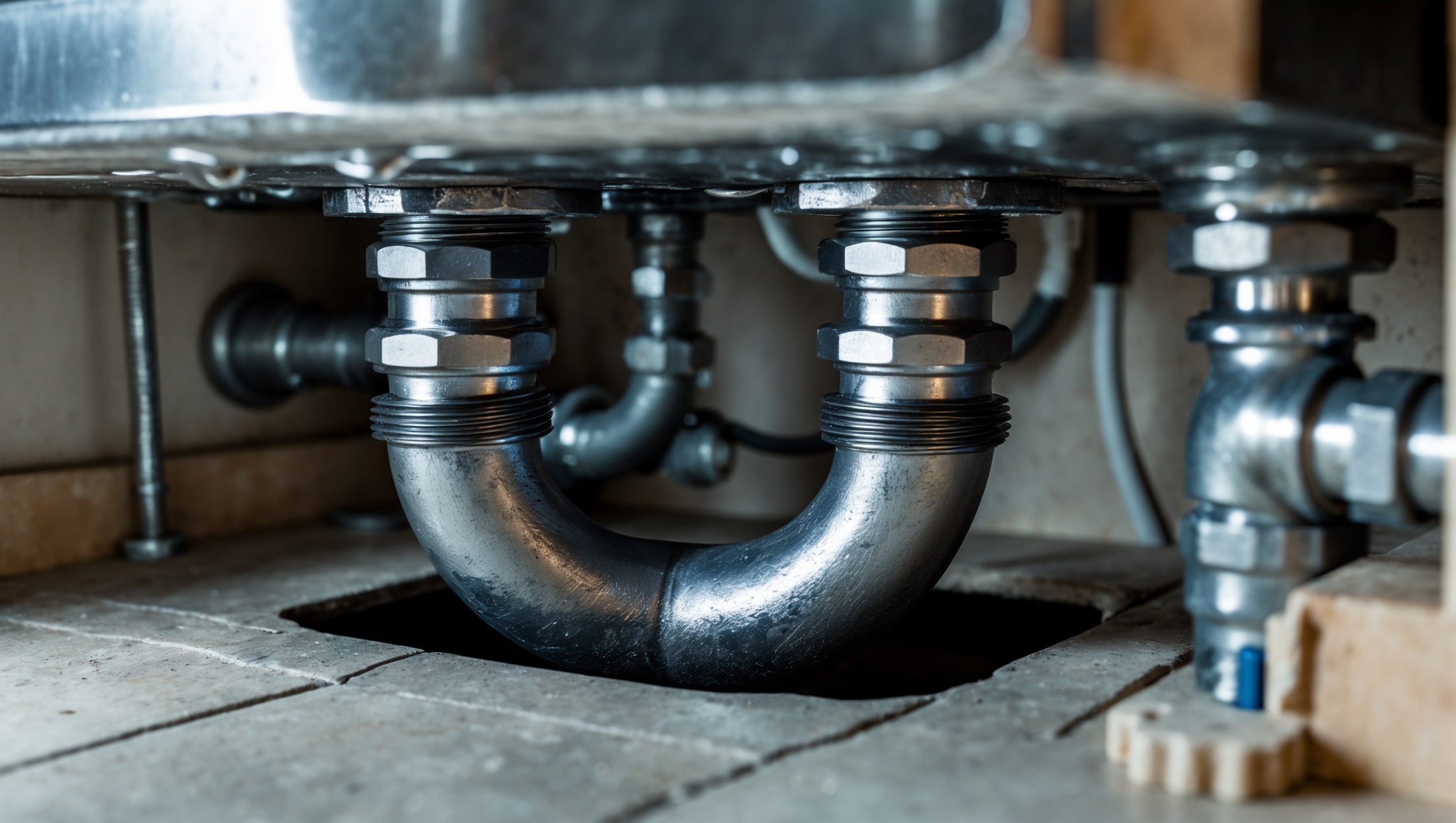
Supply lines are the pipes or tubes that connect your household water system to individual fixtures and appliances. They typically run from shutoff valves (also called angle stops) to faucets, toilets, and appliances, allowing for easy isolation and maintenance. Unlike drain lines, supply lines are under constant pressure, which means their integrity is crucial to prevent leaks and bursts.
Common Types of Supply Lines
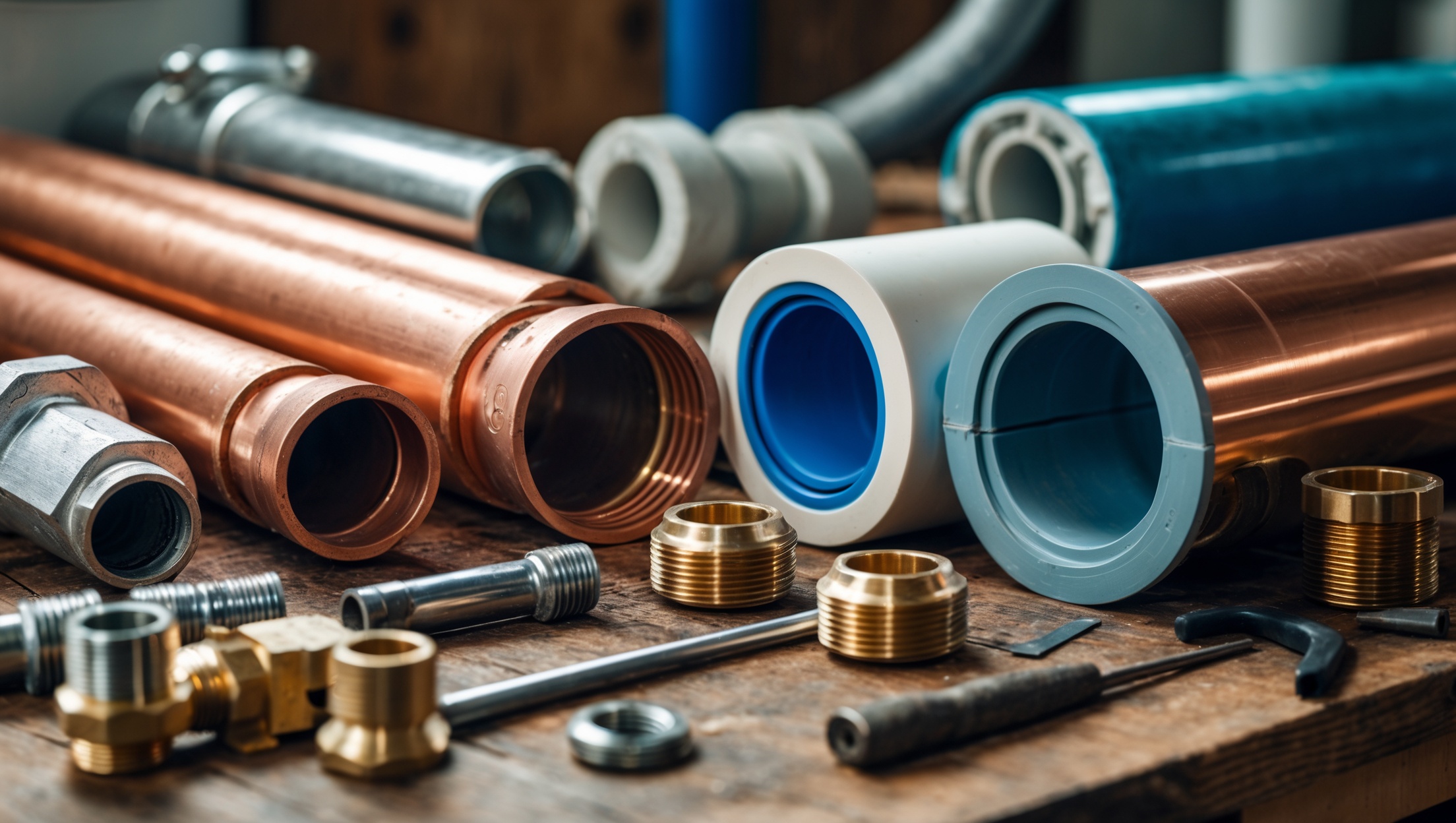
- Braided Stainless Steel: Flexible, durable, and easy to install, these supply lines feature a rubber or polymer core wrapped in a mesh of stainless steel. They are a popular choice for most fixtures.
- Copper Tubing: Long used for both rigid and flexible applications, copper offers excellent longevity but is less forgiving in tight spaces and more expensive than some alternatives.
- PEX (Cross-linked Polyethylene): Increasingly popular, PEX supply lines offer flexibility, resistance to scale and corrosion, and ease of installation. Fittings require specific tools and techniques.
- Plastic (PVC or Polypropylene): Sometimes used for specific fixtures (like toilets or dishwashers), these lines are affordable and corrosion-resistant but generally less robust than other options.
Material Choices: Pros, Cons, and Best Uses
Braided Stainless Steel
- Pros: High resistance to kinking and bursting, easy to install without special tools, good for high-pressure applications, aesthetically neutral.
- Cons: Inner core (often EPDM rubber) can degrade over time, especially if exposed to harsh water conditions. Poor-quality brands may fail prematurely.
- Best Uses: Bathroom and kitchen faucets, toilets, washing machines, dishwashers—almost any residential fixture.
Copper Tubing
- Pros: Exceptional longevity, proven track record, resistant to microbial growth, tolerant of high temperatures and pressures.
- Cons: Requires skill to bend and install, prone to kinking if mishandled, higher material and installation costs, can corrode with acidic water.
- Best Uses: Situations where durability is paramount and space allows for rigid lines, or where code requires copper (some older buildings, specific commercial applications).
PEX Supply Lines
- Pros: Flexible, easy to snake through tight spaces, resistant to scale and chlorine, lower cost, fewer fittings required.
- Cons: Requires compatible fittings and crimping tools, sensitive to UV light (not for outdoor use), may not be allowed by all local codes for exposed supply lines.
- Best Uses: New construction or remodels, especially when retrofitting in difficult-to-access areas.
Plastic (PVC, Polypropylene) Lines
- Pros: Inexpensive, easy to cut and fit, corrosion-resistant, lightweight.
- Cons: Not as strong as metal or braided lines, lower pressure rating, may degrade in sunlight or with certain chemicals, can be prone to leaks at joints if overtightened.
- Best Uses: Specific appliance connections, temporary installations, or where high flexibility and low cost are top priorities.
Choosing the Right Supply Line for Each Fixture
Faucets
Most modern faucets are best served by braided stainless steel supply lines, which offer flexibility and strength. Measure both the thread size on your shutoff valve and your faucet’s tailpiece to ensure a proper fit (commonly 3/8” compression to 1/2” FIP or 1/2” IPS). For exposed plumbing in decorative settings, consider chrome-plated copper for a polished look.
Toilets
Braided stainless or reinforced polymer lines are ideal for toilets, thanks to their flexibility and resistance to pressure surges. Always check the length needed, allowing for a gentle bend—never force a sharp curve.
Washing Machines and Dishwashers
These appliances require high-pressure, burst-proof lines. Look for braided stainless steel hoses labeled as “washer” or “dishwasher” lines, which are typically color-coded (blue for cold, red for hot). Many insurance companies recommend replacing these lines every 5 years to prevent catastrophic leaks.
Water Heaters
Flexible copper or braided stainless steel connectors are commonly used, but always verify local code: some jurisdictions require rigid copper or CPVC. Use lines rated for high temperatures, and avoid plastic connectors on hot water lines.
Installation Best Practices for Leak-Free Results
Preparation and Inspection
- Shut off the main water supply and open the fixture to relieve pressure.
- Inspect both the shutoff valve and fixture inlet for corrosion, debris, or damage. Clean threads with a soft brush.
- Ensure the new supply line is the correct length—too short creates strain, too long may cause unnecessary loops.
Connecting the Supply Line
- Attach one end of the supply line to the shutoff valve. Hand-tighten first, then use a wrench for an additional quarter-turn. Avoid overtightening, which can damage threads or crush washers.
- Connect the other end to the fixture or appliance, again starting hand-tight and finishing with a wrench if needed. For compression fittings, ensure the ferrule seats properly.
- Use Teflon tape or thread sealant only when specified by the manufacturer—most compression fittings do not require it.
Testing for Leaks
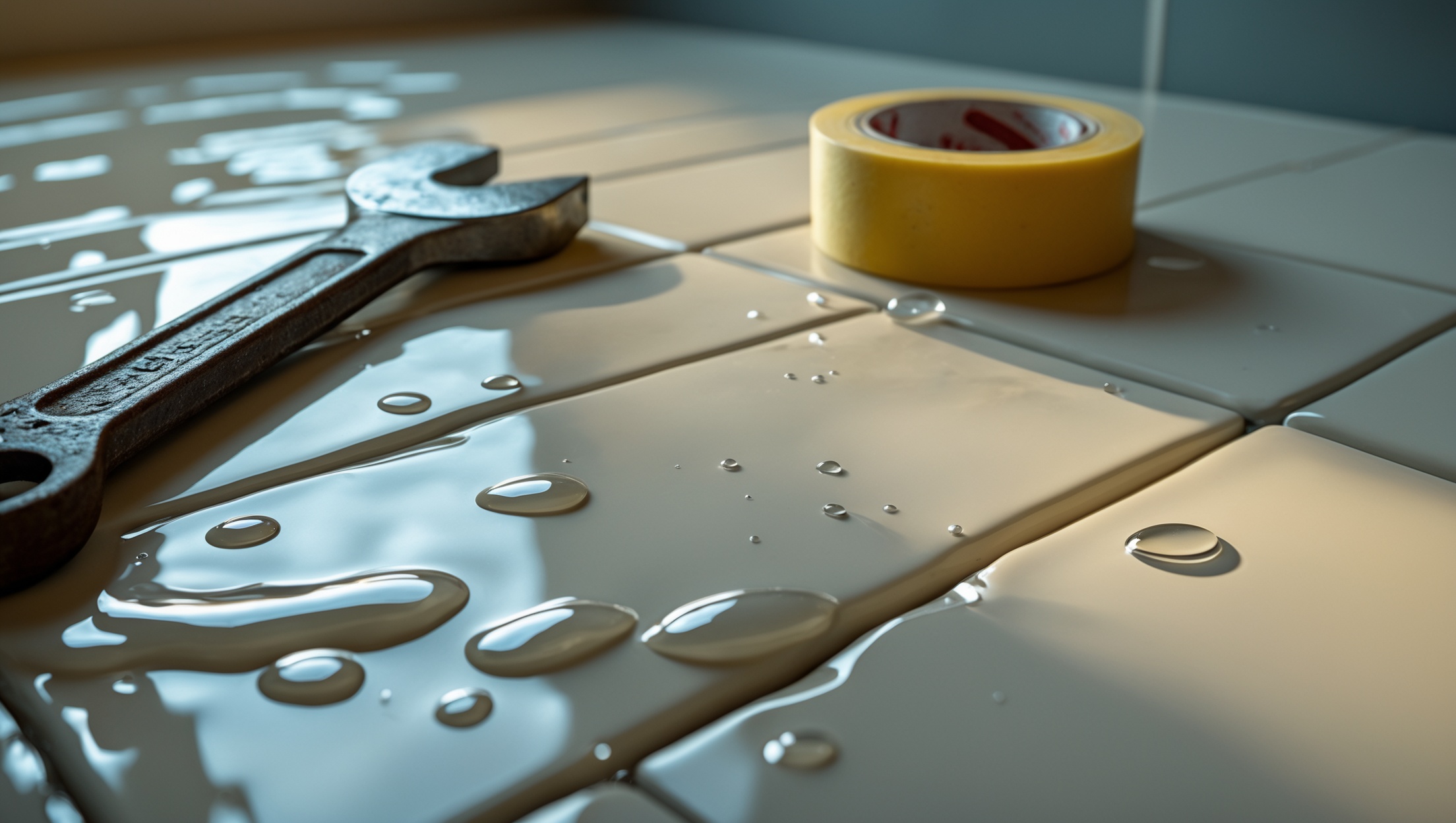
- Turn the shutoff valve on slowly and check for leaks at both ends. If a drip appears, tighten gently—but never force.
- Run the fixture for several minutes, watching for slow leaks that may only appear under pressure.
- Wipe all joints with a dry cloth and check back after a few hours for moisture.
Common Installation Mistakes to Avoid
- Using the wrong thread size or fitting type.
- Over-tightening connections, which can flatten washers or crack fittings.
- Bending rigid lines too sharply or kinking flexible lines.
- Failing to replace old or damaged shutoff valves during supply line upgrades.
- Reusing old compression rings, which can cause leaks.
Long-Term Care and Replacement Guidelines
Routine Inspection
- Check all exposed supply lines at least twice per year for signs of corrosion, bulging, discoloration, or moisture.
- Inspect under sinks and behind toilets—areas prone to slow leaks that can go unnoticed.
- Feel for stiffness in flexible lines, which may signal internal degradation.
When to Replace Supply Lines
- Replace braided stainless steel lines every 5–10 years, or immediately if you see fraying, rust, or swelling.
- Swap out any supply line that shows signs of leaking, corrosion, or reduced flexibility.
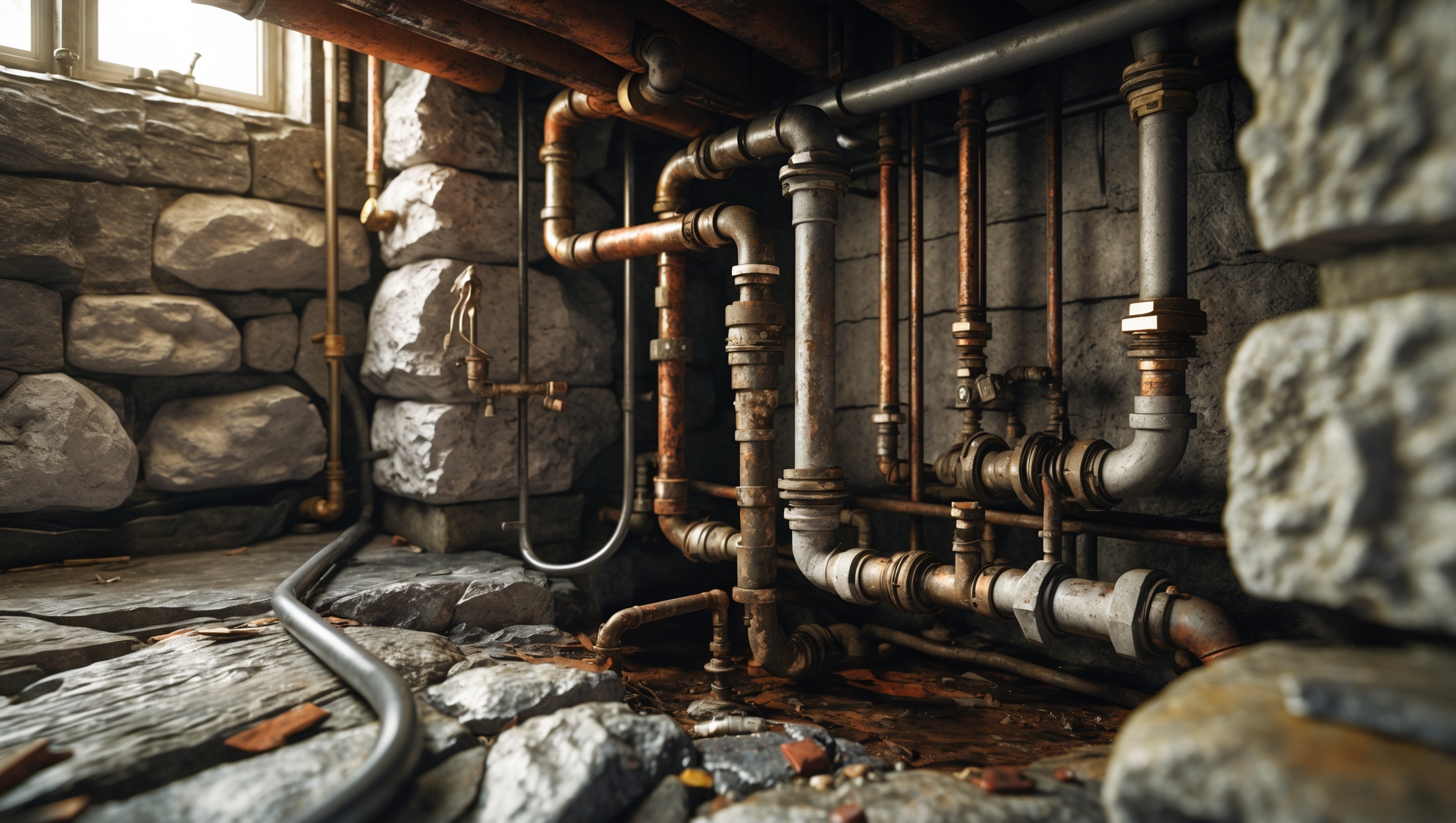
- If you move into an older home, proactively replace all supply lines unless you can confirm their age and condition.
- Always use new supply lines when installing a new fixture.
Preventative Measures
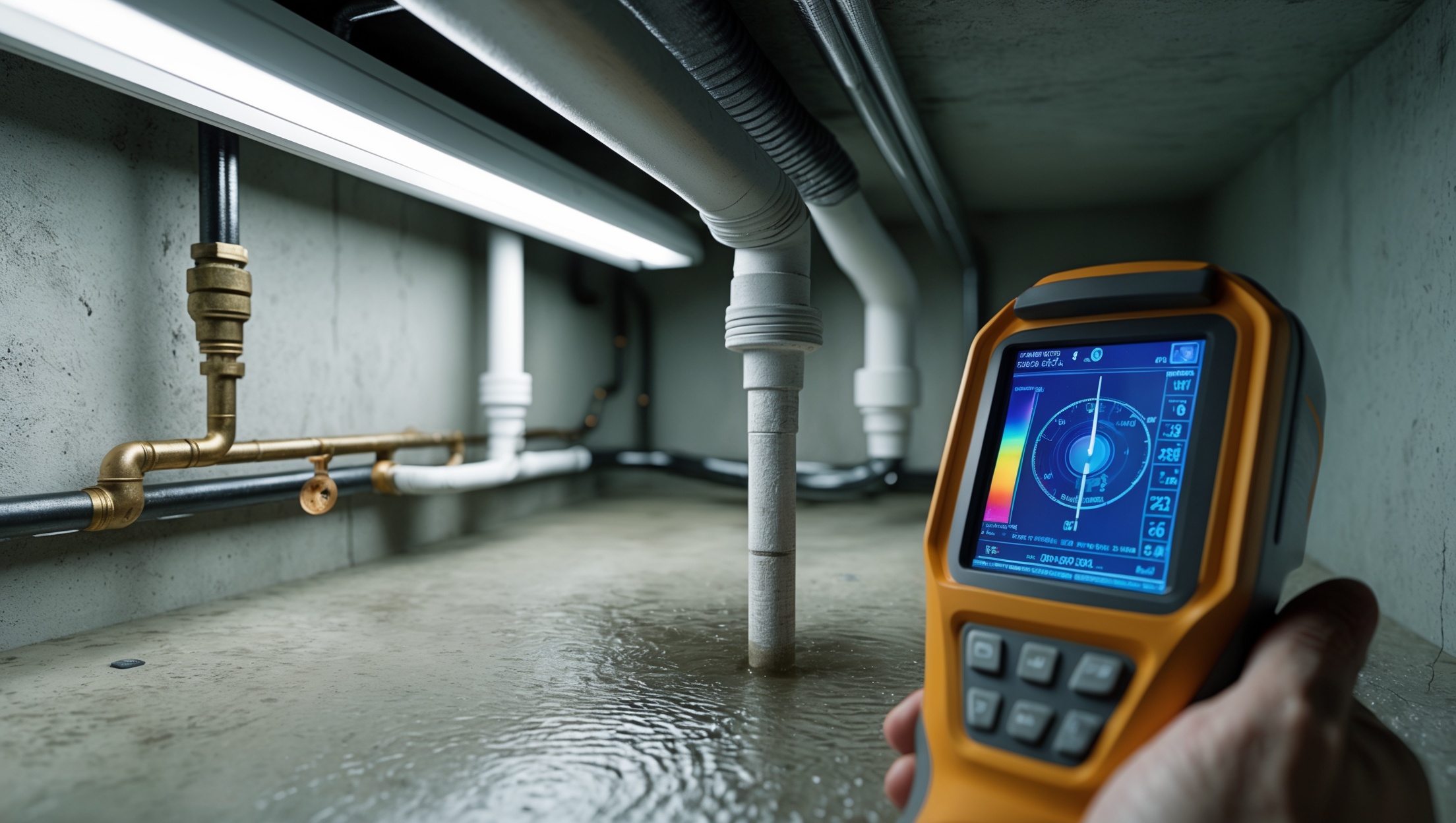
- Install water leak detectors or automatic shutoff valves for high-risk appliances (washers, dishwashers, water heaters).
- Avoid storing cleaning products or supplies below sinks where they can damage supply lines.
- If your home is subject to hard water, consider installing a water softener to reduce mineral buildup in supply lines.
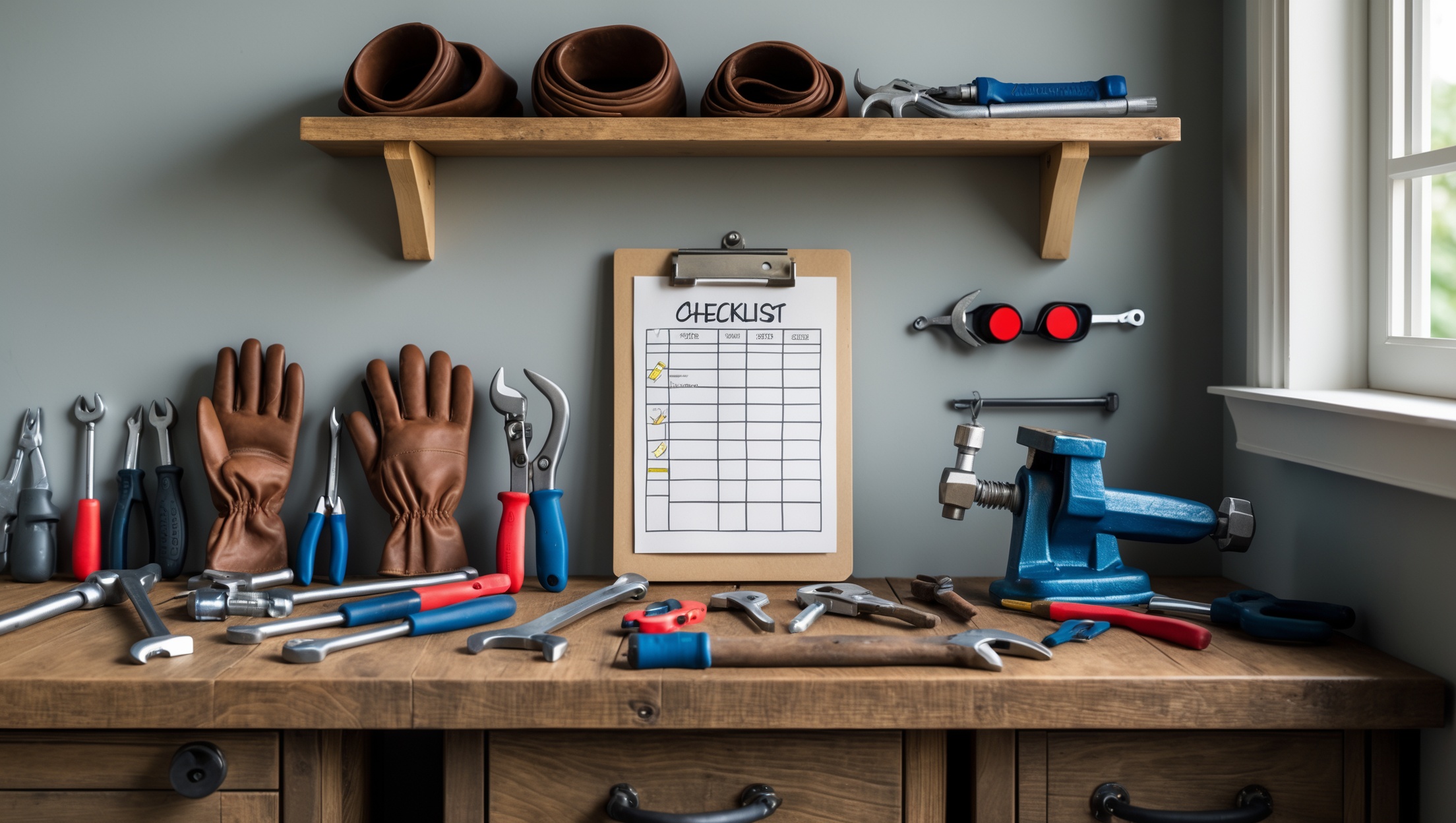
Tools and Supplies: What You’ll Need for Supply Line Work
- Adjustable wrench—for tightening and loosening fittings.
- Pipe cutter or tubing cutter—for copper or PEX lines.
- PTFE (Teflon) tape—used sparingly on threaded fittings as needed.
- Pail or towel—to catch residual water during replacement.
- Flashlight—for inspecting tight spaces.
- PEX crimp tool—required for PEX installations.
- Replacement shutoff valves—if existing valves are corroded or non-functional.
Compliance and Permits: Staying Up to Code
While most residential supply line replacements do not require permits, certain circumstances may trigger code compliance requirements:
- If you’re relocating fixtures or modifying water lines behind walls, local permits and inspections are often needed.
- Commercial installations or multifamily dwellings may require compliance with stricter codes—always check with your local authority.
- Some municipalities prohibit exposed PEX or plastic supply lines, requiring metal or braided stainless steel. Always verify before starting work.
Failing to adhere to code can result in fines, insurance claim denials, or forced rework. For major projects, consulting a licensed plumber or your local building department is always a smart move.
Troubleshooting: Diagnosing Common Supply Line Issues
Slow Leaks
Often caused by loose connections, degraded washers, or cracked fittings. Tighten gently and replace washers as needed. If leaks persist, swap the line entirely.
Noisy Supply Lines (Water Hammer)
Sudden clanging or vibration usually signals high pressure or lack of air chambers. Installing water hammer arrestors or pressure-reducing valves can solve the issue.
Low Water Pressure
Check for kinks, clogs, or mineral buildup inside the line. For old copper or plastic lines, replacement is often the best fix.
Upgrades and Innovations: What’s New in Supply Lines?
- Advanced Polymers: Newer inner tubing materials offer increased resistance to chlorine and high temperatures, extending service life.
- Quick-Connect Fittings: Popular with DIYers, these allow fast, tool-free installation but must be used according to manufacturer specs to avoid leaks.
- Leak-Detecting Hoses: Some braided lines now include built-in sensors that shut off water flow if a leak is detected, offering extra peace of mind.
- Color-coded Lines: Simplifies installation and future maintenance by clearly distinguishing hot and cold supplies.
Conclusion: The Value of Getting Supply Lines Right
It’s easy to overlook plumbing supply lines—they’re out of sight and, until there’s a problem, out of mind. Yet these small-scale components are responsible for protecting your home from water damage, ensuring clean and reliable water delivery, and supporting the performance of every faucet, toilet, and appliance. By investing time in selecting the right material, following best installation practices, and keeping up with regular inspections, you dramatically reduce the risk of leaks, bursts, and expensive repairs.
Remember, the temptation to save a few dollars with cheap lines or quick fixes is rarely worth the potential fallout. Choose high-quality, certified supply lines suited to each fixture’s specific demands. Replace them proactively—especially after five years or if you see any sign of wear. When in doubt, consult a trusted plumbing professional or your local building department, especially if you’re working in a commercial or multifamily setting.
Well-chosen and well-maintained supply lines offer years of trouble-free service and peace of mind. Make this unglamorous but crucial part of your plumbing system a priority, and you’ll enjoy a safer, more efficient home—without the drama of hidden leaks or emergency repairs. Stay informed, stay proactive, and let your supply lines work quietly in your favor.



Sarah Williams
You mentioned that proper installation is key to avoiding leaks and bursts in supply lines. Are there any signs during or after installation that might indicate a potential problem before a major issue develops?