
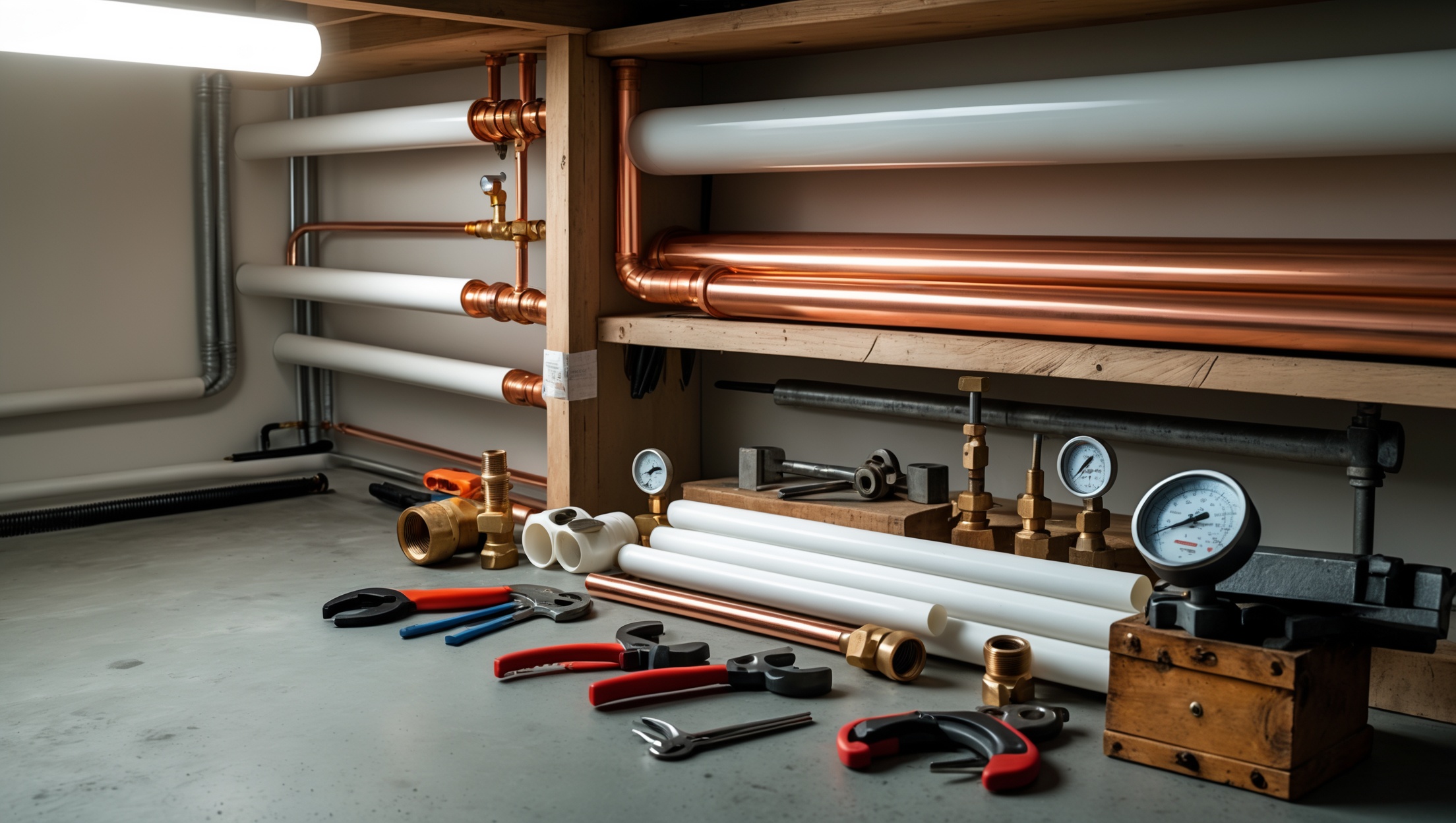
Introduction: Plumbing Myths and Why They Matter
Every homeowner, DIY enthusiast, or industry professional has heard at least one tale about plumbing that sounds plausible but doesn’t hold up under scrutiny. From quick-fix solutions passed down through generations to “hacks” found online, plumbing myths have a remarkable staying power. While some are harmless, others can lead to significant damage, void warranties, or even violate local codes. Understanding the difference between myth and fact isn’t just important for getting the job done right—it’s essential for protecting your home, your wallet, and your peace of mind.
This comprehensive guide dives deep into the most pervasive plumbing myths, separating fact from fiction with real-world explanations, evidence-based recommendations, and insights from seasoned professionals. Whether you’re a homeowner trying to avoid costly mistakes or a budding plumber eager to build credibility, this post will equip you with the knowledge to make informed decisions and confidently debunk bad advice. Read on to discover what really works in plumbing—and what’s best left in the past.
Myth #1: Lemons Clean Your Garbage Disposal
The Origin of the Myth
Many homeowners believe that tossing lemon peels down the garbage disposal will clean the blades and eliminate odors. The logic is simple: lemons smell fresh and are acidic, so they must clean, right?
The Reality
While lemon peels can temporarily mask odors, they do not clean your disposal’s blades or remove stuck-on debris. In fact, the peels can clog your drain or dull the blades over time. The acidity might also corrode certain metal components if used excessively.
Expert Alternative
- Use ice cubes and a small amount of dish soap to scrub the disposal’s interior safely.
- Flush with cold water before and after running the disposal.
- For persistent odors, sprinkle baking soda followed by vinegar, let it fizz, then flush with hot water.
Myth #2: Flushable Wipes Are Safe for Pipes
The Origin of the Myth
Many brands market their wipes as “flushable,” leading consumers to believe these products break down like toilet paper and won’t harm plumbing or septic systems.
The Reality
Even wipes labeled as flushable often fail to disintegrate adequately. They can snag on rough pipe interiors or tree roots, leading to tough clogs, sewer backups, or even municipal-scale blockages (fatbergs). Most plumbing professionals and cities advise against flushing anything but human waste and toilet paper.
Expert Alternative
- Dispose of wipes (and other hygiene products) in a trash receptacle, not the toilet.
- For a septic-safe option, use only septic-approved, rapidly dissolving toilet paper.
Myth #3: Small Leaks Are Nothing to Worry About
The Origin of the Myth
It’s easy to dismiss a slow-dripping faucet or a tiny pipe leak as a minor nuisance that can wait for future repair.
The Reality
Small leaks can cause major problems over time, including mold growth, structural damage, and inflated water bills. Even a steady drip can waste hundreds of gallons annually. Worse, what starts small may indicate or lead to larger failures in the plumbing system.
Expert Alternative
- Address leaks promptly, no matter how minor they seem.
- Inspect beneath sinks, around valves, and in basements regularly for early signs of leaks.
- Use water leak sensors for high-risk areas or older homes.
Myth #4: Chemical Drain Cleaners Are Safe and Effective
The Origin of the Myth
Widely available and aggressively marketed, chemical drain cleaners promise a quick fix for clogs. The myth is that they are always safe for pipes and a cost-effective solution.
The Reality
Chemical drain cleaners can damage plastic and metal pipes, especially with repeated use. They generate heat and harsh reactions that may weaken pipe walls, degrade seals, and cause even more stubborn clogs. They are also hazardous to health and the environment.
Expert Alternative
- Try a plunger or a drain snake first.
- For persistent clogs, use enzyme-based cleaners or call a professional.
- Regularly maintain drains with hot water and baking soda/vinegar treatments.
Myth #5: All Plumbers Are the Same
The Origin of the Myth
Some believe that all plumbers offer the same services and expertise, so choosing the lowest price is always the best bet.
The Reality
Plumbers vary widely in training, certification, specialization, and reputation. Choosing an unlicensed or uninsured plumber may save money initially but can lead to code violations, substandard work, and denied insurance claims.
Expert Alternative
- Verify local licensing and insurance before hiring.
- Check for certifications, such as Journeyman or Master Plumber status.
- Review references and online reviews.
- Choose a plumber with experience relevant to your specific issue.
Myth #6: Running Water While Using the Garbage Disposal Can Handle Anything
The Origin of the Myth
This myth suggests you can grind up any food waste as long as you run water during disposal operation, preventing clogs and jams.
The Reality
Some items—like fibrous vegetables (celery, corn husks), pasta, rice, grease, or bones—can jam the disposal or clog pipes, regardless of water flow. Water helps, but not all waste is disposal-safe.
Expert Alternative
- Only put small amounts of soft, biodegradable food scraps in the disposal.
- Dispose of grease, fats, and fibrous materials in the trash or compost.
- Regularly clean and maintain your disposal according to manufacturer guidelines.
Myth #7: A Noisy Water Heater Is About to Fail
The Origin of the Myth
Rumbling, popping, or banging sounds from a water heater are often interpreted as signs of imminent failure or explosion.
The Reality
These noises are usually caused by sediment buildup at the bottom of the tank, which traps steam bubbles. While it’s a maintenance issue, it doesn’t mean your water heater is about to fail immediately. However, neglecting it can decrease efficiency and shorten the heater’s lifespan.
Expert Alternative
- Flush your water heater annually to remove sediment.
- If the problem persists, consult a professional for inspection.
- Consider installing a water softener if hard water is an ongoing issue.
Myth #8: Plumbing Fixtures Don’t Need Regular Maintenance
The Origin of the Myth
It’s easy to think that once installed, plumbing fixtures and appliances will continue working flawlessly for years without attention.
The Reality
Like any mechanical system, plumbing fixtures require periodic maintenance. Ignoring this can lead to leaks, mineral buildup, and premature failure.
Expert Alternative
- Clean aerators on faucets and showerheads annually to remove mineral deposits.
- Inspect seals, gaskets, and hoses for wear or leaks.
- Replace washers and cartridges as needed to prevent drips.
- Schedule professional inspections for water heaters, sump pumps, and major appliances every 1–2 years.
Myth #9: Low Water Pressure Means You Need New Pipes
The Origin of the Myth
When water flow drops, many assume it’s due to aging or corroded pipes that must be replaced.
The Reality
Low water pressure can have many causes: partially closed shut-off valves, clogged aerators, faulty pressure regulators, or municipal supply issues. Pipe replacement is rarely the first or only solution.
Expert Alternative
- Check for localized vs. whole-house pressure issues.
- Clean aerators and showerheads.
- Inspect main shut-off and supply valves for partial closure.
- Consult with a plumber to test and diagnose persistent issues before considering pipe replacement.
Myth #10: DIY Plumbing Doesn’t Require Permits
The Origin of the Myth
Some DIYers believe minor repairs or upgrades—like replacing a water heater, running a new water line, or relocating fixtures—don’t require permits.
The Reality
Many plumbing projects require permits to ensure safety and code compliance. Skipping permits can void homeowners insurance and cause issues during home sales.
Expert Alternative
- Check local building codes before starting any plumbing project.
- Obtain necessary permits for major changes, replacements, or new installations.
- When in doubt, consult with a licensed plumber or your local building department.
Bonus: Quick-Fire Plumbing Myths—True or False?
- Eggshells sharpen garbage disposal blades: False. They can actually dull blades and cause clogs.
- Copper pipes are immune to corrosion: False. Copper resists corrosion but is not immune, especially with acidic water.
- Hot water melts grease and prevents clogs: False. It only pushes grease further down the line, where it can solidify and clog pipes.
- Turning faucets on/off quickly is harmless: False. It can cause water hammer, which may damage pipes and fixtures.
- Bleach cleans toilet tanks safely: False. Bleach can degrade rubber seals and gaskets, leading to leaks.
How to Verify Plumbing Advice: Sources You Can Trust
Where to Find Reliable Information
- Official sources: Local building departments, state plumbing boards, and national organizations (e.g., PHCC, IAPMO).
- Manufacturers: Consult user manuals and official product websites for installation and maintenance guidance.
- Licensed professionals: Ask for credentials and experience before following advice or hiring for a project.
- Reputable blogs or trade publications: Look for transparent, well-sourced content backed by industry experts.
Red Flags for Bad Advice
- Promises of “miracle” solutions or hacks that sound too good to be true.
- Lack of citations, references, or professional endorsement.
- Recommendations that violate local codes or manufacturer guidelines.
Conclusion: Making Informed Decisions for Your Plumbing
The world of plumbing is filled with well-intentioned but misguided advice. Whether you’re unclogging a drain, upgrading fixtures, or hiring a professional, separating myth from fact is essential to avoid costly mistakes and ensure a safe, efficient plumbing system. Remember, what worked for your neighbor or a previous homeowner may not be right for your home—or even legal in your area. Always double-check advice against reputable sources, don’t skip necessary permits, and when in doubt, consult with a licensed professional.
Staying informed about common plumbing myths doesn’t just prevent damage or extra expense—it empowers you to take better care of your home, make smarter investments, and maintain the long-term value of your property. By applying the practical tips and alternatives outlined in this guide, you’ll be equipped to confidently tackle plumbing tasks, avoid common pitfalls, and know when to call in the experts. Don’t let old wives’ tales or viral “hacks” dictate your plumbing decisions; trust proven strategies, keep learning, and your home’s plumbing will reward you with years of trouble-free service.



Jessica Ramirez
If I’ve already used lemon peels to freshen up my disposal for years, should I be worried about long-term buildup or blade issues, and is there a way to reverse any harm that might have been caused?