
Introduction: The Unseen Challenges of Old Home Plumbing
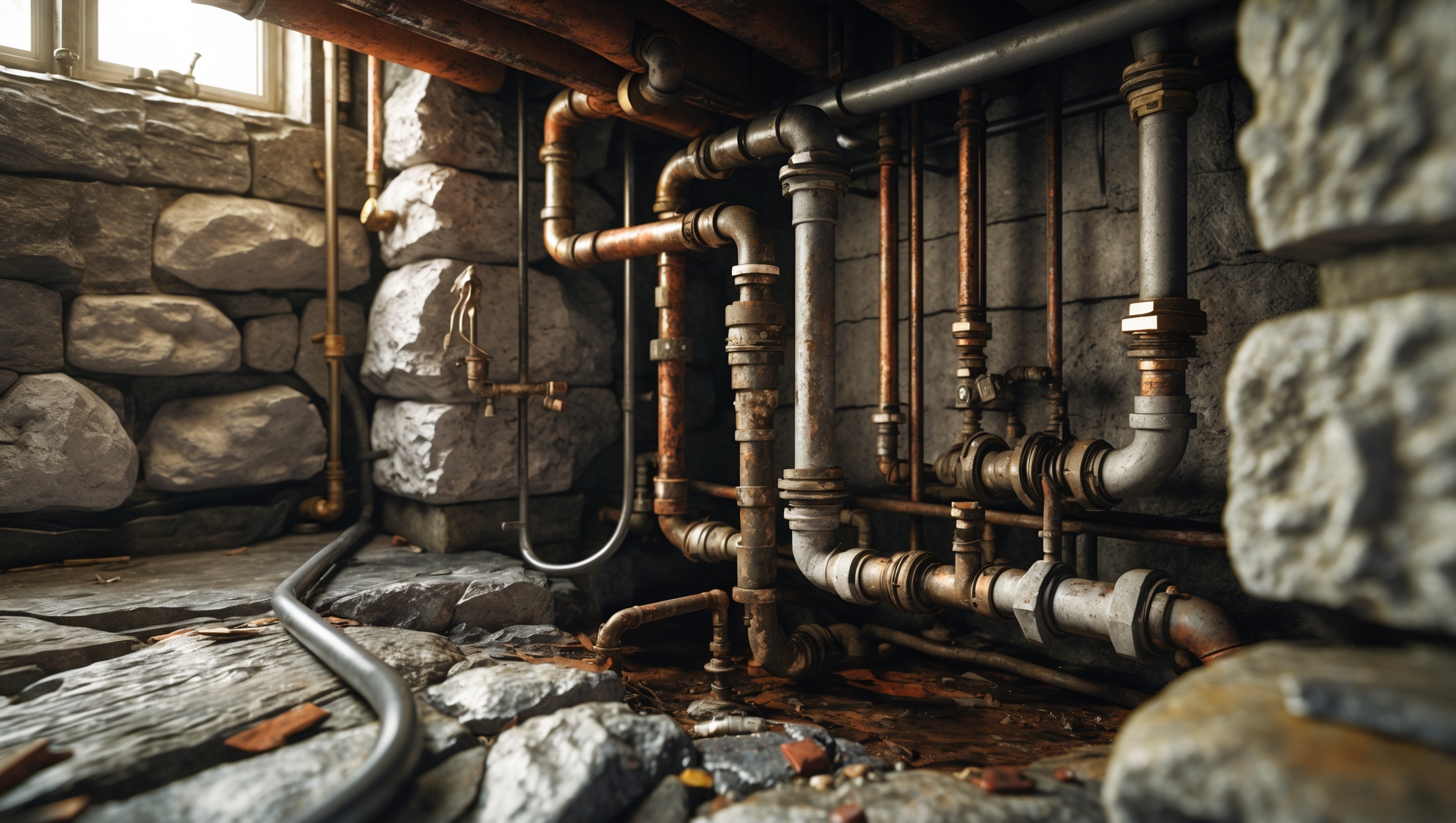
Older homes hold a special charm—historic architecture, unique craftsmanship, and a sense of living history. Yet, beneath the surface, these properties often conceal a maze of aging pipes, outdated plumbing layouts, and hidden vulnerabilities. While the visible beauty of an old house can be captivating, the plumbing system lurking behind walls and under floors can be a source of costly surprises and ongoing headaches for homeowners and renovators alike.
Unlike modern construction, vintage homes typically feature a patchwork of plumbing upgrades, repairs, and original materials. Galvanized steel, cast iron, clay, and even lead piping are common, sometimes coexisting in the same run. These materials can deteriorate silently over decades, leading to issues that are not immediately apparent—until a major leak, backup, or water quality problem arises. Understanding how to identify, address, and prevent these “hidden” plumbing issues is essential for preserving both the value and safety of your beloved older property.
This comprehensive post explores real-world case studies of hidden plumbing problems in old homes, breaking down how they were discovered, the steps taken to resolve them, and practical strategies to avoid similar scenarios. Whether you’re a homeowner, property investor, or professional renovator, these insights will help you make informed decisions and safeguard your investment.
Case Study 1: The Mystery of Low Water Pressure
Background
In a 1920s bungalow, the owners noticed a gradual decline in water pressure at fixtures throughout the home. Showers became weak, and filling a bathtub took much longer than before. No visible leaks or water damage were present.
Diagnosis
- Inspection of supply lines: The home’s main water supply line and branch lines were inspected. Most were original galvanized steel, notorious for internal corrosion.
- Testing at multiple points: Pressure was measured at exterior hose bibs and interior fixtures, confirming a uniform drop throughout the house.
- Internal pipe inspection: A borescope camera was inserted into accessible pipe openings, revealing significant rust buildup and narrowing of the pipe diameter.
Solution
- Pipe replacement: The most affected galvanized pipes were replaced with modern PEX tubing, chosen for its flexibility and durability in retrofits.
- Staged approach: To manage costs, the replacement started at the main supply and worked toward the most-used fixtures, with a plan to update remaining lines over the next year.
Prevention & Tips
- Regularly monitor water pressure using inexpensive pressure gauges.
- Schedule periodic pipe inspections in homes with galvanized steel or lead piping.
- Budget for phased upgrades rather than waiting for a total system failure.
Case Study 2: The Hidden Leak in the Crawl Space
Background
A Victorian-era home began exhibiting high water bills and a persistent musty odor. However, no visible leaks or water stains appeared inside the living spaces. The homeowners suspected a hidden leak but were unsure where to begin.
Diagnosis
- Water meter test: The main shut-off valve was closed, and the water meter was monitored. The dial continued to turn, indicating water loss somewhere in the system.
- Crawl space inspection: An inspection revealed damp earth, water pooling, and a corroded cast iron drainpipe with a slow drip.
- Mold growth: Minor mold colonies were found on nearby wooden joists, confirming long-term moisture exposure.
Solution
- Sectional pipe replacement: The damaged cast iron section was replaced with PVC pipe, using rubber couplings for a secure transition.
- Moisture mitigation: The crawl space was dried using fans, and a vapor barrier was installed to prevent ongoing dampness.
- Mold remediation: Affected wood was cleaned and treated with a fungicide.
Prevention & Tips
- Check water meters regularly for unexplained usage.
- Inspect crawl spaces and basements at least twice a year.
- Install leak detectors near vulnerable pipes, especially in concealed areas.
Case Study 3: Sewer Gas Odors with No Obvious Cause
Background
Residents of a 1940s cottage noticed intermittent sewer gas odors, particularly after heavy rain. No drains were clogged, and all plumbing fixtures appeared to be working normally.
Diagnosis
- Smoke testing: A plumbing professional introduced harmless smoke into the drain system to trace any leaks or venting issues. Smoke escaped from a hairline crack in a cast iron vent stack hidden inside a wall.
- Trap inspection: All fixture traps were confirmed to be filled with water, ruling out dry traps as a source.
- Roof vent check: The main vent stack on the roof was partially obstructed by debris, reducing proper airflow.
Solution
- Vent stack repair: The cracked section of the vent stack was cut out and replaced with a new ABS pipe, using shielded couplings for a tight seal.
- Debris removal: The roof vent was cleared and fitted with a bird/rodent screen.
- Wall repair: The wall opening was patched and refinished after plumbing repairs.
Prevention & Tips
- Have vent stacks professionally inspected during routine maintenance or roof work.
- Install screens on roof vents to prevent blockages from debris or animals.
- Investigate sewer gas odors promptly, as they indicate a breach in the plumbing system.
Case Study 4: Lead Pipe Legacy—A Health Hazard Uncovered
Background
During a kitchen renovation in a Craftsman-style home built in 1915, contractors discovered that the water supply pipes feeding the kitchen sink were made of lead. The homeowners, who had young children, were alarmed about potential health risks.
Diagnosis
- Water testing: Samples were collected and sent to a certified lab, confirming elevated lead levels in tap water.
- Pipe tracing: The extent of lead piping was mapped throughout the home using visual inspection and a pipe locator tool.
Solution
- Complete lead pipe replacement: All lead supply lines were removed and replaced with copper and PEX piping.
- Temporary filtration: An NSF-certified lead-removal filter was installed on the main water supply for immediate safety until pipe replacement was complete.
- Public notification: The homeowners notified their local water utility, which offered partial replacement of the lead service line from the street.
Prevention & Tips
- Test water for lead, especially in homes built before 1950.
- Consider replacing all lead pipes, not just those directly connected to fixtures.
- Use certified filters as a temporary measure during remediation.
Case Study 5: Clay Sewer Line Collapse
Background
In a pre-war brick home, repeated basement backups were dismissed as minor clogs. After several drain cleanings, an inspection was ordered to investigate persistent slow drainage and occasional sewage smells.
Diagnosis
- Camera inspection: A sewer camera revealed that the original clay main sewer line had cracked and partially collapsed under the front yard, with tree roots infiltrating the joints.
- Soil movement: Settling soil from decades of freeze-thaw cycles had shifted the pipe sections, compounding the failure.
Solution
- Trenchless pipe replacement: The collapsed clay pipe was replaced using a pipe-bursting technique, minimizing yard disruption.
- Root barrier installation: A physical root barrier was installed to protect the new sewer line from nearby trees.
- Preventive maintenance plan: Annual camera inspections were scheduled to catch future issues early.
Prevention & Tips
- Inspect old sewer lines before purchasing or renovating an older home.
- Address recurring clogs quickly to avoid catastrophic failures.
- Consider trenchless technologies for less invasive repairs.
Key Takeaways: How to Spot and Prevent Hidden Plumbing Issues
Red Flags for Hidden Problems
- Unexpected increases in water bills without a corresponding increase in use.
- Musty odors, persistent dampness, or unexplained mold/mildew growth.
- Slow drains or frequent backups, especially after professional cleaning.
- Sporadic sewer gas smells, particularly during or after rainstorms.
- Water discoloration, metallic taste, or visible particles in tap water.
Essential Prevention Strategies
- Schedule a comprehensive plumbing inspection—especially if the home is over 40 years old or has a history of renovations.
- Use modern diagnostic tools: borescopes, moisture meters, and sewer cameras can reveal issues not visible to the naked eye.
- Plan for phased system upgrades rather than emergency repairs, targeting the most vulnerable sections first.
- Maintain thorough records of all plumbing work for future reference and resale value.
- Educate yourself about the types and ages of materials used in your home’s plumbing system.
Conclusion: Protecting Your Investment with Knowledge and Proactivity
Owning or renovating an older home is a rewarding journey, but it comes with unique challenges—especially when it comes to plumbing. Hidden issues like deteriorating pipes, concealed leaks, venting failures, and hazardous materials are all too common, yet they are often overlooked until a crisis emerges. As these real-life case studies illustrate, proactive inspection, early diagnosis, and strategic upgrades are vital tools in your homeowner’s toolkit.
By learning to recognize subtle warning signs, investing in professional assessments, and staying informed about the specific vulnerabilities of your home’s era and construction, you can avoid costly surprises and ensure the health and comfort of your household. Remember that while some repairs require immediate action, many plumbing issues can be managed through thoughtful, phased improvements—preserving the character of your historic home while modernizing its most critical systems.
Ultimately, knowledge and vigilance are your best defenses against the hidden pitfalls of old home plumbing. Whether you’re preparing for a major renovation or simply want peace of mind, use these case studies as a guide to identify risks, implement effective solutions, and keep your beloved property safe for generations to come.







Helen Clark
In your experience with old homes that have a mix of galvanized steel and cast iron pipes, is there a way to pinpoint which sections are most likely to fail first, or should the whole system be replaced at once?