Introduction: The Foundation of Reliable Plumbing
Whether you’re a seasoned professional, an aspiring DIYer, or a homeowner planning a renovation, understanding plumbing pipe materials is key to building a durable, efficient system. With dozens of materials on the market—each with unique benefits, limitations, and installation requirements—the choices you make today can affect water quality, maintenance costs, and the lifespan of your plumbing for decades. This post is your expert guide to navigating the pipe material landscape: from classic copper and versatile PEX to the latest eco-friendly options. We’ll cover how to assess your project’s needs, weigh cost versus longevity, master installation basics, and adopt best practices for ongoing care. Armed with this knowledge, you’ll be able to make informed decisions that save money, prevent leaks, and ensure your plumbing stands the test of time.
Understanding Pipe Material Options
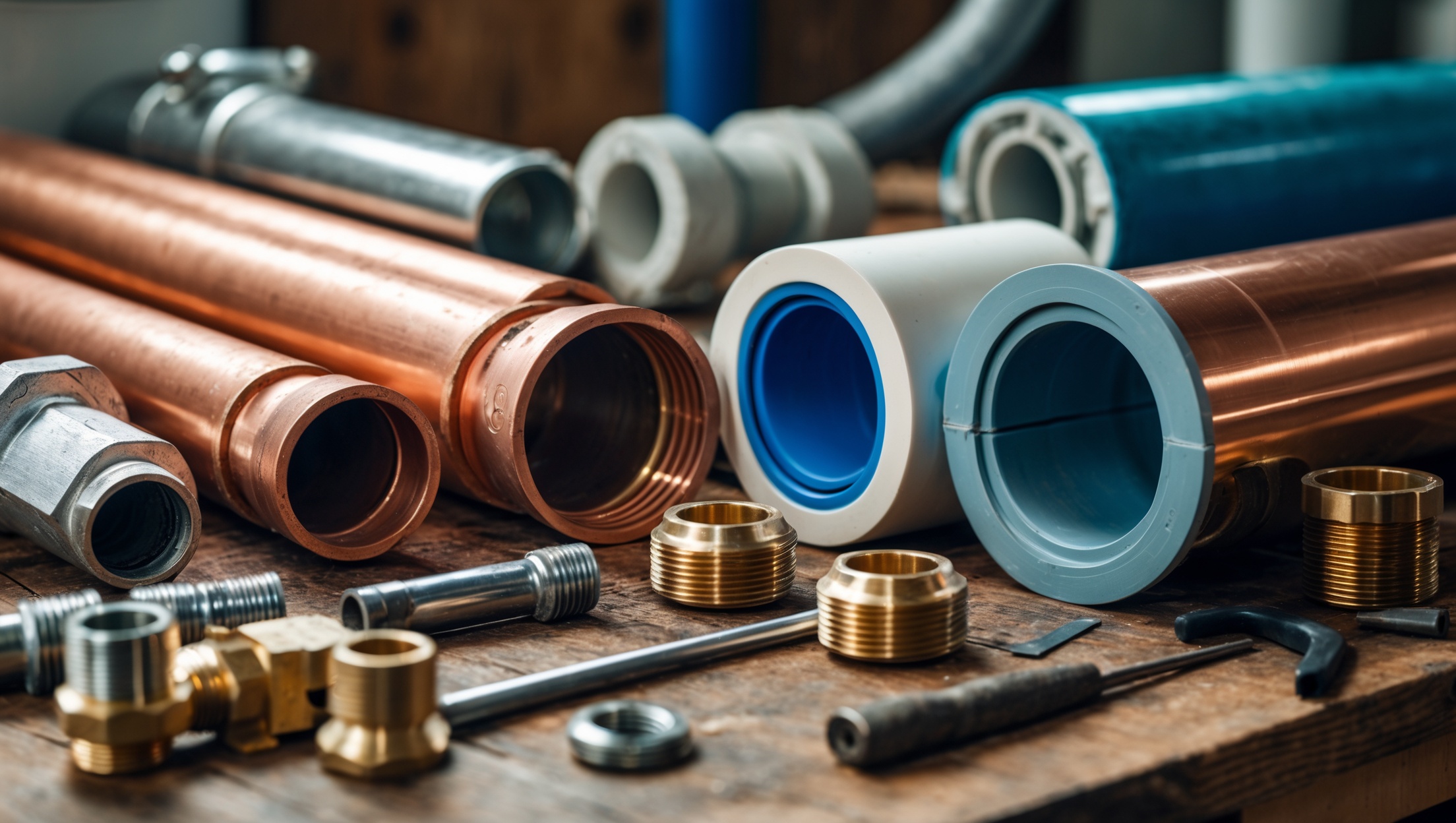
Common Materials in Residential and Commercial Plumbing
- Copper: The time-tested standard, copper pipes are prized for durability, corrosion resistance, and suitability for both hot and cold water. There are two main types: rigid (Type M, L, K) and flexible (soft) copper.
- PEX (Cross-linked Polyethylene): Flexible, affordable, and easy to install, PEX has surged in popularity for residential applications, especially for retrofits and areas requiring flexibility around obstacles.
- CPVC (Chlorinated Polyvinyl Chloride): Similar to standard PVC but rated for hot water, CPVC is lightweight, corrosion-resistant, and simple to glue together.
- PVC (Polyvinyl Chloride): Best for drain, waste, and vent lines, regular PVC isn’t suitable for hot water delivery but dominates in DWV (Drain, Waste, Vent) systems.
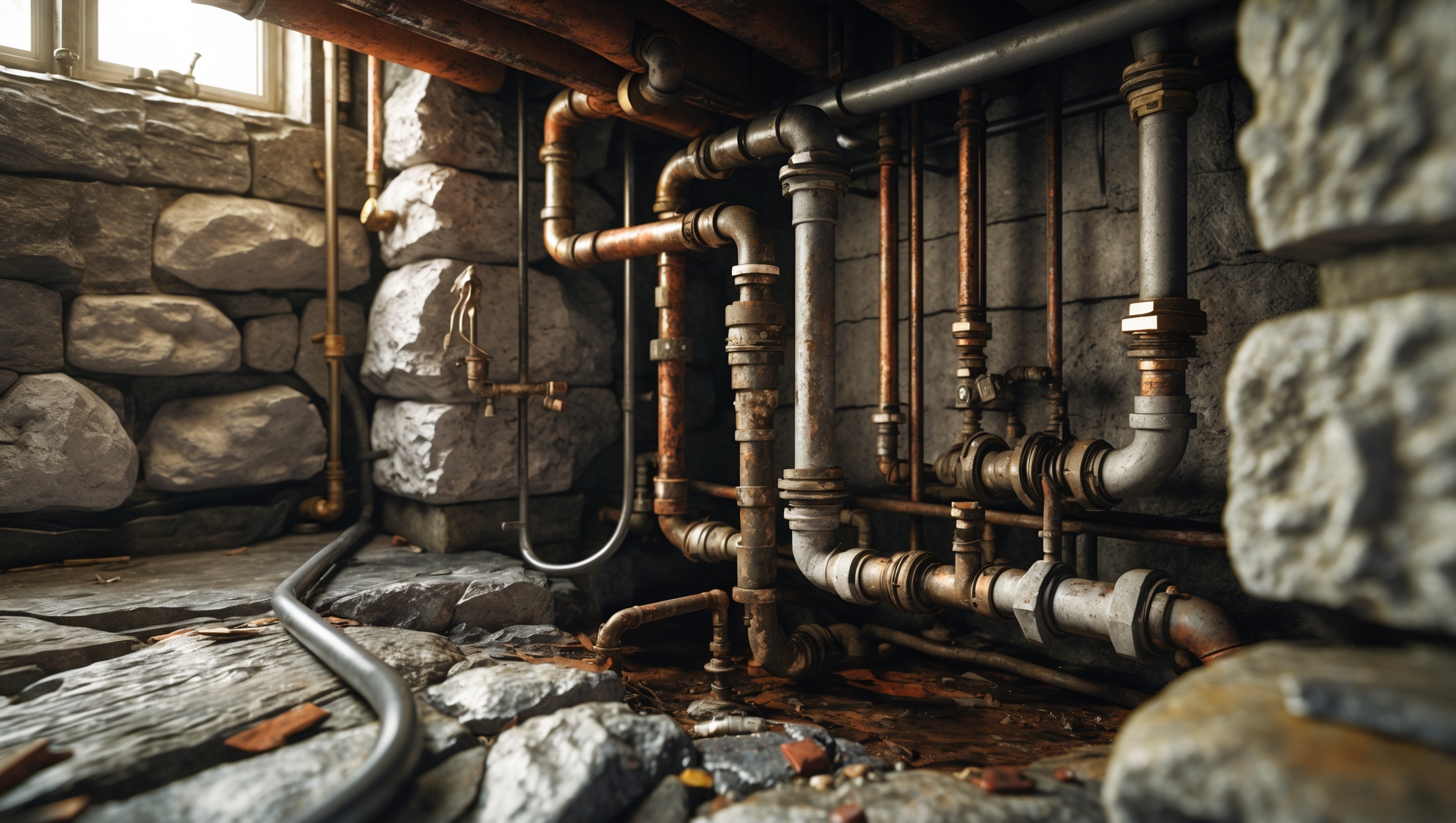
- Galvanized Steel: Once a staple, galvanized steel pipes are now largely obsolete for potable water due to corrosion and mineral build-up but still found in older homes.
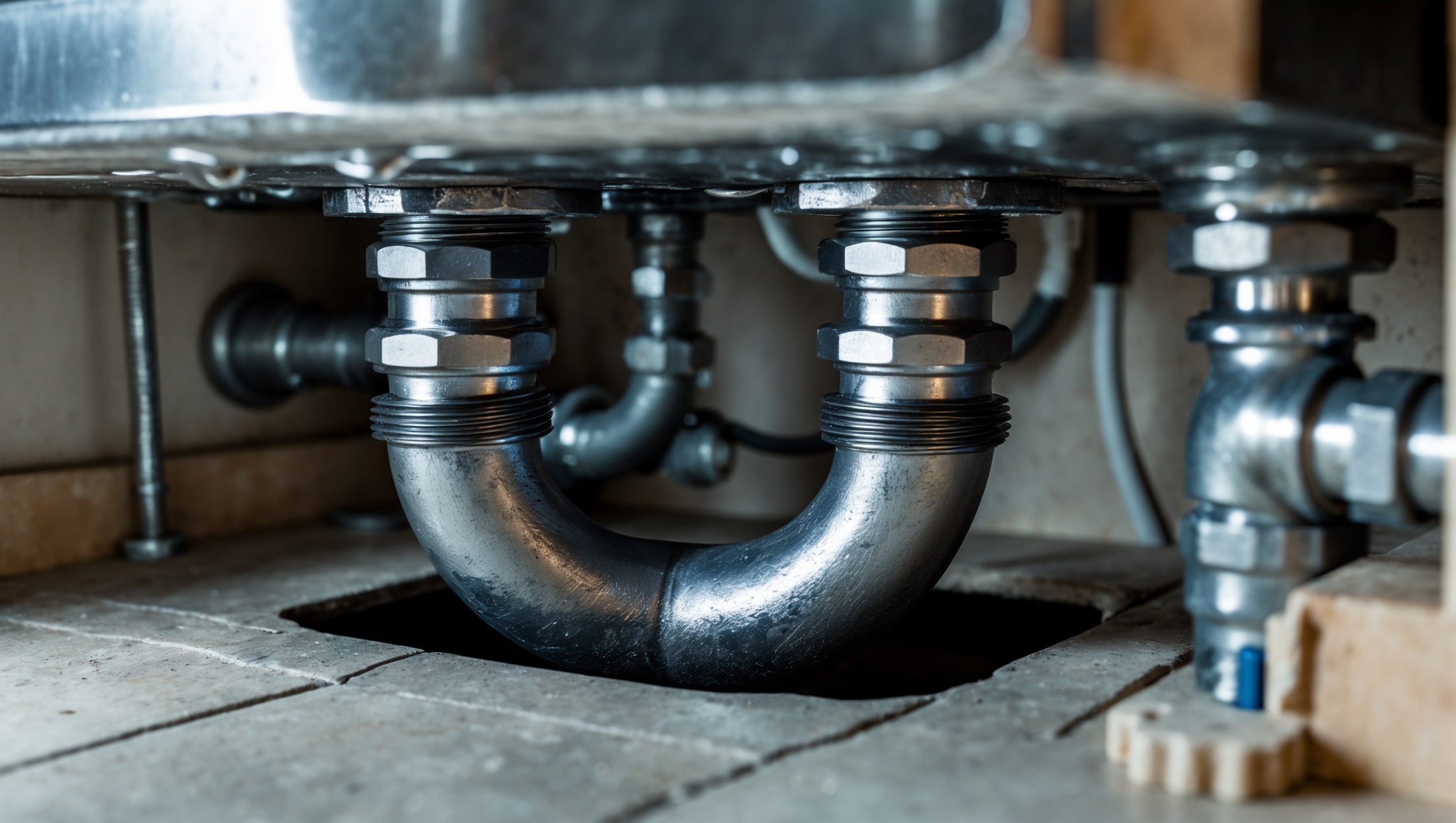
- Cast Iron: Used mainly for drains and sewer lines, cast iron is extremely durable and quiet but heavy and labor-intensive to install.
- Stainless Steel: Rarely used in residential systems due to cost, stainless steel offers superior corrosion resistance and is sometimes chosen for coastal applications.
- Polypropylene (PP): An emerging plastic option, PP pipes are heat-fused, chemical-resistant, and gaining traction for both potable and gray water systems.
Key Considerations for Selection
- Local Codes: Always check municipal codes—some regions restrict or require certain materials.
- Water Quality: Hard or acidic water can accelerate corrosion in metal pipes. Some plastics may leach trace chemicals.
- Pressure and Temperature: Not all materials handle high pressure or hot water equally well.
- Cost and Availability: Material costs and local supply impact your budget and timeline.
- Installation Skill: Some materials (e.g., copper soldering) require expert skills, while others (PEX, CPVC) are DIY-friendly.
- Longevity and Maintenance: Consider lifespan, susceptibility to leaks, and ease of repair.
Comparative Analysis: Pros, Cons, and Typical Uses
Copper
- Pros: Long lifespan (50+ years), tolerates heat, naturally biostatic.
- Cons: Higher upfront cost, labor-intensive installation, prone to pinhole leaks if water is acidic.
- Best for: Main water lines, visible runs, and remodels where longevity is crucial.
PEX
- Pros: Flexible, fast to install, resists freeze damage, affordable.
- Cons: UV-sensitive, not always allowed outdoors or in exposed locations, may require special fittings.
- Best for: Remodels, new construction, areas with lots of bends or tight spaces.
CPVC
- Pros: Inexpensive, easy to cut and glue, resists corrosion.
- Cons: Brittle in cold, susceptible to splitting if frozen, lower temperature tolerance than copper.
- Best for: Indoor hot and cold water distribution.
PVC
- Pros: Extremely affordable, easy to assemble, excellent for drains and vents.
- Cons: Not suitable for hot water, can become brittle over decades.
- Best for: DWV systems only.
Galvanized Steel
- Pros: Strong, once was standard for water supply lines.
- Cons: Heavy, difficult to work with, rusts from the inside out.
- Best for: Replacements only in legacy systems; generally not recommended for new installs.
Cast Iron
- Pros: Quiet drainage, extremely durable, fire-resistant.
- Cons: Heavy, expensive, requires special tools for cutting and joining.
- Best for: Main drains and sewer stacks in multi-story buildings.
Stainless Steel
- Pros: Outstanding corrosion resistance, sleek appearance.
- Cons: High cost, limited availability.
- Best for: Specialized projects in harsh environments.
Polypropylene (PP)
- Pros: Long lifespan, heat-welded joints, chemical resistance.
- Cons: Requires specific tools, less common in North America.
- Best for: Eco-friendly projects, areas with aggressive water chemistry.
Making the Right Choice: A Step-by-Step Approach
1. Assess Your Project
Define the scope—are you replacing a single run, retrofitting an entire home, or building new? For spot repairs, match existing materials unless a full upgrade is planned. For larger projects, factor in the building’s age, water quality, and accessibility.
2. Consult Local Codes
Before purchasing supplies, ask your local building department or review municipal plumbing codes. Some cities prohibit certain plastics, require Type L copper for potable lines, or have freeze-specific regulations.
3. Calculate Budget vs. Longevity
Balance upfront costs with expected service life. For example, PEX’s lower labor costs can offset its slightly shorter lifespan compared to copper. Don’t forget to include fittings, tools, and potential permit fees in your estimates.
4. Plan for Future Maintenance
Consider materials that simplify future repairs. PEX, for example, allows for easy retrofits, while CPVC can be cut and spliced with minimal tooling. Think about accessibility for shut-offs, clean-outs, and future upgrades.
Installation Best Practices by Material
Copper Pipe Installation
- Deburr cut edges, clean with emery cloth, and use lead-free solder for potable lines.
- Use proper flux and heat to ensure a complete capillary joint—avoid overheating, which can weaken the pipe.
- Support pipes every 6–8 feet horizontally and ensure expansion loops in long runs.
PEX Installation
- Use approved crimp, clamp, or expansion fittings—never mix brands.
- Protect from sunlight and mechanical damage; use sleeves through studs.
- Leave slack for expansion and label hot/cold lines clearly.
CPVC and PVC Installation
- Cut squarely, chamfer edges, and dry-fit before gluing.
- Use primer (for PVC) and approved solvent cement; allow full cure time before pressurizing.
- Support pipes to prevent sagging and stress at joints.
Galvanized Steel and Cast Iron
- Use pipe wrenches and thread sealant for steel; ensure tight, leak-free joints.
- For cast iron, use no-hub couplings or lead/oakum joints for traditional systems.
- Cut with reciprocating saw or snap cutter—always wear safety gear.
Maintenance Tips for Long-Lasting Plumbing
Routine Inspections
- Check for signs of corrosion, leaks, or mineral buildup annually, especially on exposed lines.
- Test shut-off valves for proper operation and replace as needed.
Water Quality Management
- Install whole-house filters or water softeners if you have hard or aggressive water, especially for copper and steel systems.
- Flush lines after major repairs to remove debris and prevent clogging.
Protective Measures
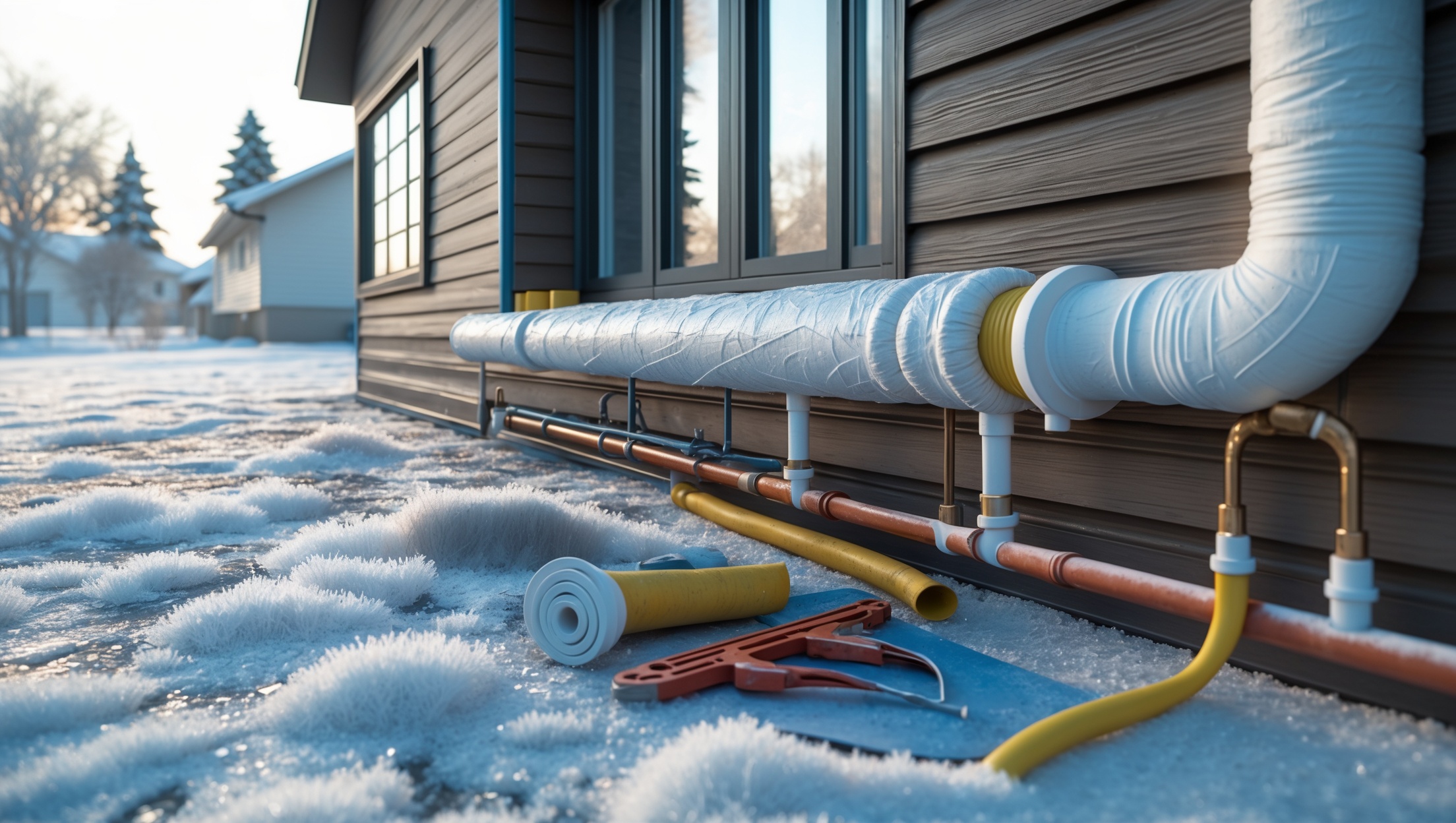
- Insulate pipes in unheated spaces to prevent freezing—especially important for copper, PEX, and CPVC.
- Secure loose pipes to minimize movement and water hammer.
Addressing Common Issues
- Leaking Joints: Re-solder or replace fittings for copper; re-crimp or replace PEX connections; cut out and re-glue CPVC/PVC joints.
- Corrosion: Replace sections of copper or steel showing green or red staining; investigate water chemistry.
- Blockages: Use mechanical snakes or enzyme cleaners for clogs—avoid harsh chemicals that can degrade pipes.
Environmental and Health Considerations
Lead and Legacy Materials
If your home predates 1986, inspect for lead pipes or lead-based solder. Replace these immediately, as lead poses serious health risks. Galvanized steel may also harbor lead particles. Always use lead-free materials for drinking water lines.
Plastic Pipe Safety
Modern PEX, CPVC, and PVC are generally considered safe, but it’s wise to choose NSF-certified products and follow manufacturer guidelines for potable water. Avoid burning or overheating plastics to prevent release of harmful fumes.
When to Call a Professional
Complex installations—such as whole-home repipes, work requiring permits, or situations involving lead or asbestos—are best left to licensed plumbers. Pros have the experience and tools to ensure code compliance, long-term reliability, and safety.
Conclusion: Invest in the Right Pipes for Peace of Mind
Choosing the right plumbing pipe material is one of the most critical decisions you’ll make for your home or business. The ideal solution balances budget, durability, safety, and ease of installation. By understanding the strengths and limitations of copper, PEX, CPVC, and other materials, you set the stage for fewer repairs, better water quality, and a system that meets your needs for years to come. Don’t overlook the importance of proper installation and routine maintenance—these are just as crucial as the materials themselves in ensuring longevity. Take the time to consult local codes, assess your water quality, and plan for both present and future needs. With this knowledge in hand, you’ll avoid costly mistakes and enjoy true peace of mind, knowing your plumbing is built to last. If you’re ever in doubt, don’t hesitate to reach out to a trusted plumbing professional to guide you through the process or tackle the more complex aspects of your project.