Introduction: Why Rainy Season Plumbing Preparation Matters
The arrival of the rainy season brings much-needed relief from dry spells, but it also presents unique challenges for homeowners and property managers. Heavy downpours can quickly overwhelm drainage systems, expose hidden vulnerabilities in plumbing, and lead to costly water damage or even dangerous mold growth. Flooded basements, backed-up drains, and overflowing gutters are just a few of the issues that can arise when plumbing systems are unprepared for sudden and sustained rainfall. Many underestimate the cumulative impact of even moderate rain on aging pipes, poorly maintained sump pumps, or clogged exterior drains. The good news? With proactive preparation and a strategic approach to plumbing maintenance, you can dramatically reduce your risk of water intrusion, structural damage, and expensive repairs. This comprehensive guide covers everything you need to know to get your plumbing ready for the rainy season, from inspecting and upgrading key components to proven flood prevention measures. Whether you’re a DIY enthusiast or a property owner looking to minimize risk, these expert insights will empower you to protect your investment and enjoy peace of mind, no matter the weather.
Understanding Rain-Related Plumbing Risks
Common Problems Caused by Heavy Rain
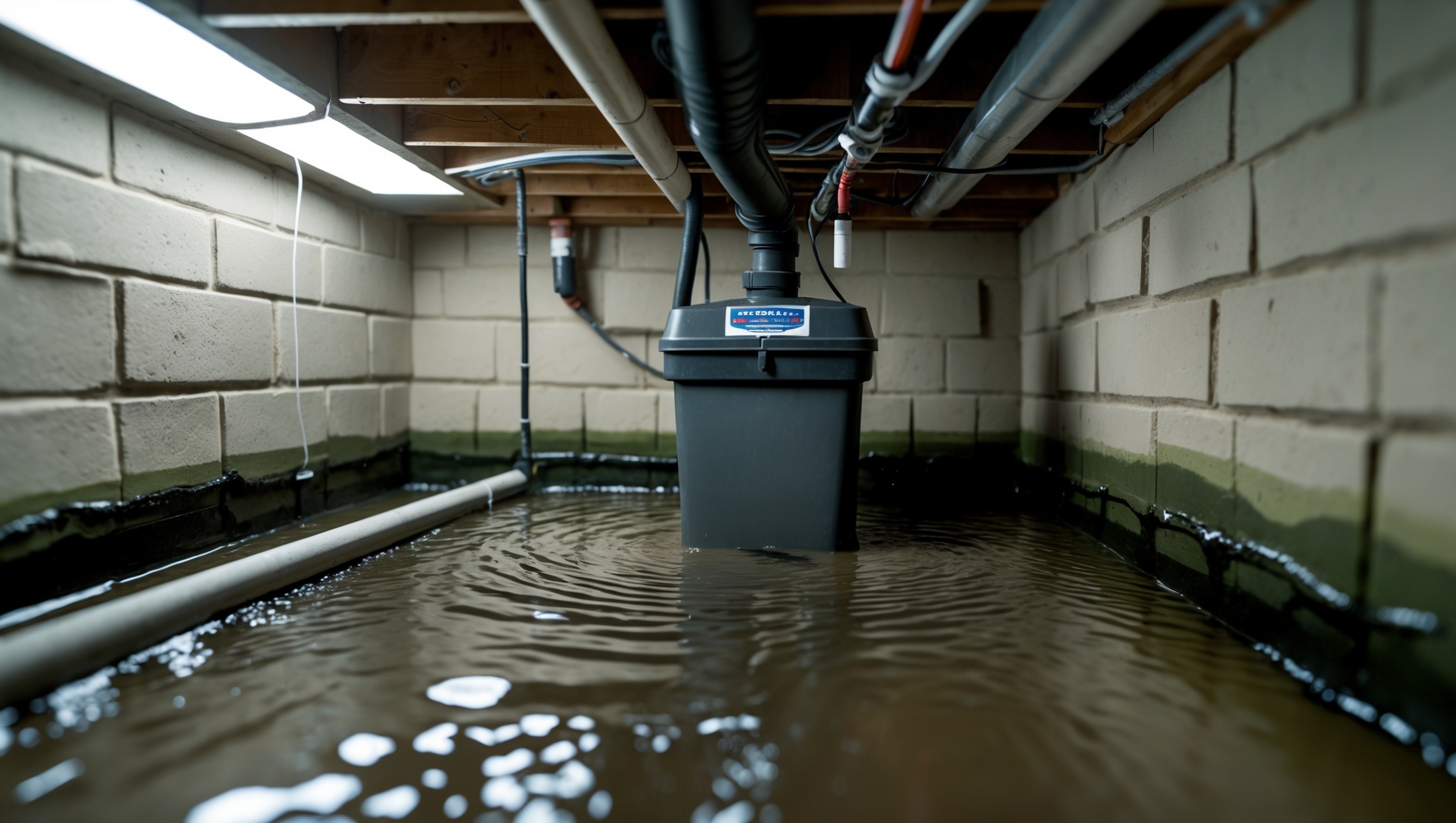
- Basement Flooding: Saturated ground and poor drainage can allow water to seep through foundation walls and floors.
- Sewer Backups: Excess stormwater can overwhelm municipal systems, forcing sewage back into homes through drains and toilets.
- Clogged Gutters and Downspouts: Blockages prevent proper water flow, causing overflows that damage siding and foundations.
- Subsurface Water Intrusion: Hydrostatic pressure can push groundwater into crawlspaces and slab-on-grade homes.
How Plumbing Systems Interact with Rainwater
Modern plumbing is designed to keep clean water in and waste water out, but when rainfall exceeds system capacity, even the best designs can fail. Understanding the flow of water—both above and below ground—is key to effective prevention. Exterior drainage, sump pumps, backwater valves, and interior plumbing all play interconnected roles. Weaknesses in one area can quickly be exploited by heavy rainfall, leading to widespread issues.
Exterior Drainage: The First Line of Defense
Gutter and Downspout Maintenance
- Clean gutters and downspouts at least twice per year, more often if surrounded by trees.
- Ensure downspouts extend at least 6 feet from the foundation to direct water away from the building.
- Install gutter guards or screens to minimize debris accumulation.
Grading and Landscaping Adjustments
- Maintain a slope of at least 6 inches over the first 10 feet away from your foundation.
- Use swales or French drains to redirect runoff in problematic areas.
- Avoid planting large shrubs or trees with invasive roots near main sewer lines or foundation walls.
Driveway and Hardscape Drainage
Impermeable surfaces like driveways and patios can channel water directly toward your home. Install trench drains, channel drains, or permeable pavers to facilitate safe runoff. Regularly clear debris from these drains to ensure unrestricted flow during storms.
Sump Pumps: Selection, Installation, and Maintenance
Choosing the Right Sump Pump
- Pedestal Pumps: Easier to service, suitable for small pits; generally less powerful.
- Submersible Pumps: Quieter, more powerful, and ideal for frequent heavy rainfall.
Consider backup systems—either battery or water-powered—in case of power outages during storms.
Proper Installation Tips
- Ensure the pit is deep and wide enough for the pump’s float switch to move freely.
- Install a check valve on the discharge pipe to prevent water from flowing back into the pit.
- Route discharge lines at least 10 feet from the foundation, avoiding public sidewalks or neighboring property.
Routine Sump Pump Maintenance
- Test the pump before each rainy season by pouring water into the pit and confirming activation.
- Clean the pit of debris and silt every 6 months.
- Check backup power supplies and replace batteries every 2-3 years.
- Inspect and clear discharge lines of clogs, ice, or obstructions.
Backwater Valves and Flood Prevention Devices
How Backwater Valves Work
Backwater valves (or backflow preventers) allow wastewater to flow out but automatically block reverse flow when sewer systems are overloaded. These devices are especially critical for homes in low-lying areas or with basements below street level.
Installation Best Practices
- Install on the main sewer line where it exits the home, ideally in an accessible location for maintenance.
- Choose a model rated for your pipe size and anticipated volume.
- Some municipalities require permits and inspections for installation—always check local codes.
Maintenance and Inspection Tips
- Inspect annually before the wet season; clean out debris and lubricate seals as needed.
- Test after major rain events to ensure proper operation.
- Replace worn components promptly to guarantee reliability.
Interior Plumbing Safeguards
Identifying Vulnerable Entry Points
- Basement floor drains and low-level plumbing fixtures (showers, laundry tubs) are most at risk during sewer surcharges.
- Old, unsealed pipe penetrations in walls or floors can admit groundwater under pressure.
Sealing and Waterproofing Techniques
- Use hydraulic cement to seal cracks in foundation walls and floors.
- Apply waterproofing membrane or paint to interior basement surfaces as an added barrier.
- Install floor drain plugs or standpipes in vulnerable drains to provide temporary protection during extreme weather.
Appliance and Fixture Checks
- Ensure washing machines, water heaters, and other basement appliances are elevated above floor level or on waterproof stands.
- Inspect supply lines and hoses for cracks or wear, replacing as needed to prevent leaks that compound flooding risk.
Early Warning and Monitoring Systems
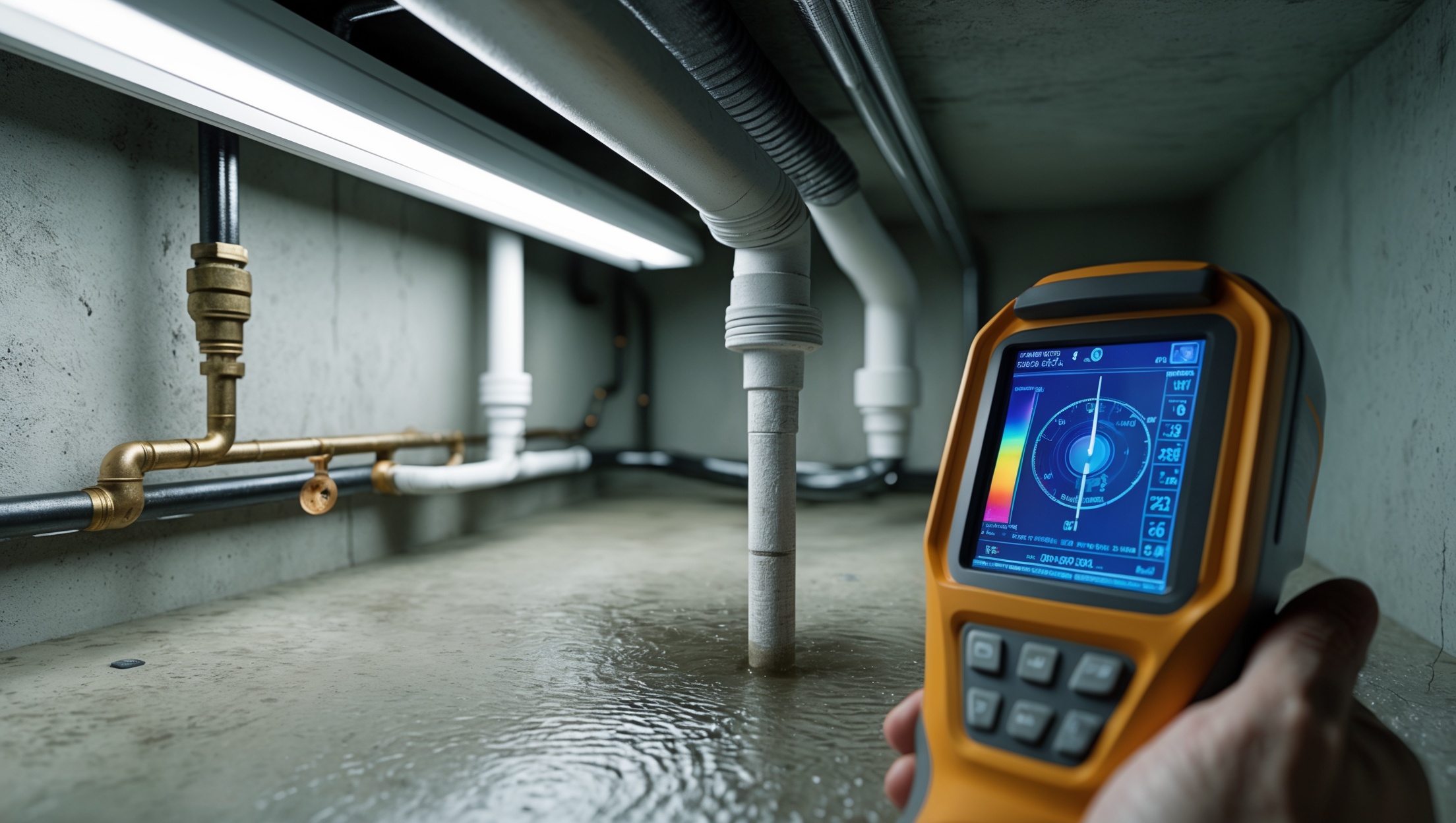
Water Alarms and Leak Detectors
- Install battery-operated or smart water alarms near sump pumps, floor drains, and basement low points.
- Choose models with Wi-Fi capability for remote alerts to your phone or email.
Monitoring Sump Pump and Backwater Valve Performance
- Upgrade to sump pumps with integrated alarms for high water levels or power failure notifications.
- Document test dates and maintenance actions in a logbook or digital tracker for accountability.
Proactive Maintenance Checklist for the Rainy Season
- Inspect and clean gutters, downspouts, and all exterior drains.
- Test sump pump operation and backup power systems.
- Verify backwater valve function and clear debris from the housing.
- Seal foundation cracks and pipe penetrations.
- Confirm proper grading and adjust landscaping as needed.
- Install or test water alarms and leak detectors in at-risk areas.
- Check all basement plumbing fixtures, supply lines, and appliance stands.
When to Call a Professional
Red Flags Requiring Expert Attention
- Persistent or worsening leaks after rainfall.
- Sewage odors or visible backups in basement drains.
- Cracks or water seepage in foundation walls larger than 1/8 inch.
- Repeated sump pump failures despite maintenance.
- Questions about municipal regulations or major upgrades (e.g., backwater valve, French drain installation).
A licensed plumber or waterproofing specialist can assess complex drainage issues, recommend system upgrades, and ensure compliance with local codes. Preventive consultations are an investment—often far less expensive than post-flood repairs.
Case Example: Rainy Season Plumbing Success Story
Consider the example of a homeowner in a flood-prone neighborhood who experienced severe basement flooding during a record rainfall. After a professional assessment, they implemented the following measures: upgraded to a submersible sump pump with a battery backup, installed a backwater valve, re-graded the landscape, extended downspouts, and added a smart water alarm. The following year, despite similar storms, their basement remained dry, and no water intrusion occurred. This real-world success underscores the importance of a multi-layered approach to rainy season plumbing preparedness.
Conclusion: Stay Ahead of the Weather with Proactive Plumbing Care
Plumbing problems caused by heavy rain are more than just inconvenient—they can threaten your home’s structure, safety, and long-term value. However, with a strategic, proactive approach, you can turn the rainy season from a source of stress into an opportunity for home resilience. Start by addressing exterior drainage and gutter systems to keep water away from your foundation. Ensure your sump pump is properly installed, routinely tested, and backed up by reliable power. Invest in a quality backwater valve and maintain it diligently. Don’t overlook the importance of sealing cracks, waterproofing vulnerable areas, and elevating appliances out of harm’s way. Early warning systems, like water alarms and smart leak detectors, provide peace of mind and fast response in the event of an emergency. Most importantly, schedule regular maintenance—before and during the wet season—to catch small issues before they become major problems.
If you encounter persistent leaks, sewage backups, or foundation cracks, don’t hesitate to call a professional. The investment in expert guidance and modern flood prevention devices is always less costly than recovering from severe water damage. By following these best practices, you’ll protect not only your property but also your comfort and peace of mind—rain or shine. Prepare now, and let the storms come: your plumbing is ready.