Introduction: The Overlooked Power of Plumbing Maintenance Logs
Most homeowners understand the importance of regular maintenance for their major systems, but few realize just how transformative a simple plumbing maintenance log can be. Plumbing is the hidden backbone of every property, and its issues often lurk unseen until they erupt into emergencies. Yet, with a bit of proactive record-keeping, you can spot patterns, anticipate repairs, and communicate more effectively with professionals. This article explores exactly why and how to start a plumbing maintenance log, what details to document, and how this practical habit can save you money, time, and stress. Whether you’re a seasoned DIY-er, a new homeowner, or simply want to keep your property running smoothly, this guide will walk you through the process and demonstrate its real-world value. Let’s take a deep dive into the world of plumbing maintenance logs and uncover why this overlooked tool could be your home’s secret weapon.
Why Keep a Plumbing Maintenance Log?
Preventative Power: Spotting Patterns Early
Plumbing systems age, fittings loosen, and water pressure shifts. By keeping detailed records of maintenance, repairs, and observations, you can spot developing issues before they become expensive disasters. For example, noticing repeated leaks in a certain joint over several years can reveal a systemic problem—such as high water pressure or incompatible materials—that a single incident might mask.
Improved Communication with Plumbers
When you call a professional, being able to provide a detailed history saves time and ensures more accurate diagnostics. You can share dates, previous fixes, and any recurring symptoms, giving your plumber a head start and often reducing service costs.
Warranty and Insurance Claims
Many plumbing components come with warranties that require proof of regular maintenance. Similarly, some insurance policies may ask for service records in the event of a claim. A well-kept log removes any doubt when documentation is needed.
Resale Value and Buyer Confidence
Passing a maintenance log to a new homeowner demonstrates care and transparency, increasing trust and potentially your property’s value. It’s a sign that you’ve invested in the long-term health of the home.
What Should a Plumbing Maintenance Log Include?
Core Details to Track
- Date: Every entry should be dated for reference.
- Location: Specify where the work or observation took place (e.g., guest bathroom sink, main shut-off valve, basement sump pump).
- Service Performed: Describe the maintenance, repair, inspection, or replacement.
- Materials Used: Note brands, part numbers, and quantities for future reference.
- Observations: Record any unusual noises, leaks, odors, or color changes in water.
- Service Provider: If a professional was involved, include contact info and invoice/receipt numbers.
- Cost: Document expenses for each service or part.
- Warranty Info: Include details and expiration dates for parts and labor.
- Next Steps or Recommendations: Note if follow-up is required.
Photos and Attachments
Adding photos (before and after a fix, receipts, diagrams) can help visualize issues and clarify written notes. Many digital logs allow you to attach images directly to entries.
How to Set Up Your Plumbing Maintenance Log
Paper vs. Digital: Choosing Your Format
- Notebook/Binder: A dedicated notebook or a binder with labeled sections can work for those who prefer physical records. Use waterproof paper or plastic sleeves for added durability.
- Spreadsheet: Programs like Excel or Google Sheets make it easy to search, sort, and back up entries. Templates are available online for quick setup.
- Home Maintenance Apps: Apps such as HomeZada, Centriq, or custom note-taking apps allow for reminders, photo uploads, and sharing with professionals or future buyers.
Organizing Entries for Quick Reference
- Organize entries chronologically, by room, or by system (e.g., supply lines, drains, appliances).
- Use color-coding or tags for urgent issues versus routine maintenance.
- Keep a summary page or dashboard with key dates (last water heater flush, next main valve check, etc.).
Sample Maintenance Log Entry
Here’s an example to illustrate what a comprehensive log entry might look like:
- Date: 2024-03-15
- Location: Kitchen sink
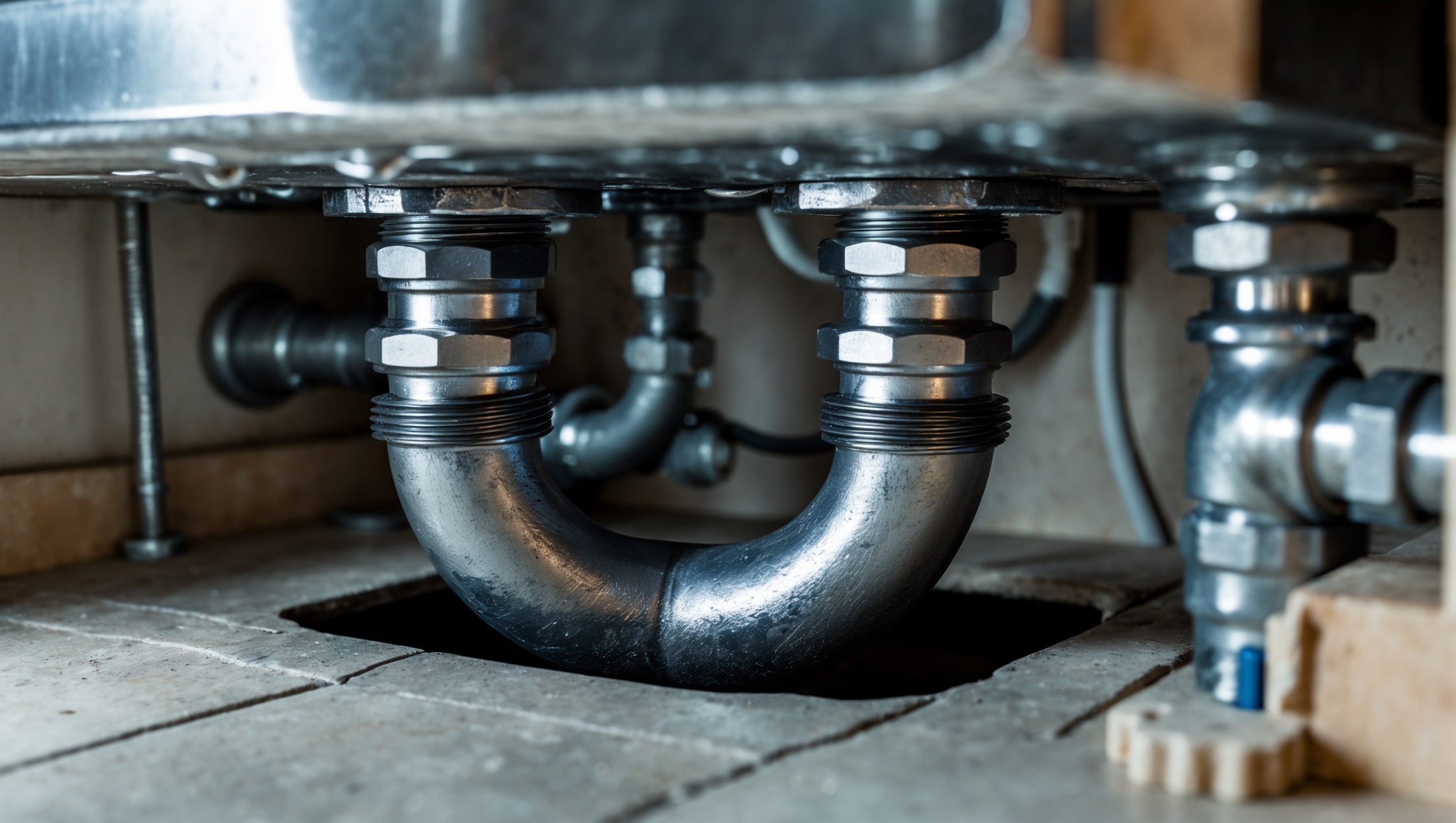
- Service Performed: Replaced leaking P-trap
- Materials Used: PVC P-trap (Oatey #12345), plumber’s tape
- Observations: Noticed slow drain prior to repair; checked for blockages—none found.
- Service Provider: DIY
- Cost: $12.50
- Warranty Info: P-trap has 1-year manufacturer warranty (expires 2025-03-15)
- Next Steps: Monitor for further slow drainage; consider enzyme cleaner in one month.
What to Log: A Room-by-Room Checklist
Bathrooms
- Toilet flush valve and fill valve maintenance
- Sink faucet aerator cleaning
- Showerhead descaling
- Caulk/sealant condition around tubs and showers
Kitchen
- Garbage disposal cleaning and reset status
- Dishwasher hose inspections
- Supply line and shut-off valve checks
- Under-sink leak checks
Laundry Area
- Washing machine supply hose inspection
- Drain line cleaning and backup checks
- Utility sink trap cleaning
Basement/Utility Room
- Water heater draining and anode rod inspection
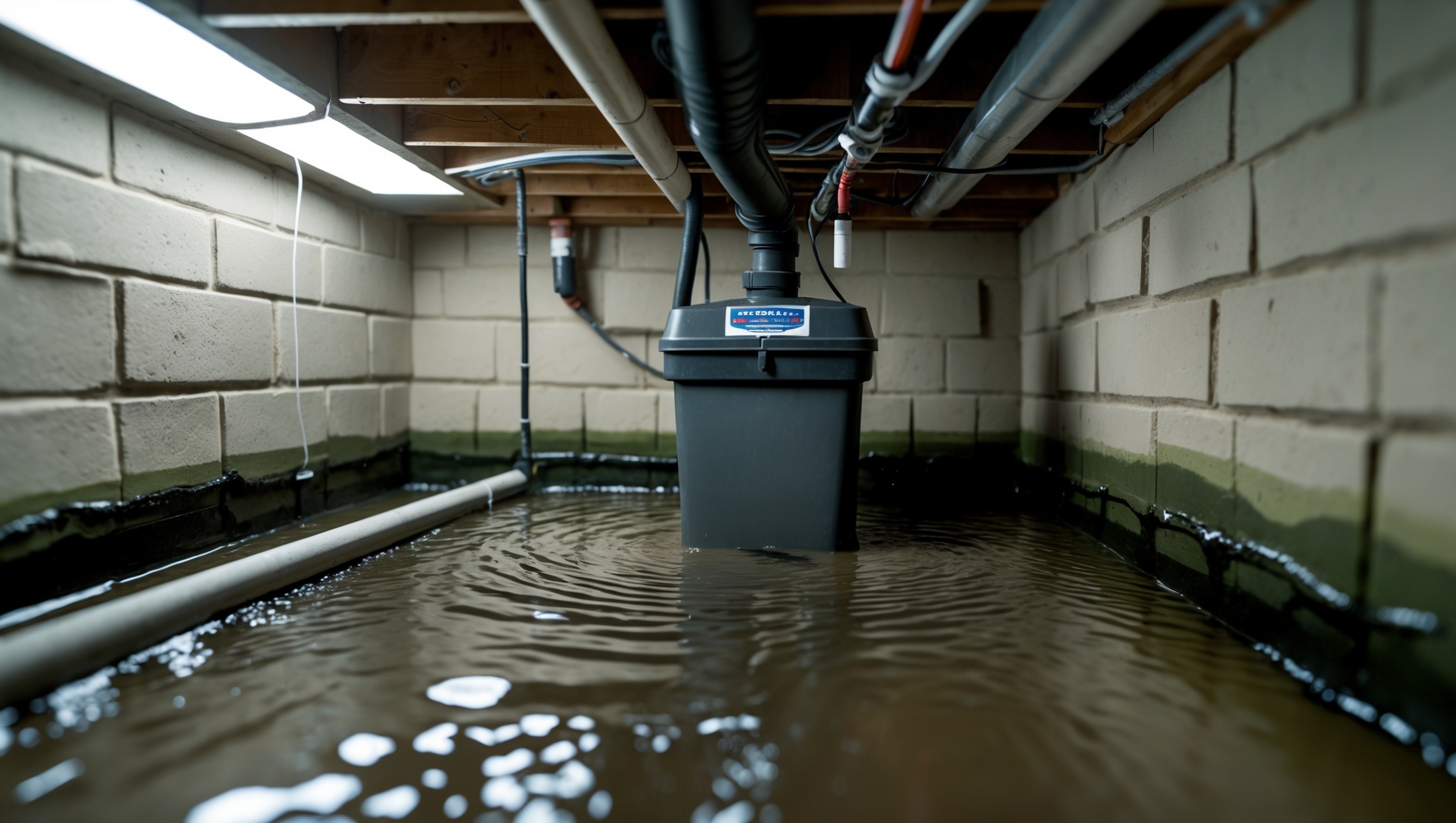
- Sump pump testing and cleaning
- Main shut-off valve exercise (open/close to prevent seizing)
- Water meter and visible pipe checks for corrosion or leaks
Using Your Log to Schedule Preventative Maintenance
With a log, you can set up reminders for annual or seasonal tasks:
- Flush water heater every 6-12 months
- Clean faucet aerators and showerheads every 3-6 months
- Inspect supply hoses and valves twice a year
- Test sump pump before rainy seasons
- Check for leaks after major temperature changes or before vacations
Many digital tools allow calendar integration, sending you notifications for each upcoming task. This helps you stay on top of routine care and avoid neglect.
Advanced Tips: Making the Most of Your Plumbing Maintenance Log
Analyze for Trends
After a year or two, review your log for recurring problems. Are you replacing washers in the same faucet repeatedly? Are certain shut-off valves always sticking? These trends can prompt a more permanent fix, like replacing a faulty fixture or upgrading materials.
Budgeting and Planning
Tracking costs over time helps you estimate future expenses and budget for upcoming replacements, such as a water heater approaching the end of its lifespan. Your log becomes a financial planning tool, not just a maintenance record.
Integrate with Other Home Logs
If you keep maintenance logs for HVAC, electrical, or other systems, cross-reference plumbing entries for issues that might be connected, such as water damage from both plumbing leaks and roof issues.
Common Mistakes to Avoid with Plumbing Logs
- Inconsistent Entries: Skipping updates defeats the purpose. Make logging a habit after every repair or inspection.
- Vague Descriptions: “Fixed leak” isn’t enough. Detail what was leaking, what part was replaced, and any suspected cause.
- Ignoring Small Issues: Minor drips or slow drains should be logged—they often indicate bigger problems down the line.
- Misplacing Records: Keep your log in a designated spot (physical or digital) accessible to all household members or relevant professionals.
FAQs: Plumbing Maintenance Logs
Do I need to log DIY work, or just professional service?
Both are valuable. DIY entries help you remember what was done and when. Professionals appreciate seeing a complete history, DIY included.
What if I forget to log something?
Add it as soon as you recall, noting the date as best you can. It’s better to have an imperfect log than none at all.
Is there a recommended digital app?
There’s no one-size-fits-all solution. Look for apps that allow photo attachments, reminders, and easy exporting. Excel or Google Sheets are versatile, but home management apps may offer added convenience.
Conclusion: A Small Habit with Long-Term Payoff
Starting a plumbing maintenance log is one of the simplest, most effective ways to protect your home and your wallet. It doesn’t require technical expertise, expensive tools, or hours of your time—just a commitment to jotting down key details whenever you perform or schedule plumbing work. Over the years, this log becomes a valuable resource. It helps you catch problems early, streamline repairs, and even impress potential buyers with your diligence.
More importantly, it shifts your approach from reactive to proactive. Instead of waiting for the next surprise leak or breakdown, you’ll be equipped with knowledge and foresight. You’ll be able to budget for replacements, plan upgrades, and keep your plumbing system running at peak efficiency. In an era where so many home disasters are preventable, a maintenance log is truly your first line of defense.
So grab a notebook, open a spreadsheet, or download a home maintenance app today. Make your first entry—no matter how small. Your future self (and your home) will thank you.