Introduction: Why Backflow Prevention Matters in Modern Plumbing
Backflow prevention is an often-overlooked aspect of residential and commercial plumbing, yet it plays a critical role in safeguarding public health and protecting water supplies from contamination. Backflow occurs when water flows in the opposite direction than intended, potentially carrying dangerous contaminants into drinking water systems. Whether you’re tackling a DIY plumbing project, maintaining an established property, or overseeing an entire plumbing operation, understanding the essentials of backflow prevention devices, their proper installation, and ongoing maintenance is crucial. This guide will demystify backflow concepts, break down the types of devices available, outline key installation steps, and offer best practices for ongoing maintenance and compliance. By the end, you’ll be equipped with actionable knowledge to prevent costly errors and ensure your water stays pure and safe.
Understanding Backflow: Causes, Risks, and Real-World Examples
What Is Backflow?
Backflow is the unwanted reversal of water flow in a plumbing system. Instead of moving clean, potable water toward your taps, water can be forced backward, carrying contaminants from various sources—such as irrigation systems, pools, or industrial equipment—into your main water supply. There are two primary causes:
- Backpressure: When downstream pressure exceeds the supply pressure, often caused by pumps, boilers, or elevation changes.
- Backsiphonage: When supply pressure drops, creating a vacuum that draws water from potentially contaminated sources back into the system.
Why Is Backflow Dangerous?
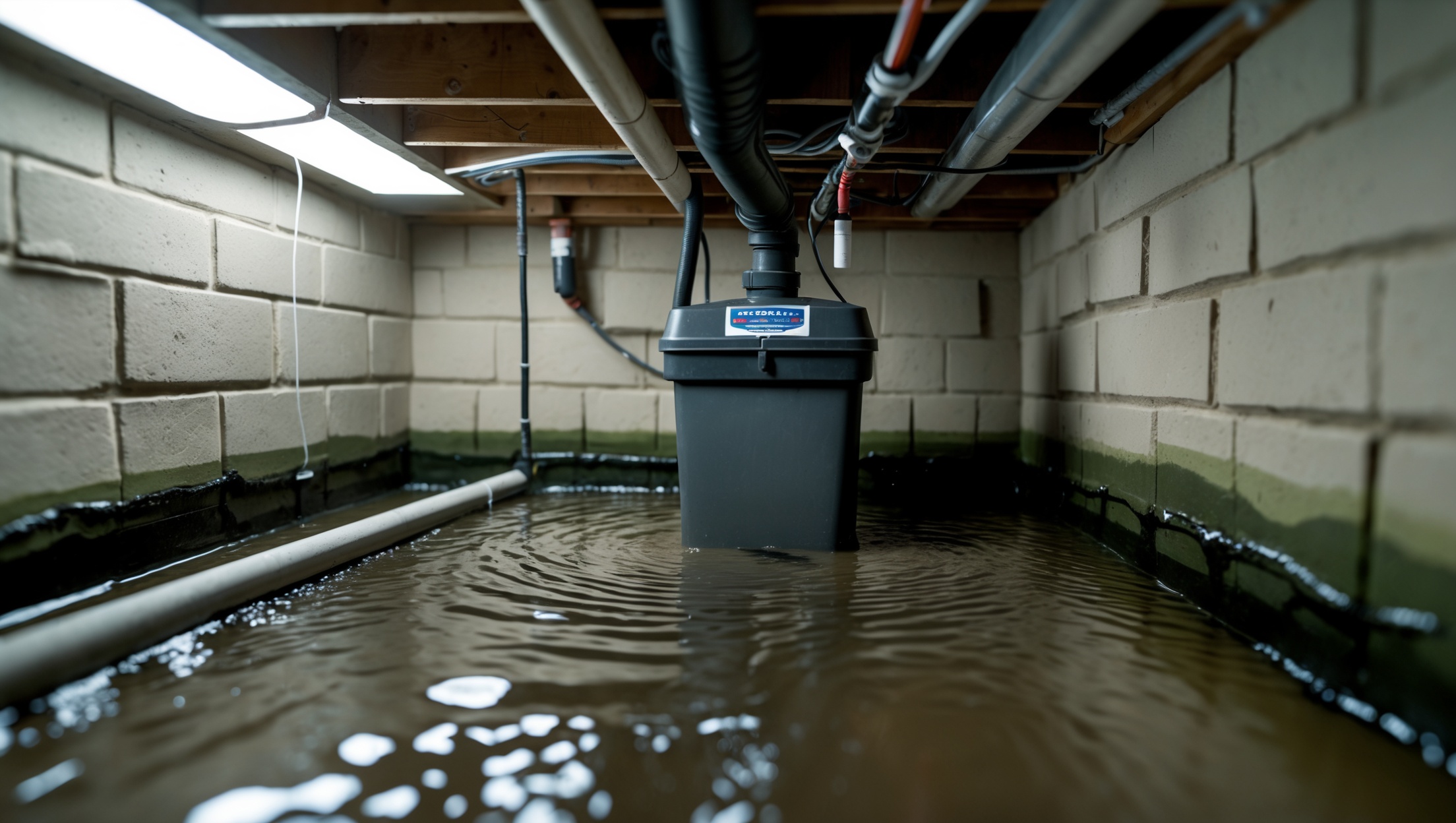
Contaminated water can introduce hazardous chemicals, bacteria, and other pollutants into your drinking supply. Documented cases have involved pesticides from gardens, industrial chemicals, and even raw sewage. This can lead to severe health issues, expensive remediation, and legal liabilities.
Real-World Failures
- Case 1: A pressure washer connected without a proper backflow device led to soapy water contaminating an entire building’s supply.
- Case 2: Backsiphonage from a broken main drew irrigation chemicals from lawn systems into neighborhood water lines.
Types of Backflow Prevention Devices: Choosing the Right Solution
There isn’t a one-size-fits-all solution for backflow prevention. The right device depends on the level of hazard, plumbing layout, and local code requirements. Here’s a breakdown of the most common devices and where they’re used:
1. Atmospheric Vacuum Breaker (AVB)
- Use: Point-of-use protection—hose bibs, irrigation systems.
- How it works: Introduces air into the system to break the siphon when water flow stops.
- Strengths: Simple, affordable, requires no maintenance.
- Limitations: Cannot be under continuous pressure; must be installed downstream of all valves.
2. Pressure Vacuum Breaker (PVB)
- Use: Irrigation systems, external water connections.
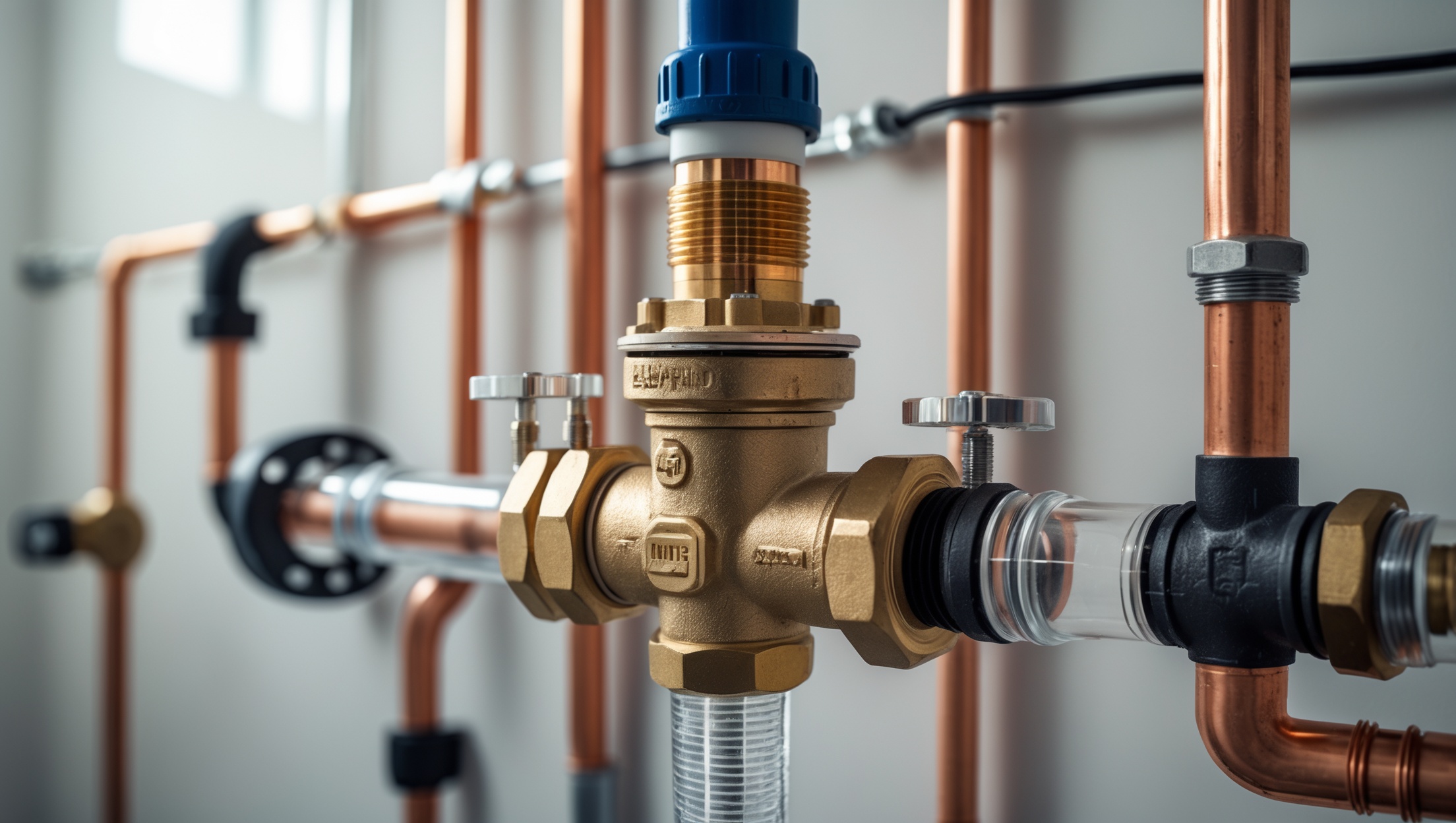
- How it works: A spring-loaded check valve and air inlet valve prevent backflow under pressure.
- Strengths: Can be used with continuous pressure; relatively easy to test and maintain.
- Limitations: Must be installed at least 12 inches above the highest downstream outlet.
3. Double Check Valve Assembly (DCVA or DCV)
- Use: Fire sprinkler systems, non-health hazard applications.
- How it works: Two independently acting check valves in series provide redundancy.
- Strengths: Suitable for low-to-medium hazard levels; testable and serviceable.
- Limitations: Not suitable for high-hazard (health risk) scenarios.
4. Reduced Pressure Zone (RPZ) Assembly
- Use: High-hazard applications—chemical labs, hospitals, irrigation with fertilizer injection.
- How it works: Incorporates two check valves and a pressure-monitored relief valve to discharge water if a failure is detected.
- Strengths: Gold standard for severe hazard situations; highly reliable.
- Limitations: Requires professional installation and annual testing; larger and costlier.
5. Hose Bib Vacuum Breaker
- Use: Garden hoses, utility sinks.
- How it works: Simple device that attaches to hose bibs, allowing air in to prevent siphoning back through the hose.
- Strengths: Inexpensive, easy DIY installation.
- Limitations: Only protects a single point of use.
Backflow Device Selection: Key Considerations
- Hazard Level: Determine whether your application is considered a low, moderate, or high hazard. High hazard requires RPZ assemblies.
- Plumbing Layout: Devices must be accessible for testing and maintenance.
- Local Codes: Always check with your municipality or water authority for approved devices and installation requirements.
- Testing Requirements: Many devices, especially RPZ and DCV, require periodic testing by certified professionals.
Installation Basics: What Every DIYer and Pro Must Know
Proper installation is non-negotiable. Even the best device will fail if installed incorrectly, putting your water supply at risk and possibly violating local codes.
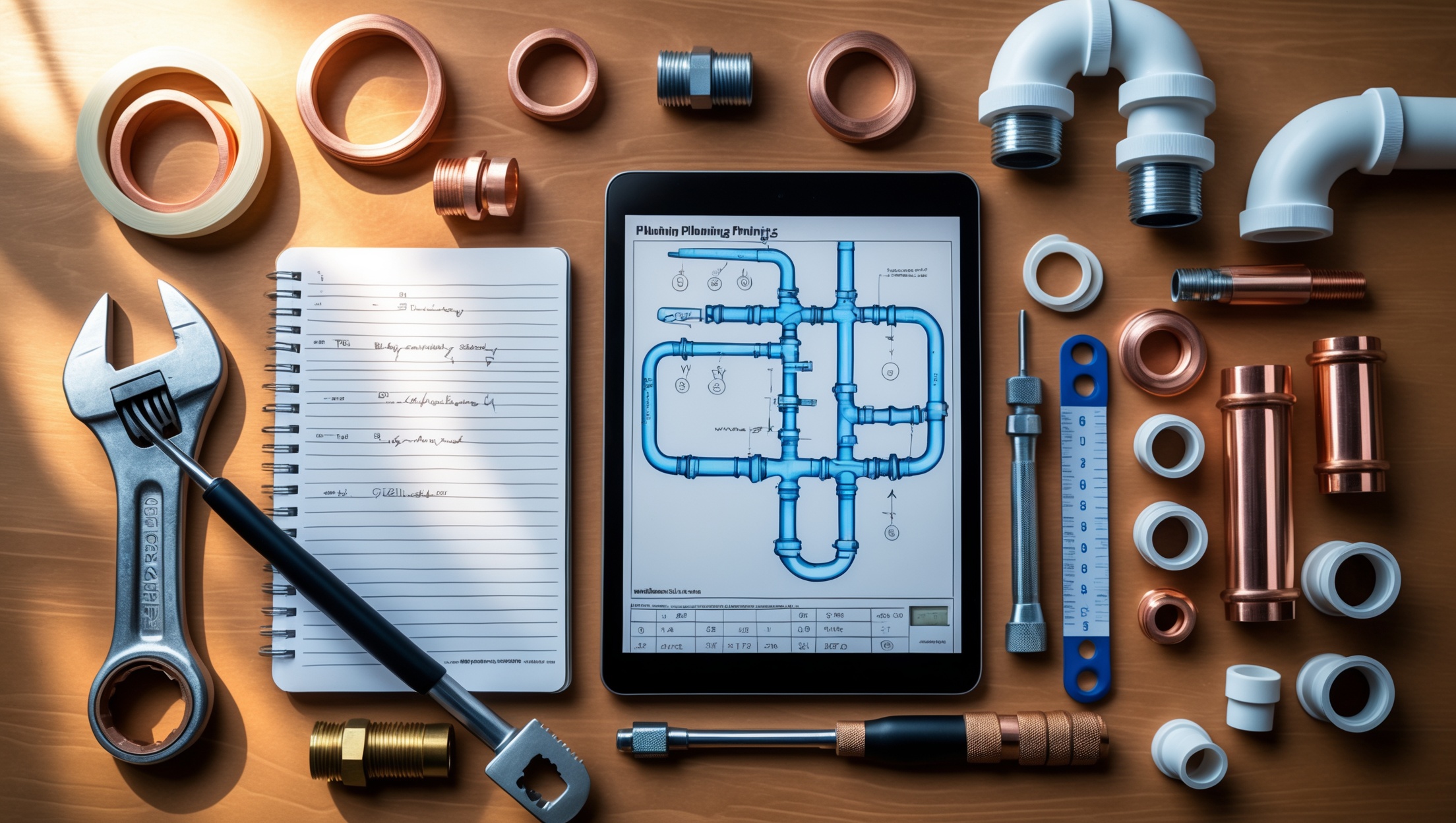
Essential Tools and Materials
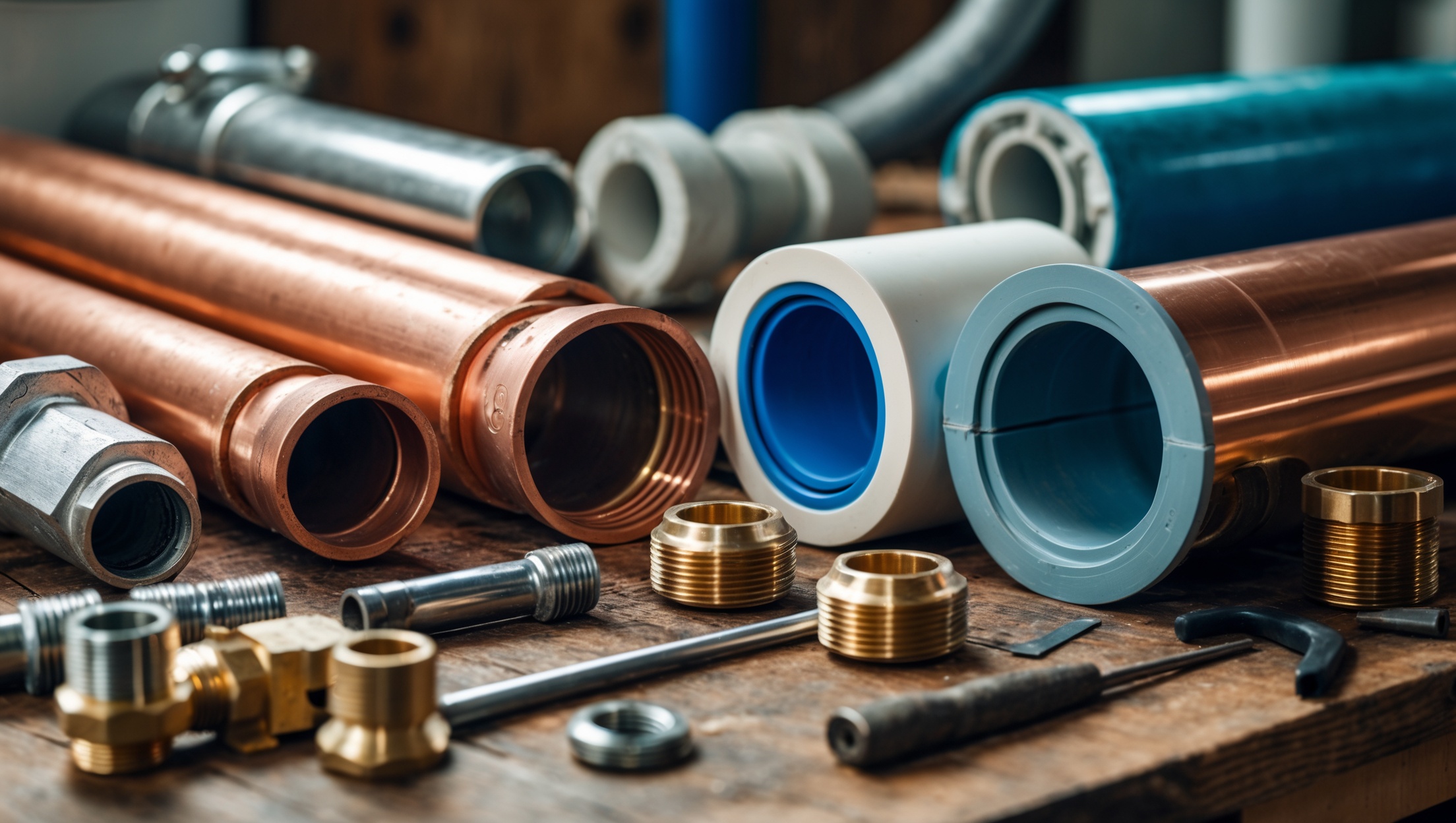
- Pipe cutter or hacksaw (for copper, PVC, or PEX)
- Adjustable wrench and pipe wrenches
- Pipe thread sealant or PTFE tape
- Clean rags
- Level and measuring tape
- Mounting hardware (if required)
General Installation Steps
- Shut Off Water Supply: Turn off the main supply to prevent leaks and ensure safety.
- Drain Lines: Open nearby taps to relieve pressure and drain residual water.
- Mark and Cut: Measure and mark pipe sections for device installation. Cut cleanly using the appropriate tool.
- Dry Fit Device: Position the backflow preventer to check alignment and clearance for testing/maintenance.
- Install Device: Follow manufacturer instructions. Apply thread sealant or tape to threaded connections. Tighten fittings securely but avoid over-tightening.
- Secure Device: Use mounting brackets if required. Ensure the device is level and supported to prevent stress on pipes.
- Restore Water: Slowly turn the supply back on. Check for leaks and ensure device orientation is correct (e.g., AVBs must be vertical).
- Test Operation: If applicable, run water through the system and operate connected fixtures to verify proper function.
Special Considerations
- Clearance: Leave enough space for annual inspections and servicing, especially for test cocks on RPZ and DCV assemblies.
- Orientation: Many devices require specific orientations (vertical or horizontal) for effectiveness.
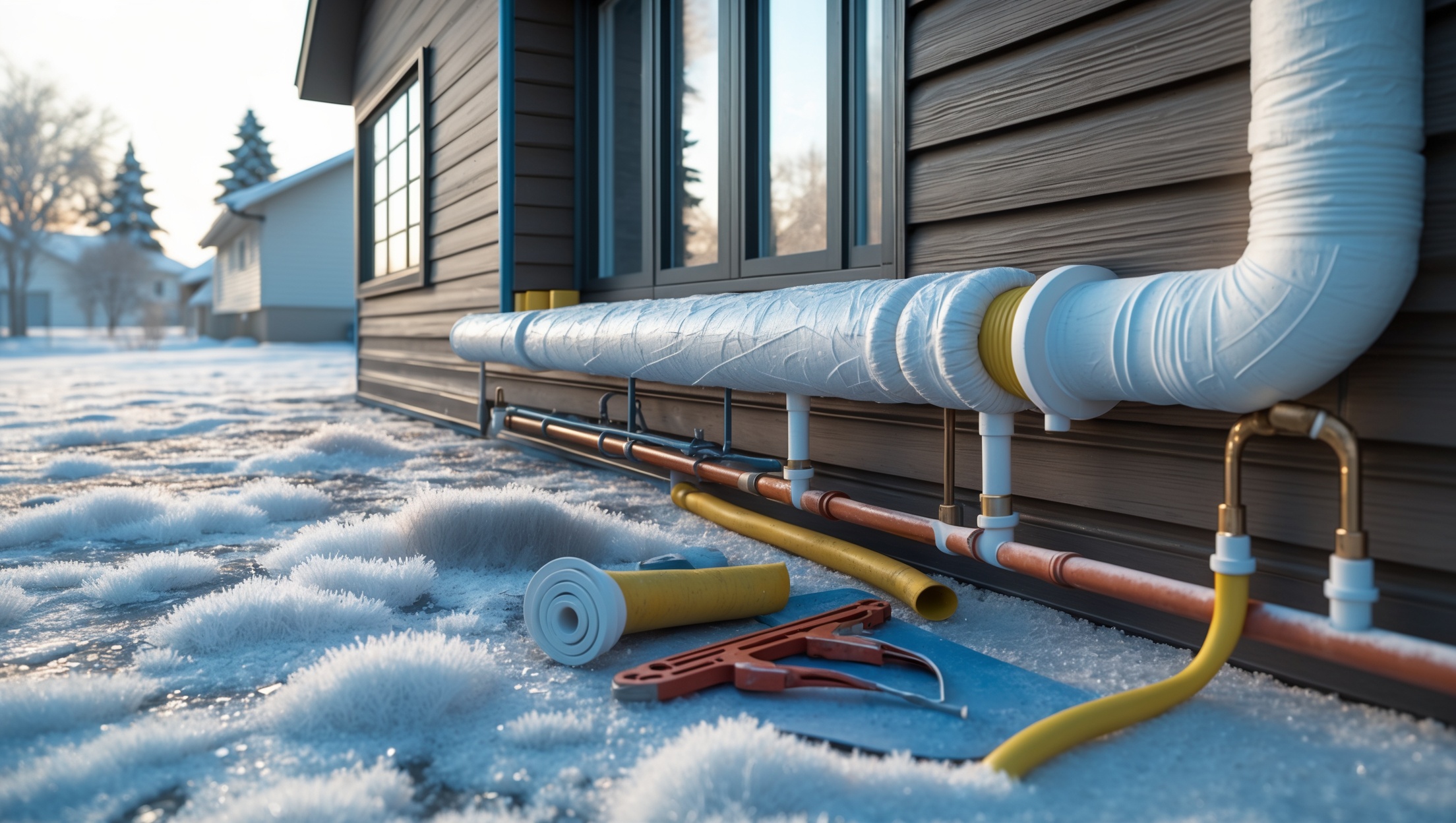
- Weather Protection: Exterior installations in cold climates should be protected from freezing.
Maintenance and Testing: Keeping Your Backflow Devices Reliable
Backflow preventers are not “set and forget” devices. Regular maintenance and testing are essential to ensure they function correctly when needed most.
Inspection Checklist
- Check for visible leaks, corrosion, or sediment buildup.
- Ensure air inlets and relief valves move freely and aren’t blocked.
- Confirm device orientation and support hardware remains secure.
Testing Requirements
- Annual Testing: Most jurisdictions require annual professional testing of RPZ, DCV, and PVB assemblies. A certified tester uses a calibrated gauge to verify proper operation of all components.
- DIY Checks: For hose bib and atmospheric vacuum breakers, visually inspect and test for proper airflow when water is shut off.
- Record Keeping: Maintain records of all tests and repairs. Many areas require you to submit proof of testing to local authorities.
Common Maintenance Tasks
- Clean or replace worn washers and O-rings.
- Flush device internals to clear debris or sediment.
- Lubricate moving parts as recommended by the manufacturer.
- Replace entire devices if testing reveals a failure that cannot be repaired.
Compliance and Permitting: Staying on the Right Side of the Law
Backflow prevention is mandated by virtually all plumbing codes, and non-compliance can result in hefty fines, water service termination, or liability in the event of contamination.
Understanding Local Requirements
- Approved Devices: Only use devices listed by recognized standards (e.g., ASSE, CSA, or local health authorities).
- Permits: Many installations, especially RPZ or DCV assemblies, require a permit. Submit plans for approval if needed.
- Inspection: Most jurisdictions require an inspection after installation and periodic re-inspection/testing.
- Responsibility: Homeowners and businesses are responsible for maintaining and testing their backflow prevention devices.
Working with Certified Professionals
For complex installations and annual testing, hire a certified backflow tester or licensed plumber. They possess the specialized equipment and training needed to ensure compliance and system safety.
Advanced Backflow Scenarios: Case Studies and Troubleshooting
Case Study 1: Commercial Kitchen Cross-Connection
A restaurant connected a chemical sanitizing system to its water line without a proper backflow device. During a water main break, backsiphonage drew sanitizer into the public supply, requiring a city-wide boil order. Solution: Installation of an RPZ assembly protected both the business and the public.
Case Study 2: Residential Lawn Irrigation
A homeowner’s lawn irrigation system was connected with a simple AVB, which failed after a few years due to continuous pressure and freezing. The result was fertilizer-laced water in household taps. Solution: Upgrading to a PVB with freeze protection and annual testing prevented future incidents.
Troubleshooting Tips
- If your backflow device discharges water unexpectedly, check for debris or pressure fluctuations.
- Loss of pressure downstream may indicate a stuck check valve or blockage.
- Repeated leaks often signal worn internal components—replace as needed.
Best Practices for Homeowners and Plumbing Pros
- Review your property for cross-connection risks annually, especially if you add irrigation, pools, or new appliances.
- Keep device areas clear and accessible for testing and repairs.
- Document all maintenance and testing; many cities require copies for their records.
- Upgrade outdated or damaged devices promptly—waiting can risk health and legal consequences.
- Educate household members or staff about what backflow devices do and why tampering is dangerous.
Conclusion: Secure Your Water Supply with Smart Backflow Prevention
Backflow prevention is far more than a regulatory box to check—it’s a vital line of defense for your health, your property, and your entire community. By understanding the causes and risks of backflow, choosing the right device, ensuring proper installation, and committing to regular maintenance and testing, you take active control of your plumbing safety. Whether you’re a hands-on homeowner tackling a DIY upgrade or a seasoned plumbing professional managing complex systems, the essentials outlined in this guide will help you sidestep common pitfalls and maintain rigorous compliance with local codes. Don’t underestimate the peace of mind that comes from knowing your water supply is protected against contamination, costly repairs, and legal headaches. Invest the time to review your plumbing layout, consult your local water authority, and schedule regular device testing. Remember, backflow prevention is a shared responsibility—and when done right, it keeps your water clean and your community safe for years to come.