Plumber Las Vegas News

Your trusted source for plumbing updates, DIY fixes, and industry insights in Las Vegas. Stay informed with practical tips, local trends, and expert advice for homeowners and professionals alike.

Plumbing Invoice Essentials: How to Create Clear, Professional Bills That Get Paid Fast

Introduction: Why Professional Plumbing Invoices Matter

A well-crafted invoice is more than just a request for payment—it’s a critical tool in running a successful plumbing business. Whether you’re an independent plumber or manage a growing team, your invoices are often your last impression on a customer after a job is complete. Poorly formatted or incomplete invoices can delay payment, create confusion, or even spark disputes that damage your reputation and bottom line. On the other hand, clear, professional invoices help you get paid faster, protect against legal headaches, and reinforce your brand as a trusted service provider.

Many plumbers overlook the fine details of invoicing, focusing their attention on the technical side of the trade. However, mastering the administrative side—especially invoicing—can make the difference between thriving and merely surviving. In this in-depth guide, we’ll break down everything you need to know about plumbing invoices: what to include, how to structure them, compliance considerations, digital vs. paper options, and pro tips to make sure you get paid promptly, every time.

What Makes a Plumbing Invoice Effective?

Clarity and Transparency

Your invoice should leave no room for confusion. Every line item, charge, and term should be spelled out in plain language. This transparency not only speeds up payment but also builds trust with your clients.

Legal and Compliance Requirements

Depending on your location, plumbing invoices must meet certain legal requirements. These can include tax details, licensing information, and specific disclosure statements. Failure to comply can result in fines or disputes.

Professional Branding

An invoice is a reflection of your business. A professional-looking document—complete with your logo, colors, and contact information—reinforces your credibility and helps you stand out from less organized competitors.

Essential Elements Every Plumbing Invoice Should Include

  • Business Information: Name, address, phone, email, and relevant license numbers.
  • Customer Information: Full name, service address, and contact details.
  • Unique Invoice Number: For tracking and record-keeping.
  • Invoice Date and Due Date: Specify when the invoice was issued and when payment is due.
  • Itemized List of Services and Materials: Clearly describe each service provided and all materials used, including quantities and unit prices.
  • Labor Charges: Hours worked and hourly rates or flat fees.
  • Subtotal, Taxes, and Total: Separate out taxes and display the final amount due.
  • Payment Terms: Outline accepted payment methods, late payment fees, and any early payment discounts.
  • Warranty or Guarantee Details: If applicable, summarize any warranty on parts or labor.
  • Notes or Special Instructions: Room for custom messages, maintenance tips, or reminders.

Step-by-Step: Creating a Plumbing Invoice From Scratch

Step 1: Gather All Necessary Information

Before you start, make sure you have the client’s full details, a breakdown of services provided, and all material receipts. This ensures accuracy and saves time.

Step 2: Choose Your Format

You can create invoices using digital tools (like accounting software or templates) or by hand with printed forms. Digital invoices are faster, easier to track, and reduce errors—but paper may be required in some situations.

Step 3: Start With Your Business Branding

Include your logo, business name, contact information, and any required license numbers at the top. This not only looks professional but is often required by law.

Step 4: Add Client Details

Accurately list the client’s name, service address, and contact information. Double-check spelling and addresses to avoid confusion or payment delays.

Step 5: Assign an Invoice Number and Date

Use a unique, sequential number for each invoice. This makes bookkeeping and tax time much easier, and helps resolve any client queries later.

Step 6: Itemize Services and Materials

  • List each service performed (e.g., “Replace kitchen faucet”) with a brief description.
  • Include labor hours and rates or flat fees.
  • Add all materials and parts, specifying quantity, description, unit price, and total.

Step 7: Calculate Subtotal, Taxes, and Total Due

Clearly show the subtotal before tax, the tax amount (specifying the rate), and the final amount due. This transparency helps avoid disputes.

Step 8: Specify Payment Terms

  • Common payment terms include “Net 15,” “Net 30,” or “Due Upon Receipt.”
  • If you charge late fees or offer early payment discounts, state the exact amounts and dates.
  • List accepted payment methods: cash, check, credit card, online payment, etc.

Step 9: Include Warranty and Guarantee Information

If you offer warranties on parts or labor, mention the coverage and duration. This can increase customer confidence and reduce callbacks.

Step 10: Add Notes or Special Instructions

Use this section for personalized messages, reminders about future maintenance, or thanks for their business.

Compliance and Legal Must-Knows for Plumbing Invoices

Local and State Requirements

Some municipalities require specific disclosures on plumbing invoices, such as license numbers, a statement of rights, or detailed breakdowns of labor vs. materials. Always check your local regulations and update your templates accordingly.

Tax Considerations

Failing to collect or report taxes properly on your invoices can result in penalties. Consult with a tax professional to ensure your invoices comply with federal, state, and local tax laws.

Digital Record-Keeping

Many regions now require businesses to keep digital records of all invoices for several years. Choose an invoicing system that makes archiving and retrieval easy.

Paper vs. Digital Invoices: Which Is Best?

Advantages of Digital Invoicing

  • Faster delivery and payment (especially with email/SMS links)
  • Automatic calculations and error checks
  • Easy tracking, search, and backup
  • Integration with accounting and tax software

When Paper Invoices Make Sense

  • Rural or older clients without reliable internet access
  • Jobs where a signed, physical copy is required (e.g., insurance claims)

Best Practice: Offer Both

Many plumbing businesses find that offering both digital and paper invoices covers all client preferences and situations. Just be sure to keep consistent records for both formats.

How to Avoid Common Invoicing Mistakes in Plumbing

  • Vague Descriptions: Always be specific. “Fix leak” is less clear than “Repaired 1/2″ copper pipe under kitchen sink.”
  • Missing Contact Details: Double-check every invoice for correct client and business info.
  • Forgetting to Include Taxes: Omitting sales tax can cost you at tax time and lead to underpayment.
  • No Payment Terms: Clients may delay payment if terms are not clear.
  • Not Following Up: Always have a system to remind clients about outstanding invoices.

Tips to Speed Up Payment and Reduce Disputes

  • Send Invoices Promptly: Don’t wait days or weeks after a job—issue the invoice immediately while details are fresh.
  • Use Plain Language: Avoid jargon; ensure all charges are understandable to the average client.
  • Set Up Automated Reminders: Digital invoicing tools can send follow-up emails for overdue payments.
  • Accept Multiple Payment Methods: The easier you make it to pay, the faster you’ll get your money.
  • Politely Enforce Late Fees: If a client misses the due date, a gentle reminder with the late fee included often prompts quick action.

Recommended Tools and Software for Plumbing Invoices

Accounting and Invoicing Platforms

  • QuickBooks: Widely used, easy for tracking invoices, payments, and taxes.
  • FreshBooks: Designed for small service businesses with simple, professional templates.
  • Jobber and Housecall Pro: Tailored for field service businesses, with scheduling and invoicing combined.
  • Zoho Invoice: Free for small businesses, with robust features and customization.

Template Resources

  • Microsoft Office and Google Docs offer free, customizable templates.
  • Industry associations may offer compliant templates for members.

Mobile Apps

  • Look for apps that allow you to create and send invoices on-site, capture client signatures, and accept payment instantly.

Sample Plumbing Invoice Layout

Here’s a practical example of how to structure your invoice for maximum clarity and professionalism:

  • Header: Logo, business name, address, phone, email, license number
  • Client Info: Name, address, phone, email
  • Invoice Number: 10045
  • Date Issued: June 10, 2024
  • Due Date: June 24, 2024 (Net 14)
  • Description of Work:
    • Replaced leaking water heater (40-gallon, Rheem)
    • Installed new supply lines and fittings
    • Removed and disposed of old unit
  • Materials:
    • Water heater, supply lines, fittings
  • Labor: 4 hours @ $80/hr
  • Subtotal: $700
  • Sales Tax (7%): $49
  • Total Due: $749
  • Payment Terms: Check, credit card, or bank transfer accepted. Late fee: $25 after due date.
  • Warranty: 1-year warranty on parts and labor.
  • Notes: Thank you for your business! Please contact us for any future plumbing needs.

Conclusion: Turn Invoicing Into a Strength—Not a Weakness

Invoicing is rarely the reason someone becomes a plumber, but it’s absolutely essential for building a stable, profitable business. A sloppy or incomplete invoice can turn a straightforward job into a payment nightmare, while a clear, compliant, and professional document gets you paid faster and protects your business legally. By taking the time to create detailed, customer-friendly invoices, you’re not just improving your cash flow—you’re reinforcing your reputation as a trusted, organized expert in your field.

Remember: the best invoice is one a client can easily understand and pay without questions. Review your invoices regularly, stay up-to-date on compliance, and leverage digital tools to streamline the process. Over time, you’ll see fewer disputes, faster payments, and more repeat business—all thanks to the power of a well-crafted plumbing invoice.

Start by updating your templates today, and don’t hesitate to reach out to local business organizations or accountants for guidance. With just a few tweaks, you can transform invoicing from a dreaded chore into one of your business’s strongest assets.

276 comments
Joshua Miller

You mention digital versus paper invoices. For a one-person plumbing business just starting out, is there a cost-effective digital tool you recommend for creating professional invoices?

    Mario The Plumber

    For a solo plumbing business, you might find free or low-cost tools like Wave or Invoice Simple useful for creating professional digital invoices. These platforms offer templates and let you email invoices directly to clients, making the process easy and efficient without a big upfront investment. They’re user-friendly, which is ideal if you’re just starting out.

Jennifer Lee

Are there certain professional branding elements, like colors or logo placement, that make a bigger impact in getting plumbing invoices noticed and paid more promptly?

    Mario The Plumber

    Yes, including strong branding elements like a prominently placed company logo at the top, consistent use of your business colors, and clear contact information can make your invoices look more professional and trustworthy. This not only helps your invoice stand out but also reassures clients of your legitimacy, often encouraging faster payment.

Joseph Garcia

As someone who’s often rushing between projects and family, I’m curious—do digital plumbing invoices really get paid faster than paper ones, and what’s the best way to introduce them to customers who might not be tech-savvy?

    Mario The Plumber

    Digital plumbing invoices are usually paid faster than paper ones because customers receive them instantly and can pay online with just a few clicks. To introduce digital invoices to less tech-savvy customers, keep things simple: send invoices by email or text, offer step-by-step instructions, and be available to answer any questions. You might also reassure them that their information is secure and that digital invoices save everyone time.

George Harris

You mentioned that different locations have specific legal requirements for plumbing invoices. How can a plumber find out what those requirements are in their area, and are there any resources or agencies that help with compliance?

    Mario The Plumber

    To find out the legal requirements for plumbing invoices in your area, start by contacting your local business licensing office or city hall. State or provincial trade associations and chambers of commerce often provide guidance on compliance, too. You can also check with your area’s consumer protection agency or a local accountant familiar with plumbing businesses to make sure your invoices meet all necessary standards.

Mark Johnson

How can I tell if my plumber’s invoice meets all the necessary legal requirements mentioned in the article, like tax details and proper disclosures? Are there specific red flags I should watch out for as a homeowner before paying?

    Mario The Plumber

    To ensure your plumber’s invoice meets legal requirements, check that it includes the plumber’s business name and license number, a clear breakdown of charges, applicable tax details, payment terms, and disclosures about warranties or guarantees. Red flags to watch out for include missing contact information, vague or lump-sum pricing, unexplained fees, or the absence of sales tax when it should apply. If any of these are missing or unclear, request a revised invoice before making payment.

Tyler Clark

How often do you run into clients having issues or disputes over invoice details? Is there a checklist or system you use to double-check all the essentials before sending invoices to help avoid payment delays?

    Mario The Plumber

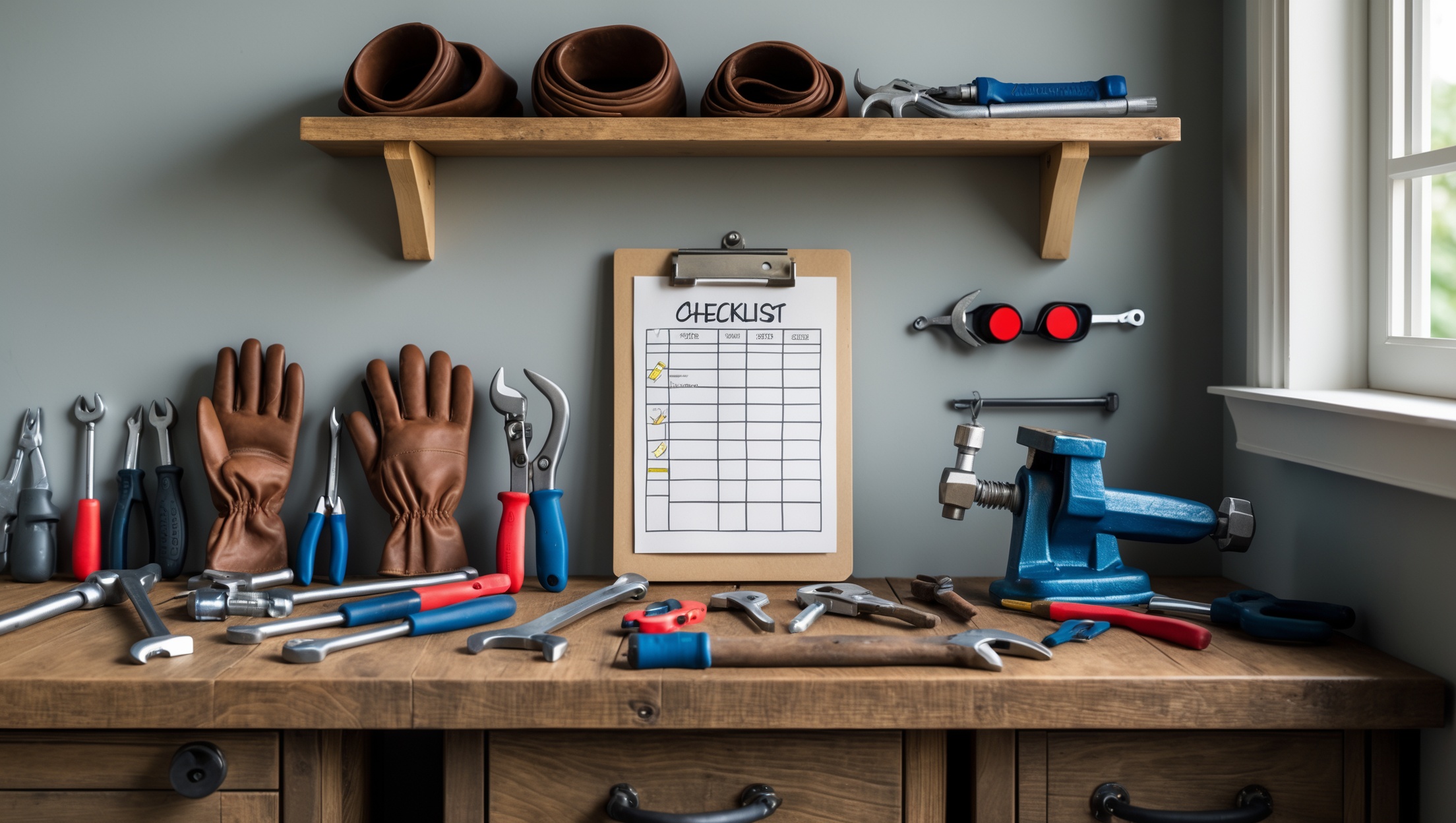
    Disputes over invoice details are fairly common in plumbing, often due to missing information or unclear descriptions. To avoid this, we use a simple checklist: confirm client contact info, list all services and parts with detailed descriptions, ensure correct pricing, include payment terms, and double-check dates and totals. Reviewing every invoice before sending helps catch small errors and speeds up payment.

Ashley Brown

Could you give examples of what types of specific disclosure statements might legally be required on a plumbing invoice in different US states?

    Mario The Plumber

    Some states require specific disclosures on plumbing invoices. For example, California often requires contractors to include license numbers and a statement about a consumer’s right to cancel within three business days. Texas may require a notice that the plumber is licensed by the state. Florida sometimes mandates including a lien law notice if payments are made on credit. It’s best to check with your state’s contractor licensing board to see which disclosures are legally necessary in your area.

Rachel Lopez

If I make a mistake on an invoice after sending it to a client, what’s the best way to correct it while keeping things clear and professional—and does that impact how fast I get paid or the legal validity of the invoice?

    Mario The Plumber

    If you spot a mistake on a sent invoice, promptly issue a new, corrected invoice marked as ‘Revised’ or ‘Corrected.’ Clearly reference the original invoice number and explain the change to your client. Sending a correction quickly helps maintain trust and avoids payment delays. As long as you communicate openly, it usually won’t affect legal validity or payment speed.

Jennifer Davis

How often do late payments occur due to incomplete invoices, and are there any tools or templates you suggest to help ensure all essential invoice elements are consistently included?

    Mario The Plumber

    Late payments from incomplete invoices are quite common, as missing details like dates, contact information, or itemized charges can slow down approval and processing. To avoid this, consider using invoicing software or templates that have built-in checks for required fields. Many tools let you save templates with all the essentials, so you don’t forget anything when creating new invoices.

Michelle Brown

When you mention that digital invoices can speed up payment compared to paper, do you recommend any specific invoicing software that works well for plumbers just starting out?

    Mario The Plumber

    For plumbers just starting out, user-friendly invoicing software like Jobber, Housecall Pro, and FreshBooks tend to work well. They let you create, send, and track digital invoices on the go—plus, you can often accept online payments, which helps you get paid faster. Most of these tools offer free trials, so you can see which one fits your needs best.

Sarah Taylor

How often should I update my invoice template to cover new local taxes or disclosure rules? Have you experienced any issues from using outdated templates that didn’t match current compliance standards?

    Mario The Plumber

    It’s wise to review your invoice template at least once a year, or whenever you learn of new local tax laws or disclosure requirements. Outdated templates can cause payment delays or even legal trouble if they miss required information. Some plumbers have faced rejected invoices or penalties for not staying current, so keeping your template updated is important for smooth payments.

Susan Martinez

You mentioned digital vs. paper invoicing—have you noticed if customers tend to pay faster with one method over the other? I’m considering switching fully to digital, but a few of my regulars still seem to prefer paper invoices.

    Mario The Plumber

    In general, digital invoices do tend to get paid faster than paper ones, mainly because they’re delivered instantly and often include convenient online payment options. However, since some of your regular customers still prefer paper, you might consider offering both methods for now. This way, you can cater to everyone while gradually encouraging digital payments for those open to it.

Ashley Williams

Could you clarify what specific details you recommend including in the job description section of an invoice to make sure there’s no room for confusion or misunderstanding?

    Mario The Plumber

    In the job description section, it’s best to list the exact plumbing tasks performed, specify locations (like kitchen sink or bathroom), mention the materials or parts used, and note any relevant time spent on each task. Also, include details about warranties or follow-up services if applicable. This level of detail helps avoid any confusion and makes it clear to the customer what work was completed.

James Lopez

I’m curious about handling line items—should I break down every part and labor cost separately for clarity, or will that overwhelm customers? What balance have you seen work well for plumbing invoices?

    Mario The Plumber

    Breaking down costs into clear line items is generally appreciated by customers, as it helps them understand what they’re paying for and builds trust. However, you don’t have to list every tiny part individually. A balanced approach is to group similar parts together (like ‘pipe fittings’ or ‘valves’) and specify labor charges by task or hour. This keeps invoices transparent but easy to read.

John Ramirez

If a client disputes a line item on a clear and detailed invoice, what’s your recommended approach to resolving the issue while maintaining a positive relationship? Is there language you suggest including to help avoid misunderstandings?

    Mario The Plumber

    If a client disputes a line item, start by listening carefully to their concerns and reviewing the invoice details with them. Stay professional and open to discussion, offering to provide further explanation or documentation if needed. To help avoid misunderstandings, consider adding language to your invoices such as: ‘Please review all charges and contact us within 7 days with any questions or concerns.’ This sets expectations and encourages clear communication.

Michelle Perez

I’m a little confused about what details should go into the ‘professional branding’ for an invoice. Do I really need a logo and color scheme, or is clear contact info enough for a small one-person plumbing business?

    Mario The Plumber

    For a solo plumbing business, clear contact information is definitely the most important part of professional branding on your invoice. While a logo and color scheme help you look more polished and memorable, they are not absolutely necessary. If you want to keep things simple, just focus on making your business name, phone number, and email easy to find and read. You can always add branding elements later as your business grows.

Ashley Martin

Can you give more details on whether digital invoices are actually faster for getting paid compared to paper ones? I’m trying to keep my costs down and not sure if it’s worth setting up a digital invoicing system yet.

    Mario The Plumber

    Digital invoices are generally processed and paid faster than paper ones because they reach customers instantly and often include easy payment options. Many clients respond quicker to digital reminders, reducing the wait time. While there may be a small upfront cost or learning curve, the time saved and quicker payments can offset those expenses over time. If most of your customers use email or online payments, digital invoicing is likely worth the switch.

Aaron Robinson

I’m just starting to do some small plumbing jobs on the side, and I want to make sure my invoices look professional. How do I know what the legal requirements are for invoices in my specific state? Is there a checklist I should follow?

    Mario The Plumber

    To make sure your invoices meet legal requirements in your state, check your state’s small business or tax authority website for specific guidelines. Generally, invoices should include your business name, contact details, customer information, a clear description of the work, itemized charges, total amount, and payment terms. For added peace of mind, consult a local accountant or business advisor to confirm you’re covering all legal requirements.

Brian Jones

You mentioned that branding and clear line items help with getting paid faster. Have you found it makes a difference if you include detailed labor and material breakdowns, or do customers ever complain about too much detail in the invoice?

    Mario The Plumber

    Including detailed labor and material breakdowns generally leads to fewer disputes and faster payments, as customers appreciate knowing exactly what they’re being charged for. Most customers value transparency and rarely complain about too much detail. However, it’s best to keep descriptions clear and concise so the invoice stays easy to read without overwhelming the customer.

Charles Lopez

If I want to speed up payments, do you have any tips on what terms or details I should highlight within the invoice besides basic line items and branding?

    Mario The Plumber

    To encourage faster payment, make sure your invoice highlights the payment due date in bold or a clear color. Specify accepted payment methods and add late fee policies if applicable. You can also include a short, polite note thanking the customer and reminding them that prompt payment helps keep projects on track. Clear contact details for questions can also speed things up.

Susan Robinson

When it comes to branding the invoices with my logo and colors, do you think it really makes a difference in how quickly clients pay, or is that more about building a professional image?

    Mario The Plumber

    Branding your invoices with your logo and colors mainly helps reinforce your professional image and makes your business look more trustworthy and established. While it might not directly speed up payments, clients are more likely to take a well-branded invoice seriously, which can encourage prompt payment. Clear layout and detailed information matter most for fast payments, but a professional look definitely supports your reputation.

Richard Martin

When it comes to digital versus paper invoices, which method is typically faster for getting paid, and are there any risks with going completely digital for a small plumbing business?

    Mario The Plumber

    Digital invoices are usually faster for getting paid since they can be delivered instantly and often include convenient online payment options. However, going fully digital does come with some risks, such as potential technical issues or clients who prefer paper. It’s a good idea to check with your clients first and ensure your digital systems are secure and regularly backed up.

Richard Williams

When you mention that there are legal and compliance requirements depending on location, could you give an example of what specific tax details or disclosure statements might need to be included on a plumbing invoice in the US?

    Mario The Plumber

    In the US, plumbing invoices often need to include itemized sales tax rates and amounts, especially if your state requires sales tax on labor or materials. Some states may also require your business license number or contractor license number on every invoice. Additionally, certain localities might require a disclosure statement about warranties or customer rights. It’s a good idea to check both state and local regulations to ensure your invoices are compliant.

Megan Smith

Can you give an example of how line items should be listed for a typical plumbing repair, just so I’m clear on what details I need to include to avoid payment disputes?

    Mario The Plumber

    Certainly! For a typical plumbing repair, list each task or part separately. For example: 1) Labor – Leak repair in kitchen sink (2 hours), 2) Replacement part – Faucet cartridge, 3) Service call fee. Include a brief description for each item, quantity, unit price, and total cost. Being clear and detailed helps prevent confusion and payment issues.

Sandra Harris

If a customer disputes something on the invoice, what are the best steps to resolve it quickly and protect the plumber’s reputation? Is there a recommended way to document work in advance to help avoid conflicts?

    Mario The Plumber

    If a customer disputes an invoice item, respond promptly and listen carefully to their concerns. Review all relevant documentation, such as work orders, photos, and itemized lists of services. To prevent conflicts, it’s best to document work in advance by providing detailed estimates, getting customer approval before starting, and taking before-and-after photos. Keep clear records of communications and agreements to help resolve any misunderstandings quickly and protect your reputation.

Emily Smith

You mentioned digital versus paper invoices as options. As a parent who is always on the go, is there a digital invoicing tool you’d recommend that makes billing quick and easy but still looks professional?

    Mario The Plumber

    If you’re often on the move, apps like Invoice2go or QuickBooks offer user-friendly interfaces for creating professional invoices right from your phone. Both let you customize templates, send bills instantly, and even track payments, so you can manage your billing without sacrificing time with your family.

Ashley Martin

Once I’ve sent out a clear, professionally branded invoice, what are some effective follow-up steps if a client still hasn’t paid on time? Are there any best practices that won’t damage the customer relationship?

    Mario The Plumber

    If a client hasn’t paid on time, start by sending a polite reminder a few days after the due date. Keep your tone friendly and understanding. If there’s still no response, follow up with a phone call to discuss any possible issues. Offer flexible payment options if possible, and document all communications. Consistency, patience, and professionalism help maintain a positive relationship while ensuring you get paid.

Jennifer Jones

I’m a parent running a small plumbing business from home and sometimes my invoices get overlooked or paid late by busy customers. Are there any tips in your guide for highlighting payment terms clearly enough so people don’t miss them, especially when I send digital invoices?

    Mario The Plumber

    Absolutely, the article suggests placing payment terms in a bold or highlighted section near the top of your invoice so they’re immediately visible. For digital invoices, use clear fonts and possibly color to draw attention to due dates and accepted payment methods. Also, consider adding a short payment reminder message in the email body when you send the invoice.

Diane Miller

You talk about the benefits of digital versus paper invoices. Is one generally faster for getting paid, or does it mostly depend on what my customers prefer? I’m trying to simplify my process but still want to meet client expectations.

    Mario The Plumber

    Digital invoices are usually faster for getting paid because they can be sent and received instantly, and often include online payment options. However, some clients may still prefer paper invoices, so it’s a good idea to check with your customers. If most are comfortable with digital, switching can simplify your process and speed up payments, but offering both options keeps everyone happy.

Matthew Lopez

Could you go into more detail about what licensing information needs to be included on a plumbing invoice to make sure we’re staying compliant in the US? I want to make sure I’m not missing anything that could get me in trouble.

    Mario The Plumber

    On a plumbing invoice in the US, you should include your business name, your plumbing license number, and the state or municipality that issued the license. Many states require the license holder’s name to appear as it does on the official record. Some areas also require the expiration date of the license. Double-check your state and local regulations, as requirements can vary. Including this info helps prove you’re operating legally and can prevent issues with inspections or payment disputes.

Tyler Ramirez

If I’m mostly using digital invoices but occasionally need to provide a paper copy for some older clients, do you recommend a specific approach to make sure the format and information are consistent across both versions?

    Mario The Plumber

    To keep your digital and paper invoices consistent, use a template in a word processor or invoicing software, then print paper copies directly from that. Always double-check that all the required details—like your business info, itemized services, and payment terms—appear clearly on both versions. This way, every client receives the same professional and accurate invoice.

Matthew Lewis

I’m just starting to take side plumbing jobs, and I’m a bit confused about what counts as a legal requirement on an invoice. Can you give specific examples of compliance issues that might trip up someone working in the US?

    Mario The Plumber

    In the US, invoices often need to include your business name, address, and contact info, a unique invoice number, date of issue, a clear breakdown of services provided, and the total amount charged. Be sure to collect and list any applicable sales tax where required by your state. Missing these basics can cause problems if you’re audited or if a client needs detailed records for tax or warranty purposes.

Joseph Wilson

I’m curious about branding on invoices—how much does it really affect whether or not I get paid quickly? Is adding a logo and professional design actually worth the extra time and money for a small plumbing business?

    Mario The Plumber

    Branding your invoices with a logo and a clean, professional design can actually make a noticeable difference, even for small plumbing businesses. It helps your business appear more trustworthy and established, which encourages clients to pay promptly. While it might take some extra time or a small investment upfront, the improved perception often leads to faster payments and repeat business, making it worthwhile in the long run.

Kevin Jones

How can I make sure my invoice clearly distinguishes between labor charges and material costs so my clients have full transparency without making the bill look cluttered?

    Mario The Plumber

    To keep your invoice clear and transparent, use separate line items for labor and materials. Create distinct sections labelled ‘Labor Charges’ and ‘Material Costs,’ with each item listed beneath its category. Use a simple layout with consistent fonts and spacing so the invoice remains easy to read and professional, but not cluttered. This way, clients can quickly see what they’re paying for without confusion.

Diane Sanchez

For independent plumbers who do both residential and commercial work, are there any differences in what needs to be included on invoices for each type of client?

    Mario The Plumber

    For independent plumbers, the core invoice elements are usually the same for both residential and commercial clients—things like contact details, itemized services, costs, and payment terms. However, commercial invoices may need extra details such as purchase order numbers, tax IDs, or specific project references, depending on the client’s requirements. It’s a good idea to confirm with each commercial client if they have specific invoicing guidelines.

Sean Robinson

What digital invoicing platforms do you recommend for plumbers who want to include their business branding but also need to make sure the invoice meets legal standards?

    Mario The Plumber

    For plumbers wanting both customization and compliance, consider platforms like QuickBooks, FreshBooks, or Jobber. These allow you to add your business logo, colors, and contact info, while also providing templates that include all legally required details like invoice numbers, tax information, and payment terms. They’re widely used in the trades and help ensure your invoices look professional and meet legal standards.

Michael Taylor

When hiring a plumber for a bigger job, like a bathroom remodel, is it common to get several smaller invoices over the course of the work, or should we expect one clear bill at the end? What’s the best practice here to avoid payment issues?

    Mario The Plumber

    For larger jobs like bathroom remodels, it’s quite common for plumbers to provide multiple invoices—often tied to project milestones, materials delivered, or stages completed. This method helps both parties track progress and payments. The best practice is to agree in advance on a payment schedule and have everything clearly detailed on each invoice, so you avoid misunderstandings and keep the project on track.

Anthony Moore

I sometimes run into disputes over what work was included, even with itemized invoices. Are there best practices for describing services and charges to reduce the chances of pushback from customers?

    Mario The Plumber

    To minimize disputes, use clear, specific language when listing services—avoid jargon and spell out exactly what was done, including quantities, locations, materials, and any exclusions. Adding brief descriptions under each line item helps clarify the work completed. You might also include before-and-after notes or photos if possible, and reference any agreements made with the customer. This level of detail makes misunderstandings less likely.

Anthony White

Could you clarify what kind of disclosure statements might be required on a plumbing invoice? I want to make sure I’m meeting all the legal requirements but am unsure what exactly to include beyond the basic charges and my business info.

    Mario The Plumber

    On a plumbing invoice, you may need to include disclosure statements such as your business license number, warranty information for work provided, a clear payment terms statement (like payment due date or late fee policy), and any required consumer rights notices mandated by your local or state laws. Some areas also require a statement about a customer’s right to cancel within a specified timeframe. Check your local and state regulations to see which disclosures apply to you.

David Martin

After sending a clear, detailed invoice, what steps do you recommend if a customer still disputes a charge or delays payment? Is there a process that helps resolve these situations quickly while protecting the business relationship?

    Mario The Plumber

    If a customer disputes a charge or delays payment, start by communicating calmly and openly—ask for their concerns and provide documentation supporting the charges. Try to resolve misunderstandings directly and, if needed, offer a payment plan. If issues persist, consider sending polite payment reminders, then a formal demand letter. Keeping communication professional throughout helps maintain the business relationship while encouraging prompt resolution.

William Lee

For plumbers working solo, what’s the simplest way to keep invoicing efficient without missing any required elements, especially during busy seasons when administrative time is limited? Any specific checklist or tools you’d suggest?

    Mario The Plumber

    For solo plumbers with limited admin time, using an invoicing app like Invoice2go or QuickBooks is a great option—they let you create and send invoices quickly from your phone, and most have built-in templates that cover all the essentials. As a basic checklist, include your business info, customer details, job description, itemized costs, payment terms, and due date on every invoice. This helps ensure nothing important gets overlooked even during busy periods.

Joshua Harris

If I work with both residential and commercial clients, do you recommend using the same invoice format for both, or are there best practices for customizing invoices depending on the client type?

    Mario The Plumber

    Customizing your invoices for residential and commercial clients is a smart move. Commercial clients often need more detail, such as purchase order numbers, tax information, or itemized service breakdowns, whereas residential invoices can usually be simpler. Adjusting your format for each client type helps ensure clarity, speeds up approvals, and shows attention to their specific needs.

Anthony Perez

Could you clarify what you mean by ‘specific disclosure statements’ for plumbing invoices? I’m not sure what kind of statements are required or where to find examples relevant to my business.

    Mario The Plumber

    Specific disclosure statements on plumbing invoices usually refer to required legal or regulatory information, such as warranty terms, cancellation rights, or licensing numbers. These statements inform your customer about their rights and your obligations. Requirements can vary by location, so it’s best to check your local plumbing board or business authority for sample wording or mandatory disclosures. Including these on your invoices helps avoid misunderstandings and keeps your business compliant.

Megan Johnson

You mentioned that invoices need to include certain legal and compliance information depending on location, like tax details and licensing. How can plumbers figure out exactly what’s required in their area to avoid missing anything important on their invoices?

    Mario The Plumber

    To make sure their invoices meet local requirements, plumbers should check with their city or state licensing board, as well as their tax authority. These organizations usually provide clear guidelines on what legal details, tax information, and licensing numbers must be included. It’s also helpful to consult a local accountant or legal advisor familiar with service industry regulations to double-check that nothing is missed.

Charles Martin

My plumbing business is just me and I’m still using old paper invoices. Do you think switching to digital invoices really speeds up payments for smaller operations, or is it more of a benefit once you start getting bigger?

    Mario The Plumber

    Switching to digital invoices can absolutely help smaller, one-person plumbing businesses get paid faster. Digital invoices are easier to send right after a job, and customers can pay online more conveniently. Even for a solo operation, this means less paperwork, fewer delays, and a more professional impression, which can lead to quicker payments—even before your business grows.

Aaron Ramirez

I noticed the article highlights digital vs. paper invoicing options. Are there situations where paper invoices are still preferable, or is going digital always the better choice for plumbing businesses these days?

    Mario The Plumber

    Paper invoices can still be useful for certain plumbing businesses, especially if you often work with clients who prefer traditional methods, have limited internet access, or need a physical copy for their own records. However, digital invoicing usually speeds up payment, reduces paperwork, and makes tracking easier. Some businesses use both methods, depending on the client’s preference and situation.

Ashley Brown

Do you have any tips for handling disputes if a client suddenly questions the invoice after the job is done, especially if all the essential details are already included as you suggested?

    Mario The Plumber

    If a client disputes an invoice after the job is done, first review the invoice together and calmly address each concern they raise. Provide any supporting documentation, like signed work orders or photos of the completed job. Clear communication is key—listen to their perspective, clarify any misunderstandings, and document your conversation. If possible, offer a fair compromise to resolve the issue quickly and maintain a good client relationship.

James Gonzalez

For someone who’s not great with computers, is there a straightforward way to make invoices look professional without complicated software? Would using handwritten paper invoices put me at a disadvantage, or are there easy digital tools for beginners?

    Mario The Plumber

    You don’t have to be a tech expert to create professional-looking invoices. There are beginner-friendly digital tools like simple invoice templates in Word or Excel, which you can fill in and print or email. These look more polished than handwritten invoices and are easy to update. Handwritten invoices may look less professional to clients and can be harder to track, so using basic digital templates is a good step up without needing complicated software.

Christopher Johnson

You talk about the benefits of digital versus paper invoices, but are there situations where paper invoices are better, or should plumbers fully switch to digital for faster payment?

    Mario The Plumber

    Paper invoices can still be useful in certain situations, such as when working with clients who are not comfortable with technology or in areas with unreliable internet access. However, digital invoices generally speed up payment and reduce errors. If most of your clients are comfortable with email or online systems, switching mainly to digital is likely the best choice for efficiency, but keeping paper as a backup can be helpful.

Michelle Lewis

I’m just starting to do some small plumbing jobs on the side, and invoicing is totally new to me. You mentioned legal requirements that depend on location—how can I find out what specific info needs to be included for my state in the US?

    Mario The Plumber

    To find out the legal requirements for invoices in your state, check your state’s official business or tax authority website for small business invoicing guidelines. You can also contact your local chamber of commerce or a small business advisor. Typically, you’ll need details like your business name, tax ID, and a breakdown of services, but some states may require additional information such as licensing numbers or specific tax details.

Lisa White

I noticed you talked about digital versus paper invoices. From a customer’s perspective, are there any advantages or disadvantages to requesting a digital invoice instead of a paper one when working with a plumber?

    Mario The Plumber

    Requesting a digital invoice usually means you’ll receive your bill faster, and it’s easier to keep records since you can store or search for it on your devices. Many find this more convenient than paper. However, if you prefer having a physical copy or don’t use email often, a paper invoice might suit you better. It really comes down to your personal preference and how you like to manage your paperwork.

Nancy Martin

Managing both technical work and paperwork can be overwhelming. Do you have any advice for staying on top of invoicing admin tasks, especially for parents juggling busy home schedules with a plumbing business?

    Mario The Plumber

    Balancing family life and running a plumbing business is a real challenge. Try setting aside a dedicated time each week, like Sunday evenings, to handle invoicing so it doesn’t pile up. Using invoicing software can also save time by automating reminders and making templates. If possible, involve family members in lighter tasks or consider hiring part-time admin help during your busiest periods.

Donna Wilson

If I’m an independent plumber just starting out, what’s the minimum information I need to include on an invoice to make sure I get paid fast and avoid disputes? Sometimes jobs are small, so I’m wondering if there’s a streamlined checklist for basic billing.

    Mario The Plumber

    For small plumbing jobs, keep invoices clear and simple. At minimum, include your business name and contact info, the customer’s name and address, the date of service, a brief description of the work done, itemized costs (labor and parts), the total amount due, and your preferred payment methods. Adding payment terms (like due date) also helps avoid confusion.

Rachel Taylor

If a plumber is just starting out and doesn’t have a logo or strong branding yet, what’s the minimum they should focus on to make their invoices look professional and avoid payment delays?

    Mario The Plumber

    Even without a logo or established branding, a plumber can create professional invoices by making sure they are clear and detailed. List your full name or business name, contact details, customer’s information, a unique invoice number, the date, and a complete breakdown of services and charges. Specify payment terms and methods. A clean, well-organized layout with all the essential information helps you look professional and speeds up payment.

Nathan Lee

I’m just starting out with my own plumbing work at home and making invoices feels overwhelming. Could you give an example or checklist of exactly what legal details and licensing info I’d need to put on an invoice if I’m working in California?

    Mario The Plumber

    For California, your invoice should include your business name, address, and contact info, as well as your California contractor license number if you’re required to be licensed. Include the customer’s name and address, a unique invoice number, date of service, a clear description of the work, itemized charges, total amount due, and payment terms. If you have a business tax ID or local business license, add those too. This helps ensure your invoice is both professional and compliant.

William Williams

If I accidentally leave a detail off my invoice, like a tax line or my license number, what’s the best way to fix that after I’ve already sent it to a customer?

    Mario The Plumber

    If you notice a missing detail after sending your invoice, the best approach is to issue a corrected invoice as soon as possible. Clearly mark it as a revised version and include all required information, like the tax line or license number. Let your customer know about the update so there’s no confusion, and keep a record of both versions for your files.

Diane Thomas

Could you elaborate on the pros and cons of digital versus paper invoices for smaller plumbing operations? I’m curious if digital options really help speed up payment or if traditional paper invoices are still effective for some customers.

    Mario The Plumber

    Digital invoices usually help speed up payments because they can be sent instantly, include payment links, and are easy to track. They also reduce paperwork and errors. However, some customers—especially those who aren’t tech-savvy—may still prefer paper invoices, which can feel more personal but take longer to deliver and process. For many small plumbing businesses, offering both options based on customer preference works best.

Betty Lewis

If a plumber is just getting started and has a limited budget, what are the most essential items to include on invoices to still appear professional and avoid payment delays?

    Mario The Plumber

    For a new plumber on a tight budget, focus on including your business name and contact details, the customer’s information, a clear description of services provided, each item’s cost, total amount due, invoice date, and payment terms. These basics make your invoice look professional and help ensure you get paid promptly, even without fancy software.

Emily Johnson

Sometimes my customers question certain line items or charges on their bills. What are some clear ways to itemize parts and labor on my invoices to avoid disputes and speed up payment?

    Mario The Plumber

    To minimize confusion and disputes, list each part separately with a brief description, quantity, and price. For labor, specify exact tasks (like ‘replace faucet’ or ‘diagnose leak’), the hours spent on each, and your hourly rate. Group materials and labor in clearly labeled sections. You can also add short notes explaining any special charges. This detailed breakdown makes your invoices transparent and builds trust with customers.

William Davis

I’m just starting out, so I’m wondering how much time I should budget for creating and sending invoices each week. Do you have any tips for keeping the process quick, especially when handling jobs back-to-back?

    Mario The Plumber

    For someone just starting out, budgeting around 30–60 minutes per week for creating and sending invoices should be enough, especially as you get used to the process. To save time, use invoice templates with pre-filled fields and keep a list of your common services and rates handy. After each job, jot down details right away so everything’s fresh when you write the invoice. Batch your invoicing at the end of each day or week to streamline the process further.

Charles Williams

I’m curious about your thoughts on digital versus paper invoices. Are there particular situations where paper invoices are still better, or is it best to go digital from the start for plumbing businesses?

    Mario The Plumber

    Digital invoices are generally more efficient and faster for both plumbers and customers, making it easier to track payments and send reminders. However, paper invoices can still be helpful when working with clients who aren’t comfortable with technology or in remote areas with unreliable internet access. For most plumbing businesses, starting with digital is ideal, but keeping paper invoices as a backup can be practical in certain situations.

Elizabeth Johnson

Could you elaborate on what specific legal or compliance requirements are most commonly overlooked by plumbers when creating invoices, and what the consequences of missing those might be?

    Mario The Plumber

    Plumbers often overlook including their business license number, clear payment terms, and detailed descriptions of services on invoices. They might also forget to add tax information if required. Missing these details can lead to payment disputes, fines, or issues with tax authorities. It’s important to check local regulations to ensure compliance and avoid legal or financial trouble.

Betty Perez

In situations where a client disputes a charge because the invoice details weren’t clear enough, what steps do you recommend to resolve the issue and prevent future misunderstandings, based on your invoicing guidelines?

    Mario The Plumber

    If a client disputes a charge due to unclear invoice details, start by reviewing the invoice together and clarifying any confusing items. Address their concerns and correct mistakes if needed. For future invoices, always provide detailed descriptions of services, itemized costs, and payment terms. It also helps to send the invoice promptly and confirm receipt, so clients can ask questions early on and misunderstandings are minimized.

Susan Lopez

Could you give more examples of what kind of legal requirements might apply to plumbing invoices in different states? I’m interested in what specific tax details or disclosure statements need to be included to stay compliant.

    Mario The Plumber

    Legal requirements for plumbing invoices can vary by state. For example, some states require your contractor license number to appear on every invoice. In California, invoices must include detailed labor and material charges and a notice about the right to cancel for residential jobs. Tax rules also differ—some states require itemized sales tax while others exempt certain services. Make sure to include your business address, customer information, and any mandatory disclosure statements, such as warranty details or lien notices, as required locally. It’s always best to check your state’s contractor board or tax authority for specific rules.

Christopher Perez

When you talk about listing every line item for clarity, does that mean I should separate out labor and each material cost, or is it okay to group things together for simpler jobs?

    Mario The Plumber

    For maximum clarity, it’s best to separate out labor and each material cost—even on simpler jobs. This helps your clients understand exactly what they’re paying for and can prevent confusion or disputes. However, if the job is truly simple and the client prefers it, you can group minor materials together, but always keep labor as a separate line item.

Sandra Perez

The article mentions that invoices need to meet specific legal and compliance requirements, which can vary by location. How do plumbers typically stay updated on these changing requirements, and are there resources you’d recommend for someone just starting out in the business?

    Mario The Plumber

    Plumbers usually keep up with legal and compliance changes by joining local trade associations, attending workshops, or subscribing to industry newsletters. Many also consult with accountants or use invoicing software that updates automatically for local laws. For someone starting out, reaching out to your regional plumbing association or a small business development center is a great way to get area-specific guidance and recommended resources.

Diane Hernandez

Could you clarify what information has to be included on each line item to avoid confusion? For example, if there were extra charges for emergency service, should that be a separate line or just noted in the description?

    Mario The Plumber

    Each line item should clearly state the specific service or product provided, its quantity, unit price, and total cost. For extra charges like emergency service, it’s best to list them as separate line items rather than just noting them in a description. This keeps everything transparent and makes it easier for your customer to understand exactly what they’re being billed for.

Helen Taylor

When creating invoices with my business logo and branding, what’s the most cost-effective way to make them look professional if I don’t have a big budget for design software or printing?

    Mario The Plumber

    You can use free online tools like Canva or Google Docs to create professional-looking invoices with your logo and brand colors. These platforms offer customizable invoice templates that are easy to edit and don’t require any design experience. For printing, use standard white paper and a quality home printer to keep costs low, or send invoices digitally to save on printing altogether.

Aaron Garcia

If a client disputes a charge because they claim something wasn’t clear, what specific parts of the invoice tend to cause the most confusion? Are there tips for wording line items or terms so my customers always understand what they’re being billed for?

    Mario The Plumber

    Clients often get confused by vague line item descriptions, unclear labor or material charges, and ambiguous payment terms. To avoid disputes, be specific with your wording—detail what tasks were performed, list materials with quantities, and use simple language for any fees or taxes. Make sure payment terms and due dates are easy to find and straightforward. Always double-check that your invoice addresses match the work site and the client’s name.

David Jones

Can you clarify what specific legal requirements plumbers in the US should look out for when creating invoices? I want to make sure my invoices are fully compliant but those details always seem complicated.

    Mario The Plumber

    When creating plumbing invoices in the US, include your business name, address, and contact info, as well as the customer’s details. Clearly list services provided, itemized costs, total amount due, and payment terms. Many states require your contractor’s license number on invoices, so check your local regulations. Also, keep copies for your records to meet IRS requirements. If you charge sales tax, include the applicable tax rate and amount. Local rules can vary, so verify with your state licensing board for any additional requirements.

Barbara Lopez

Could you give some examples of the ‘disclosure statements’ that might be required on plumbing invoices? I’m curious what kind of statements are considered necessary for legal protection.

    Mario The Plumber

    Disclosure statements on plumbing invoices usually cover things like warranty information, licensed contractor details, or payment terms. For example, you might include: ‘All work guaranteed for 12 months from invoice date,’ ‘Payment is due within 30 days of invoice,’ or ‘Plumbing services performed by a licensed contractor as required by state law.’ Local regulations may require specific wording, so it’s a good idea to check your area’s rules.

Susan Thompson

When you mention legal and compliance requirements for plumbing invoices, do these usually vary significantly from state to state? If I work in multiple states, how can I make sure my invoices always meet the right criteria?

    Mario The Plumber

    Yes, legal and compliance requirements for plumbing invoices can vary from state to state. Things like required license numbers, tax rates, and disclosure statements may differ. If you work across multiple states, check each state’s regulations or consult with a local accountant to ensure your invoices include all the necessary details for each location. Using invoicing software with customizable templates can also help you stay compliant.

George Perez

You mentioned digital vs. paper options for invoicing. In your experience, is there a big difference in how fast plumbers get paid when they use digital invoices compared to traditional paper ones?

    Mario The Plumber

    There is usually a noticeable difference in payment speed between digital and paper invoices. Digital invoices often get paid faster because they can be sent instantly, include easy online payment options, and provide automatic reminders. Paper invoices can take longer because of mailing delays and the need for manual handling. Most plumbers who switch to digital invoicing see quicker payments from their clients.

Kimberly Lopez

When it comes to digital versus paper invoicing, are there particular security or compliance issues plumbers should consider, especially when handling sensitive customer information?

    Mario The Plumber

    Digital invoicing does have its own security considerations, since customer data can be vulnerable to hacking or unauthorized access if not protected. Plumbers should use invoicing software that encrypts data and complies with privacy regulations like GDPR or local standards. Paper invoices, while not hackable, can be lost or seen by unauthorized people if not stored securely. Whichever method you choose, always handle and store sensitive information carefully to protect your customers’ privacy.

Elizabeth Lewis

How often do payment delays happen because of invoicing mistakes? Are there common errors first-time plumbers make when sending out bills that I should watch out for?

    Mario The Plumber

    Payment delays due to invoicing mistakes are fairly common, especially for new plumbing businesses. Common errors include missing or incorrect client details, unclear descriptions of work done, forgetting to include payment terms, or not itemizing costs clearly. Double-checking invoices for accuracy and clarity before sending them can help you get paid faster and avoid confusion.

Nancy Rodriguez

Can you clarify what exactly should be included for compliance if I do both residential and commercial plumbing jobs across state lines? I get confused about tax and licensing specifics.

    Mario The Plumber

    For invoices covering both residential and commercial work across state lines, always include your full business details, client info, project address, detailed service descriptions, itemized charges, and total. For compliance, make sure to add your current plumbing license numbers valid in each state, and clearly break down taxes according to each state’s regulations. It helps to check both local and state tax laws for every location you serve and update your invoice template as needed to stay compliant.

Kimberly Jones

I’m just starting out doing small plumbing repairs, and I’m a bit confused about what legal details I actually have to put on my invoices. Are there common requirements I should know about for someone in the US, like tax info or license numbers?

    Mario The Plumber

    For the US, your invoice should clearly include your business name, address, and contact information. If your state or city requires plumbers to be licensed, include your license number. List each service or part provided with prices, and add any applicable sales tax if your state requires it. Finally, include an invoice date, a unique invoice number, and the payment terms. Double-check local regulations for any extra requirements.

Charles Jones

The article mentions using either digital or paper invoices. As someone not very tech-savvy, is there a simple digital invoicing tool you would recommend that still looks professional for home plumbing projects?

    Mario The Plumber

    A good option for beginners is Invoice Simple, which is user-friendly and lets you create professional-looking invoices with minimal setup. You can fill in your job details and send invoices by email or print them out. Another easy choice is Wave, which also offers basic templates and straightforward features. Both are designed for small businesses and don’t require advanced computer skills.

Anthony Jackson

I’ve mostly used paper invoices up until now, but I’m thinking about switching to digital. In your experience, what are the biggest advantages and possible drawbacks of digital invoices for plumbing jobs?

    Mario The Plumber

    Switching to digital invoices can really streamline your workflow. They make it easier to track payments, reduce paperwork, and look more professional to clients. You can also send invoices instantly and get paid faster. On the downside, there might be a learning curve with new software, and you’ll need to ensure your digital records are backed up regularly. Overall, most plumbers find digital invoicing saves time and hassle in the long run.

Richard Perez

The guide talks about listing every line item in plain language for transparency. Sometimes, jobs get complicated and it’s hard to break down the bill without making it super long. How do you keep invoices clear but not overwhelming for the customer?

    Mario The Plumber

    When jobs are complex, group similar tasks or materials under clear headings instead of listing every tiny detail. For example, use sections like ‘Labor’, ‘Materials’, or ‘Fixture Installation’ to summarize work performed. You can always include a short description for each group, and add a note inviting the customer to ask for a more detailed breakdown if needed.

Matthew White

Do you have any recommendations or templates for how to list out labor and parts separately to keep things transparent for my customers?

    Mario The Plumber

    To keep invoices clear, list labor and parts in separate sections. For labor, include a description of the work, hours spent, and hourly rate. For parts, provide the item name, quantity, and price per item. This breakdown helps your customers see exactly what they’re paying for, which builds trust and avoids confusion.

Kevin Clark

When you’re listing out line items for a big job, how detailed should you get? Is it better to break down every part and labor task, or can some things be grouped together to keep the invoice from looking overwhelming?

    Mario The Plumber

    It’s best to find a balance between clarity and simplicity. Break down line items enough so your customer understands what they’re paying for—such as separating major parts and labor tasks—but you don’t need to list every minor item if it makes the invoice confusing. Group similar or less significant supplies together and clearly label each section, so the invoice remains professional and easy to follow.

Karen Martinez

The article mentions both digital and paper invoicing options. From your experience, do customers typically prefer emailed invoices, or do some still favor hard copies for plumbing services?

    Mario The Plumber

    Many customers now prefer emailed invoices for plumbing services because they’re quick and easy to access, and make digital payments simpler. However, some clients, especially older homeowners or businesses with specific accounting processes, may still request hard copies. It’s helpful to ask your customers about their preference and offer both options to accommodate everyone’s needs.

William Martin

I noticed the article mentioned both digital and paper invoices. For a solo plumber just starting out, is there a preferred option when it comes to getting paid faster and keeping records organized?

    Mario The Plumber

    For a solo plumber starting out, digital invoices are usually the better option. They let you send bills instantly, accept payments online, and automatically keep records, which saves time and reduces paperwork. Digital tools also make it easier to track who has paid and send reminders if needed, helping you get paid faster and stay organized.

George Martin

When listing line items on a plumbing invoice, is it better to be extremely detailed with each part and task, or can summarizing sections speed up the approval process without causing confusion?

    Mario The Plumber

    Summarizing sections on a plumbing invoice can work well as long as each summary is clear and covers all necessary details for the client to understand the charges. However, if you think clients might have questions or if the job involves complex work, being more detailed helps avoid confusion and speeds up approval. Tailor the level of detail to your client’s preferences and the scope of the job.

Megan Johnson

For someone just starting out, is it better to use digital invoices or stick with paper ones? Are there advantages or risks to going fully digital with all my billing?

    Mario The Plumber

    Switching to digital invoices can save you time, reduce paperwork, and help you track payments more easily, especially when you’re just starting out. Digital systems often let you set reminders and look more professional. Just make sure to use a reputable service to protect your client data. Paper invoices are fine, but they’re harder to organize and can get lost. Going digital is usually more efficient and reliable.

Linda Williams

Sometimes customers push back on line items because they think the charges are unclear. Do you have a favorite way to make your labor and material costs more transparent on invoices so there’s less chance for disputes?

    Mario The Plumber

    To make labor and material costs more transparent, I recommend breaking down each line item in detail. For labor, specify the exact hours worked, the hourly rate, and a brief description of what was done. For materials, list each item used, the quantity, and the unit price. This level of clarity helps customers understand charges and greatly reduces misunderstandings or disputes.

Kimberly Anderson

Do you have any recommendations for affordable invoicing tools that handle things like tax details and disclosures automatically? I’m trying to keep my overhead really low as I get my plumbing side business off the ground.

    Mario The Plumber

    For a plumbing side business with a tight budget, you might want to try invoicing tools like Wave or Zoho Invoice, which both offer free plans with features for tax calculations and customizable disclosures. They let you set up tax rates, automate invoice numbering, and add any legal or payment terms needed. These options help keep your invoicing professional without adding extra costs.

Betty Jackson

I’m just getting started with DIY plumbing projects and I didn’t realize invoices could require specific legal details depending on location. How can I find out what’s legally required on an invoice in my particular state?

    Mario The Plumber

    Each state can have its own rules for what needs to appear on a plumbing invoice, such as license numbers, tax information, or specific wording. The best way to find out your state’s requirements is to check your state government or contractor licensing board website. You can also contact your local small business association or a local accountant for guidance specific to your area.

Lisa Thomas

If a customer disputes a charge because they say the invoice was unclear, what’s the first step you recommend to resolve the situation quickly and protect the business legally?

    Mario The Plumber

    The first step is to review the disputed invoice alongside your original job documentation, such as quotes, work orders, and any communication with the customer. Contact the customer promptly to listen to their concerns and clarify each line item. Document this conversation and any agreement reached. This helps resolve misunderstandings quickly and creates a clear record to protect your business if the dispute escalates.

Rachel Garcia

If an invoice is missing something like a tax ID or license number, what’s the best approach to correct this mistake once the invoice has already gone out to the customer? I want to fix errors quickly without delaying payment.

    Mario The Plumber

    If an invoice you sent is missing important details like a tax ID or license number, the best approach is to promptly issue a corrected invoice. Clearly label it as a revised version and include a brief note explaining the update. Sending the corrected invoice right away helps avoid confusion, maintains professionalism, and ensures the customer has everything needed for timely payment.

Linda Anderson

How detailed does each line item need to be on a plumbing invoice? For example, if I replaced a part, should I list the specific part number and price, or is a general description good enough?

    Mario The Plumber

    Including specific details for each line item is very helpful for both you and your client. Listing the part name, part number, and price adds transparency and makes your invoice look more professional. A general description can work for smaller jobs, but for replacements, specifying the exact part used and its cost is the best practice. This can help avoid confusion and makes it easier to address any future questions or warranty issues.

Jessica Miller

If a customer disputes a charge after I’ve sent out what I thought was a clear invoice, what’s the best way to handle it to protect my business and avoid damaging the relationship?

    Mario The Plumber

    If a customer disputes a charge, start by listening to their concerns calmly and review the invoice together. Check your records, such as work orders or communication logs, to clarify any misunderstandings. If an error was made, correct it promptly. If the charge is accurate, explain your process and provide documentation. Always stay professional and aim for a fair resolution, as this helps maintain trust while also protecting your business.

Nancy Clark

I always wonder about the legal requirements you mentioned for plumbing invoices, especially when it comes to tax details and disclosure statements. How can I double-check that my invoices meet all these standards if I work jobs across different states?

    Mario The Plumber

    To make sure your plumbing invoices comply with legal requirements across different states, review the specific tax rules and invoice disclosure statements required by each state where you work. Many state government websites provide checklists or sample invoices. Consider consulting a local accountant or a tax advisor familiar with your industry and locations, as they’ll know the latest requirements and can help you update your invoice template as needed.

Christopher White

Could you clarify what you mean by including ‘tax details’ on a plumbing invoice? Does that refer to sales tax, and how do I know if I need to charge it on my services in my area?

    Mario The Plumber

    Including ‘tax details’ on a plumbing invoice means showing any taxes you’re required to collect, such as sales tax or service tax, separately on the bill. Whether you need to charge sales tax depends on your local and state regulations, which can vary widely. It’s a good idea to check with your state’s tax authority or consult an accountant to determine if your plumbing services are taxable in your area.

Mark Taylor

Sometimes customers try to dispute charges after a repair job. What are the most effective line items or notes to include in a plumbing invoice to avoid confusion and protect yourself from these kinds of disputes?

    Mario The Plumber

    To help prevent disputes, make sure your invoice lists detailed line items for each service performed, including descriptions of work done, materials used, and time spent. Include clear pricing for both labor and parts. Adding notes about any warranty terms, payment deadlines, and customer approval or signature sections can also help. It’s useful to note any explanations given to the customer on-site, especially for unexpected repairs or changes, so everything is documented.

Karen Clark

How often do you recommend reviewing or updating invoice templates to ensure they remain compliant with changing local regulations and tax requirements?

    Mario The Plumber

    It’s a good idea to review and update your invoice templates at least once a year, or whenever you become aware of changes in local regulations or tax laws affecting your business. If your region experiences frequent rule changes, consider checking more often—perhaps every six months. Staying proactive helps ensure your invoices always meet legal requirements and avoid compliance issues.

George Gonzalez

Can you elaborate on what kind of disclosure statements I need to include in my invoices to stay compliant, especially when working with residential clients?

    Mario The Plumber

    For residential clients, it’s important to include disclosures about payment terms (like due dates and late fees), warranty or guarantee information, and a clear description of the work performed. Depending on your state or region, you may also need to disclose your licensing number and relevant consumer protection statements. Double-check your local regulations to ensure you include all required details—some areas have specific wording or notices you must use.

Anthony Jackson

If a plumber doesn’t use a professional-looking invoice with branding, does that signal any potential red flags for customers in terms of reliability or legal compliance? What should I look out for to avoid issues down the line?

    Mario The Plumber

    If a plumber uses a generic or unbranded invoice, it can sometimes be a warning sign about their professionalism or attention to detail. While not always the case, it may raise questions about their business legitimacy or legal compliance. To avoid issues, check that the invoice includes their full business name, contact details, ABN or license number, and a clear breakdown of services and costs. Always keep your own records and confirm the plumber is properly licensed and insured before starting work.

John Martin

When you say to spell out every line item and charge in plain language, how detailed should I get? For example, should I break out parts and labor separately even for a simple faucet replacement?

    Mario The Plumber

    Yes, it’s helpful to break out parts and labor separately, even for straightforward jobs like a faucet replacement. Listing each component and service, such as ‘faucet part’ and ‘installation labor,’ makes the invoice clearer for your customer. It also helps prevent confusion or disputes about charges, showing exactly what they’re paying for.

Robert Taylor

When starting out, what are some affordable tools or templates you would recommend to create invoices that include all the branding and compliance features you talked about? Is it necessary to invest in specialized software right away?

    Mario The Plumber

    You don’t have to invest in specialized software right away. Many plumbers starting out use free tools like Google Docs, Microsoft Word, or Excel, which offer customizable invoice templates where you can add your logo and branding. For compliance, just make sure your invoices include all legal details discussed in the article. As your business grows, you might consider inexpensive invoicing apps that offer more automation.

Matthew Thompson

The article suggests including every line item and charge in plain language. Sometimes my jobs get complicated—do you have tips for breaking down detailed service descriptions so they’re clear but not overwhelming for customers?

    Mario The Plumber

    For complicated jobs, group similar tasks together under clear headings like ‘Bathroom Repairs’ or ‘Pipe Installation.’ Use bullet points or short sentences for each step or part, focusing on what was done and why. Avoid technical jargon—describe work in simple terms, and only add extra details if they help the customer understand the value of your service.

Robert Thompson

Could you give some examples of what kind of disclosure statements might need to be added to a plumbing invoice? I want to make sure I’m not missing anything important that could lead to problems later on.

    Mario The Plumber

    Certainly! Common disclosure statements on plumbing invoices include warranty information for parts and labor, payment terms (such as due dates and late fees), a statement of work performed, and any exclusions or limitations of liability. You might also include licensing and insurance details, and a note about compliance with local regulations. These help protect both you and your customer and set clear expectations.

Joshua Rodriguez

I sometimes get confused by invoice terms myself as a customer. Could you give examples of plain language you recommend for listing charges and payment terms so there’s no confusion?

    Mario The Plumber

    Absolutely, using simple language helps everyone. For charges, you could list items like: ‘Toilet repair: $120’, ‘Parts: $40’, ‘Labor (2 hours): $60/hour’. For payment terms, try phrases like: ‘Please pay within 14 days’, ‘Late payments may be charged a $10 fee’, or ‘We accept cash, check, or card’. This way, customers know exactly what each charge is for and when payment is due.

George White

If I finish a job but don’t get an invoice out right away, is there a risk my client might delay payment or dispute charges? What’s the best timeframe to send invoices after completing a plumbing job?

    Mario The Plumber

    Yes, delaying your invoice can increase the risk of late payments or even disputes, as details of the job may fade from your client’s memory. It’s best to send your invoice as soon as possible—ideally the same day or within 24 hours of completing the plumbing job. This helps ensure you get paid quickly and reduces the chance of misunderstandings.

Michelle White

I noticed you mentioned both digital and paper invoice options. Is there a benefit to choosing one over the other? As a busy parent, I prefer digital for my own records but want to make sure that’s acceptable for payments and might not cause confusion.

    Mario The Plumber

    Digital invoices are widely accepted and often more convenient, especially for busy parents who want to track records easily. Most clients appreciate the ability to pay online and receive receipts quickly. Just make sure your digital invoices are clear and professional, with all payment details included, to avoid confusion. Paper invoices are still an option if a client specifically requests one, but digital is perfectly acceptable for most situations.

Richard Jones

If a customer does dispute a charge because of a misunderstanding on the invoice, what are the recommended steps to resolve it quickly while protecting your business from potential legal issues?

    Mario The Plumber

    If a customer disputes a charge, start by reviewing the invoice and all related documentation to ensure accuracy. Contact the customer promptly to listen to their concerns and clarify any misunderstandings. Clearly explain the charges, referencing your written estimates or agreements. If an error is found, issue a corrected invoice. If the invoice is accurate, politely reinforce your policies. Always document all communications and outcomes to protect your business in case of further disputes.

Sean White

If my plumbing business sometimes works on both residential and commercial jobs, should I create different invoice templates for each, or is it better to use the same format and just adjust line items as needed? The article mentions compliance, and I want to make sure I am not missing anything.

    Mario The Plumber

    It’s usually fine to use a single invoice template for both residential and commercial jobs, as long as your template allows you to easily adjust line items and details for each job type. Just make sure your invoice includes all required information—like business details, clear descriptions, and tax information—to meet compliance standards for both types of clients. If commercial clients have specific requirements (such as PO numbers or additional terms), you might consider a separate template for those situations.

Thomas Lewis

When listing line items for a plumbing job, how detailed should each description be? Sometimes my clients get confused by the technical terms, so I’m wondering how much explanation is ideal for clarity.

    Mario The Plumber

    Aim for clear, simple descriptions that avoid jargon whenever possible. Each line item should state what was done or provided, along with quantities and costs. For example, instead of ‘replace P-trap,’ you might write ‘Replaced bathroom sink drain pipe.’ If a technical term is necessary, add a brief explanation in parentheses. This helps your clients understand what they’re paying for and reduces confusion.

James Sanchez

Regarding professional branding, what budget-friendly tools or templates would you suggest for solo plumbers who want their invoices to look polished but don’t have time or money for custom designs?

    Mario The Plumber

    For solo plumbers on a budget, using free or low-cost tools like Canva or Google Docs is a great way to create polished invoices. Both offer customizable templates where you can add your logo, contact details, and choose professional layouts. Microsoft Word also has built-in invoice templates. These options save time and give your invoices a branded, professional appearance without needing a custom designer.

Diane Smith

I’m concerned about accidentally missing something customers might dispute later. Are there certain line items or details that DIY homeowners frequently forget to include on their invoices?

    Mario The Plumber

    Homeowners often forget to include specific details like a breakdown of labor and material costs, warranty terms, payment due dates, and a clear job description. It’s also common to omit taxes or disposal fees. Always itemize each service and part used, specify the work location, and note any special agreements or exclusions. This helps prevent disputes and keeps your invoices transparent.

Mark Thomas

Could you clarify what specific legal requirements are typically needed on plumbing invoices in different states? I want to make sure I’m compliant, especially regarding tax and licensing details.

    Mario The Plumber

    Legal requirements for plumbing invoices can vary by state, but most commonly, you’ll need to include your business name, address, contact information, and contractor license number. Many states also require tax information, like your tax ID or sales tax collected, if applicable. Some areas may require a breakdown of labor and material costs. It’s a good idea to check your state’s contractor board or tax authority for specific details to ensure full compliance.

Sarah Moore

Do you recommend using digital invoicing programs over paper invoices for one-person shops, or is there a point where going digital becomes more beneficial? I’m curious about the pros and cons for someone just starting out.

    Mario The Plumber

    For a one-person plumbing business, digital invoicing programs can offer big advantages even from the start. They save time, reduce errors, and make tracking payments easier. Paper invoices might seem simpler, but they can get lost and require more manual effort. The main downside of digital tools is a learning curve and possible subscription costs, but many have free or low-cost options. Going digital tends to be beneficial right away, especially if you want to stay organized and look professional.

Brian Ramirez

You discussed the benefits of both digital and paper invoicing. For a plumbing business that mostly serves older clients, is it better to stick to paper invoices, or do you have tips for making the switch to digital without confusing customers?

    Mario The Plumber

    If most of your clients are older and used to paper, it’s fine to keep offering paper invoices for now. However, you can introduce digital invoices gradually by giving clients the choice. When you send a digital invoice, include clear instructions and offer to walk them through the process by phone. Let them know they can still receive paper invoices if they prefer, so the transition feels comfortable.

Robert White

How do you handle situations where a client delays payment even after receiving a well-structured, detailed invoice? Are there specific follow-up steps or wording you suggest to encourage prompt payment without hurting the customer relationship?

    Mario The Plumber

    When a client delays payment despite receiving a clear invoice, start with a polite reminder email referencing the original invoice and due date. If there’s still no response, follow up with a phone call or a second email, reiterating the payment terms and offering assistance if there are any issues. Keep your tone professional and understanding, for example: ‘We noticed your invoice is outstanding and wanted to check if there’s anything we can help with.’ Consistent, courteous communication helps maintain good relationships while encouraging prompt payment.

George Robinson

Is it better to stick with paper invoices for smaller plumbing jobs, or will switching to digital invoices really help me get paid faster like you mentioned?

    Mario The Plumber

    Switching to digital invoices can definitely help you get paid faster, even for smaller plumbing jobs. Digital invoices reach clients instantly, reduce the chance of lost paperwork, and often let customers pay online right away. While paper invoices can work for some, digital options make tracking and following up on payments much easier and more efficient.

Helen Jackson

You mention that well-crafted invoices can reinforce a plumber’s credibility. Are there particular details or formats on an invoice that would make you more likely to trust a plumbing company, especially if it’s my first time hiring them?

    Mario The Plumber

    Absolutely, certain invoice details can build trust, especially for first-time customers. Look for clear company information such as name, address, and contact details, along with licensing or certification numbers. A detailed breakdown of services, materials, labor costs, and payment terms adds transparency. Professional formatting, consistent branding, and a polite thank-you note also signal credibility and attention to detail.

Margaret Robinson

I manage all the paperwork for our family plumbing business, and sometimes customers get confused over what’s included in the invoice. Could you give an example of how to clearly list out labor versus parts so people understand exactly what they’re paying for?

    Mario The Plumber

    To make invoices clearer, use separate sections for labor and parts. For example, under ‘Labor’, list each task performed with hours worked and the rate per hour, like ‘Leak repair – 2 hours @ $75/hr = $150’. Then, under ‘Parts’, itemize each part used, such as ‘Pipe fitting – 2 @ $8 = $16’. Adding brief descriptions can also help customers see what each charge covers.

Rachel Lee

If a customer disputes a charge because they claim the invoice wasn’t clear enough, what’s the best way to resolve that situation while still protecting the business’s reputation and getting paid?

    Mario The Plumber

    When a customer disputes a charge due to an unclear invoice, start by listening to their concerns and reviewing the invoice together. Clarify any confusing items and provide detailed explanations or supporting documentation. If needed, revise the invoice for clarity. Maintaining open, respectful communication helps build trust. Resolving misunderstandings promptly and fairly can protect your reputation and still ensure you get paid for your services.

Sean Anderson

If a customer challenges a charge on an invoice, what steps should I take to resolve the dispute quickly and keep my reputation intact? Does having certain things listed on the invoice help with this?

    Mario The Plumber

    If a customer disputes a charge, review the invoice with them and listen to their concerns. Clear descriptions of work performed, itemized costs, and agreed terms on your invoice make discussions much easier. Refer to these details when explaining the charges. If an error is found, correct it promptly. Always keep communication polite and professional to maintain your reputation.

Barbara Gonzalez

Could you explain more about what licensing information has to be listed on a plumbing invoice? I have my license number but I’m not sure exactly how it needs to appear for legal compliance.

    Mario The Plumber

    On your plumbing invoice, you should clearly display your full plumbing license number, and sometimes the type or class of your license if required by your local regulations. Typically, it should appear near your business details, labeled as ‘Licensed Plumber’ or simply ‘License No.’ followed by your number. Some areas require a statement like ‘Licensed and Insured’ or a regulatory disclaimer. Double-check local rules, but keeping your license number visible and accurate on every invoice is key for compliance.

Susan Gonzalez

You touched on fines or disputes if invoices don’t comply with legal standards. How often do plumbing businesses actually run into legal trouble because of incomplete or non-compliant invoices, and what’s the best way to avoid those headaches from the start?

    Mario The Plumber

    Legal trouble from incomplete or non-compliant invoices isn’t extremely common, but it can happen, especially if disputes arise or if there’s an audit. Issues often come up with missing tax details or unclear descriptions. The best way to steer clear of problems is to use a standardized invoice template that includes all legally required information—like your business details, tax numbers, itemized charges, and payment terms. Double-check each invoice before sending to make sure nothing is missing.

Barbara Gonzalez

Could you clarify what specific business information besides name and address should be included on each invoice to make it look more professional and avoid payment delays?

    Mario The Plumber

    In addition to your business name and address, each invoice should include your business phone number, email, and any relevant license or registration numbers. It’s also helpful to add your logo for branding. Be sure to include payment terms, an invoice number, issue and due dates, and your preferred payment methods. These details make your invoice look professional and help avoid payment delays.

Mary Garcia

Could you explain more about the legal requirements for plumbing invoices? I work in two different states and want to make sure I’m including all the necessary compliance details to avoid any fines or disputes.

    Mario The Plumber

    Legal requirements for plumbing invoices can vary between states, but generally you’ll need to include your business name, address, license number, and customer details. Most states require a clear breakdown of services, materials, labor costs, taxes, and the total amount due. Some also mandate payment terms and a unique invoice number. Check with each state’s licensing board or tax authority for any additional requirements, such as warranty disclosures or specific wording.

Sean Brown

Could you give some examples of what you mean by line items and plain language on a plumbing invoice? I want to avoid any confusion, but I’m not sure how detailed each charge should be.

    Mario The Plumber

    Line items are individual charges listed clearly on your invoice, such as ‘Replace kitchen faucet – labor,’ ‘PVC pipe (3 feet),’ or ‘Drain cleaning service.’ Using plain language means avoiding jargon and describing each charge simply, so instead of ‘fixture removal,’ write ‘Remove old bathroom sink.’ Include enough detail for your customer to understand what each charge covers, but keep descriptions concise and straightforward.

Linda Miller

If my invoices are already clear but customers still delay payments, what extra steps can I take to encourage faster payment, as suggested in the article?

    Mario The Plumber

    If your invoices are already clear but payments are still delayed, the article suggests a few additional steps. You might want to set clear payment terms with due dates, offer small discounts for early payments, and send polite reminders before and after the due date. Accepting multiple payment methods and being consistent in your follow-ups can also help speed up the process.

Joshua Brown

I usually do everything on paper, but the article mentions digital invoice options. For a small plumbing operation, is it really worth switching to digital invoices, or will paper still work fine for most customers?

    Mario The Plumber

    For a small plumbing business, paper invoices can still work, especially if your customers are comfortable with that method. However, switching to digital invoices can save you time, reduce mistakes, and help you keep better records. Many digital tools are simple and affordable, making it easier to track payments and send reminders. If your clients are open to it, digital invoices can help you get paid faster and reduce paperwork over time.

Michael Gonzalez

Can you give an example of what a transparent line item actually looks like on a plumbing invoice? I want to avoid any confusing terms but am not sure how detailed I should be.

    Mario The Plumber

    A transparent line item should clearly describe the work done and the cost. For example, instead of writing ‘labor,’ you could list ‘Replace kitchen faucet – 2 hours labor at $80/hr: $160.’ For materials, specify what was used, like ‘1 new kitchen faucet: $120.’ This approach helps your customer see exactly what they’re paying for and builds trust.

Betty Wilson

My customers sometimes say they are unclear about payment terms after receiving the invoice. Can you give an example of how I should word the payment terms section so there is no confusion about when payment is due and what late fees apply?

    Mario The Plumber

    For your invoice, you could include a section clearly labeled Payment Terms. A sample wording could be: ‘Payment is due within 14 days of the invoice date. A late fee of 2% of the outstanding balance will be added for each 30 days past due. Please contact us if you have any questions about your payment.’ This language makes the timeline and penalties explicit for your customers.

Sandra Wilson

Do you have any advice on how to make sure my invoices meet the tax and licensing requirements for my state? I want to avoid any legal issues, but I’m not sure what specific details need to be included for compliance.

    Mario The Plumber

    To ensure your invoices comply with state tax and licensing rules, always include your business name, address, contact info, tax ID number, and relevant license numbers. Clearly itemize services, parts, rates, and taxes charged. Requirements can vary, so double-check your state’s regulations or consult a local accountant to be sure your invoices meet all necessary standards. Keeping records organized will also help in case of any audits.

Donna Thomas

If a client disputes a charge on an invoice because they claim it wasn’t clear or detailed enough, what are the first steps you recommend for resolving this while keeping the business relationship intact?

    Mario The Plumber

    Begin by listening carefully to your client’s concerns and reviewing the specific charge in question. Apologize for any confusion and provide a detailed breakdown of the service or item. Clarify why it was included and reference any agreements or work orders if available. Offer to revise the invoice for greater clarity or discuss a reasonable solution. Keeping communication open and respectful helps maintain a strong working relationship.

Andrew Hernandez

Do you recommend using digital invoices over paper ones, especially for someone who’s not super tech-savvy? I want to keep it professional but I’m worried about making mistakes with email or invoice apps.

    Mario The Plumber

    Digital invoices can be very convenient and look professional, but if you’re not comfortable with new tools, it’s fine to start with paper invoices. Many simple digital invoicing services are designed for beginners, letting you use templates and send invoices with just a few clicks. You could try one out for a few jobs alongside your paper invoices to see which feels better before fully switching.

Susan Thomas

I’m curious about the compliance requirements you mentioned—are there specific invoice details required by law that differ between states, or is there a general standard most plumbing businesses in the US should follow?

    Mario The Plumber

    There are some federal requirements for invoices, such as including the business name, address, contact information, and a clear description of services provided. However, states may have additional rules—some require a contractor license number or specific wording about payment terms and consumer rights. It’s best to check your state’s regulations, but following a thorough and transparent format as described in the article covers most standard expectations across the US.

Ashley Perez

If a customer disputes a charge on an invoice, what’s the best way to resolve it quickly and professionally based on the best practices you mention? Are there specific terms or formats that help prevent misunderstandings?

    Mario The Plumber

    To resolve a disputed invoice quickly and professionally, start by reviewing the invoice details with the customer, listening to their concerns, and providing clear breakdowns of each charge. Having detailed descriptions, agreed-upon rates, and payment terms on your invoices helps prevent misunderstandings. Using clear language, itemized lists, and including terms like ‘scope of work’ or ‘approval required for extra charges’ in your invoice format can minimize disputes in the future.

Mark Lee

For plumbers just getting started, how much should we budget—both in time and money—for setting up a professional invoice system with branding and compliant details? Are there affordable ways to make invoices look polished right from the start?

    Mario The Plumber

    Setting up a professional invoicing system can be done affordably and without too much time investment. Budget about 2–4 hours to set up templates and details. Many online invoicing tools offer branded, compliant invoices starting at $10–$20 per month, and some have free tiers. Using these services, you can customize your logo and business info for a polished, professional appearance right away.

Andrew Perez

When laying out line items and charges, are there any common mistakes first-timers like me should watch out for that might delay payment or cause confusion for my customers?

    Mario The Plumber

    Yes, there are a few common mistakes to avoid. Make sure each line item is clearly described, including parts and labor separately if possible. Double-check your math to prevent errors in totals. Avoid using vague descriptions like ‘service work’—be specific. Also, include the date, payment terms, and your contact information, so customers know exactly what they’re being charged for and how to pay you.

Tyler Lewis

I want my plumbing invoice to look professional, but I don’t have a logo or company colors right now. Is it okay to just use my name and contact info, or does that make it look less trustworthy to customers?

    Mario The Plumber

    Using just your name and contact information on your plumbing invoice is perfectly acceptable, especially if you’re just starting out. What matters most is that the invoice is clear, well-organized, and includes essential details like the services provided, costs, payment terms, and your contact info. As long as your invoice is professional and easy to read, customers will find it trustworthy—logos and colors are just extra touches you can add later.

Michael Hernandez

If a customer disputes a charge because the invoice wasn’t completely clear, what’s the best way to resolve the situation without delaying payment too long? Any strategies for handling that diplomatically while still sticking to your policies?

    Mario The Plumber

    When a customer disputes a charge due to unclear invoicing, start by calmly reviewing the invoice together and clarifying any confusing items. Listen to their concerns and explain your charges and policies in plain terms. If the confusion was on your end, update the invoice to be clearer. If your charges are accurate, politely reaffirm your terms but offer to answer any questions. Quick communication and a willingness to clarify details can resolve issues quickly while keeping your payment timeline on track.