

Introduction: Why Backflow Prevention Is Essential in Plumbing
Every plumbing system, whether in a home, business, or industrial facility, depends on a safe, clean water supply. Yet, one often-overlooked threat can compromise that safety in seconds: backflow. Backflow is the unwanted reversal of water flow that pulls contaminated water, chemicals, or sewage into the potable supply. It can occur due to unexpected pressure changes—like a nearby water main break, fire hydrant use, or faulty system design. The consequences can be severe, including health hazards, costly cleanup, and regulatory penalties. That’s why backflow preventers are not just recommended; they’re frequently mandated by plumbing codes and local authorities. But what exactly is a backflow preventer? How do you know which type is right for your property? What does correct installation involve, and how do you keep it functioning safely year after year?
This in-depth guide demystifies backflow preventers for homeowners, DIYers, property managers, and plumbing professionals alike. You’ll learn about the different device types, selection criteria, installation best practices, and ongoing maintenance routines that ensure your system remains a trustworthy guardian of clean water. Whether you’re tackling a new installation, facing a compliance inspection, or simply want to understand what keeps your water safe, you’ll find actionable insights and detailed steps right here.
Understanding Backflow: Causes, Types, and Risks
What Is Backflow?
Backflow occurs when water flows in the opposite direction of its intended path within a plumbing system. This reversal can siphon contaminants from non-potable sources—such as irrigation lines, boilers, pools, or even garden hoses—back into the drinking water supply.
Causes of Backflow
- Backpressure: Occurs when downstream pressure exceeds the supply pressure, pushing water backward (e.g., pressurized boilers or pumps).
- Backsiphonage: Caused by negative or reduced supply pressure, such as during a main break or heavy usage (e.g., firefighting operations).
Risks Associated with Backflow
- Health hazards from chemicals, fertilizers, or sewage entering potable lines
- Potential legal and regulatory consequences for non-compliance
- Expensive remediation and property damage
Backflow Preventers: Types and Applications
Key Device Categories
- Atmospheric Vacuum Breaker (AVB): Simple, inexpensive device for low-hazard uses (irrigation, hose bibbs); cannot be installed under continuous pressure.
- Pressure Vacuum Breaker (PVB): Suitable for irrigation and outdoor systems under constant pressure; must be installed above the highest downstream outlet.
- Double Check Valve Assembly (DCVA): Versatile, used in fire sprinkler systems, commercial plumbing, and low-to-moderate hazard areas.
- Reduced Pressure Zone Assembly (RPZ, or RPBA): Highest level of protection; used where contaminants pose a significant health risk, such as laboratories or systems with chemical injection.
- Dual Check Valve: Often found in residential plumbing; suitable for low-risk, non-health hazard situations, but not approved for high-hazard applications.
Where Are Backflow Preventers Required?
- Connections to irrigation systems
- Fire suppression systems
- Industrial and commercial processes
- Swimming pools and fountains
- Residential lines with alternate water sources (e.g., private wells)
Choosing the Right Backflow Preventer: Factors to Consider
Assessing Hazard Level
First, determine the hazard level of your connection. Health hazards (like chemical injection or sewage connections) require RPZ assemblies, while low-hazard (non-toxic) connections may only need a DCVA or PVB. Always consult local codes and water authority guidelines.
System Pressure and Flow Requirements
- Match device size to system flow rates (GPM/LPM) and pressure requirements.
- Undersized devices cause pressure drops; oversized units can be difficult to test and maintain.
Installation Environment
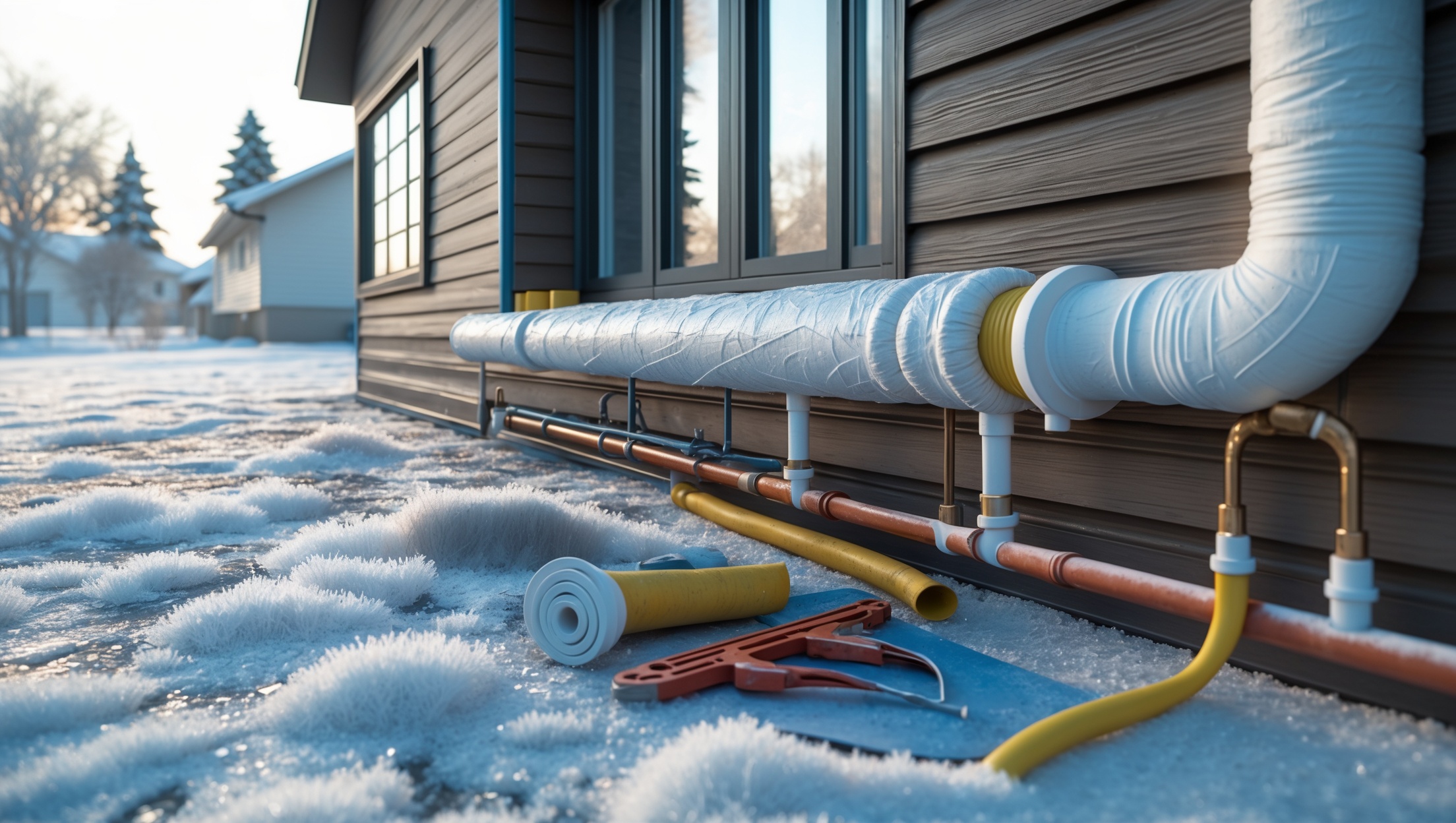
- Outdoor installations must use frost-resistant models in cold climates.
- Some devices (e.g., AVBs, PVBs) must be installed a specified height above ground or outlets—typically 12 inches or more.
- Verify accessibility for inspection, testing, and maintenance.
Compliance and Certification
- Ensure the preventer is approved by your local authority and meets standards (e.g., ASSE, CSA, NSF).
- Check for lead-free certification on potable water systems.
Installation Best Practices: Step-by-Step Overview
1. Planning and Permitting
Before starting, check with your local water provider or building authority for permit requirements. Some jurisdictions require installation by a certified professional and official testing after installation.
2. Shutting Off the Water Supply
Turn off the main water supply to the installation area. Open nearby faucets to drain pressure from the line.
3. Preparing the Pipework
- Measure and mark pipe sections for cutting, ensuring enough clearance for the device and shut-off valves on both sides.
- Cut pipes cleanly and deburr edges to prevent leaks.
4. Installing the Preventer
- Install shut-off valves before and after the device for maintenance access.
- Mount the preventer in the correct orientation; most have an arrow showing flow direction.
- For PVBs/AVBs, ensure the device is above all downstream outlets and not subject to continuous pressure (for AVBs).
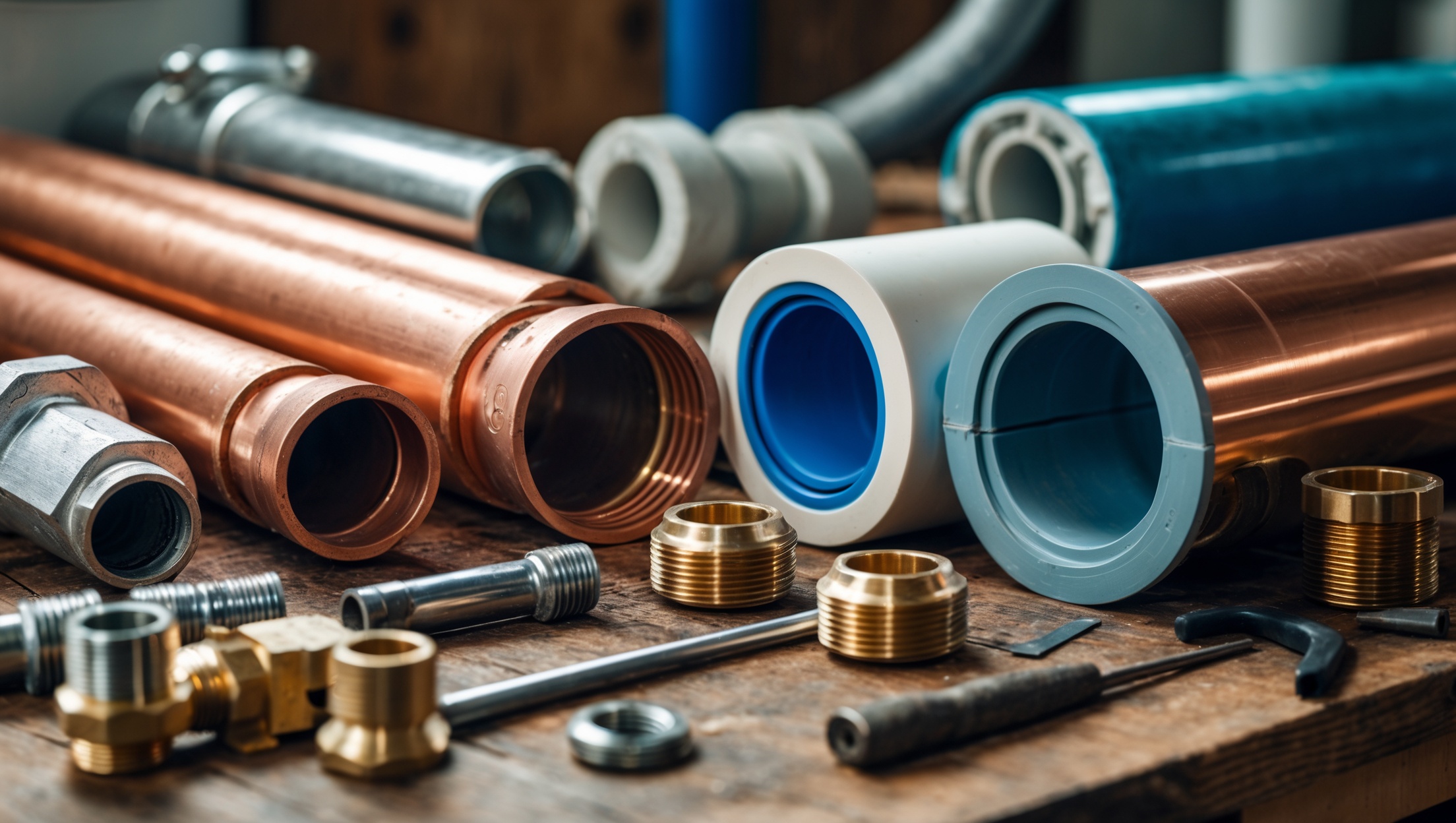
- Use appropriate fittings (threaded, soldered, or compression) per manufacturer guidelines.
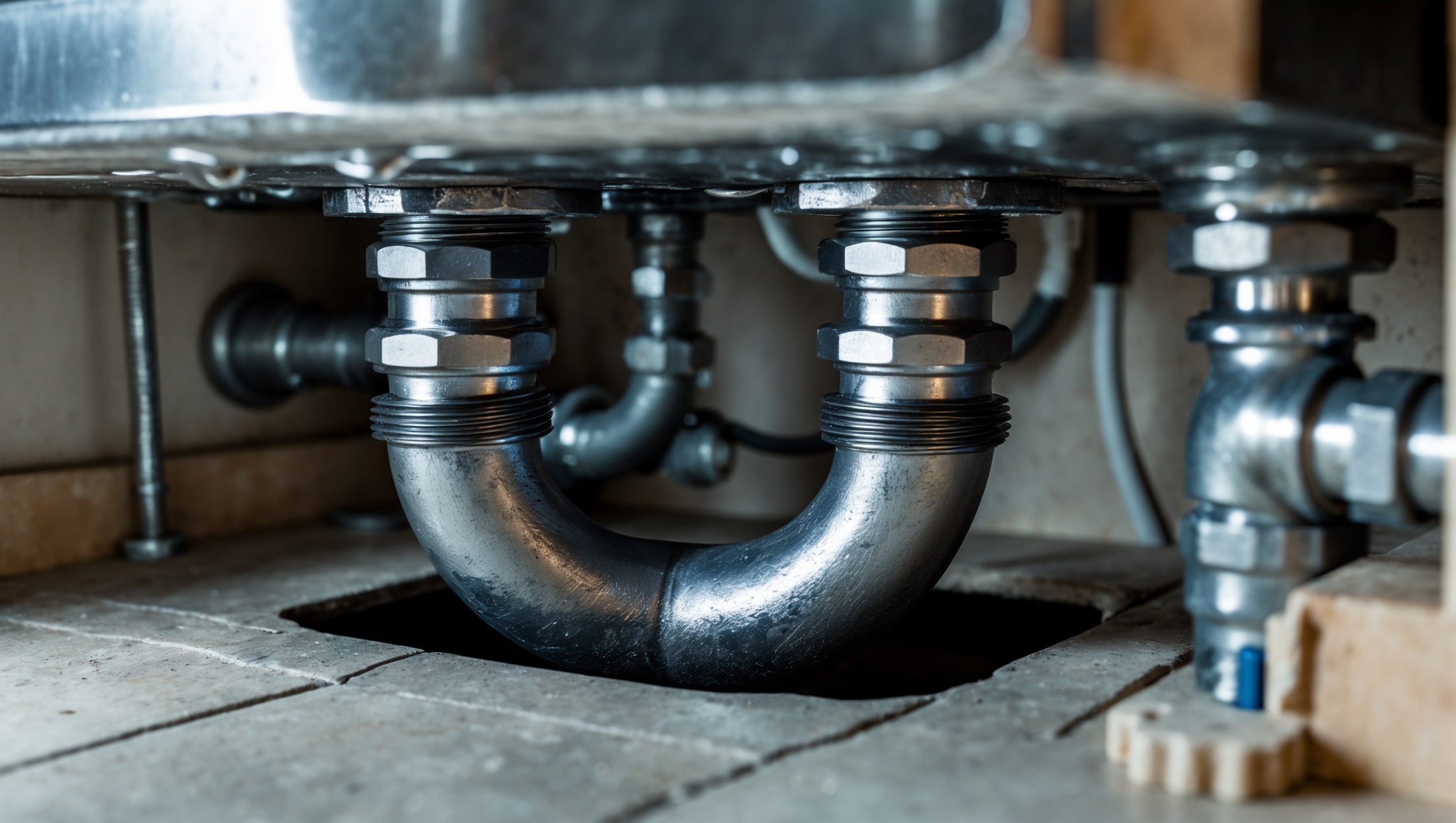
- Support the assembly securely to avoid strain on plumbing joints.
5. Testing and Inspection
- Slowly restore water pressure, checking for leaks at all joints.
- Where required, have a certified tester perform a backflow test and submit results to authorities.
- Label the device with installation and test dates for future reference.
Maintenance and Testing: Keeping Backflow Preventers Reliable
Routine Inspection Checklist
- Visually inspect for corrosion, leaks, or missing parts every 3–6 months.
- Ensure air inlets and test cocks are clear and functional.
- Check for physical damage after freezing weather or impacts.
Annual Testing Requirements
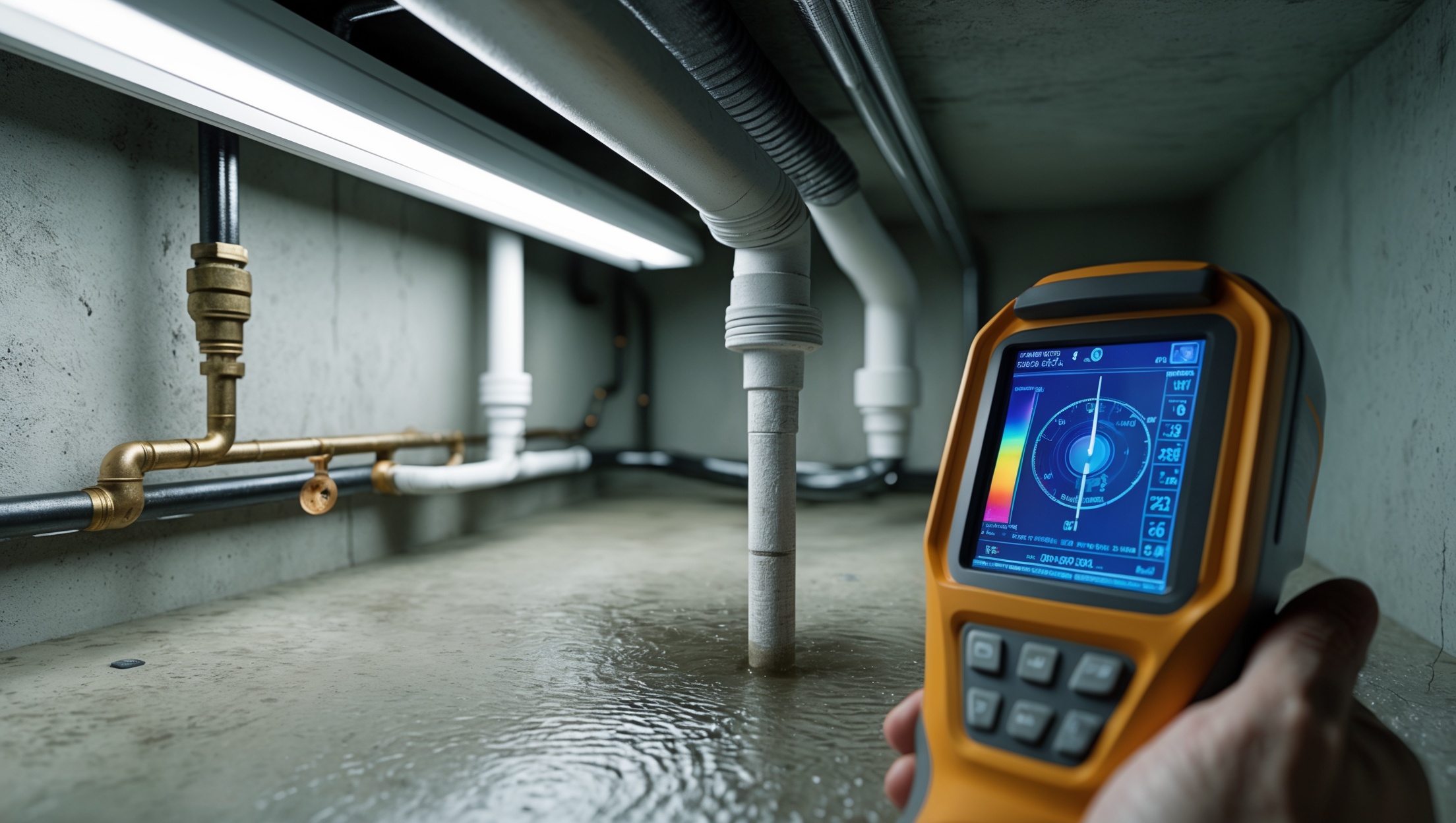
Most jurisdictions require annual testing of backflow assemblies by certified testers—especially for RPZs and DCVAs protecting potable supplies. The tester uses calibrated gauges to verify valve operation and pressure differentials. Test reports must often be submitted to the water authority.
Common Issues and Troubleshooting
- Leaking Relief Valve (RPZ): May indicate debris or wear; flush device and inspect seals.
- Stuck Check Valve: Disassemble and clean or replace worn parts.
- Freezing Damage: Insulate exposed parts or install freeze-resistant models; replace cracked housings promptly.
Replacement Guidelines
- Replace devices that fail annual tests and cannot be repaired.
- Upgrade older models if regulations or system needs change.
Compliance and Documentation: Staying on the Right Side of the Law
Understanding Local Regulations
Regulations for backflow prevention are set by local and state authorities. Requirements vary depending on property type, water usage, and risk level. Ignoring these rules can result in fines, water shutoff, or liability for contamination incidents.
Recordkeeping Best Practices
- Maintain a log of all backflow device installations, tests, repairs, and replacements.
- Retain test certificates and inspection reports for at least five years (or as mandated locally).
- Display test tags on devices, updating with each inspection.
Preparing for Inspections
- Ensure all devices are accessible and clearly labeled.
- Provide documentation promptly if requested by inspectors or utility representatives.
DIY vs. Professional Installation: Making the Right Choice
When DIY Is Appropriate
- Installing simple AVBs or hose bibb vacuum breakers for outdoor faucets or irrigation
- Replacing damaged or leaking vacuum breakers with like-for-like devices
When to Call a Professional
- Installing RPZs, DCVAs, or devices on potable water systems
- Systems requiring permits and certified testing
- Complex systems with multiple branches or high-pressure zones
In many areas, only licensed plumbers may legally install or service certain backflow devices. Always verify local rules before starting a project.
Case Example: Backflow Protection in a Residential Irrigation System
Consider a suburban home with an automatic sprinkler system drawing water from the main supply. Without backflow protection, pressure drops (from main breaks or hydrant use) could siphon lawn chemicals and fertilizers back into the house’s drinking water. To mitigate this, the homeowner installs a Pressure Vacuum Breaker (PVB) just before the irrigation line branches off. The PVB is elevated above the highest sprinkler head, fitted with shut-off valves, and tested annually by a certified backflow tester. This simple addition ensures that, even in an emergency, the potable water remains uncontaminated and the homeowner remains in compliance with local codes.
Conclusion: Your Action Plan for Lasting Plumbing Safety
Backflow preventers are an essential yet often invisible component of modern plumbing systems. They stand guard against contamination threats, protecting not just individual properties but entire communities from waterborne hazards. Selecting the right device begins with understanding your system’s hazard level, pressure, and regulatory requirements. Installation must be precise—matching device orientation, height, and accessibility to both manufacturer instructions and local codes. Maintenance, meanwhile, is an ongoing commitment: regular inspections, prompt repairs, and annual testing are non-negotiable for reliable performance and legal compliance.
Whether you’re a homeowner adding a garden irrigation system, a facility manager overseeing commercial plumbing, or a contractor upgrading existing infrastructure, backflow prevention deserves your close attention. Don’t leave your water supply’s safety to chance. Take the time to research, plan, and document every step—from device selection to maintenance logs. When in doubt, consult with certified professionals or your local water authority to ensure full compliance. By making backflow prevention a priority, you’re investing in the health, safety, and value of your property—and playing a crucial role in public health for everyone downstream.
Ready to take the next step? Review your current plumbing layout, identify potential backflow risks, and schedule an inspection or device upgrade if needed. A little vigilance today means lasting protection for years to come.







Michelle Jackson
Does installing a backflow preventer significantly increase the cost of a typical plumbing project, or are there budget-friendly options for families that still meet safety and code requirements?