
Introduction: Why Winterizing Your Plumbing Matters
When temperatures drop, plumbing systems face a unique set of challenges. Frozen pipes, ruptured lines, and water damage are among the most common and costly wintertime issues for homeowners and property managers. Each year, thousands of households experience burst pipes due to insufficient preparation, leading to extensive repairs and even insurance claims. The good news? Most winter plumbing disasters can be avoided with the right preventative measures. This expert-approved guide provides a comprehensive, step-by-step checklist for winterizing your plumbing. Whether you’re a DIY enthusiast or a seasoned pro, these strategies will help you safeguard your pipes, fixtures, and appliances from the harsh effects of freezing weather. Don’t wait until the first snowstorm hits—implement these tips now to enjoy peace of mind all winter long.
Understanding Freeze Risks in Plumbing
How and Where Pipes Freeze
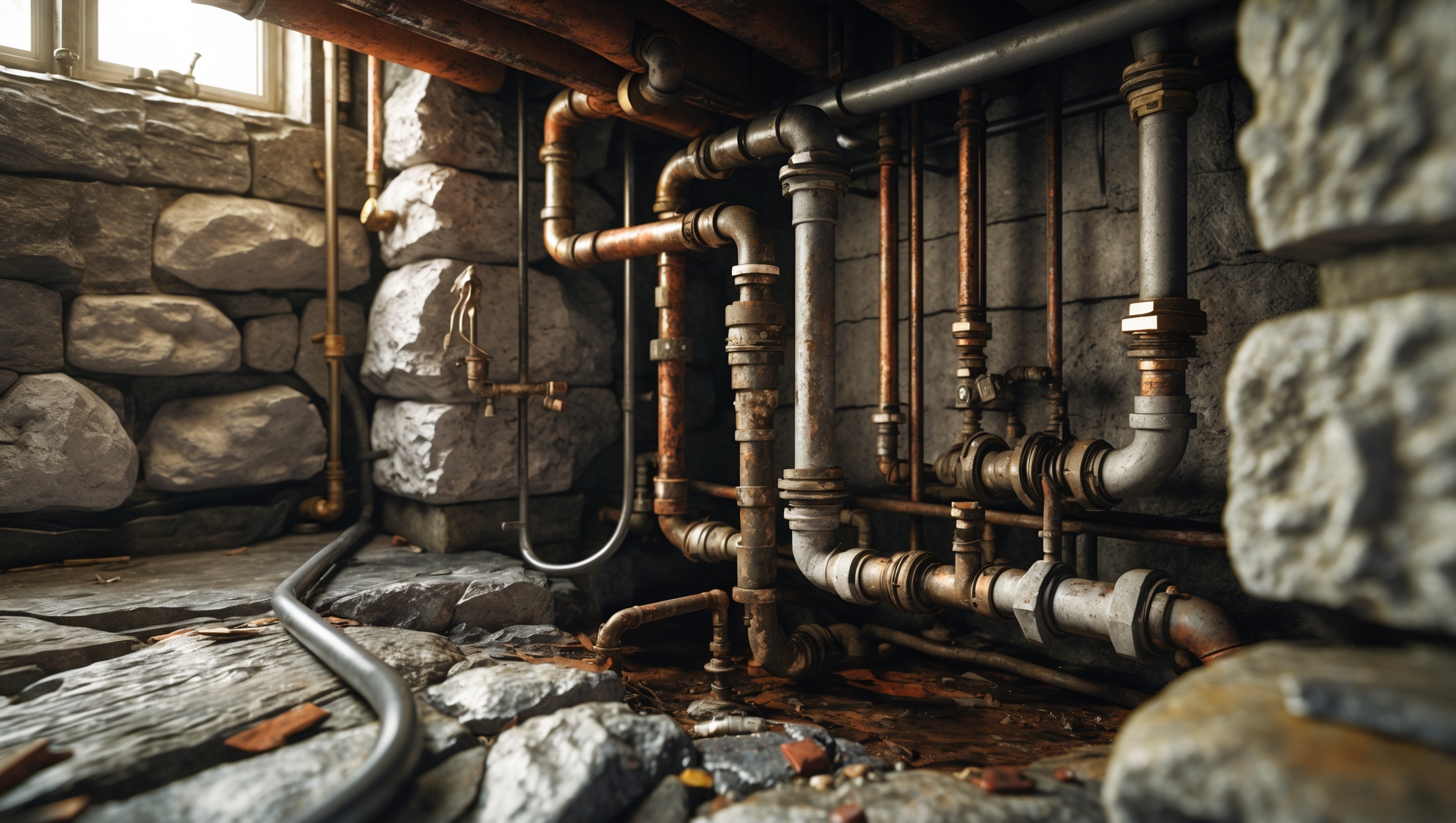
Water expands as it freezes, and this simple fact is the root cause of most winter plumbing issues. Pipes located in unheated spaces—such as basements, crawl spaces, attics, garages, and exterior walls—are particularly vulnerable. Even a brief dip below freezing can cause water inside these pipes to solidify, exerting pressure that may crack or burst the pipe. The resulting leaks can cause structural damage, mold growth, and expensive repairs.
- Exterior Faucets: Hose bibs and outdoor spigots are top freeze risk locations.
- Uninsulated Pipes: Any pipe without proper insulation, especially those in unheated zones.
- Cabinet Pipes: Kitchen and bathroom sink pipes located on exterior walls.
Consequences of Inaction
Failure to winterize can lead to:
- Pipes bursting and flooding interiors
- Loss of water supply
- Expensive emergency plumbing calls
- Increased insurance premiums
- Potential structural and mold damage
Pro’s Seasonal Plumbing Checklist
1. Inspect and Insulate Exposed Pipes
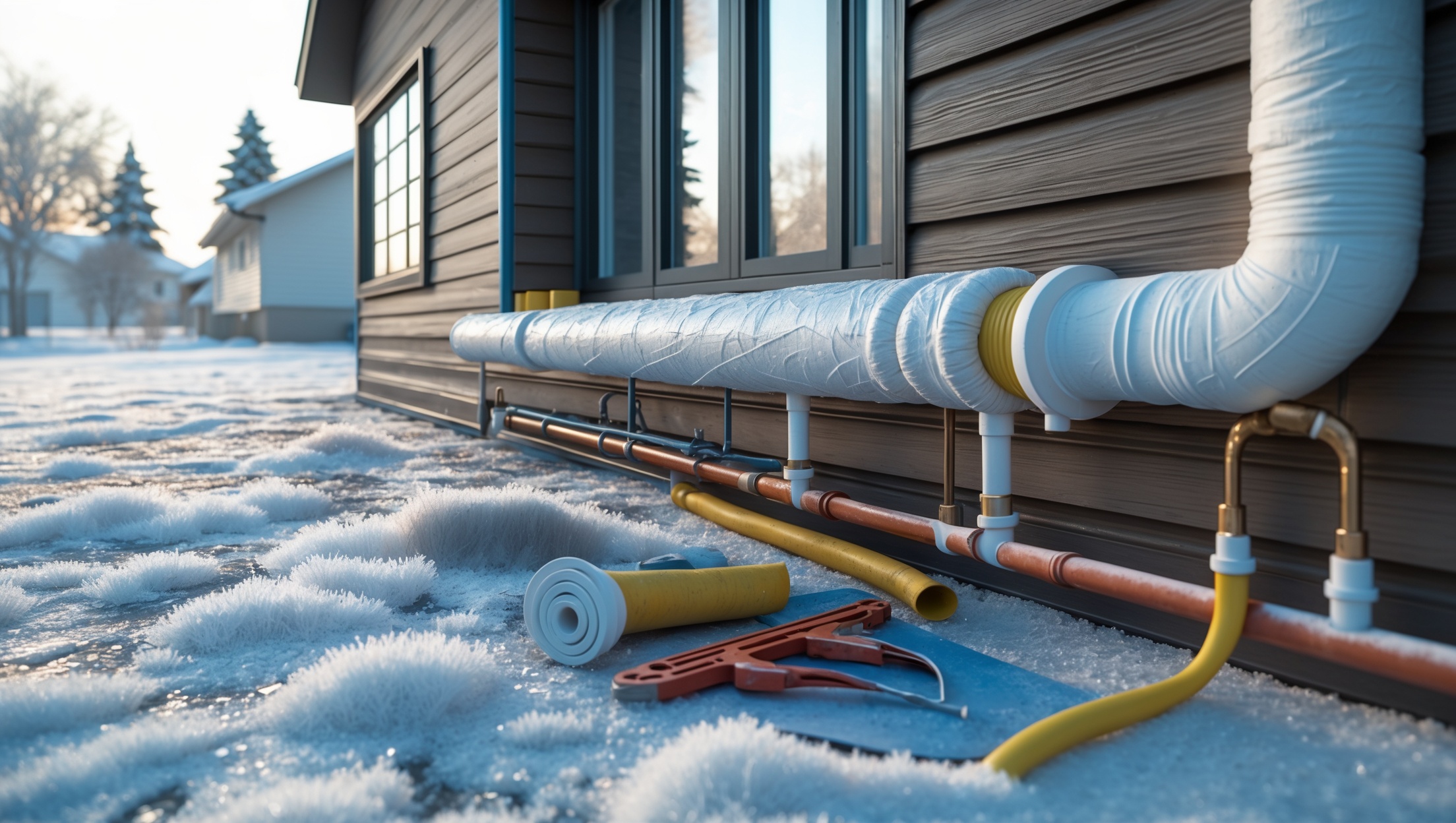
Walk through your property and identify all exposed pipes, especially those near exterior walls, in basements, attics, crawl spaces, garages, and under sinks. Use foam pipe insulation sleeves, fiberglass wrap, or heat tape to cover these pipes thoroughly. Pay close attention to joints and bends—these are common failure points.
- Materials Needed: Foam pipe insulation, fiberglass tape, heat cable (for extreme climates), zip ties or tape for securing.
- Tips: Ensure insulation is snug but not compressed. Overlap seams and secure with waterproof tape for added protection.
2. Disconnect and Drain Outdoor Hoses
Leaving hoses attached traps water in the spigot and connecting pipe, increasing the chance of freezing. Remove all hoses, drain them, and store indoors. Shut off the water supply to outdoor faucets (if possible), then open the spigot to allow any residual water to drain out completely.
- Install insulated faucet covers over outdoor spigots.
- For frost-free hose bibs, verify proper installation and function.
3. Shut Off and Drain Sprinkler Systems
Lawn irrigation pipes are often shallow and highly susceptible to freezing. Locate the system’s main shutoff valve and turn it off. Use the system’s drain valves or compressed air method to clear water from all lines and heads.
- Pro Tip: Hire a professional if you’re unfamiliar with your system’s layout or blow-out procedure—improper draining can damage components.
4. Seal Foundation and Wall Gaps
Inspect your home’s exterior for gaps, cracks, or holes near pipes that enter or exit the structure. Even small openings can let in cold air, chilling pipes and raising your risk of freezing. Caulk or spray-foam these gaps to keep cold drafts at bay.
- Check around dryer vents, cable entries, and utility penetrations as well.
5. Maintain Indoor Temperatures
Keep your thermostat set to a minimum of 55°F (13°C), even if you’ll be away for an extended period. Consistent heating is crucial, especially for pipes running through less-insulated areas.
- Open cabinet doors under sinks on exterior walls to allow warm air circulation.
- Use space heaters cautiously in unheated zones. Never leave them unattended.
6. Check Sump Pumps and Drains
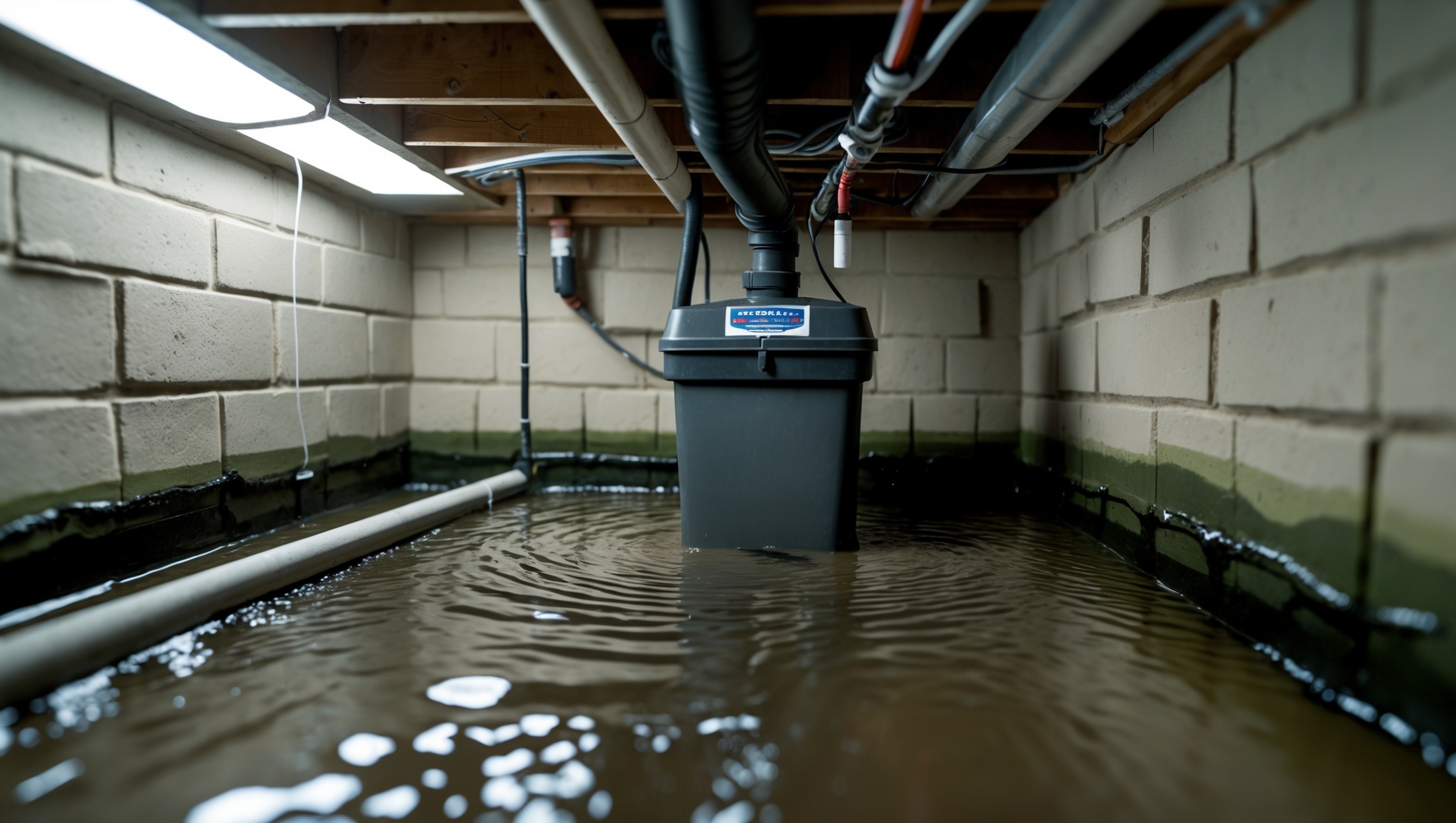
Ensure basement sump pumps are working and discharge lines are free of blockages. Frozen discharge lines can cause backups and basement flooding. If your drain includes an exterior hose, disconnect and store it for winter.
- Test pumps by pouring water into the pit and confirming activation.
7. Service Water Heaters
Inspect your water heater for signs of rust, leaks, or sediment buildup. Flush the tank if needed. Lower temperatures can strain older or poorly maintained heaters, increasing risk of failure during peak winter demand.
- Check the pressure relief valve for proper function.
- Insulate exposed hot water pipes for improved efficiency and freeze protection.
8. Prepare for Extended Absence
If leaving home for more than a few days during winter, consider draining your plumbing system entirely. Shut off the main water supply, open all faucets, and flush toilets to clear most water from pipes. Alternatively, ask a trusted neighbor to periodically check the property.
- Leave heat on, even at a reduced setting, to protect critical areas.
9. Emergency Supplies and Shutoff Knowledge
Keep a basic plumbing emergency kit on hand: pipe insulation, heat tape, towels, buckets, and a pipe wrench. Ensure everyone in the household knows the location of the main water shutoff valve and how to operate it. Quick action can minimize damage if a pipe does freeze and burst.
Practical Tips for Specific Plumbing Fixtures
Toilets and Bathroom Fixtures
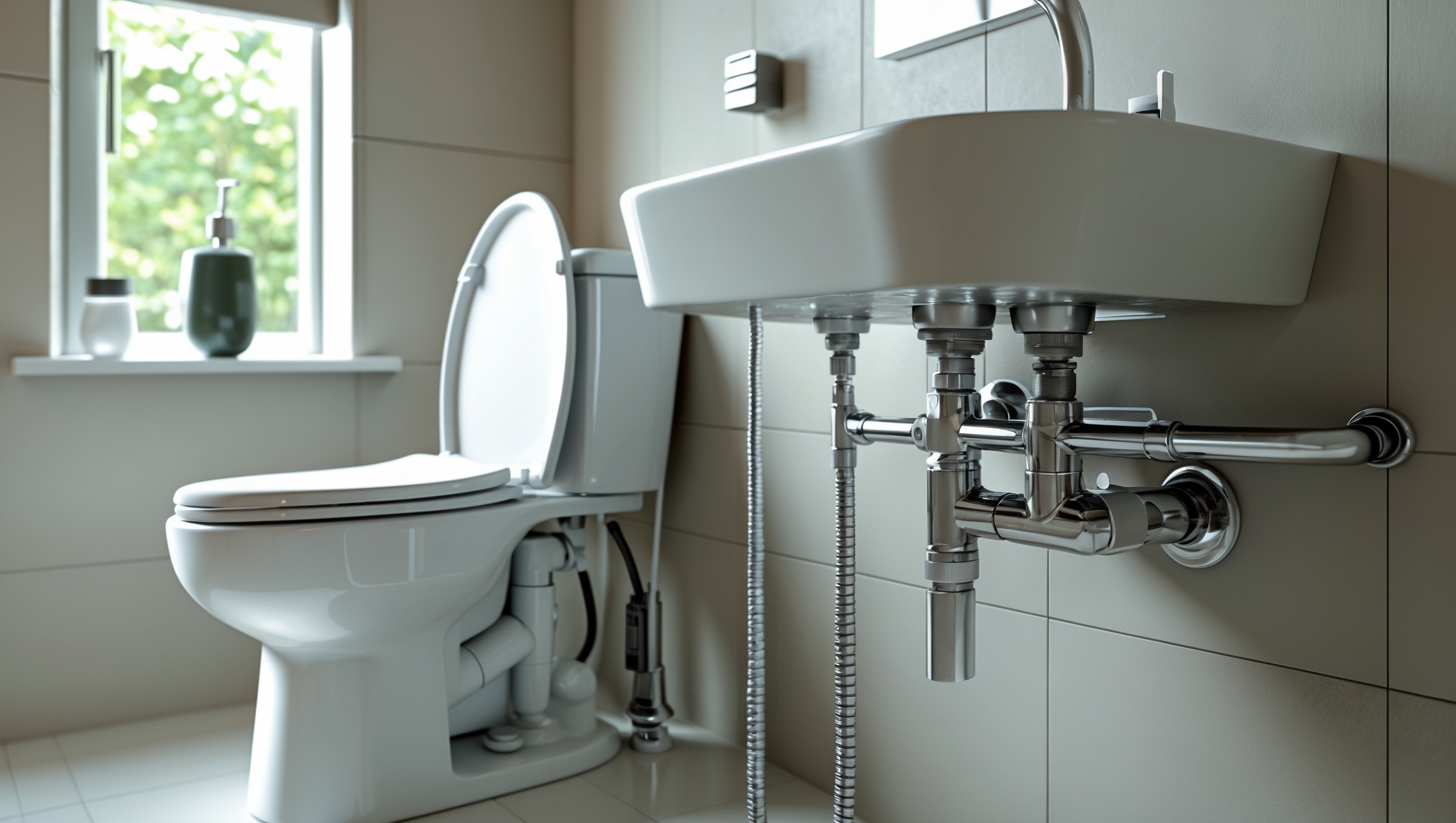
Toilets can freeze in rarely used guest bathrooms or seasonal properties. Flush occasionally and leave the bathroom door open for warm air flow. If winterizing a vacant property, drain the tank and bowl, then add non-toxic antifreeze designed for plumbing systems.
Kitchen Sinks on Exterior Walls
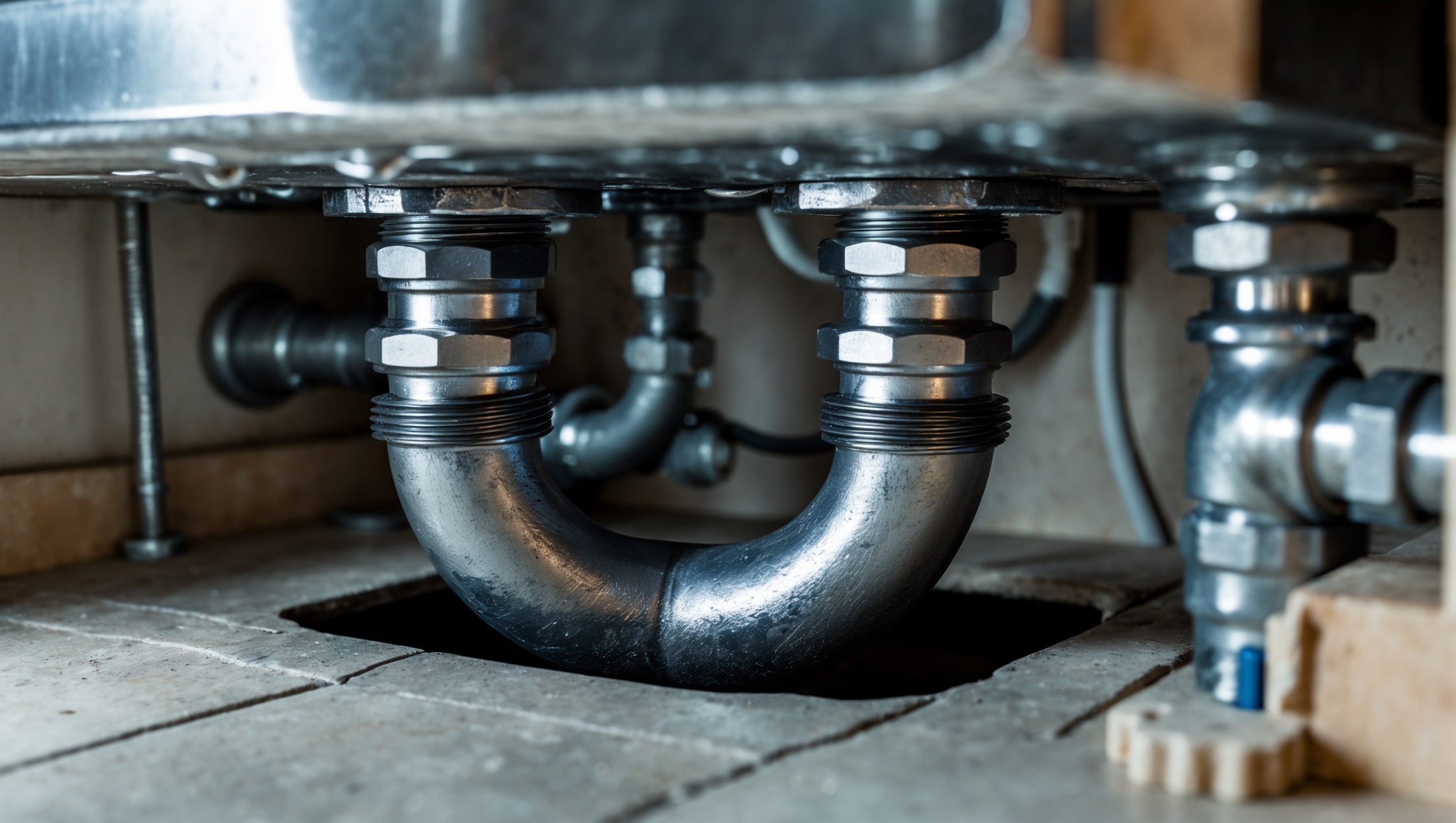
Cold weather often affects kitchen sink pipes, especially those installed along exterior walls. Open cabinet doors, and consider letting faucets drip slightly during extreme cold snaps to keep water moving and reduce freeze risk.
Washing Machines
For machines in unheated laundry rooms, disconnect hoses and drain water after the final load of the season. Insulate supply lines, and keep the room above freezing.
Recognizing and Responding to Frozen Pipes
Warning Signs
- No water flow from faucets
- Visible frost on pipes
- Strange odors from drains or faucets
Immediate Actions
If you suspect a pipe has frozen, shut off the main water supply immediately. Use a hair dryer, heating pad, or portable space heater to gently warm the affected section. Never use an open flame, as this poses a fire hazard and can damage pipes. Once thawed, check for leaks before restoring water flow.
Long-Term Strategies for Freeze Prevention
Upgrade Vulnerable Plumbing
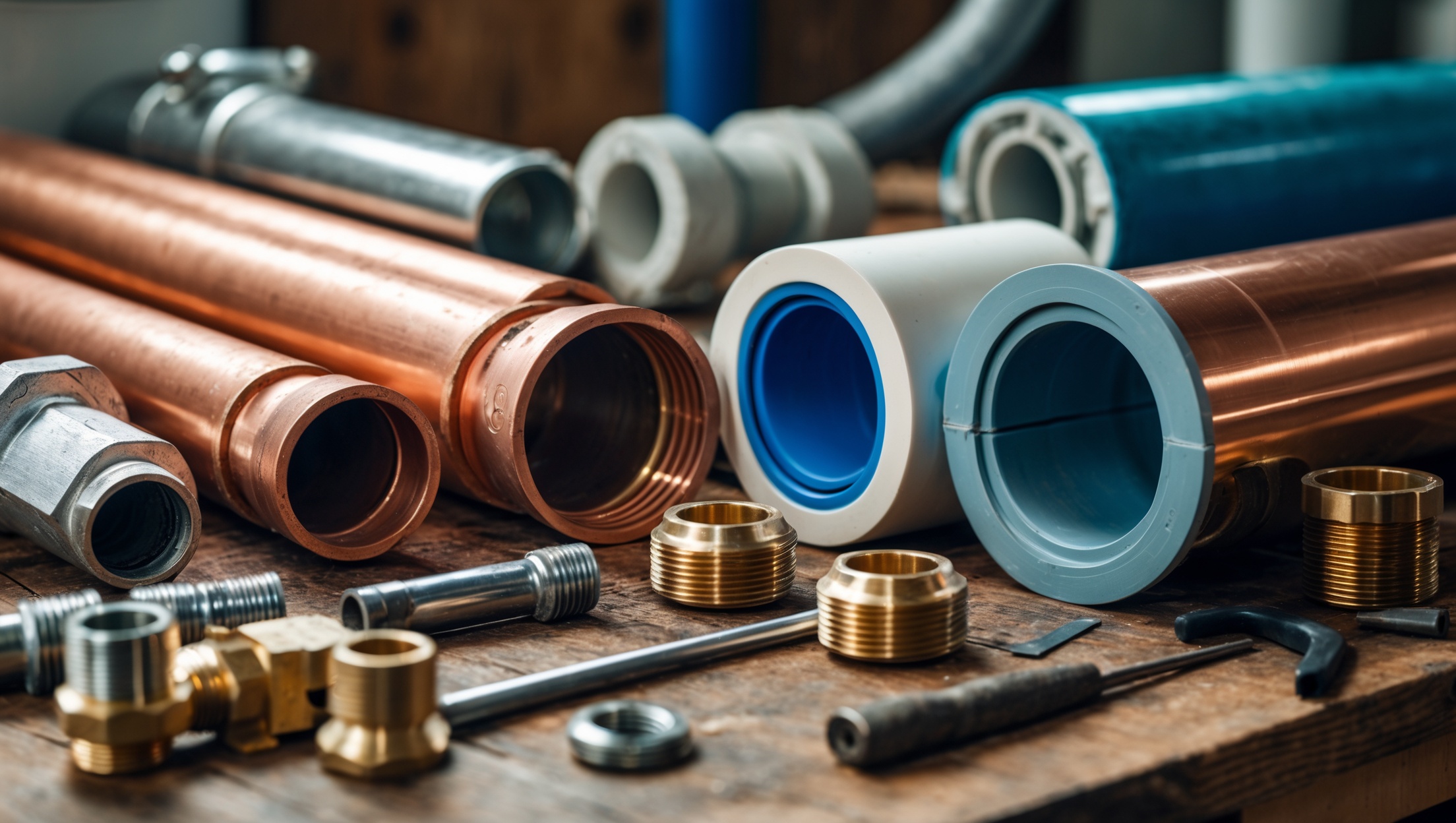
Consider replacing old, uninsulated metal pipes with modern PEX piping, which is more freeze-resistant. For areas with recurring problems, reroute pipes away from exterior walls or into heated spaces when renovating.
Install Smart Leak Detectors
Wi-Fi enabled leak and freeze detectors send instant alerts to your phone if they sense temperature drops or moisture. Place them near high-risk areas such as under sinks, behind toilets, and in basements for early warning and rapid response.
Professional Annual Inspections
An annual inspection by a licensed plumber can identify hidden vulnerabilities and ensure your winterizing efforts are up to code. They can also check for slow leaks, corrosion, and other issues that may worsen in cold weather.
Conclusion: Protect Your Plumbing, Protect Your Home
Winterizing your plumbing is an investment in your home’s safety and your own peace of mind. By following this comprehensive checklist, you create multiple layers of defense against freezing temperatures, burst pipes, and water damage. The small amount of time and money spent on insulation, fixture prep, and routine checks can save you thousands in emergency repairs, lost property, and higher insurance costs. Remember, the best time to start is before the first hard freeze—proactive maintenance is far more effective than last-minute fixes. Share this checklist with neighbors and friends to help your community stay safe and dry all winter long. For persistent plumbing challenges or if you’re uncertain about any step, don’t hesitate to consult a licensed professional. Stay warm, stay prepared, and enjoy a trouble-free winter season.



Margaret Brown
For small business locations that have both heated and unheated sections, what’s the best approach to insulating pipes in those transitional areas? The article mentioned basements and garages as risk zones, but I’m not sure how thoroughly I need to insulate connecting pipes that pass through both types of space.