
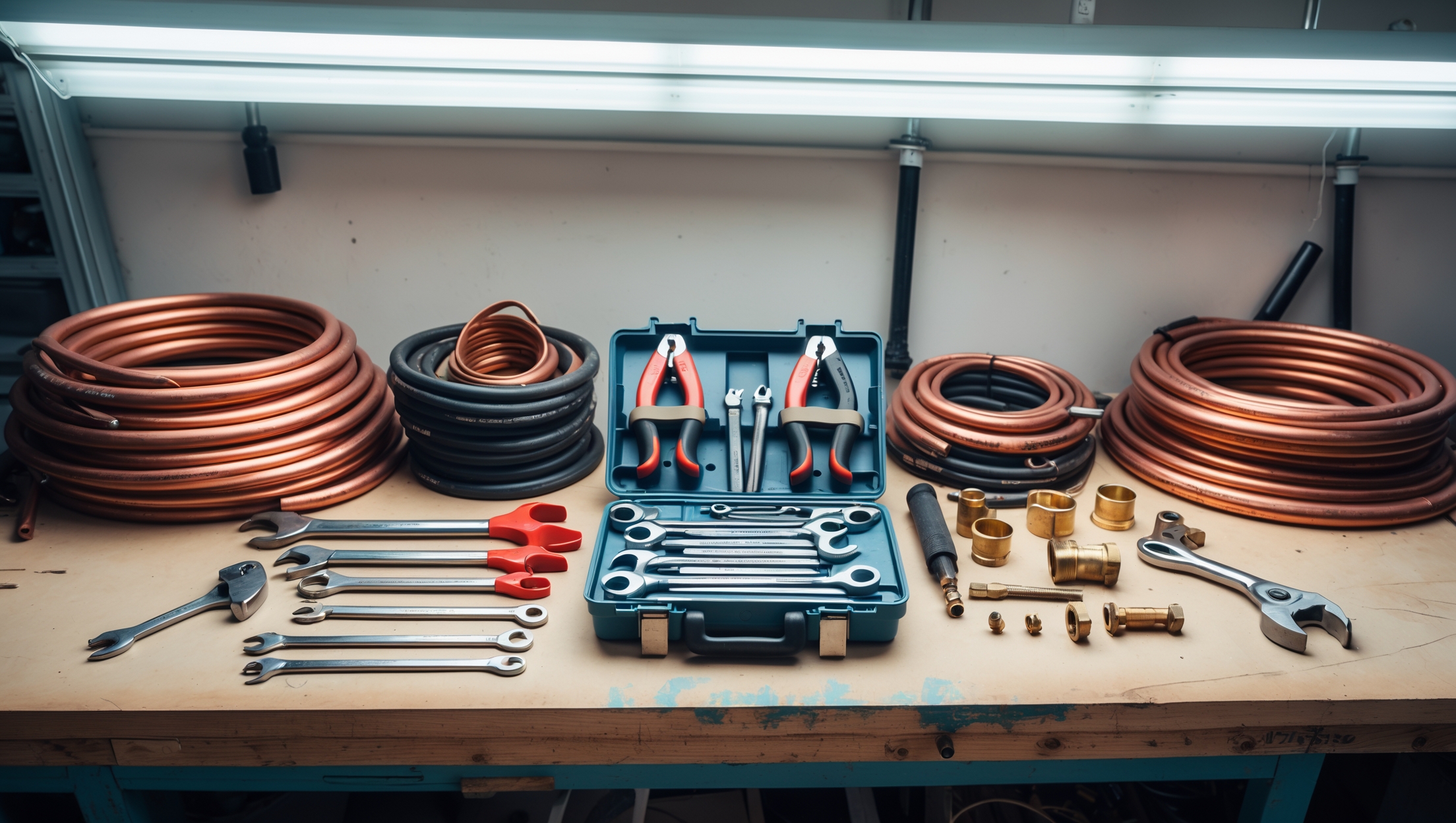
Introduction: Why the Right Tools Matter in Plumbing
Every successful plumbing project—whether it’s a simple faucet replacement or a more involved pipe repair—relies on having the correct tools at hand. For beginners, the world of plumbing tools can be overwhelming: the hardware store aisles are packed with gadgets and implements, each promising to solve a different problem. But not every tool is essential, and investing in the wrong gear can make even simple jobs harder while straining your budget. This in-depth guide is designed to demystify the process of assembling a reliable plumbing starter kit. You’ll discover not only which tools you truly need, but also why each one matters, how to use it safely, and how to keep your kit in top condition for years. Whether you’re a DIY enthusiast or a new plumbing apprentice, building your toolkit with expert guidance will save you time, money, and frustration down the line. Let’s explore what makes up the perfect beginner plumbing toolkit and how to choose quality tools that will serve you well on every project.
Understanding the Core Plumbing Tasks
Before selecting tools, it’s crucial to understand the typical plumbing jobs a starter kit should cover. Most DIYers and entry-level pros encounter these common scenarios:
- Tightening or loosening pipe joints
- Cutting and fitting pipes
- Clearing simple drain clogs
- Sealing and assembling threaded connections
- Repairing leaks at fixtures and valves
- Replacing or installing faucets, showerheads, or valves
With these functions in mind, you can prioritize multifunctional, durable tools that cover a wide range of tasks without cluttering your workspace.
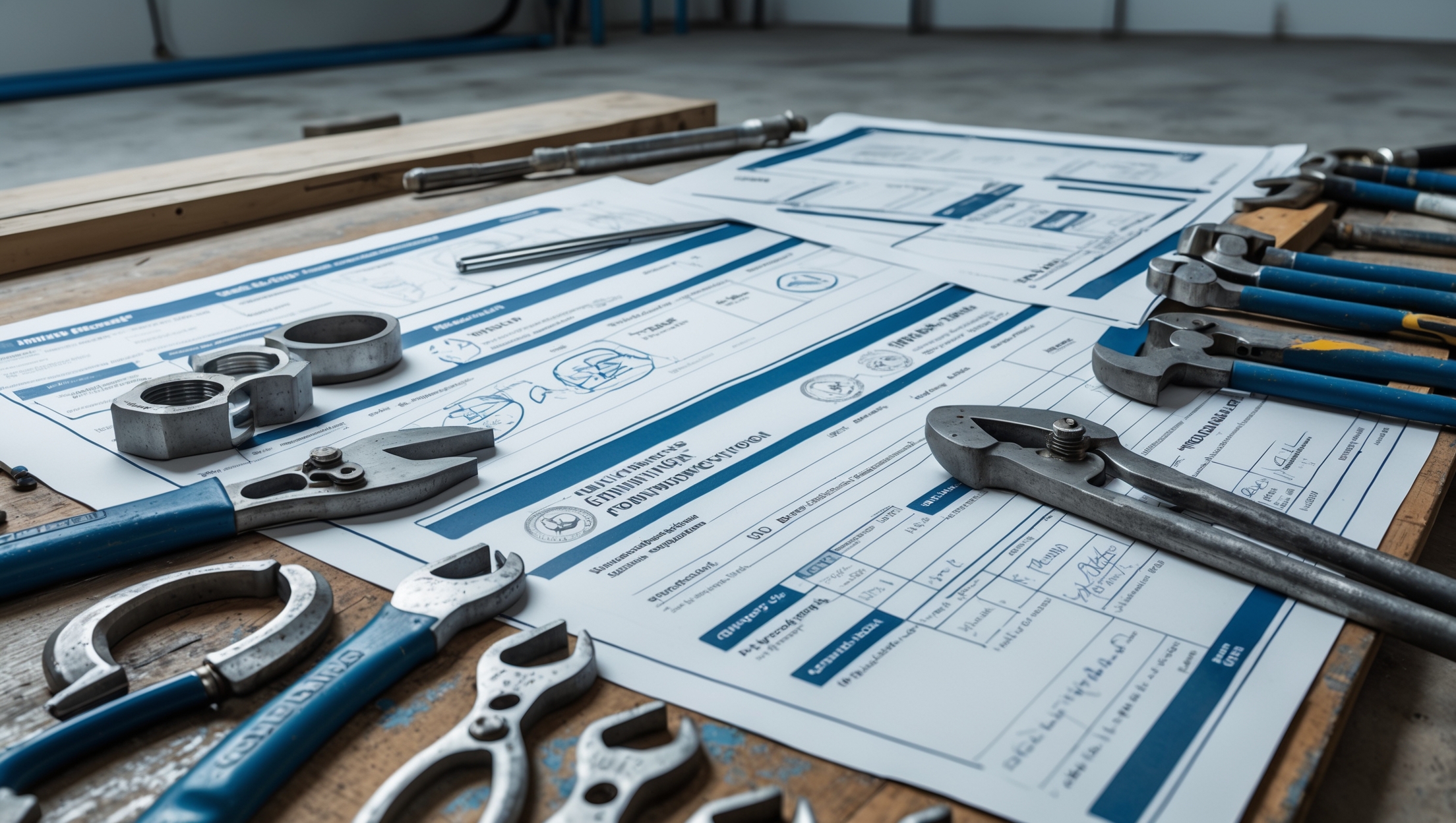
The Must-Have Plumbing Tools for Your Starter Kit
1. Adjustable Wrench
The adjustable wrench is a cornerstone of any plumbing kit. It’s used for tightening or loosening nuts and bolts on pipes, fixtures, and supply lines. Choose a wrench with a smooth jaw to avoid damaging chrome finishes, and opt for an 8- or 10-inch model for versatility.
2. Pipe Wrench
Pipe wrenches provide the necessary leverage for gripping and turning metal pipes and pipe fittings. A pair—one 10-inch and one 14-inch—covers most household plumbing jobs. Their serrated jaws grip pipes firmly, but be mindful to avoid over-tightening and marring soft metals.
3. Slip-Joint and Tongue-and-Groove Pliers
Slip-joint pliers are the workhorses for gripping, twisting, and holding various plumbing components. Tongue-and-groove pliers (often called channel locks) offer greater jaw width and are excellent for larger fittings and stubborn connections.
4. Basin Wrench
This specialty tool is crucial for working in tight spaces behind sinks, especially for installing or removing faucet nuts. Its long shaft and swiveling jaw make it uniquely suited for these awkward jobs.
5. Pipe Cutter
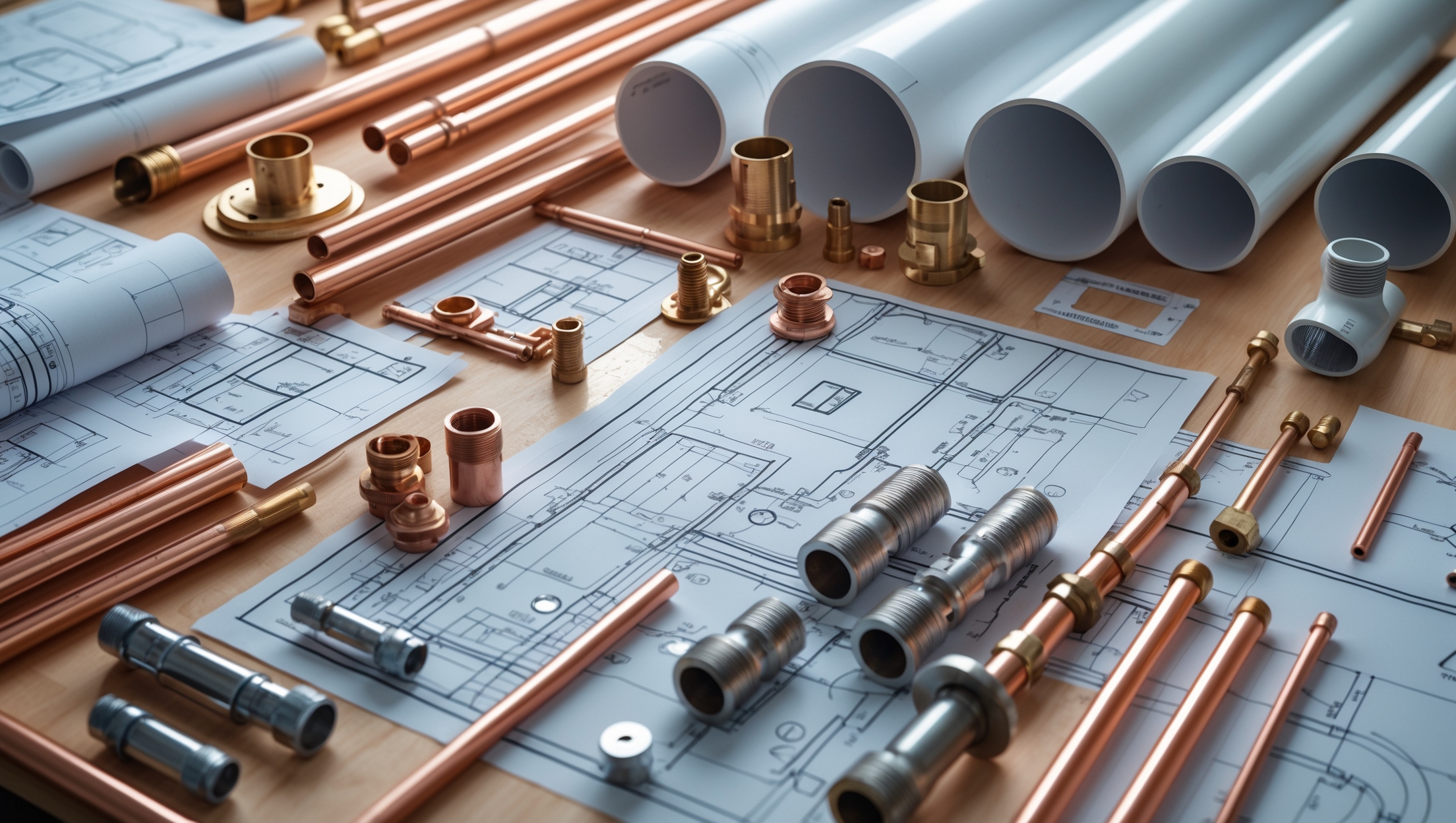
For cutting copper, brass, or plastic pipe cleanly and accurately, a rotary pipe cutter is indispensable. Look for a model designed for your most-used pipe sizes (typically 1/2-inch and 3/4-inch for residential work).
6. Hacksaw
A hacksaw is essential for cutting through metal and plastic pipes, bolts, and brackets. Choose one with a comfortable grip and replaceable blades for longevity.
7. Plumber’s Tape (Teflon Tape)
Not technically a tool, but no kit is complete without Teflon tape. It’s used to seal threaded connections and prevent leaks at joints. Always keep a roll in your toolbox.
8. Plunger
A quality plunger is a first line of defense against clogs in sinks, toilets, and showers. Choose a flange plunger for toilets and a cup plunger for sinks and tubs.
9. Drain Auger (Hand Snake)
For stubborn drain blockages that a plunger can’t clear, a hand auger is invaluable. It navigates bends in pipes and physically removes clogs without chemicals.
10. Tape Measure and Level
Accurate measurements and level installations are crucial for leak-free, professional-looking results. Invest in a sturdy tape measure and a compact level for every job.
11. Bucket and Towels
Spills and drips are inevitable in plumbing. Have a dedicated bucket and absorbent towels on hand to keep your work area clean and safe.
Advanced Tools Worth Considering
Once you’ve mastered the basics, a few specialty tools can expand your capabilities and make advanced jobs easier:
- Compression Sleeve Puller: Removes compression rings from water supply lines without damaging pipes.
- Pipe Deburring Tool: Smooths the inside and outside of cut pipes to ensure leak-free joints.
- Tube Bender: Bends copper or soft metal pipes without kinking or flattening the material.
- PEX Crimp Tool: Securely fastens PEX pipe connections—essential if you’re working with modern water supply systems.
While not immediately necessary for beginners, these tools are excellent investments as your skillset grows.
How to Choose Quality Plumbing Tools
Material and Durability
Professional-grade tools are usually made from heat-treated steel or forged alloys, providing strength and longevity. Avoid bargain-bin tools made from soft metals or plastic, as these are prone to breakage and can damage fixtures or injure the user.
Ergonomics and Comfort
Look for tools with comfortable, non-slip grips and balanced weight. You’ll be using them in awkward positions and for extended periods; comfort and control reduce fatigue and the risk of accidents.
Brand Reputation and Warranty
Well-known brands like Ridgid, Channellock, Knipex, and Milwaukee are trusted in the plumbing trade for good reason. While premium tools cost more upfront, they often come with lifetime warranties and deliver decades of reliable service.
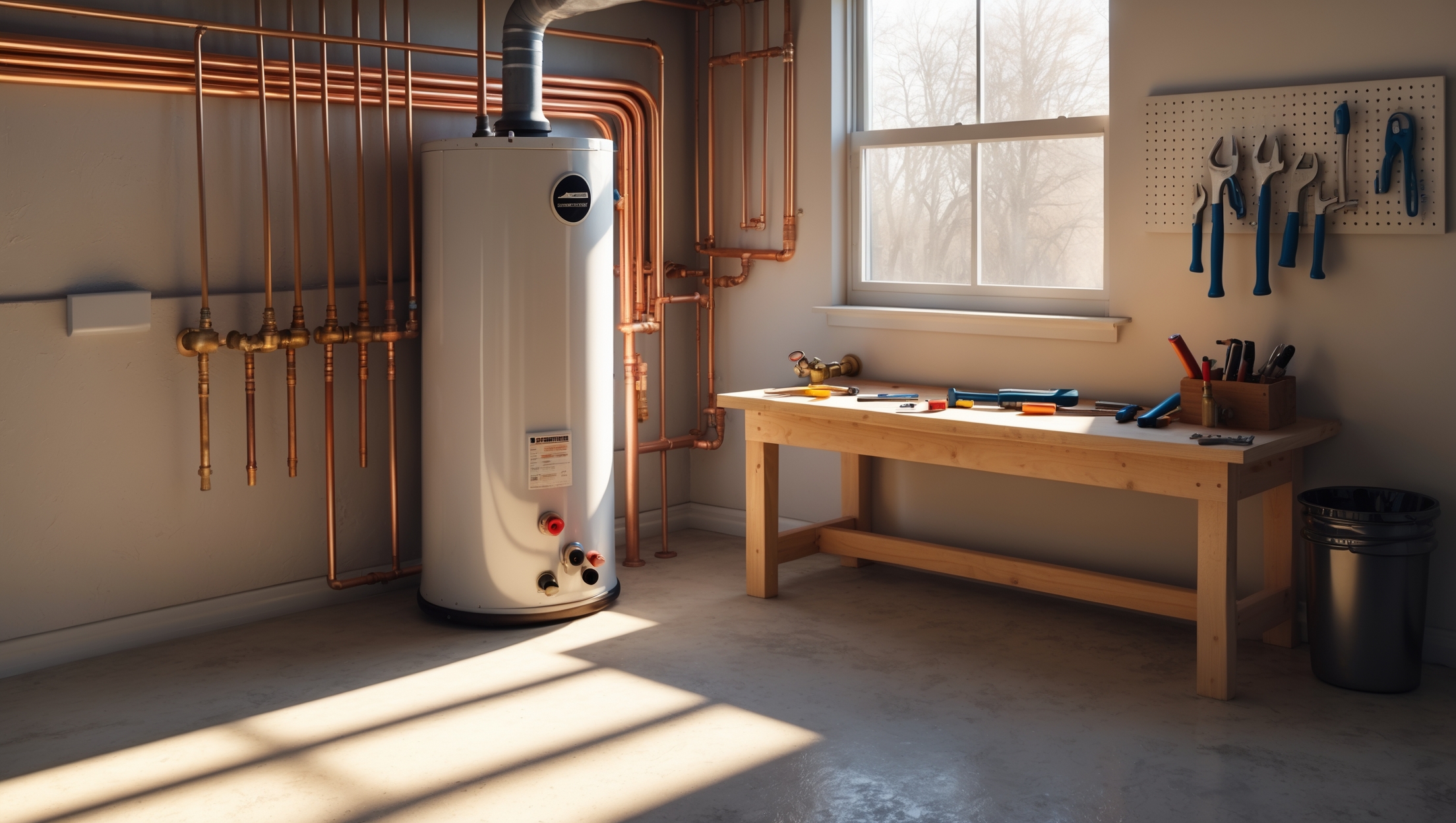
Starter Kit Setup: Organizing Your Tools
Toolbox vs. Tool Bag
A sturdy toolbox protects your tools from moisture and damage, but a tool bag offers portability and easier access for small jobs. Many pros use both: a heavy-duty box for storage and a smaller bag for grab-and-go repairs.
Protecting and Maintaining Your Tools
- Wipe tools dry after each use to prevent rust.
- Oil moving parts on wrenches and pliers periodically.
- Replace or sharpen blades on cutters and hacksaws as needed.
- Store Teflon tape in a sealed bag to keep it clean and ready.
Regular care extends the lifespan of your kit and ensures tools are always ready when you need them.
Safety First: Using Plumbing Tools Responsibly
- Wear safety glasses when cutting or drilling pipes.
- Use gloves to protect your hands from sharp edges and hot surfaces.
- Always shut off water supply before working on pipes or fixtures.
- Work in well-lit areas to avoid mistakes and injuries.
Respecting basic safety practices keeps DIY projects on track and prevents accidents that can turn a simple fix into an expensive repair.
Budgeting for Your Plumbing Starter Kit
A basic, quality plumbing toolkit can be assembled for $150–$300, depending on the brands and tools you select. Prioritize essentials first, then add specialty tools as needs arise. Watch for sales at hardware stores, and consider gently used pro-grade tools for savings without sacrificing quality.
Frequently Asked Questions About Plumbing Tools
Do I need every tool listed here to start?
No. Focus on the absolute essentials—adjustable wrench, pipe wrench, pliers, pipe cutter, plunger, and Teflon tape—then expand your kit as your projects become more complex.
Can I use household tools instead of plumbing-specific ones?
While some general tools (like tape measures and standard pliers) have crossover use, plumbing tools are engineered for the unique stresses and requirements of pipes and fixtures. Using the right tool increases your chance of success and reduces the risk of damage.
What’s the best way to learn to use these tools?
Practice on scrap pipe or old fixtures before tackling live plumbing. Many manufacturers provide instructional videos, and local hardware stores often offer hands-on workshops for beginners.
Conclusion: Investing in Your Plumbing Confidence
Building a well-equipped plumbing starter kit is more than a matter of convenience—it’s the foundation for safe, successful, and satisfying DIY or entry-level professional work. By selecting high-quality, versatile tools and learning how to use and care for them, you empower yourself to tackle a wide range of plumbing projects with confidence. From fixing leaks to installing new fixtures, your toolkit is an investment in both your home and your skills.
Remember, you don’t need to buy everything at once. Start with the essentials, learn their uses, and gradually expand your collection as your capabilities grow. Pay attention to tool quality, stay organized, and always put safety first. With the right tools and a bit of practical knowledge, you’ll not only save money on repairs but also gain the satisfaction that comes from mastering your home’s plumbing systems. Whether you’re a homeowner looking to take charge of basic maintenance or a new apprentice eager to step into the trades, your journey begins with a single, well-chosen tool—and the know-how to use it right.




Kevin Jones
Are there any core plumbing tasks mentioned in the article that actually require specialized tools not included in most basic kits, or can these jobs usually be handled with the essentials listed?