

Introduction: Why Plumbing Costs Sneak Up in Bathroom Remodels
Bathroom renovations are among the most popular home improvement projects, promising increased comfort, style, and even property value. Yet, many homeowners find themselves blindsided by plumbing expenses that weren’t part of the original plan. While most budgets account for new tiles, vanities, and fixtures, the underlying plumbing infrastructure often gets overlooked—until construction begins. Unforeseen costs can stem from outdated pipes, code compliance requirements, hidden water damage, and the need for system upgrades to support new luxury features. These issues can quickly add up, turning an exciting project into a stressful, budget-stretching ordeal.
This comprehensive guide will uncover the most common hidden plumbing costs associated with bathroom renovations. Whether you’re working with a contractor or tackling parts of the project yourself, understanding these potential pitfalls can help you budget accurately, make smarter decisions, and avoid costly delays. We’ll cover everything from demolition discoveries to fixture upgrades, the importance of permits, and practical tips for keeping plumbing costs under control. Let’s dive in and ensure your bathroom upgrade is a success—without any expensive surprises lurking behind the walls.
Understanding the Core Plumbing System
The Anatomy of Bathroom Plumbing
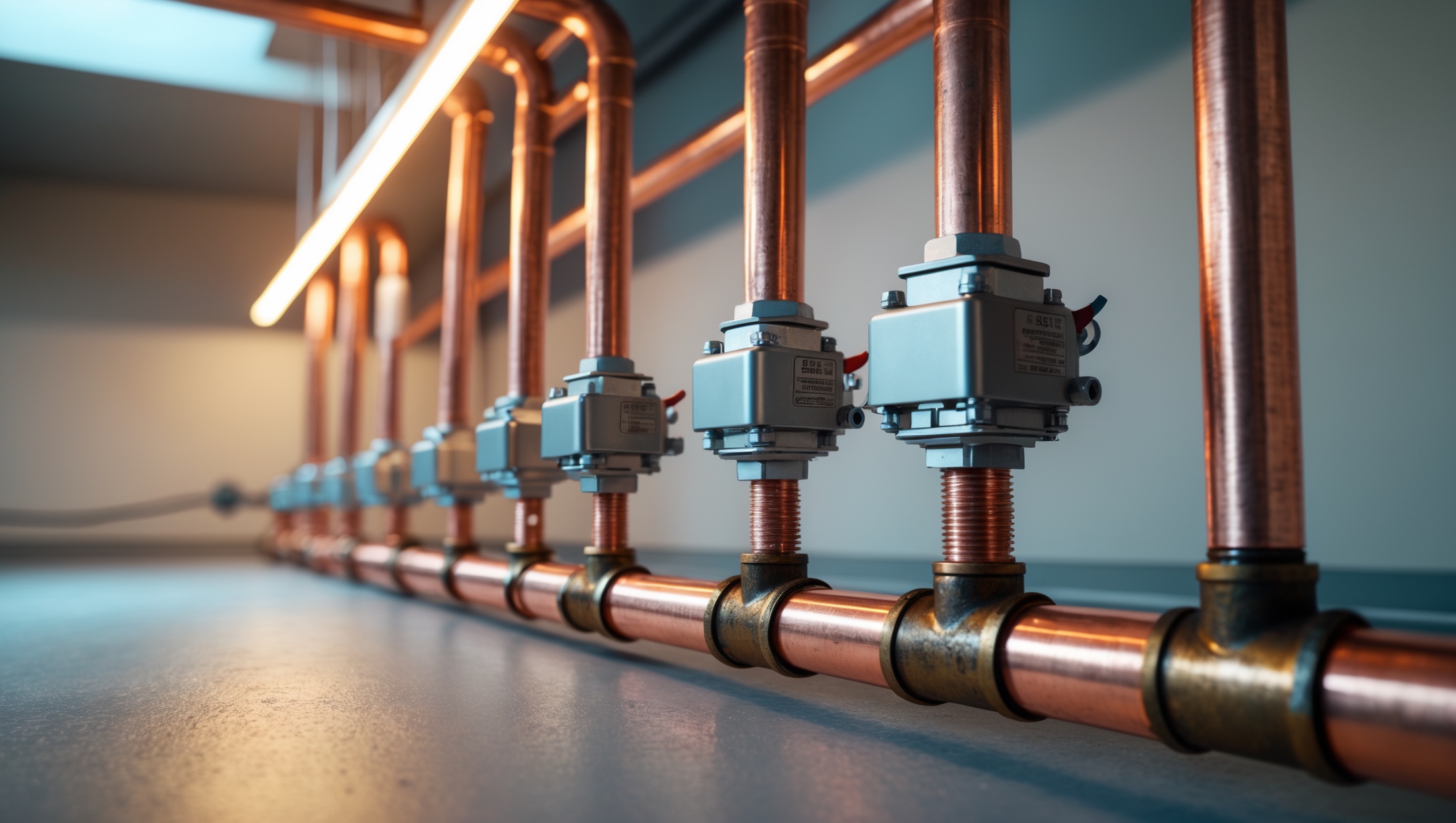
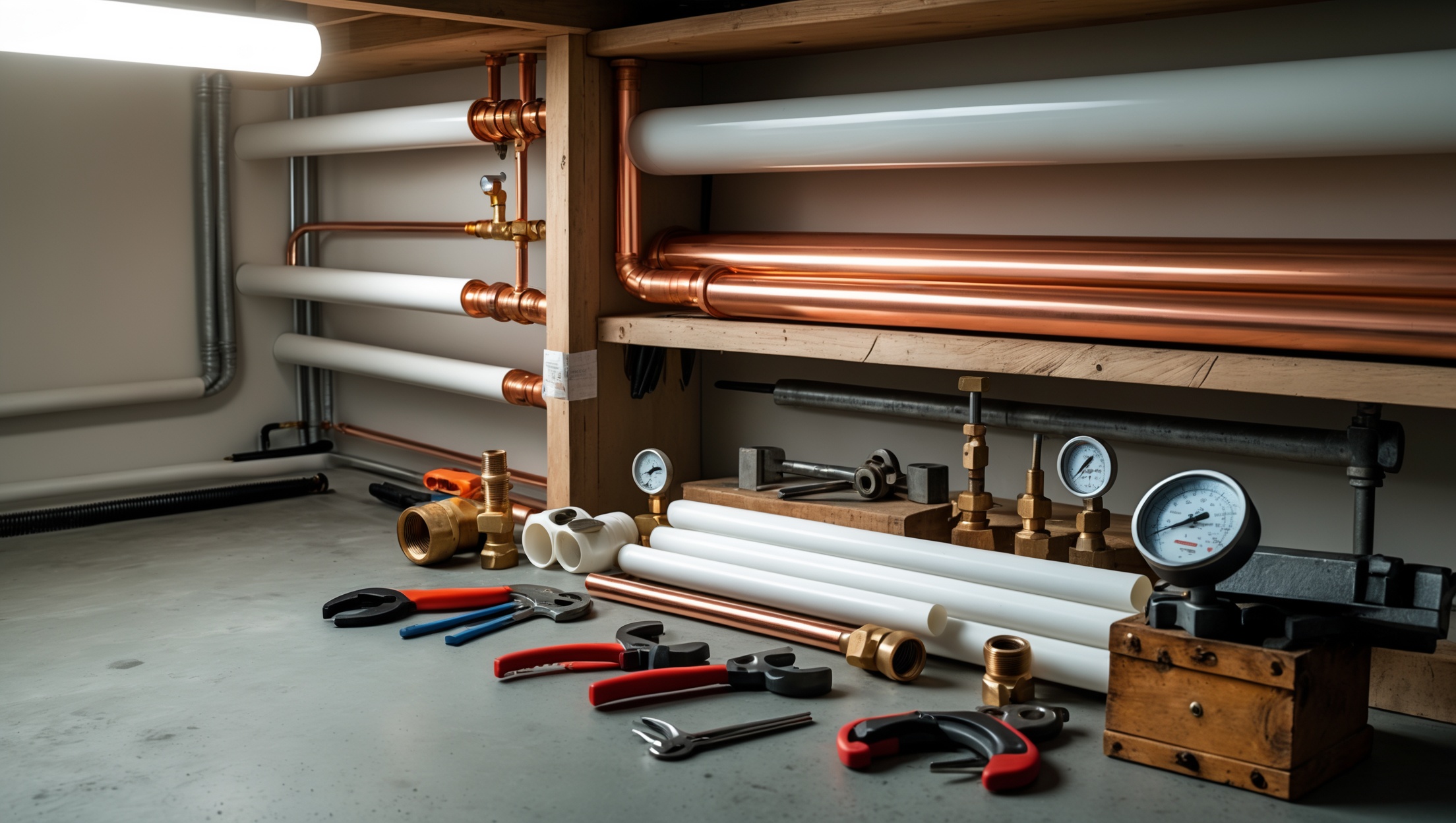
A typical bathroom’s plumbing system includes supply lines for hot and cold water, drainpipes and vents, shut-off valves, and connections for the toilet, sink, tub, and shower. Older homes may have galvanized steel or cast-iron pipes, while modern renovations favor copper, PEX, or PVC. The age, condition, and layout of your existing plumbing will heavily influence both your renovation scope and potential costs.
- Supply lines: Deliver water to fixtures; may require upgrading for increased flow or code compliance.
- Drainage and venting: Essential for proper wastewater removal and odor control; hidden leaks or improper slopes can require extensive repair.
- Shut-off valves: Critical for fixture replacement and emergency repairs; often overlooked if old or inaccessible.
Assessing Existing Conditions
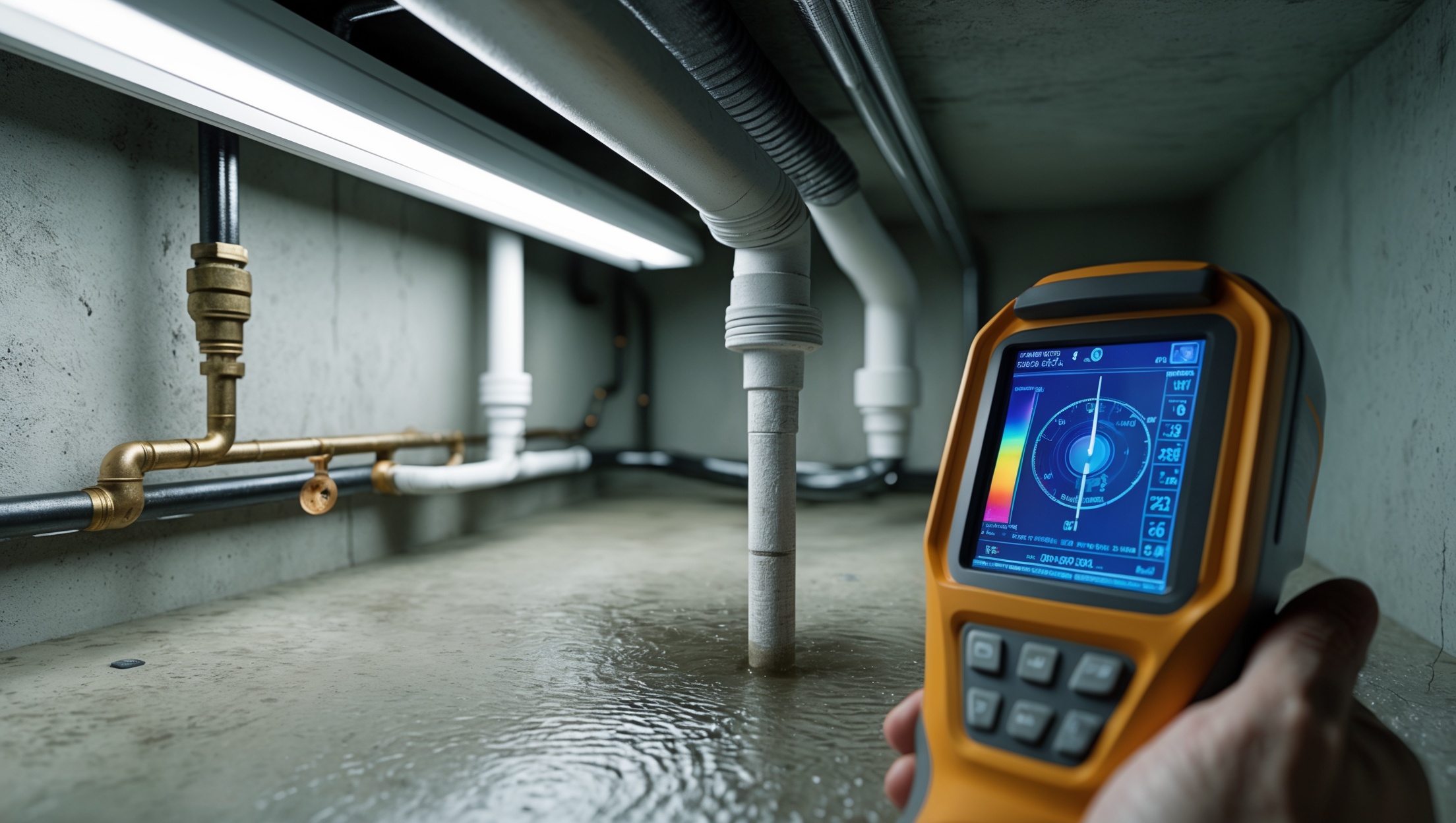
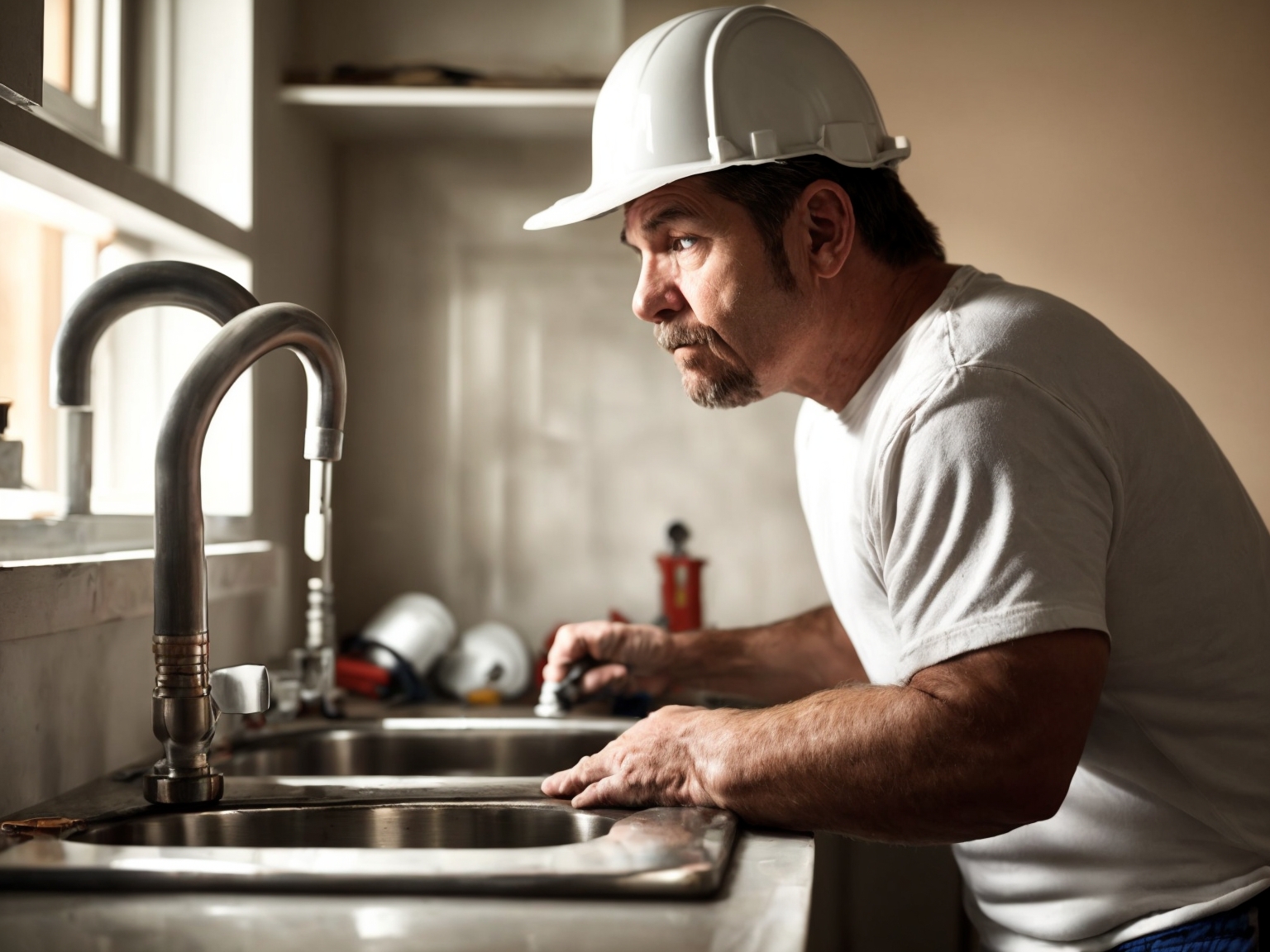
Before demolition, a thorough inspection is essential. Hidden leaks, corrosion, or non-compliant installations can increase costs. Even if your fixtures “work fine,” underlying problems can surface during renovation, resulting in additional labor and material expenses.
Commonly Overlooked Plumbing Costs
1. Pipe Upgrades and Relocation
Modern fixtures may demand greater water volume or different layouts. If you’re moving a toilet, shower, or sink, expect to reroute both supply and drain lines. This process involves opening walls or floors, which increases labor and material costs. In older homes, existing pipes may be incompatible with new fixtures, requiring full or partial replacement.
- Moving a toilet: Involves relocating the large-diameter drain and vent—often the most expensive fixture to move.
- Upgrading supply lines: Necessary if switching to high-flow or multi-head showers.
2. Water Damage and Mold Remediation
Hidden leaks or moisture buildup often lurk behind walls and under floors. Once demolition begins, previously unseen water damage or mold may be discovered, requiring remediation before plumbing work can proceed. This can add hundreds or thousands of dollars to your project, depending on the extent of the damage.
3. Code Compliance and Permit Fees
Many municipalities require permits for bathroom renovations involving plumbing. Fees vary widely, and unpermitted work can lead to fines or forced tear-outs. Additionally, your updated bathroom must meet current plumbing codes, which may necessitate upgrades to venting, fixture spacing, or backflow prevention devices.
- Permit costs: Typically $100–$500, but can be higher in urban areas.
- Inspection fees: Sometimes charged separately.
4. Fixture and Valve Upgrades
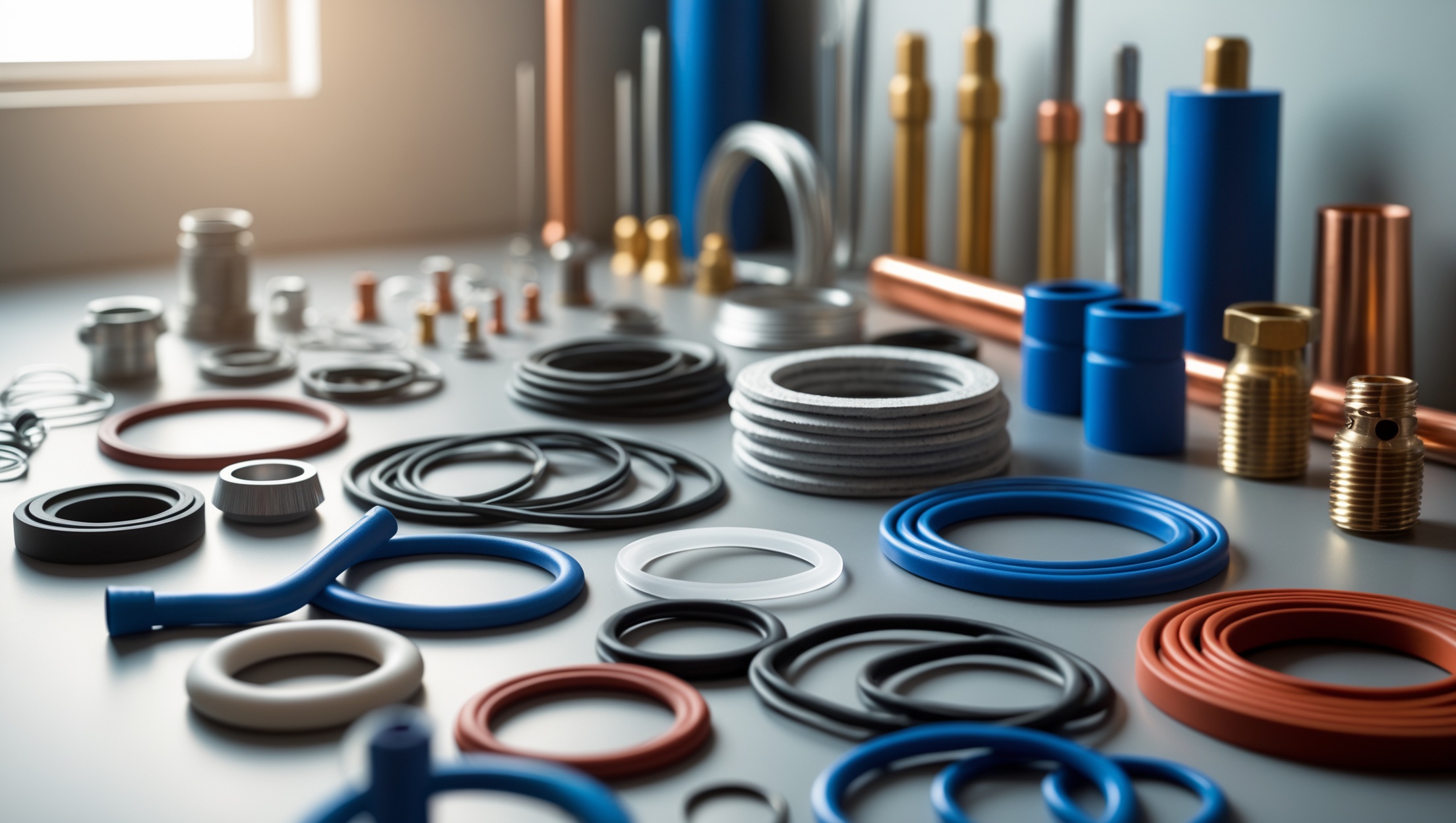
Modern faucets, toilets, and showers often require updated supply lines, shut-off valves, or mounting hardware. If your current valves are corroded, outdated, or incompatible, replacing them will be necessary—an often unplanned expense.
5. Unexpected Structural Modifications
Altering plumbing can sometimes require opening joists or reinforcing framing, especially for large tubs or walk-in showers. These structural changes mean additional labor and materials beyond the plumbing itself.
Budgeting for the Unexpected: Practical Steps
Get a Detailed Pre-Renovation Inspection
Hire a licensed plumber to perform a camera inspection of drains, pressure tests on supply lines, and a visual survey of all accessible piping. This upfront investment—typically $150–$400—can save thousands in unexpected costs down the line.
Request Itemized Estimates
Ask your contractor or plumber for a line-by-line breakdown of labor, materials, permit fees, and potential contingencies. Look for language that accounts for the possibility of hidden damage or required upgrades, and clarify how change orders will be handled.
Allocate a Contingency Fund
Experts recommend reserving at least 15–20% of your total bathroom renovation budget for unexpected plumbing costs. This buffer can mean the difference between a smooth project and a major financial headache.
Hidden Costs by Fixture: What to Watch For
Toilets
- Flange repair or replacement: Old or corroded toilet flanges may not provide a proper seal, causing leaks and water damage.
- Drain relocation: Moving a toilet can be costly due to the large pipe diameter and need for proper venting.
Sinks and Vanities
- P-trap upgrades: New vanities may not align with existing drainpipes, requiring reconfiguration.
- Supply line extension or replacement: Old or kinked lines often need to be replaced for safety and reliability.
Showers and Tubs
- Shower pan installation: Proper waterproofing is essential to prevent leaks; unexpected subfloor repairs may be required.
- Tub-to-shower conversions: Drains may need to be relocated, and supply lines upgraded to handle new fixtures.
- Multi-head showers: May require increased water pressure or dedicated supply lines.
Compliance and Permit Essentials
Understanding Local Plumbing Codes
Plumbing codes cover everything from pipe sizing to venting, backflow prevention, and fixture spacing. Renovations must bring outdated systems up to current standards. Common compliance costs include:
- Adding or enlarging vents to prevent siphoning and ensure proper drainage
- Installing anti-scald valves in showers
- Replacing non-compliant materials (e.g., lead, galvanized steel)
Permit Process and Inspections
Permits are usually required for any work that alters plumbing systems. The permit process typically involves submitting plans, paying fees, and undergoing one or more inspections. Skipping this step can void insurance coverage and complicate future home sales.
Strategies to Control Plumbing Costs
Retain Existing Fixture Locations
The simplest way to minimize plumbing costs is to keep sinks, toilets, and showers in their original positions. Relocating fixtures is labor-intensive and often triggers code upgrades for the entire system.
Choose Fixtures Compatible with Existing Plumbing
Some new fixtures require specialized valves, higher water pressure, or unique drain configurations. Bring your plumber into the selection process early to avoid costly surprises during installation.
Upgrade in Phases
If your budget is tight, consider upgrading supply lines and valves during your main renovation, but leave non-essential upgrades (like luxury shower systems) for a later phase.
DIY Demolition—With Caution
Homeowners with DIY experience can save on labor by handling demolition themselves. However, cutting into walls without proper knowledge can damage hidden pipes, resulting in even higher repair costs.
Case Study: A Real-World Hidden Plumbing Cost
Consider a homeowner in a 1960s-era house planning a simple tub-to-shower conversion. The original estimate covered only the new shower pan, tile, and glass door. During demolition, the plumber discovered the cast-iron drain was corroded and leaking, the supply lines were undersized for a rain shower, and the venting didn’t meet current code. The remedy required replacing the entire branch drain, upsizing the supply lines, and adding a new vent stack—adding $3,200 to the original $7,500 project cost. Fortunately, the homeowner had budgeted a 20% contingency and avoided a stalled renovation, but the lesson was clear: hidden plumbing costs can strike even in “simple” remodels.
Expert Tips for a Smooth, Budget-Smart Renovation
- Schedule inspections early: Identify issues before demolition to avoid costly delays and change orders.
- Retain access panels: Design your renovation to include removable panels for accessing shut-off valves and traps, reducing future repair costs.
- Document everything: Take photos of pipes and connections before closing up walls for future reference.
- Double-check fixture specs: Ensure new fixtures are compatible with your water pressure and pipe sizes.
- Work with licensed pros: Professional plumbers know local codes and can help you avoid expensive mistakes.
Conclusion: Plan Ahead to Avoid Plumbing Budget Blowouts
Bathroom renovations are exciting opportunities to refresh your living space and increase your home’s value, but hidden plumbing costs can turn a dream project into a financial headache. By understanding the intricacies of your bathroom’s plumbing system, anticipating potential code and compliance upgrades, and budgeting for the unexpected, you can take control of your renovation costs. Don’t let outdated pipes, hidden leaks, or unplanned fixture relocations catch you off guard. Instead, invest in a thorough pre-renovation inspection, consult with licensed professionals, and allocate a healthy contingency fund from the start.
Remember, the cheapest renovation is rarely the best value—cutting corners on plumbing can lead to leaks, water damage, and expensive repairs down the road. By making informed decisions, you’ll not only avoid unpleasant surprises but also enjoy a safer, more reliable, and longer-lasting bathroom. Whether you’re upgrading a guest powder room or creating a luxury master suite, a well-planned approach to plumbing will ensure your investment pays off in comfort, functionality, and peace of mind. With these expert strategies, your bathroom renovation can be both beautiful and budget-responsible—no hidden costs lurking behind the tiles.





Kevin Ramirez
If I am doing parts of the renovation myself and discover outdated supply lines, is it possible to just upgrade those sections, or does everything need to be replaced at once to stay up to code?