Plumber Las Vegas News

Your trusted source for plumbing updates, DIY fixes, and industry insights in Las Vegas. Stay informed with practical tips, local trends, and expert advice for homeowners and professionals alike.

Plumbing for Cold Climates: Winter-Proofing Strategies That Work

Introduction: Why Winter-Proofing Your Plumbing Matters

When temperatures drop, your plumbing system faces unique challenges that can lead to inconvenient and costly disasters. Burst pipes, frozen faucets, and undetected leaks are just some of the issues homeowners and property managers confront in cold climates every year. Yet, with proper winter-proofing strategies, most of these problems are preventable. In this comprehensive guide, you’ll learn actionable, field-tested techniques for protecting your pipes and fixtures from freezing temperatures, minimizing the risk of water damage, and ensuring your plumbing system continues to operate efficiently throughout the coldest months. Whether you’re a DIY enthusiast, a new homeowner, or a seasoned pro looking to brush up on best practices, the tips and checklists here will help you safeguard your investment, save money, and enjoy peace of mind all winter long.

Understanding the Risks: How Cold Weather Impacts Plumbing

Why Pipes Freeze and Burst

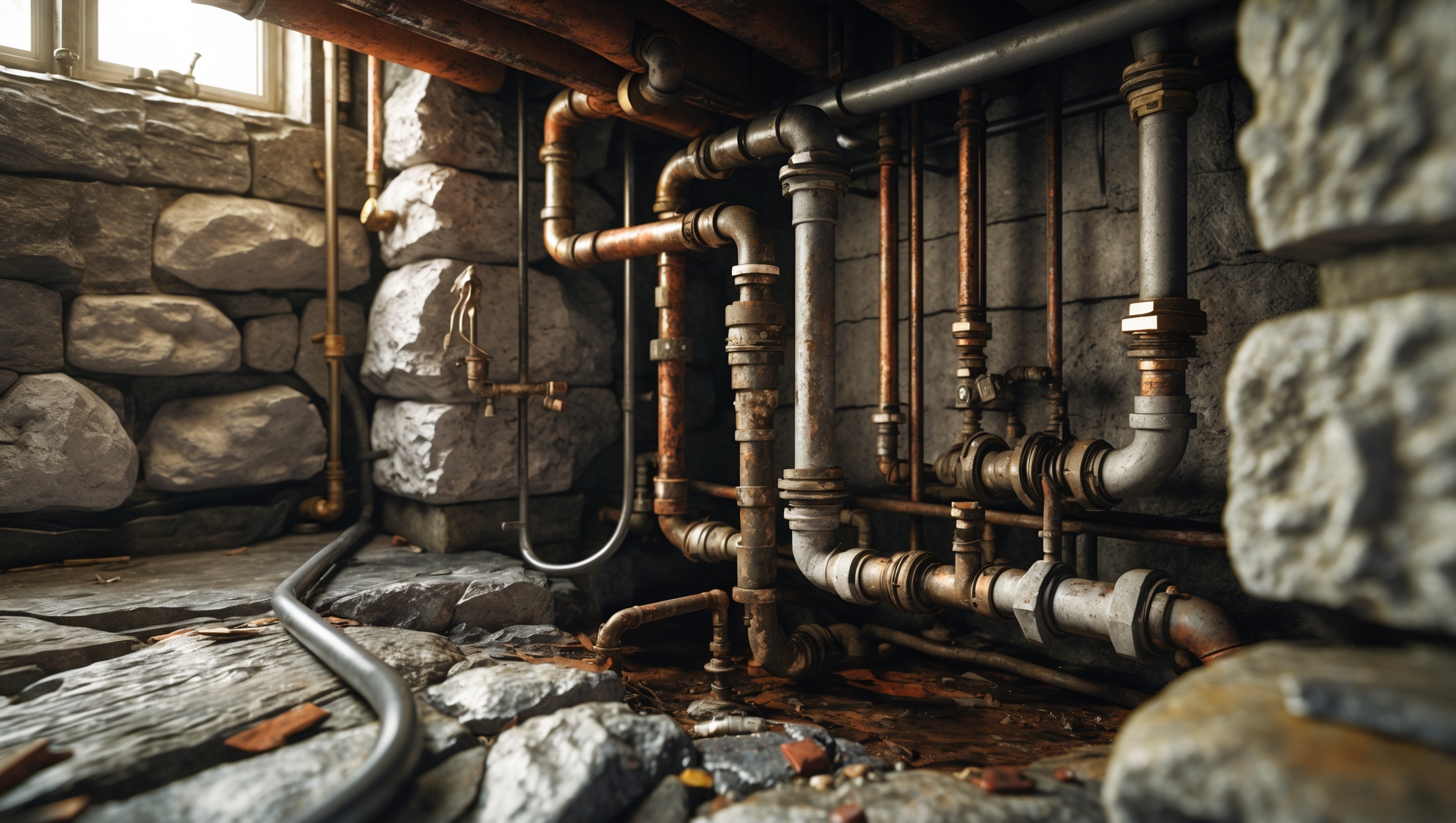
Water expands as it freezes, exerting immense pressure on the walls of metal and plastic pipes. When the pressure builds beyond what the pipe can withstand, it bursts—often when the ice thaws and water starts to flow again. Pipes in unheated interior spaces like basements, attics, crawl spaces, and garages are especially vulnerable, as are those running along exterior walls with inadequate insulation.

Common Vulnerable Areas

  • Exposed pipes in unconditioned spaces (basements, crawl spaces, attics)
  • Pipes along exterior walls
  • Outdoor hose bibs and irrigation lines
  • Garage and utility room plumbing
  • Cabinet plumbing under sinks on outside walls

Consequences of Inadequate Winterization

  • Flooding and extensive water damage
  • Costly emergency repairs
  • Mold growth and structural deterioration
  • Disrupted water supply during freezing weather

Step 1: Inspect and Identify At-Risk Plumbing

Conduct a Thorough Walkthrough

Begin your winter-proofing by inspecting the entire property to locate pipes at risk. Use a flashlight to examine basements, crawl spaces, garages, attics, and under sinks. Check for:

  • Uninsulated or partially insulated pipes
  • Cracks or gaps in walls where cold air can reach pipes
  • Drafty windows or doors near plumbing
  • Old or damaged insulation

Map Your Plumbing System

Create a simple diagram or take notes on the layout of your plumbing, marking areas that need attention. Pay special attention to plumbing in exterior walls and seldom-used fixtures.

Step 2: Pipe Insulation—Types, Techniques, and DIY Tips

Choosing the Right Insulation

There are several types of pipe insulation, each with its pros and cons:

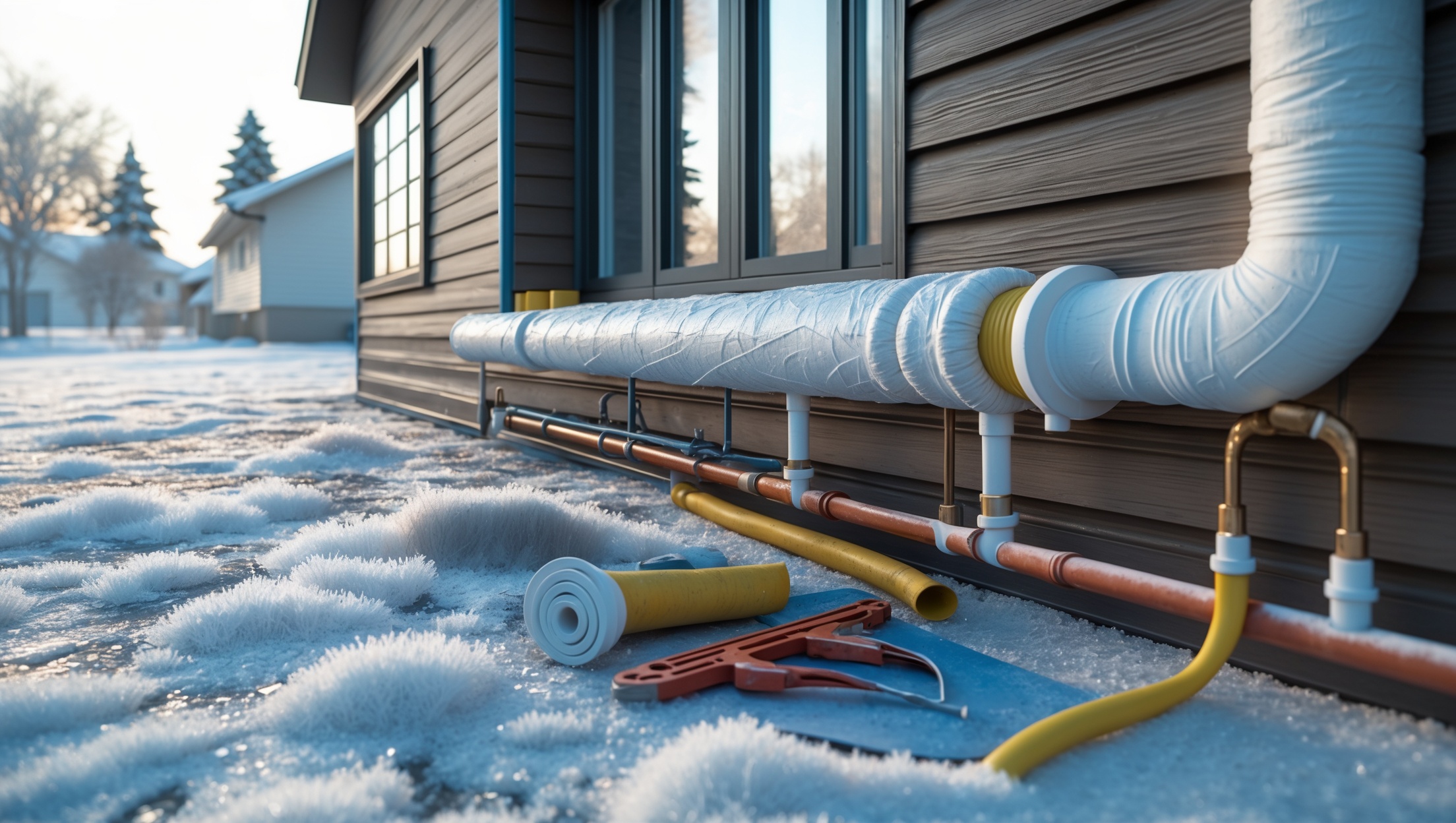
  • Foam Tubing: Easy to install, affordable, good for straight runs of pipe.
  • Fiberglass Wrap: Flexible, suitable for high-heat areas, but requires vapor barrier.
  • Rubber Insulation: Durable, resists moisture, ideal for frequently handled pipes.
  • Heating Cable: Provides active warming, used with insulation for severe cold.

Best Practices for Installation

  • Measure and cut insulation to fit snugly without gaps.
  • Seal seams with appropriate tape (e.g., foam insulation tape or duct tape).
  • Wrap elbows, joints, and valves thoroughly—these areas are most likely to freeze.
  • For extreme cold, combine heating cable with insulation and follow manufacturer instructions carefully.
  • Replace any damaged or missing insulation annually.

Step 3: Protecting Outdoor Plumbing and Fixtures

Winterizing Hose Bibs and Outdoor Faucets

  • Remove and store all hoses. Water left inside can freeze and expand into connected pipes.
  • Shut off the water supply to outdoor faucets from inside the house if possible.
  • Open the faucet to drain remaining water.
  • Install insulated faucet covers for added protection.

Irrigation Systems and Sprinklers

  • Shut off water to the irrigation system.
  • Drain lines according to manufacturer instructions—usually by blow-out method with compressed air.
  • Insulate any above-ground pipes or backflow preventers.
  • Check for leaks or damage before reactivating in spring.

Step 4: Sealing Drafts and Improving Heat Retention

Locate and Seal Air Leaks

Even the best-insulated pipes can freeze if exposed to persistent drafts. Inspect your home for gaps around windows, doors, and utility penetrations near plumbing. Use caulk or expanding foam to seal openings. Weatherstrip doors and windows for an extra layer of protection.

Keep Warm Air Circulating

  • Open cabinet doors under sinks to allow warm air to reach pipes, especially on exterior walls.
  • Keep garage doors closed when not in use.
  • Maintain a consistent, moderate indoor temperature—even if you’re away.

Step 5: Smart Use of Heat and Water Flow

Strategic Heating Solutions

  • Use space heaters safely in unconditioned areas with exposed plumbing (follow all safety guidelines).
  • Install pipe heating cables for high-risk sections.
  • Insulate unfinished basements or crawl spaces to reduce heat loss.

Preventing Freezes with Water Flow

  • During extreme cold snaps, let a trickle of water run from faucets served by vulnerable pipes. Moving water is less likely to freeze.
  • Prioritize hot and cold taps on exterior walls or in unheated areas.
  • Monitor usage to avoid waste while maintaining protection.

Step 6: Preparing for Extended Absences

Shutting Down Safely

  • Turn off the main water supply if you’ll be away for several days or more.
  • Open all faucets and drain the system completely.
  • Flush toilets and pour non-toxic antifreeze into traps to prevent freezing smells or damage.
  • Consider a smart leak detector and temperature monitor for remote alerts.

Step 7: Emergency Response—What to Do If Pipes Freeze or Burst

Recognizing the Signs of Frozen Pipes

  • No water or reduced flow from faucets
  • Frost visible on pipes
  • Unusual odors from drains (indicating an ice blockage)

Thawing Pipes Safely

  • Shut off the main water supply before thawing to prevent flooding.
  • Use a hair dryer, heat lamp, or hot towels to warm frozen sections. Never use open flames or torches.
  • Start thawing closest to the faucet, then work toward the frozen area.
  • Check for leaks as pipes thaw; even a small split can cause major damage.

Handling Burst Pipes

  • Keep the main water valve off.
  • Call a licensed plumber immediately.
  • Document the damage for insurance purposes—take photos and notes.
  • Begin water removal and drying as soon as it’s safe to do so.

Maintenance and Monitoring: Staying Ahead of Winter Plumbing Problems

Regular Checks

  • Inspect insulation and exposed pipes at the start and midpoint of winter.
  • Test shut-off valves for proper function.
  • Look for signs of moisture or frost around plumbing.

Upgrade with Smart Technology

  • Install leak detectors in basements, crawl spaces, and under sinks.
  • Use smart thermostats to maintain safe temperatures during cold spells.
  • Consider temperature sensors on critical pipes for real-time alerts.

Cost Considerations: Budgeting for Winter-Proofing

Material and Labor Costs

Insulating pipes is generally inexpensive, with foam tubes costing $0.50–$2 per foot. Heating cables range from $20–$60 for standard lengths. Professional installation may cost $100–$500 depending on the job’s complexity. Faucet covers and weatherstripping add only minor expenses.

Long-Term Savings

Avoiding just one burst pipe incident can save thousands in repairs and water damage restoration. Investing in winter-proofing is a smart, cost-effective strategy.

Pro Tips and Common Mistakes to Avoid

  • Don’t leave installation gaps or exposed joints when insulating pipes.
  • Avoid using open flames to thaw pipes—fire risk is high.
  • Don’t neglect less obvious areas like crawl spaces or under mobile homes.
  • Replace worn insulation promptly; compressed or waterlogged insulation is ineffective.
  • Confirm all outdoor faucets are fully drained before the first freeze.

Conclusion: Stay Safe and Dry All Winter Long

Winter-proofing your plumbing isn’t just a one-time task—it’s a smart, ongoing commitment to protecting your home or business from the costly aftermath of frozen and burst pipes. By following the practical steps outlined in this guide, you’ll be well-equipped to identify risks, implement proven insulation and heating strategies, and respond quickly if cold weather threatens your system. Remember, a few hours of preparation can save you days of inconvenience and thousands of dollars in repairs. Review your system annually, stay informed about the latest products and techniques, and don’t hesitate to consult a professional for complex or high-risk scenarios. With these strategies in place, you can enjoy the colder months with confidence, knowing your plumbing is protected against whatever winter brings.

174 comments
Charles Lopez

The article mentions that cabinet plumbing under sinks on outside walls is a common risk. Are there simple steps homeowners can take to protect these areas without doing major renovations, especially for those on a tight budget?

    Mario The Plumber

    Yes, there are effective, low-cost steps you can take. Open cabinet doors under sinks to let warm indoor air circulate around the pipes. Letting faucets drip slightly during extreme cold also helps prevent freezing. You can add pipe insulation tubes or even wrap pipes with towels or foam sleeves for extra protection. These measures are simple and affordable, and they help reduce the risk of frozen pipes in vulnerable areas.

Christopher Lopez

Once the worst of winter is over, is there a recommended checklist or process to make sure no hidden leaks or damage happened during the cold months, especially in crawl spaces and attics?

    Mario The Plumber

    After winter, it’s wise to check for any plumbing issues that could have developed. Inspect exposed pipes in crawl spaces and attics for signs of condensation, corrosion, or small leaks. Look for damp spots, mold, or musty odors. Run water through your fixtures and check water pressure; a decrease could signal a hidden leak. It’s also a good idea to inspect pipe insulation for damage. If you’re unsure or spot anything concerning, consider having a plumber do a thorough inspection.

Patricia White

If I discover a frozen pipe in the garage but it hasn’t burst yet, what are the immediate steps I should take to thaw it safely and prevent any damage?

    Mario The Plumber

    If you find a frozen pipe in your garage that hasn’t burst, keep the garage door closed to retain warmth. Gently warm the pipe by wrapping it with towels soaked in hot water or using a hair dryer, starting near the faucet and moving toward the frozen area. Avoid using open flames or high-heat devices. Turn on the faucet to allow water to flow as the ice melts, which helps relieve pressure. Stay nearby to monitor for leaks in case the pipe does split.

Karen White

For a new homeowner like me, how do I tell if the pipes under my kitchen sink are actually on an outside wall and need more insulation? Is there a simple way to check without tearing anything apart?

    Mario The Plumber

    You can usually tell if your kitchen sink pipes are on an outside wall by looking at the layout of your home. If the wall behind your sink faces the outside of your house, those pipes are likely on an exterior wall. To confirm, check if the cabinet feels noticeably colder in winter or if you see signs of frost or cold drafts inside. No need to remove any walls—just feel for temperature differences.

John Smith

You mention inspecting exposed pipes and those along exterior walls. For properties built before 1970, are there specific materials or pipe types I should look out for that may be more susceptible to freezing and bursting?

    Mario The Plumber

    For homes built before 1970, you should check for galvanized steel, iron, and older copper pipes, as these are common in that era and can be more prone to freezing and bursting, especially if insulation is lacking. Galvanized and iron pipes are particularly vulnerable due to their tendency to corrode, which can increase the likelihood of failure during freeze-thaw cycles. If you spot any of these materials, consider adding extra insulation or even upgrading to modern piping.

Charles Hernandez

For someone on a tight budget, which winter-proofing strategy delivers the biggest bang for your buck in preventing frozen pipes?

    Mario The Plumber

    On a tight budget, insulating exposed pipes with inexpensive foam pipe sleeves or even wrapping them with towels and duct tape is the most cost-effective way to prevent freezing. Focus especially on pipes in unheated areas like basements, crawl spaces, and attics. This simple step can make a big difference without spending much money.

Christopher Johnson

After inspecting for at-risk plumbing, how soon should I start seeing results if I make changes like insulating pipes or sealing gaps? Is this something I need to do annually or will it last for several winters?

    Mario The Plumber

    Once you insulate pipes or seal gaps, the benefits—like reduced risk of freezing—are immediate as long as the work is done properly. High-quality insulation and thorough sealing can last for several winters, but it’s a good idea to check everything annually for any damage or wear, especially after harsh winters, to ensure continued protection.

Tyler Ramirez

Can you compare the effectiveness of leaving faucets dripping versus installing pipe heating cables when trying to prevent freezing in exposed plumbing? I’m curious which method has better long-term results and cost efficiency.

    Mario The Plumber

    Leaving faucets dripping helps prevent freezing by keeping water moving, but it wastes water and isn’t a long-term solution. Installing pipe heating cables is more effective and energy-efficient over time, especially for exposed pipes. Heating cables directly warm the pipes and can be used only when needed, reducing risks and costs associated with burst pipes or water waste.

Daniel Williams

If I notice a minor leak during my winter plumbing inspection, should I try to repair it myself before temperatures drop further, or is it better to call a professional right away?

    Mario The Plumber

    If you find a minor leak during your inspection, it’s safest to call a professional right away, especially with colder weather approaching. Even small leaks can worsen quickly in freezing temperatures, possibly leading to pipe bursts or water damage. If you have plumbing experience and the leak is very minor, you might do a temporary fix, but a permanent repair from a professional is the best way to protect your home.

Lisa Lopez

For someone who wants to tackle winter-proofing as a first-time homeowner, what are the most cost-effective steps to start with? I’m concerned about both preventing burst pipes and keeping expenses reasonable.

    Mario The Plumber

    As a first-time homeowner, start by insulating exposed pipes in unheated areas like basements, attics, and crawl spaces—pipe insulation sleeves are inexpensive and effective. Seal gaps around windows, doors, and where pipes enter your home to block drafts. Disconnect and drain outdoor hoses, and close exterior hose bibs. Keeping your home heated to at least 55°F, even when away, also helps prevent freezing. These steps offer solid protection without major expenses.

Christopher Williams

I noticed you mentioned that pipes in unheated spaces like attics and crawl spaces are particularly vulnerable. Are there specific insulation materials or products you recommend for these areas to maximize protection, and how do they hold up over multiple winters?

    Mario The Plumber

    For unheated spaces, foam pipe insulation sleeves are highly effective—they’re easy to install and provide good protection against freezing. For extra security, especially in very cold climates, consider using fiberglass pipe wrap with a vapor barrier. Both materials tend to hold up well over several winters, but it’s wise to inspect them annually for any wear or gaps and replace as needed to maintain their effectiveness.

Jennifer Clark

For small business owners with plumbing running through unheated garages and exterior walls, are there specific types of insulation or products you recommend that work best in commercial spaces versus residential ones?

    Mario The Plumber

    For small businesses with plumbing in unheated garages or exterior walls, closed-cell foam pipe insulation is often preferred due to its higher R-value and moisture resistance. In commercial spaces, consider using thicker insulation or pre-slit, self-sealing foam tubes designed for high-traffic or exposed areas. You might also look into heat trace cables paired with insulation for extra freeze protection. Commercial-grade insulation products are generally more durable and better suited for frequent use or exposure.

Andrew Gonzalez

The article mentions that pipes in unheated interior spaces like garages and attics are especially vulnerable. How do you recommend maintaining warmth in these areas without massively increasing heating costs or energy use?

    Mario The Plumber

    To keep pipes warm in unheated spaces like garages or attics without driving up energy bills, focus on targeted solutions. Pipe insulation is key—wrap pipes with foam or fiberglass sleeves. You can also use heat tape or heating cables directly on pipes for extra protection. Sealing gaps and cracks in walls or floors helps prevent cold drafts. For added safety during extreme cold, opening cabinet doors or allowing a trickle of water can help, but insulation and sealing are the most energy-efficient options.

Lisa Smith

If I already have some exposed pipes in my crawl space, how quickly do I need to address them before winter hits? Is it okay to wait until the first freeze warning, or should I act sooner?

    Mario The Plumber

    It’s best to insulate your exposed crawl space pipes well before the first freeze warning. Cold snaps can happen suddenly, and unprotected pipes are at risk of freezing even during early cold spells. Taking care of this task sooner rather than later will give you peace of mind and help prevent costly pipe damage or burst pipes during unexpected cold weather.

Matthew Jones

Can you give an idea of how much the basic winter-proofing steps might cost for a small home? I want to be prepared but am on a pretty tight budget.

    Mario The Plumber

    For a small home, basic winter-proofing like insulating pipes, sealing gaps, and installing foam faucet covers usually costs between $100 and $300 if you do it yourself. Most supplies are affordable at hardware stores. If you hire a plumber for extra help, the cost could increase to $300–$600, depending on labor rates in your area. Focusing on the most vulnerable pipes and drafty spots can help you stay within a tight budget.

John Thompson

We have a lot of exposed pipes in our unfinished basement and crawl space. The article mentions these as high-risk areas—do you recommend a particular type of insulation or wrapping material that holds up best through really cold winters?

    Mario The Plumber

    For exposed pipes in very cold areas like basements and crawl spaces, closed-cell foam pipe insulation is often recommended because it provides good thermal protection and resists moisture. For extra cold conditions, you might also consider adding fiberglass pipe wrap over the foam for added insulation. Make sure to seal seams with tape designed for insulation to keep cold air out. Heat tape or cables can be used on especially vulnerable pipes for additional freeze protection.

Barbara Lee

I’m a bit overwhelmed by all the at-risk areas listed. For homeowners on a tight budget, which winter-proofing steps should be prioritized to prevent the most common plumbing issues in cold climates?

    Mario The Plumber

    If you’re on a tight budget, start by insulating exposed pipes, especially those in unheated areas like basements or crawl spaces, since these are the most vulnerable to freezing. Next, seal gaps or cracks around pipes where cold air might enter. Letting faucets drip slightly during extreme cold can also help prevent frozen pipes. These steps are usually inexpensive and make a big difference in avoiding burst pipes.

Brian Jones

If a pipe does freeze despite taking precautions, what are the first steps I should take before calling a professional? I want to avoid causing more damage while waiting for help to arrive.

    Mario The Plumber

    If a pipe freezes, first turn off the main water supply to prevent the risk of a burst pipe once it thaws. Next, gently warm the frozen section using a hair dryer or heating pad—never use an open flame. Open nearby faucets slightly to relieve pressure and encourage melting. Avoid trying to force the pipe open or using excessive heat, as this can cause damage. Call a professional if you notice cracks, leaks, or if you’re unable to restore water flow safely.

Margaret Robinson

You touched on the potential for mold and structural deterioration due to inadequate winterization. If a pipe does freeze but doesn’t burst, what immediate steps should homeowners take to safely thaw it and prevent future issues?

    Mario The Plumber

    If you discover a frozen pipe that hasn’t burst, first turn off the water supply to prevent any leaks if it does crack. Open the faucet to relieve pressure, then gently warm the pipe using a hair dryer, heat lamp, or towels soaked in hot water. Never use an open flame or high heat source. After thawing, inspect for leaks and consider adding insulation or heat tape to exposed pipes to prevent future freezing.

Helen Smith

Can you provide an estimate of the average cost involved in winter-proofing an average-sized home’s plumbing system using the techniques mentioned? I’m trying to budget for upgrades before the next cold season.

    Mario The Plumber

    For an average-sized home, winter-proofing plumbing typically costs between $500 and $1,500. This range covers pipe insulation, heat tape installation, sealing drafts, and possibly upgrading outdoor faucets. Costs may be higher if your home has older pipes or if you hire professionals for all tasks. If you’re comfortable with some DIY work, you could keep expenses toward the lower end of the range.

Kimberly Robinson

After identifying at-risk pipes based on your checklist, what are the immediate next steps for those already showing minor freezing—should I call an emergency plumber right away or are there safe DIY ways to address it before serious problems start?

    Mario The Plumber

    If you notice pipes that are starting to freeze but haven’t burst, you can often take quick DIY action. Safely apply gentle heat using a hair dryer, heat lamp, or towels soaked in hot water—never use an open flame or high heat devices. Open nearby faucets to help water flow. If you see bulging pipes, cracks, or water leaks, call a plumber immediately. Otherwise, monitor closely and consider improving insulation in that area.

Charles Martinez

If a pipe does end up freezing even after following these winter-proofing steps, what’s the safest way to thaw it out without causing more damage or putting myself at risk?

    Mario The Plumber

    If a pipe freezes, first turn off the water supply to prevent possible bursts. Use a hair dryer, heat lamp, or portable space heater to gently warm the frozen section, starting near the faucet and working back. Never use an open flame or blowtorch, as this is a major fire risk. If you can’t locate or safely access the frozen area, consider calling a professional plumber.

Sean Perez

You mention that cabinet plumbing under sinks along exterior walls can freeze. Do you have any practical tips for an active business to keep those pipes safe overnight or on weekends when the heating is turned down?

    Mario The Plumber

    For businesses, keeping pipes safe when the heat is lowered can be handled a few ways. Open the cabinet doors under sinks to let warmer air circulate around the pipes. You can also wrap the pipes with foam insulation or use electric pipe heating cables. If extreme cold is expected, let a small trickle of water run overnight to help prevent freezing. Just be sure to check local codes about leaving water running.

David Thomas

We have a fairly old house and our plumbing runs through both the attic and crawl space. Is there a difference in how we should insulate pipes in those two areas, or do the same winter-proofing strategies apply to both?

    Mario The Plumber

    Insulating pipes in attics and crawl spaces does involve similar materials, like foam pipe sleeves or fiberglass, but there are important differences. Attics can get extremely cold, so make sure pipes are fully wrapped and consider adding extra insulation above them. Crawl spaces may need vapor barriers to reduce moisture and drafts. Sealing any gaps or vents in both areas is also key to keeping pipes protected from freezing.

Elizabeth Johnson

For emergency situations where a pipe does freeze despite precautions, what are the immediate steps I can take to minimize water damage until a professional arrives?

    Mario The Plumber

    If a pipe freezes, immediately turn off the main water supply to prevent flooding in case the pipe bursts. Open nearby faucets to relieve pressure and encourage thawing. Use a hair dryer or heat lamp to gently warm the frozen section—never use an open flame. Move belongings out of the affected area to protect them from potential leaks. Contact a plumber as soon as possible for further repairs.

Linda Taylor

In the article, you mention that pipes in places like basements and garages are more likely to freeze. Are there specific types of insulation materials that work better in these unheated spaces, or does it depend on the pipe material?

    Mario The Plumber

    In unheated spaces like basements and garages, foam pipe insulation is usually the best option because it provides good protection and is easy to install. For extra cold areas, you can use fiberglass pipe wrap with a vapor barrier. The type of pipe—be it copper, PVC, or PEX—doesn’t significantly change which insulation to use, but always ensure the insulation fits snugly around the pipe.

Nancy Lee

When it comes to outdoor hose bibs and irrigation lines, is it better to drain them completely or use insulated covers, or do you need to do both? I’m not sure which approach provides better protection in climates with frequent deep freezes.

    Mario The Plumber

    For climates with frequent deep freezes, it’s best to both drain outdoor hose bibs and irrigation lines and use insulated covers. Draining removes water that could freeze and cause pipes to burst, while covers add protection against cold temperatures. Doing both provides the most reliable defense and helps prevent costly damage during the winter.

Lisa Gonzalez

How far in advance of winter should I start inspecting and winterizing the plumbing in my commercial property? I want to avoid any surprises but don’t want to do it too early if things might need re-checking.

    Mario The Plumber

    It’s best to start inspecting and winterizing your plumbing about 4 to 6 weeks before the first expected freeze. This timing gives you room to address any issues that come up, but isn’t so early that you’ll need to re-do your efforts. You can also schedule a quick follow-up check just before winter really sets in to make sure everything is still secure.

James Lee

If a pipe does freeze in a basement or crawl space despite winter-proofing, what’s the safest way to thaw it without risking pipe damage or creating a bigger leak when it thaws?

    Mario The Plumber

    If you discover a frozen pipe, the safest way to thaw it is to gently warm the pipe using a hair dryer, starting near the faucet and moving toward the frozen section. Avoid using open flames or high-heat devices, as they can damage the pipe. Keep the faucet open so melting ice has somewhere to go. If you notice any cracks or leaks after thawing, shut off the water supply and call a plumber immediately.

Mary Davis

After inspecting my exterior wall pipes, I realized some are right behind my kitchen cabinets. What is the best way to insulate these without tearing out cabinetry?

    Mario The Plumber

    You can add insulation to pipes behind kitchen cabinets by using pipe insulation sleeves or foam tubing, which can often be fitted around pipes without removing cabinetry. For extra protection, try cutting rigid foam board to size and securing it to the wall behind the cabinets if there’s enough space. Also, keep cabinet doors open during extreme cold to let warm air circulate around the pipes.

Mark Jackson

In terms of identifying at-risk plumbing, are there signs or symptoms I should look out for to catch potential freezing before a pipe actually bursts, especially in older homes?

    Mario The Plumber

    Absolutely, there are warning signs to watch for. If you notice unusually low water pressure, strange noises like banging or clanking from your pipes, or frost visible on exposed pipes, these can be early indicators of freezing. In older homes, pay extra attention to pipes along exterior walls and in unheated areas like basements or crawl spaces. Catching these signs early can help prevent a burst.

Linda Johnson

How much time should I budget for a full inspection and basic winter-proofing of a typical home’s plumbing system if it’s my first time tackling this? Are there certain steps that usually take longer than others for beginners?

    Mario The Plumber

    For your first time, set aside a full day—about 6 to 8 hours—for a thorough inspection and basic winter-proofing. Some steps, like locating all exposed pipes and applying insulation, often take the longest, especially if you’re unfamiliar with your home’s layout. Draining outdoor faucets and checking for leaks also require extra attention. Taking your time to double-check each area will help ensure you don’t miss anything important.

Christopher Jackson

When inspecting pipes along exterior walls for potential freezing risks, what specific insulation materials or techniques do you recommend that work best in very cold climates like the Midwest?

    Mario The Plumber

    For pipes along exterior walls in very cold climates like the Midwest, closed-cell foam pipe insulation sleeves work very well due to their high R-value and moisture resistance. You can also use fiberglass pipe wrap with a plastic vapor barrier for added protection. For extra cold spots, consider layering insulation and using heat tape or cable before insulating. Always seal gaps around pipes with expanding foam to block drafts.

George Jones

Does winterizing outdoor hose bibs and irrigation lines require any special tools or supplies, or can a typical homeowner handle this with basic equipment? I’m also wondering about the approximate costs involved.

    Mario The Plumber

    Winterizing outdoor hose bibs and irrigation lines doesn’t usually require special tools—most homeowners can do it with basics like a wrench, screwdriver, and perhaps a foam cover for the bibs. You’ll also want pipe insulation and possibly an air compressor to blow out irrigation lines, though some skip this step. Costs are generally modest: $5 to $20 for covers and insulation, and about $40–$70 if you rent an air compressor for irrigation lines.

Thomas Jones

You talked about cabinet plumbing under sinks on outside walls being at risk. Would simply leaving the cabinet doors open during a cold snap be effective, or is pipe insulation still necessary?

    Mario The Plumber

    Leaving cabinet doors open does help warm air circulate around the pipes during a cold snap, which can reduce the risk of freezing. However, this is usually considered a temporary measure for extreme cold. Pipe insulation is still recommended as a more reliable, long-term solution to protect your plumbing on outside walls, especially in consistently cold climates.

Joseph Davis

If a pipe bursts in an exterior wall despite taking precautions, what’s the first thing a homeowner should do to minimize water damage before calling for emergency repairs?

    Mario The Plumber

    If a pipe bursts in an exterior wall, immediately turn off the main water supply to stop further flooding. After shutting off the water, open nearby faucets to relieve any remaining pressure in the pipes. This quick action will help minimize water damage before you contact a plumber for emergency repairs.

Aaron Rodriguez

For a house where the kitchen sink is on an exterior wall, do you recommend leaving cabinet doors open and letting a trickle of water run during freezes, or are there better long-term solutions to keep those pipes safe?

    Mario The Plumber

    Leaving cabinet doors open and letting a trickle of water run are effective short-term fixes during extreme cold snaps, but for a lasting solution, consider adding pipe insulation, rerouting pipes away from exterior walls if possible, or installing heat tape on exposed pipes. Also, sealing gaps and improving wall insulation behind the sink can help protect pipes from freezing in the long run.

Tyler Harris

For homeowners on a limited budget, which winter-proofing strategies provide the most protection for the lowest cost? Is insulating exposed pipes the top priority, or are there other measures that offer a good balance between price and risk reduction?

    Mario The Plumber

    Insulating exposed pipes is indeed one of the most cost-effective ways to protect your plumbing, especially in unheated areas like basements and crawl spaces. Foam pipe insulation is inexpensive and easy to install. Additionally, sealing gaps around windows, doors, and pipe entry points with caulk or weatherstripping can help keep cold air out and add another layer of protection. These simple steps offer strong protection without stretching your budget.

Matthew Hernandez

I noticed the article mentions pipes along exterior walls being particularly vulnerable to freezing. What are the most effective insulation materials or products you’ve found for protecting those pipes in older homes with limited wall space?

    Mario The Plumber

    For older homes with limited wall space, foam pipe insulation sleeves are a top choice because they’re easy to install and work well even in tight spots. For extra protection, you can layer pipe wrap insulation or use heat tape, which provides direct warmth to the pipes. Make sure any insulation fits snugly without compressing, as air gaps reduce effectiveness.

Kimberly Ramirez

When prioritizing which parts of a plumbing system to inspect first, especially in a larger home, what areas would you rate as most urgent to check for potential leaks or inadequate insulation before winter hits?

    Mario The Plumber

    Focus first on pipes located in unheated or poorly insulated areas such as basements, crawl spaces, attics, and exterior walls, since these are most susceptible to freezing and leaks. Next, check around windows, doors, and where pipes enter the house for any gaps that could let cold air in. Prioritizing these spots will help prevent winter plumbing issues in a larger home.

Nancy Johnson

How much time should a thorough walkthrough of a typical household plumbing system take when inspecting for at-risk areas before winter? I want to make sure I’m not missing anything but also don’t want to overdo it.

    Mario The Plumber

    A thorough walkthrough of a typical household plumbing system before winter usually takes about 1 to 2 hours. This allows enough time to check all exposed pipes, outdoor faucets, crawl spaces, and insulation without rushing. Focus on areas prone to freezing, such as basements, attics, and exterior walls. If you have a larger home or older plumbing, you may need a bit more time.

David Harris

You mention cabinet plumbing under sinks on outside walls being vulnerable. Are there simple steps I can take to winter-proof those without having to open up the walls for extra insulation?

    Mario The Plumber

    Yes, there are a few simple ways to help protect the plumbing in cabinets under sinks on outside walls. Keep cabinet doors open during cold spells to let warm air circulate around the pipes. You can also use foam pipe insulation sleeves or wrap the pipes with insulating tape. For added protection, consider placing a small space heater nearby or letting a trickle of water run during extremely cold nights to prevent freezing.

Jessica Wilson

We have a lot of plumbing pipes running along exterior walls in our older home, and I’m wondering if adding insulation to just those specific areas is usually enough, or should we be looking at a more comprehensive approach for the whole system?

    Mario The Plumber

    Insulating pipes along exterior walls is a good start, since these areas are most vulnerable to freezing. However, in older homes, it’s wise to assess the whole plumbing system. Cold spots can develop in crawl spaces, basements, or near poorly sealed windows. A comprehensive approach—insulating all exposed pipes and sealing drafts—offers better protection against winter damage.

William Rodriguez

After doing an inspection, how can I tell if the pipes inside cabinets along exterior walls are actually at risk of freezing, or if they’re typically protected enough just by being indoors?

    Mario The Plumber

    Pipes inside cabinets along exterior walls can still be at risk if those walls aren’t well insulated or if cold air can seep in, especially during very low temperatures. To check, feel the inside of the cabinet and the pipe on a cold day—if they’re quite chilly, there’s a higher risk. Also, look for any drafts or gaps where cold air might reach the pipes. Extra insulation or leaving cabinet doors open during cold snaps can help protect them.

Thomas Johnson

Can you explain how to check if the pipes inside cabinets under sinks on exterior walls are properly insulated? I’m worried I might be missing something that could cause freezing during the first really cold snap.

    Mario The Plumber

    To check if pipes under sinks on exterior walls are insulated, open the cabinet doors and look for foam pipe insulation or wrapping directly on the pipes. The insulation should cover all exposed pipe sections, especially bends and joints. Also, check for gaps around where pipes enter the wall. If you see bare pipe or feel cold air drafts, add insulation or seal gaps to reduce freezing risk.

Linda Moore

You mention inspecting pipes in unheated areas like basements, crawl spaces, and garages. What specific insulation materials or products do you recommend for these locations, and are there any that are more effective for extreme cold versus mild freezes?

    Mario The Plumber

    For unheated areas, foam pipe insulation is widely used and works well for mild freezes. For extreme cold, consider thicker foam or fiberglass pipe wraps, and add a vapor barrier if moisture is a concern. In very cold climates, combination solutions using both insulation and electric heat tape for pipes provide extra protection. Always check that the materials are rated for the lowest expected temperatures in your region.

Diane Gonzalez

Once I’ve inspected my basement and crawl spaces for exposed pipes, how often should I be checking for potential leaks or issues throughout the winter months?

    Mario The Plumber

    It’s a good idea to inspect your basement and crawl spaces for leaks or pipe issues at least once a month during the winter. If you experience extreme cold snaps, check more frequently—especially after heavy freezes or rapid temperature changes. Regular checks help you catch small problems before they turn into major repairs.

Michael Sanchez

If a pipe does end up freezing and bursts even after following these winter-proofing steps, what’s the best immediate action to minimize water damage before a professional can get there?

    Mario The Plumber

    If a pipe bursts, turn off your main water supply right away to stop more water from flooding in. Then, open nearby faucets to relieve pressure and drain any remaining water. Move valuables or electronics away from the leak and use towels or buckets to control pooling water. These steps can help limit damage while you wait for a plumber.

Sandra Moore

Are there certain materials or types of piping that perform better in cold climates for exposed areas like garages and crawl spaces, or is retrofitting insulation usually the best approach?

    Mario The Plumber

    For cold climates, using PEX piping is often recommended because it can flex slightly if water freezes, reducing the risk of bursting compared to rigid materials like copper or PVC. However, even with better materials, adding insulation to exposed pipes in garages and crawl spaces is highly effective and usually necessary. Combining both—using PEX and insulating—offers the best protection against freezing.

Rachel Thompson

If a pipe does freeze but hasn’t burst yet, what’s the safest and most effective way to thaw it? I’ve heard mixed advice about using a hair dryer versus a heat lamp, and I’d like to avoid causing any damage or fire hazards.

    Mario The Plumber

    If a pipe has frozen but hasn’t burst, gently thaw it by applying heat directly to the pipe using a hair dryer on a low setting. Start close to the faucet and move along the pipe. Avoid open flames, propane torches, or leaving heat sources unattended, as these can cause fires. A heat lamp can work if positioned safely and monitored closely, but a hair dryer is generally safer and easier to control.

George Davis

When winterizing outdoor hose bibs and irrigation lines, is simply shutting off the water supply sufficient, or should I be draining the lines as well?

    Mario The Plumber

    Shutting off the water supply to outdoor hose bibs and irrigation lines is a good first step, but it’s important to drain the lines as well. Any remaining water can freeze, expand, and potentially cause pipes to burst. After turning off the supply, open the hose bibs and use any drain valves provided to let out the remaining water for better protection.

Tyler Johnson

If a pipe does freeze but hasn’t burst yet, what immediate steps should a homeowner take to thaw it safely and minimize the risk of damage?

    Mario The Plumber

    If you find a frozen pipe that hasn’t burst, turn off the main water supply first to reduce the risk of a leak. Then, gently warm the frozen section using a hair dryer or warm towels—never use an open flame or high heat. Start warming near the faucet and work back toward the frozen area so melted water can escape. Keep the faucet open to allow water to flow as it thaws.

Anthony Gonzalez

How long does it typically take to complete a full walkthrough and insulation process for an average-sized house? I want to plan for winter-proofing but I’m not sure if it’s something I can knock out in a weekend or if it’s more involved.

    Mario The Plumber

    For an average-sized house, a thorough walkthrough to identify vulnerable pipes usually takes a few hours. The insulation process itself can take anywhere from a full day to an entire weekend, depending on accessibility and how many pipes need attention. If you have a basement and crawl spaces, expect extra time for those areas. With proper planning and materials on hand, many homeowners can complete the job over a weekend, but larger or older homes may need more time.

Betty Rodriguez

If I discover that a pipe on an exterior wall is already cold to the touch, but hasn’t frozen, is there something immediate I can do to prevent it from bursting before I get it properly winterized?

    Mario The Plumber

    If a pipe on an exterior wall feels cold but hasn’t frozen yet, you can act quickly by turning up the heat in that area, opening nearby cabinets to let warm air circulate, and letting faucets drip slightly to keep water moving. Wrapping the pipe with towels or insulation can also provide temporary protection until you can do a more permanent fix.

Christopher Miller

I’m wondering if your winter-proofing suggestions can be completed in a single weekend for an average-sized home, or is this a project that needs to be spread out over several days to do it properly?

    Mario The Plumber

    Most of the winter-proofing strategies discussed, like insulating pipes, sealing drafty areas, and draining outdoor faucets, can usually be completed over a single weekend for an average-sized home, especially if you have basic DIY experience. However, if you run into unexpected repairs or need to purchase extra materials, it might take a bit longer. Planning ahead and gathering your supplies before starting can help you finish within a weekend.

Daniel Martinez

I understand outdoor hose bibs are a weak point during winter. If I already have frost-free spigots installed, do I still need to take any extra precautions before the deep freeze hits?

    Mario The Plumber

    Even with frost-free spigots, it’s smart to disconnect hoses and any attachments before freezing temperatures arrive. This allows the spigot to drain properly and prevents trapped water from freezing and causing damage. Also, make sure the interior shutoff valve (if you have one) is turned off, and the spigot is left open to allow any remaining water to drain out. These simple steps help ensure your frost-free spigot works as intended all winter.

Betty Ramirez

I’ve always wondered about pipes under kitchen sinks along exterior walls. Besides adding insulation, are there specific products or techniques you’d recommend to prevent freezing in those cramped cabinet spaces during especially harsh winters?

    Mario The Plumber

    In addition to insulation, you can use heat tape or heat cables specifically designed for pipes—these help maintain a safe temperature and are easy to install. Also, leaving cabinet doors open during cold snaps allows warmer air to circulate around the pipes. For extra protection in extreme cold, consider placing a small space heater nearby, but always follow safety guidelines.

Emily Miller

After performing a full inspection to spot vulnerable plumbing this fall, what are some telltale signs during winter that a frozen pipe issue might be developing before it actually bursts?

    Mario The Plumber

    During winter, some telltale signs of a developing frozen pipe issue include noticeably reduced water flow from faucets, unusual noises like banging or clanking when you use taps, visible frost or condensation on exposed pipes, and areas of the house that feel unusually cold near plumbing runs. If you notice any of these signs, it’s wise to take action quickly to prevent a burst pipe.

Margaret Jones

What’s a realistic budget range for winter-proofing plumbing in a typical single-family home, and are there any strategies that help cut costs without compromising effectiveness?

    Mario The Plumber

    For a typical single-family home, winter-proofing plumbing usually falls in the $500 to $2,500 range, depending on the home’s size and the work needed. To keep costs down, focus on affordable measures like adding pipe insulation, sealing drafts around pipes, and letting faucets drip during extreme cold. These DIY steps are budget-friendly but can be highly effective if done properly. Professional services like heat tape installation or rerouting pipes may add to costs but offer extra protection for vulnerable plumbing.

Margaret Harris

What are some budget-friendly ways to spot and fix undetected leaks before winter? I rent an older place so I can’t do major upgrades, but I want to avoid any water damage or burst pipes.

    Mario The Plumber

    Since you’re renting and need cost-effective options, start by checking under sinks, around toilets, and near appliances for any dampness or musty smells, which can signal leaks. Look for water stains on ceilings or walls. You can place dry paper towels around pipe joints overnight to catch slow drips. For added peace of mind, inexpensive leak detection sensors are available that you can set on the floor near high-risk areas—they’ll beep if they detect water. Always notify your landlord right away if you find any leaks so they can arrange proper repairs.

Thomas Jones

How long does a typical winter-proofing checklist for plumbing actually take to complete for an average-sized house, and what should I prioritize if I only have a weekend to prepare before the first freeze?

    Mario The Plumber

    For an average-sized house, a full winter-proofing checklist usually takes about 4 to 8 hours, depending on your experience and the home’s layout. If you only have a weekend, prioritize draining and insulating outdoor faucets, insulating exposed pipes (especially in basements and attics), sealing gaps where cold air gets in, and checking the home’s main water shutoff valve. These steps will give you the most protection against freezing before cold weather hits.

John Harris

For people living in older homes with cabinet plumbing under sinks on outside walls, are there specific products or materials you recommend to keep those pipes from freezing?

    Mario The Plumber

    For older homes with plumbing under sinks on outside walls, pipe insulation sleeves made from foam or fiberglass are very effective. You can also use heat tape or heating cables, which wrap directly around the pipes and provide warmth when temperatures drop. Additionally, keeping cabinet doors open during cold spells allows warmer air to circulate around the pipes, reducing freeze risk.

Rachel Hernandez

At what point in the fall should I start winter-proofing my plumbing? Is there a recommended temperature or timeframe to get everything inspected and ready before a freeze hits?

    Mario The Plumber

    It’s best to start winter-proofing your plumbing before the first hard freeze arrives. A good rule of thumb is to begin preparing once overnight temperatures start dropping consistently below 40°F (4°C), which often happens in early to mid-fall depending on your location. This timing gives you a buffer to inspect for leaks, insulate pipes, and handle any repairs before freezing temperatures set in.

Emily Jackson

How can I tell if the pipes under my kitchen sink are actually at risk of freezing if they’re along an outside wall but the cabinet doors stay closed most of the time?

    Mario The Plumber

    If your kitchen pipes run along an outside wall and the cabinet doors stay closed, they’re at higher risk for freezing, especially during prolonged cold spells. To check, feel the pipes during cold weather—if they feel very cold to the touch or you notice reduced water flow, that’s a warning sign. You can also use a thermometer to check the temperature inside the cabinet; if it drops near freezing, extra precautions are needed.

David Anderson

For someone on a tight budget, what are the most cost-effective winter-proofing strategies that can still make a big difference in preventing burst pipes?

    Mario The Plumber

    For a tight budget, focus on insulating exposed pipes with affordable foam pipe sleeves, especially in unheated areas like basements and crawl spaces. Letting faucets drip slightly on the coldest nights can also help prevent freezing. Sealing gaps around windows, doors, and pipe entry points with caulk or weather stripping helps keep cold air out, offering real protection without much expense.

Nathan Brown

You mention cabinet plumbing under sinks placed on outside walls being vulnerable—are there specific preventative measures for older homes where pipe rerouting isn’t feasible?

    Mario The Plumber

    For older homes where rerouting pipes isn’t an option, you can still protect cabinet plumbing under sinks on outside walls by leaving cabinet doors open during cold spells to let warm air circulate around the pipes. Adding foam pipe insulation sleeves to exposed pipes helps retain heat. You might also consider using safe electric pipe heating cables if freezing is a recurring problem, and always let a trickle of water run during the coldest nights to keep water moving.

Jennifer Sanchez

Can you clarify how much insulation is typically needed for pipes running along an exterior wall? We’ve got a couple under our kitchen sink that always feel cold, and I don’t want to over- or under-do it.

    Mario The Plumber

    For pipes along an exterior wall, especially in cold climates, you typically want at least 1/2-inch thick foam pipe insulation, but 1-inch thickness is better for harsher winters. Make sure the insulation fits snugly around the entire pipe length, covering all exposed areas. Pay extra attention to seams and joints, sealing them with tape or foam to prevent cold air intrusion.

Diane Lopez

Can you clarify what type of insulation is best for pipes that run along exterior walls in really old houses? I’m not sure if I should use foam sleeves, heat tape, or something else, especially since our walls may not be well insulated themselves.

    Mario The Plumber

    For pipes along exterior walls in older homes with poor insulation, combining foam pipe sleeves with heat tape is usually most effective. First, wrap heat tape around the pipe according to the manufacturer’s instructions. Then, cover the pipe and tape with thick foam sleeves for extra protection. This two-step method helps prevent freezing even if the surrounding wall insulation isn’t great.

Betty Miller

For pipes running along exterior walls, how effective are the different types of pipe insulation on the market? Is it worth investing in pricier foam or heat tape, or can the basic options from hardware stores get the job done?

    Mario The Plumber

    Pipes on exterior walls are especially vulnerable to freezing, so the type of insulation makes a big difference. Basic foam sleeves from hardware stores work to some extent, but thicker, higher-quality foam insulates better. Heat tape is even more effective for extreme cold, as it actively warms the pipe. In very cold regions, investing in premium insulation or heat tape is often worth it for peace of mind and to prevent costly bursts.

Anthony Lewis

For homeowners on a budget, which winter-proofing steps would you consider absolutely essential to prevent pipe bursts, and which ones can be skipped if resources are limited?

    Mario The Plumber

    If you’re on a tight budget, the most essential winter-proofing steps are insulating exposed pipes (especially in basements, attics, and crawl spaces) and disconnecting outdoor hoses. Also, let faucets drip during extreme cold to keep water moving. More advanced measures like installing pipe heating cables or replacing windows can usually be skipped unless you have a history of freezes or drafts in those areas.

Andrew Davis

For those on a tight budget, which winter-proofing strategies from your guide offer the most protection for the least cost, especially for older homes with a lot of exposed pipes?

    Mario The Plumber

    For older homes with many exposed pipes and a tight budget, focus on pipe insulation using affordable foam sleeves or even wrapping pipes with thick towels and securing them with tape. Sealing gaps around windows, doors, and pipe entry points with weatherstripping or caulk is also low-cost and effective at keeping cold air out. These two steps provide solid protection without a big investment.

Elizabeth Wilson

How early before winter should homeowners start their plumbing inspection and winter-proofing process? Is there an ideal timeframe to make sure everything’s ready before the first big freeze?

    Mario The Plumber

    Homeowners should begin their plumbing inspection and winter-proofing at least 4 to 6 weeks before the typical first freeze in their area. This gives enough time to address any issues or repairs. Checking weather patterns from previous years can help you pick the right time to start, ensuring all preparations are complete well before temperatures drop.

Mary Moore

Once pipes have already frozen, what’s the safest way for a DIYer to thaw them out without causing damage, especially if they aren’t sure exactly where the freeze is located?

    Mario The Plumber

    If you suspect a pipe is frozen but don’t know the exact spot, start by gently warming accessible sections near where pipes are most exposed—like basements or exterior walls—using a hairdryer or space heater. Work slowly and never use open flames. Open the faucet so melting ice can escape. If you can’t locate the freeze or thaw it within a reasonable time, it’s best to contact a professional to prevent pipe bursts.

Sean Moore

I noticed the article mentions pipes in basements and crawl spaces being particularly vulnerable in cold climates. If I’m not sure how well-insulated those areas are, what’s the best way to check and upgrade the insulation as a DIY homeowner?

    Mario The Plumber

    To check insulation in your basement or crawl space, look for exposed pipes and see if they have foam pipe sleeves or insulation wrap. If the pipes feel very cold or you see gaps, more insulation is needed. You can easily upgrade by measuring the pipe diameter, buying foam sleeves or fiberglass pipe wrap from a hardware store, and securing them snugly around the pipes. Make sure to cover joints and bends as well for full protection.

Lisa Perez

I own a small commercial building with plumbing running through both heated and unheated areas like a garage and basement. Are there different winter-proofing approaches recommended for each of these zones, or is there a universal strategy that will protect everything equally well?

    Mario The Plumber

    Heated and unheated areas do need different winter-proofing strategies. In heated zones, basic insulation and maintenance usually suffice. For unheated areas like garages and basements, use pipe insulation rated for freezing temps, consider heat cables for vulnerable pipes, and seal gaps to limit cold air entry. Draining or rerouting pipes in unused spaces can offer extra protection. Assess each area’s specific risks for the best results.

Andrew Miller

If a pipe bursts after a cold night and causes flooding, what should my first steps be to minimize water damage before a plumber arrives?

    Mario The Plumber

    If a pipe bursts, immediately turn off your home’s main water supply to stop more water from entering. Next, switch off electricity in affected areas if it’s safe to do so, then start removing as much water as possible using towels, buckets, or a wet/dry vacuum. Move valuables and furniture out of the flooded area to prevent further damage. Ventilate the space with fans or open windows to help everything dry out while you wait for the plumber.

Michelle Clark

Could you provide more detail on dealing with outdoor hose bibs and irrigation lines? Specifically, are there any long-term winterization solutions that minimize annual prep work or the risk of accidental freezing?

    Mario The Plumber

    To reduce yearly hassle and the chance of freezing, consider installing frost-free hose bibs and burying irrigation lines below the local frost depth. Adding insulated hose bib covers offers added protection. For irrigation, using drain valves or installing a blow-out port makes winterization easier, and smart controllers with winter shut-off features can help. These upgrades require some upfront work but greatly simplify long-term maintenance.

Julie Wilson

The article talks about inspecting for at-risk plumbing, especially under sinks on exterior walls. Is there a way to temporarily protect these cabinet pipes if a sudden cold snap is coming and I haven’t fully winterized yet?

    Mario The Plumber

    Yes, if a sudden cold snap is coming and you haven’t fully winterized, you can open the cabinet doors under your sinks to let warmer indoor air circulate around the pipes. You can also let faucets drip slightly to keep water moving, which helps prevent freezing. Placing a space heater nearby—but safely away from anything flammable—can offer extra protection in an emergency.

Elizabeth Williams

You listed cabinet plumbing under sinks on exterior walls as a problem spot. Are there specific products or DIY methods for protecting those pipes that don’t involve tearing into the wall for extra insulation?

    Mario The Plumber

    Yes, you can protect those pipes without opening the wall. One easy method is to wrap the exposed pipes with foam pipe insulation sleeves, which are widely available at hardware stores. You can also use heat tape or heat cables for extra protection—just make sure to follow the manufacturer’s safety guidelines. Keeping the cabinet doors open during especially cold nights can also help warm air circulate around the pipes.

James Miller

What should I do if I discover a pipe has already started to freeze but hasn’t burst yet? Are there safe thawing techniques you recommend for DIYers that avoid damaging the pipes further?

    Mario The Plumber

    If you notice a pipe is frozen but hasn’t burst, turn off the water supply to that section right away. Safely warm the pipe using a hair dryer, starting near the faucet and moving toward the frozen area. You can also use warm towels. Avoid open flames or heat guns, as these can damage pipes or start fires. Keep the faucet open to allow melting water to flow out gently.

Donna Johnson

If I already have some exposed pipes in my garage and along exterior walls, is it too late to winter-proof them if the cold season has already started? Are there any urgent steps I should prioritize right now?

    Mario The Plumber

    It’s definitely not too late to winter-proof your exposed pipes, even if the cold season has already begun. Start by insulating those pipes right away using foam pipe sleeves or heat tape. If temperatures are going to drop suddenly, you can temporarily wrap pipes with towels or newspaper until you get proper materials. Also, keep garage doors closed to help retain warmth and consider letting faucets drip to prevent freezing.

Christopher Ramirez

You mentioned cabinet plumbing under sinks on outside walls being at risk in cold climates. What’s the best way to winter-proof pipes in those locations without tearing out the whole cabinet or wall?

    Mario The Plumber

    To protect pipes under sinks on outside walls, keep cabinet doors open during cold spells to let warm room air circulate around the pipes. You can also add pipe insulation sleeves or wrap the pipes with heat tape. Placing a small space heater nearby in severe cold can help, but always use it safely. These steps can help prevent freezing without major renovations.

David Miller

You talk about inspecting plumbing under sinks on exterior walls. If a homeowner finds minimal insulation there, is it better to add pipe insulation or focus on insulating the whole cabinet area?

    Mario The Plumber

    If you find minimal insulation under your sink on an exterior wall, it’s best to address both areas. Start by adding pipe insulation directly to the exposed pipes, since this gives immediate protection against freezing. For longer-term effectiveness, also insulate the entire cabinet area if possible. This combination helps keep the pipes warmer and reduces the risk of freezing.

Daniel Thompson

How do I prioritize which exposed pipes to insulate or protect first if I’m limited on time and resources? Is there a checklist or rule of thumb you suggest for small businesses?

    Mario The Plumber

    Focus first on pipes most at risk: those in unheated spaces like basements, crawl spaces, attics, and exterior walls. Prioritize pipes made of materials like copper or steel, which are more likely to freeze. If you serve customers, insulate pipes near entrances or cold spots. As a rule of thumb, start with water supply lines before drainpipes. Make a simple checklist: unheated locations, exterior walls, exposed materials, and customer-facing areas.

Emily Taylor

Are there any cost-effective DIY strategies for protecting pipes in unheated crawl spaces, or is it always necessary to hire a plumber for that part?

    Mario The Plumber

    You can definitely take some cost-effective DIY steps to protect pipes in unheated crawl spaces. Wrapping pipes with foam pipe insulation, using heat tape, and sealing any gaps or cracks to keep out cold air are all effective measures you can do yourself. Hiring a plumber is only necessary if pipes are hard to access or if you’re unsure about doing the work safely.

Elizabeth Sanchez

How do the winter-proofing strategies you recommend differ for older homes versus newer construction, especially when dealing with plumbing hidden inside walls or crawl spaces?

    Mario The Plumber

    Winter-proofing strategies for older homes often require extra attention because insulation in walls or crawl spaces may be lacking or uneven. You might need to add insulation or use heat tape on pipes in these areas. In newer homes, plumbing is usually better protected, but it’s still important to check vulnerable spots. For both, sealing gaps and ensuring warm air can circulate near pipes makes a big difference, but older homes may need more extensive upgrades or retrofits to match newer standards.

David Miller

After winter-proofing, are there any warning signs during the winter months that might indicate missed trouble spots or inefficiencies in the plumbing system, even if everything seemed fine during the initial inspection?

    Mario The Plumber

    Yes, there are several warning signs to watch for even after a thorough winter-proofing. These include unexpected drops in water pressure, unusual noises like banging or whistling in the pipes, persistent condensation or frost on exposed plumbing, and any signs of water leaks or damp spots around pipes. If you notice slow drainage or unpleasant odors from drains, these could also indicate hidden issues. Monitoring these symptoms can help catch problems early before they become serious.