

Introduction: Why Fall Plumbing Prep Matters
As summer fades and the crisp air of autumn arrives, it’s easy to overlook your home’s plumbing system. Yet, fall is a critical time to make sure your pipes, fixtures, and water systems are ready for colder temperatures ahead. Frozen pipes, blocked drains, and malfunctioning outdoor faucets are just a few of the common headaches homeowners face when they neglect seasonal maintenance. Proactive plumbing care in the fall doesn’t just prevent expensive emergency repairs—it extends the life of your system and ensures your home is comfortable and safe as temperatures drop. In this comprehensive guide, we’ll walk you through a practical, step-by-step fall plumbing checklist. You’ll learn exactly what to inspect, clean, insulate, and test, plus insider tips for spotting small problems before they turn into major disasters. Whether you’re a hands-on DIYer or just want to be informed before hiring a pro, these targeted actions will help you avoid winter plumbing woes and keep your home running smoothly all season long.
Insulate Exposed Pipes Before the First Freeze
Why Fall Pipe Insulation Is Critical
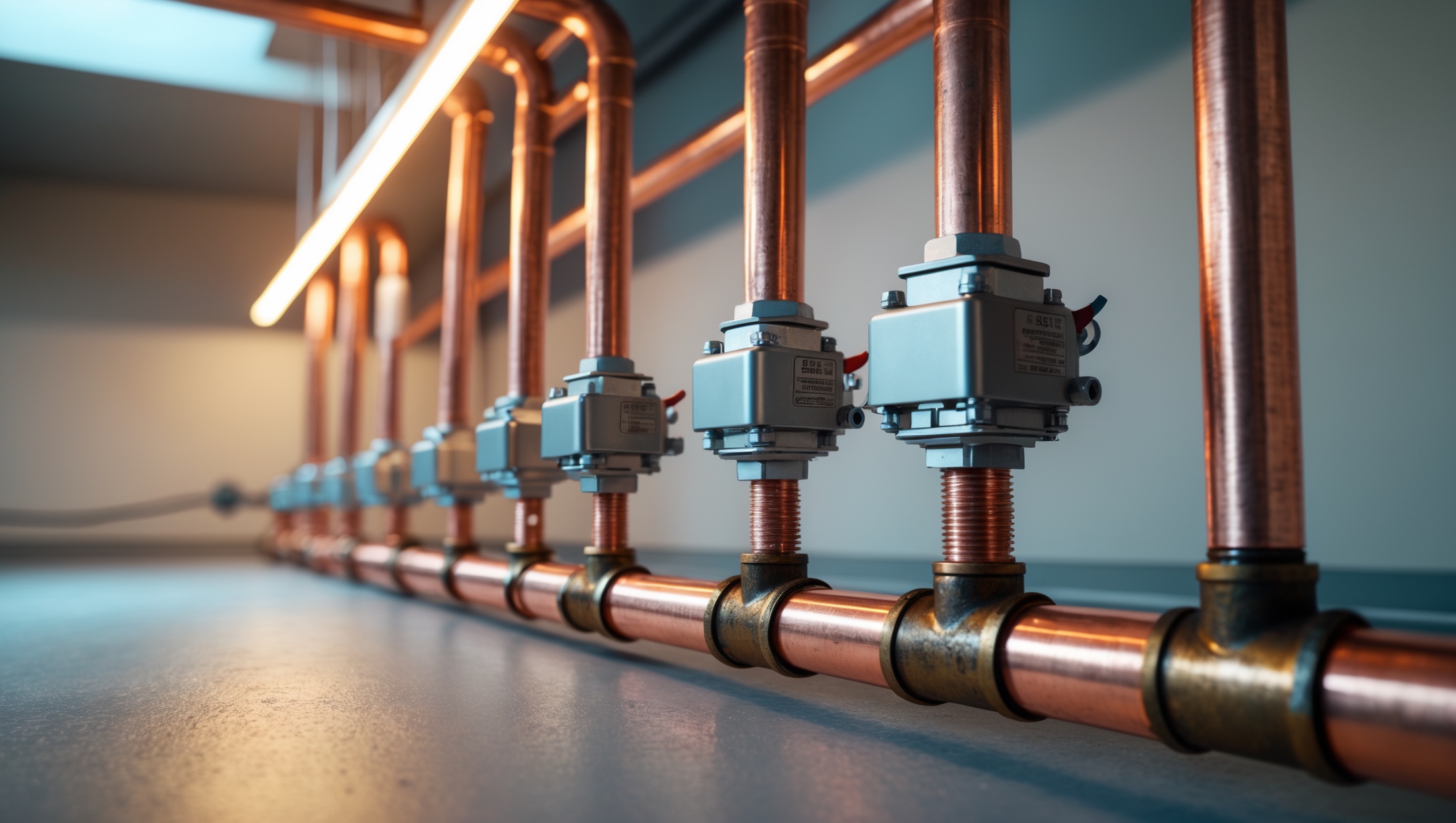
When water inside an uninsulated pipe freezes, it expands and creates intense pressure. This can crack or burst pipes, leading to expensive water damage and urgent repairs. Insulating pipes is a simple, cost-effective way to prevent this common cold-weather disaster—especially in vulnerable areas like basements, garages, crawl spaces, and unheated exterior walls.
How to Identify At-Risk Pipes
- Check all visible pipes in unheated spaces: basements, attics, crawl spaces, garages, and exterior walls.
- Pay close attention to pipes running along exterior walls, behind kitchen/bath cabinets, and near drafty windows.
- Look for condensation, signs of previous freezing, or old, crumbling insulation.
Step-by-Step Pipe Insulation
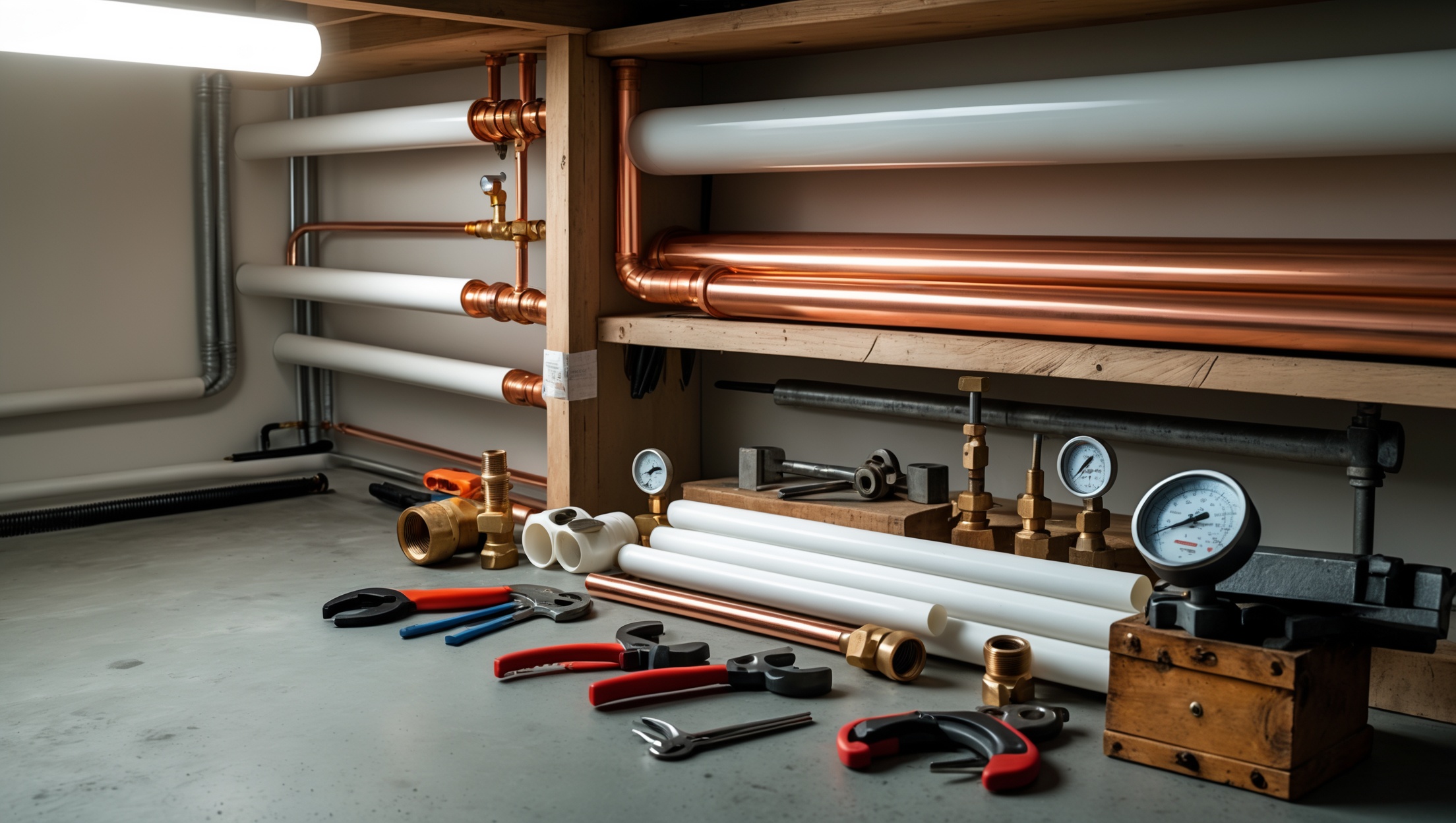
- Measure the length and diameter of exposed pipes.
- Purchase foam pipe insulation sleeves or fiberglass wrap designed for your pipe size.
- Cut insulation to length with a utility knife.
- Fit the insulation snugly around the pipe, sealing seams with weatherproof tape.
- Secure at joints and elbows with extra tape or zip ties.
- For outdoor faucets, use insulated covers after disconnecting hoses (more on this below).
Pro tip: Don’t forget to insulate hot water pipes, too. This not only protects them from freezing but also saves energy.
Disconnect Hoses and Prep Outdoor Faucets
The Problem with Forgotten Hoses
Leaving hoses attached traps water in the faucet and hose bibb, which can freeze and cause cracks or leaks inside your home’s wall. Each fall, disconnect, drain, and store all garden hoses.
Winterizing Outdoor Faucets (Sillcocks)
- Turn off the water supply to exterior faucets from the indoor shutoff valve (usually in the basement or utility room).
- Open the outdoor faucet to drain remaining water.
- Install an insulated faucet cover to keep cold air out.
- Inspect for leaks—replace worn washers or repair minor drips before freezing weather arrives.
If you have frost-free sillcocks, maintenance is still important: confirm they’re draining fully and replace damaged vacuum breakers or washers.
Clear Gutters and Downspouts to Prevent Water Damage
Why Gutter Maintenance Impacts Plumbing
Clogged gutters and downspouts allow water to overflow and pool near your foundation, increasing the risk of basement leaks or sump pump overload. Keeping them clear protects your home’s drainage system—and your plumbing.
How to Clean Gutters Safely
- Use a sturdy ladder and wear gloves.
- Scoop out leaves, twigs, and debris by hand or with a specialized gutter scoop.
- Flush gutters and downspouts with a hose to check for proper flow.
- Install gutter guards if you have heavy leaf fall for easier maintenance.
- Check that downspouts direct water at least 3–4 feet away from the house.
Address any gutter leaks or sagging sections before winter snow and ice make repairs more difficult.
Test and Maintain Your Sump Pump
Why Sump Pumps Fail in Fall and Winter
Heavy autumn rains and rapid snowmelt can overwhelm a neglected sump pump. If your pump isn’t working, your basement is at risk for flooding and water damage.
How to Test Your Sump Pump
- Locate your sump pit and remove the cover.
- Slowly pour a bucket of water into the pit until the float rises and triggers the pump.
- Watch for quick, smooth operation and confirm water is discharged outside your foundation.
- If the pump doesn’t start, runs slowly, or makes strange noises, schedule a professional inspection or replacement.
Additional Sump Pump Upkeep
- Clean any debris from the pit and pump inlet screen.
- Check the backup power source (battery or generator) if you have one.
- Inspect the discharge line for clogs or freezing risk—install a freeze protection device if needed.
Inspect and Service Your Water Heater
Why Water Heaters Need Fall Attention
Colder temperatures mean your water heater works harder, and sediment can accumulate faster. An annual checkup ensures efficient performance, saves energy, and reduces the risk of leaks or breakdowns during peak use.
Key Water Heater Maintenance Steps
- Lower the thermostat to 120°F (49°C) to prevent scalding and save energy.
- Drain 1–2 gallons of water from the tank to flush out sediment (consult your manual for instructions).
- Inspect for rust, leaks, or corrosion around the base and fittings.
- Test the temperature and pressure relief (TPR) valve by lifting the lever—replace if it doesn’t release water or resets slowly.
- For tankless heaters, clean the inlet screen and check for error codes.
Consider scheduling a professional tune-up every couple of years to maximize efficiency and lifespan.
Check Indoor Fixtures and Drains for Early Warning Signs
Spotting Small Issues Before Winter
Minor leaks, slow drains, or dripping faucets often get worse as temperatures drop. Fall is the perfect time to catch and fix these issues, saving money and hassle later.
What to Inspect
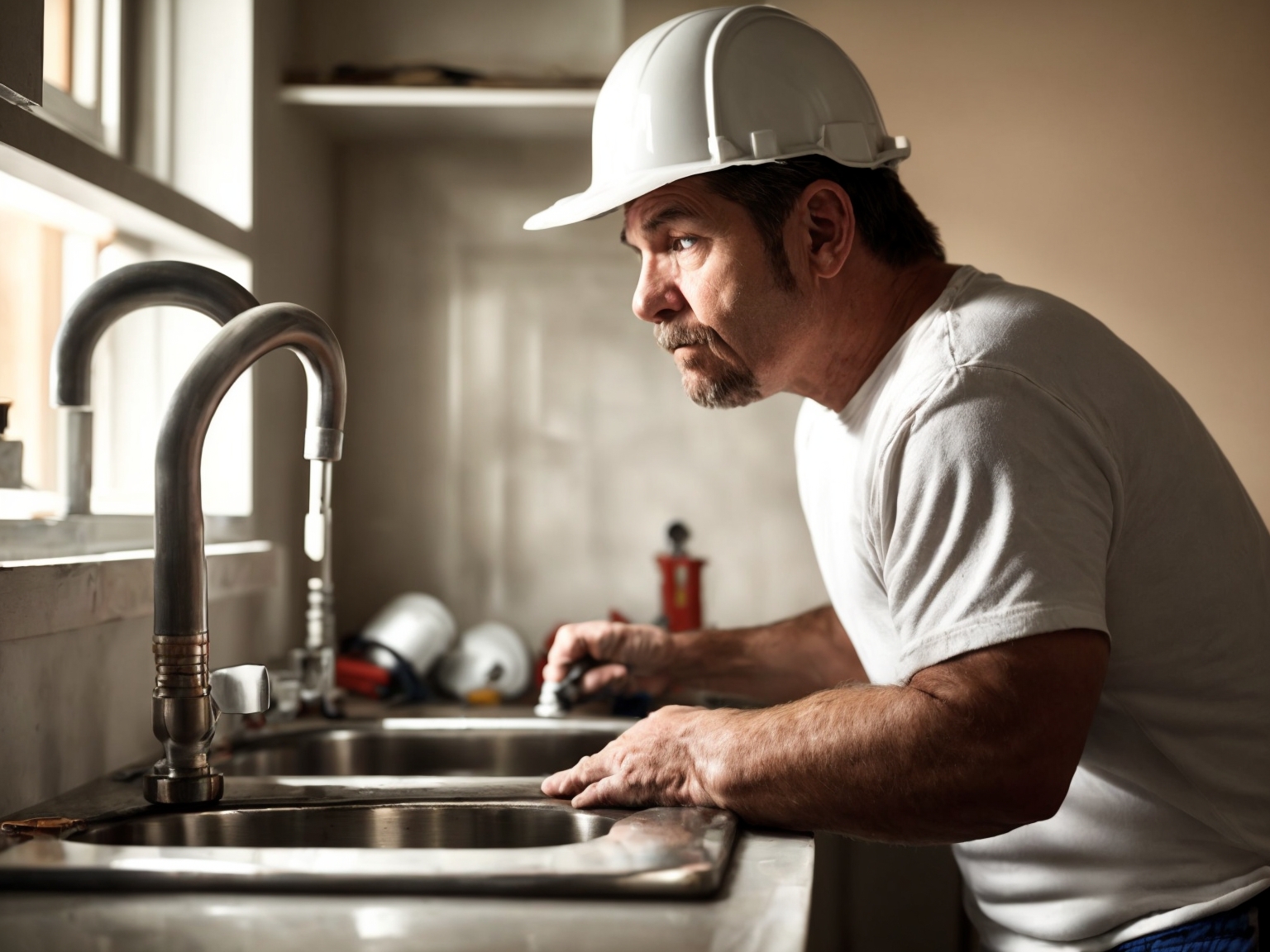
- Look for puddles or water stains under sinks, around toilets, and near the water heater.
- Check for slow-draining sinks, tubs, or showers—clear minor clogs with a drain snake or safe enzyme cleaner.
- Test toilet flushes for leaks by adding food coloring to the tank. If color appears in the bowl without flushing, replace the flapper.
- Listen for running or hissing noises from pipes, which can indicate hidden leaks or pressure issues.
- Check caulking and grout around tubs and showers to prevent water seepage.
Seal Foundation and Basement Gaps
Why This Matters for Plumbing
Cracks or gaps in your home’s foundation and basement walls allow cold air in, which can freeze nearby pipes and increase heating costs. Sealing these areas also helps keep out pests and moisture.
How to Seal Effectively
- Walk around your home’s exterior and interior basement walls, noting any cracks or gaps near pipe penetrations.
- Seal small cracks with silicone or polyurethane caulk.
- Use expanding spray foam for larger openings around pipes or vents.
- Check and repair weatherstripping on basement doors and windows.
Service Your Main Water Shutoff Valve and Emergency Access
Why Fall Is the Best Time
If a pipe bursts or a major leak occurs, you need to quickly shut off your home’s main water supply. Many homeowners discover too late that their main valve is stuck or hard to access.
Checklist for Main Shutoff Valve
- Locate your main shutoff valve (usually near where the water line enters your home).
- Turn the valve off and back on to ensure smooth operation—if it’s stuck, apply penetrating oil or call a plumber for replacement.
- Clear away boxes, debris, or storage that could block fast access during an emergency.
- Label the valve clearly and make sure all family members know its location and how to use it.
Inspect Lawn Irrigation and Sprinkler Systems
Avoiding Frozen Damage to Outdoor Plumbing
Automatic sprinkler and irrigation lines are especially vulnerable. Leaving them filled with water over winter can lead to cracked pipes, broken valves, and costly repairs in spring.
How to Winterize Your System
- Shut off the water supply to the irrigation system.
- Use manual or automatic drain valves to remove water from pipes, or hire a professional to blow out lines with compressed air.
- Insulate above-ground backflow preventers and valves with foam covers.
- Store removable sprinkler heads indoors if possible.
Check your system’s manual for specific winterization instructions, or schedule professional service for peace of mind.
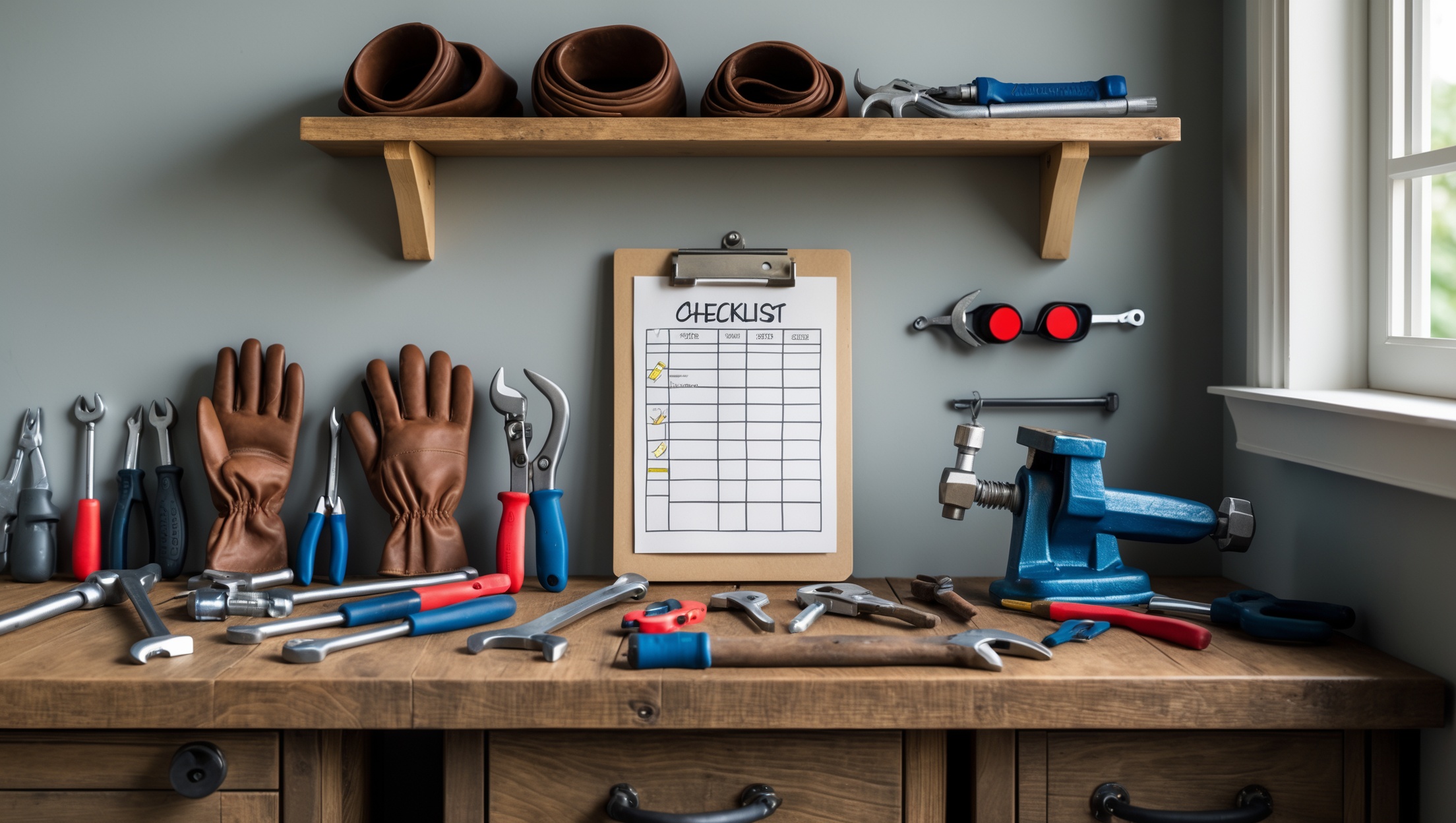
Bonus: Fall Plumbing Prep Quick Reference Checklist
- Insulate exposed pipes in unheated areas
- Disconnect and store all garden hoses
- Shut off and drain outdoor faucets; install covers
- Clear gutters and downspouts
- Test and clean sump pump and pit
- Flush and inspect water heater
- Check all indoor fixtures for leaks and slow drains
- Seal foundation and basement gaps
- Service main water shutoff valve
- Winterize lawn irrigation system
Conclusion: Stay Ahead of Plumbing Problems This Fall
Taking a weekend or two each fall to properly prepare your plumbing system is one of the smartest investments you can make in your home’s comfort and safety. The checklist above isn’t just a series of chores—it’s a proven strategy to prevent frozen pipes, water damage, emergency repairs, and unnecessary stress during the coldest months of the year. By identifying at-risk pipes, disconnecting hoses, cleaning gutters, testing sump pumps, and winterizing outdoor systems, you’ll catch small issues before they spiral into costly disasters. You’ll also protect your home’s foundation, save on energy bills, and ensure your plumbing fixtures and appliances last longer and operate more efficiently. If you’re unsure about any step or spot worrisome signs—such as persistent leaks, corroded pipes, or a failing sump pump—don’t hesitate to call a licensed plumber for expert help. Prevention is always more affordable than a mid-winter emergency call. With these targeted fall plumbing tips, you’ll enjoy peace of mind and a trouble-free season, knowing your home is ready for whatever the weather brings. Stay proactive, stay warm, and keep your plumbing in top shape all autumn and beyond.






Robert Thomas
If I missed insulating some exterior wall pipes before the first big freeze, is there any way to prevent them from bursting at the last minute, or is it already too late?