Plumber Las Vegas News

Your trusted source for plumbing updates, DIY fixes, and industry insights in Las Vegas. Stay informed with practical tips, local trends, and expert advice for homeowners and professionals alike.

Plumbing Apprenticeships Demystified: How to Launch a Rewarding Career

Introduction: The Gateway to a Plumbing Career

Plumbing is often described as the backbone of modern infrastructure, quietly ensuring that water flows, waste is removed, and homes and businesses remain comfortable and sanitary. Behind every functional sink, hot shower, and flush toilet, there’s a skilled professional who knows the intricacies of pipes, valves, and fixtures. But how does someone become one of these trusted experts? For many, the answer is a plumbing apprenticeship—a structured, hands-on training path that bridges the gap between classroom learning and real-world expertise.

If you’re considering a hands-on, stable, and well-compensated career, plumbing offers a wealth of opportunities. Yet, the process of entering the field can seem daunting for beginners. What exactly is involved in a plumbing apprenticeship? How do you get accepted? What should you expect on the job and in the classroom? This guide demystifies the entire process, from researching programs to earning your journeyman license. Whether you’re a high school graduate, a career changer, or simply curious about skilled trades, you’ll find actionable advice, insider tips, and a clear roadmap to help you launch a rewarding career in plumbing.

Understanding Plumbing Apprenticeships

What Is a Plumbing Apprenticeship?

A plumbing apprenticeship is a formal program that blends classroom instruction with paid, on-the-job training under the supervision of licensed plumbers. Apprenticeships typically last 4 to 5 years, during which you’ll learn everything from basic pipe installation to advanced system diagnostics. Unlike college degrees that may leave you with debt, apprenticeships allow you to earn a wage while you learn, making them a practical and affordable entry point into the trades.

Why Choose an Apprenticeship?

  • Earn While You Learn: Apprentices are employees, not just students. You’ll receive a paycheck from day one.
  • Job Security: Plumbers are always in demand, and apprenticeship completion often leads directly to full-time positions.
  • Industry-Recognized Credentials: Upon completion, you’ll qualify to take the journeyman exam in your state or region.
  • Hands-On Experience: Real-world training makes you job-ready and gives you confidence to tackle complex challenges.

Prerequisites and Requirements

Basic Eligibility

Each apprenticeship program has its own entry requirements, but most share these basics:

  • Minimum age of 18 (some allow 17 with parental consent)
  • High school diploma or GED
  • Valid driver’s license
  • Ability to pass a drug screening
  • Physical fitness (ability to lift, kneel, and work in confined spaces)

Additional Requirements

  • Some programs ask for a passing grade in high school algebra
  • Basic mechanical aptitude test
  • Letters of recommendation or character references

Finding the Right Apprenticeship Program

Union vs. Non-Union Programs

There are two primary types of plumbing apprenticeship programs:

  • Union Programs: Operated by organizations like the United Association (UA) or local unions, these offer established training, strong job placement, and collective bargaining benefits.
  • Non-Union (Open Shop) Programs: Run by independent contractors, companies, or trade associations, these may offer more flexible schedules and entry points.

How to Research Programs

  • Start with your state’s Department of Labor or Apprenticeship Office directory.
  • Explore local union halls and plumbing contractor associations.
  • Visit program websites and attend open houses to compare curricula, placement rates, and benefits.

Key Questions to Ask

  • What is the application process and timeline?
  • How many apprentices are accepted each year?
  • What are the hourly wages and benefits?
  • What is the ratio of classroom to on-the-job training?
  • What support is available for exam preparation and licensing?

The Application Process Explained

Step 1: Gather Documentation

Prepare your application packet with proof of education, photo ID, references, and any required test scores.

Step 2: Aptitude Tests and Interviews

Most programs require a basic math and mechanical reasoning test. If you pass, you’ll be invited for an interview. Here, punctuality, professionalism, and a willingness to learn are key.

Step 3: Acceptance and Registration

If you’re accepted, you’ll sign an apprenticeship agreement outlining your responsibilities, wage progression, and training schedule. Some programs start new cohorts only once or twice a year, so applying early is smart.

What to Expect as a Plumbing Apprentice

On-the-Job Training

Most apprenticeships require between 7,500 and 9,000 hours of supervised work experience over 4-5 years. You’ll work alongside journeyman or master plumbers, tackling tasks such as:

  • Measuring, cutting, and joining pipes (copper, PVC, PEX, cast iron)
  • Installing fixtures, faucets, and appliances
  • Reading blueprints and system diagrams
  • Diagnosing leaks, blockages, and pressure issues
  • Performing repairs and system upgrades

Classroom Instruction

Apprentices typically complete 500-1,000 hours of classroom instruction. Topics covered include:

  • Plumbing codes and regulations
  • Safety protocols and hazard recognition
  • Mathematics for pipefitting and layout
  • Blueprint reading
  • Backflow prevention, water treatment, and system design

Wages and Benefits

Apprentices start at a percentage of journeyman wages—often 40-50%—with scheduled raises each year as skills progress. Benefits may include health insurance, retirement plans, and paid time off, especially in union programs.

Tips for Success During Your Apprenticeship

Show Up Prepared

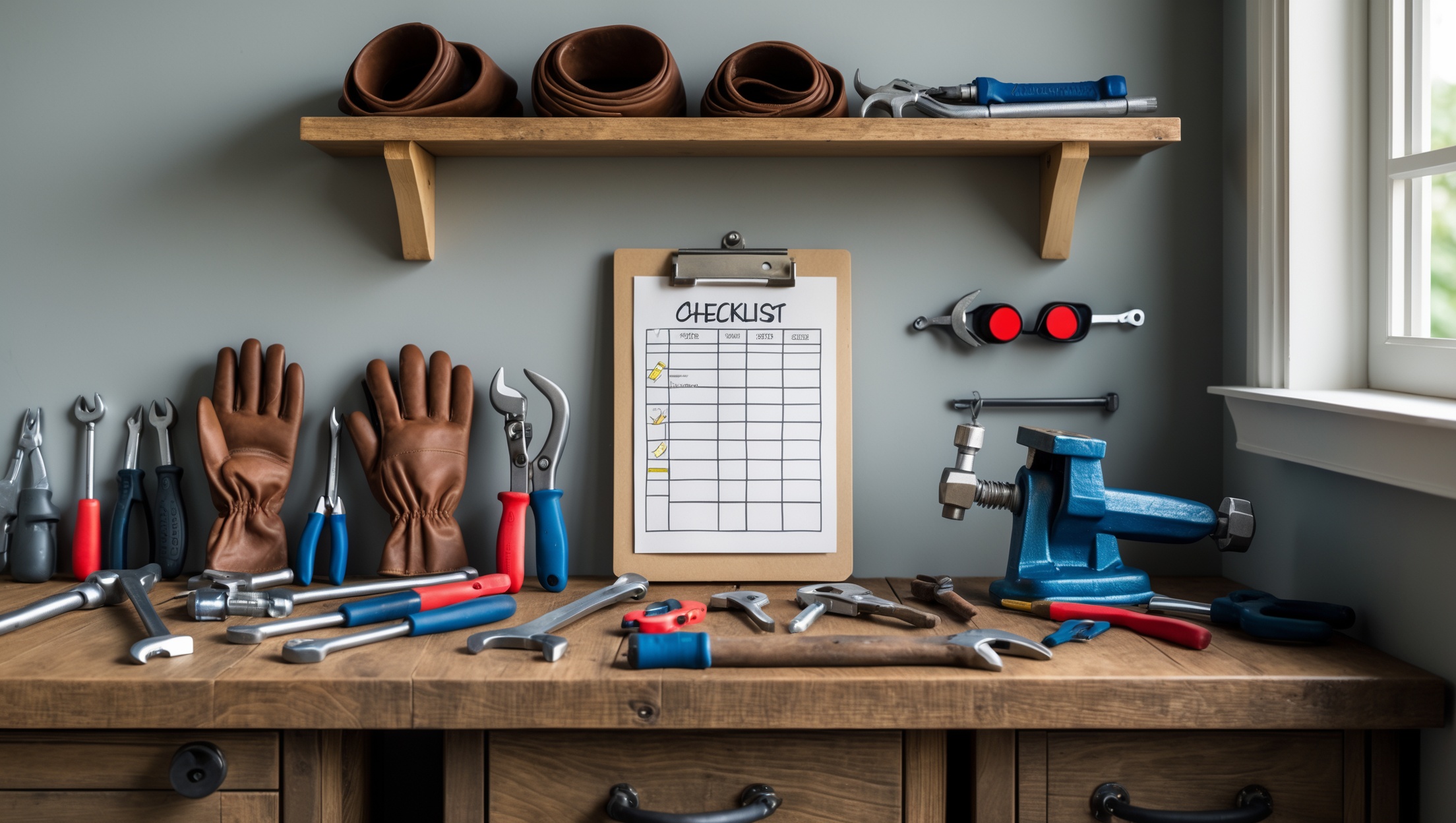
  • Arrive early, ready to work, with all required tools and PPE (personal protective equipment).
  • Dress appropriately—clean, durable workwear and safety boots are a must.

Be Proactive and Engaged

  • Ask questions and seek feedback from mentors.
  • Volunteer for challenging tasks to broaden your experience.
  • Stay organized with a notebook or digital log to track projects, hours, and lessons learned.

Prioritize Safety

  • Always use PPE: gloves, safety glasses, hearing protection, and masks as needed.
  • Never take shortcuts on lockout/tagout or confined space procedures.
  • Report hazards and near-misses promptly to build a culture of safety.

Commit to Ongoing Learning

  • Attend every class—success depends on both technical knowledge and hands-on skill.
  • Read trade publications and follow industry updates to stay current.

After the Apprenticeship: Journeyman Licensing and Beyond

The Journeyman Exam

Upon completing your apprenticeship, you’ll be eligible to take the journeyman plumber licensing exam in your state or locality. This typically includes a written test on code compliance, system design, and safety, plus a hands-on practical assessment.

Career Opportunities

With your journeyman license, you can:

  • Work independently on residential or commercial projects
  • Specialize in areas such as medical gas, green plumbing, or fire suppression
  • Supervise apprentices and junior plumbers
  • Continue your education to become a master plumber or start your own business

Frequently Asked Questions

How competitive are plumbing apprenticeships?

Spots can be competitive, especially in union programs. Applying to multiple programs, preparing thoroughly for aptitude tests, and demonstrating a strong work ethic will improve your chances.

Can I get credit for prior experience?

Some programs offer advanced placement or credit for prior trade school or work experience, but you’ll need to provide documentation and pass a skills assessment.

Do I need to buy my own tools?

Most apprentices are expected to start with a basic set (tape measure, pipe wrench, pliers, safety gear), with more specialized tools provided by employers or acquired over time.

Resources and Next Steps

Conclusion: Building a Foundation for Lifelong Success

Starting a plumbing apprenticeship is more than just a job—it’s the first step in a stable, respected career that keeps society running. The combination of paid, hands-on training and structured classroom learning makes apprenticeships uniquely effective at preparing tomorrow’s skilled tradespeople. While the path requires dedication, initiative, and a willingness to learn, the rewards—financial security, job satisfaction, and the ability to make a tangible difference—are substantial.

If you’re motivated by problem-solving, enjoy working with your hands, and want a career with long-term growth, plumbing is an excellent choice. By understanding the apprenticeship process and preparing thoroughly, you’ll position yourself for success from application to licensure and beyond. Remember, every master plumber started as an apprentice—your journey can begin today. Take the first step, and you’ll be joining a proud tradition of essential workers who keep our communities safe, healthy, and functional for generations to come.

180 comments
Joshua Smith

You mention that apprenticeships bridge classroom learning and real-world work. Can you give some examples of the kinds of tasks a new apprentice might do in the first few months on the job versus tasks learned later in the program?

    Mario The Plumber

    In the first few months, new plumbing apprentices usually start with basic tasks like carrying tools, learning to identify pipe types, assisting with simple installations, and helping to clean up job sites. As they gain experience, they move on to more advanced work, such as roughing in plumbing, reading blueprints, installing fixtures, and troubleshooting systems. The hands-on experience grows with their confidence and skills.

Nancy Davis

I’m a parent of a high school senior who’s not sure college is the right path. Can you explain what kind of math or science background is needed before applying to a plumbing apprenticeship program?

    Mario The Plumber

    A plumbing apprenticeship typically doesn’t require advanced math or science courses, but a solid understanding of basic math—like arithmetic, fractions, and simple geometry—is very useful for measurements and calculations on the job. Science knowledge, especially basic physics, can help with understanding things like water pressure. Most programs only expect a high school diploma or equivalent, so your senior should be in good shape if they have these basics.

Anthony Garcia

I see that apprenticeships can last up to five years. Are there any opportunities to accelerate the process based on prior experience or related coursework, or is the timeframe pretty much fixed for everyone?

    Mario The Plumber

    The typical apprenticeship lasts four to five years, but there can be ways to shorten that. If you have prior experience in plumbing or have completed relevant trade courses, some programs may let you test out of certain requirements or start at a more advanced level. It’s best to check with the local apprenticeship program or union you’re interested in, as policies can vary by region and organization.

Jennifer Robinson

The article mentions earning a paycheck from day one as an apprentice. Can you provide some insight into how apprentice wages are structured and whether pay increases as you advance through the program?

    Mario The Plumber

    Apprentice plumbers usually start with an hourly wage that’s a percentage of what a fully licensed plumber earns, often around 40-50%. As you gain more skills and complete training milestones, your pay typically increases at set intervals—sometimes annually or after passing certain exams. By the time you finish the apprenticeship, you’re often close to full journeyman wages.

Christopher Rodriguez

The article mentions that apprenticeships typically last 4 to 5 years. Are there accelerated programs or ways to shorten this timeframe if you have prior construction experience or related skills?

    Mario The Plumber

    Yes, some apprenticeship programs may allow you to shorten the training period if you have relevant construction experience or already possess certain skills. This is usually determined through a skills assessment or credit for prior learning. It’s a good idea to mention your background when applying, and check with local apprenticeship providers or unions about their specific policies for advanced standing or accelerated pathways.

Michael Perez

I’m trying to plan hiring needs for my plumbing business. On average, how long after starting an apprenticeship can someone be expected to handle basic plumbing jobs independently, even if they’re not yet a journeyman?

    Mario The Plumber

    Most apprentices can start handling basic plumbing tasks independently after about 6 to 12 months of supervised training. This includes simple repairs, basic installations, and maintenance work. However, complex jobs and anything requiring a permit will still need oversight from a licensed journeyman or master plumber until the apprentice is fully qualified.

Thomas Thomas

You mentioned that plumbing apprenticeships usually last 4 to 5 years. Is it possible to complete an apprenticeship faster if someone already has some construction or plumbing experience, or is the timeline pretty strict?

    Mario The Plumber

    The typical 4 to 5 year timeline for plumbing apprenticeships is standard, but there can be some flexibility. If you already have relevant construction or plumbing experience, you might be able to receive credit or advanced standing through your apprenticeship provider or local union. It’s a good idea to discuss your background with the program coordinator to see if any of your prior experience can shorten your apprenticeship.

George Sanchez

Since plumbing apprenticeships combine classroom time with field work, how do the schedules usually work? Is it a standard 9-to-5, or do apprentices need to be flexible with their hours?

    Mario The Plumber

    Plumbing apprenticeships typically require some flexibility in scheduling. While classroom instruction often happens at set times, the on-the-job training can vary. Apprentices usually work similar hours to their supervising plumbers, which could be a standard 9-to-5 but might also include early mornings, evenings, or even occasional weekends, depending on the employer and type of work.

Jason Perez

Since apprenticeships are paid, do most programs offer enough income to cover basic living expenses during training, or should I expect to supplement my income with another job while learning?

    Mario The Plumber

    Most plumbing apprenticeships do pay, but the income can vary depending on where you live and the employer. While the wages are designed to help with basic expenses, some apprentices find they need to supplement their income, especially in areas with a high cost of living. It’s a good idea to budget carefully and consider your personal expenses before starting, as your needs may differ from others in the program.

Andrew Lewis

As someone who runs a small business, I’m curious if plumbing apprenticeships ever offer part-time or flexible scheduling options to accommodate people who have other work or family obligations. Is this something that local programs might allow?

    Mario The Plumber

    Many plumbing apprenticeship programs are full-time, but some local programs do offer part-time or flexible scheduling, especially to support those with other jobs or family commitments. It’s best to contact programs in your area directly and explain your situation. Some employers and unions may be open to customized schedules, so there is a chance to find an arrangement that works for you.

Richard Robinson

The article talks about earning your journeyman license at the end of the process. Is there a standard exam for that in the US, or does it differ from state to state? What should apprentices expect when it’s time to get licensed?

    Mario The Plumber

    The requirements for earning a journeyman plumber license vary by state in the US. Each state usually has its own exam and application process, so apprentices should check with their state’s licensing board for details. Typically, you’ll need to complete your apprenticeship hours, then pass a test covering plumbing codes, safety, and practical skills. Some localities may also require additional paperwork or background checks.

Brian Smith

If I’m switching careers and already have some work experience in construction, can that shorten the length of my plumbing apprenticeship or help me skip some training?

    Mario The Plumber

    Your experience in construction could definitely be an advantage when starting a plumbing apprenticeship. While you generally still need to complete the full apprenticeship to meet licensing requirements, some programs might allow you to accelerate your progress or waive basic skills training if you can demonstrate relevant knowledge. It’s best to discuss your background directly with the apprenticeship coordinator—they can let you know if advanced placement or credit for prior experience is possible.

Richard Martinez

The article says you earn a wage while apprenticing, but how does pay for apprentices compare to entry-level positions in other fields, like electrical or HVAC apprenticeships?

    Mario The Plumber

    Plumbing apprentices generally earn wages that are quite similar to those in electrical and HVAC apprenticeships. All three trades offer paid, on-the-job training, with starting wages typically ranging from about 40% to 50% of a fully qualified worker’s pay. While exact amounts vary by location and employer, plumbing, electrical, and HVAC apprenticeships are all competitive entry-level options compared to many other fields.

Sarah Ramirez

The article notes that apprenticeships combine classroom instruction with paid on-the-job training. How is the balance usually split between time spent learning in a classroom versus actually working out in the field?

    Mario The Plumber

    Most plumbing apprenticeships typically split time with about 20% spent in the classroom and 80% spent on-the-job. This means you might attend classes one or two evenings per week or a couple of days per month, while the majority of your hours are devoted to hands-on fieldwork under supervision. Exact schedules can vary by program and region.

Brian Davis

My son is considering a career in the trades right after high school. What can we expect in terms of school hours versus on-the-job training in a typical plumbing apprenticeship program?

    Mario The Plumber

    In a typical plumbing apprenticeship, your son will spend most of his time working on real job sites under the supervision of experienced plumbers—usually around 32 to 40 hours per week. Classroom or school hours tend to be much less, often one or two evenings per week or a few weeks per year, covering technical knowledge, safety, and codes. This hands-on approach allows apprentices to earn while they learn.

Linda Thompson

You mention earning a wage as an apprentice, but how does apprentice pay compare to other entry-level positions in trades? Is the income enough to support someone with a family during the program?

    Mario The Plumber

    Apprentice plumbers typically earn a starting wage that is competitive with, and sometimes higher than, entry-level positions in other trades like electrical or carpentry. While the pay increases as you gain skills, supporting a family can be challenging, especially early on. Many apprentices supplement their income or rely on household support until their wages rise with experience and certifications.

Brian Smith

I’m curious about the process for actually getting accepted into a plumbing apprenticeship. Do programs look for certain qualifications or prior experience, or can you apply right after high school with no background in plumbing?

    Mario The Plumber

    You can usually apply for a plumbing apprenticeship right after high school, even without any prior experience in plumbing. Most programs require a high school diploma or GED and may ask you to pass a basic math or aptitude test. While prior experience or coursework in math or the trades can be helpful, they are not typically required for entry-level applicants.

Mary Brown

You say apprenticeships offer a ‘clear roadmap’ to becoming a journeyman plumber. Could you break down the main steps between getting accepted to a program and actually earning that journeyman license? Are there major exams or requirements we should know about?

    Mario The Plumber

    After being accepted into a plumbing apprenticeship, you’ll typically spend 4-5 years combining paid on-the-job training with classroom instruction. During this time, you’ll log a required number of work hours (often around 8,000) and complete coursework on plumbing codes and safety. Most programs require you to pass periodic assessments or exams on what you’ve learned. To earn your journeyman license, you’ll need to pass a comprehensive state or local licensing exam covering both theory and practical skills. Some places may also require proof of experience and recommendations from licensed plumbers.

Sean Brown

You mentioned that apprenticeships typically last 4 to 5 years and combine classroom learning with paid work experience. Could you clarify how the schedule is usually balanced between jobsite training and classroom time? Is it a set ratio, or does it vary between programs?

    Mario The Plumber

    The balance between jobsite training and classroom time in plumbing apprenticeships usually varies by program and location. However, a common structure is spending about 80% of the time working on the job and 20% in the classroom. For example, apprentices might work full-time during the week and attend classes one or two evenings a week or in weekend sessions. Some programs may have block periods of classroom instruction instead, so it’s best to check the specifics of the program you’re interested in.

Michael White

For someone curious about career switching but concerned about time, what is the average timeframe from starting a plumbing apprenticeship to achieving journeyman status, and are there ways to expedite the process without sacrificing quality training?

    Mario The Plumber

    Typically, becoming a journeyman plumber takes about 4 to 5 years from the start of an apprenticeship. Some programs offer accelerated training through evening classes, summer sessions, or credit for prior related experience, which can help reduce the timeline a bit. However, quality hands-on training and required hours must still be met to ensure proper licensure and skill development.

Susan Thompson

As someone interested in hands-on work but unsure about which trade to pursue, how does the job security and earning potential of plumbing apprenticeships compare to other skilled trades like electrical or HVAC?

    Mario The Plumber

    Plumbing apprenticeships offer strong job security and earning potential, similar to electrical and HVAC trades. Demand for plumbers remains steady because plumbing is essential in homes and businesses. While starting wages are comparable across these trades, plumbers often see good wage growth with experience. Ultimately, all three fields offer stable careers, so your choice might come down to personal interest in the type of work each involves.

Daniel Smith

You mention that apprentices can earn while they learn, which is a big plus. Do starting wages differ much depending on whether you join a union or a non-union apprenticeship program?

    Mario The Plumber

    Starting wages for plumbing apprentices do typically differ between union and non-union programs. Union apprenticeships usually offer higher starting pay, standardized rates, and regular raises as you gain experience. Non-union programs might offer lower starting wages and pay structures can vary more by employer. However, both types provide valuable on-the-job training and a pathway into the plumbing trade.

Daniel Harris

What steps come immediately after completing an apprenticeship? Does the transition to obtaining a journeyman license involve additional exams or state-specific requirements?

    Mario The Plumber

    After finishing your plumbing apprenticeship, the next step is usually to apply for your journeyman license. This process almost always involves passing a licensing exam that tests your knowledge and practical skills. Keep in mind that specific requirements, such as the type of exam, application paperwork, and any additional fees, vary by state. It’s important to check your local licensing board for the exact steps and regulations.

Kevin Gonzalez

I’m seriously considering plumbing as a second career, but I’m curious about the classroom portion you described. How often are classes held during an apprenticeship, and are they typically evenings or weekends to accommodate people working other jobs?

    Mario The Plumber

    Classroom sessions in plumbing apprenticeships usually take place once a week or a few times a month, depending on the program. Many programs offer evening or weekend classes to help those balancing work or other commitments. It’s a good idea to check with local apprenticeship providers, as schedules can vary by region and training center.

Sarah Martinez

I’m interested in applying but curious about the acceptance process. Are there common requirements or tests that usually determine who gets into a plumbing apprenticeship program in the US?

    Mario The Plumber

    Most plumbing apprenticeship programs in the US do have some common requirements. Typically, applicants need a high school diploma or GED, be at least 18 years old, and have a valid driver’s license. Many programs also require passing a basic math or aptitude test, and some may conduct interviews or ask for physical ability assessments. It’s helpful to check specific program details, as requirements can vary by state or organization.

Barbara Taylor

You mention that apprentices earn a wage from day one, which is reassuring. Could you give an idea of the typical starting pay for plumbing apprentices in the US, and how wages progress through the apprenticeship?

    Mario The Plumber

    Plumbing apprentices in the US usually start earning around $15 to $20 per hour, depending on location and employer. As you advance through the apprenticeship—typically lasting 4 to 5 years—your pay increases periodically, often every 6 to 12 months. By the final year, apprentices can earn about 70-90% of a fully licensed plumber’s wage.

Linda Lee

How does the time commitment for a plumbing apprenticeship compare to attending a two-year college? Is it possible for someone to work part-time or juggle family responsibilities while completing the apprenticeship requirements?

    Mario The Plumber

    A plumbing apprenticeship typically lasts 4 to 5 years, which is longer than a two-year college program. However, apprenticeships are paid positions, so you earn while you learn. Many apprentices manage part-time jobs or family responsibilities because the work is generally full-time but can have flexible hours depending on the employer. Balancing both is possible, but it does require good time management and support from your training program and family.

Nancy Brown

You mention that apprenticeships are a more affordable option compared to getting a college degree. Are there still any significant costs I should know about, like tools or fees, before I get started in a plumbing program?

    Mario The Plumber

    Yes, while plumbing apprenticeships are generally more affordable than college degrees, there can still be some costs to consider. You may need to pay for basic tools, work boots, and possibly some textbooks. Some programs also have enrollment or union fees. It’s a good idea to ask your chosen program for a breakdown of any expected expenses before you start.

Jessica Ramirez

For someone considering a career change into plumbing, how does the hands-on training compare to classroom instruction in terms of the skills learned? Is more weight given to practical experience or theoretical knowledge during the apprenticeship?

    Mario The Plumber

    During a plumbing apprenticeship, hands-on training is generally given more emphasis than classroom instruction. While you’ll learn essential theoretical knowledge in the classroom—such as plumbing codes, safety regulations, and math—the majority of your skills will come from real-world experience on job sites. Apprenticeships are designed to help you apply what you learn in the classroom directly to practical tasks, so practical experience is considered crucial for building competence in the trade.

Emily Rodriguez

The article mentions that apprenticeships combine classroom work with hands-on training. For employers, how should we balance the apprentice’s time between job site experience and required coursework to ensure their success?

    Mario The Plumber

    A balanced approach is crucial for apprentice success. Many employers coordinate with local trade schools or apprenticeship programs, aligning job site schedules around class times. Typically, apprentices spend three to four days per week gaining hands-on experience, with one to two days set aside for classroom learning. Regular check-ins with both instructors and apprentices can help ensure coursework and practical training complement each other and that apprentices aren’t overwhelmed by either commitment.

Michelle Thomas

Since apprenticeships pay you while you learn, do most programs offer benefits like health insurance or paid time off, or should new apprentices be prepared to cover those costs on their own during the training period?

    Mario The Plumber

    Most plumbing apprenticeships do provide wages, but benefits like health insurance and paid time off can vary. Union-sponsored programs are more likely to include health coverage and some paid leave, while smaller or non-union employers may not offer these perks right away. It’s wise for new apprentices to ask potential employers about available benefits and be prepared to cover some costs themselves, especially in the early stages.

Joshua Anderson

You mentioned that apprenticeships are a more affordable entry point compared to college degrees. Are there any upfront costs or fees I should be aware of before starting a plumbing apprenticeship?

    Mario The Plumber

    Yes, there can be some upfront costs before starting a plumbing apprenticeship, though they’re usually much lower than college tuition. Common expenses might include application fees, purchasing basic tools, safety gear like boots or gloves, and possibly textbooks or course materials. Some apprenticeship programs may also require a background check or drug test, which could have small fees. It’s best to check with the specific program for a detailed list of any required costs.

Robert Gonzalez

You mentioned that apprenticeships usually last 4 to 5 years. How often do apprentices actually complete the program in that timeframe, or do some take longer because of things like failed tests or missed hours?

    Mario The Plumber

    Most plumbing apprentices do finish their programs within the typical 4 to 5 years, but it’s not uncommon for some to take longer. Factors like missed work hours, needing to retake exams, or personal circumstances can extend the timeline. Training providers usually offer support to help apprentices get back on track if they fall behind, so while delays happen, completing the program is definitely achievable.

Charles Gonzalez

You mention earning while learning, which is a big plus. Are there any upfront costs or fees that aspiring plumbing apprentices should budget for when starting out, such as tools or union dues?

    Mario The Plumber

    Yes, while plumbing apprenticeships let you earn as you learn, there can be some initial expenses. Most apprentices need to buy basic hand tools, which can cost a few hundred dollars, and sometimes pay for work boots or uniforms. If joining a union program, there may be modest initiation fees or regular dues. Some programs cover certain costs, so it’s worth asking about financial support options during the application process.

Michael Miller

I see apprenticeships are promoted as a debt-free way to start in plumbing. Are there any hidden costs such as fees for books, supplies, or tools that new apprentices should budget for before getting started?

    Mario The Plumber

    While plumbing apprenticeships typically cover your training and pay you as you learn, there can be some out-of-pocket expenses. Many programs require apprentices to purchase their own basic tools, work boots, and sometimes textbooks or training materials. Costs can vary by program, so it’s a good idea to ask your chosen program about expected expenses before starting. Budgeting for these necessities will help you be fully prepared.

Julie Clark

I noticed that apprentices earn a wage while learning. Can you give a general range of what starting pay looks like for new apprentices, and does it increase as you progress through the years?

    Mario The Plumber

    New plumbing apprentices typically start earning between $15 and $20 per hour, although this can vary depending on location and employer. As apprentices gain experience and complete each year of their program, their pay usually increases—often annually—reaching closer to $25 or more per hour by the end of the apprenticeship.

Michelle Thompson

As a small business owner thinking about sponsoring an apprentice, I wonder what the process is like from the employer’s side. Are there specific requirements or certifications I’d need to help someone through their apprenticeship?

    Mario The Plumber

    As an employer sponsoring a plumbing apprentice, you’ll typically need to be a licensed plumber in good standing and possibly registered with your state or local apprenticeship authority. You may also need to provide a structured training environment and keep records of the apprentice’s progress. Requirements can vary depending on your location, so it’s a good idea to check with your state’s labor or licensing board for specific details.

Mark Johnson

Since apprenticeships are described as combining classroom learning with real-world training, how is the balance typically structured week to week? Is there a set number of classroom hours versus on-the-job hours each year?

    Mario The Plumber

    In most plumbing apprenticeships, the majority of your time is spent on the job, with classroom sessions scheduled regularly. Typically, apprentices complete about 1,700 to 2,000 hours of on-the-job training and around 144 hours of classroom instruction per year. Classroom learning often happens one or two evenings a week or in daytime blocks, while the rest of your week is dedicated to hands-on work under supervision.

Elizabeth Gonzalez

The article mentions that apprenticeships let you earn while you learn, which sounds great. How much can a first-year plumbing apprentice realistically expect to make per hour, and does pay increase each year during the program?

    Mario The Plumber

    A first-year plumbing apprentice in the US typically earns between $14 and $20 per hour, but the exact rate can vary by region and employer. Yes, pay usually increases each year as you gain experience and skills, often rising in set increments throughout the apprenticeship program. Many apprentices see raises annually as they progress.

Diane Harris

When you mention that apprentices earn a wage while they learn, what is the typical starting pay for first-year plumbing apprentices? Also, does pay increase each year of the apprenticeship?

    Mario The Plumber

    First-year plumbing apprentices usually start with a wage between 40% and 50% of what a fully qualified plumber makes. That often works out to about $15 to $20 per hour, depending on the region and employer. Pay typically increases each year as you gain skills and experience, with many programs having set raises after each successful year of training.

David White

You mentioned that apprentices earn a wage from day one. I’d like to know more about what the typical starting pay is for a first-year apprentice, and how much it usually increases as you progress through the program.

    Mario The Plumber

    First-year plumbing apprentices typically start earning around $15 to $20 per hour, depending on your location and the employer. As you progress through the apprenticeship, your pay usually increases each year, often by 5% to 10%. By the final year, apprentices can earn close to what a fully licensed plumber makes, reflecting their growing skills and experience.

Linda Rodriguez

I’m interested in the application process for these apprenticeships. What are the most important qualifications or experiences that will help someone get accepted into a respected program, especially for career changers?

    Mario The Plumber

    Most plumbing apprenticeships require a high school diploma or equivalent, as well as a valid driver’s license. For career changers, showing a strong work ethic, basic math skills, and reliability can really help you stand out. If you have any construction or hands-on experience, be sure to highlight it. Some programs also look favorably on applicants who’ve taken pre-apprenticeship courses or have completed relevant certifications, but these are not always required. Being willing to learn and demonstrating a genuine interest in the trade are key.

Mary Garcia

You said apprenticeships usually last 4 to 5 years. During that time, is it common to work full-time, or do most people balance part-time work with classes? How intense is the schedule?

    Mario The Plumber

    During a plumbing apprenticeship, it’s typical to work full-time. Most apprentices spend around 40 hours a week on the job, gaining hands-on experience. In addition, you’ll usually attend classroom sessions, but these are often scheduled in the evenings or on weekends to fit around work. The schedule can be demanding, but it’s designed to help you learn while earning a wage.

Matthew Anderson

You mentioned apprenticeships last 4 to 5 years. Is there any way to speed up the process, or is everyone required to complete the full timeframe before becoming a journeyman?

    Mario The Plumber

    Most plumbing apprenticeship programs are designed to last 4 to 5 years to ensure you get enough hands-on training and classroom instruction. In some cases, if you have relevant prior experience, training, or schooling, you might be able to get credit and reduce your required hours. However, the rules vary by state and apprenticeship program, so check with your local licensing board or training provider for specific options.

Robert Gonzalez

After completing a plumbing apprenticeship, what are the steps to getting a journeyman license, and does it usually involve more costs or exams after the apprenticeship is over?

    Mario The Plumber

    After finishing your plumbing apprenticeship, the next step is usually to apply for the journeyman license with your state or local licensing board. This process typically involves passing a written exam to demonstrate your skills and knowledge. There are additional costs, such as application fees and exam fees, beyond what you paid during your apprenticeship. Requirements can vary by location, so it’s a good idea to check with your local authority for specific details.

Sarah Harris

I see that apprenticeships offer both classroom learning and paid on-the-job training. What does a typical day look like for an apprentice—how much time is spent in class versus working on actual plumbing jobs?

    Mario The Plumber

    A typical day for a plumbing apprentice usually involves mostly hands-on work with a licensed plumber on real job sites. Classroom learning is generally scheduled on certain days of the week or during evening sessions, rather than being part of every workday. Most apprentices spend about 80% of their time working and 20% in class, though the exact split depends on the program. This combination ensures you gain practical skills while also learning theory and safety regulations.

Michelle Thomas

You mention that apprenticeships help you avoid college debt since you earn a wage while learning. Are there any upfront costs or fees involved in starting a plumbing apprenticeship, like tools or tuition?

    Mario The Plumber

    Most plumbing apprenticeships do have some upfront costs, though they’re generally much lower than college tuition. You might need to pay for basic tools, work boots, or textbooks at the start. Some apprenticeship programs also charge a small tuition or application fee, but many employers or unions cover these costs. It’s a good idea to ask the specific program about any expected expenses before you apply.

Kimberly Sanchez

The article mentions apprenticeships as an affordable way to enter the trade, but are there still upfront costs or fees I should budget for when starting a plumbing apprenticeship program?

    Mario The Plumber

    Yes, while plumbing apprenticeships are generally more affordable than traditional college, there can still be some upfront costs. You might need to pay for application fees, union dues, basic tools, textbooks, and sometimes safety gear. The exact costs vary by program and location, so it’s wise to contact the specific apprenticeship provider ahead of time to get a detailed list of expenses you may encounter.

David Wilson

I’m curious about what the day-to-day looks like for an apprentice plumber. Do you spend certain days in class and others on the job site, or is it mixed throughout the week?

    Mario The Plumber

    As an apprentice plumber, your schedule is typically a mix. Most programs combine classroom instruction with on-the-job training, but the exact balance depends on your employer and local apprenticeship guidelines. Often, you’ll spend most days working alongside experienced plumbers, with specific days or evenings set aside each week for classes. This blended approach helps you gain both hands-on experience and essential theoretical knowledge as you progress.

Robert Thomas

For someone considering both plumbing and other skilled trades, how does the day-to-day work and career progression in plumbing compare to, say, electrical apprenticeships?

    Mario The Plumber

    Both plumbing and electrical apprenticeships offer hands-on, practical work, but the daily tasks differ. Plumbers usually handle piping, water systems, and repairs, often working in varied environments from homes to commercial sites. Electricians focus more on wiring, circuitry, and troubleshooting electrical systems. In terms of career progression, both fields have similar paths—starting as apprentices, advancing to journeyperson, and possibly becoming a master or running a business. Plumbing can be more physically demanding due to lifting and working in tight spaces, while electrical work may require more technical knowledge and strict adherence to safety protocols.

Mark Brown

You mentioned that apprenticeships mix classroom instruction with real-world training. Is the classroom part held at a community college, a union training center, or somewhere else? How much time each week do apprentices spend in the classroom versus working on job sites?

    Mario The Plumber

    The classroom portion of plumbing apprenticeships can take place at different locations, such as community colleges, technical schools, or union training centers, depending on the program. Typically, apprentices spend about one day per week (or a few evenings) in the classroom, while the rest of the week is dedicated to hands-on job site training. Specific schedules may vary by region and program.

Helen Lee

The article mentioned that apprenticeships usually last 4 to 5 years. Can you explain if there are options for accelerating this process, for example if someone already has some relevant skills or previous training?

    Mario The Plumber

    Yes, in some cases, it’s possible to shorten a plumbing apprenticeship if you have prior experience, relevant coursework, or training. Many apprenticeship programs will assess your previous skills and education, and may grant credit or advanced standing. It’s best to discuss your background with the apprenticeship coordinator, as each program sets its own policy on recognizing prior experience.

Betty Williams

The article mentions apprenticeships are generally debt-free compared to college. Are there any upfront costs or fees that applicants should be aware of, such as tools, uniforms, or application expenses?

    Mario The Plumber

    While plumbing apprenticeships are usually much more affordable than college and often pay you as you learn, there can still be some upfront costs. Common expenses include purchasing your own basic tools, work boots, and sometimes uniforms. Some programs may also charge a small application or enrollment fee. These costs vary by location and employer, so it’s a good idea to ask about any required expenses when applying.

Rachel Martinez

You mention that apprentices earn a wage while learning, which sounds ideal. Can you provide a ballpark range for what plumbing apprentices typically earn in their first year, and does pay increase each year during the apprenticeship?

    Mario The Plumber

    In their first year, plumbing apprentices typically earn between $15 and $20 per hour, though exact pay can vary depending on location and employer. Yes, pay generally increases each year as apprentices gain more skills and experience, often with annual raises built into the apprenticeship program.

Sarah White

Since apprentices earn a wage while learning, could you give a ballpark of what starting pay actually looks like during the first year? I’m trying to figure out how to budget if I go this route instead of college.

    Mario The Plumber

    During the first year of a plumbing apprenticeship, starting pay typically ranges from $15 to $20 per hour, though it can vary depending on your location and employer. That usually translates to around $30,000 to $40,000 annually for full-time hours. As you gain experience, your wage will usually increase each year of the program.

Patricia Harris

The article mentions that apprenticeships last 4 to 5 years. Is it possible to finish the program more quickly based on prior experience, or is the timeline fairly fixed for most people?

    Mario The Plumber

    Most plumbing apprenticeships are structured to last 4 to 5 years because they combine both classroom learning and hands-on job training hours, which are typically required by state regulations. However, if you have prior relevant experience or education, some programs may allow you to test out of certain portions or grant credit, potentially shortening your timeline. It’s best to check with the apprenticeship provider in your area for their specific policies.

Mark Miller

I’m interested in plumbing as a second career, but I’m wondering how competitive it is to actually get into a formal apprenticeship program. Are there specific things I can do to strengthen my application or increase my chances of being accepted?

    Mario The Plumber

    Formal plumbing apprenticeships can be competitive, especially in areas with high demand. To boost your chances, consider taking relevant pre-apprenticeship courses, gaining some hands-on experience (even volunteer work), and obtaining certifications in safety or basic plumbing skills. Highlight any previous work experience that demonstrates reliability, physical stamina, or problem-solving ability. Networking with local plumbing companies or trade unions can also help you get noticed.

Helen White

You mentioned apprenticeships usually last 4 to 5 years. Are there accelerated programs or ways to shorten this timeframe if someone already has some plumbing or construction experience?

    Mario The Plumber

    Yes, some apprenticeship programs may allow you to shorten the duration if you have previous plumbing or construction experience. This usually involves demonstrating your skills through assessments or providing proof of past work. You might be given advanced standing or credit for prior learning, so it’s best to check with the specific apprenticeship provider or local plumbers’ union about their policies.

Elizabeth Davis

The article highlights earning a wage while learning as a major benefit of apprenticeships compared to college degrees. Could you give a sense of what the typical starting pay is for a first-year plumbing apprentice?

    Mario The Plumber

    A first-year plumbing apprentice typically earns an hourly wage that ranges from $15 to $22 in many parts of the US. The exact amount can depend on your location, the employer, and any union agreements in place. You’ll usually see pay increase each year as you gain experience and skills through the apprenticeship program.

Andrew Harris

I’m considering a career change but concerned about affordability. Besides earning a wage, are there any upfront costs or fees involved in starting a plumbing apprenticeship that beginners should expect?

    Mario The Plumber

    Most plumbing apprenticeships are paid positions, so you’ll earn a wage while you learn. However, there may be some upfront costs, such as fees for required tools, textbooks, work boots, and possibly union or registration fees depending on the program. These costs can vary, so it’s helpful to ask specific programs about their requirements before applying.

Jessica Lewis

The article says apprenticeships let you earn while you learn, making them an affordable path compared to college. Are there any typical upfront costs or fees students should plan for when joining a plumbing apprenticeship?

    Mario The Plumber

    Most plumbing apprenticeships have minimal upfront costs compared to college. However, you might need to pay for basic tools, work boots, or textbooks at the start. Some programs also charge a small registration or union fee. These expenses are usually much lower than college tuition, but it’s good to check with the specific apprenticeship provider for exact details.

Jennifer Miller

The article mentions that apprenticeships can last 4 to 5 years. Is it possible to complete a program in less time if you already have some relevant experience, or are all programs a fixed length?

    Mario The Plumber

    Most plumbing apprenticeships are designed to last 4 to 5 years to ensure thorough on-the-job training and classroom learning. However, if you already have relevant skills or experience, some programs might allow you to advance more quickly or test out of certain requirements. It depends on the specific apprenticeship provider and local regulations, so it’s a good idea to ask your prospective program directly about any options for accelerated completion.

Mary Ramirez

You noted that apprenticeships are more affordable than traditional college since you earn while you learn. Are there any hidden costs, like tools or materials, that an apprentice should budget for when starting out?

    Mario The Plumber

    Yes, while plumbing apprenticeships are generally more affordable than college, there are some expenses to keep in mind. Apprentices usually need to purchase basic tools and work gear, such as boots and safety equipment. Some programs may also charge modest fees for textbooks or training materials. It’s smart to ask your chosen program or employer about expected costs so you can budget accordingly.

Ashley Taylor

Since apprenticeships let you earn while you learn, what kind of starting wage should someone expect when they begin? Are there differences in pay depending on the region or the specific employer sponsoring the apprenticeship?

    Mario The Plumber

    Apprenticeship wages can vary quite a bit depending on location and the employer. Generally, starting pay for plumbing apprentices ranges from about $15 to $20 per hour in many parts of the US. Urban areas or regions with higher living costs might pay more, while rural places could be on the lower end. Some employers also offer regular raises as you gain experience and skills during your apprenticeship.

Brian Thomas

The article states apprenticeships last 4 to 5 years. For someone looking to get into the workforce quickly, are there any accelerated programs, or is this time frame pretty standard everywhere?

    Mario The Plumber

    The 4 to 5 year timeframe for plumbing apprenticeships is quite standard because it ensures thorough training and the accumulation of required on-the-job hours. Some regions or trade schools may offer pre-apprenticeship programs that are shorter and help you build basic skills before applying to a full apprenticeship, but to become a licensed plumber, you’ll almost always need to complete the standard apprenticeship duration.

Robert Anderson

I’m curious about costs—while the article says apprenticeships let you earn while you learn, are there any upfront fees, supply costs, or hidden expenses someone should budget for when starting out?

    Mario The Plumber

    Most plumbing apprenticeships don’t require large upfront fees, and the main cost is typically your time and commitment since you earn while training. However, you may need to budget for some essentials like basic tools, work boots, and textbooks. Sometimes unions or employers help cover these costs, but it’s smart to ask about any supply lists or necessary gear before you start.

Michelle Wilson

The article mentions that apprenticeships last 4 to 5 years. Are there any accelerated options or pathways for people who already have some experience with plumbing or related trades?

    Mario The Plumber

    Yes, if you already have experience in plumbing or a related trade, some apprenticeship programs may allow you to test out of certain requirements or grant advanced standing. This can shorten the overall length of your apprenticeship. It’s best to contact your local trade school or union to discuss your background—they can evaluate your previous work and let you know if accelerated options are available.

William Miller

I see apprenticeships typically last 4 to 5 years. Are there options for people who might want to complete the apprenticeship faster, or is that timeframe pretty set across most programs?

    Mario The Plumber

    The 4 to 5 year timeframe is standard for most plumbing apprenticeships because it ensures you get enough hands-on training and classroom hours to become fully qualified. Some programs may offer credit for previous experience or related coursework, which could shorten the duration a bit. However, most apprentices will need to complete the full program to meet licensing requirements.

Michelle Hernandez

As a parent, I’m wondering how competitive it is to get accepted into a plumbing apprenticeship program. Are there certain qualifications or skills that make an applicant stand out, especially for someone just graduating high school?

    Mario The Plumber

    Plumbing apprenticeships can be somewhat competitive, especially in areas with strong demand. Most programs look for applicants with a high school diploma or GED, and a solid foundation in math is very helpful. Showing reliability, a good work ethic, and any hands-on experience—like shop classes or summer jobs—can make a new graduate stand out. Some programs may also favor candidates who have taken technical or vocational courses in plumbing or related trades.

Nathan Anderson

I noticed apprenticeships allow people to earn a wage from day one. Could you share more about how wages are structured over the course of the training, and what starting pay I might need to budget for a new apprentice if I sponsor one?

    Mario The Plumber

    Apprentice plumbers typically start at a percentage of a fully qualified plumber’s wage—often around 40% to 50%. Their pay usually increases incrementally each year as they gain experience and complete training milestones. By the final year, an apprentice may earn 80% or more of a journeyman’s wage. Your local plumbing union or trade association can provide specific regional pay scales to help you plan your budget as a sponsor.

Patricia Perez

As someone who is considering a career change, I’m wondering if there are age limits or common challenges that older apprentices face when trying to get accepted into these programs.

    Mario The Plumber

    Most plumbing apprenticeship programs do not have strict upper age limits, so adults of any age can apply. However, older applicants might face challenges such as adjusting to physically demanding work, competing with younger candidates, or starting at entry-level wages. Many programs value maturity, reliability, and life experience, which can be advantages. It’s important to be upfront about your commitment and readiness during the application process.

Jason Harris

As a parent trying to help my teenager decide, how competitive is it to get accepted into a plumbing apprenticeship program straight out of high school? Are there specific prerequisites or qualifications that would improve their chances?

    Mario The Plumber

    Admission to plumbing apprenticeship programs can be somewhat competitive, especially in areas with high demand. Most programs require a high school diploma or GED, and strong math and problem-solving skills are valuable. To improve your teenager’s chances, encourage them to focus on good grades, especially in math and science, and consider taking shop or technical classes if available. Having some volunteer or hands-on experience, even in related fields, can also make their application stand out.

Tyler Jones

If I’m interested in switching careers and don’t have any prior construction or trade experience, how competitive is it to be accepted into a plumbing apprenticeship program?

    Mario The Plumber

    You don’t need prior construction or trade experience to apply for most plumbing apprenticeship programs. Many programs are designed for beginners and focus on teaching all the necessary skills from the ground up. While some spots can be competitive depending on your location, showing strong motivation, reliability, and a willingness to learn can really help your application stand out.

Tyler Taylor

You mention apprenticeships typically last 4 to 5 years. As a parent, I’m curious how the time commitment works for apprentices who might also have family obligations. Is there flexibility in the schedule, or is it like a full-time job throughout?

    Mario The Plumber

    Plumbing apprenticeships are usually structured like full-time jobs, with regular hours during the week, since apprentices work on real job sites while learning. However, some employers and training programs understand family obligations and may offer flexible schedules or part-time options. It’s a good idea for your child to discuss their needs with potential employers or unions during the application process, as flexibility can vary depending on the program.

Jason Anderson

You brought up that apprentices earn while they learn, which is a huge plus compared to college. Roughly how much do plumbing apprentices usually make starting out, and does the pay increase each year during the program?

    Mario The Plumber

    Starting pay for plumbing apprentices typically ranges from $15 to $20 per hour, though it can vary by region and employer. Yes, the pay usually increases each year as you gain more experience and skills. Most apprenticeship programs have scheduled raises so you can expect your earnings to grow throughout the training.

Sean Thomas

You noted that plumbing apprenticeships blend classroom instruction with hands-on work. How are the schedules typically structured? For example, is it possible to balance an apprenticeship with family responsibilities or a part-time job?

    Mario The Plumber

    Plumbing apprenticeship schedules usually involve full-time on-the-job training, often around 35 to 40 hours per week, paired with classroom instruction that might be held in the evenings or on weekends. While demanding, some programs do offer flexible class times to help apprentices balance family commitments or a part-time job. It’s best to check specific programs in your area for their flexibility and support options.

Donna Hernandez

The article says apprenticeships let you earn while you learn, which sounds awesome, but what kind of pay can someone actually expect during those 4-5 years, and does it go up as you gain more experience?

    Mario The Plumber

    Apprentices in plumbing typically start at about 40-50% of a licensed plumber’s wage, which can mean an hourly rate between $15 and $22 depending on your location and employer. Your pay generally increases every year as you progress, with raises tied to both experience and completion of training milestones. By the end of your apprenticeship, you could be earning close to the full wage for a journeyman plumber.

Jessica Martin

The article suggests apprenticeships are more affordable than college, but are there any upfront fees, tools, or materials that apprentices are expected to cover at the beginning?

    Mario The Plumber

    Apprenticeships are generally more affordable since you earn while you learn, but there can be some initial costs. Most apprentices are expected to purchase their own basic tools and safety gear, and some programs might have modest application or registration fees. These expenses can vary depending on the employer or union, but overall, they’re usually much lower than traditional college costs.

Daniel Rodriguez

I noticed apprenticeships last 4 to 5 years. Is there any way to complete the program faster, or are there different types of plumbing apprenticeships that might have shorter or part-time options for someone working another job?

    Mario The Plumber

    Most plumbing apprenticeships are structured to last 4 to 5 years because they combine both classroom learning and hands-on experience. While it’s uncommon to accelerate this timeline, some programs may offer part-time or flexible schedules for those working another job. You can check with local trade unions or technical schools to see if they have evening or weekend classes, which could make balancing work and training easier.

Nancy Garcia

You talked about earning a wage during the apprenticeship. Can you give an idea of what the starting pay usually is for plumbing apprentices in the US, and does it increase over the four or five years?

    Mario The Plumber

    Starting pay for plumbing apprentices in the US typically ranges from $15 to $20 per hour, though it can vary by region and employer. As apprentices gain experience and progress through their training, wages generally increase each year, often reaching $25 or more per hour by the end of the apprenticeship.

Sarah Lewis

The article mentions that apprenticeships blend classroom learning with paid, on-the-job training. Could you elaborate on how much time is typically spent in class versus working in the field during a typical week?

    Mario The Plumber

    In most plumbing apprenticeships, you can expect to spend about 32 to 40 hours per week working in the field alongside experienced plumbers. Classroom instruction usually takes up one or two evenings each week, totaling around 4 to 8 hours. The exact breakdown can vary by program, but the majority of your time will be hands-on, gaining practical experience.

Kimberly Miller

I see that plumbing apprenticeships last about 4 to 5 years. How flexible are these programs for someone who might have to juggle family responsibilities or a part-time job alongside the apprenticeship requirements?

    Mario The Plumber

    Plumbing apprenticeships are generally full-time commitments since you work and learn under supervision, but there can be some flexibility. Some programs offer evening classes or allow part-time schooling, and employers may accommodate schedules for those with family or other jobs. It’s best to discuss your situation with potential employers or training organizations, as flexibility varies by region and program.

Patricia Ramirez

Since apprenticeships allow you to earn while you learn, could you give an idea of what the starting pay is for plumbing apprentices and how it increases over the course of the program?

    Mario The Plumber

    Plumbing apprentices usually start at around 40% to 50% of a licensed plumber’s wage. This often means a starting hourly rate of $15 to $20, depending on your location and union status. As you progress each year and gain more skills, your pay typically increases in steps, sometimes reaching 80% to 90% of a journeyman’s wage by the end of the apprenticeship.

Andrew Martinez

I see that earning while learning is a big benefit of apprenticeships. Do most programs cover the cost of tools and materials, or should I budget for those expenses separately before starting?

    Mario The Plumber

    Most plumbing apprenticeship programs require you to purchase your own basic tools and materials, especially at the beginning. Some employers or unions might offer a starter kit or help with initial costs, but it’s wise to budget for these expenses yourself. You can always check with the specific program you’re interested in to find out exactly what’s provided and what you’ll need to buy.

Andrew Anderson

You mention apprenticeships as an affordable alternative to college. Are there any upfront costs or application fees that candidates should be aware of before starting, or is everything covered once you’re accepted?

    Mario The Plumber

    Most plumbing apprenticeships are much more affordable than college, but there can be some upfront costs. Some programs may charge a small application fee, and you might need to pay for your own tools, safety gear, or textbooks. However, once you’re accepted, the majority of your training is usually paid for by your employer or union, and you’ll typically earn a wage as you learn.

Rachel Martinez

How does the process of earning a journeyman license work after completing an apprenticeship? Are there specific exams or requirements that vary by state, and is this typically handled by the apprenticeship provider?

    Mario The Plumber

    After you finish your plumbing apprenticeship, you usually need to pass a journeyman exam to get your license. The exam tests your knowledge of plumbing codes, safety, and skills. Requirements and exam details do vary by state, including hours worked and sometimes additional classes. Your apprenticeship provider often helps guide you through the process, but you’ll need to apply for the license yourself through your state’s licensing board.

Mark Thompson

I’m a college student interested in trades, but I’m worried about covering living expenses during an apprenticeship. Does the pay during the training period typically cover basic costs, or are apprentices expected to supplement their income in other ways?

    Mario The Plumber

    Plumbing apprenticeships are paid positions, so you’ll earn a wage while you train. However, starting pay can be modest and may not fully cover all living expenses, especially if you have rent and other significant costs. Some apprentices take on part-time work or receive support from family to help bridge the gap. As you gain experience, your pay will increase throughout the apprenticeship.

Kimberly Lewis

I’m interested in the ‘earn while you learn’ aspect. Could you share what the average starting wage is for a new plumbing apprentice, and whether wages increase each year during the program?

    Mario The Plumber

    The average starting wage for a new plumbing apprentice typically ranges from $15 to $20 per hour, depending on your location and the employer. Wages usually do increase each year as you gain skills and experience through the apprenticeship program. Many programs have a set schedule for wage progression, so you’ll see steady increases as you advance.

Megan Harris

The article mentions that apprenticeships usually last 4 to 5 years and allow you to earn while you learn. In your experience, how intensive is the classroom portion compared to the on-the-job training each week? Does it differ a lot between programs?

    Mario The Plumber

    The balance between classroom learning and on-the-job training can vary, but typically, most plumbing apprenticeships devote one day a week to classroom instruction and the rest to hands-on work. Some programs might offer evening classes instead. While the practical job site experience is more intensive overall, the classroom sessions are essential for learning codes, safety, and theory. The exact split can differ between unions, localities, or employers, so it’s a good idea to ask about the weekly schedule when applying.

Jessica Smith

The article says apprentices earn while they learn, which sounds appealing. Could you give a general idea of the starting wage for an apprentice plumber and how much that tends to increase over the course of the program?

    Mario The Plumber

    Apprentice plumbers typically start out earning about 40% to 50% of a licensed plumber’s wage. This often means starting pay in the range of $15 to $20 per hour, though this varies by region and employer. As you gain experience and progress through each year of your apprenticeship, your pay usually increases, with most apprentices earning closer to full journeyman wages by their final year.