

Introduction: Why Plumbing Permits Matter More Than You Think
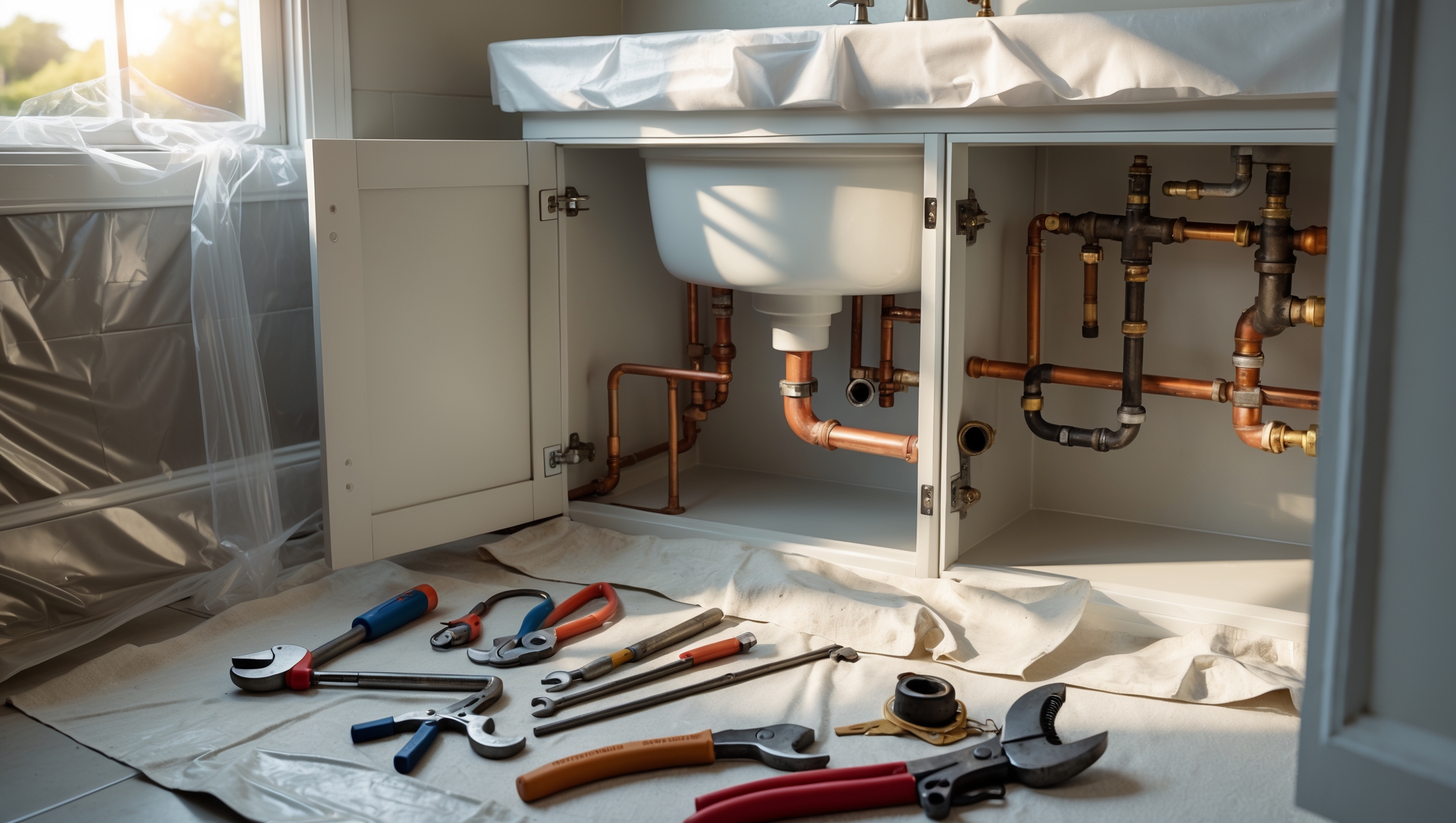
Embarking on a plumbing project at home can be exciting—whether you’re dreaming of a bathroom remodel, tackling that leaky kitchen sink, or upgrading your water heater. But before you grab your wrench or call your favorite contractor, there’s a crucial, often overlooked step: securing the right permits. Plumbing permits aren’t just bureaucratic red tape—they protect your safety, help maintain property value, and ensure your work complies with strict building codes. Neglecting permits can lead to costly fines, insurance issues, and even failed home sales. In this comprehensive guide, we’ll clear up the confusion around plumbing permits: when they’re needed, how to obtain them, what projects are exempt, and the real-world consequences of skipping this vital step. Whether you’re a first-time DIYer or a seasoned homeowner, knowing the ins and outs of plumbing permits will set your project up for success and peace of mind.
Understanding Plumbing Permits: The Basics
What Is a Plumbing Permit?
A plumbing permit is an official document issued by your city, county, or local municipality that authorizes you (or your contractor) to perform specific plumbing work. It ensures the job meets local codes and standards for safety, reliability, and environmental compliance. Permits are not just for large-scale jobs—they’re often required for smaller projects, too.
Why Do They Exist?
- Safety: Properly installed plumbing prevents leaks, contamination, and water damage.
- Code Compliance: Local codes exist to protect homeowners and communities.
- Insurance & Liability: Unpermitted work can void homeowner’s insurance or cause claim denials.
- Resale Value: Unpermitted work can delay or derail property sales.
When Is a Plumbing Permit Required?
Typical Projects That Require a Permit
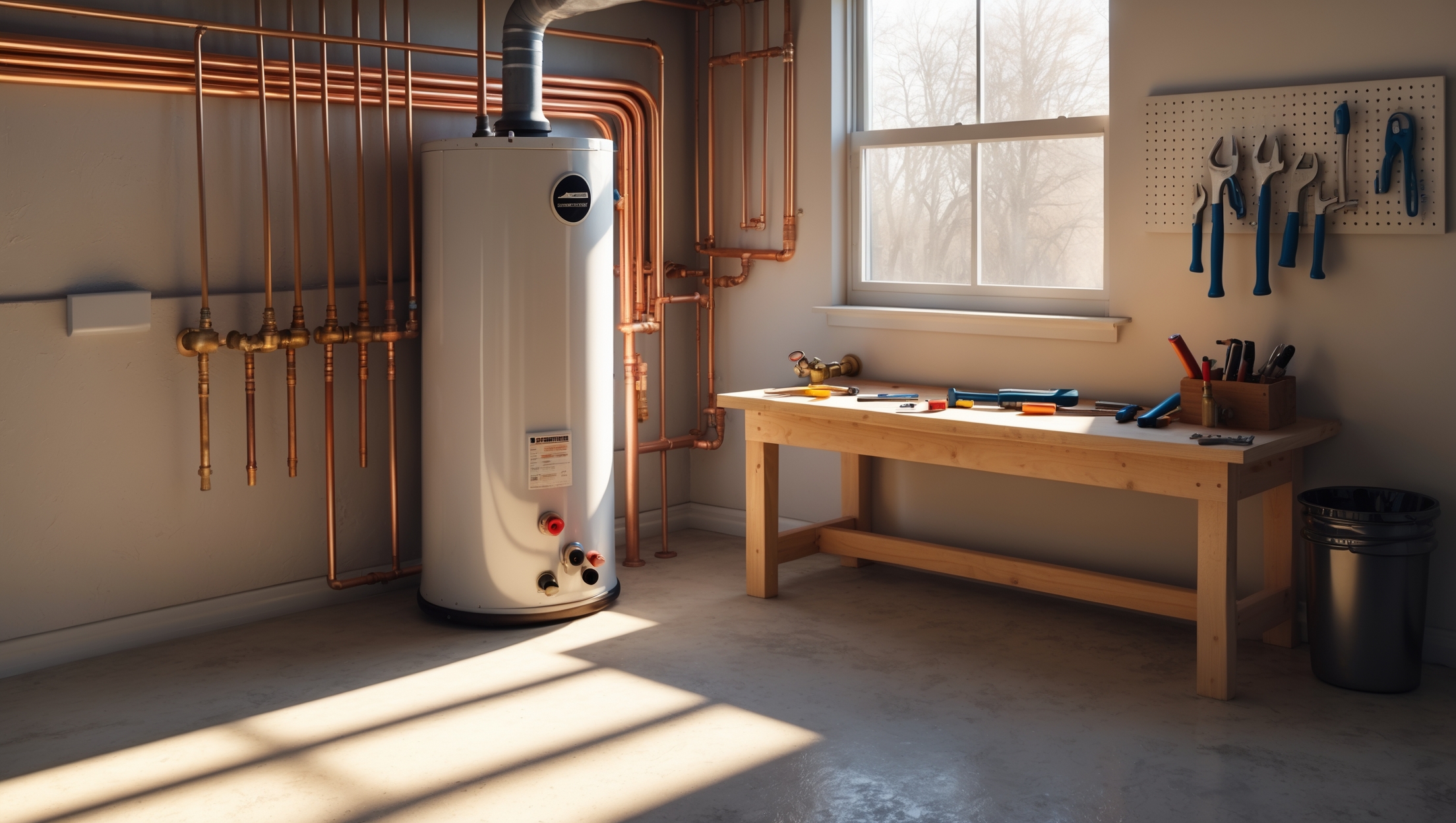
- Installing or replacing water heaters
- Re-piping entire home or major sections
- Adding new plumbing fixtures (sinks, toilets, showers, etc.)
- Moving or relocating plumbing lines
- Adding bathrooms, kitchens, or laundry rooms
- Installing irrigation or sprinkler systems connected to potable water
- Major drain line repairs or sewer connections
Projects Typically Exempt from Permits
- Minor repairs (e.g., fixing a leaky faucet or unclogging a drain)
- Replacing existing fixtures with similar models (no modifications to plumbing lines)
- Changing showerheads or faucet handles
Warning: Local rules vary, so always verify with your municipality. What’s exempt in one city may require a permit in another.
How to Check Local Permit Requirements
- Visit your city or county building department website
- Call or email the permit office with your project details
- Search for online permit guides or checklists specific to your locale
The Permit Process: Step-by-Step Guide
1. Research and Planning
Start by outlining your project. Create a detailed list of the work you plan to do and gather specs for any new fixtures or appliances. The more information you have, the smoother the process will be.
2. Application
- Where to Apply: Most city or county building departments handle plumbing permits. Many offer online applications.
- What You’ll Need:
- Detailed project description
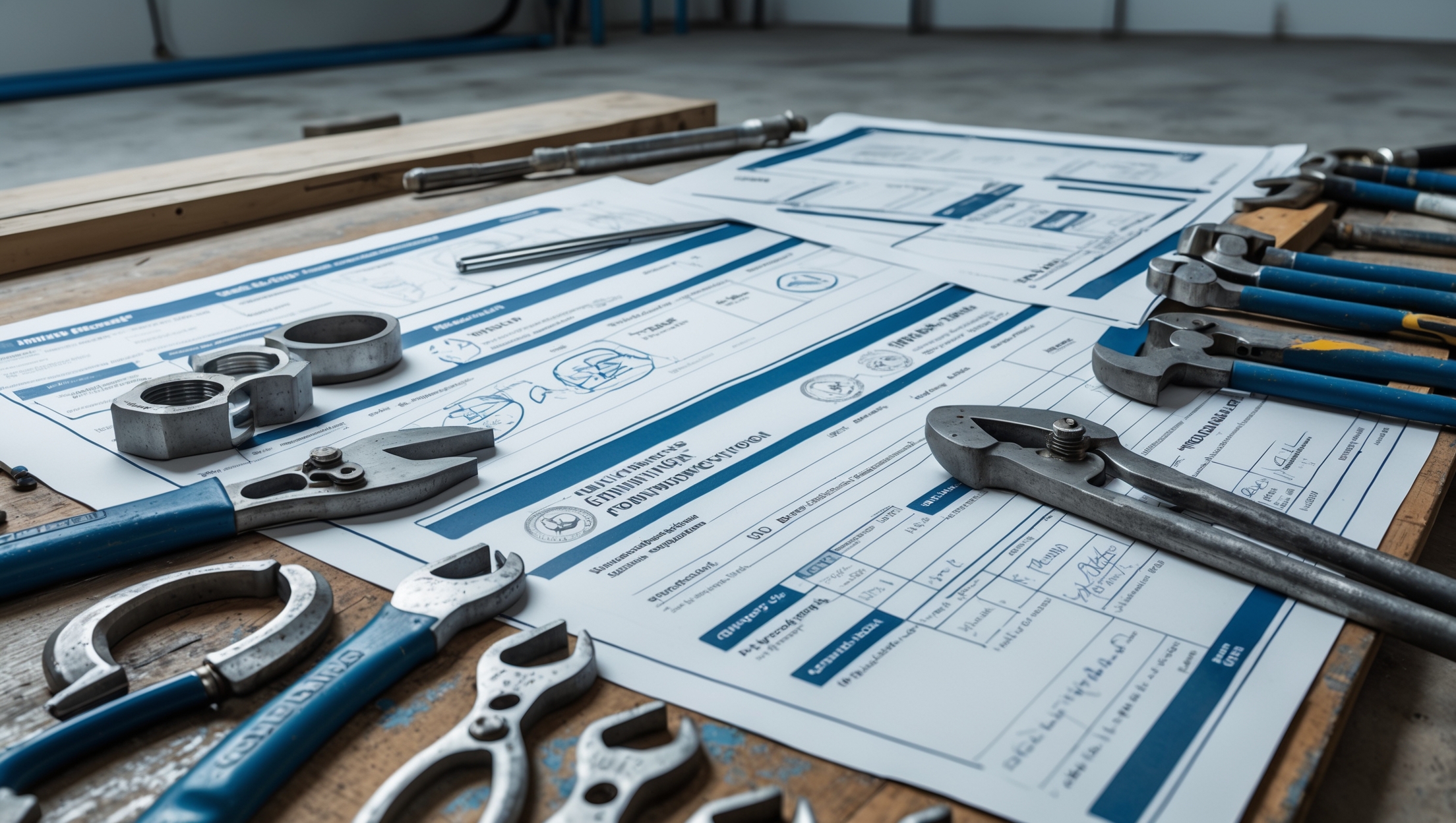
- Site plans or drawings (for major projects)
- Contractor details (if applicable)
- Fixture specifications
- Permit fee payment
3. Review and Approval
Permit officials review your application for code compliance. They may request revisions or additional information. Approval times range from same-day for minor work to several weeks for major renovations.
4. Inspections
- Rough-in Inspection: Checks plumbing installed before walls or floors are closed up.
- Final Inspection: Conducted after all work is complete and fixtures are in place.
- Correction Notices: If issues are found, you’ll receive a list of corrections; reinspections may be required.
5. Completion and Documentation
Once you pass the final inspection, you’ll receive documentation showing your project complies with codes. Keep these records for future reference, especially when selling your home.
Costs and Timelines: What to Expect
Permit Fees
- Minor projects: $50–$150
- Major remodels or new construction: $200–$1,000+
- Fees vary widely by location and project scope
Budget for permit fees in your overall project costs—it’s a necessary investment in safety and compliance.
Timeframes
- Simple repairs: 1–3 days for approval
- Complex projects: 1–4 weeks
- Inspections: Scheduled within a few days of request
Factor permit and inspection timelines into your project schedule to avoid delays.
Common Pitfalls & How to Avoid Them
1. Skipping the Permit
Some homeowners skip permits to save time or costs. This is risky: unpermitted work can result in fines, forced removal of improvements, insurance claim denials, and obstacles when selling your home.
2. Incomplete Applications
Missing information or unclear project descriptions can delay approval. Double-check requirements and include detailed drawings or specs.
3. Not Scheduling Inspections
Neglecting inspections can lead to retroactive permit headaches or failed inspections when you try to sell. Always follow up and keep documentation.
4. DIY Without Qualifications
Many municipalities require licensed plumbers for certain projects. Know your limits—if a professional is mandated, don’t risk DIY.
DIY vs. Professional: Who Should Pull the Permit?
Homeowner Pulled Permits
- Possible for simple repairs or upgrades
- Check if your city allows homeowners to pull permits
- You assume responsibility for code compliance and inspections
Contractor Pulled Permits
- Required for major projects
- Licensed contractors are familiar with local codes and processes
- Contractors assume responsibility for compliance and inspection scheduling
Always verify contractor licensing and insurance before allowing them to pull a permit on your behalf.
Consequences of Skipping Permits
Financial Risks
- Fines or penalties from the city
- Costly rework if code violations are discovered
- Insurance claim denials for unpermitted work
Legal and Resale Issues
- Problems during home inspections and appraisals
- Delays or cancellations of home sales
- Possible lawsuits if shoddy work causes damage
Safety Hazards
- Risk of water damage, mold, or contamination
- Improper venting or drainage can lead to serious health risks
Permit Records: Why They Matter for Homeowners
Building a Paper Trail
Keep all permit documents and inspection records. They prove your project was done safely and legally, protecting you in insurance claims or disputes.
Resale Advantages
Buyers and their agents often request permit records. Having them can speed up sales and provide leverage in negotiations.
Tips for a Smooth Permit Experience
- Start early—research permit requirements before starting any work
- Be thorough—submit complete, detailed applications
- Communicate—keep in touch with inspectors and permit officials
- Document everything—take photos, save correspondence, and keep all paperwork
- Work with trusted professionals—licensed contractors can streamline the process
Frequently Asked Questions
Do I need a permit to replace my water heater?
In most areas, yes—even if it’s a like-for-like replacement. This ensures safe installation and code compliance.
What happens if I do plumbing work without a permit?
You may face fines, be forced to remove or redo work, or encounter insurance and resale issues.
How long is a plumbing permit valid?
Typically 6–12 months, but check your local rules. Extensions may be available if requested before expiry.
Can I apply online?
Many cities offer online permitting, especially for simple projects. Check your municipality’s website for details.
Conclusion: Permits—A Small Step for Big Peace of Mind
Plumbing permits might seem like a hassle, but they’re a vital part of any successful home improvement project. They protect you, your family, and your investment—ensuring your plumbing is safe, up to code, and recognized by insurance and future buyers. The permit process doesn’t have to be overwhelming: with the right information, a clear plan, and attention to detail, you can navigate requirements smoothly and avoid the costly pitfalls of unpermitted work. Remember, every municipality is different, so always verify requirements before you start. If you’re unsure, reach out to your local building department or partner with a reputable, licensed contractor. Don’t let paperwork be the reason your dream project turns into a nightmare. Instead, use permits as your roadmap to a safer, more valuable home. Whether you’re tackling a weekend fix or a major renovation, taking the time to secure the right permits is a smart, responsible move—one that pays off in confidence and compliance for years to come.






Robert Clark
If I’m just replacing an old faucet with a new, similar one in my home, do I still need to get a plumbing permit, or are small jobs like that usually exempt?