Plumber Las Vegas News

Your trusted source for plumbing updates, DIY fixes, and industry insights in Las Vegas. Stay informed with practical tips, local trends, and expert advice for homeowners and professionals alike.

Spring Plumbing Checklist: Essential Tasks to Prevent Costly Problems

Introduction: Why Spring Is Prime Time for Plumbing Maintenance

As winter’s chill fades and the days grow longer, spring offers the perfect opportunity to assess, maintain, and upgrade your home’s plumbing system. Months of cold weather can take a toll on pipes, fixtures, and appliances—often in ways that go unnoticed until minor issues become expensive emergencies. Tackling plumbing tasks in spring is not just about repairs; it’s about prevention, efficiency, and peace of mind for the seasons ahead.

Whether you’re an experienced DIYer or a homeowner eager to avoid costly surprises, a thorough spring plumbing checklist helps you catch hidden leaks, prevent backups, and extend the lifespan of your plumbing investments. This guide details essential inspection points, maintenance tips, and upgrade opportunities. From outdoor spigots to sump pumps and water heaters, we’ll walk you through what to look for, how to fix common problems, and when to call in a pro. Use this checklist to keep your plumbing in peak condition and enjoy a worry-free year.

1. Inspect for Winter Damage: Pipes, Fixtures, and Foundations

1.1 Check Exposed Pipes for Cracks and Leaks

Winter freezing can cause pipes to expand, contract, or even burst. Begin your inspection in basements, crawl spaces, and utility rooms. Look for:

  • Visible cracks or splits in copper, PVC, or PEX pipes
  • Water spots, puddles, or corrosion around joints
  • Unusual odors indicating hidden leaks or mold growth

Run water through all faucets and fixtures while watching exposed pipes. Even a slow drip can signal a developing issue.

1.2 Examine Outdoor Faucets and Hose Bibs

Unprotected outdoor faucets are especially prone to freeze damage. Check by:

  • Turning on the faucet and observing for weak flow or leaks near the wall
  • Feeling for dampness or unexplained wet patches on exterior walls
  • Inspecting vacuum breakers and backflow preventers for cracks

If you suspect damage, shut off the supply line and plan for prompt repair or replacement.

1.3 Survey Foundations and Basements for Moisture

Melting snow and heavy spring rains can reveal foundation leaks or hidden pipe failures. Walk your basement perimeter looking for:

  • Damp spots, mold, or musty odors near the floor
  • Efflorescence (white powdery residue) on foundation walls
  • Pooling water or unexplained humidity increases

Address any signs of water intrusion immediately to prevent structural damage and mold growth.

2. Test Sump Pumps and Backup Systems

2.1 Sump Pump Functionality Check

Sump pumps are critical during spring rains. To test yours:

  • Remove the lid and clear any debris from the pit
  • Slowly pour a bucket of water into the pit—ensure the pump activates and discharges water properly
  • Listen for odd noises (grinding, rattling) that may indicate mechanical issues

Clean the pump intake screen and verify the float switch moves freely. Replace any worn or failing components.

2.2 Backup Power and Alarm Systems

If your sump pump uses a battery backup or water-powered backup, inspect:

  • Battery charge level and connections (replace if over 3 years old)
  • Test the alarm system to ensure audible alerts are working

Consider installing a smart water sensor for remote monitoring and peace of mind.

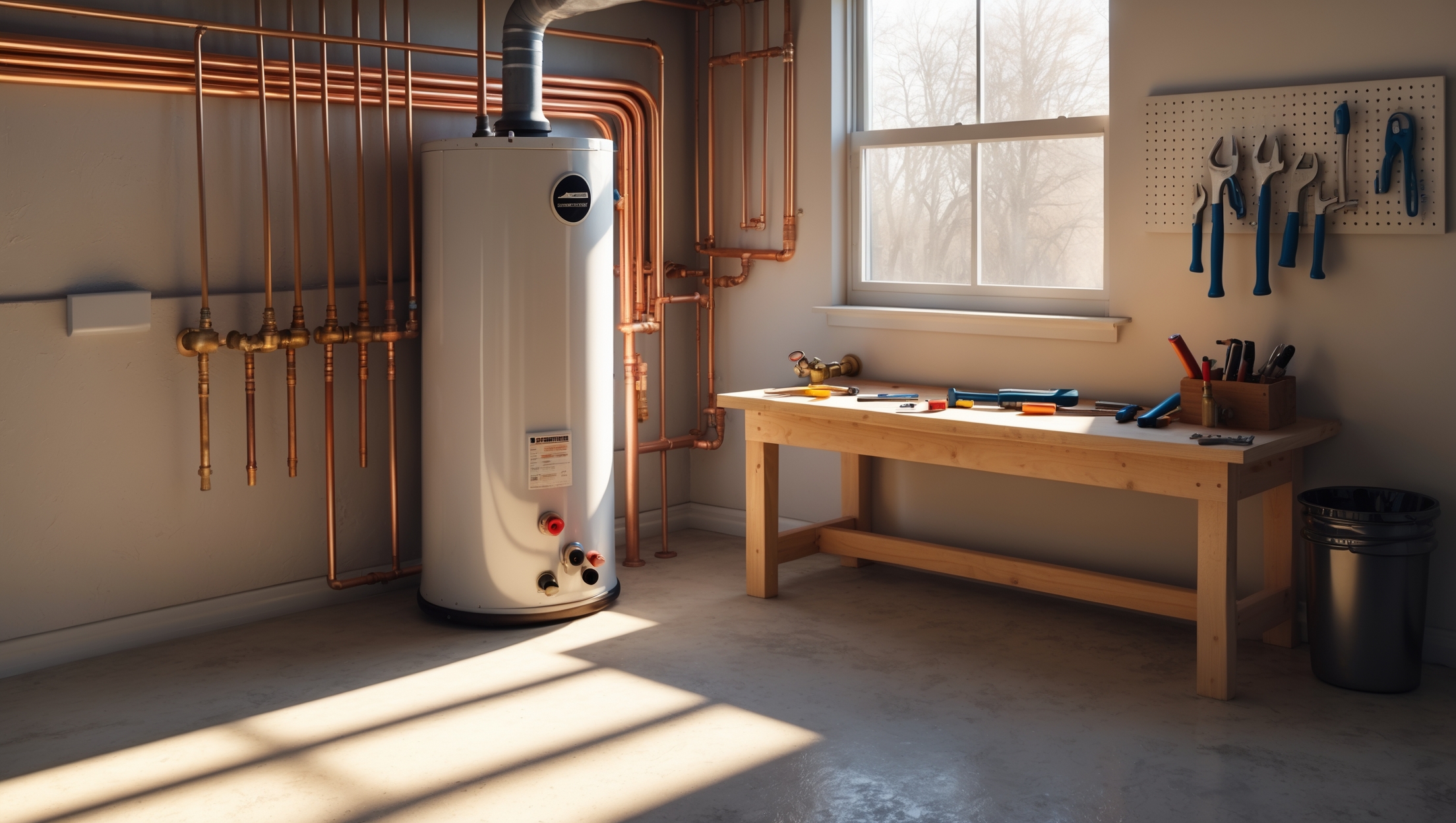
3. Water Heater Inspection and Maintenance

3.1 Check for Leaks and Corrosion

Water heaters work overtime during winter. In spring:

  • Look for rust or water pooling beneath the tank
  • Inspect pipe connections and the pressure relief valve for drips
  • Listen for popping or rumbling noises (a sign of sediment buildup)

3.2 Drain Sediment from the Tank

Flush at least a few gallons from the tank to remove sediment and improve efficiency:

  • Turn off the water heater’s power or gas supply
  • Connect a hose to the drain valve and direct it to a safe drain
  • Slowly open the valve, drain partially, and close

Restore power/gas only after the tank refills completely. Regular flushing extends the heater’s lifespan and lowers energy bills.

4. Assess Drains and Sewer Lines

4.1 Test Every Drain for Proper Flow

Winter debris and root growth can clog drains. In every sink, tub, and shower:

  • Run water and observe the speed of drainage
  • Listen for gurgling sounds or bubbling, which indicate vent or sewer issues
  • Check for foul odors—these often signal trapped debris or dry traps

4.2 Clean Out P-Traps and Strainers

Remove hair, soap scum, and debris from bathroom and kitchen drains. To clean a P-trap:

  • Place a bucket under the trap
  • Loosen slip nuts and remove the U-shaped pipe
  • Rinse thoroughly before reassembling

Regular maintenance prevents future blockages.

4.3 Consider a Professional Sewer Line Video Inspection

If you notice recurring backups or slow drains, spring is a smart time to have a plumber perform a video inspection. This can catch root intrusion, cracks, or misalignments before they become emergencies.

5. Faucets, Toilets, and Fixtures: Tune-Up and Leak Check

5.1 Inspect All Faucets for Drips and Wear

Even slow leaks add up to wasted water and higher bills. Check:

  • Bathroom, kitchen, and laundry faucets for drips or leaks at the base
  • Loose handles or corrosion around joints

Replace worn washers or cartridges as needed. Tighten connections with appropriate tools.

5.2 Toilet Leak Detection

Toilets are notorious for silent leaks. Test by adding a few drops of food coloring to the tank—if color appears in the bowl within 15 minutes (without flushing), you have a leak. Replace flappers or fill valves as necessary.

5.3 Showerheads and Aerators: Remove Mineral Buildup

  • Unscrew and soak in vinegar for 30–60 minutes
  • Scrub with an old toothbrush to clear out scale

This improves water flow and fixture lifespan.

6. Inspect Washing Machine and Dishwasher Connections

6.1 Hoses and Supply Lines

Rubber hoses degrade over time, risking catastrophic leaks. In spring:

  • Check for bulges, cracks, or soft spots on hoses
  • Ensure connections are tight but not overtightened

Upgrade to stainless steel braided hoses for extra durability. Replace hoses every 5 years, sooner if you see signs of wear.

6.2 Check Appliance Drains

Make sure drain hoses are properly inserted and secured. Look for leaks at hose clamps and under the appliance after a wash cycle.

7. Outdoor Plumbing: Sprinklers, Spigots, and Gutters

7.1 Reactivate and Inspect Sprinkler Systems

In regions with irrigation, spring startup is critical:

  • Turn on the main water supply slowly to avoid pressure surges
  • Walk the yard and observe for leaks, sputtering heads, or sunken spots (could mean underground leaks)
  • Clean or replace clogged nozzles

7.2 Check Gutter Downspouts and Drainage

Clear all gutters and downspouts of debris to prevent water from backing up and seeping into your foundation. Ensure downspouts direct water at least 3 feet away from the house.

8. Water Pressure and Quality: Test and Adjust

8.1 Test Home Water Pressure

Attach a pressure gauge to an outdoor spigot. Ideal pressure is 40–60 psi for most homes. Too high can damage pipes and appliances; too low signals possible supply issues. Adjust pressure regulators as needed or consult a plumber for persistent problems.

8.2 Replace Old or Clogged Water Filters

Spring is a great time to change fridge, under-sink, or whole-house water filters. This ensures clean, safe water and protects appliances from mineral buildup.

9. Preventative Upgrades Worth Considering

9.1 Install Leak Detectors and Smart Shut-off Valves

New technology allows you to catch leaks instantly. Installing wireless leak detectors near water heaters, under sinks, and behind appliances provides alerts before damage spreads. For ultimate peace of mind, consider a smart shut-off valve that can stop leaks remotely.

9.2 Upgrade to Frost-Proof Outdoor Faucets

Frost-proof models prevent freeze damage and leaks next winter. Installation is straightforward for most DIYers or can be handled by a plumber during other repairs.

10. Seasonal Plumbing Safety and Compliance Reminders

10.1 Know Your Shut-off Valves

Review the location and operation of your main water shut-off and individual fixture valves. Make sure everyone in the household knows how to turn off water in an emergency.

10.2 Verify Backflow Prevention Devices

Municipal codes often require backflow preventers on irrigation and some plumbing systems. Inspect for visible wear or call for professional testing if required in your area.

10.3 Check Permits for Large Projects

If spring maintenance turns into a renovation, verify if permits are required for upgrades like new water heaters, repiping, or major fixture replacements. Compliance prevents headaches down the road.

Conclusion: A Little Spring Effort Saves a Year of Headaches

Proactive spring plumbing maintenance is one of the most cost-effective steps a homeowner or DIY enthusiast can take. The tasks above are designed to catch minor issues before they escalate, ensure all parts of your system are running efficiently, and prepare your home for the demands of warmer weather. By following this comprehensive checklist, you’ll not only avoid leaks, clogs, and water damage, but also extend the life of your fixtures and appliances—saving money and reducing stress throughout the year.

Remember, while many spring plumbing tasks are well within the reach of a confident DIYer, don’t hesitate to call in a professional for complex repairs, persistent leaks, or if anything in your inspection seems amiss. Investing a weekend in thorough inspection and maintenance now can spare you from expensive emergencies and disruptive repairs later on.

Make this spring the start of a new tradition: schedule your annual plumbing review, involve the whole household in safety and shut-off training, and consider smart upgrades that give you even greater control over your home’s water system. With a little effort, you’ll enjoy reliable plumbing, healthy water, and the peace of mind that comes from knowing you’ve prepared your home for whatever the seasons bring.

38 comments
Aaron Ramirez

If I notice a slow drip coming from one of my exposed basement pipes but I’m not sure where it’s actually leaking, what’s the best way to track down the exact location before calling a plumber?

    Mario The Plumber

    To find the exact location of the leak, start by drying the pipe thoroughly with a towel. Then, run your fingers or a dry tissue along the pipe while it’s in use to feel for moisture. If the drip is small, check any joints or connections since these are common leak spots. You can also use a flashlight to spot tiny droplets or mineral buildup that indicate leaks. Mark the area you find, so it’s easier for a plumber to locate and fix.

Jessica Jackson

Is there an ideal order to go through the checklist you provided to make sure nothing gets missed, especially for someone without much DIY plumbing experience trying to prevent backups and catch leaks early?

    Mario The Plumber

    To keep things simple and thorough, it’s best to start inside your home and then move outdoors. Begin by checking visible pipes under sinks and around appliances for leaks, then test faucets and toilets for drips or slow drainage. After addressing indoor fixtures, inspect outdoor spigots, hoses, and gutters. This order helps you spot issues early and ensures you don’t overlook any area, especially if you’re new to DIY plumbing.

Jessica Davis

Can you give an idea of how long a typical spring plumbing inspection takes for a first-timer? I want to plan for it over a weekend but don’t want to rush and miss anything important.

    Mario The Plumber

    For a first-timer, a thorough spring plumbing inspection will likely take between 2 to 4 hours. This gives you time to check fixtures, look for leaks, clean drains, test outdoor faucets, and inspect your water heater without rushing. If you spread the tasks out over a Saturday morning or afternoon, you should have plenty of time to do a careful job.

Barbara Davis

The checklist mentions water heaters—do you suggest any annual maintenance steps for business water heaters in particular, or is the advice mainly for home units?

    Mario The Plumber

    The checklist tips for water heaters can apply to both home and business units, but for businesses, it’s especially important to check for leaks, flush the tank to remove sediment, and inspect safety valves at least once a year. Depending on your business type and water usage, you may also want to schedule professional servicing to ensure everything is up to code and running efficiently.

Ashley Harris

About how long should a typical spring plumbing inspection take if you go through everything on your checklist, like exposed pipes, outdoor spigots, and appliances? I want to plan out my weekend efficiently.

    Mario The Plumber

    A thorough spring plumbing inspection that covers exposed pipes, outdoor spigots, appliances, drains, and water heaters typically takes around 1.5 to 2 hours for an average home. If you have a larger property or older plumbing, it might take a bit longer. Setting aside a couple of hours should be enough to inspect everything carefully and address any minor issues you find.

Robert Gonzalez

When inspecting outdoor faucets, you mention checking vacuum breakers and backflow preventers for cracks. If a crack is found, is it better to replace the whole assembly or just the damaged part, and is this typically a DIY-friendly repair?

    Mario The Plumber

    If you find a crack in the vacuum breaker or backflow preventer, it’s best to replace the damaged part rather than the whole faucet assembly. Most outdoor faucet vacuum breakers are screw-on components and can be replaced with basic tools, making this a fairly DIY-friendly repair. If the crack is in the faucet body itself, replacing the whole assembly may be necessary.

Joseph Robinson

I noticed you mentioned checking outdoor faucets and hose bibs for freeze damage. If I turn on my outdoor faucet and notice a weak flow, could that mean a pipe burst behind the wall, or could there be another explanation?

    Mario The Plumber

    A weak flow from your outdoor faucet could indicate a pipe burst, especially if a section froze over winter. However, it might also be caused by a partially closed shut-off valve, debris in the faucet, or a kinked hose. If you also notice water spots or dampness inside, it’s best to turn off the water supply and contact a plumber to check for hidden leaks.

Betty Thomas

When inspecting exposed pipes in my crawl space for winter damage, is there a particular type of pipe material that’s more likely to show cracks after a cold season? I have a mix of copper and PVC and want to prioritize my checks.

    Mario The Plumber

    PVC pipes are generally more prone to cracking after a cold season compared to copper pipes, especially if they were exposed to freezing temperatures. PVC becomes brittle in the cold and can split or crack if water inside freezes and expands. Copper pipes can burst from freezing as well, but they’re usually more resilient. I recommend starting your inspection with the PVC sections, looking closely for any visible cracks, splits, or leaks, before moving on to your copper pipes.

Daniel Sanchez

For homeowners on a tight budget, which spring plumbing tasks from your checklist would you consider most essential to prioritize, and which can be safely postponed if no major issues are found during inspection?

    Mario The Plumber

    For homeowners watching their budget, it’s most important to check for leaks under sinks, inspect visible pipes for corrosion, clear slow drains, and test your sump pump if you have one. These tasks can prevent costly damage. Tasks like flushing your water heater or replacing older fixtures can usually be postponed if you find no immediate problems during your initial inspection.

Elizabeth Moore

You noted checking vacuum breakers and backflow preventers for cracks. Are there any affordable DIY repair kits for those parts, or are replacements the only safe option for homeowners on a budget?

    Mario The Plumber

    For minor issues like worn washers or seals, some vacuum breakers and backflow preventers do have affordable DIY repair kits available at hardware stores. However, if you notice cracks or significant damage, replacement is usually the safest option since these parts are essential for preventing water contamination. Always check your device’s brand and model, as repair parts aren’t universal, and ensure repairs meet local codes.

Nancy Ramirez

How long should it typically take to go through a thorough spring plumbing checklist for an average-sized home, assuming I’m an experienced DIYer?

    Mario The Plumber

    For an experienced DIYer, going through a thorough spring plumbing checklist in an average-sized home usually takes about 2 to 4 hours. This covers tasks like inspecting visible pipes, checking for leaks, testing water pressure, flushing water heaters, and examining all fixtures. If you have a larger home or run into issues that need extra attention, it might take a bit longer.

Aaron Lopez

Can you expand on what typical repairs for freeze-damaged vacuum breakers or backflow preventers might cost, and are these usually a DIY fix or best left to a professional?

    Mario The Plumber

    Freeze-damaged vacuum breakers or backflow preventers often require replacing internal parts like rubber seals or sometimes the entire unit. DIY repairs for minor parts might cost $20 to $50, but if the housing is cracked or there’s significant damage, full replacement could run $80 to $200 or more with professional installation. Minor repairs can be DIY if you’re comfortable with plumbing, but for leaks, cracks, or uncertainty, hiring a professional is safer to ensure proper installation and avoid water safety issues.

David Rodriguez

When inspecting exposed pipes for cracks or leaks as recommended here, what should I do if I find a small drip but don’t have the budget for immediate professional repairs? Are there reliable temporary fixes for this situation?

    Mario The Plumber

    If you spot a small drip and can’t get professional repairs right away, you can try a temporary fix like using plumber’s epoxy putty or waterproof pipe repair tape. Make sure to clean and dry the area first, then apply the product according to its instructions. This should help stop the leak temporarily, but remember to keep an eye on it and schedule a permanent repair as soon as possible.

Charles Anderson

For someone on a tight budget, which spring plumbing maintenance tasks would you say are most important to prioritize to prevent costly issues down the line?

    Mario The Plumber

    If you’re watching your budget, focus on tasks that catch leaks early and prevent water damage. Check for any visible leaks under sinks and around toilets, test your sump pump to make sure it’s working, clean out gutters and downspouts, and inspect outdoor faucets for signs of freezing damage. These steps are simple, inexpensive, and go a long way toward avoiding bigger repair bills later.

Diane Garcia

The checklist mentions watching for unusual odors to detect hidden leaks or mold. Can you explain what specific smells I should be looking out for and what might cause them?

    Mario The Plumber

    When checking for hidden leaks or mold, pay attention to musty, earthy, or damp smells, which often indicate mold or mildew growth. A rotten egg or sulfur odor can signal sewer gas escaping from plumbing, while a stale or lingering ‘wet dog’ smell could point to water damage or hidden leaks. If you notice any of these odors, it’s wise to investigate further or call a plumber.

Mark Lopez

For inspecting outdoor faucets and hose bibs, what’s the best way to determine if a weak water flow is due to pipe damage from freezing or just debris clogging the line? Are there any DIY methods to rule out more serious issues before calling a pro?

    Mario The Plumber

    To check if weak water flow is from pipe damage or a clog, start by removing the hose and any nozzle to test the faucet directly. If the flow is still weak, unscrew the hose bib’s aerator (if present) and clear out any debris. Next, look for leaks or damp spots on the wall near the faucet, which could mean a freeze-related crack. If everything looks dry and cleaning didn’t help, shut off the water supply and listen for any hissing behind the wall—this could be a sign of a hidden leak. If you suspect pipe damage, it’s best to contact a professional.

Patricia Robinson

For someone on a tight budget, which of these spring plumbing tasks you listed are truly essential to tackle right away, and which ones could safely wait a few more months without risking costly problems?

    Mario The Plumber

    If you’re watching your budget, prioritize checking for leaks under sinks, inspecting exposed pipes, and making sure your sump pump works—these can prevent major water damage and expensive repairs. Tasks like flushing your water heater or cleaning drain traps are helpful but can usually wait a few months if everything is running smoothly. Focus first on anything that could cause leaks or flooding.

John Martin

After inspecting exposed pipes in my crawl space, I found some corrosion around the joints but no dripping or visible water. Would it be wise to just monitor them for now, or is this a sign I should call a plumber right away?

    Mario The Plumber

    Corrosion around pipe joints can be an early warning sign of potential leaks, even if there’s no dripping yet. It’s wise to keep a close eye on these areas, but if the corrosion looks extensive or you notice any damp spots developing, it’s best to call a plumber sooner rather than later. Early intervention can help prevent serious and more expensive problems down the road.

Margaret Clark

If my water heater seems to be working fine after winter, is it still necessary to include it in my spring checklist? What signs should I watch out for even if there aren’t any obvious issues?

    Mario The Plumber

    Even if your water heater seems fine after winter, it’s still wise to include it in your spring checklist. Over time, sediment can build up inside, reducing efficiency and potentially causing issues later. Check for signs like rust-colored water, strange noises, leaks around the base, or fluctuating water temperature. Catching these early helps prevent more costly repairs down the line.