Introduction: Why Water Pressure Regulators Matter
Water pressure is a silent force in every plumbing system, impacting everything from appliance efficiency to the lifespan of your pipes and fixtures. Homeowners and professionals alike often overlook the role of water pressure regulators—a device responsible for maintaining safe, consistent water pressure throughout your plumbing system. Unregulated high pressure can cause premature wear on pipes, leaks, noisy plumbing, and even catastrophic bursts. Conversely, low pressure can make showers feeble and appliances inefficient. Whether you’re tackling a DIY plumbing upgrade, maintaining an older home, or troubleshooting persistent leaks and fixture problems, understanding how water pressure regulators work—and how to install, adjust, and maintain them—can save you time, money, and headaches. This comprehensive guide will walk you through the essentials of water pressure regulators, including practical installation advice, adjustment techniques, troubleshooting common issues, and tips for ensuring your plumbing operates safely and efficiently for years to come.
What Is a Water Pressure Regulator?
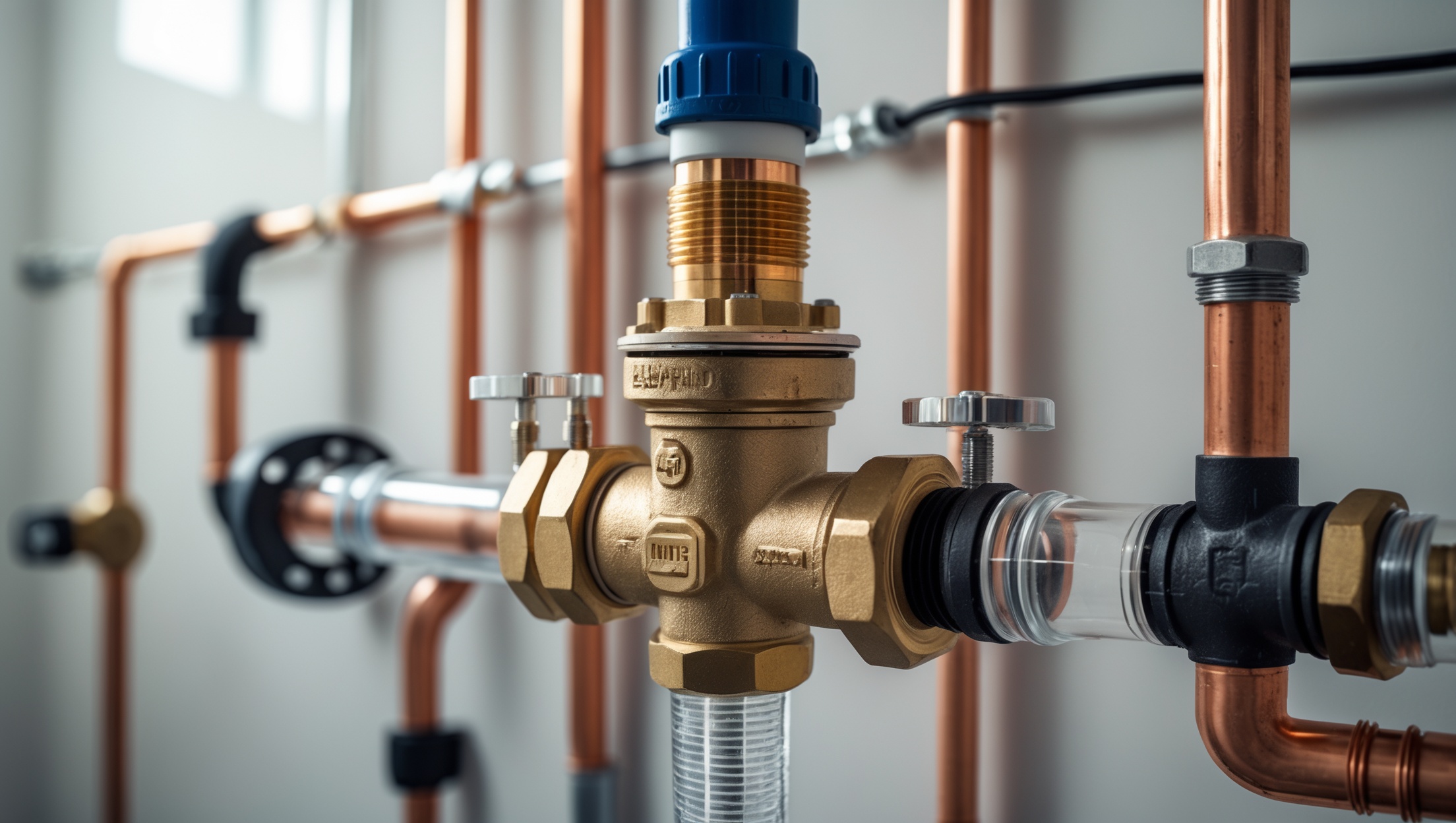
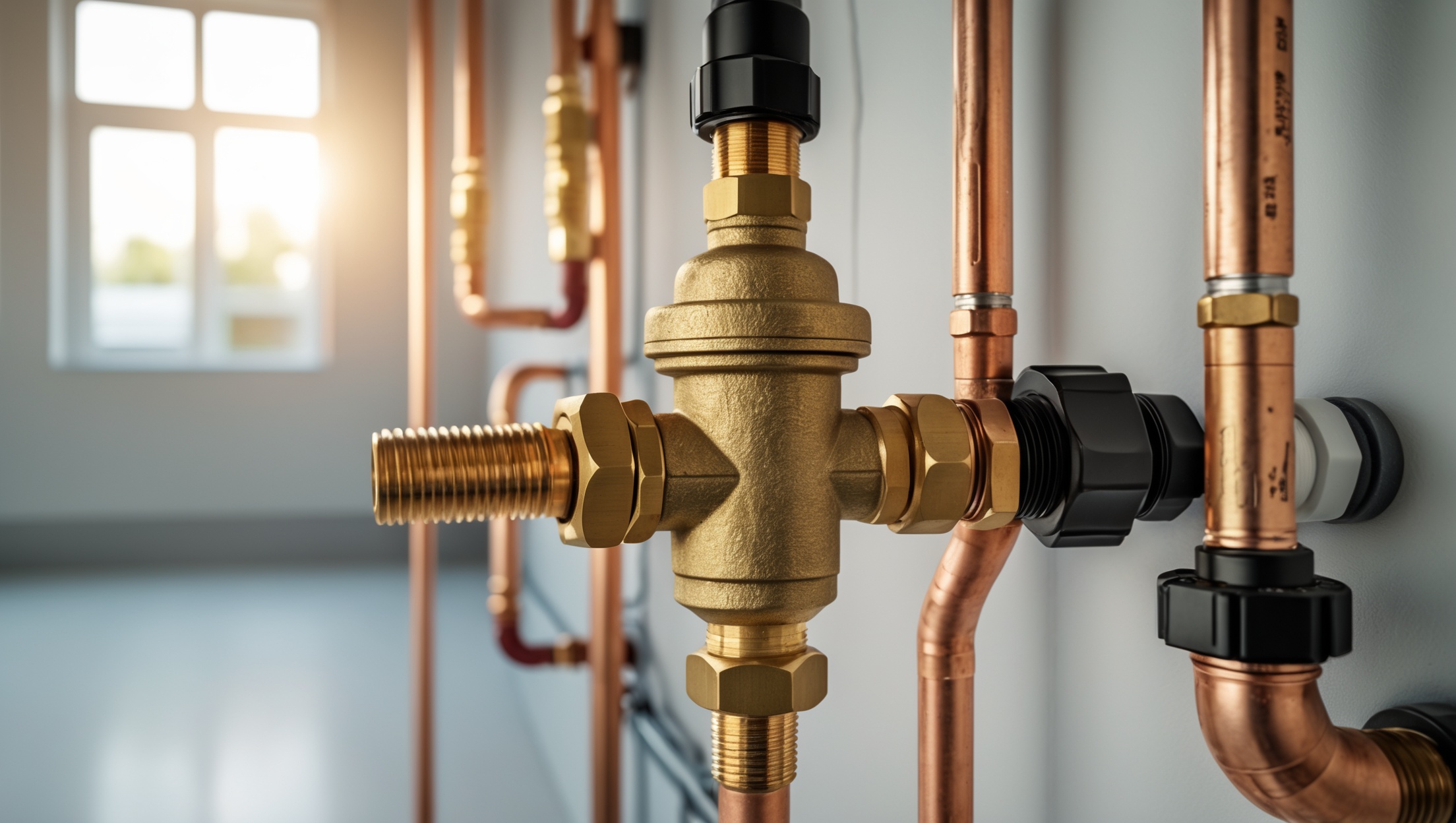
A water pressure regulator is a valve that automatically reduces the incoming water pressure from the municipal supply to a safe level for use within a building. Without this device, fluctuations in city water pressure can translate to dangerous spikes inside your home’s plumbing, damaging pipes, fixtures, and appliances.
How Pressure Regulators Work
Most residential pressure regulators use a spring-loaded diaphragm mechanism. When the incoming pressure exceeds the set threshold, the diaphragm compresses the spring and restricts the flow, maintaining consistent downstream pressure.
- Inlet Side: Connects to the main supply, receives higher city pressure.
- Regulation Chamber: Houses the spring and diaphragm that react to changes in pressure.
- Outlet Side: Discharges water at the regulated, reduced pressure.
Common Signs You Need a Pressure Regulator
- Frequent leaks in pipes or fixtures
- Loud banging or hammering sounds (water hammer)
- Shortened lifespan of appliances (dishwashers, washing machines, water heaters)
- Inconsistent water flow from faucets and showers
- Noticeably high water bills without increased usage
Choosing the Right Pressure Regulator
Selecting an appropriate regulator involves a few key considerations:
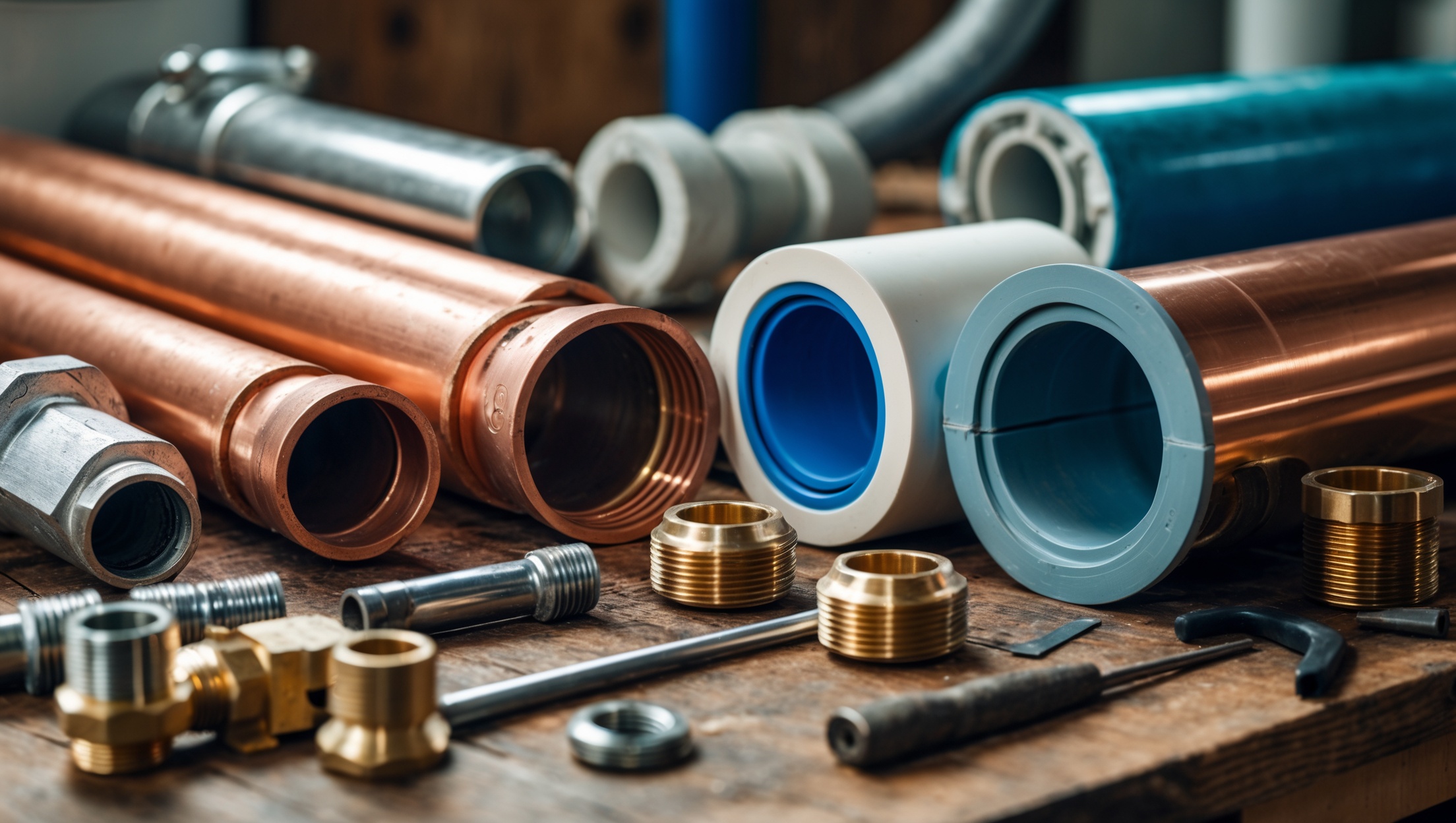
- Material: Brass is common for durability and corrosion resistance.
- Size: Match the valve size (usually 3/4” or 1”) to your main water line diameter.
- Pressure Range: Most homes require 40–60 psi. Check the regulator’s adjustment range (often 25–75 psi).
- Certification: Look for NSF or ASSE certification for potable water use.
Step-by-Step: Installing a Water Pressure Regulator
Installing a pressure regulator isn’t complicated, but it requires careful planning and the right tools. If your home is older or experiences chronic plumbing issues, it’s worth checking if a regulator is already installed or needs replacement.
Tools & Materials Needed
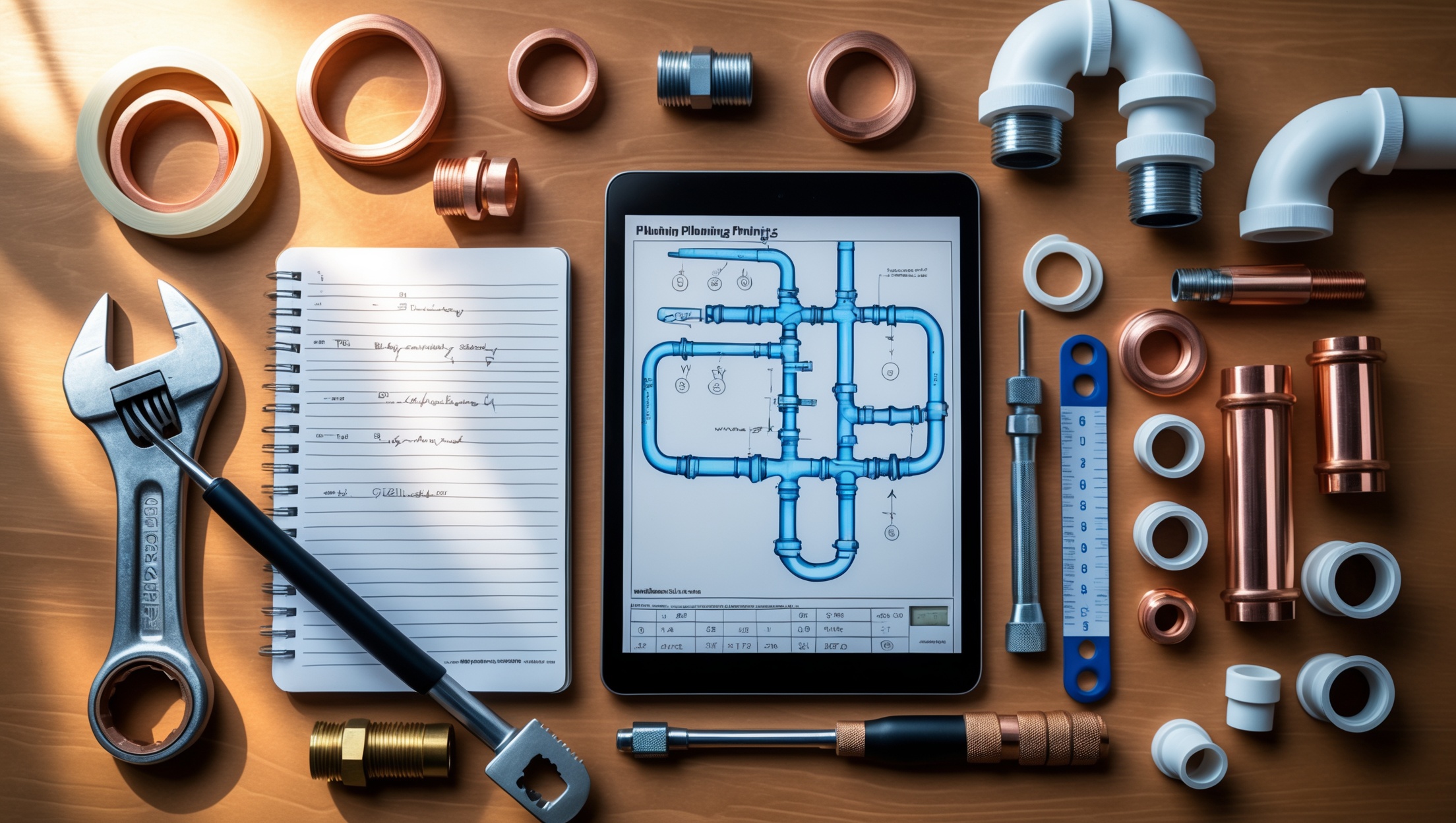
- Pipe wrench or adjustable wrench
- Tube cutter or hacksaw (for copper/PEX)
- Teflon tape or pipe joint compound
- Pressure regulator valve (correct size and type)
- Union fittings for easy future removal
- Pressure gauge (optional but recommended)
- Bucket and towels for water drainage
Installation Process
- Shut Off Main Water Supply: Locate and close the main shut-off valve. Open a faucet to relieve system pressure.
- Drain the Line: Place a bucket under the section where you’ll install the regulator. Cut out a section of pipe as needed.
- Prepare Pipe Ends: Clean pipe ends thoroughly. Apply Teflon tape or pipe joint compound to threaded connections.
- Install the Regulator: Position the regulator per the manufacturer’s flow direction arrow. Use union fittings for easier servicing.
- Tighten Connections: Secure all fittings. Do not overtighten; brass can crack under excess torque.
- Install a Pressure Gauge (Recommended): Add a gauge downstream of the regulator for ongoing monitoring.
- Restore Water Supply: Open the main valve slowly. Check for leaks and proper operation.
Adjusting Your Water Pressure Regulator
Most regulators feature an external adjustment screw or bolt, typically located on top of the valve body. Adjustments allow you to fine-tune the downstream pressure for optimal performance.
How to Check Water Pressure
- Attach a pressure gauge to an outdoor faucet or laundry hookup downstream of the regulator.
- Ensure all other faucets are closed for an accurate reading.
- Turn on the faucet and note the gauge reading.
- Optimal residential pressure is usually 50–60 psi. Anything above 80 psi is considered too high and can void appliance warranties.
Adjustment Steps
- Locate the adjustment screw or bolt on the regulator.
- To increase pressure, turn the screw clockwise.
- To decrease pressure, turn it counterclockwise.
- Make small adjustments (no more than a half turn at a time) and check the gauge after each change.
- Once the desired pressure is achieved, tighten any locknuts to secure the setting.
Troubleshooting Common Pressure Regulator Issues
Like any plumbing component, regulators can develop issues over time. Early detection and correction can prevent costly damage.
1. Inconsistent or Fluctuating Pressure
- Check for debris in the valve. Sediment buildup can block the diaphragm.
- Inspect for leaks upstream or downstream that may affect pressure readings.
- If the regulator is old (10+ years), replacement is often more cost-effective than repair.
2. No Change in Pressure After Adjustment
- Verify that the adjustment screw is not stripped or damaged.
- Ensure the regulator is installed in the correct flow direction.
- Internal mechanism failure may require full replacement.
3. Water Hammer or Noisy Pipes
- Sudden pressure changes can cause pipes to bang. Confirm the regulator is functioning correctly and set to the recommended pressure.
- Consider installing water hammer arrestors if noise persists.
4. Visible Leaks at the Regulator
- Tighten all fittings and check for cracks in the valve body.
- Replace any compromised washers or seals.
- For persistent leaks, replace the entire unit.
Maintenance Best Practices
Regular maintenance ensures your pressure regulator continues to protect your plumbing system for years. Here’s what you should do:
- Annual Pressure Check: Use a gauge to confirm the set pressure remains within the recommended range.
- Inspect for Leaks: Visually check the regulator and connections twice a year.
- Flush Sediment: If your water supply is prone to sediment, consider flushing the system or installing a sediment filter upstream of the regulator.
- Replace Every 10–15 Years: Most regulators have a finite lifespan. Proactive replacement prevents failures.
Frequently Asked Questions
Can I install a pressure regulator myself?
Yes, if you are comfortable working with plumbing tools and can safely shut off your water main. However, if your plumbing involves soldered copper pipes or you are unsure about local code requirements, hiring a licensed plumber is recommended.
Do all homes need a pressure regulator?
Homes connected to municipal water in areas where supply pressure exceeds 80 psi should have a regulator. Those with consistently lower pressure may not need one, but regulators can still protect plumbing from sudden spikes.
How do I know if my pressure regulator is failing?
Watch for symptoms such as inconsistent water pressure, leaks, or noisy pipes. A sudden increase in pressure readings is a strong indicator of failure.
Is it better to set the pressure higher for better showers?
Setting pressure above 60 psi increases the risk of leaks and appliance damage. Instead, address individual fixture flow issues or clean showerheads for optimal performance.
Conclusion: Invest in Long-Term Plumbing Health
Water pressure regulators are essential guardians of your plumbing system. By maintaining consistent, safe water pressure, they protect pipes, fixtures, and appliances from premature wear and catastrophic failures. Whether you are installing a new regulator to replace an aging valve, adjusting the pressure for optimal performance, or troubleshooting issues like leaks or noise, understanding these devices is a critical skill for every homeowner and plumbing professional. Regular maintenance—including annual pressure checks and periodic visual inspections—can dramatically extend the lifespan of your plumbing system and prevent expensive, disruptive repairs.
If you’ve noticed signs of high pressure, such as leaking faucets, noisy pipes, or unexpectedly high water bills, don’t ignore them. Proactive attention to your water pressure regulator is a small investment that pays off in peace of mind and lower long-term costs. When in doubt, consult a licensed plumber to ensure your system meets local codes and operates at peak efficiency. With the right knowledge and a few practical tools, you can keep your plumbing system running smoothly and safely for years to come.