
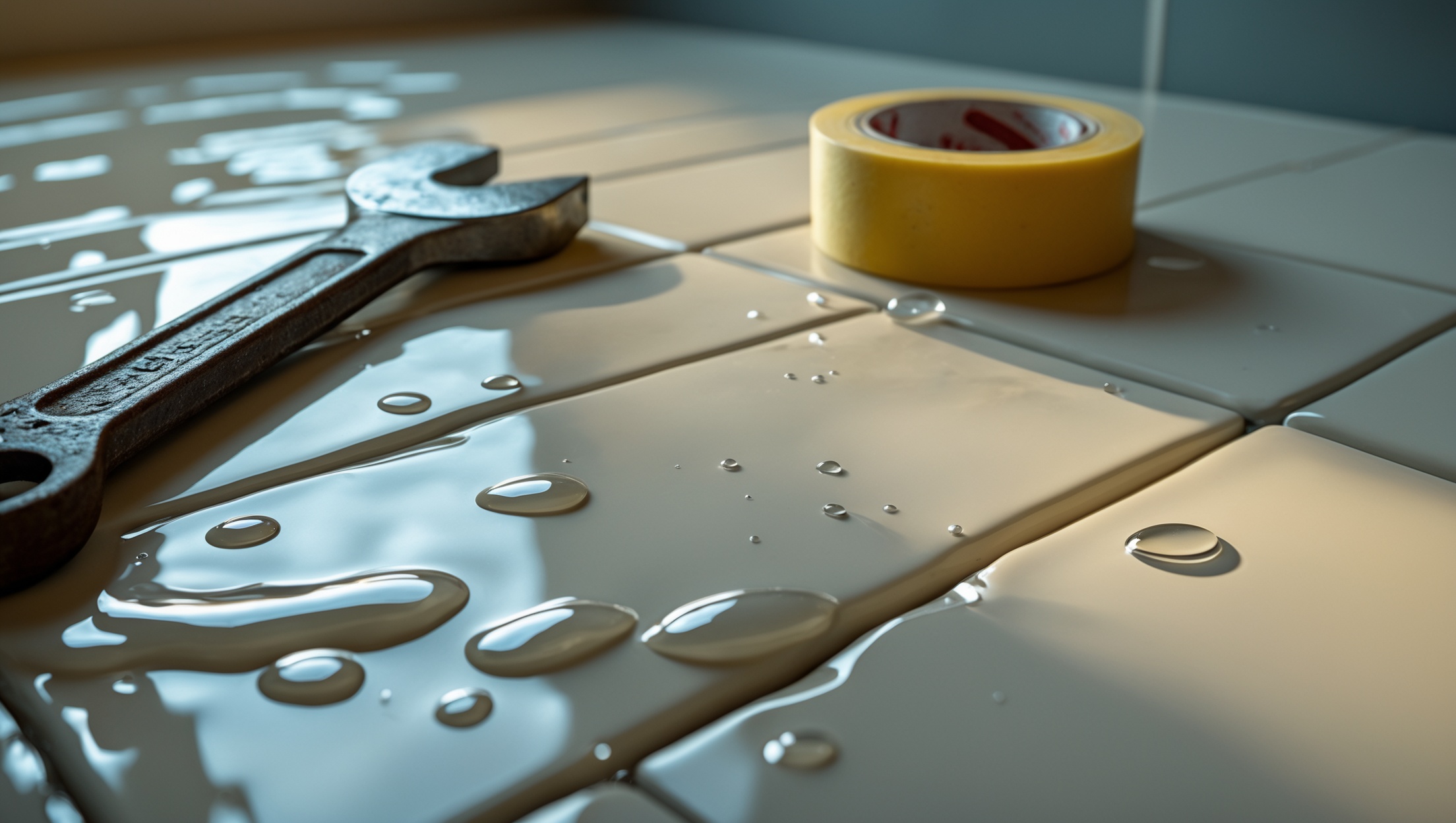
Introduction: Staying Calm and Taking Control in a Plumbing Emergency
Few household situations are as stressful as a sudden plumbing emergency. Whether it’s a burst pipe, an overflowing toilet, or water gushing from a failed fitting, these moments demand quick thinking and decisive action. Yet, many homeowners feel overwhelmed, leading to panic or mistakes that can worsen the problem. The reality is, while some plumbing crises require professional intervention, there’s a lot you can do in the critical minutes before help arrives. Understanding which steps to take—and which to avoid—can save you thousands in water damage, protect your home’s infrastructure, and help you regain peace of mind. This guide offers a practical, expert-curated approach to managing plumbing emergencies. We’ll focus specifically on what to do immediately, how to stabilize the situation, which DIY fixes are safe and effective, and when to step back and call the pros. By preparing ahead and knowing the right actions, you’ll turn chaos into control the next time plumbing disaster strikes.
Recognizing a True Plumbing Emergency
Not every leak or drip constitutes an emergency, but some scenarios require immediate action. Here’s how to identify when you’re facing a true plumbing emergency:
- Uncontrolled Water Flow: Water spraying or pouring from a pipe, fixture, or appliance.
- Sewage Backup: Raw sewage coming up from drains or toilets, accompanied by foul odors.
- Flooding: Water accumulating rapidly on floors, especially near electrical outlets or appliances.
- Burst Pipes: Sudden pipe failure with visible cracks or ruptures.
- Major Gas or Water Heater Leaks: Unusual hissing sounds, water pooling near heaters, or the smell of gas.
If you encounter any of these, it’s time to act fast.
First Response: Shutting Off Water and Power
1. Locate and Use Shut-Off Valves
The first step in any water-related emergency is to stop the flow. Every home should have:
- Main Water Shut-Off: Usually found where the water line enters the house, often in basements, crawl spaces, garages, or outside walls. Turn clockwise to close.
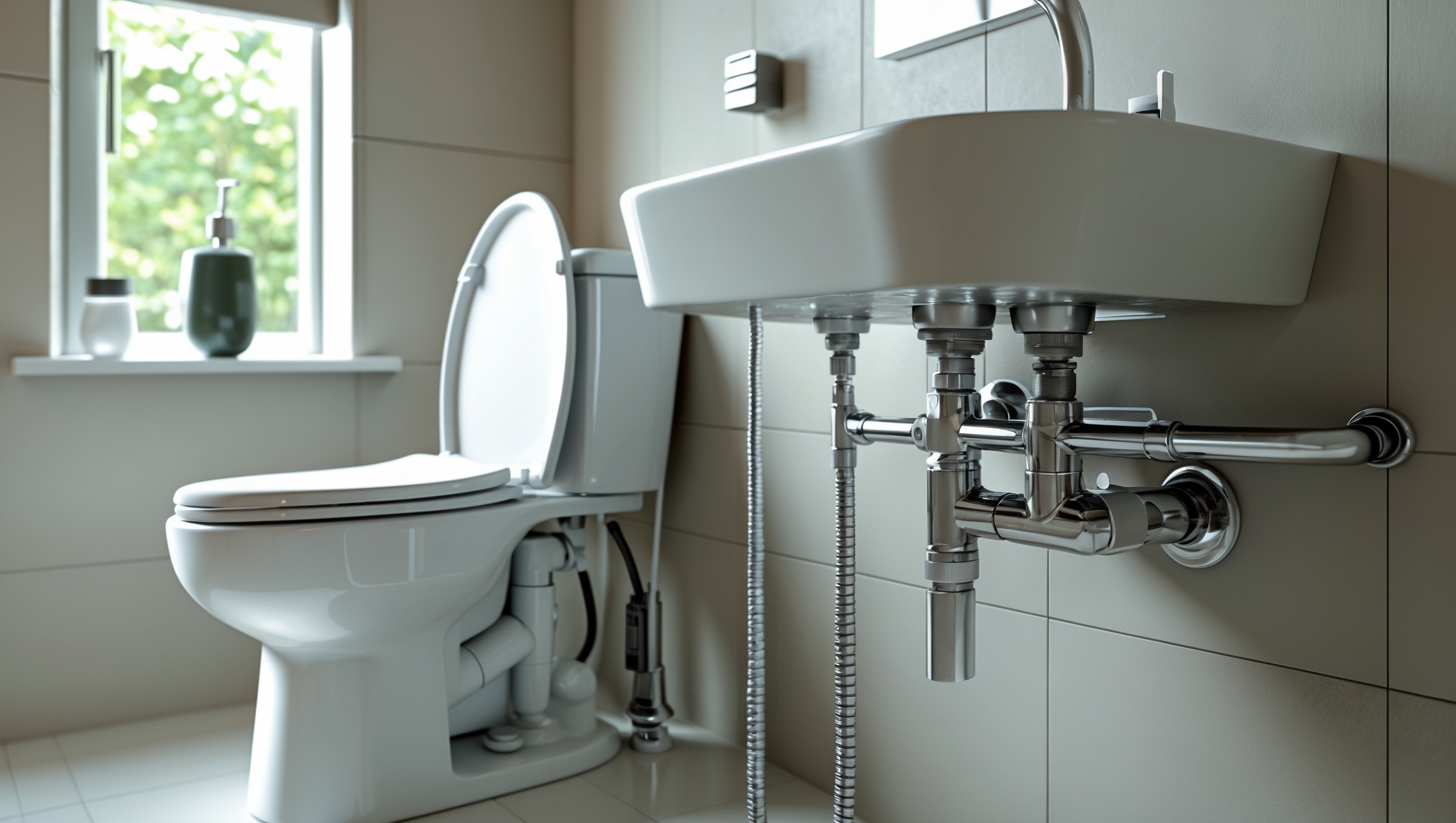
- Fixture Shut-Offs: Under sinks, behind toilets, and near appliances. These can isolate the problem area without cutting off your entire water supply.
If you don’t know where these are, locate them now—before disaster strikes.
2. Power Precautions
If water is near electrical outlets, appliances, or your electrical panel, shut off power at the main breaker. Water and electricity are a dangerous mix. Never step in standing water to reach an electrical panel—call your utility provider if needed.
Containing Water Damage: Immediate DIY Steps
1. Minimize Spread
- Use towels, rags, or mops to soak up pooling water.
- Place buckets under active leaks.
- Move furniture and valuables out of harm’s way.
2. Protect Floors and Walls
- Lay down plastic sheeting or trash bags in affected areas.
- If water is coming through ceilings, poke a small hole to allow controlled drainage into a bucket, preventing a ceiling collapse.
3. Use Temporary Seals
- Wrap pipe leaks tightly with plumber’s tape or even duct tape as a short-term fix.
- For threaded joints, plumber’s putty can sometimes stop a drip until repairs are made.
Handling Specific Emergencies: Practical Scenarios
1. Burst Pipe
- Shut off main water supply.
- Open faucets to drain remaining water and reduce pressure.
- Wrap the burst area with a rubber patch (like a cut piece of hose), and secure with hose clamps or heavy tape.
2. Overflowing Toilet
- Remove tank lid and lift the float to stop water from filling.
- Shut off the supply valve behind the toilet.
- Use a plunger to clear any blockage if you’re certain it’s not a sewer backup.
3. Leaking Water Heater
- Turn off the cold water supply to the heater.
- Set the thermostat to ‘off’ or ‘pilot’.
- If leaking from the pressure relief valve, do not attempt to plug it—this is a safety device. Call a professional immediately.
4. Sewer Line Backup
- Stop all water use in the house.
- Do not attempt to clear main line blockages yourself—backups pose serious health risks.
- Ventilate the area if possible and keep children and pets away.
Essential Emergency Plumbing Toolkit
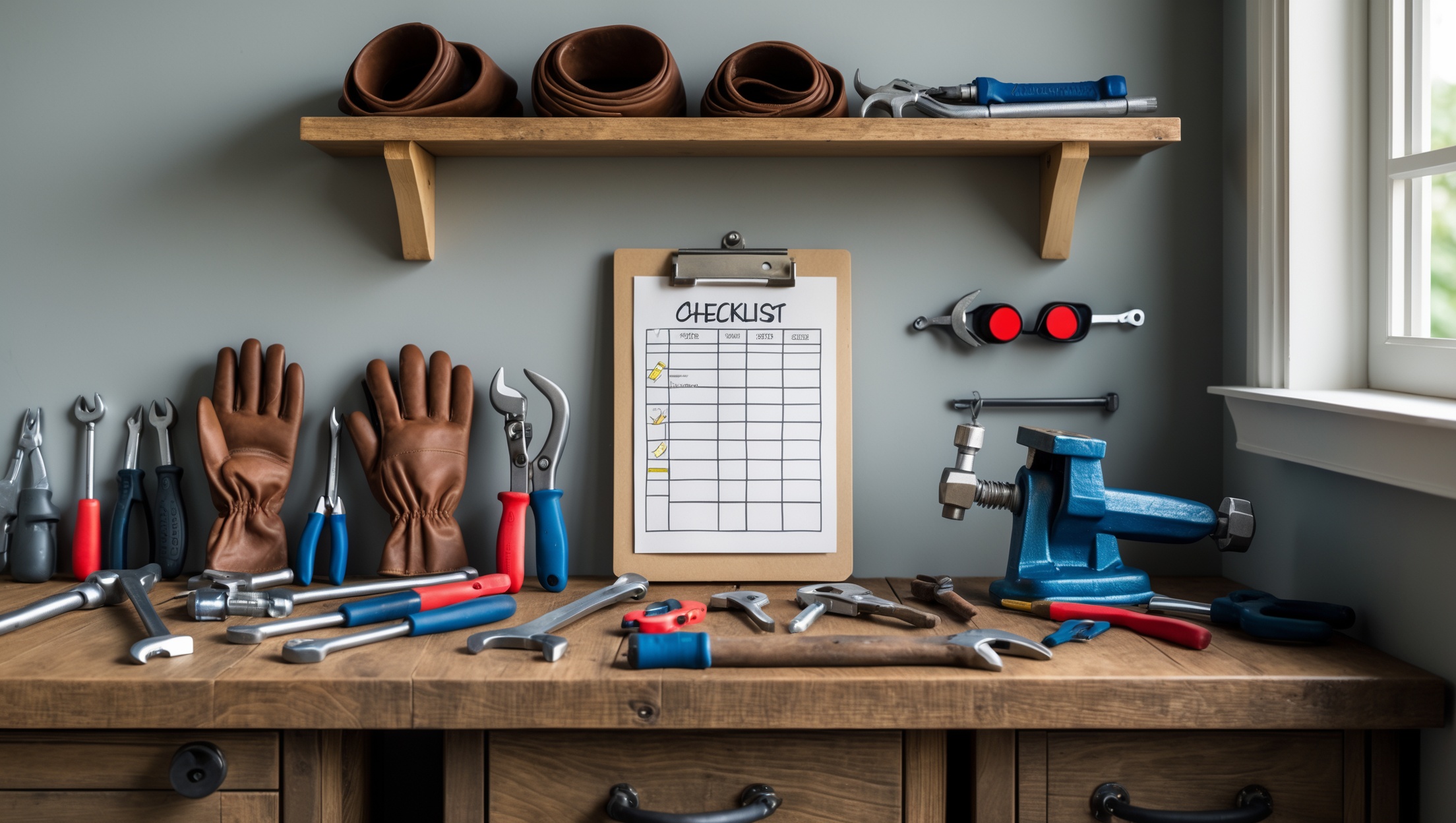
Having the right tools ready can make a huge difference during a crisis. Keep these items in an accessible kit:
- Adjustable wrench
- Plumber’s tape (Teflon tape)
- Heavy-duty rubber gloves
- Plunger (cup and flange types)
- Bucket
- Flashlight or headlamp
- Absorbent towels and rags
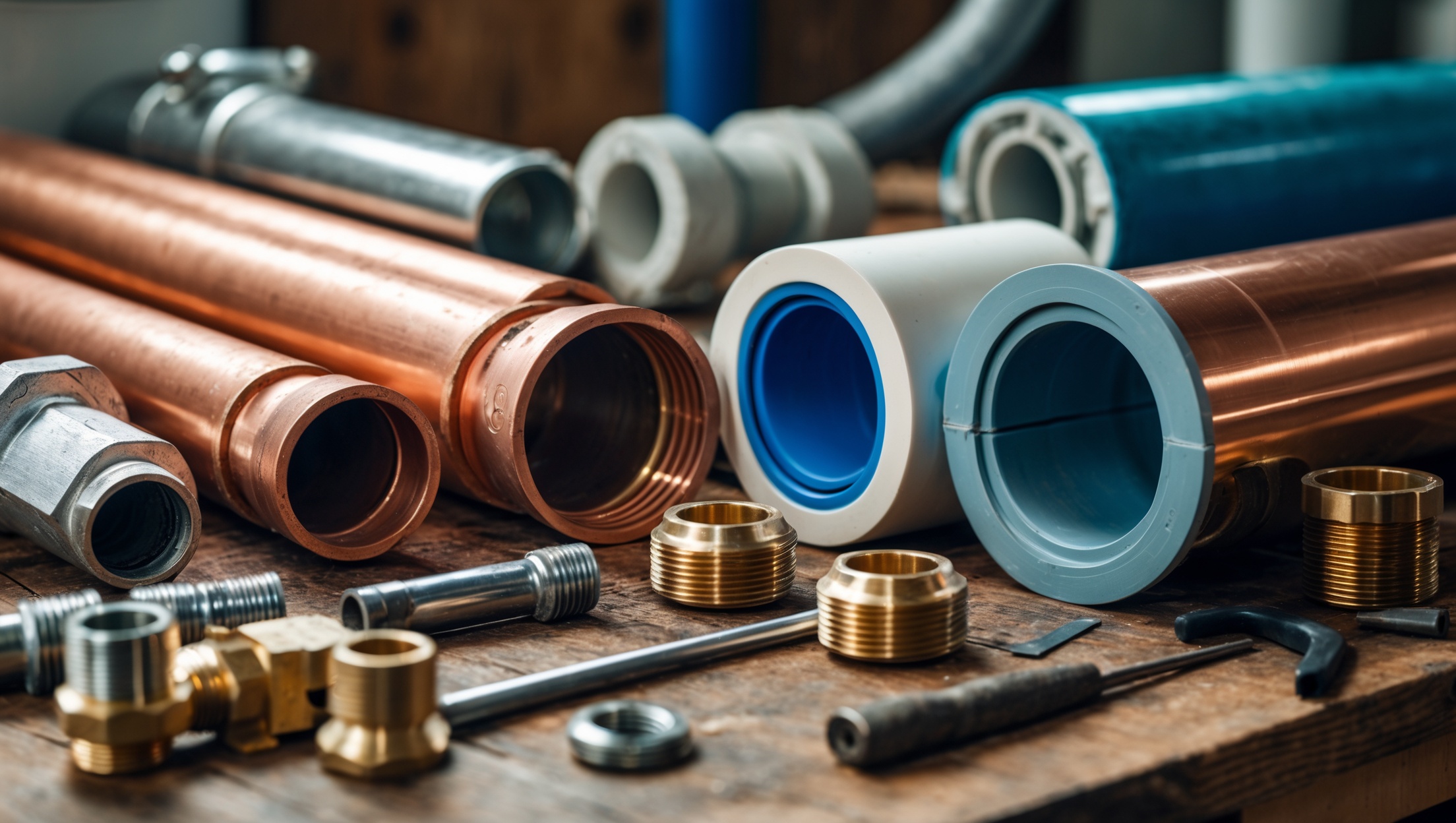
- Rubber patch or pipe repair clamp
- Multi-bit screwdriver
- Utility knife
- Plastic sheeting or trash bags
Store these in a labeled container in a utility closet or garage for quick access.
What Not to Do During a Plumbing Emergency
- Don’t use chemical drain cleaners—these can worsen clogs, damage pipes, and create hazardous mixtures if professionals need to intervene.
- Don’t ignore minor leaks—small drips can escalate rapidly.
- Don’t attempt DIY fixes on gas lines, boilers, or main sewer lines—these require specialized knowledge and pose serious safety risks.
- Don’t attempt electrical repairs in wet areas—call a licensed electrician if water has reached outlets or your breaker box.
Communicating Effectively with Your Plumber
When you call for professional help, providing clear information speeds up the process. Here’s what to have ready:
- Describe the issue: Is it a leak, backup, or burst?
- Location: Where in the house is the problem?
- Actions taken: Have you shut off water or power? Any DIY fixes applied?
- How long has it been happening?
- Any strange sounds, smells, or visible damage?
Take photos or videos if possible—these can help your plumber prepare the right tools and parts before arrival.
Preventing Future Emergencies: Proactive Tips
1. Know Your System
- Locate all shut-off valves and label them.
- Test valves annually to ensure they turn freely.
2. Regular Inspections
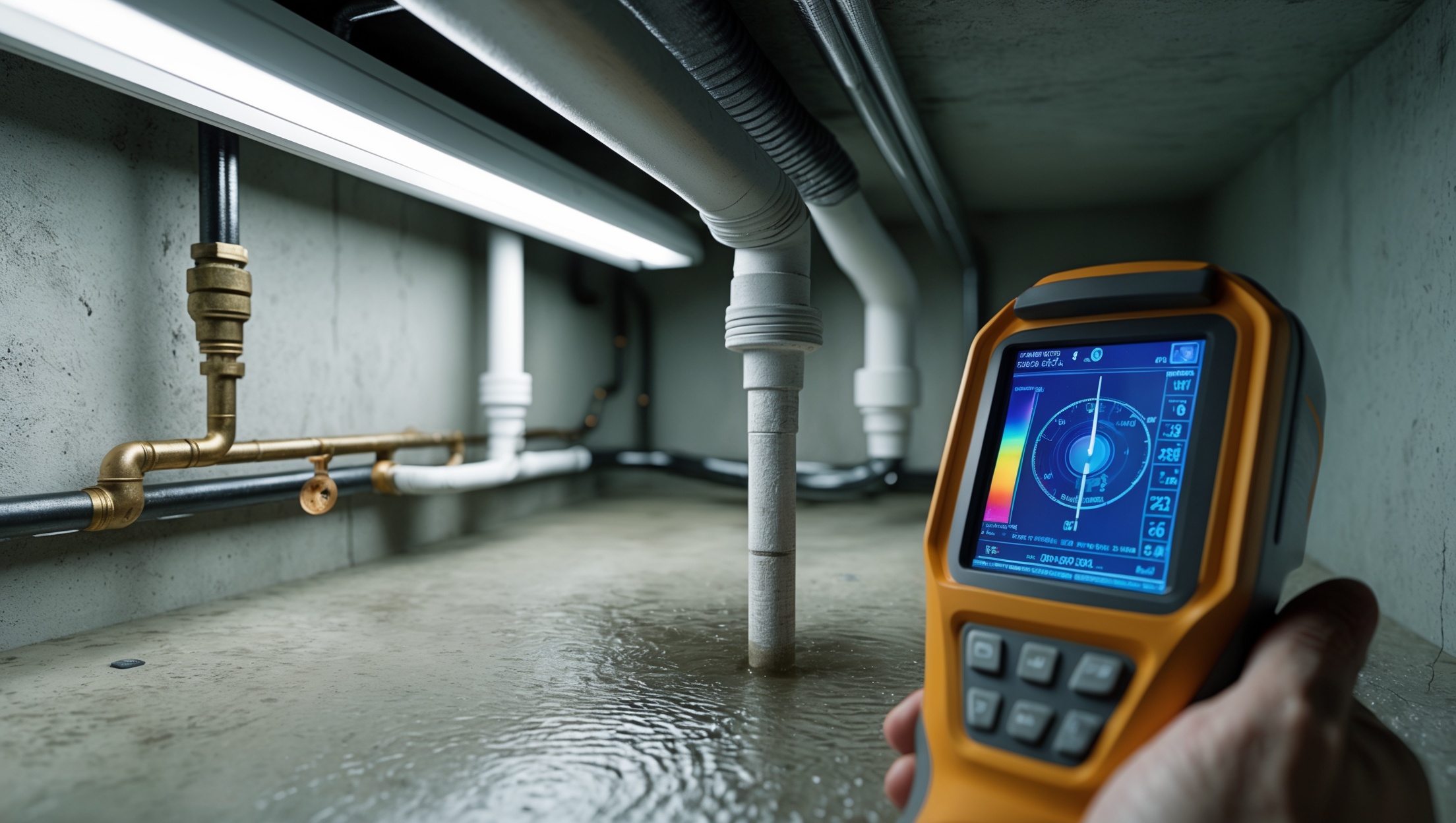
- Check under sinks, behind appliances, and around toilets monthly for signs of leaks or corrosion.
- Inspect exposed pipes for rust, bulges, or moisture.
3. Educate Your Household
- Show all family members where the main shut-off is and how to use it.
- Keep emergency numbers and instructions on the fridge or in a common area.
4. Professional Checkups
- Schedule annual plumbing inspections, especially for older homes or before severe weather seasons.
Conclusion: Turning Emergencies Into Manageable Moments
No one wants to face a plumbing emergency, but with preparation, knowledge, and the right tools, you can dramatically reduce the chaos and cost when disaster strikes. Taking immediate steps to shut off water and power, containing damage, and applying safe temporary fixes buys valuable time and protects your property. Equally important is knowing when to call in the pros and how to communicate the situation clearly. By familiarizing yourself with your home’s plumbing system and assembling a basic emergency toolkit, you’ll be equipped to handle most crises confidently. Remember—prevention is always better than cure. Regular inspections, educating your household, and building a relationship with a trusted plumber are your strongest defenses against future emergencies. The next time you hear the dreaded sound of rushing water where it shouldn’t be, you’ll know exactly what to do—turning panic into purposeful action and safeguarding your home for years to come.



Thomas Jones
You mentioned sewage backup as a true emergency—what immediate DIY steps can I safely take if this happens, especially to prevent contamination of other parts of the house?