

Introduction: The Critical Choice of Plumbing Pipe Materials
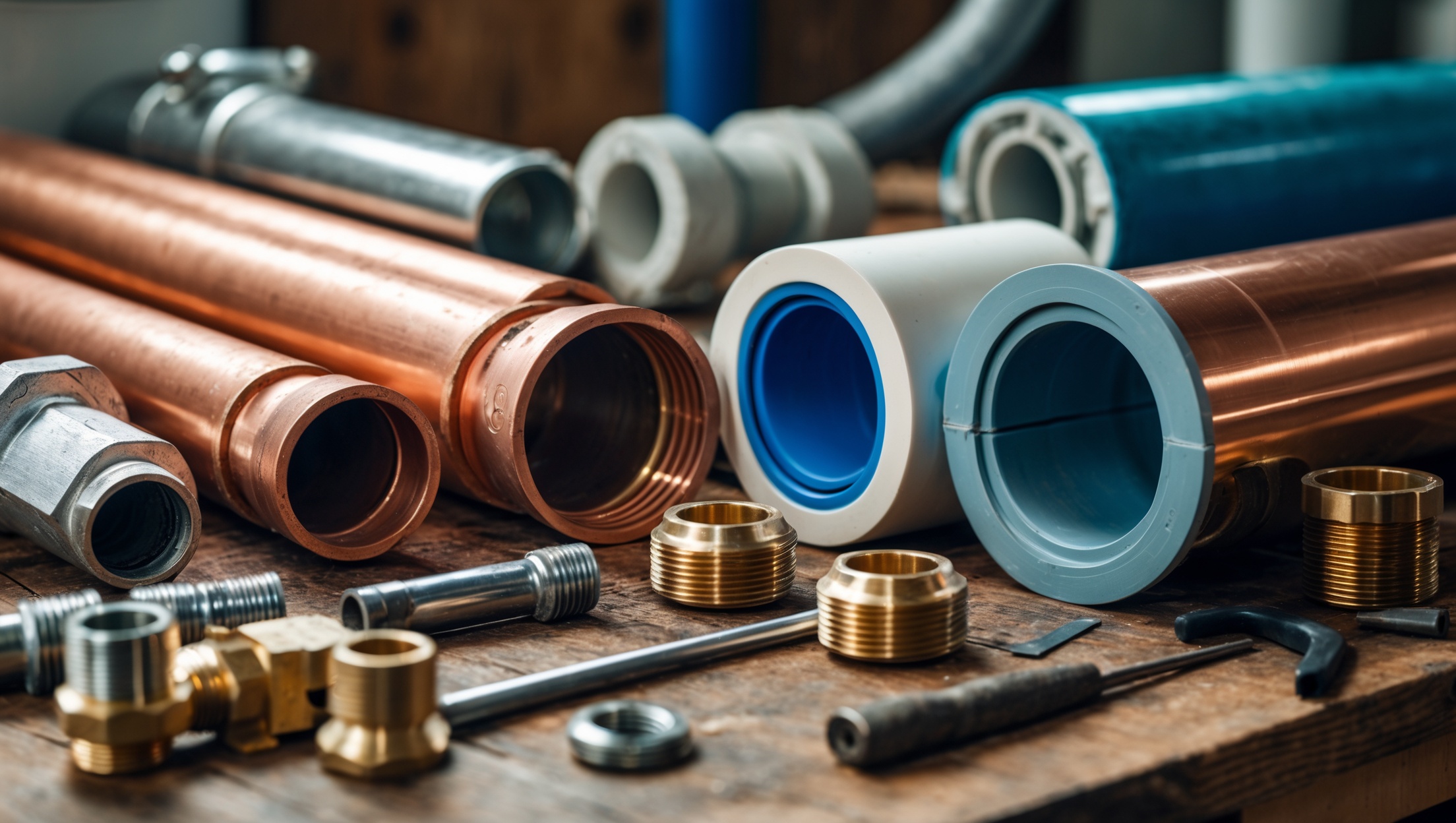
Whether you’re a homeowner tackling a DIY fix, a property manager planning a remodel, or a pro plumber aiming for code compliance and long-term reliability, one decision stands above the rest: choosing the right pipe material. Plumbing pipes are the circulatory system of any building, moving water in and out safely and efficiently. But with a dizzying array of options—copper, PEX, CPVC, PVC, galvanized steel, and even modern composite materials—it’s easy to feel overwhelmed. Each material comes with its unique strengths, weaknesses, costs, and best-fit applications. Pick wrong, and you risk leaks, contamination, costly replacements, or failed inspections. Pick right, and you’ll enjoy a trouble-free system that stands the test of time.
This guide dives deep into the pros, cons, and practical considerations of every major plumbing pipe material on the market today. We’ll cover real-world durability, installation difficulty, code compliance, cost breakdowns, and which projects each material is best suited for. Whether you’re re-piping a vintage home, installing a new bathroom, or just want to understand what’s in your walls, you’ll find actionable advice to help you make an informed, confident decision. Let’s get started!
Copper Pipes: The Classic Standard
Overview
Copper has been the gold standard of residential plumbing for decades. Its longevity and proven track record make it a top choice for both hot and cold water lines in homes and small commercial properties.
Pros
- Durability: Copper is highly resistant to corrosion and can last 50+ years in most environments.
- Resistant to Bacteria: Its natural antimicrobial properties inhibit bacterial growth inside pipes.
- Handles Heat: Ideal for hot water lines and radiant heating systems.
- Recyclable: Environmentally friendly and valuable as scrap metal.
- Reliable Joints: Soldered connections provide leak-free performance when properly installed.
Cons
- Cost: Significantly more expensive than plastic alternatives, both for materials and labor.
- Installation Skill: Requires torch soldering—challenging for DIYers, and not always safe in tight or flammable spaces.
- Water Acidity: Can corrode if water is too acidic or alkaline, leading to pinhole leaks.
- Theft Risk: Copper is a theft target at construction sites due to its scrap value.
Best Uses
- Main water supply lines in residential and small commercial buildings
- Retrofit or replacement projects where matching existing copper is necessary
- High-temperature applications
PEX Pipes: The Flexible Contender
Overview
Cross-linked polyethylene (PEX) has revolutionized plumbing in the last two decades. Flexible, affordable, and easy to install, it’s become the go-to choice for new construction and remodels alike.
Pros
- Flexibility: Bends around corners, reducing the need for elbow fittings and making installation in tight spaces easy.
- Quick Installation: Crimp or clamp connections require no soldering or glue.
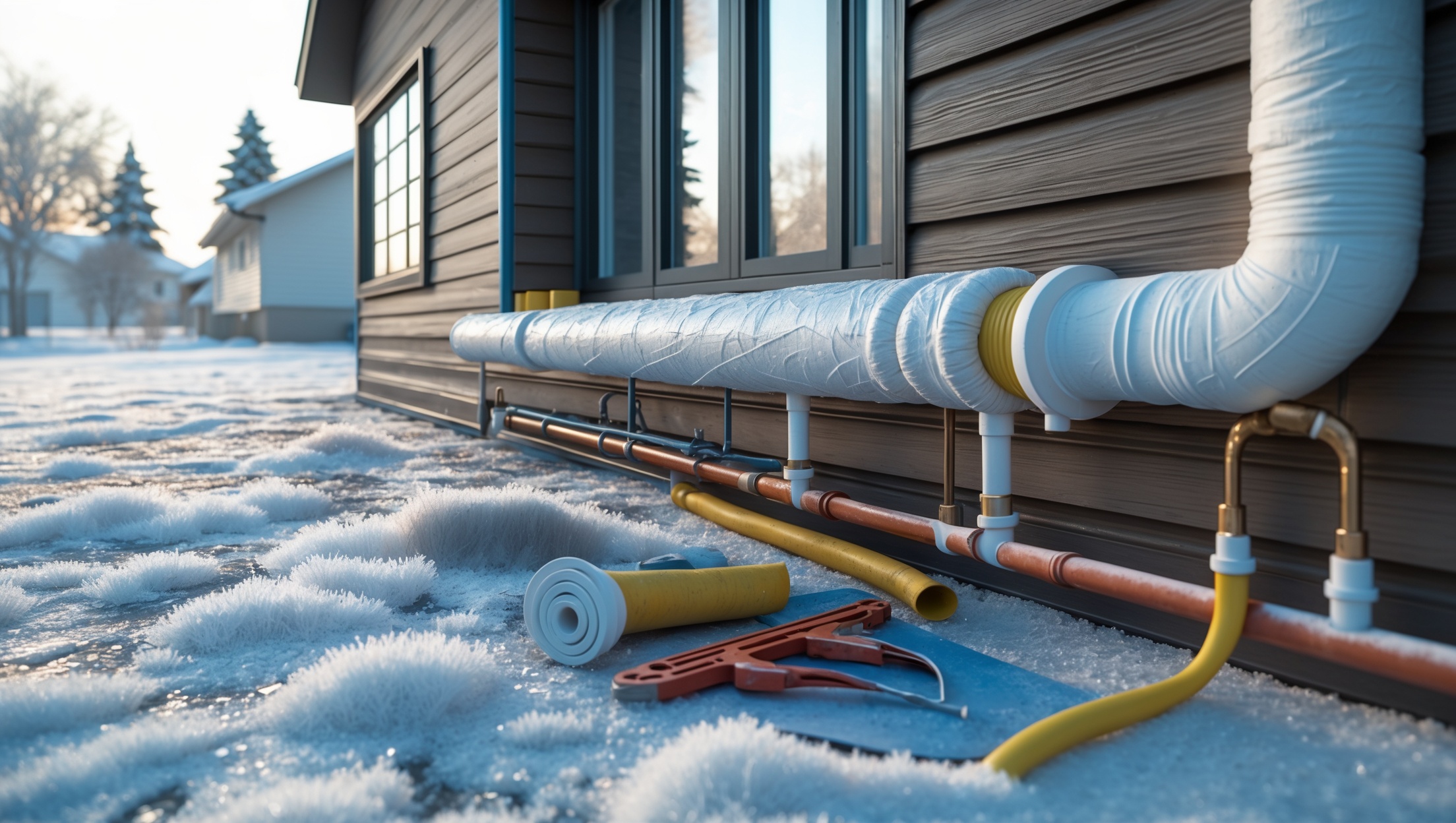
- Freeze Resistance: Expands slightly if frozen, reducing burst risk (though not immune).
- Cost-Effective: Both material and labor costs are generally lower than copper.
- Quiet Operation: Absorbs pressure surges, minimizing water hammer noise.
Cons
- UV Sensitivity: Degrades quickly if exposed to sunlight—must be kept indoors or well-shielded.
- Rodent Risk: Rodents can chew through PEX if left accessible in crawl spaces or attics.
- Permeability: Certain chemicals and gases can permeate PEX if installed in contaminated soils.
- Code Restrictions: Not approved for all uses in every jurisdiction (always confirm local code).
- Fittings: Quality of fittings and installation technique directly affect reliability—poor installation leads to leaks.
Best Uses
- Whole-home potable water systems in new builds or remodels
- Radiant floor heating
- Retrofitting old supply lines where access is limited
CPVC Pipes: The Hot Water Solution
Overview
Chlorinated polyvinyl chloride (CPVC) is a step up from standard PVC, engineered for higher temperature resistance. It’s a popular choice for hot and cold water lines in homes and light commercial settings.
Pros
- Heat Tolerance: Rated for hot water up to 200°F (93°C), making it suitable for most domestic uses.
- Corrosion Resistance: Unaffected by acidic or alkaline water.
- No Soldering: Assembled with solvent cement, which is easier than torch soldering copper.
- Lower Cost: Cheaper than copper for materials and installation.
Cons
- Brittleness: More likely to crack or break if mishandled or frozen.
- Installation: Requires carefully cleaned and primed joints for leak-free assembly.
- Expansion/Contraction: Can expand and contract with temperature changes, requiring careful support and allowances in long runs.
- Not for Outdoor Use: Like PEX, CPVC degrades under UV light and should not be exposed to sunlight.
Best Uses
- Residential hot and cold water lines (especially where copper is cost-prohibitive)
- Retrofit projects in environments unsuitable for copper
PVC Pipes: The Drain & Vent Workhorse
Overview
Polyvinyl chloride (PVC) is the backbone of modern drain, waste, and vent (DWV) systems. It’s never used for potable hot water, but it’s unbeatable for non-pressurized waste lines.
Pros
- Cost: Inexpensive and widely available in a range of sizes.
- Ease of Cutting and Assembly: Cuts with a simple saw and assembles with solvent cement.
- Corrosion-Proof: Unaffected by most chemicals found in household waste streams.
- Lightweight: Easy to handle, even in long sections.
Cons
- Not for Hot Water: Can deform above 140°F (60°C), so it’s never used for pressurized hot water lines.
- Brittle in Cold: Becomes brittle and prone to cracking in freezing temperatures if exposed.
- Joint Quality: Requires proper priming and gluing to prevent leaks or joint failures.
- UV Degradation: Not suitable for prolonged outdoor exposure unless painted or shielded.
Best Uses
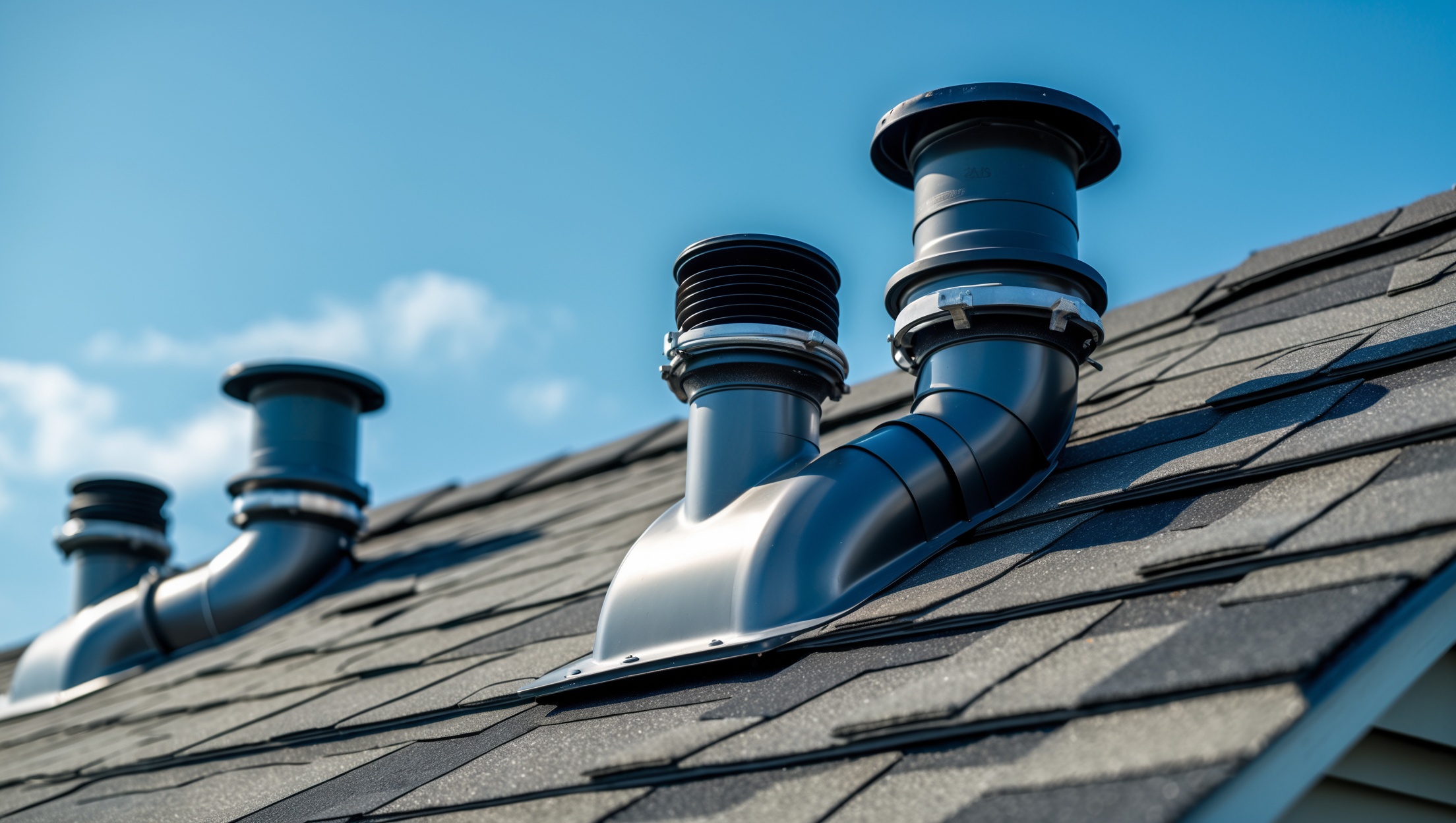
- Drain, waste, and vent (DWV) piping for residential and commercial buildings
- Lawn irrigation lines (cold water only)
- Non-potable cold water systems
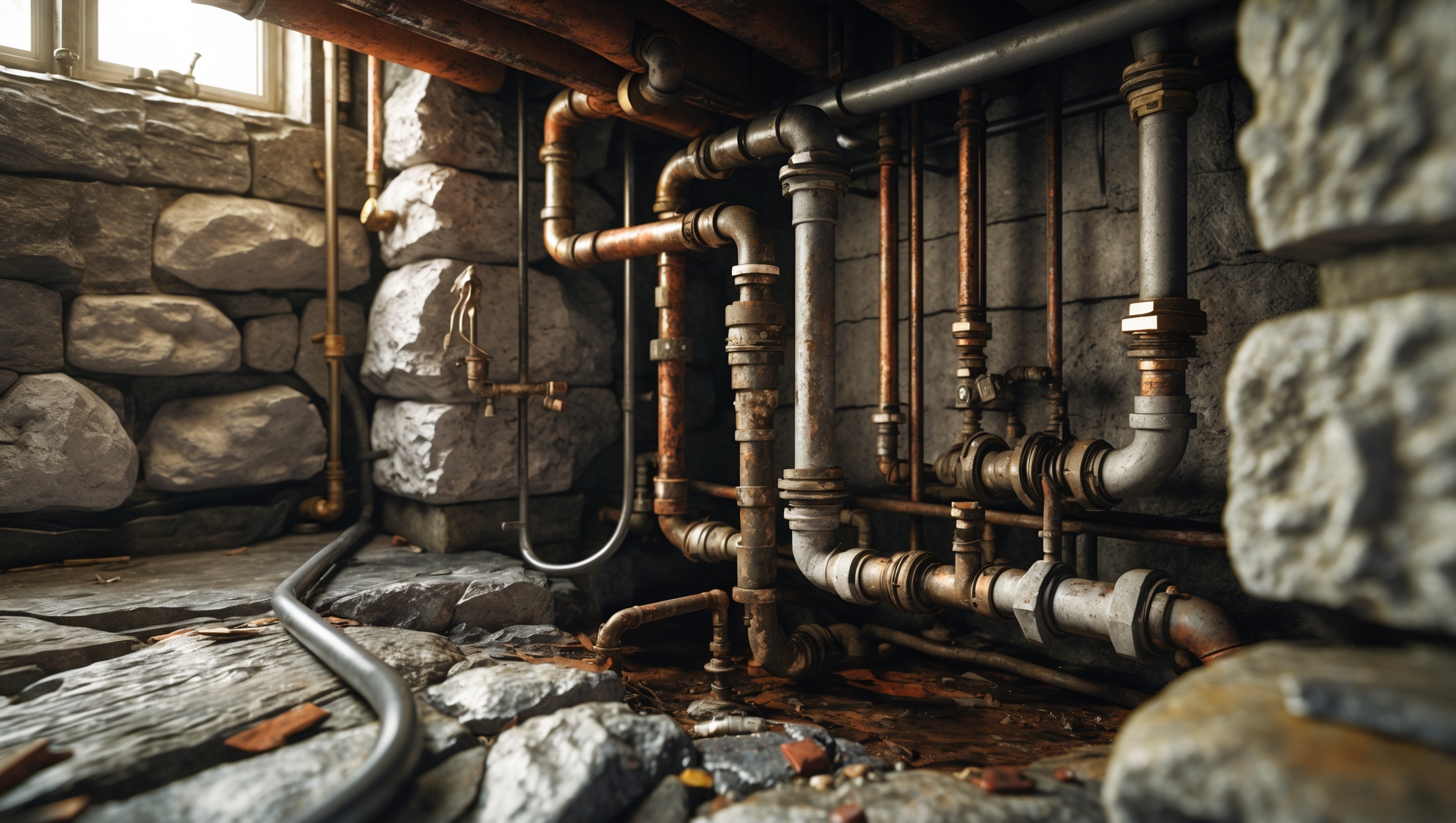
Galvanized Steel: The Aging Veteran
Overview
Once a dominant force in plumbing, galvanized steel is now rarely used for new installations. You’ll still find it in older homes, especially for water supply lines.
Pros
- Strength: Very tough and resists mechanical damage.
- Fire Resistance: Non-combustible and suitable for certain commercial code requirements.
Cons
- Corrosion: Prone to rust on the inside, leading to reduced water flow, brown water, and leaks over time.
- Heavy: Difficult to work with and requires strong supports.
- Threaded Joints: More laborious to assemble and prone to leaks if not properly sealed.
- Obsolescence: Most codes restrict or prohibit new use for potable water lines.
Best Uses
- Rarely recommended except for very specific repairs where matching existing galvanized is unavoidable.
Other Materials: Specialty Applications
ABS (Acrylonitrile Butadiene Styrene)
- Similar to PVC but black in color and with slightly different solvent cement requirements.
- Banned in some areas due to environmental concerns—always check local code.
- Primarily used for DWV (drain, waste, vent) systems in older installations.
Stainless Steel
- Highly resistant to corrosion and chemical attack, but very expensive.
- Used in specialized commercial, industrial, or coastal installations where corrosion is a major concern.
Polypropylene (PP) and Composite Piping
- Gaining popularity for both supply and waste lines, especially in Europe.
- Requires specialized heat-fusion tools for assembly.
- Advantages include chemical resistance and long service life.
Comparative Cost Breakdown
Material and installation costs can vary widely. Here’s a general guide for average U.S. residential projects (materials and labor combined, per linear foot):
- Copper: $2.50–$5.00
- PEX: $1.00–$2.00
- CPVC: $1.50–$2.50
- PVC (DWV): $0.75–$1.50
- Galvanized Steel: $3.00–$7.00 (rarely used, high labor costs)
Note: These figures are rough estimates. Actual costs depend on local pricing, complexity, pipe size, and accessibility. Always get multiple quotes for major projects.
Installation and Compliance Considerations
DIY Friendliness
- Most DIY-Friendly: PEX, PVC, CPVC (with proper safety and preparation)
- Professional Recommended: Copper (due to soldering and fire safety concerns), galvanized steel, stainless steel, polypropylene
Permits and Inspections
Many plumbing projects require permits and inspections, especially when routing new supply lines or changing pipe materials. Always check your local municipal code or consult your building department before starting work. Using a non-code-approved material can lead to failed inspections and forced re-dos.
Water Quality and Health
- Copper and PEX are generally recognized as safe for drinking water. CPVC and PVC are safe when certified for potable use, but never use PVC for drinking water unless specifically approved.
- Galvanized steel can leach lead or rust into water if corroded.
- Always use materials marked as “NSF-61” or “NSF-PW” for drinking water systems.
Local Restrictions
Some areas restrict or ban certain materials due to climate, water chemistry, or environmental concerns. For example, ABS is banned in some U.S. states, and PEX may be restricted in areas with aggressive soil or high chemical contamination. Confirm with local authorities before selecting a material.
Choosing the Right Pipe Material: Decision Factors
To select the ideal pipe for your project, weigh these key factors:
- Application: Is it for drinking water, hot water, or waste?
- Local Code and Permits: What’s approved in your area?
- Budget: Can you afford copper, or is PEX/CPVC more viable?
- Skill Level: Are you comfortable soldering or using crimp/clamp tools?
- Lifespan and Maintenance: How long do you want the system to last, and how easy is it to repair?
- Environment: Is the pipe exposed to sunlight, freezing, or rodents?
No single material is best for every job. Sometimes, a combination is optimal: copper for main lines, PEX for branch lines, and PVC for drains, for example.
Maintenance Best Practices by Pipe Type
Copper
- Check for greenish corrosion at joints and valves.
- Monitor for pinhole leaks, especially in older systems or areas with acidic water.
- Consider water treatment if your water is highly acidic or alkaline.
PEX
- Inspect visible runs annually for signs of rodent damage or UV exposure.
- Check fittings for leaks, especially after pressure surges or freezing events.
- Don’t store leftover PEX in sunlight or near chemicals that off-gas.
CPVC/PVC
- Ensure joints are tight and properly glued—leaks often start here.
- Protect exposed pipe from physical impact and UV light.
- Support long runs to prevent sagging and joint stress.
Galvanized Steel
- Watch for rusty water and reduced flow—these signal internal corrosion.
- Replace with modern materials at the first sign of system failure.
Conclusion: Make Your Pipe Choice Count
With so many plumbing pipe materials available, making the right choice can feel daunting—but it’s also your best opportunity to ensure a trouble-free, long-lasting system. Each material—copper, PEX, CPVC, PVC, galvanized steel, and specialty pipes—offers unique advantages. Copper stands the test of time but comes at a premium; PEX offers flexibility and cost savings, but demands careful installation; CPVC and PVC shine in their niche uses, while galvanized steel is a relic best replaced. Specialty pipes like ABS, stainless, or polypropylene fill important gaps for specific needs.
The smartest approach is to match the pipe material to your project’s demands, local codes, and your own skills or those of your installer. Never cut corners on code compliance or water quality—these can have lasting health and financial consequences. For complex installations or major repipes, consulting a licensed plumber is always wise, but armed with the knowledge from this guide, you’ll be an empowered partner in the decision-making process.
Before you buy—or break out the pipe cutter—take stock of your system: What’s already in place? What does your local code require? What’s your budget and timeline? By weighing these factors, you can select a material that delivers reliable performance for years to come. Remember, in plumbing as in life, the right foundation makes all the difference.





George Clark
Can you clarify whether modern composite materials mentioned in your introduction have any unique installation challenges compared to traditional options like copper or PEX, especially for DIY homeowners?