
Introduction: The Overlooked Art of Tool Calibration in Plumbing
Precision is the backbone of all quality plumbing work, whether you’re tackling a DIY repair or running a professional service. Yet, amidst the bustle of replacing pipes, tightening fittings, and installing fixtures, one crucial element often gets sidelined: tool calibration. Accurate calibration can be the difference between a flawless installation and a costly leak, between passing inspection and facing a code violation. In today’s plumbing landscape—where building codes, modern materials, and digital tools are evolving fast—understanding and implementing tool calibration is not just for big commercial outfits. It’s an essential skill for every plumber, contractor, and serious DIYer. This guide reveals why calibration matters, which plumbing tools require it, step-by-step calibration methods, troubleshooting tips, and how a smart calibration schedule can boost your efficiency, safety, and reputation. If you’ve ever struggled with inconsistent results or want to ensure your work stands the test of time, read on for expert-backed, practical advice that brings the hidden world of tool calibration to light.
Why Calibration Is Critical in Plumbing
Ensuring Leak-Proof Joints and Proper Torque
Many plumbing failures stem from poorly tightened fittings or over-torqued connections—often the result of miscalibrated torque wrenches and pipe cutters. Even a slight deviation can lead to leaks, cracks, or stripped threads. Proper calibration guarantees each connection is tightened to manufacturer specs, reducing callbacks and water damage risk.
Meeting Code Requirements and Passing Inspections
Building codes increasingly reference specific torque values, pressure test standards, and measurement tolerances. Miscalibrated tools can cause you to fall short of these requirements, resulting in failed inspections, project delays, and rework. Regular calibration helps ensure your work is always code-compliant.
Extending Tool Lifespan and Preserving Accuracy
Calibration is also a form of preventative maintenance. Tools that are out of adjustment wear out faster and are more prone to breakage. By keeping your equipment in spec, you extend its lifespan and avoid the expense and hassle of premature replacement.
Professional Reputation and Customer Trust
Clients and inspectors notice when a plumber’s work is precise and consistent. A commitment to tool calibration signals professionalism and attention to detail, building trust and leading to repeat business and referrals.
Which Plumbing Tools Need Calibration?
Not every plumbing tool requires calibration, but several key types do. Here’s a breakdown:
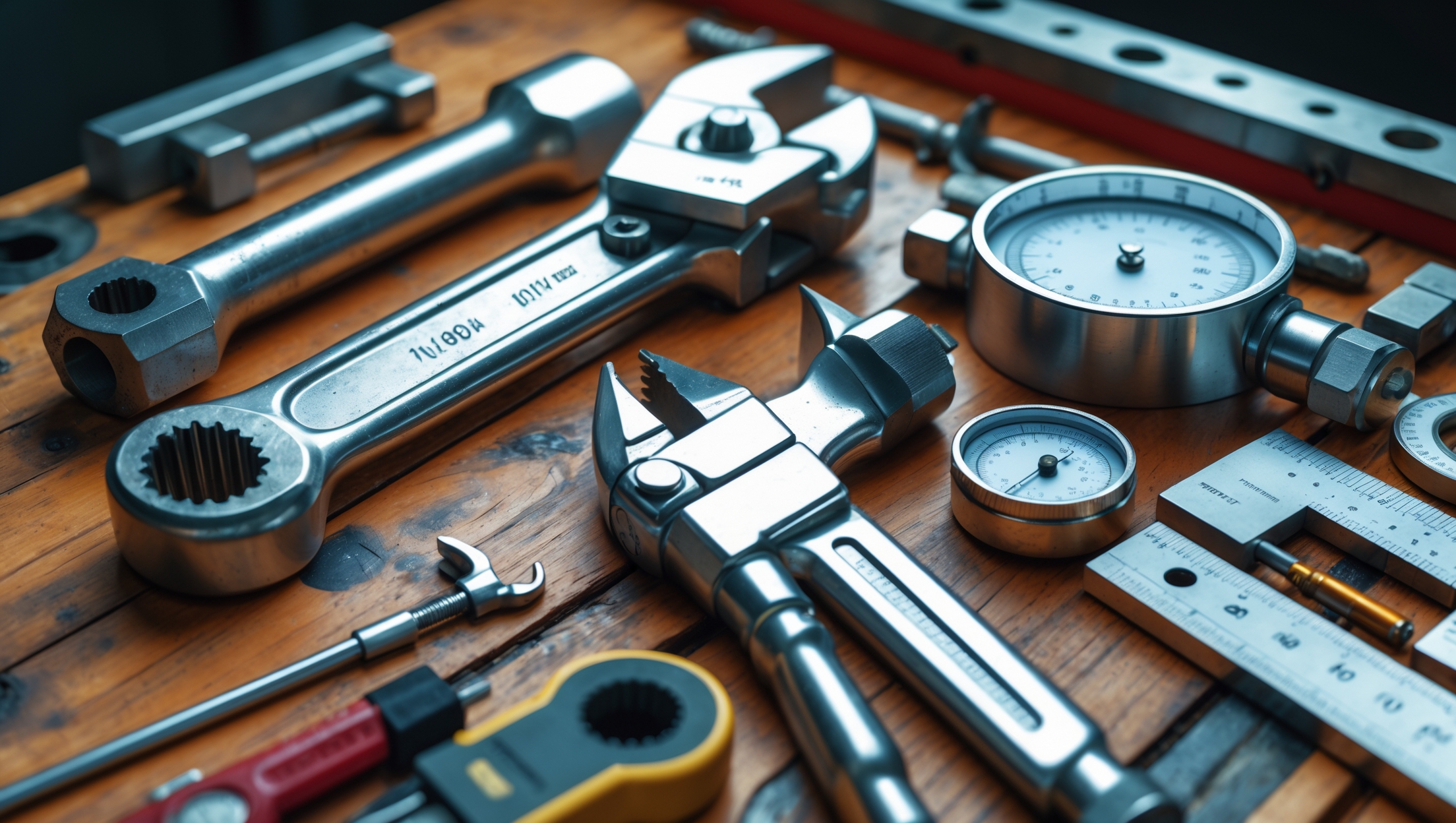
- Torque Wrenches: Essential for tightening compression fittings, flanges, and bolts to specified torque values.
- Pressure Gauges: Used for testing water, gas, and air pressure in lines and systems.
- Pipe Cutters: Some models (especially ratcheting or adjustable) require periodic adjustment for clean, square cuts.
- Threading Machines: Calibration ensures threads meet standard dimensions for leak-free joins.
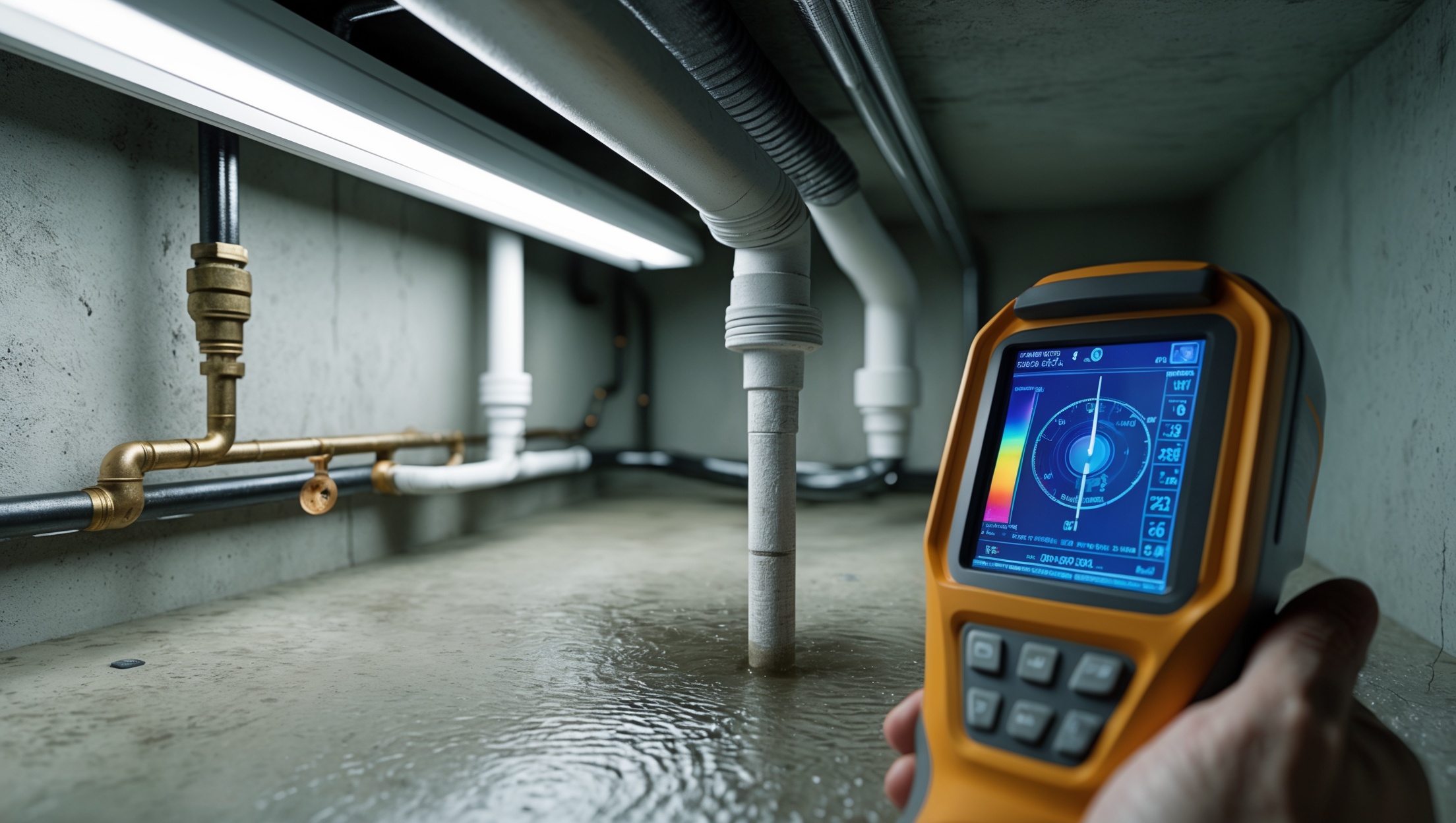
- Thermometers and Thermal Imagers: Used for diagnosing hot water systems and underfloor heating; require occasional calibration for accurate readings.
- Digital Levels and Laser Measuring Tools: For ensuring proper slope and alignment in drain and vent lines.
How Often Should You Calibrate Plumbing Tools?
Calibration frequency depends on several factors:
- Manufacturer’s Recommendations: Always check the tool’s manual. Many specify annual or semi-annual calibration.
- Usage Frequency: Tools used daily may need monthly or quarterly checks, while occasional-use tools can be checked annually.
- Critical Applications: If a tool is used for code-mandated or safety-critical tasks, err on the side of more frequent calibration.
- Environmental Factors: Tools exposed to high humidity, temperature swings, or rough handling should be checked more often.
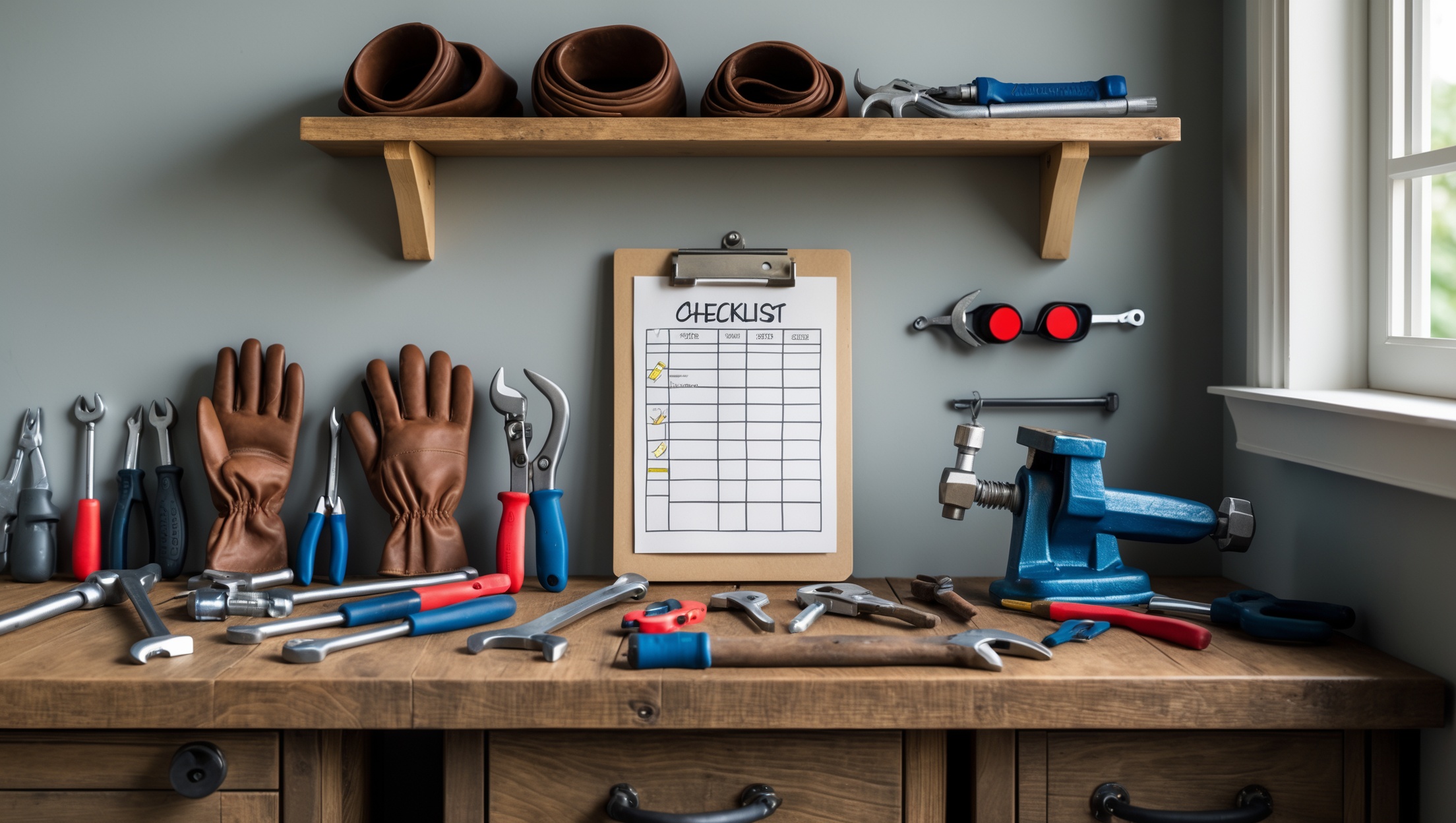
As a rule of thumb, create a logbook or digital record for each tool, marking calibration dates, results, and upcoming due dates. This habit not only keeps you organized but also provides proof of compliance if ever needed.
Step-by-Step Calibration Procedures for Core Plumbing Tools
Calibrating a Torque Wrench
- Clean the Tool: Ensure the wrench is free from dirt and debris.
- Set to Zero: Adjust the wrench to its lowest setting to relieve spring tension.
- Use a Calibration Device: Secure the torque wrench in a calibration rig or use a certified torque tester. Apply force slowly and observe the reading.
- Compare Readings: If the wrench deviates from the standard, adjust according to manufacturer instructions or have it professionally recalibrated.
- Document Results: Record the date, results, and any adjustments in your tool log.
Calibrating a Pressure Gauge
- Isolate the Gauge: Remove from system and depressurize.
- Connect to a Deadweight Tester: This device applies known pressures to the gauge.
- Apply Pressure in Increments: Check that the gauge reads within the specified tolerance at several points (e.g., 0%, 25%, 50%, 75%, 100%).
- Adjust or Replace: Some gauges have adjustment screws; otherwise, replace if readings are off.
- Seal and Tag: Mark the gauge with calibration date and next due date.
Calibrating a Pipe Cutter
- Inspect the Blade: Replace blades if nicked or worn.
- Check Alignment: Use a square or caliper to ensure the cutting wheel aligns with the rollers.
- Tighten Adjustment Screws: Follow manufacturer procedures to remove any play or wobble.
- Test Cut: Make a test cut and measure with a caliper to verify squareness and accuracy.
Calibrating Digital Levels and Laser Tools
- Level Surface: Place the tool on a verified level surface.
- Zero the Device: Follow the manufacturer’s reset or calibration procedure, usually involving pressing a button or adjusting a screw.
- Verify Accuracy: Compare readings against a known reference or spirit level.
- Recalibrate as Needed: If readings are off, repeat the process or send for professional recalibration.
Professional vs. DIY Calibration: When to Call the Pros
While many calibration tasks can be done in a well-equipped home or mobile workshop, certain situations call for professional attention:
- Sealed Digital Tools: Some digital torque wrenches and gauges require specialized equipment and should only be serviced by authorized centers.
- Legal or Insurance Requirements: If your work must meet certified standards (e.g., for commercial jobs or insurance claims), use a calibration lab that issues traceable certificates.
- Unusual Readings or Damage: If a tool consistently fails calibration or is dropped/impacted, have it checked by a professional.
For standard tools, many local tool suppliers and some hardware stores offer affordable calibration services—typically with a turnaround of one to three days.
Creating a Calibration Schedule for Your Plumbing Business or Workshop
Inventory and Prioritize Your Tools
Start by listing every tool you own that requires calibration. Note the manufacturer, model, serial number, and last calibration date.
Assign Calibration Frequencies
Set intervals based on manufacturer guidelines and your usage patterns. For example:
- Torque Wrenches: Every 6 months or 5,000 cycles
- Pressure Gauges: Annually
- Pipe Cutters: Quarterly visual and functional check
- Digital Tools: Annually or after severe impact
Use Digital Reminders and Logs
Consider using a spreadsheet, mobile app, or dedicated calibration management software. Set calendar reminders so nothing slips through the cracks.
Document Everything
Keep calibration certificates, adjustment records, and tool maintenance logs. This is invaluable for audits, warranty claims, and insurance documentation.
Troubleshooting Common Calibration Issues
- Inconsistent Readings: Recheck calibration procedures. Inspect for dirt, worn parts, or dead batteries in digital tools.
- Tool Won’t Hold Calibration: May indicate internal component wear or damage; seek professional service.
- Unusual Noises or Resistance: Lubricate moving parts and check for debris or misalignment.
- Calibration Drift in Digital Tools: Store in a stable environment, away from extreme temperatures and moisture.
Best Practices for Maintaining Calibration
- Store Tools Properly: Keep in cases or tool chests; avoid tossing into bins where calibration can be knocked out.
- Handle with Care: Don’t drop or bang precise tools; even minor impacts can affect calibration.
- Clean Regularly: Remove debris and moisture after each use, especially on moving parts.
- Label Calibrated Tools: Use tags or stickers to indicate last calibration date and next due date.
- Rotate Tools: For high-use tools, have spares so you can rotate them out for calibration without downtime.
Conclusion: Precision Today, Peace of Mind Tomorrow
Plumbing is a trade where small errors can lead to big consequences—leaks, floods, code violations, or expensive callbacks. That’s why tool calibration isn’t just a technical detail; it’s a professional discipline that pays off in every project. By keeping your torque wrenches, pressure gauges, pipe cutters, and digital measuring devices in spec, you’re not only protecting your reputation and your clients’ property, but also saving time, money, and frustration in the long run.
Setting up a simple calibration schedule, learning basic adjustment techniques, and knowing when to call in the pros will put you miles ahead of the average DIYer or even many contractors. Calibration may seem like a behind-the-scenes process, but its benefits are front and center: leak-free work, faster inspections, longer-lasting tools, and the confidence that every job you finish is built to last.
Make calibration an integral part of your plumbing workflow. Your clients, your tools, and your peace of mind will thank you.





Robert Anderson
You mention that building codes increasingly refer to specific torque values and tolerances. How often should I recalibrate my torque wrench to make sure I stay compliant, especially if I’m working on multiple projects a week?