Plumber Las Vegas News

Your trusted source for plumbing updates, DIY fixes, and industry insights in Las Vegas. Stay informed with practical tips, local trends, and expert advice for homeowners and professionals alike.

Plumbing Maintenance Myths That Cost You Money: What to Do Instead

Introduction: The High Cost of Believing Plumbing Maintenance Myths

Everyone wants their plumbing to work flawlessly, but between old wives’ tales and advice from well-meaning friends, it’s easy to fall for myths that actually do more harm than good. These misconceptions can lead to neglected maintenance, expensive repairs, wasted water, and even property damage. In the world of plumbing, what you don’t know—or what you think you know—can indeed hurt your wallet. In this comprehensive post, we’ll expose the most persistent plumbing maintenance myths that are costing homeowners and property managers real money. You’ll learn which habits to break, what practices actually work, and how to maintain your plumbing system for maximum efficiency, longevity, and savings. Whether you’re a DIY enthusiast or simply want to make smarter decisions about your home’s infrastructure, these expert-backed insights will empower you to act with confidence and avoid costly missteps.

Myth #1: “If It’s Not Leaking, It Doesn’t Need Attention”

Why This Myth Persists

Many homeowners believe that as long as their pipes aren’t visibly leaking, there’s no need for proactive maintenance. This hands-off approach is rooted in the idea that plumbing is a ‘set-and-forget’ system.

The Costly Truth

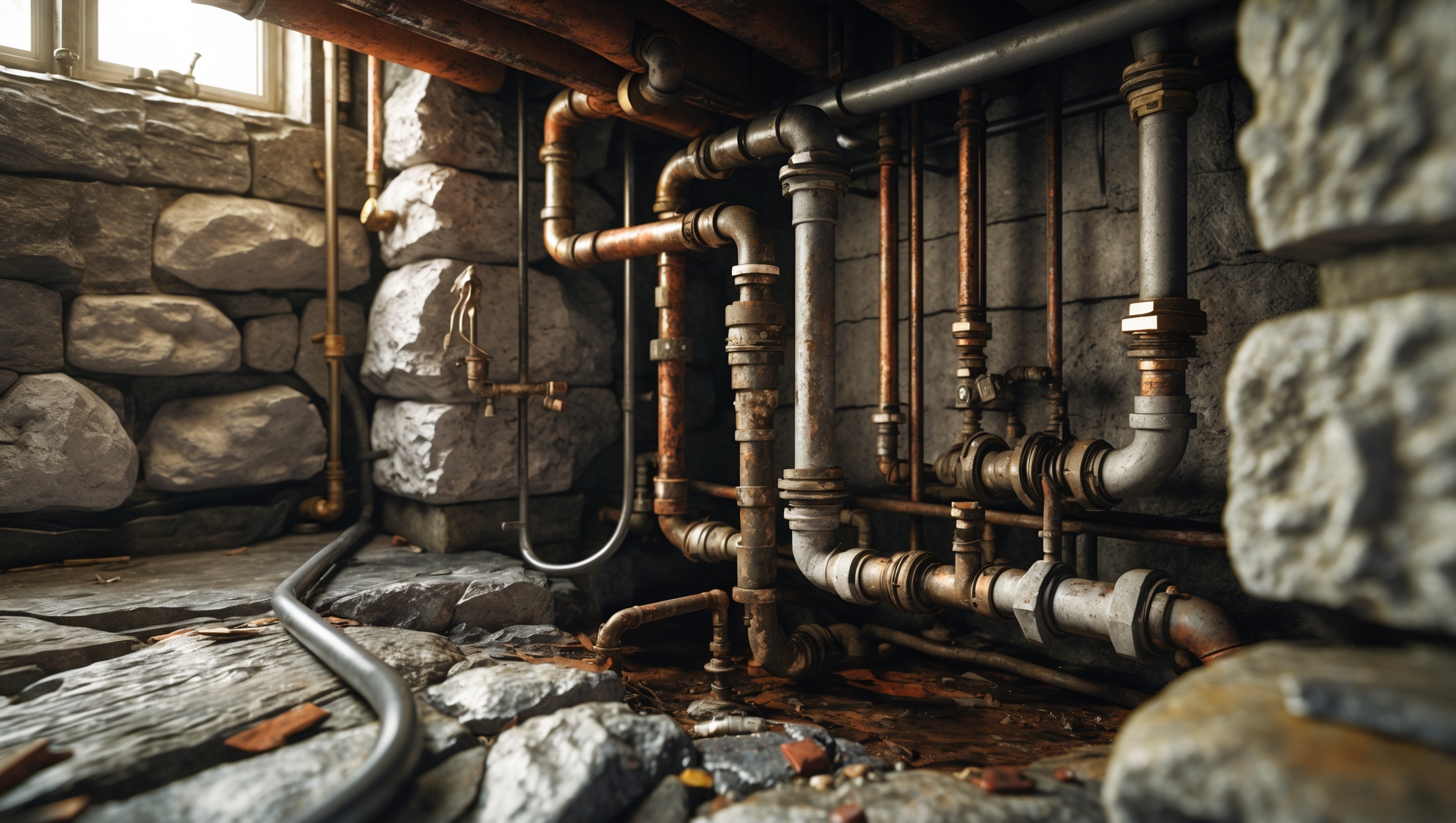
Plumbing systems age and develop hidden problems long before leaks appear—think mineral buildup, slow corrosion, and minor joint drips that go undetected. Waiting until leaks are visible can result in water damage, mold growth, and significantly higher repair costs. Proactive inspection and routine maintenance (at least once a year) can identify weak points before they escalate.

What to Do Instead

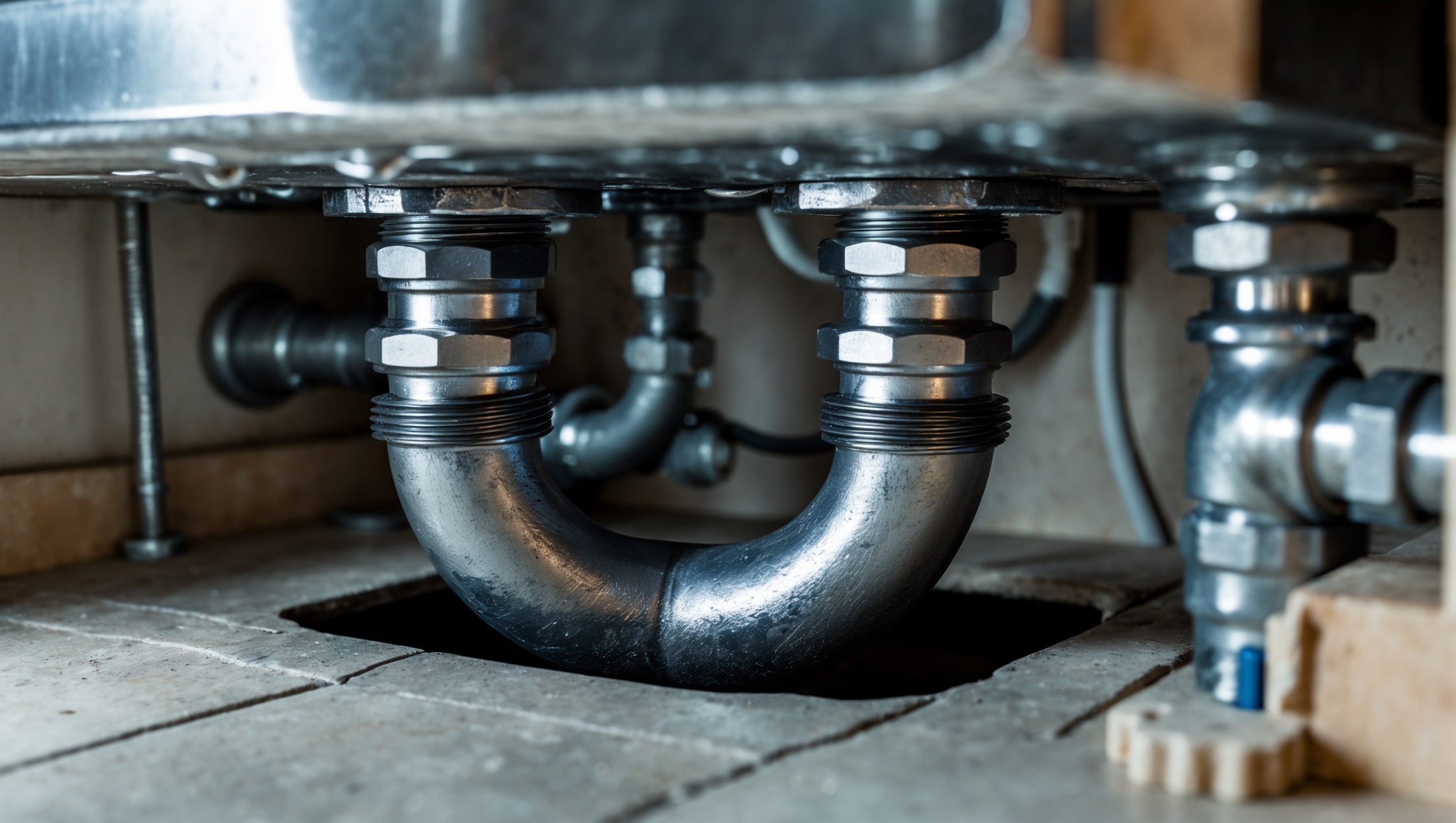
  • Schedule an annual plumbing checkup, including inspecting under sinks and behind appliances.
  • Look for signs of moisture, rust, or mineral buildup around joints and valves.
  • Check your water meter for silent leaks by monitoring usage when all fixtures are off.

Myth #2: “Chemical Drain Cleaners Are Safe for Regular Use”

Why This Myth Persists

Heavily advertised, over-the-counter drain cleaners promise an easy solution to clogs. Many believe that regular use will keep pipes clear.

The Costly Truth

Chemical drain cleaners can damage both metal and plastic pipes, corroding them over time and leading to leaks or catastrophic failures. They also mask the underlying causes of blockages, which may require more thorough cleaning or repair.

What to Do Instead

  • Use mechanical methods like a drain snake or plunger to clear clogs.
  • Prevent blockages by installing drain screens and avoiding pouring grease or coffee grounds down sinks.
  • If you suspect recurring clogs, have your pipes professionally inspected.

Myth #3: “All Faucet Drips Are Harmless”

Why This Myth Persists

A dripping faucet may seem like a minor annoyance, especially if the sound can be muted or ignored.

The Costly Truth

Even a slow drip can waste hundreds of gallons of water a year, driving up utility bills and accelerating wear on fixtures. Over time, the persistent moisture also encourages mineral deposits and corrosion.

What to Do Instead

  • Repair dripping faucets promptly. Most fixes require only a new washer or cartridge.
  • Check for leaks at the base and under the sink, not just at the spout.
  • Install aerators to reduce water flow and save money on utilities.

Myth #4: “It’s Fine to Flush Wet Wipes and Hygiene Products”

Why This Myth Persists

Packaging labeled “flushable” leads consumers to believe these items will break down like toilet paper.

The Costly Truth

Most wipes, feminine hygiene products, and even some thick toilet papers do not disintegrate quickly, leading to pipe blockages, sewer backups, and costly professional cleanouts.

What to Do Instead

  • Only flush toilet paper and human waste—nothing else.
  • Provide a covered waste bin in bathrooms to encourage proper disposal.
  • Educate household members about what belongs in the toilet.

Myth #5: “Garbage Disposals Can Handle Anything”

Why This Myth Persists

Many believe that garbage disposals are indestructible and can grind up all food waste.

The Costly Truth

Fibrous foods (like celery), coffee grounds, grease, and bones can jam or dull disposal blades, cause clogs, and even damage the motor. Repairs or replacements can be expensive.

What to Do Instead

  • Only put small, soft food scraps down the disposal.
  • Never pour grease, oil, or fats down the drain.
  • Run cold water while operating the disposal to help flush debris.

Myth #6: “Low Water Pressure Means You Need Bigger Pipes”

Why This Myth Persists

It seems logical that increasing pipe diameter will boost water flow.

The Costly Truth

Low water pressure is often caused by mineral deposits, partially closed valves, or failing pressure regulators—not pipe size. Replacing pipes unnecessarily is expensive and disruptive.

What to Do Instead

  • Check for clogged aerators and showerheads; clean or replace as needed.
  • Inspect your main shutoff and pressure regulator for proper operation.
  • If issues persist, have a plumber assess for hidden leaks or blockages.

Myth #7: “Hot Water Maintains Itself—Just Set and Forget”

Why This Myth Persists

Water heaters are often installed in out-of-the-way places, making them easy to ignore until problems arise.

The Costly Truth

Neglecting water heater maintenance leads to sediment buildup, reduced efficiency, higher energy bills, and shortened appliance lifespan. Leaks or failures can cause significant water damage.

What to Do Instead

  • Flush your water heater at least once a year to remove sediment.
  • Test the pressure relief valve annually.
  • Set the thermostat to 120°F (49°C) to prevent scalding and save energy.

Myth #8: “DIY Fixes Are Always Cheaper Than Calling a Pro”

Why This Myth Persists

Online tutorials and home improvement shows make plumbing repairs seem simple and risk-free.

The Costly Truth

Incorrect installations or repairs can lead to leaks, code violations, and expensive water damage. Insurance may not cover DIY mistakes, and improper fixes can cost more to remedy than hiring a professional from the start.

What to Do Instead

  • Know your skill limits—attempt only minor repairs you’re confident about.
  • Use proper tools and always turn off water before starting work.
  • For major work (e.g., pipe replacements, gas lines), hire a licensed plumber.

Myth #9: “Bleach Tablets Keep Your Toilet Clean and Problem-Free”

Why This Myth Persists

Drop-in bleach tablets are marketed as a low-effort way to maintain a sparkling toilet.

The Costly Truth

Extended exposure to bleach can degrade rubber flappers, seals, and other toilet components, leading to leaks and malfunction. Repairs may require replacing internal components or even the whole toilet.

What to Do Instead

  • Clean your toilet with a brush and bathroom-safe cleaner weekly.
  • Inspect tank components periodically for wear or discoloration.
  • Avoid using harsh chemicals in the tank; if needed, use them sparingly and rinse thoroughly.

Myth #10: “Turning Faucets Off Tightly Prevents Drips”

Why This Myth Persists

It’s a common belief that cranking handles as tight as possible will stop leaks for good.

The Costly Truth

Over-tightening can damage faucet washers, threads, and seals, causing leaks to worsen over time. It may also make future repairs more difficult.

What to Do Instead

  • Turn faucets off until water stops—do not force beyond this point.
  • If a faucet continues to drip, replace the washer or cartridge.
  • Lubricate threads and inspect handles for wear during routine maintenance.

Bonus: How to Build a Cost-Effective Plumbing Maintenance Routine

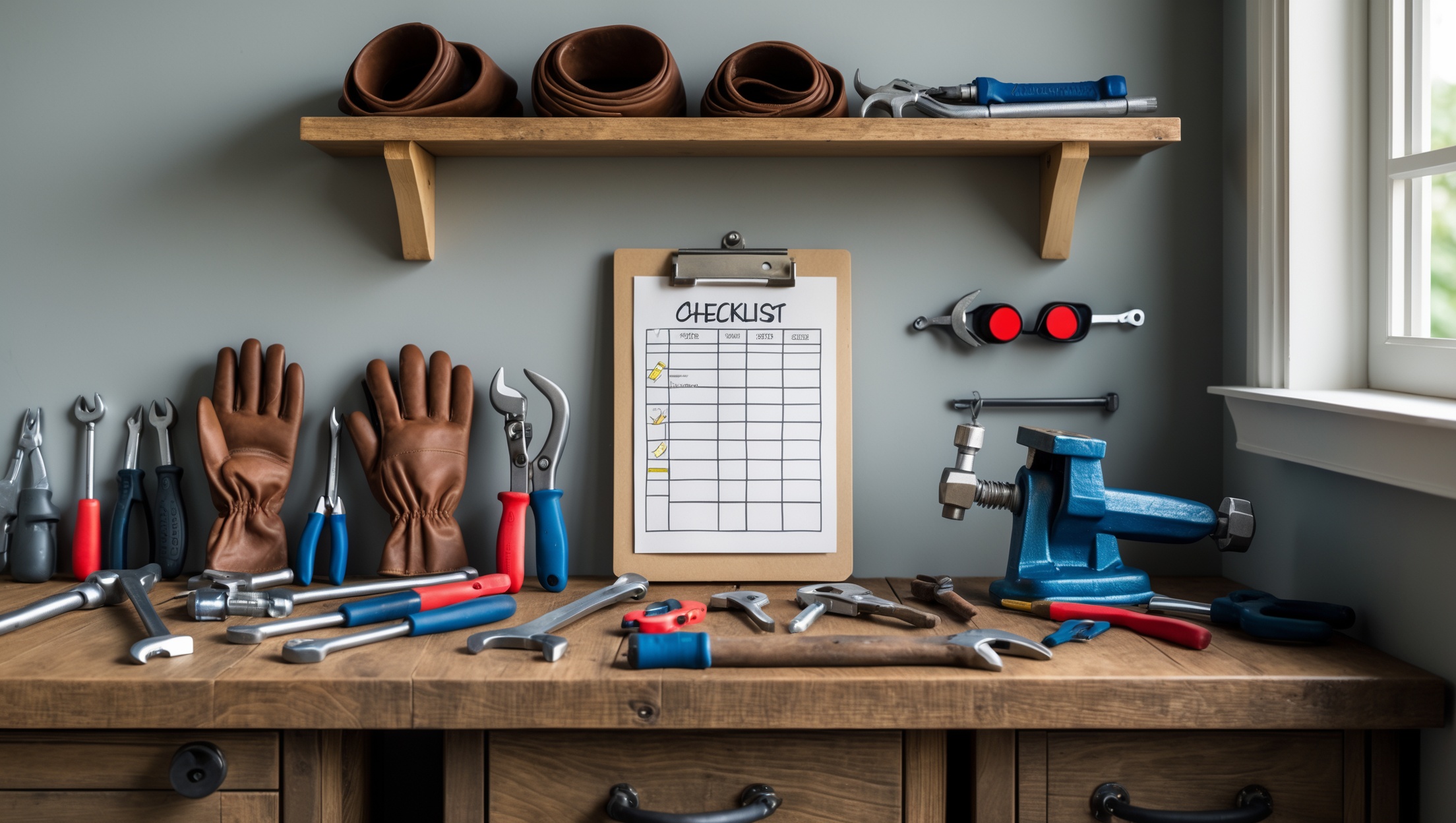
Annual Plumbing Checklist

  • Inspect all visible pipes for corrosion, leaks, and moisture.
  • Test shutoff valves to ensure they move freely and seal completely.
  • Flush water heater and test pressure relief valve.
  • Clean faucet aerators and showerheads to remove mineral buildup.
  • Check toilet tanks for silent leaks.
  • Monitor water meter for unexpected usage spikes.
  • Review your insurance policy for plumbing-related coverage limits.

Monthly Plumbing Quick-Checks

  • Scan under sinks and around appliances for signs of leaks.
  • Listen for unusual noises (e.g., banging, hissing, or gurgling) in pipes.
  • Test drains for slow flow and address minor clogs early.

Conclusion: Save Money by Ditching Myths and Embracing Proven Plumbing Practices

Believing common plumbing maintenance myths can lead to a cascade of preventable problems: wasted water, high utility bills, premature equipment failure, and even costly property damage. The truth is, adopting a few straightforward, evidence-based habits can dramatically extend the life and reliability of your plumbing system while protecting your home and wallet. Whether it’s ditching chemical drain cleaners, addressing leaks early, or knowing when to call in a professional, each step you take away from myth-driven decisions is a step toward lasting savings and peace of mind. Remember, plumbing is one of your home’s most critical systems—treating it with proactive care pays off in lower costs, fewer emergencies, and a healthier, more comfortable living environment. By staying informed and following the expert-backed strategies outlined here, you can avoid expensive surprises and become a truly empowered homeowner or property manager. Say goodbye to costly misconceptions, and hello to a smarter, safer approach to plumbing maintenance.

140 comments
Megan Jackson

I noticed you mentioned scheduling annual plumbing checkups and looking for things like rust and mineral buildup. Are there any specific spots in older homes where hidden issues are most likely to show up, or do I need to check every single pipe?

    Mario The Plumber

    In older homes, certain areas are more prone to hidden plumbing issues. Focus your checks on basements, crawl spaces, and areas under sinks where pipes are exposed. Look closely at joints, behind appliances like washing machines and dishwashers, and around water heaters. You don’t need to inspect every inch, but these spots are where rust, leaks, or buildup often start.

Charles Anderson

Are there specific areas in a commercial space—like bathrooms or break rooms—that tend to need more routine plumbing attention compared to standard home areas? I want to make sure I’m not missing something unique to a business environment.

    Mario The Plumber

    Yes, commercial spaces often have higher-use areas like public restrooms, break rooms, and kitchens that require more frequent plumbing checks than typical homes. Pay special attention to toilets, sinks, and any appliances like dishwashers or ice makers. Regularly inspecting for leaks, clogs, and proper fixture function in these spots can help prevent costly disruptions unique to business environments.

Charles White

For property managers overseeing multiple units, do you have any suggestions for streamlining or scheduling annual plumbing checkups efficiently? Is there a checklist you recommend to ensure nothing important gets missed during inspections?

    Mario The Plumber

    For property managers, grouping annual plumbing inspections by building or floor helps streamline the process and minimize disruption. Scheduling all units during the same week each year keeps things consistent. A checklist should include: checking for leaks (faucets, toilets, under sinks), inspecting water heaters, testing water pressure, clearing slow drains, examining washing machine hoses, and looking for visible pipe corrosion. Keeping a maintenance log for each unit is also very helpful.

Mark Perez

If I do find some rust or minor moisture near a pipe joint, is this something I can safely monitor myself for a while, or should I call a plumber right away to prevent big expenses down the line?

    Mario The Plumber

    If you notice a small amount of rust or minor moisture around a pipe joint, you can monitor it for a short time, but check it regularly for any changes. If the moisture increases, you see active dripping, or the rust gets worse, it’s best to contact a plumber to prevent bigger problems later. Catching issues early can help avoid costly repairs.

Kevin Smith

Is there a recommended timeframe for how often older versus newer homes should get plumbing system inspections, or should the schedule be the same regardless of the house age?

    Mario The Plumber

    Older homes generally benefit from more frequent plumbing inspections, typically every year, since aging pipes and fixtures are more prone to wear, leaks, or corrosion. For newer homes, inspections every two to three years are usually sufficient unless there are signs of plumbing issues. However, if you notice any warning signs like slow drains or damp spots, it’s wise to schedule an inspection regardless of your home’s age.

Aaron Harris

I’m interested in proactive plumbing practices, but how often should a business like mine with older pipes schedule inspections? Is once a year enough, or do older systems require more frequent attention to prevent costly repairs?

    Mario The Plumber

    For a business with older pipes, annual inspections are a good baseline, but more frequent checks—every six months—are often recommended. Older systems are prone to hidden leaks and corrosion, so semi-annual inspections help catch issues early and prevent expensive repairs. If your business experiences heavy water usage or past plumbing problems, consider even more frequent checkups.

Tyler Brown

You mention monitoring the water meter for silent leaks when all fixtures are off. How long should I track it and what level of change would indicate there’s actually a problem to call someone about?

    Mario The Plumber

    To check for silent leaks, note your water meter reading after turning off all water fixtures and waiting about 2 hours without using any water. If the reading changes during this time, even a small amount, it suggests a leak. Any movement on the dial could indicate an issue worth investigating or calling a plumber about.

Julie Lee

You mention monitoring the water meter to check for silent leaks. Can you explain step-by-step how to do that? I’m not sure what changes in readings I should be watching for.

    Mario The Plumber

    To check for silent leaks using your water meter, first make sure all water-using appliances and faucets are turned off. Locate your water meter (usually outside or in the basement). Note the reading, especially the small leak indicator dial or the numbers. Wait about 1-2 hours without using any water. Check the meter again—if the reading has changed or the leak indicator is moving, you likely have a leak somewhere in your plumbing.

Tyler Thompson

I’ve always ignored my plumbing unless there’s a major issue. What are some practical first steps I can take this weekend to start a proactive routine without getting overwhelmed?

    Mario The Plumber

    You can start by doing a simple visual check under sinks and around toilets for any signs of leaks or moisture. Also, clear out any hair or debris from drains to prevent clogs. Test your faucets and toilets for drips or running water. These checks only take a few minutes and can help you spot problems early without feeling overwhelmed.

Barbara Rodriguez

How expensive can it get if I wait until a visible leak shows up before addressing plumbing issues? I’d like to budget for proper maintenance but am curious how much I might save by being proactive.

    Mario The Plumber

    Waiting for a leak to become visible can end up costing much more than early maintenance. A small hidden leak might cost under $200 to repair if caught early, but if it goes unnoticed it could lead to water damage, mold, or structural issues, raising the bill to $1,000–$5,000 or even more. Regular inspections and minor fixes often cost much less and can save you hundreds or thousands in the long run.

Susan Johnson

Your article mentions that waiting for leaks to appear can lead to costly repairs. If I’ve never done proactive maintenance before, what would be a realistic first step for someone on a tight budget to avoid major future expenses?

    Mario The Plumber

    A realistic and budget-friendly first step is to regularly inspect all visible pipes, faucets, and under-sink areas for signs of moisture, rust, or small drips. Even spending a few minutes each month looking and feeling around these spots can help you catch small leaks early before they become expensive problems. If you notice anything unusual, tightening fittings or replacing worn washers is usually inexpensive and can prevent bigger issues.

David Lewis

About the tip to check the water meter for silent leaks—can you explain a bit more about how to do that? I’m not sure what to look for once everything is turned off.

    Mario The Plumber

    After making sure all water-using appliances and faucets are off, locate your water meter (usually outside, near the curb, or in your basement). Open the cover and look for a small dial or triangle-shaped indicator—this is often called the leak detector. If it moves when no water is being used, it means there’s still water flowing somewhere, which likely indicates a hidden leak.

William Martinez

You mention scheduling an annual plumbing checkup, but how much should a homeowner expect to pay for a thorough inspection by a licensed plumber? Are there affordable ways to cover all the recommended checks you list, like behind appliances and under sinks?

    Mario The Plumber

    For a full annual plumbing inspection by a licensed plumber, costs typically range from $100 to $300, depending on your location and the complexity of your home’s plumbing. To save money, you can perform some checks yourself, such as looking for leaks under sinks and behind appliances. However, for thorough pipe and water heater inspections, it’s still wise to have a professional involved at least once a year.

Ashley Jones

For someone on a tight budget, are there any DIY methods or affordable tools you recommend for spotting moisture, rust, or buildup around joints before calling a professional for a full inspection?

    Mario The Plumber

    A budget-friendly way to check for moisture is to use paper towels or tissues—simply wipe around pipe joints and see if they come away damp. For spotting rust or buildup, a small flashlight helps you look closely at hard-to-see areas. Affordable moisture meters are also available at hardware stores and can alert you to hidden leaks. Regularly performing these checks can help you catch issues early before they get expensive.

David Brown

You recommend scheduling a yearly plumbing checkup, but for older commercial buildings, would you suggest doing it more frequently? Are there signs that mean a business should step up those inspections?

    Mario The Plumber

    For older commercial buildings, it’s wise to consider plumbing inspections more often than once a year—every six months is a good starting point. If you notice issues like recurring leaks, slow drains, unusual odors, or water stains, these are signs the plumbing needs immediate attention and possibly more frequent checkups. Staying proactive can help avoid costly repairs and downtime.

Aaron Davis

You mention checking the water meter for silent leaks by monitoring usage when all fixtures are off. Can you explain exactly how to do this and what kind of changes in the meter I should be looking out for?

    Mario The Plumber

    To check for silent leaks using your water meter, first make sure all taps, appliances, and fixtures are completely turned off. Locate your water meter, usually found outside your home or in the basement. Note the reading, especially the small dial or triangle that detects tiny amounts of water flow. Wait 15–30 minutes without using any water, then check the meter again. If the numbers have changed or the leak indicator moved, you likely have a leak somewhere in your plumbing.

Jessica Anderson

You mentioned scheduling annual plumbing checkups to catch issues before leaks happen. For college students renting off-campus, is it usually our responsibility to arrange these inspections, or should the landlord handle it?

    Mario The Plumber

    For most rental situations, it’s typically the landlord’s responsibility to arrange and pay for plumbing inspections and general maintenance of the property. However, you might want to double-check your lease agreement, as some landlords specify different arrangements. If you’re unsure, reach out to your landlord or property manager to clarify who handles annual plumbing checkups.

Donna Perez

I always thought I was safe if everything looked dry under the sink, but now I’m worried about things like minor joint drips and rust. If I find a bit of rust or mineral buildup, does that need immediate attention, or is it okay to wait until my next yearly inspection?

    Mario The Plumber

    If you spot rust or mineral buildup under your sink, it’s best to address it sooner rather than waiting for your next inspection. These signs can mean there’s a slow leak or moisture issue, even if everything looks dry. Cleaning away buildup and checking for drips now can help you prevent bigger problems and repair costs down the road.

Kimberly Lee

You mentioned that hidden issues like mineral buildup and slow corrosion can form even when there aren’t visible leaks. How long does it typically take for those hidden problems to cause major damage if left unchecked?

    Mario The Plumber

    Hidden issues like mineral buildup and slow corrosion often develop gradually over several years. Depending on your water quality and plumbing materials, major damage might occur within 5 to 10 years if these problems aren’t addressed. Regular inspections and maintenance can help catch these issues early, preventing costly repairs down the line.

Linda Moore

You mention that annual plumbing checkups can help prevent hidden problems like mineral buildup and slow corrosion. Are there specific signs during an inspection that a homeowner should look for beyond moisture, rust, or mineral deposits?

    Mario The Plumber

    Absolutely, there are a few other signs homeowners can watch for during a plumbing inspection. Listen for unusual noises like banging or whistling in pipes, which can indicate pressure issues. Check for low water pressure at faucets and showers, inspect for discoloration or bubbling on walls and ceilings, and look for slow drains that might signal hidden clogs. Noticing these early can help you address problems before they become costly.

Megan Martinez

I’m new to plumbing maintenance and didn’t realize that problems can develop before you actually see a leak. What exactly should I look for during an annual checkup, and are there any easy-to-miss spots typical homeowners forget to inspect?

    Mario The Plumber

    During an annual plumbing checkup, look for signs like water stains on ceilings or walls, musty odors, dripping sounds, and unusually high water bills. It’s also important to check under sinks, around toilets, and behind appliances like washing machines and dishwashers for moisture or corrosion. Homeowners often forget to inspect shut-off valves, outdoor spigots, and crawl spaces, so be sure to include those in your routine.

Helen Garcia

If my plumbing is fairly new and I don’t see any obvious problems, is it still worth scheduling a yearly inspection? Are there specific early warning signs for newer systems that I might easily overlook?

    Mario The Plumber

    Even with newer plumbing, a yearly inspection is a good idea. Early issues like small leaks, slow drainage, or minor corrosion can develop quietly and become bigger problems if ignored. Signs you might easily miss include slight discoloration around joints, subtle drops in water pressure, or unusually high water bills. Regular inspections help catch these before they turn into expensive repairs.

Jason Lopez

I have a pretty old home, so now I’m worried about potential minor joint drips or hidden corrosion. What are the most common warning signs I should watch for before real leaks become obvious or cause mold problems?

    Mario The Plumber

    With an older home, keep an eye out for warning signs like damp or musty odors, discoloration on walls or ceilings, bubbling or peeling paint, and unexplained increases in your water bill. You might also notice mold spots or areas where flooring feels soft or warped. Catching these early often means you can address small leaks or corrosion before they turn into serious water damage or mold issues.

Emily Martinez

I had no idea silent leaks could be detected by checking the water meter. Can you give more details on how to do that correctly, and what signs I should look for that indicate a hidden issue?

    Mario The Plumber

    To check for silent leaks using your water meter, first make sure no water is being used in your home. Then, locate your water meter and note the reading, especially the small leak indicator (often a spinning dial). Wait at least one to two hours without using any water, and check the meter again. If the reading or the leak indicator moves, this suggests a hidden leak. Unexpected increases in your water bill or damp spots can also signal hidden issues.

Donna Rodriguez

With annual plumbing checkups, how much should I typically budget for regular inspections and minor fixes? Are there affordable options for small business owners to stay proactive without breaking the bank?

    Mario The Plumber

    For annual plumbing inspections, you can usually expect to budget between $150 and $300, depending on your location and the size of your business premises. Minor fixes may increase costs slightly. Many plumbers offer maintenance plans that bundle inspections and small repairs at a discounted rate, which can be especially cost-effective for small businesses. It’s a good idea to get quotes from a few local providers and ask about any available service packages.

Aaron Johnson

You mention looking for rust or moisture under sinks and behind appliances. How often should I be doing this as part of regular maintenance, and what are the most common places where small leaks start to form?

    Mario The Plumber

    Checking for rust or moisture under sinks and behind appliances is a smart habit. It’s best to do this about once a month as part of your regular routine. The most common places where small leaks begin are under kitchen and bathroom sinks, around the base of toilets, behind dishwashers and washing machines, and near water heaters. Catching issues early in these areas can help prevent bigger problems later.

Christopher Clark

If annual plumbing maintenance is recommended, what typically gets inspected during a professional checkup, and approximately how much should I expect to pay for that service in the US?

    Mario The Plumber

    During a professional annual plumbing maintenance visit, a plumber usually inspects pipes for leaks, checks water pressure, examines faucets and toilets for issues, inspects the water heater, and tests sump pumps and drains for proper flow. In the US, the cost typically ranges from $150 to $350 depending on your location and the complexity of your plumbing system.

Joseph Rodriguez

For people living in older homes with original pipes, how often should proactive maintenance actually be done? Is once a year sufficient, or would you recommend more frequent inspections due to the age of the plumbing?

    Mario The Plumber

    For older homes with original pipes, it’s usually wise to schedule a professional inspection at least once a year. However, if you notice issues like frequent clogs, low water pressure, or discoloration, consider inspections every six months. Older pipes are more prone to wear and hidden leaks, so catching problems early can help avoid costly repairs.

Brian Wilson

If my apartment building doesn’t allow residents to make plumbing inspections themselves, what’s the best way to advocate for routine checkups to prevent these hidden issues you mentioned?

    Mario The Plumber

    If you can’t do the inspections yourself, consider speaking with your building management or landlord about the long-term benefits of routine plumbing checkups. You could gather examples from the article that show how small issues can turn into expensive problems if ignored. Suggest organizing annual inspections by a licensed plumber and mention that preventative maintenance can save the building money, prevent damage, and keep residents happier.

Michelle Lewis

Are there particular warning signs under sinks or behind appliances that mean I should call a professional immediately, or are some minor things safe to put on a watch list until the next routine inspection?

    Mario The Plumber

    Certain warning signs under sinks or behind appliances, like pooled water, active leaks, mold growth, or the smell of sewage, usually mean you should call a professional right away to avoid costly damage. Minor things like a slow drip or slight discoloration around pipes may be safe to watch for a short time, but if they get worse, don’t wait for your next inspection—take action sooner.

Diane Martin

For someone on a tight budget, what are the most critical maintenance tasks to prioritize annually to prevent undetected leaks and expensive future repairs, especially in older homes?

    Mario The Plumber

    For someone on a budget, focus on inspecting under sinks and around toilets for dampness, checking your water meter for unexplained usage, and making sure visible pipes aren’t showing signs of corrosion or dripping. Annually, also look at your water heater for rust or leaks and test your shut-off valves. These checks catch common, costly leaks early, especially in older homes.

Emily Wilson

When you say we should get an annual plumbing checkup, does that mean hiring a professional every year, or are there things I can reliably check myself as a homeowner without much plumbing experience?

    Mario The Plumber

    An annual plumbing checkup ideally means having a professional inspect your system every year, as they can spot hidden issues. However, as a homeowner, you can still do basic checks yourself—look for leaks under sinks, test water pressure, inspect exposed pipes for corrosion, and make sure drains are flowing well. These self-checks help, but a plumber’s annual visit is the most thorough way to prevent costly problems.

Andrew Moore

How often do hidden problems like slow corrosion actually show up during routine maintenance, and at what point should a homeowner consider replacing aging pipes instead of just monitoring them?

    Mario The Plumber

    Hidden problems like slow corrosion can sometimes go unnoticed during routine maintenance, especially if they occur inside walls or pipes. Typically, these issues become more apparent as small leaks, discoloration, or reduced water pressure. If your plumbing is over 50 years old, or if you notice frequent minor leaks and water quality changes, it’s wise to consider a professional assessment. At that point, replacing aging pipes may be more cost-effective and safer than just monitoring them.

Linda Williams

You mention doing an annual plumbing checkup to catch hidden problems before they get bad. What exactly should I look for if I’m just renting an apartment and don’t have access to everything? Are there easy signs renters can spot without professional tools?

    Mario The Plumber

    As a renter, you can still spot early signs of plumbing issues without special tools. Look for leaks under sinks, water stains on walls or ceilings, musty smells, slow drains, running toilets, and low water pressure. Also, check for unusual sounds from pipes when you use faucets. Reporting these signs early to your landlord or building maintenance can prevent bigger problems.

James Anderson

When monitoring the water meter for silent leaks as suggested, how long should I leave all fixtures off to get an accurate reading, and what kind of change in the meter would indicate a hidden leak worth addressing?

    Mario The Plumber

    To check for silent leaks using your water meter, make sure all faucets and appliances are turned off, then wait about 1 to 2 hours without using any water. If the meter reading changes during that time—especially the smallest dial or number increments—it’s a sign of a hidden leak that should be investigated further. Even a small, steady movement can indicate a leak worth addressing.

Michael Robinson

You mention monitoring the water meter with all fixtures off to spot silent leaks. Could you share a step-by-step method for doing this accurately, and how much time I should allow to see any changes?

    Mario The Plumber

    To check for silent leaks using your water meter, first turn off all water-using appliances and fixtures in your home. Next, locate your water meter and record the current numbers, including the small leak detection dial if present. Wait at least 30 to 60 minutes without using any water, then check the meter again. If the numbers have changed or the leak indicator has moved, you likely have a hidden leak.

John Clark

You mention scheduling an annual plumbing checkup. Is this something a typical homeowner can do themselves, or does it really require hiring a plumber every year? I’m trying to manage our home maintenance budget and time.

    Mario The Plumber

    A typical homeowner can handle some basic annual plumbing checks themselves, like looking for leaks under sinks, checking faucet and showerhead function, and making sure drains flow freely. However, a professional plumber has tools and expertise for spotting hidden issues, inspecting water heaters, and checking for pipe corrosion or early signs of trouble. If your system is older or you want peace of mind, a periodic professional inspection is valuable, but you can stretch the intervals if you’re diligent with your own checks.

George Gonzalez

You mention monitoring the water meter for silent leaks when all fixtures are off. If I notice unexpected water usage during off-hours, what should my first steps be to identify the source before calling a plumber?

    Mario The Plumber

    If you spot unexpected water usage, start by checking toilets for silent leaks—add a few drops of food coloring to the tank and see if it seeps into the bowl without flushing. Inspect under sinks, around appliances, and near the water heater for visible drips or dampness. Also, check outdoor faucets and irrigation systems. These steps can often pinpoint the source before you need to call in a professional.

Michelle Smith

You mention that proactive inspection and annual maintenance can catch hidden plumbing problems before they become leaks. If I rent an apartment, should I still try to do yearly checks myself, or is that more of the landlord’s responsibility?

    Mario The Plumber

    In a rental apartment, it’s typically your landlord’s responsibility to handle annual plumbing inspections and maintenance. However, you can help by staying alert for early signs of problems, like slow drains or unusual water stains, and promptly reporting them to your landlord or property manager. This way, issues can be addressed before they become bigger problems.

Richard Williams

If I’m on a tight budget, are there affordable ways to do some of this proactive maintenance myself before involving a plumber?

    Mario The Plumber

    Absolutely, you can handle several basic maintenance tasks on your own without spending much. Regularly check for leaks under sinks, clean your faucet aerators, and use a drain strainer to prevent clogs. Flushing your water heater once a year and avoiding chemical drain cleaners are also simple, cost-effective measures. These steps can help you catch small problems early and save on bigger repairs later.

Joshua Rodriguez

About mineral buildup and slow corrosion, are there specific spots in a typical US apartment or dorm where these issues usually show up first? I want to know where I should focus my inspections.

    Mario The Plumber

    Mineral buildup and slow corrosion tend to show up first at faucet aerators, showerheads, and around valves under sinks—anywhere water flow is restricted or exposed metal is present. Also check the connections to water heaters and appliances like dishwashers and washing machines. Focusing your inspections on these spots will help you catch early signs of buildup or corrosion in US apartments or dorms.

Christopher Lopez

As a business owner, I’m curious about how often you actually need those annual plumbing checkups you mention. If a commercial building hasn’t seen any visible leaks or obvious problems, is yearly still the best schedule, or can that be safely stretched a bit longer?

    Mario The Plumber

    Annual plumbing checkups are recommended even for commercial buildings without visible problems because many issues develop behind walls or underground before showing signs. Skipping yearly inspections might let small leaks or inefficiencies go unnoticed, leading to larger expenses later. However, if your building is newer and used lightly, you might stretch to every 18–24 months, but it’s best to consult a licensed plumber familiar with your property before changing the schedule.

Richard Harris

You mentioned scheduling annual plumbing checkups to catch issues before leaks appear. What does a typical inspection cover, and is there a specific checklist I should follow if I want to do some of it myself before calling a plumber?

    Mario The Plumber

    A typical plumbing inspection covers checking for leaks under sinks and around toilets, testing water pressure, inspecting visible pipes for corrosion, looking for signs of water damage, and making sure drains are clear. If you want to do some of this yourself, use a basic checklist: look for damp spots or puddles, listen for dripping sounds, check that faucets and toilets are working properly, and inspect exposed pipes for rust or cracks. Call a plumber if you notice anything unusual or if you want a thorough check-up.

Aaron Smith

I’m curious about the recommendation to look for mineral buildup around joints and valves. Is this something that can be cleaned off easily at home, or does it usually indicate a more serious underlying issue with the plumbing?

    Mario The Plumber

    Minor mineral buildup around joints and valves can often be cleaned off at home using a vinegar solution or a commercial descaler. However, if you notice a lot of buildup, corrosion, or recurring deposits, it could indicate a slow leak or hard water issues that might need professional attention. Regular checks and cleaning can help prevent bigger problems down the line.

Emily White

I’m curious how checking the water meter for silent leaks works in practice. Could you explain the steps involved and how long I should monitor the usage to confidently spot hidden plumbing issues?

    Mario The Plumber

    To check for silent leaks using your water meter, first make sure no water is being used inside or outside your home. Locate your water meter and note the reading, including the small leak indicator if there is one. Wait at least one to two hours without using any water, then check the meter again. If the reading has changed, or the leak indicator has moved, you likely have a hidden leak in your plumbing.

Emily Johnson

You mention doing an annual plumbing checkup, including checking under sinks and behind appliances. Are there any specific signs or early warning indicators that non-experts often overlook during these inspections?

    Mario The Plumber

    Absolutely, there are some early warning signs that people commonly miss. Look for even slight moisture, rust, or white mineral deposits under sinks or behind appliances—these can signal slow leaks. Listen for unusual sounds like gurgling or hissing pipes. Also, check for musty odors, which could mean hidden water damage or mold. Catching these small indicators early can help you avoid bigger plumbing issues down the line.

Sarah Miller

It says to check the water meter for silent leaks when everything is turned off. Can you explain exactly how to do that and what numbers I should be looking for to spot a problem?

    Mario The Plumber

    To check for silent leaks, first make sure all water-using appliances and taps in your home are off. Then, locate your water meter, usually outside or in a basement. Note the numbers on the meter, especially the small leak indicator (often a triangle or dial). Wait about 30-60 minutes without using any water, then check the meter again. If the numbers or leak indicator have moved, you likely have a hidden leak.

Sandra Smith

If I find a minor joint drip during my own routine inspection, what’s the safest temporary fix until I can get a plumber out? Is it risky to tighten the joint myself, or could that make things worse?

    Mario The Plumber

    If you spot a minor drip at a joint, you can try wrapping the area with a dry cloth or plumber’s tape as a temporary measure to contain the leak. Avoid overtightening the joint, as that can crack pipes or damage seals, making the problem worse. It’s best to leave tightening or repairs to a professional if you’re unsure.

Karen Anderson

I’m curious how to spot early signs of plumbing wear if pipes aren’t visibly leaking, as mentioned in the myth about ‘if it’s not leaking, it doesn’t need attention.’ Are there subtle symptoms I should look for between annual checkups?

    Mario The Plumber

    Absolutely, there are subtle signs you can watch for even if pipes aren’t visibly leaking. Listen for unusual noises like banging or gurgling from the pipes, notice any drop in water pressure, look for discolored water, or pay attention to musty odors near plumbing fixtures or under sinks. Also, be aware of any unexplained increase in your water bill. These can all signal early wear or hidden leaks between annual checkups.

Jason Jackson

If routine maintenance is recommended at least once a year, does it make sense to try DIY inspections, or should I budget for a professional plumber even if I haven’t noticed any leaks yet?

    Mario The Plumber

    While basic DIY inspections like checking for drips, clearing slow drains, and looking for visible issues are helpful, a professional plumber can spot hidden problems you might miss, such as early pipe corrosion or small leaks behind walls. Even if you haven’t noticed leaks yet, budgeting for a yearly professional inspection is usually a smart investment to prevent costly repairs down the line.

Richard Gonzalez

I have a tight budget and want to avoid unnecessary service calls. How can I prioritize which areas of my plumbing system need professional inspection versus what I can safely check myself as part of regular maintenance?

    Mario The Plumber

    Focus on inspecting visible pipes for leaks, checking under sinks, testing faucets and toilets for drips, and making sure drains are clear—these are safe DIY tasks. Professional inspections are most important for your water heater, main shut-off valve, and any signs of hidden leaks or low water pressure. If you notice persistent issues like slow drains, strange noises, or water stains, those are good reasons to call a plumber.

Julie Jones

You mentioned that annual plumbing checkups are important, but is there a specific time of year that’s best for these inspections to catch hidden problems before they turn serious?

    Mario The Plumber

    Scheduling your annual plumbing inspection in early spring or late fall is ideal. In spring, you can identify any damage caused by freezing winter temperatures, while a fall checkup helps ensure your system is ready for colder weather. Either season helps catch hidden leaks or wear before major weather changes put extra stress on your plumbing.

Matthew Harris

When you mention scheduling an annual plumbing checkup, does that mean I should call a professional plumber every year, or are there certain checks I can do myself as a beginner? I want to avoid missed issues but I’m on a tight budget.

    Mario The Plumber

    You don’t always need to call a professional every year if you’re on a budget. There are simple checks you can do yourself, like looking for leaks under sinks, checking for water stains, making sure drains are flowing well, and testing water pressure. However, having a professional come in every couple of years is still wise to catch hidden issues you might miss.

Nathan Moore

If I find some minor rust or mineral buildup during my routine maintenance, is that something I should try to fix myself right away, or do I need to call in a professional even if there’s no obvious leak yet?

    Mario The Plumber

    If you spot minor rust or mineral buildup and there’s no leak, you can usually handle it yourself at first. Carefully clean the area with a gentle brush and a bit of vinegar for mineral deposits. Keep monitoring it regularly. If the rust grows, the buildup returns quickly, or you notice any leaks, it’s best to contact a professional to prevent bigger issues.

Jessica Brown

You talk about checking under sinks and behind appliances for moisture and rust. What’s a practical way to safely access areas behind major appliances like dishwashers or washing machines without causing damage?

    Mario The Plumber

    To safely check behind major appliances, first unplug the appliance and turn off the water supply if possible. Gently slide the appliance away from the wall, using furniture sliders or a towel underneath to protect your floor. Move it just enough to inspect the area for moisture or rust, and avoid pulling on hoses or cords. If the appliance is too heavy or tightly installed, consider using a flashlight and mirror to peek behind instead.

Ashley Jones

Plumbing in my house isn’t that old, so I assumed it’s fine unless there’s a visible issue. About how many years after installation should I start worrying about hidden problems, like corrosion or slow leaks?

    Mario The Plumber

    Even newer plumbing can develop hidden issues over time, depending on materials and water quality. Generally, it’s a good idea to start having routine inspections every 5–10 years after installation, even if there are no visible problems. Catching slow leaks or early corrosion can prevent bigger repairs later on. Regular checkups by a plumber can help you spot issues before they get costly.

Nathan Thomas

Does the recommendation to schedule annual plumbing checkups apply equally to both older and newer homes, or is the frequency different depending on the age and material of the plumbing system?

    Mario The Plumber

    Annual plumbing checkups are a safe recommendation for both older and newer homes, but the frequency can vary depending on the plumbing materials and system age. Older homes with aging pipes, or those with materials like galvanized steel, may benefit from more frequent inspections. Newer homes with modern materials can usually stick to the annual schedule, unless you notice issues or have unusual water conditions.

Susan Anderson

For people who have older homes with original plumbing, should maintenance be more frequent than once a year, or are there special considerations we should be aware of to prevent hidden problems?

    Mario The Plumber

    With older homes that have original plumbing, it’s wise to be more proactive than just scheduling annual maintenance. Pipes and fixtures may be more prone to corrosion or leaks, so consider inspections twice a year. Also, keep an eye out for signs like discoloration, low water pressure, or damp spots. Address small issues immediately and consult a plumber familiar with older systems for tailored advice.

Joshua Clark

How can someone differentiate between normal condensation and early signs of a hidden leak when inspecting pipes and joints, especially in humid basements? Any advice on what homeowners should be looking for?

    Mario The Plumber

    When inspecting pipes in humid basements, normal condensation appears as an even layer of moisture, especially on cold pipes, and usually drips to the floor below. In contrast, a hidden leak often leaves water stains, corrosion, or mineral deposits around joints and fittings. Homeowners should look for persistent wet spots, musty odors, or soft drywall nearby—these usually signal a leak rather than simple condensation.

Ashley Perez

I understand the article recommends checking the water meter for silent leaks. Can you explain the exact steps for how a business owner might do this correctly, and what signs would tell me there’s a hidden problem?

    Mario The Plumber

    To check for silent leaks, first make sure all water-using appliances and faucets in your business are turned off. Then, locate your main water meter—usually found near the street or where the main water line enters the building. Note the reading on the meter, especially the small leak indicator (often a triangle or dial). Wait at least 1–2 hours without using any water. If the numbers or leak indicator move during that time, it suggests there’s a hidden leak somewhere in your plumbing system.

Jason Lopez

I’m curious about the recommendation to check the water meter for silent leaks. How long should all fixtures be off to get accurate results, and what’s a normal fluctuation versus a sign of a problem?

    Mario The Plumber

    To accurately check for silent leaks using your water meter, make sure all water-using appliances and fixtures are turned off for at least 30 minutes. During this time, do not use any water. A normal fluctuation is no movement in the meter reading at all. If the meter dial moves or the numbers change, even slightly, while everything is off, it’s likely a sign of a hidden leak that should be investigated.

Brian Robinson

If my building management doesn’t do annual plumbing inspections, should I request one or is there a checklist of things tenants can do themselves to prevent expensive repairs later? What would you suggest as a first step?

    Mario The Plumber

    If your building management skips annual plumbing inspections, it’s wise to be proactive. Start by requesting an inspection if you notice any issues like leaks or slow drains. For what you can do yourself, check under sinks for moisture, look for dripping faucets, and make sure toilets aren’t running continuously. As a first step, document any problems and notify your management so they’re aware and can address them before they become costly repairs.

Patricia Anderson

You mention that hidden plumbing problems like mineral buildup and minor joint drips can go unnoticed for a while. Are there any specific signs I should look for in my daily routine to catch these issues early before scheduling a full inspection?

    Mario The Plumber

    Absolutely, there are a few subtle warning signs to watch for. Keep an eye out for a drop in water pressure, unusual noises like banging or whistling in the pipes, persistent damp spots or mold under sinks, and any unexplained increase in your water bill. Catching these early can help you address issues before they become costly.

Richard Sanchez

You mentioned using the water meter to check for silent leaks. If I spot unusual water usage but can’t find any wet spots, what should be my next move to track down the source without tearing into walls?

    Mario The Plumber

    If your water meter shows unusual usage but you can’t find any visible leaks or wet spots, try shutting off the water supply valves to toilets and appliances one at a time, then check the meter again. This can help pinpoint if a specific fixture is the culprit. Also, listen for hissing or dripping sounds near plumbing lines, especially at night when the house is quiet. If you still can’t find the source, a plumber can use specialized leak detection equipment to locate hidden leaks without opening walls.

Julie Clark

You suggest checking the water meter for silent leaks when all fixtures are off. Could you explain exactly how to do this, and what level of water usage should raise concern?

    Mario The Plumber

    To check for silent leaks using your water meter, first turn off all water-using appliances and fixtures in your home. Then, locate your water meter—usually outside near the street. Note the reading and make sure the small leak indicator (often a spinning dial or triangle) is not moving. Wait about 30 minutes without using water, then check again. Any movement or increase suggests a leak. Even a small change over that short time means you should investigate further, as ideally, there should be zero water usage.

Emily Jackson

You mention checking for mineral buildup and corrosion during an annual inspection, but how can someone without plumbing experience tell if what they’re seeing is a normal amount or a problem that needs attention?

    Mario The Plumber

    It’s understandable to be unsure if what you see is a concern. Signs of problematic mineral buildup include white, chalky deposits or crust forming around faucets, showerheads, or pipe joints. Corrosion often appears as green or bluish stains on copper pipes, or rust spots on steel. If you notice these issues getting worse over time, or if water flow decreases, it’s a good idea to consult a plumber for a professional opinion.

Michael Smith

Is monitoring the water meter when everything is turned off a good way to catch all silent leaks, or are there cases where that trick wouldn’t be reliable? Could you explain any limitations to that method?

    Mario The Plumber

    Monitoring the water meter can help detect many silent leaks, especially if the meter moves when all water is off. However, it may miss very slow leaks or leaks after the meter, such as in irrigation systems or fixtures beyond the main line. Other limitations include leaks that only happen intermittently or when certain appliances run. So, while it’s a useful tool, combining it with regular inspections is best.

Donna Thomas

When you talk about using the water meter to check for silent leaks, could you explain step-by-step how to do that and how long I should monitor the meter to be sure there isn’t a hidden issue?

    Mario The Plumber

    To check for silent leaks using your water meter, first make sure all water inside and outside the house is turned off. Locate your water meter, usually outside in a box near the curb. Take note of the reading or look for a small leak indicator dial. Wait about 30 minutes without using any water. If the dial moves or the reading changes, this suggests a hidden leak. This simple check can help you catch leaks before they cause bigger issues.

Mary Jackson

Besides looking for moisture or rust around joints and valves as suggested, are there any unusual sounds or odors homeowners should be aware of that could signal a developing problem before any leaks are visible?

    Mario The Plumber

    Absolutely, unusual sounds and odors can be early warning signs of plumbing issues. Listen for banging, gurgling, or whistling noises in pipes, which may indicate trapped air, blockages, or loose fittings. Also, keep an eye—or rather, nose—out for musty, moldy, or sewage-like odors. These smells can suggest hidden leaks, mold growth, or drainage problems long before any water is visible.

Richard Lopez

I’m curious how proactive plumbing maintenance compares in cost to emergency repairs over several years. Do you have any examples of average savings for homeowners who do annual inspections versus those who just wait for problems to become visible?

    Mario The Plumber

    Proactive plumbing maintenance, like annual inspections and routine upkeep, typically costs much less over time than emergency repairs. For example, regular inspections might run $100-$300 per year, while a single emergency repair—such as fixing a burst pipe—can easily cost $1,000 or more. Over several years, homeowners who invest in maintenance often save hundreds or even thousands by catching small issues early, avoiding water damage, and extending the life of fixtures.