Plumber Las Vegas News

Your trusted source for plumbing updates, DIY fixes, and industry insights in Las Vegas. Stay informed with practical tips, local trends, and expert advice for homeowners and professionals alike.

Plumbing Fixture Upgrades: Practical ROI and Smart Choices for Homeowners

Introduction: Why Plumbing Fixture Upgrades Matter

Upgrading plumbing fixtures isn’t just about aesthetics—it’s a strategic investment that can boost your home’s value, improve water efficiency, and enhance daily comfort. Many homeowners focus on visible renovations like kitchens or flooring, but outdated faucets, showerheads, or toilets can quietly waste water, drive up utility bills, and even deter potential buyers. With the increasing costs of water and a growing emphasis on eco-friendly living, choosing the right fixtures—and understanding the real return on investment (ROI)—is more important than ever.

This guide is your trusted resource for making informed decisions on plumbing fixture upgrades. We’ll break down which upgrades deliver the most value, how to choose fixtures that stand the test of time, and practical steps for maximizing both savings and comfort. Whether you’re preparing to sell, planning a remodel, or simply tired of nagging leaks and outdated hardware, you’ll find actionable insights tailored to homeowners who want smart, lasting results. Let’s dive in.

Understanding ROI: How Plumbing Fixtures Impact Home Value

Defining ROI in Plumbing Upgrades

ROI, or return on investment, measures how much value a renovation adds compared to its cost. For plumbing fixtures, ROI can come from:

  • Increased resale value—modern fixtures appeal to buyers
  • Lower utility bills—efficient models reduce water and energy use
  • Reduced maintenance—quality fixtures mean fewer repairs

Fixtures That Offer the Best Returns

Not all upgrades deliver the same value. According to real estate surveys and industry data, these offer the best ROI:

  • High-efficiency toilets (HETs): Use 1.28 gallons per flush or less, cutting water use by up to 60% over older models.
  • Low-flow showerheads: Deliver strong performance while using 2.0 gallons per minute (GPM) or less.
  • Touchless or pull-down kitchen faucets: Appeal to modern design sensibilities and improve hygiene.
  • Tankless water heaters: Greater efficiency, endless hot water, and smaller footprint.

Cosmetic upgrades like vessel sinks or designer tubs may look appealing, but unless they’re paired with efficiency and durability, their ROI is often lower.

Evaluating Your Current Fixtures: When Is It Time to Upgrade?

Age and Wear

Most faucets, toilets, and showerheads are designed to last 10–20 years. Key indicators it’s time for a change:

  • Frequent leaks or drips
  • Noticeable corrosion, mineral buildup, or stains
  • Difficulty finding replacement parts
  • Water bills creeping up without a clear reason

Inefficiency and Outdated Technology

Fixtures from before 1994 (when federal water-use standards tightened) are almost always less efficient. Signs include:

  • Toilets using more than 3.5 gallons per flush
  • Showerheads or faucets with high GPM ratings
  • No aerators or flow restrictors installed

Smart Fixture Upgrades: Options, Features, and Selection Criteria

High-Efficiency Toilets (HETs)

  • Types: Gravity-fed, pressure-assisted, dual-flush
  • Features: Quiet flush, easy-clean glaze, WaterSense certification
  • Selection Tips: Look for MaP scores (Minimum Performance) of 600g+ for clog resistance; ensure compatible rough-in size (usually 12″)

Modern Faucets

  • Types: Single-handle, pull-down, touchless, commercial-style
  • Features: Ceramic disc valves (drip resistance), magnetic docking (pull-downs), spot-resistant finishes
  • Selection Tips: Match hole configuration; check for lead-free certifications; opt for WaterSense-labeled models

Low-Flow Showerheads

  • Features: Adjustable spray patterns, pause buttons, anti-clog nozzles
  • Selection Tips: Check GPM rating (≤2.0 GPM); prioritize models with pressure compensation for consistent flow

Tankless Water Heaters

  • Benefits: 20–35% more efficient than tanks, endless hot water, wall-mountable
  • Considerations: Professional installation required; gas and electrical upgrades may be needed

Budgeting for Upgrades: Cost Breakdown and Hidden Expenses

Typical Fixture Costs

  • High-efficiency toilet: $200–$500 (mid-range), $600+ (designer models)
  • Quality kitchen faucet: $100–$350
  • Low-flow showerhead: $25–$100
  • Tankless water heater: $800–$2,500 (plus installation)

Prices vary by brand, finish, and included features. Installation costs can double the total if you hire a pro, but DIY is possible for most surface fixtures.

Hidden Expenses to Watch For

  • Supply line upgrades—Older lines may not match new fixture fittings.
  • Shutoff valve replacement—Valves may seize or leak after years of inactivity.
  • Disposal fees—Local regulations may require proper disposal of old toilets or water heaters.

Budgeting Tips

  • Request multiple quotes for installation if hiring a pro.
  • Factor in the cost of new supply lines, wax rings (toilets), or mounting hardware.
  • Set aside 10–15% of your budget for contingencies.

Step-by-Step: DIY Upgrading a Bathroom Faucet

Tools & Materials

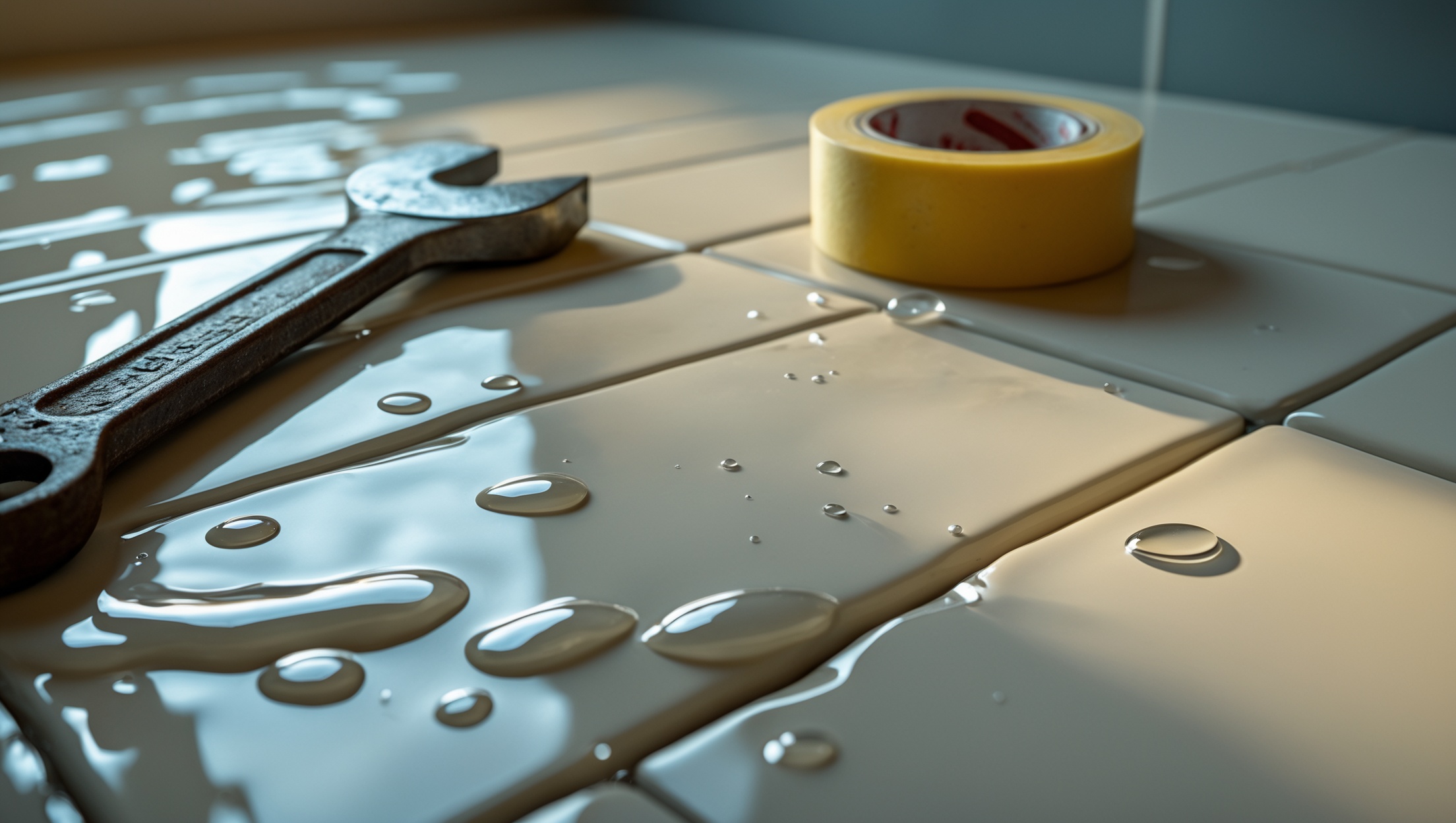
  • Adjustable wrench
  • Basin wrench
  • Plumber’s tape (Teflon tape)
  • Bucket/towels
  • New faucet & supply lines

Instructions

  1. Turn off water supply valves under the sink. Open the faucet to relieve pressure.
  2. Disconnect supply lines with the wrench. Place a bucket to catch drips.
  3. Loosen mounting nuts under the sink using a basin wrench. Remove the old faucet.
  4. Clean the area. Place the new faucet assembly in the mounting holes. Secure with provided hardware.
  5. Attach new supply lines, wrapping threads with plumber’s tape.
  6. Reconnect to shutoff valves. Tighten securely, but don’t overtighten.
  7. Turn water back on and check for leaks. Run water to clear any debris.

This process typically takes 30–60 minutes. For more complex fixtures or inaccessible shutoff valves, consider professional help.

Maximizing Savings: Water Efficiency and Rebates

How Much Can You Save?

Switching to WaterSense-labeled toilets and fixtures can cut a typical family’s water use by 20–30%, saving $100–$200 per year in combined water and sewer costs. Efficient faucets and showerheads can save an additional $50–$70 annually.

Local Rebates and Incentives

  • Many municipalities offer rebates for WaterSense or ENERGY STAR fixtures.
  • Some utilities provide free low-flow showerheads or aerators.
  • Check local government or water utility websites for current offers.

Durability and Maintenance: Choosing Fixtures That Last

Material Matters

  • Brass: Most durable for valves and faucet bodies.
  • Stainless steel: Good for both durability and corrosion resistance.
  • Zinc or plastic: Cheaper, but often less robust—best for light-use areas only.

Finish Longevity

Select spot-resistant or PVD-coated finishes for high-touch areas. Avoid painted finishes in wet locations.

Routine Maintenance Tips

  • Clean aerators every 6 months to prevent clogs.
  • Check for leaks under sinks and at shutoff valves quarterly.
  • Replace worn washers or cartridges promptly to avoid drips.

Common Mistakes to Avoid When Upgrading Fixtures

  • Ignoring compatibility: Always check rough-in dimensions and mounting hole patterns.
  • Not upgrading supply lines: Old, brittle lines are a leading cause of post-upgrade leaks.
  • Forgetting shutoff valves: Replace if they’re corroded, leaking, or hard to operate.
  • Skipping permits: Major fixture changes (especially water heaters) may require permits—check local codes.
  • Choosing style over substance: Prioritize efficiency, reliability, and ease of cleaning over trendy looks.

Fixture Upgrades and Home Insurance: What to Know

Some insurers may offer discounts for certain upgrades (e.g., water leak sensors, burst-resistant supply lines). Keep records of purchases and installations—these can help with claims or when selling your home. For major upgrades, notify your insurer to ensure full coverage and maintain compliance with policy terms.

Conclusion: Making Smart, Lasting Choices

Upgrading your plumbing fixtures is one of the most effective ways to improve your home’s comfort, efficiency, and value. The best returns come from thoughtful choices: prioritize WaterSense or ENERGY STAR-labeled products, opt for durable materials, and make sure installations are leak-free and code-compliant. While some upgrades can be handled with basic DIY skills, don’t hesitate to call in a professional for complex changes or if you encounter corroded pipes or valves.

Beyond immediate water and energy savings, modern fixtures can make your home more appealing to buyers, reduce the risk of costly leaks, and simplify ongoing maintenance. Remember to check for local rebates, factor in all installation expenses, and keep documentation for insurance and resale purposes. With careful planning and a focus on quality, your investment in plumbing fixture upgrades will pay off for years to come—both in savings and in peace of mind.

If you’re ready to take the next step, start by evaluating your most outdated or inefficient fixtures and researching rebate programs in your area. Small changes can have a big impact, and the right upgrades will ensure your plumbing system serves you reliably now and in the future.

128 comments
Sarah White

I’m planning to sell my house in the next couple of years and am wondering which plumbing fixture upgrade would have the biggest impact on resale value based on your article—should I focus on the bathrooms or the kitchen first?

    Mario The Plumber

    Based on the article, upgrading kitchen fixtures typically offers a higher return on investment because buyers often focus on the kitchen’s functionality and appearance. If you can only choose one area to start, prioritize the kitchen. However, modernizing outdated bathroom fixtures also adds value, so consider updating both if your budget allows.

John Gonzalez

If my current fixtures aren’t leaking but are pretty outdated, is it still worth upgrading for utility bill savings alone, or should I wait until they show signs of wear or issues?

    Mario The Plumber

    Upgrading outdated plumbing fixtures can still lead to noticeable savings on your utility bills, especially if your current fixtures use more water or energy than newer, efficient models. Even without leaks, modern fixtures often reduce water and energy consumption. However, if your budget is tight, you might wait until your fixtures show wear or performance issues. Otherwise, you’ll benefit sooner from lower bills and a fresh look.

Daniel Hernandez

Could you elaborate on how much homeowners can realistically expect to save on utility bills after upgrading to high-efficiency toilets or low-flow showerheads? It would be helpful to know if there are any average percentages or dollar amounts.

    Mario The Plumber

    Homeowners who upgrade to high-efficiency toilets can expect to save about 20–60% on water used for flushing, which could translate to around $50–$100 per year, depending on household size and local water rates. Low-flow showerheads can save roughly 2,000–3,000 gallons of water annually, often resulting in $30–$60 savings per year. Actual savings will vary based on usage habits and regional costs.

Lisa Martin

I’m curious about the upfront cost versus savings for tankless water heaters compared to standard high-efficiency options. How long does it typically take for homeowners to break even on this investment from lower utility bills?

    Mario The Plumber

    Tankless water heaters often cost more upfront—sometimes twice as much as high-efficiency tank models. However, they use less energy because they heat water on demand. On average, homeowners can expect to recoup the higher initial cost in about 7 to 10 years through lower utility bills, depending on household water usage and local energy rates.

Susan Sanchez

I’m curious about how ‘touchless’ kitchen faucets compare to traditional ones in terms of reliability and maintenance. Have you found that they add significant value for homeowners, or do they require more frequent repairs or troubleshooting?

    Mario The Plumber

    Touchless kitchen faucets are becoming more popular for their convenience and hygiene benefits, and many homeowners appreciate the modern feel they add. In terms of reliability, today’s models are generally dependable, though they do rely on sensors and batteries, which might need occasional attention. Maintenance is usually minimal—just keep sensors clean and check batteries. While they can cost a bit more to repair if issues arise, most users find the added value and ease of use worthwhile, especially in busy kitchens.

Mary Lewis

If we’re planning to sell our home in the next year, which plumbing fixture upgrade from your list tends to appeal most to buyers while staying budget-friendly?

    Mario The Plumber

    Replacing old faucets with stylish, water-efficient models is often the best budget-friendly upgrade when preparing to sell. Modern faucets in kitchens and bathrooms catch buyers’ eyes and signal that the home is well maintained. They’re affordable, easy to install, and offer a quick refresh that can make a strong impression during showings.

Sarah Garcia

If someone is planning to remodel and upgrade fixtures, how long does it typically take to see a return on investment through lower utility bills or improved maintenance costs?

    Mario The Plumber

    The timeline to see a return on investment after upgrading plumbing fixtures depends on factors like the type of fixtures chosen, home water usage, and local utility rates. Generally, homeowners notice lower water and energy bills within a few months, and most recoup their investment within 2 to 5 years through ongoing savings and reduced maintenance expenses.

Kimberly Anderson

If I upgrade to touchless kitchen faucets, are there specific brands or features that hold their value best over time, especially when it comes to resale? Or is efficiency more important than brand name?

    Mario The Plumber

    When choosing touchless kitchen faucets with resale in mind, both brand reputation and efficiency matter. Well-known brands like Moen, Delta, and Kohler tend to hold their value because buyers recognize their reliability and warranty support. Features such as water-saving capabilities, easy sensor operation, and durable finishes are also attractive. Ultimately, efficiency is appealing, but pairing it with a reputable brand gives the best long-term value for resale.

Jessica Johnson

When choosing between touchless faucets and traditional pull-down models for a kitchen remodel, are there any long-term maintenance concerns or reliability differences that homeowners should be aware of?

    Mario The Plumber

    Touchless faucets usually have more electronic components, like sensors and batteries, which can sometimes require extra maintenance or replacement over time. They may be more prone to issues if your water is hard or if there’s frequent use. Traditional pull-down models are generally simpler and tend to have fewer potential points of failure. However, both types can last many years if installed properly and maintained, but touchless models may need occasional sensor cleaning or battery changes.

Betty Rodriguez

I’m wondering about the installation timeframe and potential disruptions to daily routines when replacing standard fixtures with high-efficiency models. Is it feasible for a DIY project, or should homeowners expect to hire a professional?

    Mario The Plumber

    Replacing standard plumbing fixtures with high-efficiency models usually takes a few hours per fixture if everything goes smoothly. You might lose access to water in certain areas during installation, but major disruptions are uncommon for basic swaps. Many homeowners can tackle faucets or showerheads themselves with basic tools and instructions, but for toilets or anything involving complex plumbing or older pipes, hiring a professional is safer and helps avoid leaks or water damage.

Mary Smith

Could you give any advice for someone remodeling on a tighter budget—are there specific plumbing fixture upgrades that offer a decent ROI without a big upfront investment?

    Mario The Plumber

    If you’re remodeling on a budget, consider upgrading fixtures like faucets and showerheads first. These can be swapped out easily, aren’t overly expensive, and can give your kitchen or bathroom a fresh, modern look. Choosing water-efficient models can also help lower future utility bills. Replacing old toilets with newer, low-flow versions is another upgrade that pays off without a huge expense.

Robert Thomas

For homeowners on a tight renovation budget, which single plumbing fixture upgrade would you prioritize first for the best combination of comfort and resale value? Is it better to start with bathrooms or the kitchen based on your experience?

    Mario The Plumber

    If you’re working with a limited budget, upgrading the kitchen faucet is usually the best first choice. It offers daily comfort through improved function and water savings, and it makes a strong visual impact when selling. While bathrooms are important, buyers often notice kitchens first, so starting there can give you the best combination of comfort and boost to resale value.

Diane Perez

I’m interested in replacing my older toilets with high-efficiency models as mentioned here. Is there a way to estimate how quickly the water bill savings might cover the upfront cost of the upgrade for an average household?

    Mario The Plumber

    To estimate how quickly you might recoup the cost of new high-efficiency toilets, start by comparing your current toilet’s gallons per flush (usually 3.5-5 gallons if older) to new models (about 1.28 gallons per flush). Multiply the difference by your household’s daily flushes, then by your local water rate to find annual savings. Divide the total upgrade cost by yearly savings to see how many years it will take to break even. Many households see payback in just a few years.

Kimberly Hernandez

When planning to sell within the next couple of years, would you recommend prioritizing visible plumbing fixture upgrades over less noticeable but more efficient options like tankless water heaters?

    Mario The Plumber

    If you’re aiming to sell soon, prioritizing visible plumbing fixture upgrades like faucets, showerheads, and sinks is usually more effective. These updates create a strong first impression and can make your home feel more modern and well-maintained to buyers. While efficient options like tankless water heaters are valuable, they’re often overlooked during showings and may not offer as much immediate appeal.

Robert Davis

I like the idea of touchless kitchen faucets, but are they reliable over time, or do they require more maintenance compared to traditional faucets? I don’t want to end up with new problems after upgrading.

    Mario The Plumber

    Touchless kitchen faucets have become more reliable with newer models, but they can require a bit more maintenance than traditional faucets. You may need to replace batteries or clean sensors occasionally. However, major problems are rare if the faucet is installed correctly and kept clean. If you choose a reputable brand and follow the manufacturer’s care instructions, you’re unlikely to run into significant issues.

Rachel Jackson

For homeowners in older houses, are there compatibility issues with upgrading to tankless water heaters or modern low-flow fixtures? Wondering if some older plumbing systems need extra work before reaping the efficiency benefits.

    Mario The Plumber

    In older homes, it’s common to encounter compatibility issues when upgrading to tankless water heaters or modern low-flow fixtures. Tankless units often require updated venting, higher-capacity gas lines, or upgraded electrical wiring. Low-flow fixtures may highlight leaks or pressure problems in old pipes. Before installing, it’s wise to have a licensed plumber inspect your system for potential upgrades or repairs, ensuring your plumbing can support these efficient fixtures.

Helen Smith

Can you elaborate on how much the average homeowner might save annually on utility bills after installing high-efficiency toilets and low-flow showerheads as mentioned in the article?

    Mario The Plumber

    High-efficiency toilets can save the average homeowner around $50 to $100 per year on water bills, while low-flow showerheads often add another $25 to $50 in annual savings. Combined, you could expect to save approximately $75 to $150 each year, depending on your household size and water use habits.

Charles Hernandez

I noticed the article mentions high-efficiency toilets only use 1.28 gallons per flush. How difficult is it to actually replace an old toilet with one of these for someone who hasn’t done much plumbing before?

    Mario The Plumber

    Replacing an old toilet with a high-efficiency model is a manageable DIY project, even for beginners. The process involves turning off the water supply, draining and removing the old toilet, setting a new wax ring, and installing the new toilet. It typically takes a few hours, and most toilets come with step-by-step instructions. Having basic tools and following safety tips will make the job easier.

Sean Martin

The article mentions reduced maintenance with quality fixtures. Are there specific signs to watch for that suggest my current fixtures are costing more in repairs than they’re worth, making an upgrade urgent?

    Mario The Plumber

    Yes, several signs can indicate your fixtures are costing more in upkeep than they’re worth. Watch for frequent leaks, water stains, persistent drips, rust or corrosion, and ongoing issues despite repairs. If repair bills are adding up or you notice reduced water efficiency, it’s likely time to consider an upgrade. These problems often mean the fixture’s lifespan is ending and replacement could be more cost-effective.

Julie Robinson

How significant is the actual increase in resale value when upgrading just the plumbing fixtures versus doing a full bathroom remodel? Curious if buyers really notice things like modern faucets and toilets alone.

    Mario The Plumber

    Upgrading just plumbing fixtures like faucets and toilets can refresh a bathroom’s look and appeal to buyers, but it usually results in a modest boost to resale value compared to a full remodel. Buyers often notice modern fixtures, but larger changes—like new tile, vanities, or layout updates—tend to have a bigger impact on perceived value and sale price. Fixture updates are a budget-friendly way to modernize, but for maximum ROI, broader updates are generally more effective.

Michelle Taylor

With the rising cost of water, how long does it typically take to see a return on investment when upgrading to low-flow fixtures, and are there any hidden installation costs homeowners should be aware of?

    Mario The Plumber

    Most homeowners see a return on investment for low-flow plumbing fixtures within one to three years, depending on household water use and local rates. The savings come from reduced water and energy bills. For hidden costs, consider possible pipe adjustments, fixture compatibility, and hiring a licensed plumber if DIY installation isn’t feasible. Always check if your water pressure or older plumbing might require extra work, which can add to the total cost.

David Hernandez

How long does it typically take to see ROI from installing water-efficient fixtures? For someone who isn’t planning to sell immediately, is the payback mostly through lower utility bills over time?

    Mario The Plumber

    You can usually start seeing a return on investment from water-efficient fixtures within 1 to 3 years, depending on your household water usage and local utility rates. For homeowners not planning to sell soon, most of the payback comes through ongoing savings on water and energy bills rather than immediate resale value.

Megan Lee

When selecting new fixtures, are there materials or finishes that tend to last longer or need less maintenance over time? I want to make choices that won’t require frequent replacements.

    Mario The Plumber

    Absolutely, when choosing new plumbing fixtures, certain materials and finishes do stand out for durability and low maintenance. Solid brass fixtures are robust and highly resistant to corrosion, while stainless steel is also long-lasting and easy to clean. For finishes, brushed nickel and chrome resist fingerprints and water spots better than polished finishes, making them easier to maintain. Avoid plastic components as they tend to wear out faster. Prioritizing these options should help minimize replacements over time.

William White

If someone is renovating in stages, is it smarter to start with bathroom or kitchen fixture upgrades to get the most immediate value and savings?

    Mario The Plumber

    If you’re renovating in stages and want immediate value and savings, upgrading kitchen fixtures typically has a broader impact on your home’s value and daily convenience. Kitchens are high-traffic areas that buyers and appraisers often prioritize. However, if your bathroom fixtures are outdated or inefficient, starting there can quickly improve comfort and water savings. Consider the current condition and which space you use more to guide your choice.

Sarah Martin

I saw that modern kitchen faucets like touchless or pull-down types are highlighted for their resale value. How much more do these typically cost compared to standard faucets, and do buyers really notice the difference during showings?

    Mario The Plumber

    Modern kitchen faucets, such as touchless or pull-down styles, usually cost about $100–$250 more than standard faucets, depending on the brand and features. Homebuyers often do notice these upgrades during showings, as they add a sense of convenience and a modern touch to the kitchen, which can make your home stand out and feel more updated.

Andrew Brown

I’m planning some updates and wonder, for someone on a limited budget, which plumbing fixture upgrade would give me the best mix of water savings and added home value? Is it better to start with toilets, showerheads, or faucets if I have to prioritize?

    Mario The Plumber

    If your budget is tight and you want both water savings and added value, replacing old toilets with modern, efficient models is usually the best place to start. Toilets use a significant amount of water daily, and newer models can drastically reduce usage. After toilets, consider upgrading showerheads, followed by faucets, but toilets typically offer the highest return for the investment.

Nancy Robinson

Can you explain a bit more about maintenance? Are touchless kitchen faucets actually less likely to leak or break compared to regular ones, or do they have issues you don’t see with traditional fixtures?

    Mario The Plumber

    Touchless kitchen faucets can be very convenient and help keep things cleaner, but they do have extra electronic components like sensors and batteries that traditional faucets don’t have. These parts can sometimes fail or need replacing. In terms of leaking, both touchless and regular faucets can develop leaks, usually from the same places like the seals or connections. Regular maintenance like cleaning and checking parts is important for both, but touchless models may require occasional attention to their sensors or batteries.

Joseph Taylor

Can you explain how much of a difference switching to high-efficiency toilets or low-flow showerheads really makes on monthly water bills? I’m trying to figure out if the savings are enough to justify the upfront expense, especially as a student on a tight budget.

    Mario The Plumber

    Switching to high-efficiency toilets and low-flow showerheads can reduce water use by about 20–30%. For an average household, that often means saving $10–$20 per month on water bills. While the upfront cost can be $75–$200 per fixture, many people make back the investment within a couple of years. If you’re on a tight budget, changing just one fixture, like the showerhead, is affordable and can start saving you money quickly.

Helen Jackson

As someone planning a remodel, I’m curious if there’s a significant difference in ROI between upgrading just the bathroom fixtures versus the kitchen ones. Are buyers typically more interested in one over the other when it comes to plumbing upgrades?

    Mario The Plumber

    Bathroom and kitchen fixture upgrades both improve home value, but kitchens usually have a slight edge in ROI because buyers often prioritize modern, functional kitchens. However, updated bathrooms are also highly attractive to buyers, especially if fixtures are outdated. If your budget allows, upgrading both spaces is ideal, but if you need to choose one, kitchen plumbing upgrades often lead to a stronger return and more buyer interest.

Michelle Jackson

Could you provide any insight on the typical payback period for investments like high-efficiency toilets or low-flow showerheads? I’m interested in understanding how quickly homeowners might see savings on their utility bills after upgrading.

    Mario The Plumber

    For most homeowners, installing high-efficiency toilets or low-flow showerheads typically pays for itself within one to three years. The exact payback period depends on water usage patterns and local utility rates. Generally, these upgrades begin lowering water bills immediately, and the cumulative savings often cover the initial cost well before the end of their useful lifespan.

James Williams

I’m working with a tight budget but still want to upgrade some outdated plumbing fixtures. What are some cost-effective options that offer the best balance of improved efficiency and noticeable ROI?

    Mario The Plumber

    Swapping out old faucets and showerheads for modern, water-saving models is a budget-friendly way to boost efficiency and update your space. Look for WaterSense-labeled products, which use less water but maintain good performance. Replacing a dated toilet with a more efficient one can also reduce water bills and add value without a huge investment.

Megan Lewis

For homeowners on a tight budget, which single plumbing fixture upgrade would you prioritize first to quickly see both utility savings and increased home value?

    Mario The Plumber

    If you’re on a tight budget, upgrading to a high-efficiency toilet is often the best first step. Modern toilets use significantly less water per flush, leading to immediate savings on your water bill. Plus, buyers appreciate updated, eco-friendly fixtures, so this small investment can also help raise your home’s value.

Karen Smith

For someone planning to sell in the next year, is it worth prioritizing plumbing fixture upgrades over other small renovations to get the most value at closing?

    Mario The Plumber

    If you’re selling soon, upgrading plumbing fixtures can provide a fresh, modern look that appeals to buyers, but it usually doesn’t have as high an ROI as improvements like painting, curb appeal, or minor kitchen updates. If your existing fixtures are outdated or visibly worn, replacing them is worthwhile, but consider balancing your budget with other upgrades that have a broader impact on buyers’ first impressions.

Matthew Ramirez

For homeowners on a tight budget, which single fixture upgrade tends to deliver the highest ROI according to the real estate data you mention?

    Mario The Plumber

    Based on the real estate data discussed in the article, upgrading the bathroom faucet typically offers the highest return on investment for homeowners with limited budgets. This upgrade is affordable, highly visible, and can instantly make the bathroom feel more modern and appealing to potential buyers.

Daniel Hernandez

When getting ready to sell a house, which single fixture upgrade tends to make the strongest impression on buyers according to real estate agents? For example, is upgrading the kitchen faucet more impactful than replacing an old toilet?

    Mario The Plumber

    According to real estate agents quoted in the article, upgrading the kitchen faucet usually makes the strongest impression on buyers. A modern, stylish kitchen faucet is highly visible and can make the whole kitchen feel updated, which tends to be more immediately noticeable than replacing a toilet. If you’re choosing just one fixture to upgrade before selling, the kitchen faucet is generally your best bet.

Thomas Taylor

For homeowners working with a tight budget, which plumbing fixture upgrade would you recommend prioritizing first to achieve the most significant water savings and value increase?

    Mario The Plumber

    If you’re working with a limited budget, replacing old toilets with WaterSense-certified models is usually the best first step. These toilets use much less water per flush than older versions, leading to substantial water savings and lower bills. They’re also an appealing upgrade for future buyers, adding value to your home without a huge upfront cost.

Betty Miller

For someone prepping their home for sale in the next year, is it more worthwhile to upgrade all bathroom fixtures at once or focus on just the most outdated ones to appeal to buyers and maximize value?

    Mario The Plumber

    If you’re planning to sell within a year, it’s usually smart to focus on upgrading only the most outdated or worn fixtures rather than replacing everything. Buyers tend to notice mismatched or older fixtures, so updating those can create a fresher impression and boost appeal without the full expense of a total overhaul. Prioritize items that look dated or don’t function well.

Emily Sanchez

I’m interested in upgrading to low-flow showerheads, but have heard mixed reviews about water pressure. Are there any practical tips or considerations to ensure the new fixtures will still provide a satisfying shower experience?

    Mario The Plumber

    When choosing low-flow showerheads, look for models labeled as ‘high-efficiency’ or ‘pressure-compensating.’ These are designed to maintain strong water pressure while reducing water use. Reading user reviews can help identify brands known for a good shower experience. Also, consider the type of spray pattern—some offer adjustable settings that let you customize your shower. Installation is usually straightforward, but ensuring there’s no existing mineral buildup in your plumbing can also help maintain good flow.

Helen Brown

For homeowners in older houses, do you have advice on troubleshooting unexpected plumbing issues that might pop up when swapping out old fixtures for new efficient ones?

    Mario The Plumber

    When replacing old fixtures in older homes, you might find outdated or corroded pipes, unusual pipe sizes, or worn-out shutoff valves. Before starting, turn off the main water supply and check for leaks or signs of rust around connections. Take note of any unusual pipe materials, like galvanized steel, which could indicate a need for broader updates. If something doesn’t fit or you encounter persistent leaks, it’s wise to consult a licensed plumber to avoid bigger issues.

Susan Lopez

The article mentions reduced maintenance as a benefit of quality fixtures. Can you share common issues homeowners face with outdated plumbing fixtures and how upgrading addresses those problems?

    Mario The Plumber

    Outdated plumbing fixtures often develop leaks, corrosion, low water pressure, and frequent clogs. Over time, seals and washers wear out, leading to drips or water damage. Mineral buildup can reduce flow, and older parts may be hard to replace. Upgrading to modern, high-quality fixtures helps prevent these issues by using durable materials, better sealing, and improved designs that resist corrosion and buildup, resulting in less frequent repairs and easier maintenance.

Helen Miller

If I install a touchless or pull-down kitchen faucet, what kind of maintenance should I expect? Are these more likely to need repairs compared to traditional faucets?

    Mario The Plumber

    Touchless and pull-down kitchen faucets do require some additional maintenance compared to traditional faucets. Touchless models need occasional battery replacement and regular cleaning of sensors to keep them working smoothly. Pull-down faucets have hoses and spray heads that should be checked for leaks or mineral buildup. While these features add convenience, they can involve more moving parts, so minor repairs (like hose replacements or sensor troubleshooting) may be more likely over time. Regular upkeep will help both styles last just as long as standard faucets.

Mary Lee

I noticed you mentioned tankless water heaters for ROI, but I’ve heard mixed reviews about their installation costs and long-term savings. Are they really a better choice compared to traditional models for most homeowners?

    Mario The Plumber

    Tankless water heaters can offer savings over time because they heat water only when needed, which reduces energy use. However, installation costs are often higher than traditional models, especially if your home needs upgrades to gas or electric lines. The best choice depends on your household’s hot water usage and how long you plan to stay in the home. For many, the long-term savings and space benefits can outweigh the upfront expense, but for others, a high-efficiency traditional water heater might be more cost-effective.

Daniel Anderson

After upgrading to more efficient fixtures, are there routine maintenance tips or warning signs homeowners should watch for to ensure they get the expected ROI over time?

    Mario The Plumber

    Yes, after upgrading to efficient plumbing fixtures, regular maintenance is important to protect your investment. Periodically check for leaks, mineral buildup, or reduced water flow, as these can signal issues. Clean aerators and showerheads to prevent clogs, inspect seals and hoses for wear, and address drips promptly. If water bills rise unexpectedly, it could point to hidden leaks. Keeping up with these tasks will help fixtures last longer and maintain their efficiency.

Sean Martin

I’m about to remodel my bathroom and am debating between touchless faucets and low-flow showerheads. Based on the article, which one would have the bigger impact on both resale value and daily comfort if I can only upgrade one fixture right now?

    Mario The Plumber

    According to the article, upgrading to a low-flow showerhead generally has a bigger impact on both resale value and daily comfort. Buyers appreciate energy and water savings, and you’ll notice lower utility bills and a pleasant shower experience. Touchless faucets are convenient, but a modern, efficient showerhead tends to stand out more during home showings and delivers more noticeable day-to-day benefits.

Michelle Smith

The article mentions that modern kitchen faucets like touchless or pull-down models appeal to buyers and improve hygiene. In your experience, does investing in these features really increase resale value enough to justify the higher upfront cost compared to standard faucets?

    Mario The Plumber

    Upgrading to touchless or pull-down kitchen faucets can make your home more appealing to buyers, especially those looking for convenience and modern features. While the increase in actual resale value may not always match the complete upfront cost, these upgrades often help your home stand out, sell faster, and sometimes encourage buyers to make higher offers. The added functionality and improved hygiene are strong selling points in today’s market.

Nathan Williams

I have a pretty tight renovation budget and want to get the most impact for my money. If I can only upgrade one plumbing fixture this year, which one would you prioritize for the best mix of efficiency and value?

    Mario The Plumber

    If you can only upgrade one plumbing fixture, consider starting with the bathroom faucet or showerhead. Modern, water-efficient models are affordable, easy to install, and can noticeably reduce water bills. They also update the look of your bathroom, adding value and appeal without a major investment.

Joseph Perez

You mentioned quality fixtures reduce maintenance costs. For someone on a tight budget, are there reliable brands or features to look for that won’t break the bank but still last?

    Mario The Plumber

    Absolutely, you can find reliable plumbing fixtures even on a budget. Look for brands like Moen, Delta, or American Standard, which offer good durability at reasonable prices. Focus on fixtures with solid brass or stainless steel parts—these tend to last longer than plastic. Also, check for warranties, as they usually indicate manufacturer confidence in their product’s longevity.

Michelle Miller

You briefly touched on tankless water heaters at the end. How do they compare with standard models in terms of installation complexity and long-term maintenance for the average homeowner?

    Mario The Plumber

    Tankless water heaters are generally more complex to install than standard tank models, often requiring upgrades to your home’s electrical or gas systems and professional installation. However, long-term maintenance is typically lower since there’s no tank that can corrode or leak. Tankless units may need periodic descaling, especially in areas with hard water, but routine care is usually simpler once the system is set up.

William Sanchez

When choosing between touchless kitchen faucets and traditional pull-down models, are there specific brands or features that tend to have fewer maintenance issues over time?

    Mario The Plumber

    Touchless kitchen faucets can be convenient, but their sensors and batteries may require occasional maintenance. Brands like Moen and Delta are often praised for reliable touchless models with durable sensors. For traditional pull-down faucets, Kohler and Grohe have strong reputations for build quality and fewer leaks. Regardless of style, look for models with solid brass construction and ceramic disc valves, as these features generally reduce the risk of drips and breakdowns over time.

Joseph Anderson

If I’m planning to sell my home in the next year or so, which plumbing upgrades would have the most noticeable impact on buyer interest—would it be smart faucets, a tankless water heater, or something else?

    Mario The Plumber

    If you’re selling soon, focus on upgrades that are both visually appealing and energy-efficient. Replacing old faucets and fixtures with modern, water-saving models can catch buyers’ eyes right away. Smart faucets are attractive, but a tankless water heater often impresses buyers who value efficiency and lower utility costs. Combining updated fixtures with a tankless water heater could make your home stand out even more.

Matthew Johnson

Are there any pitfalls to watch out for when switching to touchless or pull-down kitchen faucets? I’ve heard some can be prone to malfunction or have special installation requirements.

    Mario The Plumber

    Touchless and pull-down kitchen faucets do offer convenience, but there are a few things to consider. Touchless models often need electricity or batteries, so make sure you have a power source nearby. Sensors and electronic parts can sometimes malfunction, especially if exposed to water or grease buildup. Pull-down faucets can develop issues with the hose retracting properly if not installed correctly. It’s a good idea to have a professional handle installation and check that replacement parts are easy to find for your chosen model.

Anthony Anderson

When choosing between touchless kitchen faucets and pull-down models, have you found one type to be more reliable over time or less prone to maintenance issues? I’m debating which would be a smarter long-term investment.

    Mario The Plumber

    Both touchless and pull-down kitchen faucets have their strengths, but generally, pull-down models tend to be more reliable over time. Touchless faucets incorporate electronic sensors and batteries, which can sometimes require extra maintenance or replacement parts. Pull-down faucets are simpler mechanically, so they’re often less prone to malfunctions. If long-term reliability and fewer maintenance concerns are priorities, a high-quality pull-down faucet is usually the smarter investment.

Daniel Lee

Does the ROI for plumbing fixture upgrades differ significantly between homes in older neighborhoods versus newer construction, especially considering things like existing plumbing infrastructure or buyer expectations?

    Mario The Plumber

    Yes, the ROI can differ between older neighborhoods and newer construction. In older homes, upgrading fixtures may deliver higher ROI if the updates address outdated plumbing or bring the home up to modern standards, which buyers often value. In newer homes, the impact may be less dramatic since plumbing systems and fixtures are already close to current trends. Buyer expectations typically drive higher ROI where visible improvements and functionality upgrades are most needed.

Megan Jones

If I upgrade to a high-efficiency toilet or low-flow showerhead, can you estimate how much I might actually save on my monthly water bill? I’m trying to figure out how soon the investment would pay for itself, especially since I live in an area with moderate water rates.

    Mario The Plumber

    Upgrading to a high-efficiency toilet can save you about 2–4 gallons per flush compared to older models, which could add up to $10–$20 per month for a typical family. A low-flow showerhead may save another $5–$10 monthly. With moderate water rates, most homeowners see these upgrades pay for themselves in 2–4 years through lower water bills.

James Thomas

For a homeowner with a limited budget, is it smarter to prioritize one type of fixture upgrade over the others? For example, does switching out toilets make more economic sense than kitchen or bathroom faucets if I can only do one at a time?

    Mario The Plumber

    If you need to pick just one upgrade on a tight budget, swapping out bathroom or kitchen faucets often offers more immediate visual impact and can improve water efficiency for a relatively low cost. Replacing toilets can also provide savings, but usually costs more upfront and may not be as noticeable. For a balance of cost, ROI, and daily benefit, faucets are a smart first choice.

Donna Thomas

If someone is dealing with persistent leaks but wants to upgrade only a couple of fixtures at first, which would you prioritize for both immediate comfort and long-term ROI—the kitchen faucet or the toilet?

    Mario The Plumber

    If leaks are a concern and you’re choosing between the kitchen faucet and the toilet, I’d recommend upgrading the toilet first. Toilets can waste a significant amount of water when leaking, which affects your water bill and the environment. A new, efficient toilet offers immediate savings and long-term ROI. The kitchen faucet upgrade is also valuable, but the toilet’s impact is generally greater if you’re prioritizing.

Nathan Rodriguez

You mention that low-flow showerheads and high-efficiency toilets offer the best ROI, but I’m curious about the upfront costs. Which of these upgrades typically has a shorter payback period when factoring in purchase price and installation fees?

    Mario The Plumber

    Low-flow showerheads generally have the shortest payback period among plumbing fixture upgrades. Their upfront cost is lower, and installation is often simple enough for DIY, which keeps labor fees minimal. High-efficiency toilets save water too, but their higher purchase price and more involved installation mean it usually takes longer to recover your investment compared to showerheads.

Daniel Jones

The article mentions touchless kitchen faucets as a way to improve hygiene and appeal to buyers. Are there specific brands or features to look for to ensure durability and minimize maintenance issues down the road?

    Mario The Plumber

    When choosing a touchless kitchen faucet, look for reputable brands like Moen, Delta, and Kohler, as they are known for durability and reliable warranties. Key features to consider include high-quality sensors, a manual override option, and easy battery replacement or AC power compatibility. Opt for faucets made from solid brass or stainless steel, and check that replacement parts are readily available. These details can help ensure your faucet lasts longer and requires less maintenance.

Betty Davis

For homeowners on a tight renovation budget, which single fixture swap would you recommend as the most cost-effective upgrade for boosting both home value and efficiency?

    Mario The Plumber

    If you need to choose just one fixture upgrade on a tight budget, replacing the old toilet with a modern, water-efficient model is your best bet. High-efficiency toilets not only reduce water bills but are also attractive to buyers, making it a smart investment for both value and efficiency.

Michelle Miller

You mentioned tankless water heaters offering good ROI, but are there any common issues or extra costs to be aware of when swapping out a traditional tank for a tankless system in an older home?

    Mario The Plumber

    When replacing a traditional tank with a tankless water heater, especially in an older home, there can be some extra costs and issues. You might need to upgrade gas lines or electrical wiring to meet the unit’s requirements. Ventilation may also need to be updated. Sometimes, hidden plumbing repairs pop up if your pipes are outdated. It’s wise to get a detailed estimate from a licensed professional so you can budget for any upgrades beyond just the heater itself.

Diane Lewis

You talk about modern fixtures appealing to buyers. In your experience, do buyers really notice or care about new plumbing fixtures during open houses, or is it more about the overall impression of the bathroom and kitchen?

    Mario The Plumber

    Buyers definitely notice new plumbing fixtures, especially if they stand out as stylish or high-quality. While the overall impression of the bathroom and kitchen is crucial, modern fixtures can add a sense of freshness and show that the home is well cared for. They may not be the main selling point, but they often help create a positive and memorable impression during open houses.

Tyler Wilson

You mention that modern fixtures can boost resale value, but is there any data on how much buyers actually factor in updated plumbing when making their decision compared to more visible renovations like kitchens?

    Mario The Plumber

    Buyers generally notice and value updated plumbing fixtures, but studies suggest that features like remodeled kitchens and bathrooms have a higher direct impact on resale value. Upgraded fixtures can help your home feel move-in ready and may sway undecided buyers, but they’re usually seen as supporting improvements rather than highlights. Realtors often say that while modern plumbing fixtures make a positive impression, they rarely outweigh major visual upgrades when influencing offers.

Brian Miller

The article talks about tankless water heaters among value-adding upgrades, but it cuts off before going into detail. Could you clarify what kind of ROI or payback period homeowners typically see with tankless systems compared to traditional tanks?

    Mario The Plumber

    Tankless water heaters usually offer a higher upfront cost than traditional tank models, but they can provide long-term savings. Homeowners often see energy savings of 20-35% over tank heaters, leading to a typical payback period of 6 to 12 years based on usage and local energy rates. Besides savings, tankless systems last longer—often 20 years or more—adding further value to the investment.

Brian Jones

You mentioned that modern kitchen faucets like touchless or pull-down styles can boost resale value. Is there any data on whether this makes a big difference in a buyer’s decision compared to just updating bathroom fixtures?

    Mario The Plumber

    Direct data comparing kitchen faucet upgrades versus bathroom fixtures in buyer decisions is limited. However, real estate experts often note that kitchens have a strong impact on buyers, and modern features like touchless or pull-down faucets can make a property feel more up-to-date. While both kitchen and bathroom upgrades are valuable, buyers typically notice kitchen improvements first, so investing there may offer a slight edge in attracting interest.