
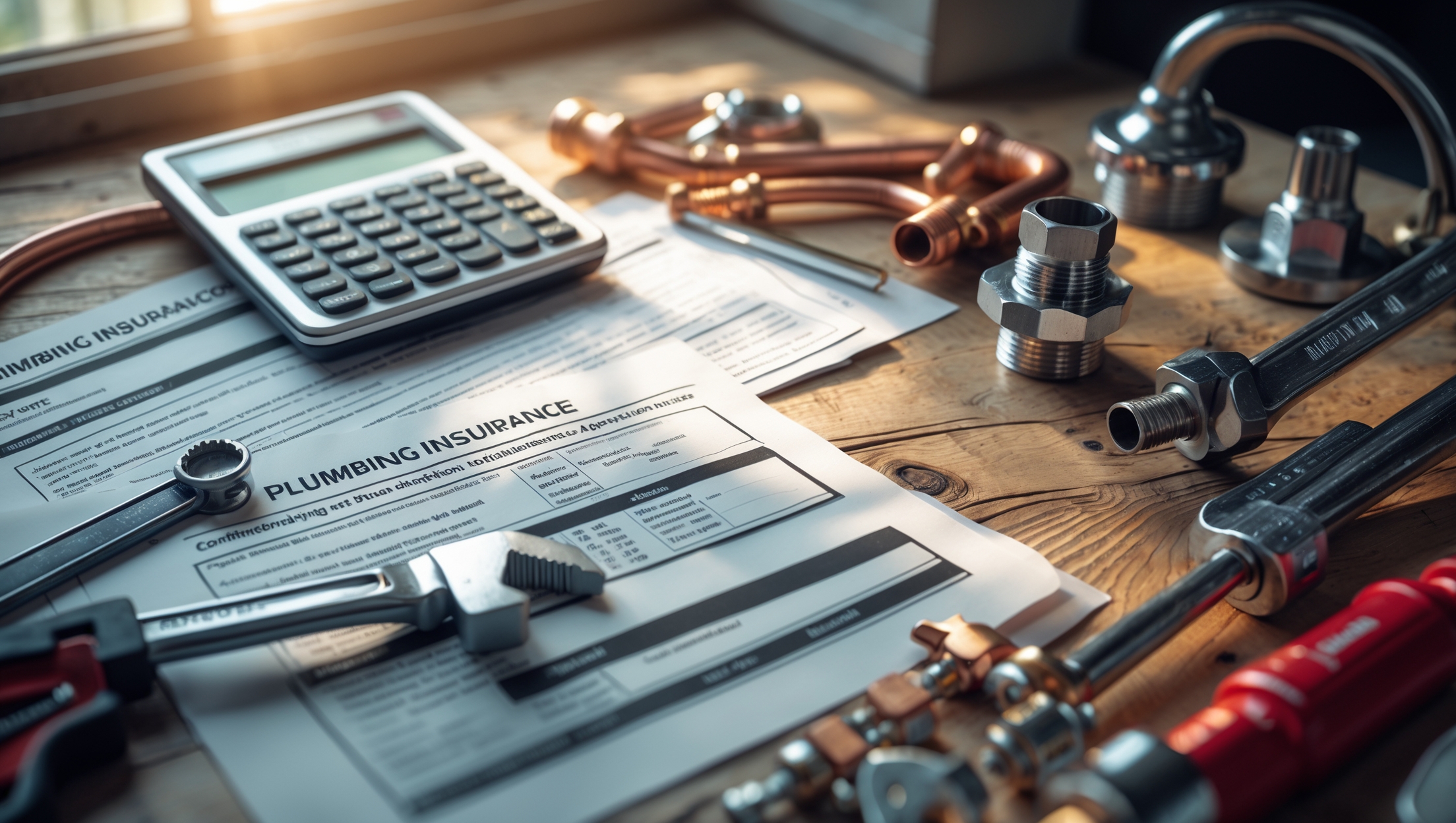
Introduction: Why Plumbing Insurance Matters
In the fast-evolving world of plumbing, whether you’re a seasoned contractor or a weekend DIY enthusiast, understanding insurance is critical. Plumbing projects—no matter the size—carry inherent risks. From accidental water damage to unforeseen injuries, the potential for loss is real. Insurance isn’t just a formality or a box to check; it’s the safety net that keeps your business, finances, and reputation secure. Yet, the world of plumbing insurance is layered and often misunderstood. What kinds of coverage are available? How much does it truly cost? Do you need specialty insurance for certain jobs? And how do you choose a policy that fits your unique needs? This comprehensive guide demystifies plumbing insurance, providing in-depth insights into coverage types, cost breakdowns, and practical steps to help you select an optimal policy—whether you’re a plumbing pro, small business owner, or an ambitious DIYer. With real-world scenarios and professional tips, you’ll gain the knowledge to make informed decisions, protect your assets, and focus on what you do best: solving plumbing challenges.
Understanding Plumbing Insurance: What Is It and Who Needs It?
Defining Plumbing Insurance
Plumbing insurance refers to a suite of policies designed to protect plumbers, contractors, and in some cases, DIYers from risks associated with plumbing work. Unlike general home insurance or basic business coverage, plumbing insurance is tailored to the unique exposures faced in the plumbing trade—think water damage, property damage, bodily injury, tool theft, and liability claims related to faulty work.
Who Needs Plumbing Insurance?
- Licensed Plumbing Contractors: Most states require proof of insurance to obtain or renew a plumbing license.
- Small Plumbing Businesses: Protection for employees, clients, and assets is vital for long-term viability.
- Self-Employed and Freelance Plumbers: Even solo operators need coverage to shield against lawsuits and property loss.
- DIY Enthusiasts: While not required, some major DIYers obtain limited insurance for high-risk projects, especially in rented or multi-family properties.
- Property Owners Hiring Plumbers: Knowing your contractor is insured protects you from potential liability if an accident occurs on your property.
Types of Plumbing Insurance Coverage
General Liability Insurance
This foundational policy covers third-party bodily injury, property damage, and legal defense costs. For instance, if you accidentally flood a client’s basement or a visitor trips over your equipment, general liability steps in to cover medical bills and repairs.
Professional Liability (Errors & Omissions)
Professional liability—also called Errors & Omissions (E&O)—protects against claims of negligence, faulty workmanship, or failure to deliver promised services. If a client alleges your advice or work caused them financial harm, this coverage handles legal defense and settlements.
Commercial Property Insurance
This policy safeguards your business premises, tools, inventory, and equipment against loss from fire, theft, vandalism, or certain natural disasters. Mobile plumbers can often extend this to cover tools stored in vehicles.
Workers’ Compensation Insurance
If you employ staff, workers’ compensation is usually mandatory. It covers medical expenses, lost wages, and rehabilitation if an employee is injured on the job.
Commercial Auto Insurance
Vehicles used for business—vans, trucks, or cars transporting tools and materials—require commercial auto insurance to cover accidents, theft, or damage that occurs during business use.
Tools and Equipment Insurance
This specialized policy covers loss, theft, or damage to tools and equipment, both on-site and in transit. It’s a must-have for plumbers who rely on expensive or specialty tools.
Umbrella (Excess) Liability Insurance
Umbrella policies provide extra liability coverage beyond the limits of your primary insurance. They are especially useful for businesses that handle large contracts or work on high-value properties.
Bonds (Surety Bonds)
While not insurance in the strictest sense, surety bonds guarantee your work to clients and local authorities. Many municipalities require them for permit approval or project bidding.
How Much Does Plumbing Insurance Cost?
Key Cost Factors
The price of plumbing insurance varies widely depending on several factors:
- Business Size: Solo operators pay less than multi-employee companies.
- Coverage Types and Limits: Higher limits and more comprehensive policies cost more.
- Location: Rates differ by state, city, and even neighborhood due to risk factors and claims history.
- Claims History: Businesses with prior claims typically pay higher premiums.
- Annual Revenue: Higher revenue means greater exposure and higher premiums.
- Type of Work Performed: Residential jobs are generally less expensive to insure than commercial or industrial projects.
Average Premium Ranges
While prices fluctuate, here’s a general idea of what plumbers in the U.S. might expect:
- General Liability: $400–$1,500/year for $1 million coverage
- Professional Liability: $600–$2,000/year
- Commercial Property: $500–$2,500/year (varies by total asset value)
- Workers’ Compensation: $2,000–$4,000/year per employee
- Commercial Auto: $1,000–$2,000/year per vehicle
- Tools & Equipment: $150–$800/year
- Umbrella/Excess Liability: $400–$1,200/year
Remember, bundling multiple policies with one provider can lead to discounts.
Real-World Scenarios: Why the Right Insurance Matters
- The Flooded Basement: A plumber forgets to shut off the main water supply, causing damage to a finished basement. General liability covers the repair costs.
- The Faulty Boiler: A client claims improper installation of a boiler led to property damage. Professional liability (E&O) covers the legal defense and any settlement.
- Stolen Tools: Expensive leak detection equipment is stolen from a van. Tools and equipment insurance reimburses the owner.
- Employee Injury: An apprentice suffers a back injury lifting cast iron pipe. Workers’ compensation pays for medical bills and lost wages.
- Auto Accident: A plumbing van is rear-ended en route to a job. Commercial auto insurance covers repairs and medical costs.
Choosing the Right Plumbing Insurance Policy
Step 1: Assess Your Risks and Needs
- Evaluate the scale of your business (solo, small team, large company).
- List the types of plumbing work performed (residential, commercial, industrial, new construction, repair).
- Take inventory of tools, vehicles, and properties requiring coverage.
- Consider your claims history and any unique exposures (e.g., hazardous materials, high-rise projects).
Step 2: Shop Around and Compare Quotes
- Contact multiple insurers specializing in contractor or trade policies.
- Request quotes with identical coverage limits for apples-to-apples comparison.
- Ask about available discounts for bundling policies or safety training certifications.
Step 3: Scrutinize the Fine Print
- Review policy exclusions—what’s not covered (e.g., intentional damage, certain types of work).
- Check for sub-limits on equipment or high-value tools.
- Understand your deductible and how claims affect future premiums.
- Ask about claims handling: easy, online, and fast? 24/7 support?
Step 4: Confirm Compliance and Permit Requirements
- Verify your insurance meets local, state, and federal requirements.
- Ensure you have necessary bonds for permits or contractor licensing.
- Keep certificates of insurance updated and available for clients or inspectors.
Insurance for DIYers: Is It Necessary?
For most weekend DIYers, standard homeowner’s insurance provides some liability protection if you accidentally cause minor water damage. However, if you’re undertaking large-scale plumbing renovations—especially in rental or multi-family properties—it’s wise to discuss additional coverage with your insurer. Some policies exclude damages resulting from unlicensed work. Always check before starting any project beyond basic repairs.
Tips for Lowering Plumbing Insurance Costs
- Maintain a Clean Claims Record: Fewer claims mean lower premiums.
- Invest in Safety Training: Many insurers offer discounts for certified safety programs.
- Bundle Policies: Combining liability, property, and auto insurance can reduce costs.
- Increase Deductibles: Raising your deductible lowers your annual premium (but be sure you can afford it if a claim arises).
- Regularly Review Coverage: Adjust your policy as your business grows to avoid paying for unnecessary coverage or being underinsured.
Common Insurance Mistakes Plumbers Should Avoid
- Underinsuring Tools and Equipment: Don’t rely solely on standard property insurance—specialized coverage ensures faster, fuller payouts.
- Ignoring Policy Exclusions: Read the fine print to avoid costly surprises during claims.
- Letting Coverage Lapse: Even short gaps in coverage can void claims or violate licensing requirements.
- Not Updating Policies: As your business expands or changes, so should your insurance.
- Assuming Homeowner’s Insurance Covers Everything: Most policies exclude damages from professional or unlicensed work.
Conclusion: Insurance as Your Plumbing Safety Net
Plumbing insurance isn’t just another line item on your business budget—it’s a vital layer of protection that shields your livelihood, reputation, and peace of mind. The right insurance policy gives you confidence to tackle jobs of all sizes, knowing that unexpected setbacks won’t derail your business or personal finances. By understanding the types of coverage available, accurately assessing your risks, and carefully comparing policies, you’ll be well-positioned to secure the protection you need at a price you can afford.
Don’t wait for disaster to strike before you act. Review your insurance needs regularly, keep your documentation up to date, and maintain open communication with your insurer. For DIYers, be realistic about your skills and the scale of your projects—sometimes the best insurance is hiring a licensed professional. For contractors and small businesses, investing in comprehensive coverage isn’t just about meeting legal requirements; it’s about building a resilient, trustworthy brand that clients feel confident inviting into their homes and businesses. Stay informed, stay compliant, and let your insurance serve as the foundation for a safe, successful plumbing career or project.






Kimberly Taylor
The article discusses cost breakdowns but doesn’t mention actual price ranges for small operations. Could you give some ballpark figures for typical monthly or annual premiums for a small plumbing business with minimal staff in a suburban area?