Plumber Las Vegas News

Your trusted source for plumbing updates, DIY fixes, and industry insights in Las Vegas. Stay informed with practical tips, local trends, and expert advice for homeowners and professionals alike.

Plumbing Supply Line Upgrades: When, Why, and How to Replace for Maximum Reliability

When it comes to reliable plumbing, your water supply lines are the silent workhorses behind the scenes. While pipes inside your walls and under your floors get most of the attention, the short, flexible (or sometimes rigid) supply lines that connect your fixtures—sinks, toilets, dishwashers, and washing machines—are among the most common sources of leaks. Yet, many homeowners and even professionals overlook the importance of regular inspection and timely replacement of these critical components. A failed supply line can cause catastrophic water damage in minutes, while an upgraded, properly installed line provides peace of mind for years. In this comprehensive guide, we’ll dive deep into supply line upgrades: how to spot aging lines, select the right modern materials, handle replacement safely, and avoid common pitfalls. Whether you’re a DIY enthusiast aiming to safeguard your investment, a landlord managing multiple properties, or a plumbing pro looking to standardize best practices, this post will equip you with actionable knowledge to keep your plumbing system robust and leak-free.

Understanding Plumbing Supply Lines

What Are Supply Lines?

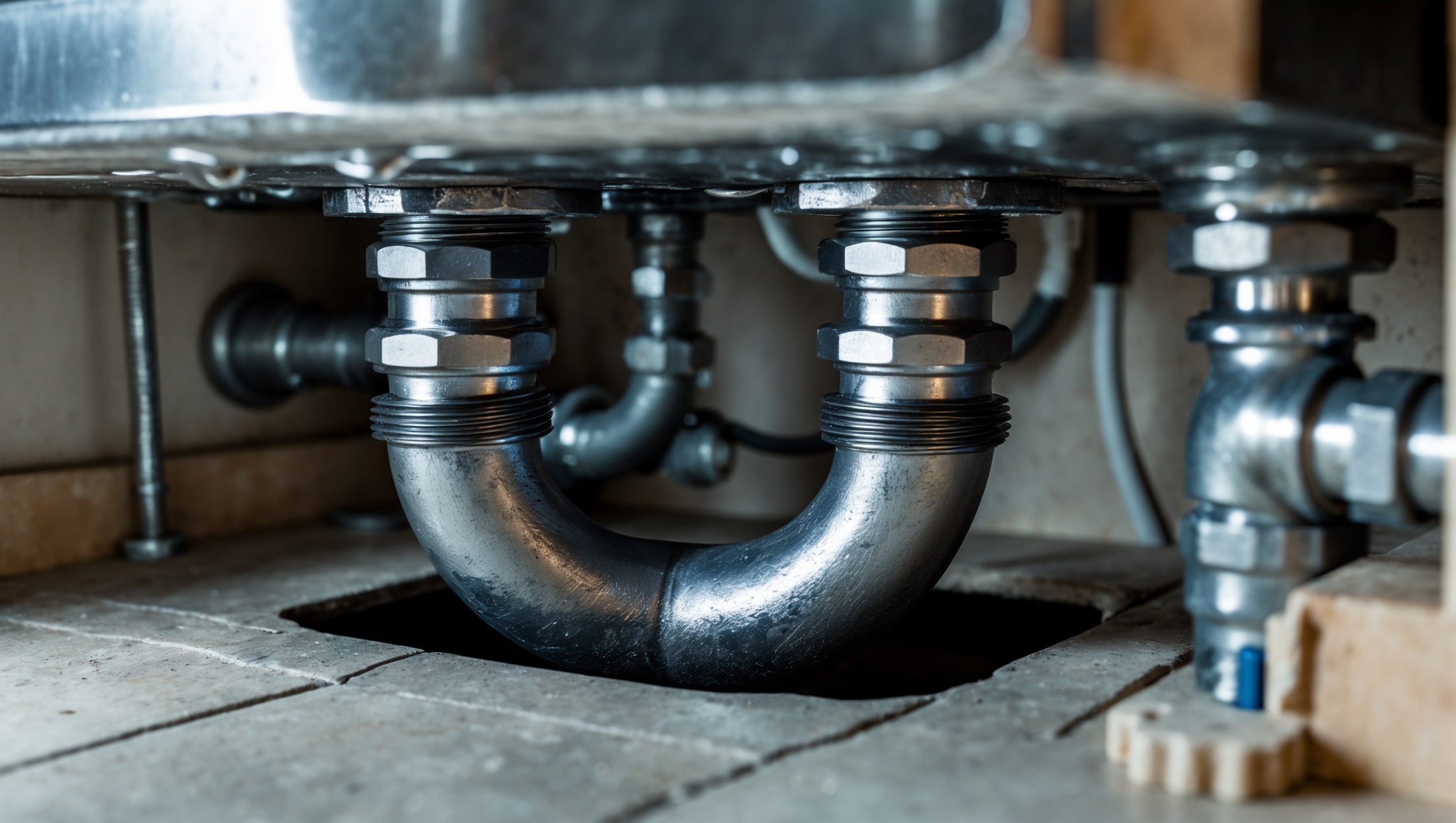
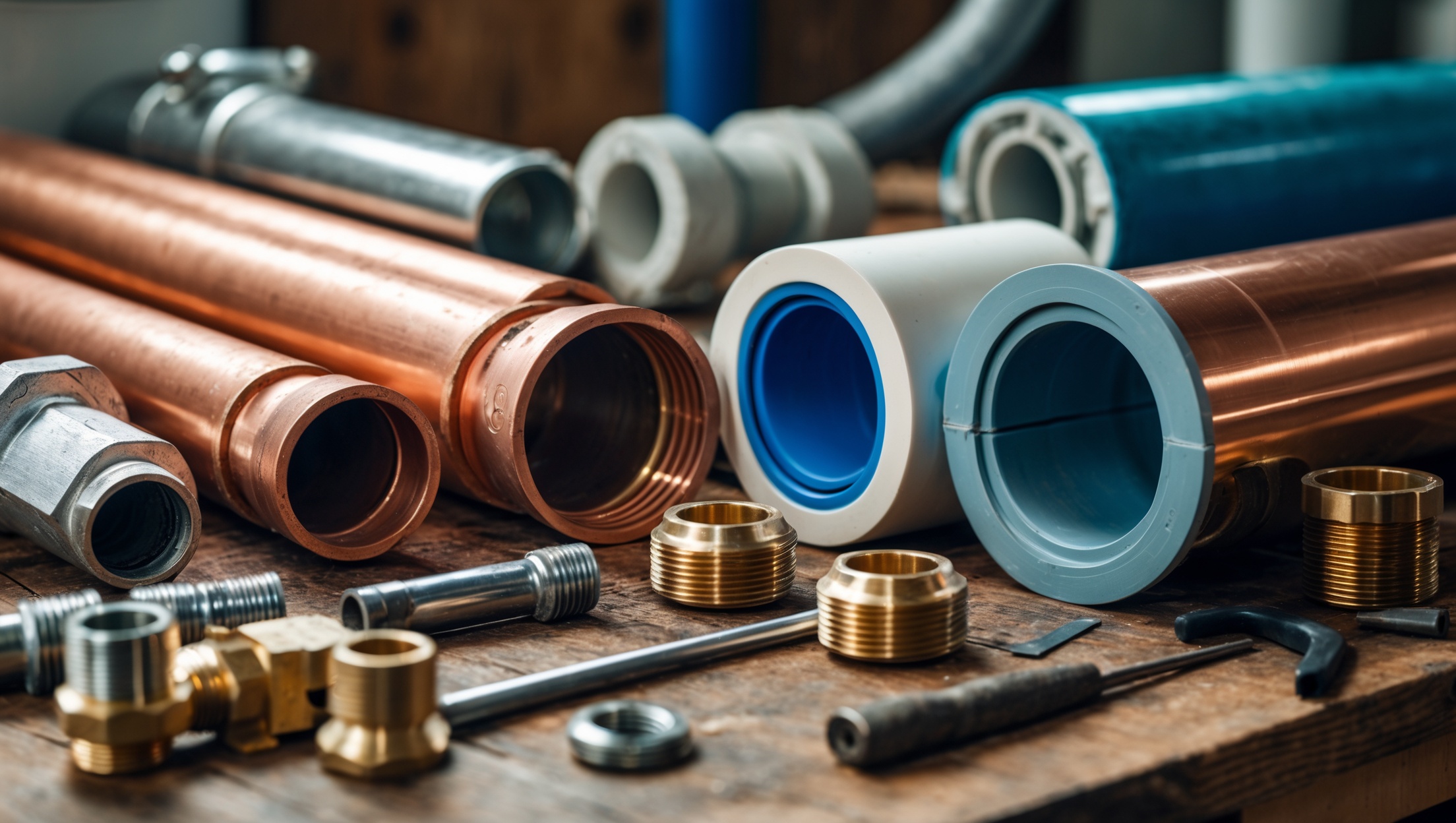
Supply lines are the pipes or hoses that connect your home’s water supply to individual plumbing fixtures. They are most often found under sinks, behind toilets, and attached to appliances like dishwashers and washing machines. Supply lines may be made of various materials, including:

  • Flexible braided stainless steel
  • Plastic (PVC, PEX, or reinforced vinyl)
  • Copper tubing
  • Rubber (mainly on older installations)

Why Are Supply Lines Prone to Failure?

Unlike pipes concealed in walls, supply lines are exposed to frequent movement, vibration, and temperature changes. Over time, the materials can degrade, the fittings can loosen, and small leaks can develop into major bursts. The most common causes of failure include:

  • Material aging and breakdown (especially with rubber and plastic)
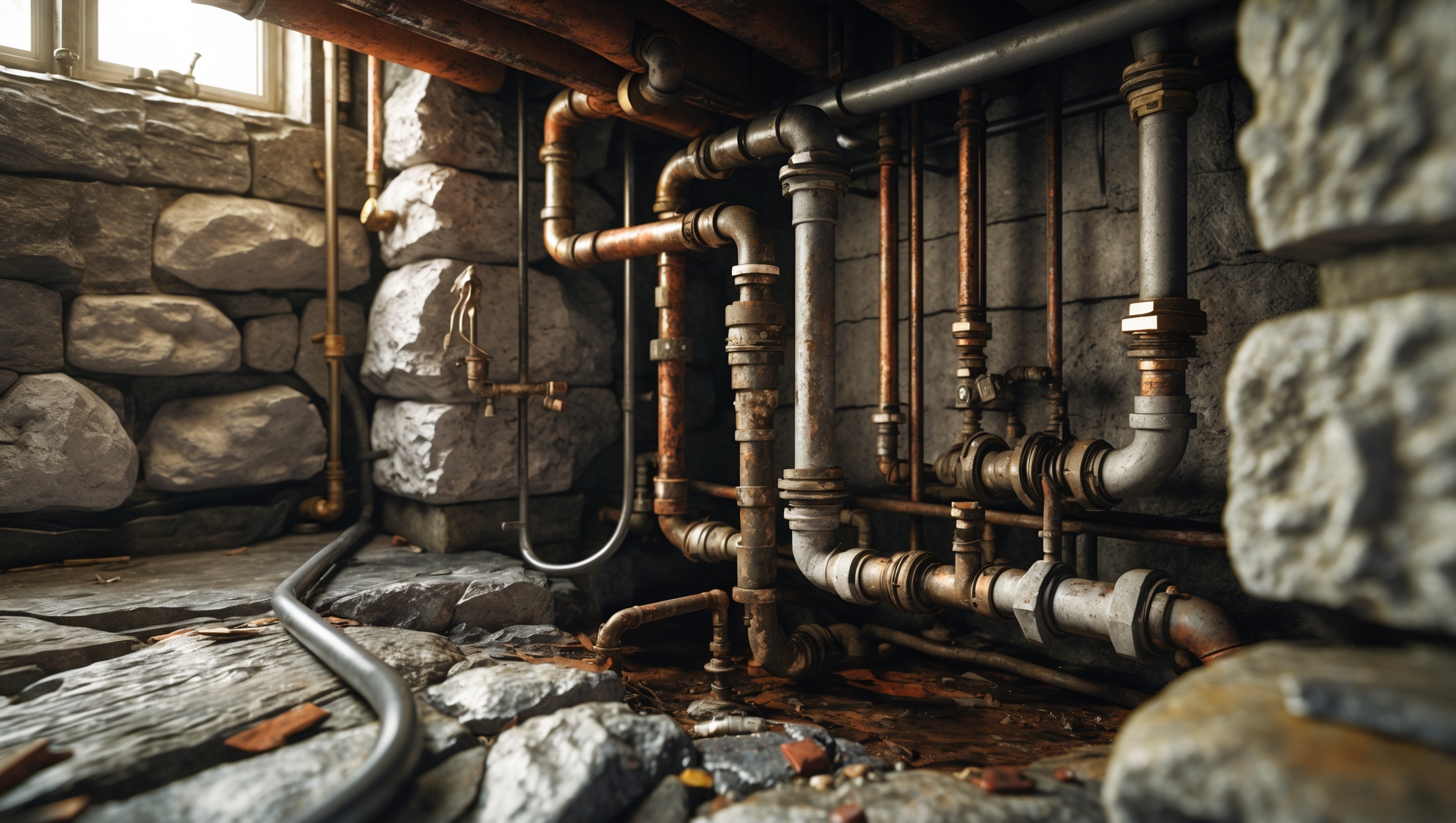
  • Corrosion of metal fittings
  • Poor installation or overtightening
  • Physical stress from shifting appliances or fixtures
  • Water pressure spikes

When Should You Upgrade Your Supply Lines?

Signs It’s Time for Replacement

Routine inspection is key, but here are clear indicators that you should consider upgrading:

  • Visible corrosion or rust: Especially at connections and fittings.
  • Cracking, bulging, or discoloration: On rubber or plastic lines.
  • Leaks or moisture: Even a small drip is a warning sign.
  • Stiffness: Lines that have lost flexibility are at risk of splitting.
  • Age: Any line over 5–7 years old (especially rubber or plastic) should be proactively replaced.
  • Water damage evidence: Staining or soft spots on cabinetry or floors beneath fixtures.

Preventive Replacement: Why Wait for a Leak?

Many insurance companies recommend proactively replacing all supply lines every 5–10 years, regardless of visible condition. The small investment in new supply lines can prevent thousands in water damage. This is especially wise before leaving for vacations or if you own rental properties where leaks may go unnoticed.

Choosing the Right Supply Line Materials

Material Comparison

  • Braided Stainless Steel: Durable, flexible, resistant to corrosion and kinking. Ideal for most applications. Look for lines with a solid inner core (often made of PVC or PEX) and high-quality crimps.
  • Plastic (PEX, PVC): Inexpensive and easy to install, but more susceptible to damage from UV light and chemicals. PEX is preferred over PVC for flexibility and durability.
  • Copper: Rigid and long-lasting, but less forgiving during installation and more expensive. Still a good choice for certain high-heat or high-pressure applications.
  • Rubber: Outdated for most uses. Prone to cracking and bursting. Replace these immediately.

Length, Size, and Fittings

Select a supply line that is long enough to reach comfortably between the shut-off valve and the fixture without stretching or bending excessively. Standard sizes include 3/8″ compression fittings for faucets and 7/8″ or 1/2″ for toilets. Always confirm the fitting type and thread pattern before purchase.

Certification and Quality Marks

  • Choose lines certified by NSF, CSA, or UPC for potable water use.
  • Opt for products with manufacturer warranties and clearly marked installation dates.

Step-by-Step Guide: Replacing a Plumbing Supply Line

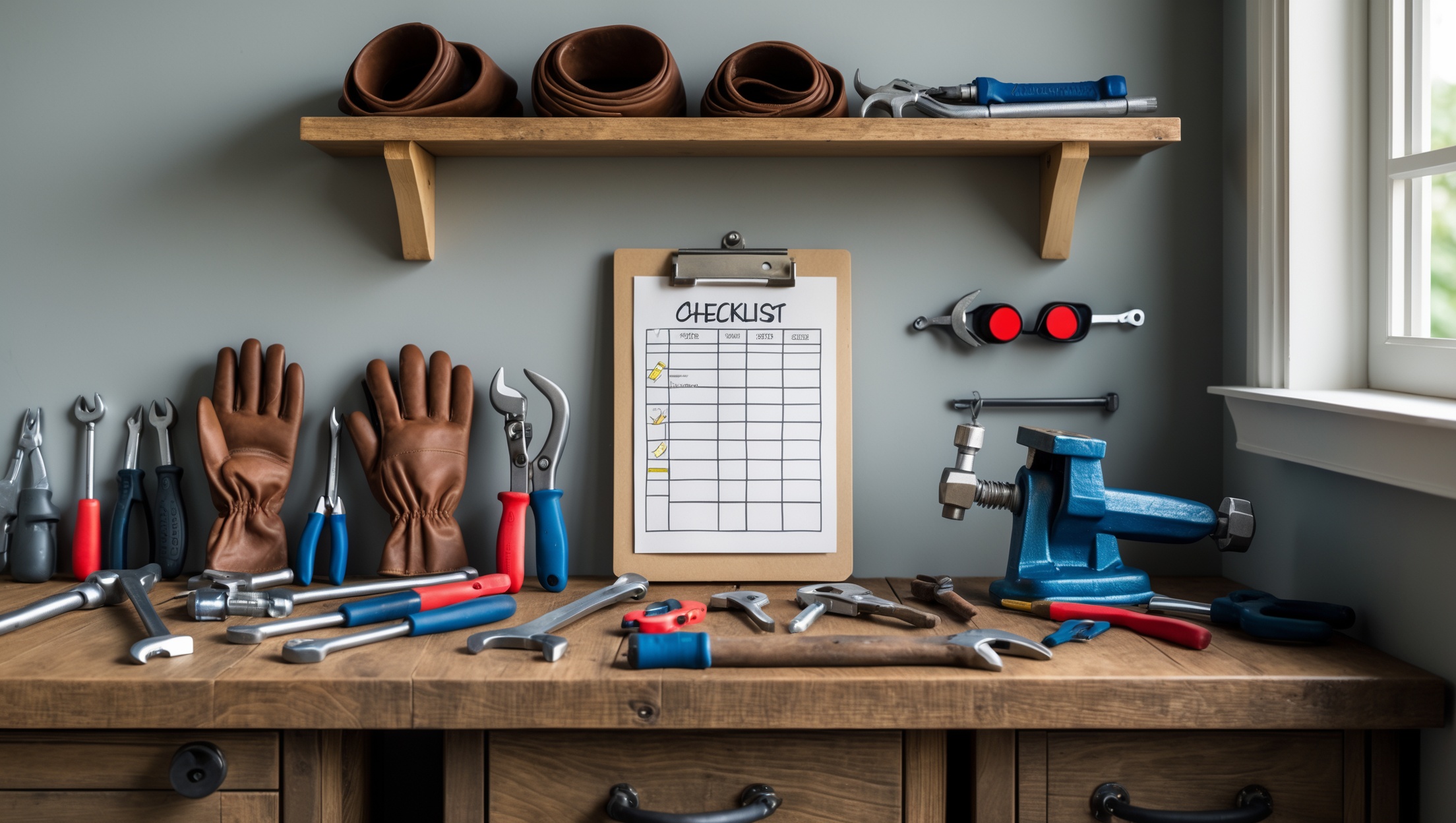
Tools and Materials Needed

  • Adjustable wrench or basin wrench
  • Pliers (optional)
  • New supply line(s) of correct length and fitting type
  • Towel or bucket (to catch drips)
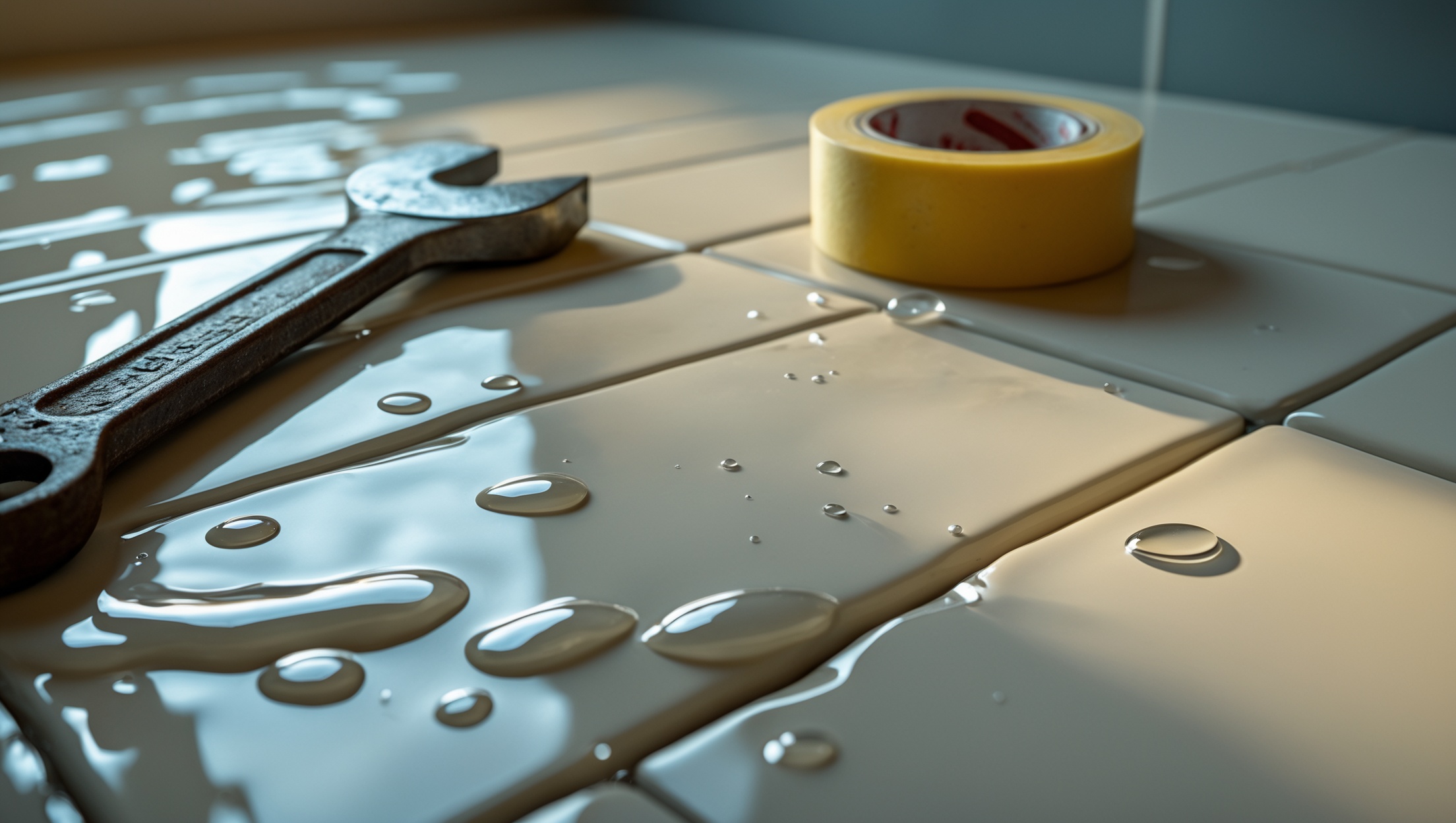
  • PTFE (Teflon) tape (if required by manufacturer)

Preparation

  • Shut off the water: Locate and close the shut-off valve for the fixture you’re working on.
  • Test for water flow: Open the faucet or flush the toilet to release pressure and drain the line.
  • Protect the area: Place a towel or bucket under the connection points to catch any residual water.

Removal

  • Using your wrench, loosen the supply line nut at the shut-off valve. Hold the valve steady with one hand to prevent twisting the pipe.
  • Loosen the nut at the fixture end and remove the old line.
  • Inspect both connection points for corrosion or debris. Clean as needed.

Installation

  • Check manufacturer’s instructions for any special installation steps (some lines require PTFE tape, others have integrated gaskets).
  • Hand-tighten the new line onto the fixture, then onto the shut-off valve. Use the wrench to snug the nuts—do not overtighten! (About a quarter turn past hand-tight is usually sufficient.)
  • Ensure the line curves gently with no kinks or sharp bends.

Testing

  • Open the shut-off valve slowly and check for leaks at both ends.
  • If you observe a drip, tighten the connection slightly. Do not overtighten, as this can damage fittings or gaskets.
  • Run water for 30–60 seconds and inspect again. Wipe connections with a dry cloth to detect any moisture.

Special Considerations for Appliances

Dishwashers and Washing Machines

  • Supply lines for appliances often endure higher pressure and vibration.
  • Always use braided stainless steel lines rated for the specific appliance.
  • Replace both hot and cold lines at the same time for consistency.
  • For washing machines, check both the supply hoses and the drain hose regularly.

Ice Makers and Refrigerators

  • Use only tubing and connectors rated for potable water.
  • Inspect for kinks behind the appliance whenever you move it.
  • Consider installing an in-line shut-off valve if one is not present.

Cost Breakdown: Supply Line Replacement

Supply line replacement is one of the most affordable plumbing upgrades with a major impact on home safety.

  • Braided stainless steel supply line (standard length): $6–$15 each
  • Specialty lines (longer lengths, high-pressure, appliance-grade): $12–$30 each
  • Professional installation (per fixture): $75–$150 (includes labor and materials)

If you’re comfortable with basic tools, DIY replacement for an entire home (bathroom sinks, toilets, kitchen faucet, dishwasher, and washing machine) can often be completed in a few hours for under $100 in materials.

Best Practices for Supply Line Reliability

Inspection and Maintenance Schedule

  • Visually inspect all supply lines twice a year—once before winter and once before summer.
  • Check for signs of wear, corrosion, or leaks and replace lines showing any issues immediately.
  • Document installation dates for each line and set calendar reminders for proactive replacement every 5–7 years.

Installation Tips from the Pros

  • Never overtighten fittings; this is a leading cause of leaks.
  • Use two wrenches when necessary: one to hold the valve or fixture steady, another to turn the nut.
  • After installation, leave the cabinet doors open for a day to observe for delayed leaks.
  • Label new lines with the installation date using a permanent marker or tag.

Upgrading During Renovations

  • Replace supply lines as part of any kitchen or bathroom remodel, even if the old lines appear functional.
  • Upgrade shut-off valves to ball-valve style for easier future maintenance.
  • Consider adding flood detection alarms under sinks and behind appliances.

Common Mistakes and How to Avoid Them

  • Reusing old supply lines: Even if they look fine, old lines may fail after being disturbed.
  • Buying the wrong length or fitting: Always measure first and double-check thread compatibility.
  • Forgetting to flush debris: After installation, run water to clear out any particles that could clog aerators or valves.
  • Ignoring manufacturer instructions: Some supply lines require hand-tightening only; overtightening can void warranties.

Insurance and Compliance Considerations

Many insurance policies exclude water damage caused by “wear and tear,” including old or deteriorated supply lines. Upgrading lines proactively can help prevent denied claims. In some jurisdictions, rental properties must use only supply lines with specific certifications. Always check local codes before upgrading, especially in multi-family or commercial settings.

Conclusion: Small Upgrades, Big Protection

Upgrading your plumbing supply lines might not seem glamorous, but it’s one of the most impactful steps you can take to protect your property from water damage. Modern braided stainless steel lines, installed with care and checked regularly, offer years of reliable performance for a minimal investment of time and money. Whether you’re a DIYer or a property manager, building a habit of inspecting and replacing supply lines before they fail is a hallmark of proactive homeownership. Don’t wait for a disaster to strike—plan your next inspection today, and prioritize supply line upgrades as part of your regular maintenance routine. This small act can save you thousands in repairs, preserve your peace of mind, and keep your plumbing system running smoothly for years to come.

Remember: In plumbing, an ounce of prevention is truly worth a gallon of cure. Take a moment to check under your sinks and behind your appliances—your future self will thank you for it!

128 comments
Nathan Williams

Are there any specific supply line brands or product certifications that landlords should look for when upgrading in rental properties to reduce the risk of tenant-caused water damage, or is material type the main factor?

    Mario The Plumber

    Material type is very important—stainless steel braided supply lines are widely recommended for their durability and burst resistance. However, choosing reputable brands like Fluidmaster, Watts, or BrassCraft can also help ensure quality. Look for certifications such as UPC (Uniform Plumbing Code) or NSF, which indicate the product meets industry standards. Using both high-quality brands and certified products reduces the risk of failure and water damage.

Mark Thomas

After upgrading to new PEX supply lines, are there specific signs I should watch for to catch potential leaks early, or do these newer materials generally require less regular inspection than older lines?

    Mario The Plumber

    PEX supply lines are more resistant to corrosion and leaks compared to older materials, so they usually require less frequent inspection. However, it’s still smart to periodically check for visible moisture, discoloration around fittings, or any unusual odors near connections. Also, keep an eye on water pressure or unexplained increases in your water bill, as these could signal a hidden leak. Routine visual checks, especially in the first year after installation, are a good precaution.

Joshua Harris

I noticed you mentioned flexible braided stainless steel, plastic, copper, and rubber as supply line materials. Are there situations where one type is strongly recommended over the others, like for high water pressure areas or older homes with shifting foundations?

    Mario The Plumber

    Yes, certain supply line materials are better suited to specific situations. For high water pressure areas, braided stainless steel is strongly recommended because it resists bursting and handles pressure spikes well. In older homes with shifting foundations, flexible braided stainless or reinforced plastic lines are preferable since they can accommodate movement without leaking. Copper is very durable but can be rigid, making it less ideal where flexibility is needed. Rubber lines are generally considered the least reliable and are best avoided for long-term use.

Karen Thompson

If I have older rubber supply lines under my sinks but they don’t look cracked or worn, do I still need to replace them preemptively? How often should these kinds of lines be inspected or swapped out?

    Mario The Plumber

    Older rubber supply lines can deteriorate internally even if they look fine on the outside. Manufacturers and plumbers often recommend replacing them every 5 to 7 years as a precaution because rubber is more prone to bursting over time. It’s wise to inspect them yearly for any softness, bulging, or leaks, but consider upgrading to braided stainless steel for better long-term reliability.

Mark Harris

I’m on a tight budget and have to replace several supply lines at once. Are there safe, cost-effective options available that still offer decent reliability, or is it usually worth spending more upfront for higher quality materials?

    Mario The Plumber

    If you’re on a tight budget, you can find supply lines made from braided stainless steel at reasonable prices that still offer good reliability for most household uses. These are often safer and longer-lasting than basic plastic lines. While premium options may last longer, mid-range braided lines are generally a safe, cost-effective choice if installed properly. Just be sure to avoid the cheapest, unbranded products, as quality can vary.

Margaret Perez

I noticed you mentioned corrosion of metal fittings as a common cause of failure. Are there any preventative treatments or products that can help reduce corrosion risk, or is full replacement typically the only solution?

    Mario The Plumber

    Preventative options exist to help reduce corrosion risk on metal fittings, such as applying anti-corrosion coatings, using dielectric unions to prevent galvanic corrosion, and regularly inspecting and maintaining joints. However, these are best for delaying issues rather than providing a permanent fix. If fittings show significant corrosion or are decades old, replacement with modern, corrosion-resistant materials like PEX or brass is usually the most reliable long-term solution.

Sarah Thomas

Could you elaborate on how often homeowners should actually inspect or replace the supply lines under sinks and behind toilets? It sounds like overlooking these can lead to big issues, but I’m not sure what the recommended timeframe is.

    Mario The Plumber

    It’s generally recommended that homeowners inspect the supply lines under sinks and behind toilets at least once a year for any signs of wear, corrosion, or leaks. Most experts suggest replacing these supply lines every 5 to 7 years, even if they appear to be in good condition, as a preventative measure to avoid potential water damage from unexpected failures.

Nathan Anderson

The article mentions that upgraded supply lines can offer peace of mind for years. When choosing between flexible braided stainless steel and rigid copper tubing, what are the pros and cons in terms of longevity and ease of installation for a homeowner?

    Mario The Plumber

    Flexible braided stainless steel lines are very easy to install, often requiring just basic hand tools, and they’re resistant to bursting and corrosion, offering a lifespan of 5–10 years or more. Rigid copper tubing is extremely durable and can last decades, but it requires precise measuring, cutting, and soldering, making installation more challenging for most homeowners. If you want simplicity and reliability with minimal hassle, stainless steel is usually the better choice, while copper is ideal if you prioritize long-term durability and don’t mind a more complex installation.

Sarah Harris

The article mentions different materials for supply lines, like stainless steel, PVC, and copper. Is there a notable cost or durability difference between these options? I am trying to balance upfront cost with long-term reliability for my rental properties.

    Mario The Plumber

    Stainless steel braided supply lines are typically more expensive than PVC, but they offer excellent durability and resistance to leaks, making them popular for long-term reliability. PVC is the most affordable, but it’s less durable and more prone to cracking or leaking, especially over time. Copper lines are durable and reliable but have a higher upfront cost and require professional installation. For rental properties, stainless steel often offers the best balance between cost and long-term performance.

Andrew White

I manage several rental units on a limited budget. Is there a cost-effective way to rotate supply line upgrades over time, or a priority order for which fixtures should get new lines first?

    Mario The Plumber

    Absolutely, you can upgrade supply lines in phases to stay within your budget. Start with high-risk areas like toilets and washing machines, since leaks here often cause the most damage. Next, focus on kitchen sinks and then bathroom sinks. Prioritize older or visibly worn lines. This rotation helps reduce risk while spreading out costs.

Jennifer Miller

I’m about to replace the supply lines under my kitchen sink. Are there any specific signs of aging or wear I should look for, besides obvious leaks, that indicate it’s time to swap them out?

    Mario The Plumber

    Aside from visible leaks, look for signs like bulging, discoloration, rust, or corrosion on the fittings of your supply lines. If you notice any cracking, stiffness, or brittleness in the hoses, that’s also a warning sign. Mineral buildup around the connections or a musty odor could indicate slow leaks or hidden damage. If your supply lines are more than 5–7 years old, it’s wise to replace them even if they seem fine.

Mary Jackson

Could you elaborate on what specific signs indicate that a supply line is aging or about to fail? I want to make sure I can spot issues before they turn into big leaks.

    Mario The Plumber

    Some key signs that a supply line is aging or near failure include visible corrosion or rust, bulging or blistered hoses, moisture or water pooling around fittings, and cracks on the supply line material. You might also notice an earthy or metallic odor near the line or hear unusual sounds when water flows. If you see any of these, it’s a good idea to replace the line before it causes leaks.

Brian Garcia

If I’m replacing supply lines in a rental property with older rubber hoses, should I proactively upgrade all of them at once, or only swap out the most worn-looking ones to manage costs?

    Mario The Plumber

    For rental properties, it’s usually best to upgrade all older rubber supply lines at once rather than just the visibly worn ones. Rubber hoses can fail unexpectedly, even if they look fine on the outside, which could lead to costly water damage. Upgrading to braided stainless steel lines throughout the property increases reliability and reduces the risk of leaks, ultimately saving time and money on emergency repairs.

William Ramirez

Can you elaborate on how to safely swap out supply lines on older appliances, especially where the fittings might be corroded or stuck? I want to avoid causing any accidental damage during an upgrade.

    Mario The Plumber

    When swapping out supply lines on older appliances, start by turning off the main water supply and opening a nearby faucet to relieve pressure. Use two wrenches—one to hold the appliance fitting steady and one to turn the supply line nut. If fittings are corroded or stuck, apply penetrating oil and wait a few minutes before trying again. Avoid excessive force that could crack pipes or damage threads. If the fitting won’t budge, consider calling a plumber to prevent accidental damage.

William Lee

Is there a ballpark cost estimate for upgrading all the supply lines in a typical three-bathroom house, and are there ways to prioritize which fixtures to do first if I’m on a tight budget?

    Mario The Plumber

    Upgrading all the supply lines in a three-bathroom house can cost between $2,000 and $6,000, depending on pipe material and labor rates in your area. If you’re on a budget, consider prioritizing high-use or older fixtures first—like the kitchen sink, main bathroom, and laundry connections. Start where leaks or corrosion are most likely, as these spots pose the greatest risk for water damage.

Charles Lewis

After replacing supply lines with newer materials, what are some early warning signs homeowners should still watch for that might indicate an installation issue or a defective line, even if the lines are brand new?

    Mario The Plumber

    Even with new supply lines, homeowners should keep an eye out for dampness, drips, or water pooling near fittings, which can signal a loose connection or improper seal. Listen for hissing or whistling noises that may suggest a pinhole leak or pressure issue. Also, periodically check for visible bulges, kinks, or corrosion at connection points. If you notice any of these signs, address them promptly to prevent water damage.

Joseph Brown

Could you explain the main differences between PVC, PEX, and braided stainless steel supply lines in terms of lifespan and reliability? I want to upgrade but I’m not sure which material will give me the best long-term performance.

    Mario The Plumber

    PVC supply lines are affordable but tend to have the shortest lifespan and are more prone to cracking over time. PEX is flexible, resists corrosion, and often lasts 40–50 years, making it a great choice for durability. Braided stainless steel lines have a tough exterior that resists bursting and kinks, and they typically last 10–20 years. For long-term reliability, PEX is usually the best option, but braided stainless steel is excellent for specific fixtures like sinks and toilets.

Nathan Harris

For someone on a tight budget, which material for supply lines offers the best balance between affordability and reliability? Are there brands or certifications I should look for to ensure I’m still getting a quality product even if I’m spending less?

    Mario The Plumber

    For a tight budget, PEX supply lines usually offer the best mix of affordability and reliability. They’re durable, easy to install, and generally less expensive than copper or stainless steel options. When shopping, look for products certified by NSF or UPC to ensure they meet quality and safety standards. Some reliable, budget-friendly brands include SharkBite and Watts.

Robert Harris

I’m trying to stay within a tight budget. Are there certain supply line materials that provide good reliability without being the most expensive option, or is it worth spending a bit more for peace of mind?

    Mario The Plumber

    PEX and braided stainless steel supply lines are popular choices because they offer a good balance of reliability and affordability. PEX is especially budget-friendly and resistant to corrosion, while braided stainless steel gives added strength and is easy to install. You don’t have to choose the most expensive material to get peace of mind—just avoid the cheapest plastic lines, and always check for quality certifications.

Thomas Hernandez

You mention that supply lines are a common source of leaks, particularly due to aging materials. How often should homeowners actually inspect or proactively replace these lines to catch problems before they turn into major water damage? Is there a standard schedule most plumbers recommend?

    Mario The Plumber

    Most plumbers suggest inspecting your plumbing supply lines at least once a year for signs of wear, corrosion, or leaks. As for replacement, flexible supply lines should usually be replaced every 5 to 7 years, even if no damage is visible. For metal or braided lines, check manufacturer recommendations, but proactive replacement every 10 years is a good guideline to prevent issues before they start.

Nancy Gonzalez

For landlords managing several properties, do you recommend sticking to a single type of supply line material for consistency, or are there specific cases where mixing materials makes sense for different fixtures or locations within a property?

    Mario The Plumber

    Using the same supply line material across all properties makes maintenance and replacements more straightforward, which is helpful for landlords managing multiple units. However, there are cases where different materials are better suited, such as using stainless steel braided lines for high-moisture areas or flexible PEX for hard-to-reach spots. It’s generally best to standardize unless a specific situation calls for a specialized material.

Nathan Moore

Do you have any tips on how often to actually check supply lines under sinks or behind toilets? Is there a recommended schedule for inspecting them, especially in areas with high humidity or hard water?

    Mario The Plumber

    It’s a good idea to inspect supply lines under sinks and behind toilets at least once a year. In areas with high humidity or hard water, check them every six months since these conditions can accelerate wear. Look for signs of corrosion, bulging, leaks, or cracks. Replacing supply lines every 5-7 years is also recommended, even if they appear fine.

Julie Lee

You mention that flexible braided stainless steel is a common material for supply lines now. In your experience, are there any situations where you’d still recommend copper or PEX over braided lines, especially for under-sink or behind-toilet applications?

    Mario The Plumber

    Braided stainless steel supply lines are popular for their ease of use and reliability, but there are cases where copper or PEX is preferable. For example, if supply lines will be concealed behind walls or exposed to high temperatures, copper is more durable and long-lasting. PEX is also excellent for long runs or hard-to-reach spots because it’s flexible and resistant to scale buildup. For visible, easily accessible spots like under sinks or behind toilets, braided lines are usually the most convenient choice.

Emily Martin

As a landlord with several rental units, I’m wondering how often I should schedule supply line inspections and replacements to avoid emergency leaks. Do you recommend different intervals for braided stainless steel versus plastic or rubber supply lines?

    Mario The Plumber

    For rental properties, it’s wise to inspect supply lines annually during routine maintenance checks. Braided stainless steel supply lines typically last 5–10 years, while plastic or rubber lines should be replaced every 3–5 years, as they’re more prone to leaks. Scheduling proactive replacements at these intervals can help prevent emergency plumbing issues and water damage in your units.

Andrew Jackson

You mention material aging and breakdown as common causes of supply line failures. Is there an average lifespan I should expect for rubber versus braided stainless steel lines in a typical residential setting?

    Mario The Plumber

    Rubber supply lines usually last about 5 to 7 years before they start to degrade, especially if they’re exposed to heat or movement. Braided stainless steel lines, on the other hand, generally last 10 years or more, sometimes up to 15 years if installed correctly and not subjected to excess stress. It’s always a good idea to check for visible signs of wear or leaks regularly, regardless of the material.

Nancy Martin

For landlords managing multiple rental properties, what are some cost-effective strategies for proactively upgrading supply lines to minimize emergency repairs and water damage risks across units?

    Mario The Plumber

    For landlords with multiple properties, consider scheduling regular inspections to spot early wear in supply lines. Replacing older, flexible plastic or rubber lines with braided stainless steel in all units can prevent many leaks. Bulk purchasing materials often reduces costs. Upgrading supply lines during tenant turnovers or other scheduled maintenance can also minimize labor expenses and unit downtime.

Sean Anderson

After reading about how quickly a failed supply line can flood a home, I’m wondering, is there a recommended replacement schedule for supply lines in rental properties, or should it be based on periodic inspection results only?

    Mario The Plumber

    For rental properties, it’s wise to use both a replacement schedule and regular inspections. Most experts recommend replacing supply lines every 5 to 10 years, even if they appear intact, because age-related failures can be sudden. However, you should also inspect them annually for any signs of wear, corrosion, or leaks. Combining both approaches helps minimize the risk of unexpected water damage.

Donna Gonzalez

You mentioned that poor installation can lead to failures. For someone with basic DIY skills, what are the most common mistakes to avoid when replacing supply lines to ensure a leak-free setup?

    Mario The Plumber

    When replacing supply lines, common mistakes to avoid include overtightening fittings (which can crack connections or damage washers), failing to use new washers, not cleaning the threads before installation, and using the wrong type or length of supply line. Make sure connections are snug but not forced, check for leaks after turning the water back on, and always follow the manufacturer’s instructions for your specific fittings.

Rachel Perez

For landlords managing multiple properties with different ages and plumbing systems, do you recommend a standardized schedule for routine inspection and replacement of supply lines, or should it depend strictly on the material and age of each line?

    Mario The Plumber

    It’s best to avoid a one-size-fits-all schedule for inspecting and replacing supply lines, especially when managing properties with varying ages and plumbing materials. Prioritize inspections based on the material, age, and history of each supply line. For example, older galvanized or polybutylene lines may need more frequent checks, while newer PEX lines can go longer between inspections. Tailoring your approach ensures greater reliability and cost efficiency.

Richard Taylor

What should I do if I spot a slow drip from a supply line connection, but the hoses and fittings seem intact? Is it safe to just tighten the fitting or should I replace the whole line right away?

    Mario The Plumber

    If you notice a slow drip from a supply line connection but the hoses and fittings appear intact, you can try gently tightening the fitting first. Sometimes a loose connection is the cause. Avoid over-tightening, as this can damage the fitting. If tightening doesn’t stop the leak or if you see any signs of corrosion, wear, or damage, it’s safer to replace the supply line to prevent future issues.

James Williams

I’m curious, how often should homeowners actually inspect or replace their supply lines to minimize the risk of leaks? Is there a recommended schedule based on the material like rubber versus stainless steel?

    Mario The Plumber

    Homeowners should inspect their supply lines at least once a year for signs of wear, corrosion, or leaks. Rubber supply lines generally need replacement every 5 years, while braided stainless steel lines can last 10 years or more, but should still be checked regularly. If you notice bulging, rust, or dampness, it’s best to replace the lines sooner, regardless of material.

Brian Jackson

If I’m on a tight budget but want to upgrade my supply lines for reliability, should I prioritize specific fixtures like washing machines and toilets first, or is it better to replace all lines at the same time for peace of mind?

    Mario The Plumber

    If you’re working with a limited budget, it’s smart to prioritize upgrading supply lines to fixtures that are more prone to leaks or can cause significant damage if they fail, like washing machines and toilets. These tend to be higher-risk areas. You can then replace the rest of the lines as your budget allows, rather than doing everything at once.

Megan Thomas

Does the article recommend a specific inspection interval for checking supply lines under sinks and behind toilets, or should the frequency depend on the material type (like rubber versus braided stainless steel)?

    Mario The Plumber

    The article suggests inspecting supply lines under sinks and behind toilets at least once a year, regardless of the material. However, it does mention that rubber hoses are more prone to wear and should be checked more frequently, while braided stainless steel lines are more durable but still benefit from annual inspections. So, while yearly checks are a good rule of thumb, consider more frequent inspections for older or rubber lines.

Christopher Miller

As a landlord managing several rental units, how often should I schedule routine inspections or replacements of supply lines to minimize the risk of leaks? Are there signs that indicate urgent replacement beyond just the age of the material?

    Mario The Plumber

    For rental units, it’s wise to inspect supply lines annually, especially during tenant turnovers. Most supply lines last 5–10 years, but if you notice corrosion, rust, bulging, discoloration, or moisture around connections, those are urgent signs for immediate replacement regardless of age. Regular inspections and prompt action on visible issues will help you avoid costly leaks and water damage.

Christopher Thompson

The article notes that a failed supply line can cause catastrophic water damage quickly. What is the recommended inspection or replacement schedule for the average homeowner to minimize this risk, especially for older rubber or plastic lines?

    Mario The Plumber

    For older rubber or plastic supply lines, it’s wise to inspect them at least once a year for signs of wear, cracking, or bulging. Generally, replacement is recommended every 5 to 7 years, even if no damage is visible, as these materials can degrade over time. Upgrading to braided stainless steel lines can provide added peace of mind and longer life.

Susan Jones

I’ve seen some supply lines advertised as ‘flood-resistant’ or with built-in shutoff valves. Are these worth the extra investment, or are regular braided stainless steel lines sufficient for most homeowners?

    Mario The Plumber

    Braided stainless steel supply lines are reliable for most homeowners and offer strong protection against leaks. However, ‘flood-resistant’ lines or those with built-in shutoff valves provide extra security by automatically stopping water flow if a leak is detected. If you want greater peace of mind, especially in areas prone to leaks or where water damage would be costly, the upgrade can be worth the investment.

Nancy Lee

If a homeowner discovers an older rubber supply line that isn’t leaking, is it an urgent issue to address immediately, or can it wait until the next planned plumbing upgrade? Are there visible signs that indicate a line is close to failing?

    Mario The Plumber

    Even if an older rubber supply line isn’t leaking yet, it’s wise to replace it sooner rather than later, since rubber hoses can fail suddenly and cause water damage. Look for warning signs like bulging, cracking, brittleness, or rust on the fittings. If you notice any of these, replace the line promptly. If the hose still looks intact, scheduling replacement at your next plumbing upgrade is reasonable, but regular checks are important.

Jennifer Smith

You mention that supply lines behind appliances like dishwashers and washers are often overlooked. Do you have recommendations for how often these hard-to-reach lines should be proactively replaced, even if there are no obvious issues?

    Mario The Plumber

    For supply lines behind appliances such as dishwashers and washing machines, it’s generally recommended to replace them every 5 to 7 years, even if there are no visible signs of wear or leaks. These lines can deteriorate over time due to constant pressure and vibration. Using high-quality stainless steel braided hoses can also extend their lifespan and reliability.

Richard Garcia

I noticed you mentioned that flexible braided stainless steel and plastic supply lines are common options. For someone trying to minimize the risk of leaks, is there a big difference in reliability or lifespan between those two materials?

    Mario The Plumber

    Flexible braided stainless steel supply lines are generally considered more reliable and longer-lasting than plastic ones. The steel braiding provides extra strength and resistance to bursts or cracks, making leaks less likely over time. Plastic lines are usually cheaper, but they can degrade or crack faster, especially in areas with high water pressure or temperature changes. For maximum reliability, stainless steel is typically the better choice.

Susan Anderson

When upgrading supply lines in rental units, is there a significant difference in installation time or required tools between plastic (PEX) and flexible braided steel options? I need something that’s both durable and easy for my maintenance staff to handle.

    Mario The Plumber

    Both PEX and flexible braided steel supply lines are relatively straightforward to install, but braided steel lines are typically quicker and require fewer specialized tools. Your maintenance staff can usually install braided steel lines with just a wrench, whereas PEX might involve cutting, fitting, and crimping tools. For rental units, braided steel lines are a great balance of durability, ease, and speed for routine replacements.

Margaret Taylor

The article points out that supply line failures can lead to sudden water damage. What’s the best way to test for loosened fittings or subtle leaks during a routine maintenance check under sinks or behind toilets?

    Mario The Plumber

    To check for loosened fittings or subtle leaks, gently run your fingers around the supply line connections under sinks and behind toilets to feel for moisture. You can also use a dry paper towel to dab around the joints—if it comes away damp, there’s likely a leak. Visually inspect for any signs of corrosion or water stains. Tighten any slightly loose fittings by hand, but avoid over-tightening, which can cause damage.

Rachel Rodriguez

If a supply line already shows slight corrosion on the fittings but there are no leaks yet, would you recommend immediate replacement, or is it okay to monitor for a while before taking action?

    Mario The Plumber

    If you notice slight corrosion on your supply line fittings, it’s a sign that deterioration has begun, even if there are no leaks yet. While you could monitor the area closely for any changes, it’s generally safer to replace the affected supply line sooner rather than later. Corrosion can weaken fittings and lead to sudden leaks, so early replacement can help you avoid unexpected water damage.

Joshua Jackson

After replacing a supply line on a bathroom sink, how soon should I recheck it for leaks or issues? Does the article recommend a specific follow-up timeframe to make sure everything is still sealed tight?

    Mario The Plumber

    The article suggests checking for leaks immediately after installing the new supply line by running water and inspecting the connections. It also recommends checking again after a few hours and then once more within the next 24 hours to ensure everything remains sealed. Ongoing, a quick inspection after a week is a good practice for early detection of any slow leaks.

Sean Brown

Could you clarify how often supply lines should realistically be inspected or replaced in older homes, especially if they still have rubber hoses on washing machines? I’m wondering what signs homeowners often miss before a line fails.

    Mario The Plumber

    In older homes, supply lines—especially rubber hoses on washing machines—should be inspected at least once a year. Rubber hoses are prone to cracking, bulging, or becoming brittle with age, and ideally should be replaced every 3–5 years, or sooner if wear is evident. Commonly missed warning signs include small surface cracks, rust at the connection points, or slight leaks. If you see any of these or the hose feels stiff, it’s time to replace them with braided stainless steel lines for better reliability.

Jessica Harris

You talked about common causes of failure, especially with aging materials. If I find a tiny leak at a fitting, should I just replace the whole supply line right away, or is tightening the fitting sometimes a safe short-term fix?

    Mario The Plumber

    If you notice a tiny leak at a fitting, tightening it gently can sometimes stop the leak, especially if it’s slightly loose. However, leaks often suggest the material or washer might be deteriorating. If your supply line is old, damaged, or made of outdated material, replacing it is the safest way to prevent future problems. For newer lines, a careful tightening is fine as a short-term fix, but monitor closely for any recurring leaks.

Andrew Moore

When you talk about upgrading supply lines, are there any particular brands or certifications I should check for to make sure I’m picking a reliable product on a tight budget?

    Mario The Plumber

    Look for supply lines that are certified by organizations like NSF (National Sanitation Foundation) or UPC (Uniform Plumbing Code), as these indicate compliance with safety and durability standards. Even on a budget, brands such as Fluidmaster and Watts are known for reliable options. Stainless steel braided supply lines generally offer a good balance of affordability and long-term reliability.

Richard Martin

Could you clarify what signs indicate it’s time to replace a supply line if there are no visible leaks yet? Are there subtle warning symptoms, or is it strictly based on the age or material of the supply line?

    Mario The Plumber

    Even if you don’t see leaks, certain signs can suggest it’s time to replace a supply line. Watch for corrosion, discoloration, or flaking on the outside of the line, which can weaken it. If you notice reduced water pressure, bulging, or a musty smell around fixtures, these can also be early warnings. Age and material matter too—older rubber or plastic lines are more prone to failure, while braided stainless steel lasts longer but should still be checked regularly.

Karen Hernandez

For someone on a tight DIY budget, which supply line materials strike the best balance between affordability and long-term reliability? Are there situations where it still makes sense to use copper instead of flexible hoses?

    Mario The Plumber

    For most budget-conscious DIYers, braided stainless steel hoses are a solid choice. They’re affordable, easy to install, and durable for typical home use. Copper lines are more expensive and require some skill to work with, but they make sense in situations where local codes require them, or where extra longevity and resistance to certain types of damage are needed, such as exposed runs that could be bumped or chewed.

Anthony Smith

When replacing a washing machine supply line, do I need to shut off the main water, or is there a way to isolate just the appliance? The potential for leaks during the swap is making me nervous.

    Mario The Plumber

    You usually don’t need to shut off the main water for a washing machine supply line replacement. Most setups have dedicated shutoff valves right where the hoses connect to the wall—just turn both hot and cold valves clockwise to close them. Before disconnecting anything, double-check that water flow stops completely. Placing a towel or bucket nearby can help manage any small drips during the swap.

Christopher Johnson

If someone is replacing supply lines in an older home that has a mix of copper and PVC pipes, do they need any special connectors or adapters to ensure a leak-free connection when installing new supply lines?

    Mario The Plumber

    Yes, when connecting new supply lines to a mix of copper and PVC pipes, you’ll typically need special transition fittings or adapters to ensure a secure, leak-free connection. For copper-to-PVC connections, you’ll usually use a brass or plastic adapter, often with a compression or threaded fitting for copper and a solvent-weld or threaded side for PVC. Be sure to choose connectors designed for potable water and check local plumbing codes for approved materials.

John Thompson

The article talks about upgrading supply lines for better reliability, but does the process differ if I have copper tubing versus older rubber lines? I’m wondering what special steps or tools are needed for each type.

    Mario The Plumber

    Yes, the process does differ depending on your existing supply lines. For copper tubing, you’ll typically need a tubing cutter and may require compression fittings or soldering, depending on your connections. With older rubber lines, replacement is usually simpler—just unscrew the old lines and attach new braided stainless steel hoses by hand or with a wrench. Always turn off the water supply before starting, and check for leaks when you’re done.

Nathan Harris

Could you provide a ballpark estimate for a DIY replacement in a typical bathroom? I’m trying to plan a maintenance weekend and want to understand both the time commitment and the budget for swapping out aging supply lines.

    Mario The Plumber

    For a standard DIY replacement of bathroom sink and toilet supply lines, expect to spend about $25–$60 on quality braided stainless steel hoses and basic tools, if you don’t already have them. The job usually takes 1–2 hours, including shutting off the water, removing old lines, installing new ones, and checking for leaks. It’s a manageable weekend project for most homeowners.

Jason Sanchez

In the section about spotting aging supply lines, do you recommend a standard inspection timeframe for landlords managing multiple properties, or does it depend more on the type of material used in each property?

    Mario The Plumber

    The article suggests that inspection frequency should be based both on the material of the supply lines and general best practices. For landlords with multiple properties, a good rule is to inspect supply lines at least once a year. However, older materials like rubber or certain plastics may require more frequent checks, while newer braided stainless steel lines can be inspected less often. Always consider manufacturer recommendations for each type.

Julie Ramirez

You talk about catastrophic water damage from failed supply lines—are there certain brands or types that tend to fail more often, or is it mainly an issue of age and improper installation?

    Mario The Plumber

    Failures in plumbing supply lines are most often caused by age, material quality, and improper installation rather than just brand. Plastic and rubber lines, especially older ones, are more prone to cracking and bursting. Stainless steel braided lines are generally more reliable if installed correctly. Regardless of brand, regular inspection and timely replacement are key to reducing the risk of leaks.

Sean Jones

What’s the average cost per fixture to upgrade from older plastic or rubber lines to braided stainless steel? I’m trying to budget for doing multiple bathrooms and a kitchen all at once.

    Mario The Plumber

    Upgrading from older plastic or rubber supply lines to braided stainless steel typically costs between $15 and $40 per fixture, depending on the brand and local pricing. If you plan to hire a plumber, labor can add $50 to $100 per fixture. For a whole-home project with several bathrooms and a kitchen, multiply the per-fixture total by each faucet, toilet, and appliance you plan to update.

William Clark

Could you explain how often flexible supply lines should typically be replaced? Are there recommended time frames for swapping them out, or is it more about condition and usage?

    Mario The Plumber

    Flexible supply lines are generally recommended to be replaced every 5 to 10 years, even if they still appear to be in good condition. However, it’s important to regularly check for any visible signs of wear, such as bulging, rust on connectors, or leaks. If you notice any of these issues, replace the lines immediately regardless of age. So, both the passage of time and the actual condition should guide your decision.

Elizabeth Smith

How often do you actually recommend changing out supply lines in general homes? Is there a typical lifespan for braided stainless steel versus the older rubber or plastic types?

    Mario The Plumber

    For general homes, it’s typically recommended to replace supply lines every 5 to 10 years, even if they appear to be in good shape. Braided stainless steel lines are more durable and can last up to 10 years, sometimes longer, while older rubber or plastic lines should be replaced closer to the 5-year mark. Regular inspections for wear, bulges, or leaks are also important regardless of material.

Michelle Jones

If a plumbing pro is doing a whole-house supply line upgrade, what’s the typical cost range for quality materials versus budget options? I’m trying to estimate whether it makes sense to upgrade in phases over time or all at once.

    Mario The Plumber

    For a whole-house supply line upgrade, quality materials like PEX or Type L copper usually range from $2,000 to $5,000 for average homes, depending on size and layout. Budget options (such as CPVC or lower-grade PEX) can lower material costs by a few hundred to a thousand dollars. Labor is typically a larger portion of the total cost, so doing it all at once is often more economical than phased upgrades, as it minimizes repeat visits and disruptions.

Joshua Lewis

How often should supply lines really be checked or replaced if they’re made out of braided stainless steel? I’ve heard mixed things, and I want to avoid any surprise leaks.

    Mario The Plumber

    For braided stainless steel supply lines, it’s wise to check them at least once a year for any signs of rust, corrosion, bulges, or leaks. While these are more durable than rubber, most manufacturers recommend replacing them every 5 to 7 years as a precaution. Visible wear or any doubts about their integrity mean it’s time to replace them sooner to avoid unexpected leaks.

Jessica Moore

What are the best ways to inspect supply lines in tight or hard-to-reach spots, like behind stacked laundry units? I want to avoid unnecessary demolition if possible, but also prevent surprise leaks.

    Mario The Plumber

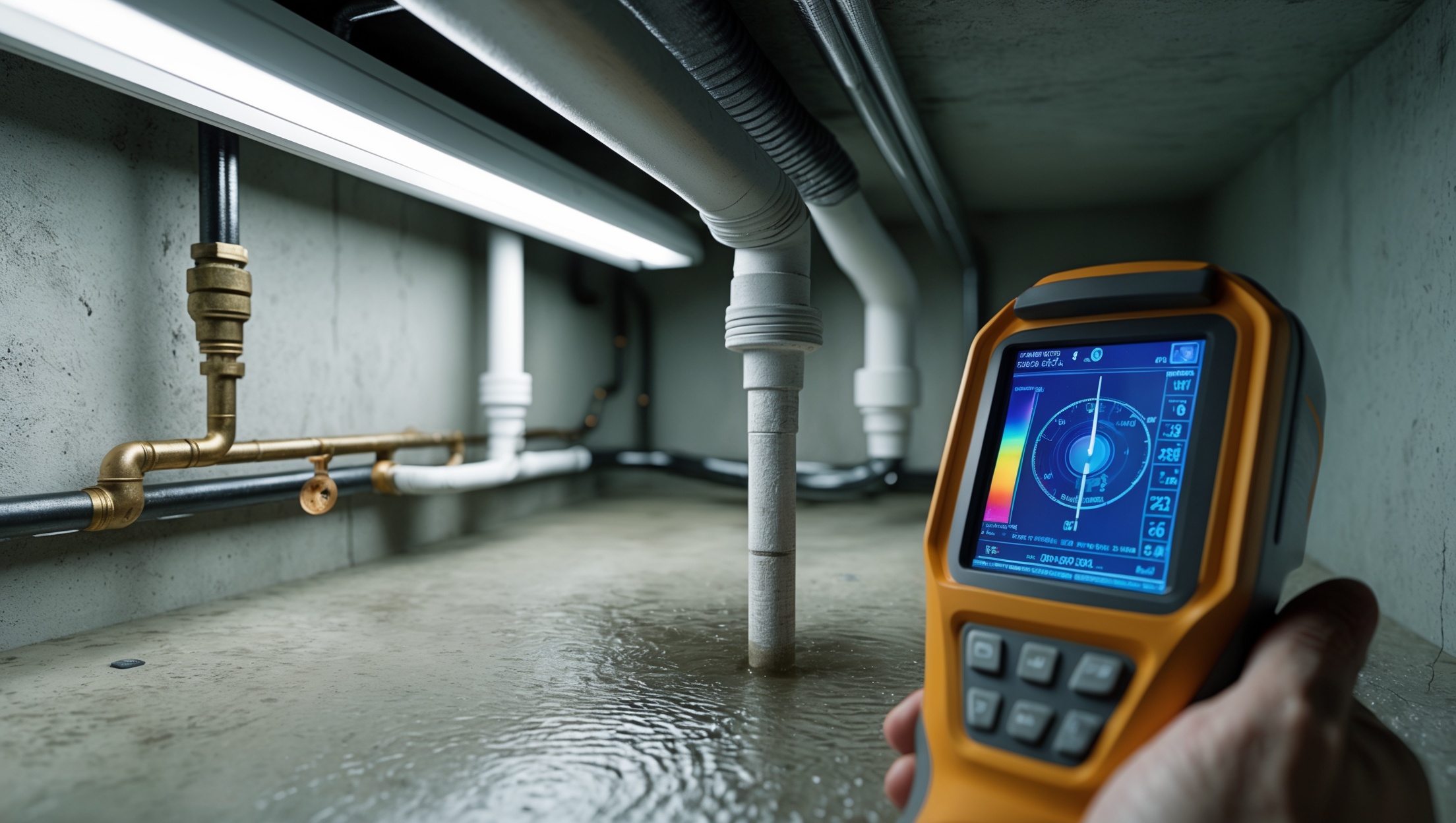
    For tight or hard-to-reach areas behind appliances like stacked laundry units, try using a small inspection mirror and a flashlight to visually check supply lines for signs of corrosion, leaks, or wear. Flexible smartphone cameras or endoscopes (available online or at hardware stores) can let you see behind equipment without moving it. If you suspect issues but can’t get a clear view, consider monitoring for moisture with leak sensors placed near the connections.

Susan Robinson

Budget-wise, is upgrading all the supply lines at once a significant expense? Do most homeowners handle this themselves, or is it safer to hire a plumber, especially when switching from older rubber or copper to newer materials?

    Mario The Plumber

    Upgrading all your supply lines at once can be a noticeable expense, especially if your home has many fixtures or hard-to-reach areas. Many homeowners with basic plumbing skills handle straightforward replacements, especially when switching from rubber to braided stainless steel lines. However, for copper or if you’re unfamiliar with plumbing, hiring a professional is safer to ensure proper installation and avoid leaks or water damage.

Jason Clark

The article notes that aging materials and loose fittings are common culprits for supply line issues. What are the most reliable warning signs to look out for before a supply line actually fails, especially for someone managing several rental units?

    Mario The Plumber

    Watch for signs like water stains on walls or ceilings near supply lines, unexplained increases in water bills, musty odors, or visible corrosion and rust on pipes and fittings. Also, check for dampness around connections and listen for unusual hissing or dripping sounds. With multiple rental units, regular visual inspections are key to catching these early indicators before leaks or failures occur.

Matthew White

If I’m on a budget and need to prioritize which supply lines to replace first, is there a recommended order based on risk or likelihood of failure for specific fixtures like washing machines versus bathroom sinks?

    Mario The Plumber

    If you’re prioritizing on a budget, start with supply lines that are under the most stress or have the highest risk of causing damage if they fail. Washing machine supply lines should come first, as they are pressurized and can cause significant flooding. Next, focus on toilets, then kitchen and bathroom sinks. Regularly check all lines for signs of wear, but replacing those connected to appliances or fixtures used most often is typically the safest bet.

Patricia Rodriguez

You mentioned that flexible braided stainless steel is one of the materials commonly used for supply lines. How do these compare in terms of longevity and risk of failure versus copper tubing, especially in older homes?

    Mario The Plumber

    Flexible braided stainless steel supply lines are popular because they’re easy to install and resist corrosion, but their rubber inner core can degrade over time, usually lasting 5 to 10 years. Copper tubing is more durable and can last decades if properly maintained, although it requires more skill to install. In older homes, copper often outlasts braided lines, but it’s still important to check for corrosion or pinhole leaks, especially if the plumbing is very old.