Plumber Las Vegas News

Your trusted source for plumbing updates, DIY fixes, and industry insights in Las Vegas. Stay informed with practical tips, local trends, and expert advice for homeowners and professionals alike.

Plumbing Pipe Materials Showdown: Comparing Performance, Durability, and Cost

Introduction: Why Pipe Material Choice Matters in Plumbing

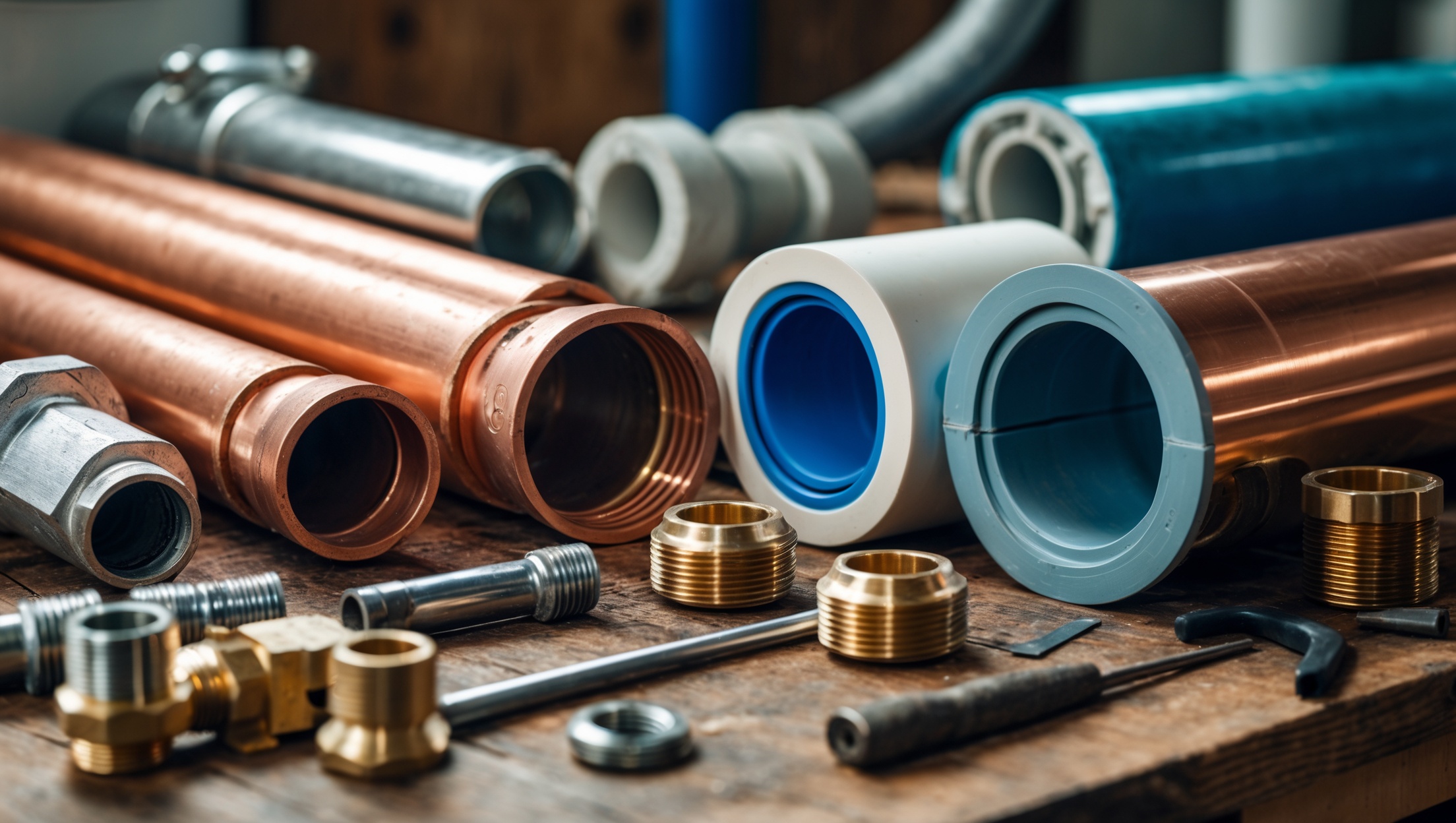
Whether you’re a DIY enthusiast tackling a bathroom renovation or a seasoned plumbing professional, the selection of pipe materials is one of the most critical decisions you’ll make. Each plumbing pipe—copper, PEX, CPVC, PVC, galvanized steel, and others—offers unique advantages and drawbacks in terms of performance, durability, installation ease, and overall cost. The right choice can mean decades of leak-free service, lower maintenance, and savings; the wrong one can result in premature failures, frustrating repairs, and unnecessary expenses.

In this comprehensive guide, we’ll pit the most common residential and light commercial pipe materials against each other. You’ll learn not only which pipe is best for specific applications (hot water lines, main supply, drain lines, etc.), but also get a breakdown of longevity, resistance to freezing, corrosion, installation difficulty, and how each material affects your budget. We’ll also cover evolving industry preferences and touch on eco-friendliness, so you can make an informed, future-proof choice for your next plumbing project.

Overview of Common Plumbing Pipe Materials

Copper Pipe

Overview: Copper has been the gold standard for plumbing for over a century, prized for its reliability and proven longevity. Available in rigid (Type L, M, K) and flexible forms, copper’s popularity has only recently been challenged by newer materials.

  • Uses: Hot and cold potable water, refrigerant lines, hydronic heating.
  • Available Sizes: 1/4″ to 2″ common for residential use.
  • Joining Methods: Soldering (sweating), press-fit, compression, push-fit.

PEX (Crosslinked Polyethylene)

Overview: PEX has rapidly gained ground due to its flexibility, ease of installation, and resistance to scale and chlorine. It’s available in red (hot), blue (cold), and white (universal) colors for easy identification.

  • Uses: Potable water supply, radiant heating systems, remodeling.
  • Available Sizes: 3/8″ to 1″ for most residential applications.
  • Joining Methods: Crimp, clamp, push-fit, expansion fittings.

CPVC (Chlorinated Polyvinyl Chloride)

Overview: CPVC is a plastic pipe designed for hot and cold water supply. It’s similar to PVC but withstands higher temperatures, making it suitable for domestic hot water lines.

  • Uses: Hot and cold potable water, fire sprinkler systems.
  • Available Sizes: 1/2″ to 2″ common in homes.
  • Joining Methods: Solvent cement welding.

PVC (Polyvinyl Chloride)

Overview: PVC is a stalwart for drain, waste, and vent (DWV) piping. While not rated for hot water supply, it excels in non-pressurized and cold water applications.

  • Uses: Drainage, waste, venting, irrigation.
  • Available Sizes: 1 1/2″ to 4″ (and larger) for DWV.
  • Joining Methods: Solvent cement welding, threaded fittings.

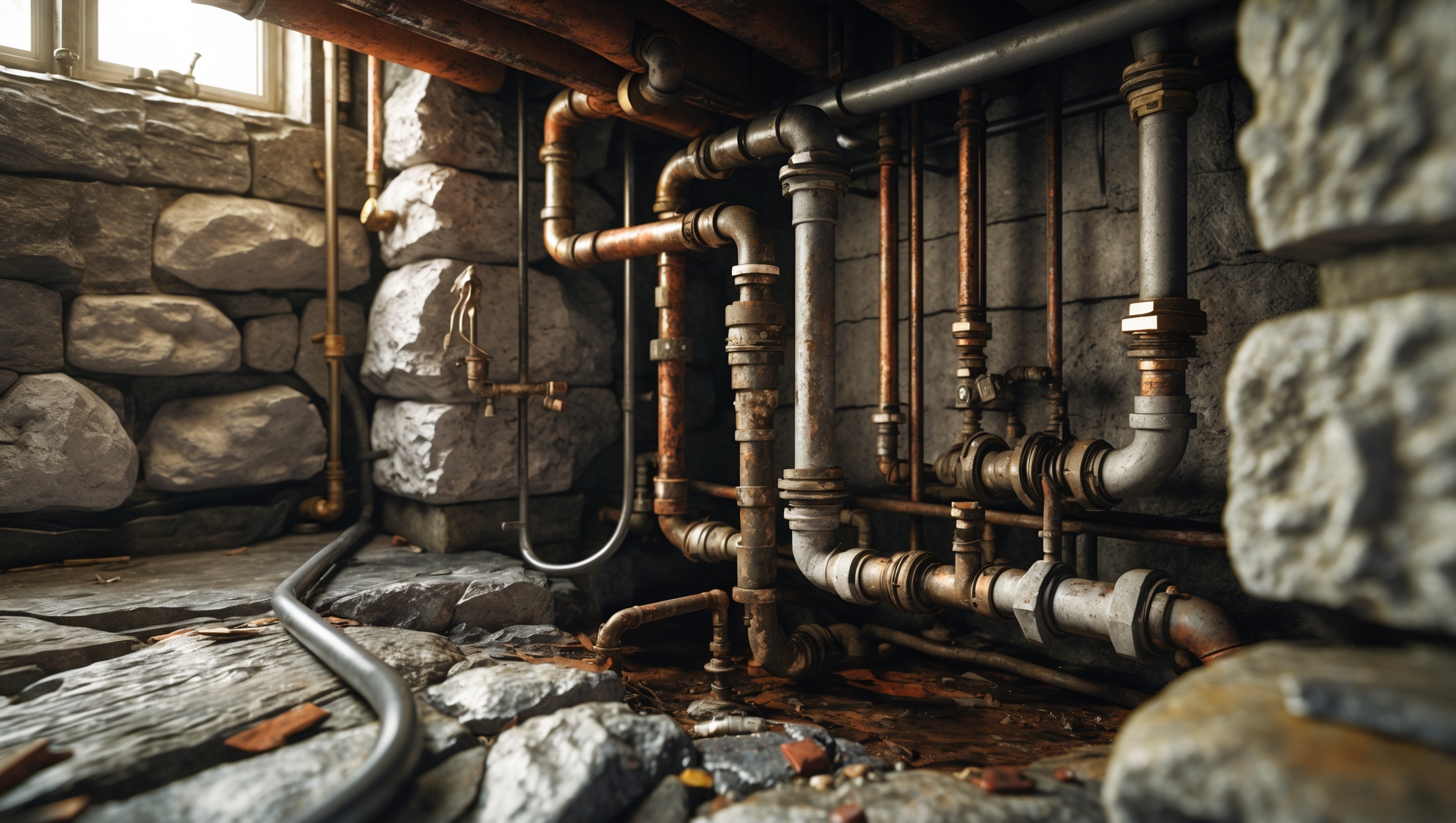
Galvanized Steel

Overview: Once the standard for water supply, galvanized steel is now primarily found in older homes. Corrosion and rust issues have led to its decline in new construction.

  • Uses: Water supply (legacy), outdoor applications.
  • Available Sizes: 1/2″ to 2″.
  • Joining Methods: Threaded fittings.

Other Materials

  • ABS: Used for DWV similar to PVC, black in color.
  • Stainless Steel: Specialty use where corrosion is a concern, expensive.
  • Polybutylene: Discontinued due to failure rates but sometimes encountered in homes built from the late 1970s to mid-1990s.

Performance and Durability: A Head-to-Head Comparison

Longevity

  • Copper: 50–70 years or more with proper water chemistry.
  • PEX: 40–50 years expected in typical conditions.
  • CPVC: 40–50 years, but can become brittle with age.
  • PVC: 50–100 years (for DWV, non-pressurized).
  • Galvanized Steel: 20–50 years; inner corrosion reduces lifespan.

Resistance to Corrosion and Scaling

  • Copper: Resists bacteria, but susceptible to acidic water and pinhole leaks in certain conditions.
  • PEX: Immune to corrosion and scaling; unaffected by most water chemistries.
  • CPVC/PVC: Non-corrosive, but can degrade with UV exposure (especially outdoors).
  • Galvanized Steel: Highly prone to rust, scale buildup, and flow restriction over time.

Temperature and Pressure Ratings

  • Copper: Excellent for hot and cold water, pressure-rated for all residential use.
  • PEX: Withstands up to 200°F and 80 psi; suitable for most residential applications.
  • CPVC: Rated up to 200°F; pressure rating decreases with temperature.
  • PVC: Not for hot water (max 140°F), mainly for drain lines.
  • Galvanized Steel: Handles high pressure but not recommended for hot water due to corrosion risk.

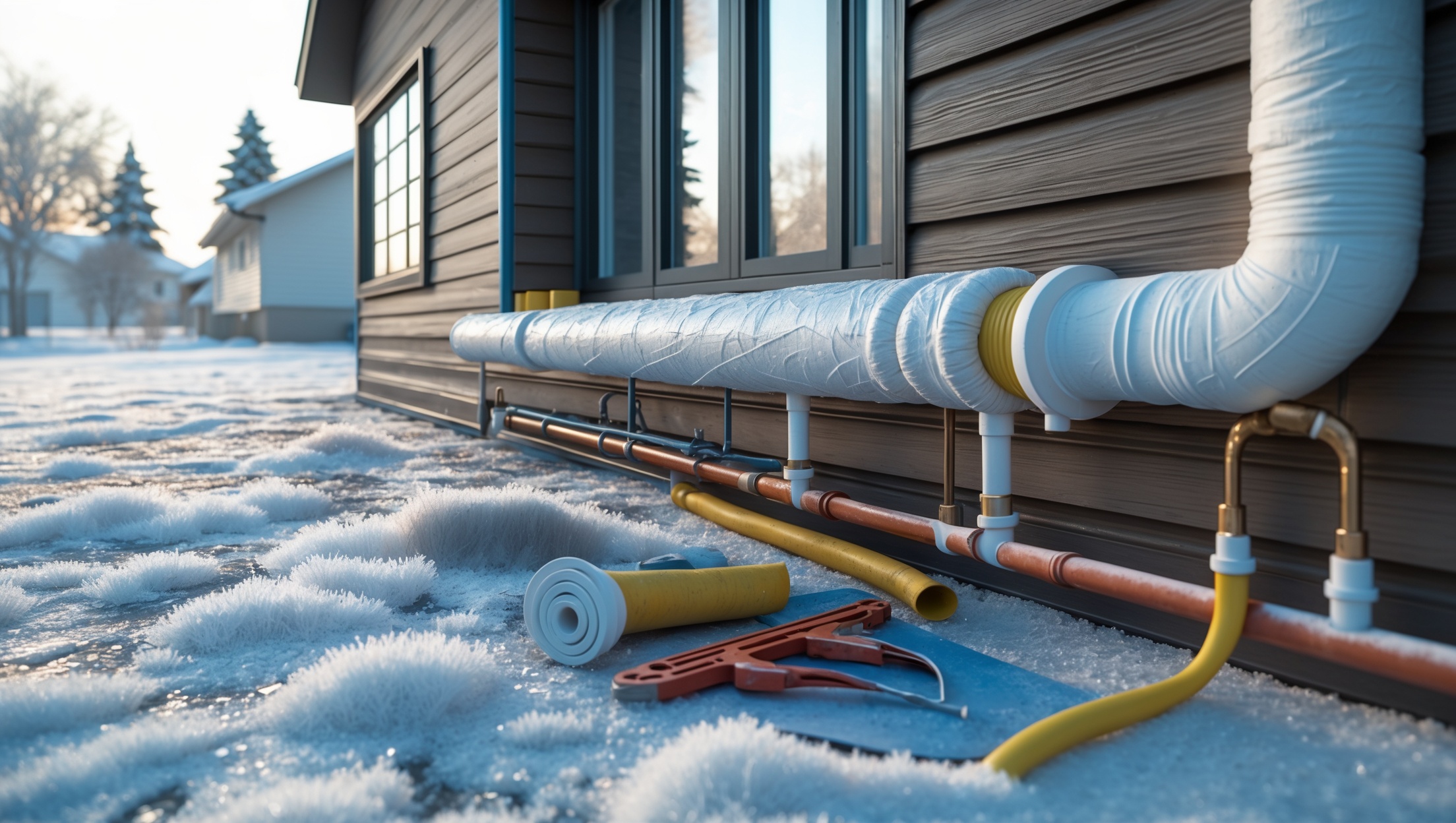
Freeze Resistance

  • Copper: Will burst if water freezes inside. No flexibility.
  • PEX: Expands and contracts, highly resistant to freeze-breakage.
  • CPVC/PVC: Brittle when frozen; likely to crack or split.
  • Galvanized Steel: Rigid, will burst if frozen.

Installation Ease: Labor and DIY Friendliness

Copper

Requires precise measuring, cutting, cleaning, and soldering (or press-fit fittings). While durable, it’s labor-intensive and has a steeper learning curve for beginners. Open flames (torches) introduce fire hazards. Repairs in tight spaces can be challenging.

PEX

Extremely flexible, allowing for long, continuous runs and easy routing around obstacles. Installation with crimp/clamp/expansion tools is fast and requires no torch. Ideal for remodels and retrofits, as it can be snaked through walls and joists. Push-fit fittings enable quick repairs, though they add cost.

CPVC

Cut with standard plastic pipe cutters or saws, joined with solvent cement. No heat or special tools required. Joints must be dry and clean for best results. Brittle nature makes it less suited for areas with movement or vibration.

PVC

Similar to CPVC but almost exclusively used for DWV (drainage) piping. Lightweight, easy to cut and fit. Solvent welding is straightforward but requires proper ventilation.

Galvanized Steel

Heavy, difficult to cut and thread, and prone to rusting tools. Installation is slow and laborious, requiring pipe wrenches and threading equipment. Rarely recommended for new DIY work.

Cost Breakdown: Material, Labor, and Long-Term Value

Material Costs (per 10 feet, 2024 average)

  • Copper (Type L): $25–$35
  • PEX: $5–$8
  • CPVC: $7–$10
  • PVC (DWV): $4–$6
  • Galvanized Steel: $20–$30

Note: Fitting costs vary—copper and PEX push-fit fittings can be significantly more expensive than standard connections.

Labor Costs

  • Copper: High. Skilled labor for soldering and tight clearances.
  • PEX: Low. Fast installation offsets slightly higher fitting costs.
  • CPVC/PVC: Moderate. Easy to cut and join, but must allow for curing time.
  • Galvanized Steel: Very high. Labor-intensive and slow.

Long-Term Maintenance and Replacement

  • Copper: Minimal if installed properly, but susceptible to water chemistry issues in some areas.
  • PEX: Virtually maintenance-free, but some fittings and brands have had recall issues—choose reputable manufacturers.
  • CPVC: Vulnerable to impact and aging; may require replacement after decades.
  • Galvanized Steel: High maintenance; expect eventual replacement due to corrosion.

Environmental and Health Considerations

Water Quality and Taste

  • Copper: Generally neutral, but acidic water can leach copper (rarely an issue at normal pH).
  • PEX: Some brands may impart a slight taste/odor initially; certified products are safe for potable water.
  • CPVC/PVC: No known taste; only use certified pipes for potable water.
  • Galvanized Steel: Can impart a metallic taste and cause discoloration.

Recyclability and Eco-Friendliness

  • Copper: 100% recyclable; high scrap value.
  • PEX/CPVC/PVC: Difficult to recycle; most ends up in landfills.
  • Galvanized Steel: Recyclable, but less commonly done.

Health and Safety Notes

  • Always use pipes and fittings certified for potable water (look for NSF/ANSI 61 certification).
  • Improper installation or use of non-potable-grade pipes can lead to contamination.
  • Never use PVC for hot water supply—only for drains and vents.

Application Guide: Choosing the Right Pipe for the Job

Supply Lines (Hot and Cold Water)

  • Best Choices: Copper, PEX, CPVC
  • Considerations: PEX for ease and flexibility. Copper for longevity and reliability. CPVC if plastic is preferred and budget is limited.

Remodels and Retrofits

  • Best Choice: PEX
  • Reason: Flexibility allows routing through existing walls with minimal demolition.

Drain, Waste, and Vent (DWV)

  • Best Choices: PVC, ABS
  • Reason: Lightweight, cost-effective, and resistant to corrosion.

Outdoor and Specialty Applications

  • Best Choices: Copper (with insulation), PEX (buried lines, with protective sleeves), stainless steel (where extreme corrosion is a concern).

Pros and Cons Table: At a Glance

Material Pros Cons Best For
Copper Long lifespan, recyclable, proven reliability, resists bacteria Expensive, labor-intensive, vulnerable to acidic water Main supply, visible runs, high-value homes
PEX Flexible, cost-effective, freeze-resistant, fast install UV sensitive, can’t be used outdoors, lower scrap value Retrofits, new builds, radiant heating
CPVC Inexpensive, chemical-resistant, easy to install Brittle over time, not for freezing climates Budget supply lines, DIY upgrades
PVC Low cost, corrosion-proof, easy to work with Not for hot water, brittle in cold Drain, waste, vent lines
Galvanized Steel Strong, historically reliable Heavy, rusts, hard to install, obsolete Legacy repairs only

Case Studies: Real-World Examples

Case Study 1: Full-Home Repiping in an Older Residence

An early-1960s home with failing galvanized steel was repiped using PEX. The installer was able to snake PEX through existing wall cavities, minimizing drywall damage and reducing labor time by 40%. Material costs were a third of copper, and all work passed inspection. The homeowner observed better water flow and no metallic taste.

Case Study 2: Copper in a High-End Remodel

For a luxury bathroom addition, copper was chosen for visible supply lines and shower fixtures. The project required skilled soldering but resulted in an elegant, professional finish. The higher upfront cost was justified by the expected lifespan and premium feel.

Case Study 3: CPVC in a Budget Kitchen Update

A DIYer replaced aging copper under a kitchen sink with CPVC due to its affordability and simple solvent welding. The job was completed with basic tools in a single afternoon. While not as durable as copper, the project met budget constraints and improved flow.

Maintenance and Troubleshooting Tips by Material

Copper

  • Check for greenish corrosion spots, especially at joints.
  • Address pinhole leaks promptly; they may indicate water chemistry issues.
  • Drain system if soldering repairs are needed.

PEX

  • Protect from direct sunlight (UV exposure).
  • Inspect fittings for leaks after extreme temperature swings.
  • Use manufacturer-recommended tools and connectors.

CPVC/PVC

  • Check for brittleness or cracks, especially near fixtures or where exposed.
  • Support long runs to prevent sagging and stress on joints.
  • Avoid impact and overtightening of fittings.

Galvanized Steel

  • Look for rust, discoloration, and reduced water flow.
  • Replace sections showing advanced corrosion instead of patching.

Frequently Asked Questions

  • Can I mix pipe materials in my plumbing system? Yes, but use approved transition fittings and check local codes for compatibility.
  • Is PEX safe for drinking water? Yes, if it carries NSF/ANSI 61 certification.
  • Can I use PVC for water supply lines? No, use only for drains and vents—never for pressurized potable water.
  • What’s the best pipe for hard water areas? PEX or CPVC, as they resist scale buildup.

Conclusion: Making an Informed Choice for Long-Term Success

Choosing the right plumbing pipe material isn’t just a technical decision—it’s a critical investment in your home’s safety, efficiency, and value. Copper offers unmatched longevity and a time-tested reputation, but requires a higher upfront investment and professional skill. PEX brings flexibility, ease, and affordability to the table, making it the top choice for many modern homes and remodels. CPVC and PVC provide budget-friendly options for water supply and drainage, respectively, but come with their own caveats regarding impact resistance and temperature limits. Galvanized steel, while obsolete for new installations, serves as a cautionary tale about the importance of material evolution in the plumbing industry.

When planning your next plumbing project, weigh the pros and cons outlined in this guide. Consider your region’s climate, water chemistry, budget, and the expected lifespan of your installation. Don’t forget to check local codes, as some jurisdictions restrict certain materials for specific uses. Finally, invest in quality fittings and proper installation—no material, however advanced, can compensate for poor workmanship.

By understanding the strengths and weaknesses of each pipe material, you’ll be equipped to make smart, sustainable choices that keep your plumbing system running smoothly for decades to come. Whether you’re laying the foundation for a new home or tackling a long-overdue update, your pipe selection will shape the reliability and comfort of your living space for years ahead.

134 comments
Andrew Lopez

I’m planning a bathroom renovation in an older home with some existing copper pipes, but I’m tempted by the easier installation of PEX for the new sections. Is it a good idea to mix the two, and are there any issues I should watch out for when connecting copper to PEX?

    Mario The Plumber

    Mixing PEX with existing copper pipes is quite common in renovations, and it can simplify installation. However, you’ll need the right fittings—look for push-fit or crimp-style connectors specifically designed for copper-to-PEX transitions. Be sure to follow local plumbing codes and check for any manufacturer recommendations to avoid leaks or corrosion at the connection points. Also, ensure the pipes are properly supported and insulated where needed.

Matthew Johnson

You mentioned the industry’s evolving preferences regarding eco-friendliness. Are there any pipe materials highlighted here that are especially recommended for homeowners prioritizing sustainable or low-impact choices?

    Mario The Plumber

    Yes, the article highlights PEX and copper pipes as strong options for homeowners seeking sustainable choices. Copper is recyclable and has a long lifespan, making it a low-impact material. PEX, while plastic-based, uses less energy to produce compared to traditional metal pipes and is lightweight, which reduces transportation emissions. Both materials are increasingly favored for their eco-friendly profiles.

Patricia Martin

I noticed the article mentions both PEX and CPVC for potable water supply lines. In your experience, is there a significant difference in how each handles repeated exposure to high-temperature water, especially over a decade or more?

    Mario The Plumber

    PEX generally handles repeated high-temperature water better than CPVC over the long term. PEX is more flexible and resistant to bursting from thermal expansion, while CPVC can become brittle and is more prone to cracking with prolonged high heat exposure. Over a decade or more, PEX tends to maintain its integrity better in hot water applications, making it a popular choice for homes with frequent hot water use.

Emily Clark

I’m about to renovate an old bathroom and I noticed you mention both copper and PEX as good options. Could you elaborate on how each holds up to potential freezing, especially in colder climates like upstate New York?

    Mario The Plumber

    Copper pipes are strong but can burst if water inside them freezes, which is a concern in cold climates like upstate New York. PEX, on the other hand, is more flexible and can expand slightly if water freezes, making it less likely to burst. For areas prone to freezing, many homeowners prefer PEX for its freeze resistance, though proper insulation is still important for both materials.

Rachel Rodriguez

Your article touched on eco-friendliness—could you share more about which pipe materials have the least environmental impact, especially when it comes to manufacturing or end-of-life disposal?

    Mario The Plumber

    Copper and PEX pipes generally have a lower environmental impact compared to older materials like PVC or galvanized steel. Copper is fully recyclable and has a long lifespan, reducing overall waste. PEX uses less energy to produce and can be recycled, though facilities for PEX recycling are limited. PVC, on the other hand, involves toxic chemicals both in manufacturing and disposal, making it less eco-friendly. If sustainability is your priority, copper is often considered the best choice.

Kevin Moore

When it comes to eco-friendliness, are there clear differences in recyclability or environmental impact between copper and the various plastics like PEX or CPVC that a homeowner should consider?

    Mario The Plumber

    Copper is highly recyclable and can be reused with minimal loss in quality, making it an environmentally friendly option. PEX and CPVC, while durable, are plastics and less commonly recycled; they are typically sent to landfills at end-of-life. Additionally, plastic pipe production involves petrochemicals, which can have a higher environmental footprint than copper. If eco-friendliness and recyclability are priorities, copper is generally considered the greener choice.

Richard Clark

You touched on eco-friendliness, but could you go into more detail about which pipe material is considered most environmentally friendly in terms of both manufacturing and long-term disposal?

    Mario The Plumber

    Copper pipes are generally considered the most environmentally friendly option. Copper is a natural material, can be recycled repeatedly without losing quality, and its production has become more energy-efficient over time. PEX and PVC require more energy to produce, are petroleum-based, and present challenges for recycling or safe disposal. In terms of both manufacturing and end-of-life impact, copper stands out as the greener choice.

Michelle Martin

For a small business that’s concerned about eco-friendliness, which material would be the best pick among those listed? I’m interested in both the environmental impact of manufacture and the potential for recycling down the road.

    Mario The Plumber

    Copper pipes tend to be a top choice for eco-friendly businesses. Copper is a natural material, has a long lifespan, and is widely recycled—both scrap from installation and pipes at end-of-life can be processed efficiently. PEX and PVC use more energy and chemicals in manufacturing and are harder to recycle, so copper usually offers a better overall environmental profile.

Nancy Clark

If someone has an older home with galvanized steel supply lines, what would you recommend as the best replacement option, considering both longevity and ease of installation?

    Mario The Plumber

    For replacing galvanized steel supply lines in an older home, PEX piping is generally a top choice. It’s durable, resists corrosion, and is much easier to install than copper, especially in tight spaces or around obstacles. Copper is another excellent option for longevity, but it typically costs more and requires more labor to install. PEX usually offers the best balance of longevity and ease of installation for most homeowners.

Mary Lee

I noticed you touched on eco-friendliness when comparing pipe materials. Could you elaborate on which options are considered most environmentally responsible, both in terms of manufacturing and long-term use?

    Mario The Plumber

    Copper and PEX pipes are generally considered among the more environmentally responsible options. Copper is recyclable and has a long lifespan, but mining can have environmental impacts. PEX uses less energy to produce and is lightweight, reducing transportation emissions, though it’s not always recyclable. CPVC and PVC have higher environmental costs due to chemical manufacturing processes and limited recyclability. For long-term use, pipes that last longer and resist corrosion, like copper and PEX, tend to have a lower environmental footprint over time.

Linda Garcia

For homes in colder climates, which pipe type handles freeze resistance better—PEX or CPVC? I’m especially curious since you pointed out resistance to freezing as a factor, and I’d like to avoid any burst pipe issues during winter.

    Mario The Plumber

    PEX is generally a better choice than CPVC for homes in colder climates when it comes to freeze resistance. PEX can expand slightly if water inside freezes, making it less likely to crack or burst compared to the more rigid CPVC, which is prone to splitting when frozen. If minimizing freeze-related pipe damage is your top concern, PEX is typically safer.

Michael Perez

When considering the budget for a DIY plumbing project, how do the upfront costs of PEX and CPVC compare with copper once you factor in the tools and fittings needed for installation? Are the savings significant enough to justify choosing plastic over metal?

    Mario The Plumber

    PEX and CPVC both have noticeably lower upfront costs than copper, especially when you account for tools and fittings. PEX is often the most budget-friendly, with simple push-fit or crimp tools, while CPVC requires basic cutting and solvent cement. Copper is more expensive due to the pipe cost itself, plus the need for a torch and solder. The savings with PEX or CPVC can be significant, making them a popular choice for DIY projects if long-term durability and local code compliance are also considered.

Megan Jones

If I’m living in a cold climate where frozen pipes are a concern, which material—copper, PEX, or CPVC—offers the best resistance to freezing and bursting? The article touched on resistance but I’d like more specifics.

    Mario The Plumber

    PEX is generally your best option for cold climates. It’s flexible, so if water inside freezes, the pipe can expand and is much less likely to burst compared to copper or CPVC. Copper is strong but rigid and more prone to bursting if water freezes inside. CPVC is also rigid and can crack under freezing conditions. For added protection, regardless of material, consider proper insulation and keeping pipes in heated spaces if possible.

Margaret Jackson

In your experience, are there certain local code restrictions or inspector preferences that tend to limit the use of CPVC or PEX in specific residential applications, particularly in older regions or municipalities?

    Mario The Plumber

    Yes, some older regions or municipalities do have local codes or inspector preferences that limit the use of CPVC or PEX, especially in renovations of historic homes or multi-family buildings. Copper may be required for certain applications, and in some places, CPVC or PEX isn’t permitted for potable water lines or exposed installations. It’s always wise to check with your local permitting office or a licensed plumber about current code requirements before starting a project.

Emily Moore

When it comes to budget, does the lower upfront cost of PVC or PEX systems actually hold up after you factor in special tools or fittings? I’m trying to plan for total project costs, not just the price per foot of pipe mentioned.

    Mario The Plumber

    You’re right to look beyond just the price per foot. While PVC and PEX pipes are generally cheaper upfront than copper, keep in mind that PEX often requires special crimping tools and unique fittings, which can increase initial setup costs. PVC fittings are usually inexpensive and easy to work with. For a full project, PEX may end up slightly more costly than PVC when adding tools, but both are still more budget-friendly overall compared to copper.

Richard Hernandez

You touched on eco-friendliness and evolving industry preferences. For someone concerned about environmental impact, is there a clear winner among all these pipe materials, or does it depend more on the installation and disposal practices?

    Mario The Plumber

    There isn’t a single pipe material that’s always the best environmentally, as the overall impact depends on both the material and how it’s handled during installation and disposal. PEX and copper are often considered more eco-friendly when sourced responsibly and recycled properly. However, practices like minimizing waste, reducing chemical use, and ensuring proper recycling play a big role in lessening environmental impact regardless of the material chosen.

Ashley Taylor

I noticed you mentioned that copper has been the gold standard for plumbing but that newer materials like PEX are gaining popularity. For a busy family home with both old and new plumbing, would it make sense to mix copper and PEX, and are there any compatibility issues I should watch out for?

    Mario The Plumber

    Mixing copper and PEX in a busy family home is quite common, especially during renovations or repairs. The main thing to watch out for is using proper fittings, like brass or specially designed transition fittings, to connect the two materials securely. Also, make sure to use a dielectric union or appropriate connector to prevent corrosion at the joints. Otherwise, they’re generally compatible when installed correctly.

Nancy Jones

I’m planning to redo the water lines in my old house and noticed you mentioned that PEX is good for remodels due to its flexibility. Are there any specific challenges or things to look out for when replacing existing copper with PEX in an older home?

    Mario The Plumber

    When replacing copper with PEX in an older home, watch for sharp edges or leftover burrs in old fittings that might damage PEX. Make sure to use proper transition fittings between copper and PEX to avoid leaks. Also, double-check local codes, as some areas have restrictions on PEX. Finally, if your home has a lot of bends or tight spaces, plan your runs carefully to avoid kinks in the PEX tubing.

Julie Jackson

Could you explain more about how installation difficulty and labor costs differ between PEX and galvanized steel for a full bathroom remodel?

    Mario The Plumber

    PEX is much easier and quicker to install than galvanized steel. PEX is flexible, can be snaked through walls with fewer fittings, and usually requires less labor time. In contrast, galvanized steel is heavy, requires cutting and threading, and generally needs skilled labor, which makes installation more time-consuming and expensive. For a full bathroom remodel, expect significantly higher labor costs with galvanized steel compared to PEX.

John Harris

The article talks about pipe materials affecting budgets. Could you give an estimated cost comparison between doing a bathroom remodel with CPVC versus PEX, including tools required for installation?

    Mario The Plumber

    For a typical bathroom remodel, CPVC pipe and fittings usually cost a bit more than PEX. Expect CPVC materials for a small bathroom to run about $100–$150, while PEX is around $80–$120. Tool-wise, CPVC requires a pipe cutter and solvent cement (about $30 total), while PEX needs a crimping tool and rings (roughly $50–$70). PEX is generally quicker to install, potentially saving on labor if you’re hiring out.

Rachel Harris

I’m curious how different pipe materials handle freezing temperatures. Is there one that is less likely to burst if pipes freeze, especially for homes in cold climates?

    Mario The Plumber

    PEX (cross-linked polyethylene) pipes handle freezing temperatures better than most other materials because they are flexible and can expand if water inside them freezes, making them less likely to burst. Copper and rigid plastic pipes, like PVC, are more prone to cracking or bursting when frozen. For cold climates, PEX is often the preferred choice for minimizing freeze-related damage.

Helen Gonzalez

Do you have any advice on which pipe materials are best at resisting freeze damage in regions with harsh winters? The resistance to freezing was mentioned, but I wonder if certain types perform noticeably better in real-world situations.

    Mario The Plumber

    For harsh winter climates, PEX piping often performs best against freeze damage. Its flexibility allows it to expand if water inside freezes, making it less prone to bursting compared to rigid materials like copper or PVC. While no material is entirely immune to freeze damage, PEX generally offers the most real-world resilience. Regardless of pipe choice, good insulation and proper installation are key to reducing the risk of freezing.

Kevin Smith

I noticed eco-friendliness was mentioned briefly. Are there any specific pipe materials that are currently considered better for the environment, both in terms of manufacturing impact and safe disposal later?

    Mario The Plumber

    Copper and PEX are often considered more eco-friendly choices for plumbing. Copper is durable, recyclable, and has a long lifespan, though its mining and processing do have some environmental impacts. PEX (cross-linked polyethylene) uses less energy to produce and is lightweight, reducing transport emissions, but it isn’t as easily recyclable. Cast iron is another option that is highly recyclable and lasts for decades. PVC and CPVC, while inexpensive, are less favored environmentally due to chemical concerns in manufacturing and disposal.

Matthew Davis

Could you clarify which pipe materials are most resistant to freezing temperatures? We get some harsh winters, and I want to avoid issues with burst pipes if possible.

    Mario The Plumber

    For areas with harsh winters, PEX (cross-linked polyethylene) pipes are among the best choices because they are flexible and can expand slightly if water inside them freezes, making them less likely to burst. Copper pipes are also common, but they are more prone to splitting if frozen water expands inside. PVC and CPVC pipes are brittle in low temperatures and can crack more easily. So, for freeze resistance, PEX is generally your safest bet.

Richard Lopez

You mentioned the growing industry shift from copper to newer materials like PEX. In long-term remodeling projects, how do ongoing supply chain or local code changes affect the choice between traditional and modern pipe materials?

    Mario The Plumber

    Ongoing supply chain fluctuations can impact both availability and pricing of materials like copper or PEX, which might delay a remodeling project or increase costs unexpectedly. Local plumbing codes also evolve, sometimes favoring newer materials due to updated safety or efficiency standards. It’s wise to check both current and anticipated code requirements and consult with suppliers to confirm reliable access to your preferred pipe material before committing to a choice.

Aaron Wilson

I saw that installation difficulty varies between materials, with PEX being noted for its ease of use compared to copper. Is there a significant learning curve for DIYers considering CPVC or PVC instead, or do those materials also offer beginner-friendly installation?

    Mario The Plumber

    CPVC and PVC are generally beginner-friendly, especially compared to copper. Both use solvent cement to join pipes and fittings, which means you don’t need special tools like a torch. The process involves measuring, cutting, dry-fitting, and then gluing the pieces together. Most DIYers find CPVC and PVC manageable, just be sure to work in a well-ventilated area due to the cement fumes and follow manufacturer instructions closely.

Anthony Moore

You touched on eco-friendliness, which matters to our family. Can you expand a bit on which pipe materials are considered most sustainable or have the smallest environmental impact from manufacturing to disposal?

    Mario The Plumber

    Copper and PEX pipes are often seen as more sustainable choices. Copper is recyclable and has a long lifespan, though mining and processing have some environmental impact. PEX uses less energy and produces fewer emissions during manufacturing, and its lightweight nature lowers transportation impacts, but it is not biodegradable. CPVC and PVC are less eco-friendly due to chemical production and disposal concerns. For minimal environmental impact, look for recycled copper or certified eco-friendly PEX.

Joshua Taylor

Could you expand a bit more on the cost breakdown for these materials, specifically labor versus material expenses? I’m trying to estimate a realistic budget for replacing galvanized steel pipes in a 2,000-square-foot home.

    Mario The Plumber

    Certainly! For replacing galvanized steel pipes in a 2,000-square-foot home, material costs vary—PEX is generally the least expensive, followed by CPVC and then copper, with copper being the priciest per linear foot. Labor typically makes up about 50–70% of the total cost, since removing old galvanized pipes can be labor-intensive. For a job like yours, expect material to account for one-third to half the total, with labor taking the rest. Costs will also depend on your location and the complexity of the home’s layout.

Andrew Lee

I see that installation difficulty varies between pipe types. For someone planning a DIY bathroom renovation with limited experience, which material is generally considered the most beginner-friendly and forgiving if mistakes are made?

    Mario The Plumber

    For DIY bathroom renovations with limited experience, PEX (cross-linked polyethylene) piping is often considered the most beginner-friendly option. It’s flexible, lightweight, and uses simple connection systems like crimp or push-fit fittings, which are more forgiving if you need to make adjustments. Unlike copper or PVC, PEX doesn’t require soldering or glue, making installation safer and easier for first-timers.

Ashley Jones

In the article, you mention that copper pipes are joined by soldering, press-fit, compression, or push-fit methods. As a first-timer, is one of these joining methods easier or better for DIY, especially when I’m working in a tight bathroom space?

    Mario The Plumber

    For a first-timer working in a tight bathroom space, push-fit fittings are usually the easiest and most convenient option. They don’t require special tools, open flames, or much room to maneuver. Just make sure the pipe is cut cleanly and inserted fully. Compression fittings are also beginner-friendly, but push-fit is generally simpler, especially in cramped areas.

Robert Lewis

I see the article talks about PEX being more resistant to freezing compared to copper. Does that mean PEX pipes are less likely to burst in extremely cold climates, or are there still precautions homeowners should take in the winter?

    Mario The Plumber

    PEX pipes are indeed less likely to burst than copper when water freezes, because PEX is flexible and can expand slightly. However, it’s still possible for PEX to be damaged if exposed to prolonged or extreme freezing. Homeowners should continue to insulate exposed pipes, maintain adequate heating, and take other winter precautions to minimize any risk.

Sarah Sanchez

If my main concern is upfront cost versus long-term durability, especially for a commercial tenant space, which material would you recommend balancing both without risking future repairs?

    Mario The Plumber

    For a commercial tenant space where you want to balance upfront cost and long-term durability, PEX and copper are both reliable choices. PEX is usually less expensive to install and resists corrosion, making it a solid option if budget is tight. Copper has a higher initial cost but excels in terms of longevity and durability. If you want the lowest risk of future repairs while keeping costs reasonable, PEX is often the best compromise for commercial settings.

Anthony White

The article mentions evolving industry preferences and eco-friendliness. Are there any newer pipe materials on the market that combine good durability with a lower environmental impact compared to PVC or copper?

    Mario The Plumber

    Yes, newer materials like PEX (cross-linked polyethylene) and polypropylene (PP) are gaining popularity for plumbing. Both offer good durability, are resistant to corrosion, and generally have a lower environmental impact during production compared to traditional PVC or copper. Additionally, PP is fully recyclable, and PEX uses less energy to manufacture. These options are increasingly preferred for their eco-friendliness and performance.

Susan Clark

I’m planning to redo the plumbing in my older home and was wondering how the longevity of PEX compares with copper, especially in terms of potential for leaks or failures over several decades. Are there specific issues homeowners should watch for with either material?

    Mario The Plumber

    PEX and copper both offer impressive longevity—copper can last 50+ years, while PEX typically lasts 40–50 years if installed correctly. Copper is more prone to pinhole leaks from corrosion, especially in acidic water, while PEX is resistant to corrosion but can be damaged by UV light or rodents. With PEX, ensure it’s kept out of sunlight and protected in accessible areas. With copper, watch for signs of corrosion and consider water quality. Both materials perform well if installed properly and inspected periodically.

Kevin Harris

If I’m planning to replace some old galvanized steel pipes in my basement, would you recommend switching to PEX or copper for the best combination of durability and ease of installation? I’m worried about long-term reliability as well as how complex the process might be.

    Mario The Plumber

    Both PEX and copper are solid upgrades from galvanized steel, but PEX is generally easier and faster to install, especially in tight spaces like basements. It’s also less expensive and resistant to corrosion. Copper is very durable and has a long track record, but it requires soldering and careful handling. For most homeowners prioritizing durability, long-term reliability, and a simpler installation, PEX is usually the preferred choice.

Kevin Lewis

You mentioned resistance to freezing as a factor—how do PEX and CPVC actually perform in colder climates, and are extra measures needed to prevent pipe bursts compared to copper or galvanized steel?

    Mario The Plumber

    PEX handles freezing temperatures better than both CPVC and copper because it can expand and contract, making it less likely to burst if water inside freezes. CPVC is more brittle and can crack in extreme cold, similar to copper and galvanized steel, which are also prone to bursting when frozen water expands. In very cold climates, regardless of pipe type, it’s still a good idea to insulate pipes, keep cabinet doors open under sinks, and maintain some heat in spaces where plumbing runs to reduce burst risk.

William Sanchez

The article lists a few different joining techniques like soldering, press-fit, and compression for copper pipes. For a DIYer without much specialized equipment, which joining method would you recommend as the most approachable and safe?

    Mario The Plumber

    For a DIYer with limited tools and experience, compression fittings are usually the most approachable and safe method for joining copper pipes. They don’t require heat or expensive equipment—just a couple of basic wrenches. Press-fit systems are also beginner-friendly but need a special tool, while soldering requires practice and a torch, making it less ideal for beginners.

Betty White

The article mentions longevity and maintenance, but can you elaborate on how different pipe materials handle water pressure fluctuations over time? For homes with occasionally high pressure, is there a material that holds up better and reduces the risk of leaks?

    Mario The Plumber

    Copper pipes are generally excellent at handling water pressure fluctuations and are less likely to burst or develop leaks due to their strength and rigidity. PEX also performs well, as its flexibility allows it to expand slightly under pressure, reducing the risk of cracks. On the other hand, PVC and CPVC are more rigid and may be prone to cracking if exposed to frequent pressure spikes. For homes with occasional high pressure, copper or PEX would be the safer choices.

Julie Jones

I’m planning to replace some old galvanized pipes in my house and am curious—how does PEX actually hold up against copper when it comes to resistance to freezing and potential bursting in colder climates?

    Mario The Plumber

    PEX is generally more resistant to freezing and bursting than copper. Because PEX is flexible, it can expand slightly if water inside freezes, which reduces the risk of cracks or splits. Copper, being rigid, is more likely to burst if water freezes inside the pipe. So, in colder climates, PEX tends to perform better in terms of freeze resistance.

Jessica Rodriguez

You mentioned installation difficulty for different pipe materials—could you elaborate on how much time a typical DIYer should expect to spend installing PEX compared to copper or CPVC in a standard bathroom remodel?

    Mario The Plumber

    For a standard bathroom remodel, DIYers usually find PEX the quickest to install—often taking about 4 to 6 hours. This is because PEX is flexible and uses simple crimp or push-fit connections. Copper generally takes longer, around 8 to 12 hours, due to cutting, precise measuring, and soldering. CPVC installation falls in between, with most projects taking about 6 to 8 hours, as the pipes need to be measured and glued.

Lisa Hernandez

As someone trying to future-proof my project, I’m curious about environmental impact. How do the eco-friendliness and recyclability of copper compare to PEX, especially given evolving industry preferences mentioned in the article?

    Mario The Plumber

    Copper is generally considered more eco-friendly than PEX because it is a natural material, can be recycled indefinitely without loss of quality, and its recycling process is well established. PEX, while durable and popular for installations, is made from petroleum-based materials and is not widely recycled at this time. If environmental impact and recyclability are top priorities for your project, copper is usually the greener choice despite its higher cost.

Jason Wilson

For climates with frequent freezes, does the article recommend PEX over copper or CPVC when considering both initial cost and potential for freeze damage? I’m hoping to minimize the risk of burst pipes but also need to stick to a tight budget.

    Mario The Plumber

    The article points out that PEX is generally a better choice for areas with frequent freezes. PEX is more flexible than copper or CPVC, making it less likely to burst if water inside freezes. It’s usually less expensive to install than copper and often comparable or cheaper than CPVC, so it fits well with a tight budget and reduces freeze damage risk.

Mary Jackson

I saw the section about PEX being resistant to scale and chlorine, which is great, but I’ve heard some concerns about taste or odor in drinking water lines. Have you found any issues with water quality when switching from copper to PEX, especially in hot climates?

    Mario The Plumber

    PEX pipes can sometimes cause a slight taste or odor when first installed, particularly if the water sits in the pipes for a while or if the installation is in a hot climate. However, most users report that this effect fades after regular use and thorough flushing. Compared to copper, there’s generally no long-term water quality issue, but sensitive individuals may notice a temporary difference initially.

Kevin Rodriguez

For older homes currently using galvanized steel, what’s typically involved in upgrading to PVC or PEX? Are there any common complications homeowners should anticipate during a repiping project?

    Mario The Plumber

    Upgrading from galvanized steel to PVC or PEX usually means a full repiping, which involves removing old pipes and installing new ones throughout the home. Common complications include accessing pipes hidden behind walls or in tight spaces, potential asbestos or lead exposure in older construction, and temporarily shutting off water supply. It’s wise to budget for drywall repairs and to use a licensed plumber familiar with older homes to avoid unexpected issues.

Jennifer Rodriguez

For a tight budget, which pipe material offers the best compromise between upfront cost and long-term durability for a typical residential water supply? I’m curious if a slightly higher initial investment can really pay off over time.

    Mario The Plumber

    For a tight budget, PEX (cross-linked polyethylene) pipes often provide the best balance between a low upfront cost and long-term durability for residential water supply. While PVC is even cheaper initially, PEX resists corrosion and freezes better, which can lower maintenance costs over time. Investing a bit more in PEX up front usually pays off with fewer repairs and a longer service life compared to the cheapest options.

Thomas Jones

The article breaks down installation difficulty for each pipe type, but if I’m planning a DIY bathroom renovation, which material is generally the most forgiving for beginners, particularly regarding joining methods and potential mistakes?

    Mario The Plumber

    For DIY bathroom renovations, PEX pipe is typically the most beginner-friendly option. It’s flexible, lightweight, and uses simple push-fit or crimp connections that don’t require soldering or special skills. Mistakes with PEX are often easier to correct compared to rigid materials like copper or PVC, making it a forgiving choice for novices tackling their first project.

Christopher Lopez

If I’m planning a long-term renovation, are there any recent changes in plumbing codes or industry trends that might make me reconsider using traditional copper pipes for new water supply lines?

    Mario The Plumber

    Yes, there have been some notable shifts in both plumbing codes and industry trends. Many regions now accept or even prefer PEX and CPVC pipes due to their flexibility, lower cost, and easier installation. These materials are also less prone to corrosion than copper. Additionally, some codes are starting to address water conservation and lead-free standards more strictly, which can affect copper usage. It’s a good idea to check your local plumbing codes and consider modern alternatives before making a final decision.

Michelle Anderson

Your article mentions both up-front cost and long-term durability for different pipe materials. Could you give a rough idea of how the total cost of ownership compares between copper and PEX over a 20-year period for a typical home?

    Mario The Plumber

    Over a 20-year period, PEX tends to have a lower total cost of ownership than copper. PEX is less expensive to purchase and install, and it usually requires fewer repairs. Copper costs more up front, and while it can last longer, repairs and potential corrosion add to the long-term cost. For a typical home, PEX may save you several thousand dollars over two decades compared to copper.

Donna Rodriguez

For a DIY remodel where budget is pretty tight, which material would give the best balance between cost and ease of installation without sacrificing too much on durability? Any pitfalls you’d warn beginners about with some of the newer materials like PEX or CPVC?

    Mario The Plumber

    For a tight budget and easy DIY installation, PEX is often the best choice. It’s flexible, affordable, and simpler to work with than copper or even CPVC. Just be sure to use the correct fittings and tools—improper connections can lead to leaks. Also, keep PEX away from direct sunlight and avoid running it too close to hot appliances, as it can degrade with UV exposure and high heat.

Michelle Sanchez

If I’m planning a DIY bathroom remodel, what are the main things I should consider when deciding between CPVC, PEX, and copper for hot water lines?

    Mario The Plumber

    When choosing between CPVC, PEX, and copper for hot water lines in your bathroom remodel, think about installation ease, durability, cost, and local building codes. PEX is very flexible and easy to install, even around corners. CPVC is affordable but can be brittle if not handled carefully. Copper is durable and resists bacteria but costs more and requires soldering skills. Double-check compatibility with your water quality and whether your local code allows PEX or CPVC for hot water lines.

Joshua Harris

For a small business trying to keep upfront costs low but avoid headaches down the road, which material strikes the best balance between installation ease and future repair costs?

    Mario The Plumber

    For small businesses mindful of upfront costs and long-term reliability, PEX piping offers a good balance. It’s less expensive and easier to install than copper, reducing labor costs, yet it’s durable and resistant to corrosion. While copper has a longer track record, PEX typically means fewer future repairs and lower installation hassles, making it a smart choice for your situation.

James Rodriguez

For an older building that sometimes has pipes freeze in winter, does your guide suggest whether PEX or any other material is notably better at handling freezing conditions without bursting compared to copper or galvanized steel?

    Mario The Plumber

    PEX stands out as a better option for freezing conditions in older buildings. Unlike copper or galvanized steel, PEX is flexible and can expand if water inside freezes, making it less likely to burst. Copper and steel pipes are more rigid and prone to cracking when frozen. If pipe freezing has been an issue, PEX is generally a safer choice for durability.

Thomas Rodriguez

Could you elaborate a bit more on how each pipe material handles resistance to freezing? I’m in a colder climate and want to avoid burst pipes down the road.

    Mario The Plumber

    Certainly! Copper pipes can freeze and burst if not insulated, as metal conducts cold easily. PEX is quite flexible and handles freezing better, often expanding without breaking. PVC and CPVC are more brittle—if water inside freezes, they’re likely to crack or split. For cold climates, PEX is generally the safest bet, but proper insulation is important for any pipe material to reduce freezing risks.

Thomas Jackson

I’m trying to keep my renovation on a tight budget, but I also don’t want to deal with frequent repairs. Are there any hidden long-term maintenance costs with choosing PVC or CPVC over copper?

    Mario The Plumber

    PVC and CPVC are both affordable and resist corrosion, but they can become brittle over time and may crack in very cold temperatures or if exposed to direct sunlight. While their upfront cost is lower than copper, you might need to replace sections sooner, especially if pipes are exposed to freezing or UV light. Copper is more expensive initially, but it tends to last longer and usually requires less maintenance over decades.

Brian Rodriguez

I’m working with a limited renovation budget and need to balance upfront costs with durability. Your cost breakdown hints at differences, but can you give a ballpark estimate of how much more expensive copper is compared to PEX for a typical small office plumbing job?

    Mario The Plumber

    Copper piping is typically about three to four times more expensive than PEX for the materials alone. For a small office project, if PEX materials might cost around $500, copper could easily run $1,500 or more. Labor costs can be higher for copper as well due to the need for soldering and extra fittings. PEX is much more budget-friendly upfront and still offers good durability for most office settings.

Mary Clark

The article mentions copper’s long lifespan, but I’ve heard mixed things about how it stands up to modern water with higher chlorine levels. Are there scenarios where PEX outperforms copper in terms of long-term durability against corrosion and chemical resistance?

    Mario The Plumber

    You’re correct that higher chlorine levels in water can accelerate corrosion in copper pipes over time, potentially reducing their lifespan. In contrast, PEX is highly resistant to chlorine and most chemicals commonly found in municipal water supplies. In areas where water has elevated chlorine content or is particularly aggressive, PEX often outperforms copper in terms of long-term durability, as it doesn’t corrode, pit, or develop leaks from chemical exposure.

Joseph Anderson

The article mentions copper’s proven longevity, but how does it perform in areas with highly acidic or hard water compared to alternatives like PEX or PVC?

    Mario The Plumber

    Copper pipes are highly durable, but in areas with highly acidic water, they can corrode more quickly than alternatives like PEX or PVC. Hard water can also cause mineral buildup inside copper pipes, potentially impacting flow over time. In contrast, PEX and PVC are resistant to both acidic and hard water conditions, making them a better choice for areas with challenging water quality.

Jennifer Thompson

The article breaks down installation difficulty, but I’m still a bit confused. If I want to keep my overall budget low without sacrificing too much reliability, which pipe material strikes the best balance for a DIY project—PVC, CPVC, or PEX?

    Mario The Plumber

    For a DIY project where you want to save money but still get good reliability, PEX is often the best choice. It’s usually less expensive than CPVC, easier to install than both PVC and CPVC, and requires fewer fittings. It’s also flexible, which means fewer joints and less risk of leaks. PVC is cheaper but mainly for cold water, and CPVC can handle hot water but is trickier to work with.

Sandra Ramirez

When the article talks about copper being the gold standard for so long but now being challenged by newer materials like PEX, what are the main downsides of copper that are making people switch, aside from just cost?

    Mario The Plumber

    Beyond cost, copper pipes can be prone to corrosion, especially if your water is acidic or has certain mineral content. They can also be harder to install, often requiring soldering and specialized skills. Copper pipes are less flexible, which makes them tricky for retrofits or running through tight spaces. These factors, along with potential pinhole leaks over time, are key reasons homeowners are considering newer options like PEX.

Mary Davis

I noticed you listed materials like CPVC and PEX for potable water supplies. Can you clarify if there are any long-term health or taste issues with water running through these plastics compared to copper?

    Mario The Plumber

    CPVC and PEX are both approved for potable water use and generally considered safe, as they meet strict health standards. Most users do not notice any taste issues, but a few may detect a slight plastic taste with new pipes, which typically fades over time. Copper pipes are inert and less likely to affect taste, though they can introduce a slight metallic flavor initially. Both types are widely used, with no significant long-term health concerns reported for CPVC or PEX.

Jessica Johnson

The article mentions that copper pipe comes in different types like L, M, and K. How do you decide which type is best for a residential main supply line if you want a balance of cost and durability?

    Mario The Plumber

    Type L copper pipe is usually the best choice for a residential main supply line when you want both durability and reasonable cost. Type L has thicker walls than Type M, making it more durable and better suited for main lines with higher pressure. Type K is even thicker and more expensive, but it’s often more than you need for typical home plumbing. So, Type L strikes a good balance for most homes.

Michael Anderson

When it comes to durability and resistance to freezing, which material would you prioritize for main supply lines in parts of the country where freezing is a concern? The article mentions both longevity and freeze resistance but I’m not sure which material balances both best.

    Mario The Plumber

    For areas with freezing concerns, PEX is typically the best choice for main supply lines. PEX is flexible, which allows it to expand slightly if water freezes inside, reducing the risk of burst pipes. It also has good longevity, often lasting 40-50 years or more. While copper is durable, it is more prone to bursting if water freezes. So, for balancing both durability and freeze resistance, PEX stands out.

Jason Gonzalez

I noticed copper pipes have been used for decades, but with the rising costs of materials, is it still cost-effective to choose copper over PEX or CPVC for an entire bathroom remodel? Are there long-term savings that offset the initial expense of copper?

    Mario The Plumber

    Copper pipes are more expensive upfront than PEX or CPVC, both in material and installation cost. While copper does offer excellent durability and resists corrosion, the long-term savings aren’t always significant enough to offset the higher initial investment for most residential bathrooms. PEX and CPVC are both reliable, easier, and cheaper to install, and they perform well in typical bathroom conditions, making them more cost-effective choices for most remodels.

Michael Perez

When considering resistance to freezing and potential burst pipes, does the guide suggest which material is least likely to cause headaches in colder climates? I’m worried about winterizing my plumbing in the Northeast.

    Mario The Plumber

    The article highlights PEX as the best option for cold climates like the Northeast. PEX is flexible and can expand slightly if water inside freezes, making it much less likely to burst compared to rigid materials like copper or CPVC. For your concerns about freezing and winterizing, PEX is generally the least troublesome choice.

Emily Thomas

The article mentions that copper pipes have been the gold standard for a long time, but newer materials like PEX are gaining popularity. What are some situations where copper is still a better choice than PEX, especially in terms of long-term durability?

    Mario The Plumber

    Copper pipes are still a strong choice in situations where long-term durability and resistance to sunlight and rodent damage are priorities. For outdoor installations or areas exposed to ultraviolet light, copper outperforms PEX, which can degrade under UV exposure. Copper is also better in high-temperature applications and doesn’t absorb chemicals from water, making it ideal for drinking water lines. Additionally, some building codes or insurance policies may favor copper for its proven track record.

Aaron Thomas

You touched on eco-friendliness in the article. How do the disposal or recycling options compare for copper pipes versus the newer plastics like PEX and CPVC when old pipes are removed?

    Mario The Plumber

    When old copper pipes are removed, they can be easily recycled through metal scrap yards, making copper a highly recyclable option with good resale value. PEX and CPVC plastics, on the other hand, are less widely recycled—most recycling centers do not accept them, so they usually end up as landfill waste. Copper is definitely the better choice if recycling and eco-friendly disposal are priorities.

Charles Lopez

You touched on eco-friendliness. Is there a particular pipe type that stands out for sustainability, either in terms of how it’s manufactured or end-of-life recycling options?

    Mario The Plumber

    Copper pipes are often highlighted for sustainability because copper is naturally abundant, recyclable, and can be reused indefinitely without losing quality. At the end of their lifespan, copper pipes are commonly recycled. PEX and PVC are less eco-friendly since they are plastic-based and more challenging to recycle, and their production involves more chemicals. If sustainability is a top priority, copper is a strong choice.