
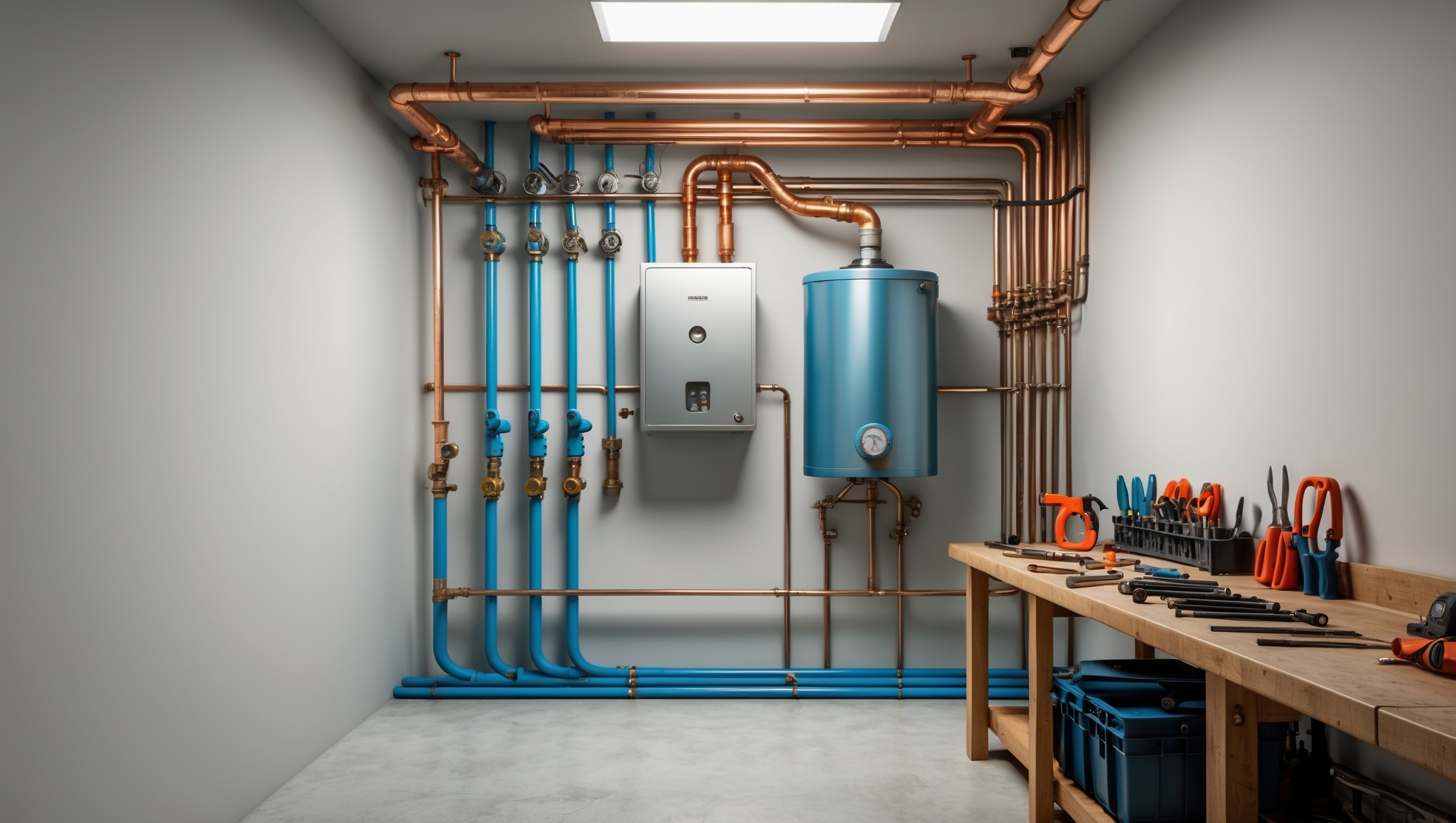
Introduction: Why Plumbing Maintenance Schedules Matter
When it comes to home upkeep, plumbing maintenance is often out of sight and out of mind—until a leak, burst pipe, or clogged drain causes mayhem. While many homeowners wait for a problem to surface, seasoned professionals know that a proactive maintenance schedule is the real secret to avoiding emergencies, saving money, and extending the lifespan of every plumbing component. Not all systems require the same attention: some need monthly checks, others annual inspections, and a few can go years between servicing if you know what to look for. In this comprehensive guide, we’ll break down exactly how often you should service every major plumbing system in your home. From water heaters and sump pumps to drains and shutoff valves, you’ll find a practical, easy-to-follow maintenance calendar that helps you stay ahead of costly repairs. Whether you’re a DIY enthusiast or someone who prefers to call in the pros, this schedule empowers you to keep your plumbing in peak condition year-round. Let’s dive into the specifics, system by system, so you can create a personalized maintenance plan that fits your home, your budget, and your peace of mind.
How to Use This Plumbing Maintenance Schedule
This guide is organized by major plumbing systems and components. For each, you’ll find:
- Recommended maintenance frequency (monthly, quarterly, annually, etc.)
- Key tasks to perform
- Warning signs that servicing is overdue
- DIY tips and when to call a professional
Print it, bookmark it, or add reminders to your calendar—this schedule is designed to be your go-to reference for systematic plumbing care.
Monthly Plumbing Maintenance Tasks
1. Drains (Sinks, Showers, Tubs)
- Frequency: Monthly
- Tasks: Flush with hot water or a safe enzyme cleaner; check for slow drainage; clear hair and debris from stoppers and grates.
- Warning Signs: Persistent odors, gurgling sounds, water backing up.
- DIY Tip: Avoid chemical drain cleaners, which can damage pipes; use a drain snake for minor clogs.
2. Faucets and Showerheads
- Frequency: Monthly
- Tasks: Inspect for drips or leaks; clean aerators and showerheads to remove mineral buildup.
- Warning Signs: Decreased water pressure, visible lime scale, or constant dripping.
- DIY Tip: Soak aerators/showerheads in vinegar overnight to dissolve deposits.
3. Visible Pipes and Toilet Bases
- Frequency: Monthly
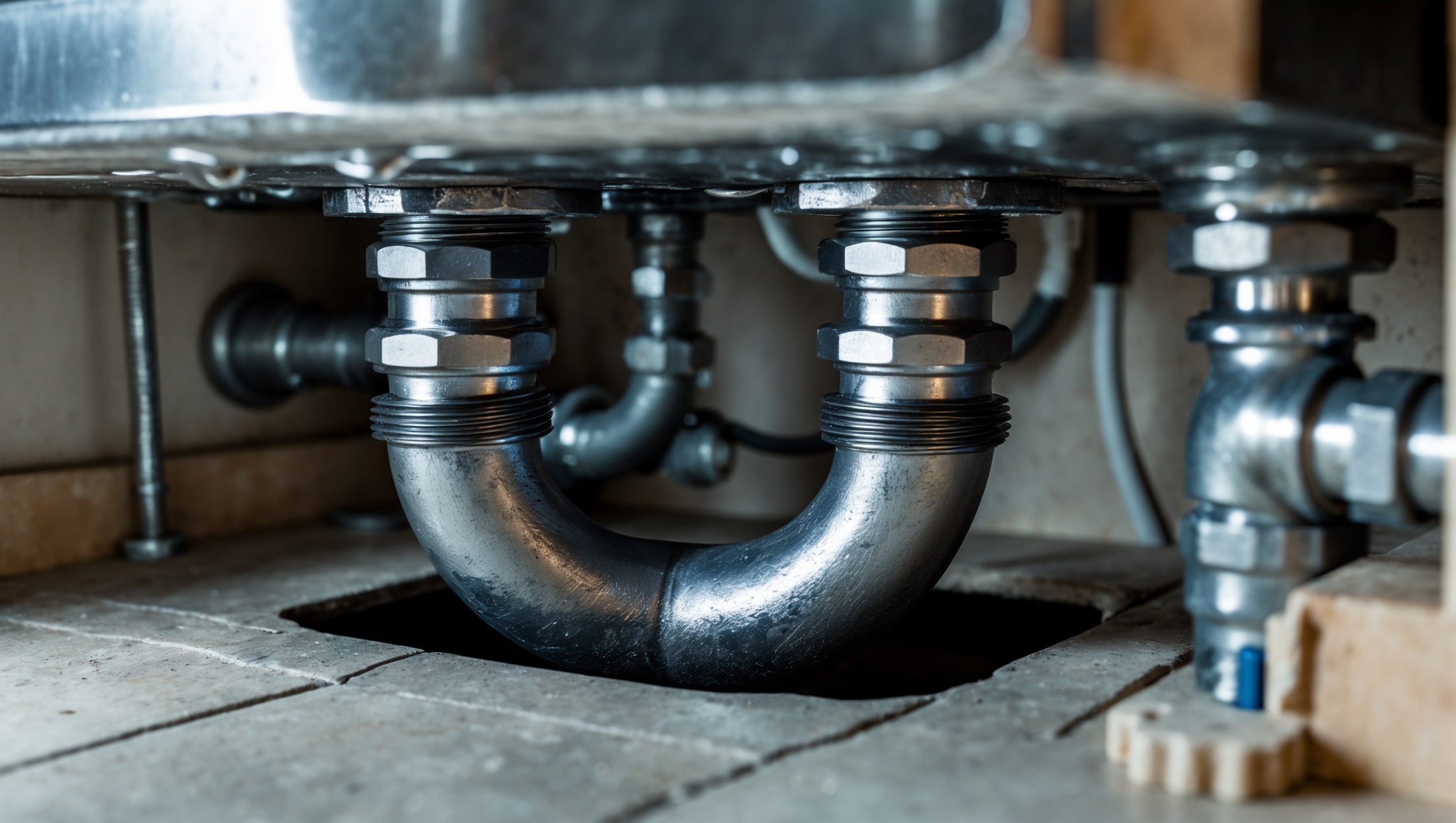
- Tasks: Visually inspect for leaks, corrosion, or puddles under sinks and around toilets.
- Warning Signs: Moisture, rust, or discolored flooring.
- DIY Tip: Place a paper towel at the base of toilets and under suspect pipes to detect slow leaks.
Quarterly Plumbing Maintenance Tasks
1. Garbage Disposal
- Frequency: Every 3 months
- Tasks: Clean with a mixture of ice cubes and salt; deodorize with citrus peels; check splash guard for grime.
- Warning Signs: Foul odors, grinding noises, slow drainage.
- DIY Tip: Always run cold water while using the disposal to prevent buildup.
2. Dishwasher & Washing Machine Hoses
- Frequency: Every 3 months
- Tasks: Inspect hoses for cracks, bulges, or leaks; ensure connections are secure.
- Warning Signs: Dampness, rust, or mineral accumulation at hose ends.
- DIY Tip: Replace hoses every 5 years or sooner if any wear is detected.
Biannual Plumbing Maintenance Tasks
1. Water Pressure Check
- Frequency: Every 6 months
- Tasks: Test household water pressure with a pressure gauge (ideal: 40–60 psi for most homes).
- Warning Signs: Sudden drops or spikes in pressure, banging pipes (water hammer).
- DIY Tip: High pressure can damage appliances; install a pressure-reducing valve if needed.
2. Sump Pump Test
- Frequency: Before rainy season and after heavy use
- Tasks: Pour a bucket of water into the sump pit to ensure pump activates; clean the pit and check the discharge line for clogs.
- Warning Signs: Sump pump fails to start, strange noises, visible rust or debris.
- DIY Tip: Keep the area around the pump clear to ensure proper operation.
Annual Plumbing Maintenance Tasks
1. Water Heater (Tank and Tankless)
- Frequency: Annually
- Tasks: Drain and flush tank to remove sediment (tank models); check pressure relief valve; inspect anode rod for corrosion; clean intake filters (tankless).
- Warning Signs: Rumbling noises, reduced hot water, water around the base of the heater.
- DIY Tip: Turn off power/gas before servicing; consult the manual for specific instructions.
- Call a Pro: If you notice rust in water or the anode rod is heavily corroded.
2. Main Sewer Line Inspection
- Frequency: Annually (or every 2–3 years if no issues)
- Tasks: Schedule a professional camera inspection, especially for older homes or those with large trees nearby.
- Warning Signs: Frequent backups, sewage odors, slow drains throughout the house.
- Pro Only: Main line blockages or repairs should be handled by licensed plumbers.
3. Shutoff Valves and Supply Lines
- Frequency: Annually
- Tasks: Operate all shutoff valves (main, toilets, sinks) to prevent sticking; check for leaks and replace if corroded or stiff.
- Warning Signs: Valves that won’t turn, leaks at the handle, visible rust.
- DIY Tip: Lubricate valve stems with plumber’s grease if sticking is minor.
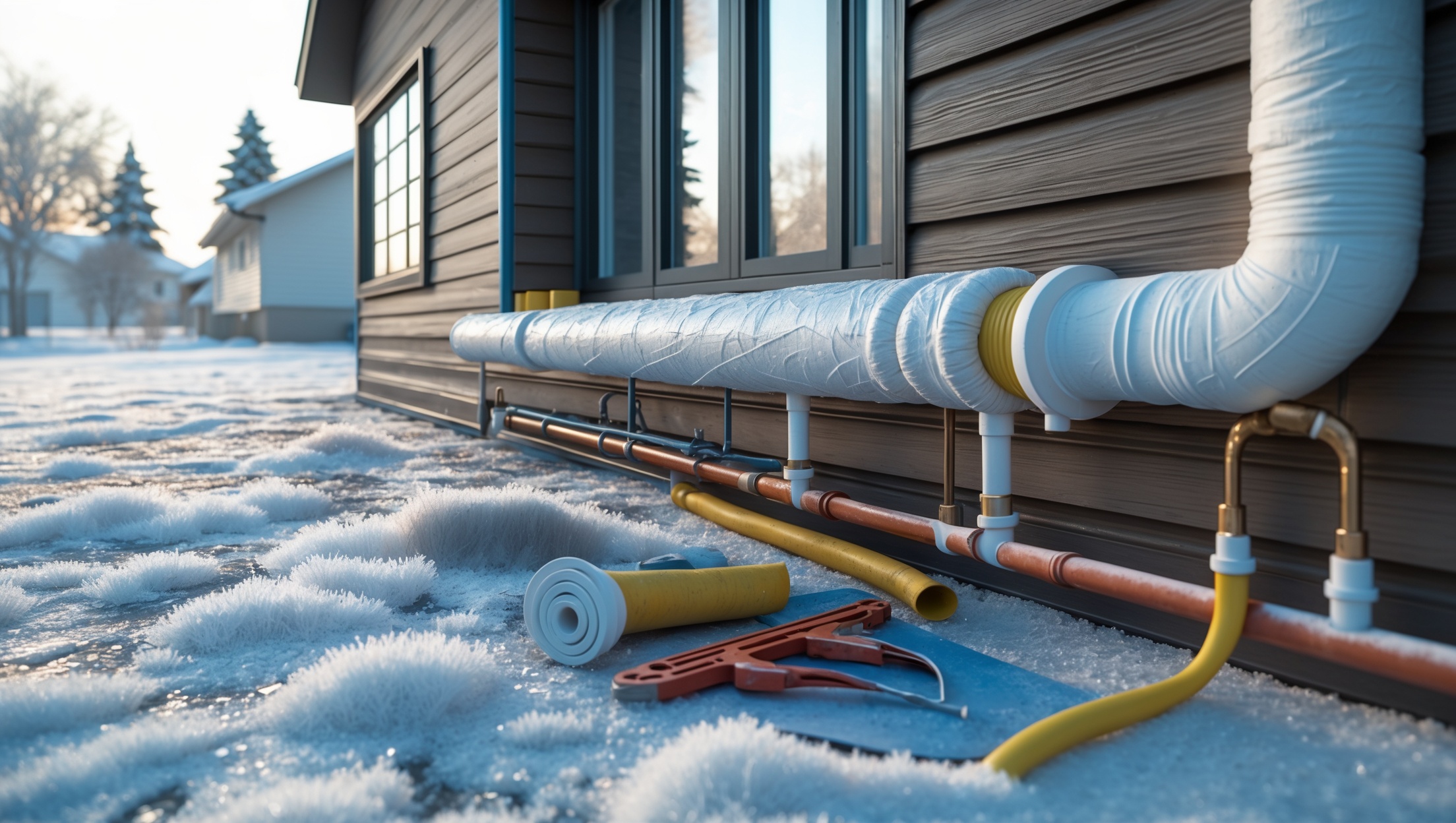
4. Outdoor Plumbing (Hose Bibbs, Irrigation Lines)
- Frequency: Annually (spring or fall)
- Tasks: Inspect for leaks, cracks, and freeze damage; disconnect hoses before winter; drain irrigation lines before first frost.
- Warning Signs: Dripping faucets, wet patches in the yard, leaks inside exterior walls.
- DIY Tip: Install frost-proof hose bibbs in cold climates.
5. Toilet Internal Components
- Frequency: Annually
- Tasks: Check fill valve, flapper, and flush handle for wear; clean or replace as needed.
- Warning Signs: Phantom flushing, continuous running, hissing sounds.
- DIY Tip: Use food coloring in the tank to detect slow leaks into the bowl.
6. Water Filtration and Softener Systems
- Frequency: Annually (or as manufacturer recommends)
- Tasks: Replace filters, clean brine tank, check for salt bridges in softeners.
- Warning Signs: Water tastes off, visible scaling, low water pressure.
- DIY Tip: Always sanitize filter housings during replacement.
Long-Term Plumbing Maintenance Tasks
1. Replacing Supply Hoses (Appliances & Fixtures)
- Frequency: Every 5 years (or sooner if damaged)
- Tasks: Replace washing machine, dishwasher, and toilet supply hoses with braided stainless steel options.
- Warning Signs: Bulging, cracking, or rust at connection points.
- DIY Tip: Always hand-tighten, then snug with a wrench—do not overtighten.
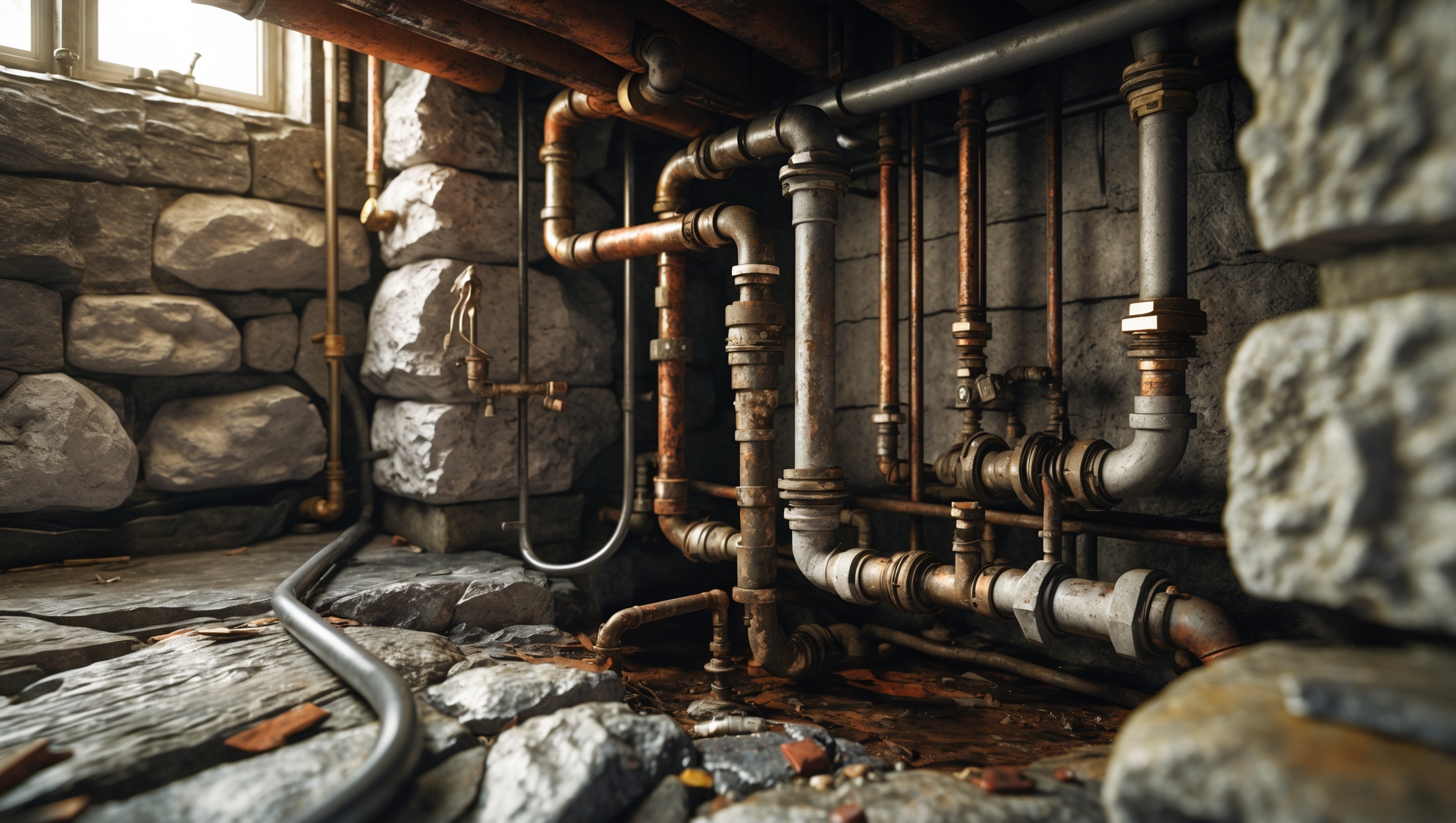
2. Inspection of Hidden Pipes (Walls, Crawlspaces, Basements)
- Frequency: Every 3–5 years, or during major renovations
- Tasks: Check for leaks, corrosion, and insulation condition; inspect for signs of pests or water damage.
- Warning Signs: Mold, musty odors, unexplained spikes in water bills.
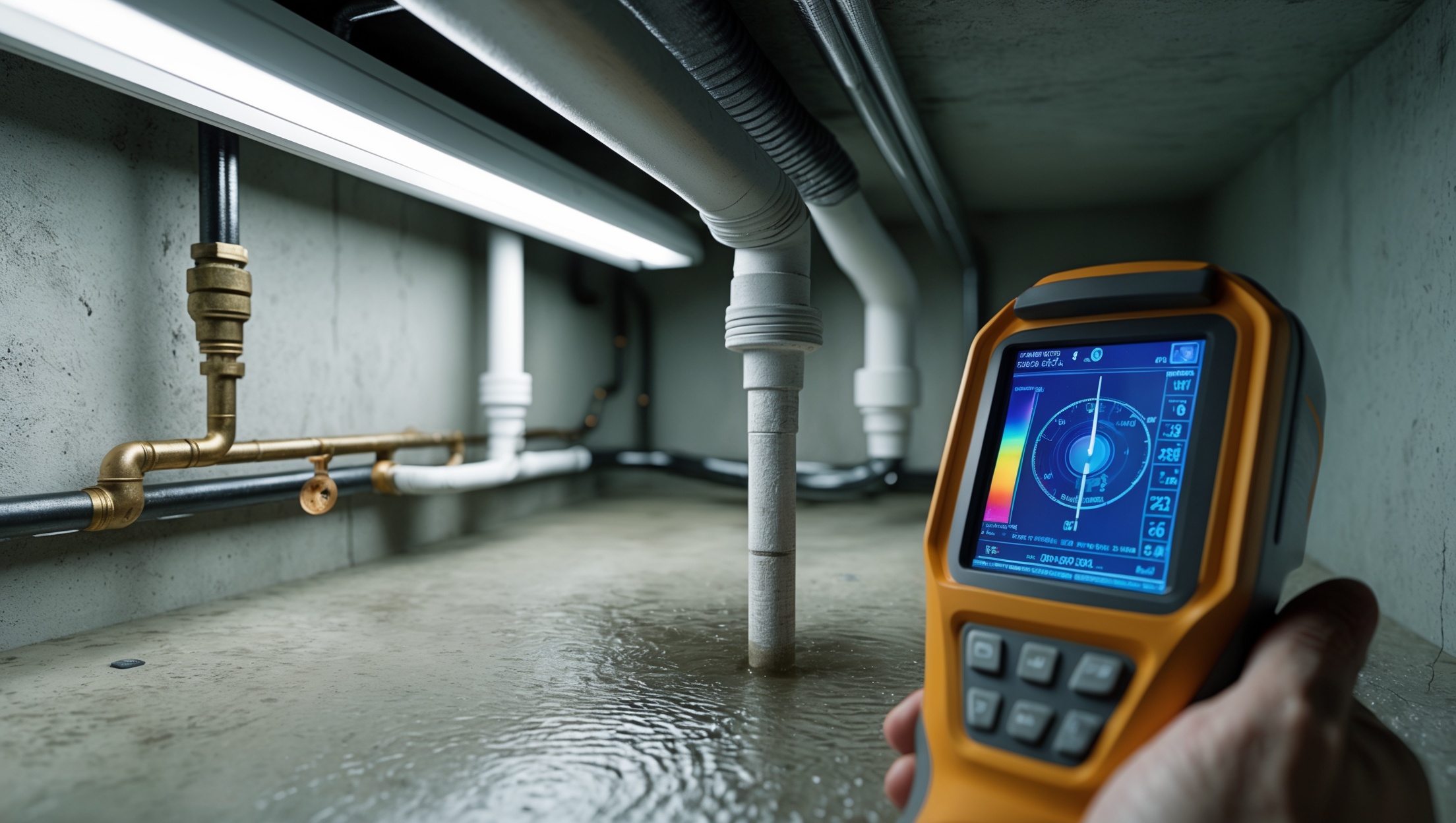
- Pro Tip: Use a thermal camera or moisture meter for non-invasive inspection.
Creating a Personalized Plumbing Maintenance Calendar
Every home is unique, and your plumbing maintenance schedule should reflect your system’s specifics. Here’s how to tailor this guide to your needs:
- Inventory your plumbing systems: List every appliance, fixture, and exposed pipe in your home.
- Note the installation dates: Track the age of water heaters, softeners, and supply hoses to anticipate replacements.
- Identify risk factors: Older homes, hard water, and tree-lined lots may require more frequent inspections.
- Set reminders: Use digital calendars or maintenance apps to schedule recurring tasks.
- Keep records: Log all inspections, repairs, and replacements to spot patterns and streamline warranty claims.
When to Call a Professional
Routine maintenance is DIY-friendly, but certain situations demand licensed expertise. Call a professional plumber if you encounter:
- Major leaks or water damage
- Repeated drain backups
- Unexplained spikes in water bills
- Gas or electric water heater issues beyond basic flushing
- Sewer odors or main line blockages
Professional annual inspections can also catch small issues before they become disasters, especially in older homes or those with a history of plumbing problems.
Conclusion: Prevent Problems Before They Start
Establishing and following a plumbing maintenance schedule isn’t just about ticking boxes—it’s an investment in your home’s reliability, safety, and value. By understanding how often each system needs attention and performing proactive checks, you’ll prevent the vast majority of leaks, clogs, and breakdowns before they ever disrupt your life. Remember, plumbing issues are rarely isolated events; one neglected component can quickly escalate into widespread damage and costly repairs. With the detailed schedules and actionable tips provided in this guide, you can confidently manage your home’s plumbing like a pro, reduce emergency calls, and even boost resale value when it’s time to move on. Take the time now to map out your personalized maintenance calendar, set reminders, and educate everyone in your household about basic checks. Your future self—and your wallet—will thank you. Proactive care is the hallmark of a well-run home; let this guide be your blueprint for plumbing peace of mind.



Christopher Thompson
For the monthly drain maintenance, do you recommend a particular enzyme cleaner brand, or are there any ingredients I should avoid to protect older pipes? Curious what works best based on your experience.