
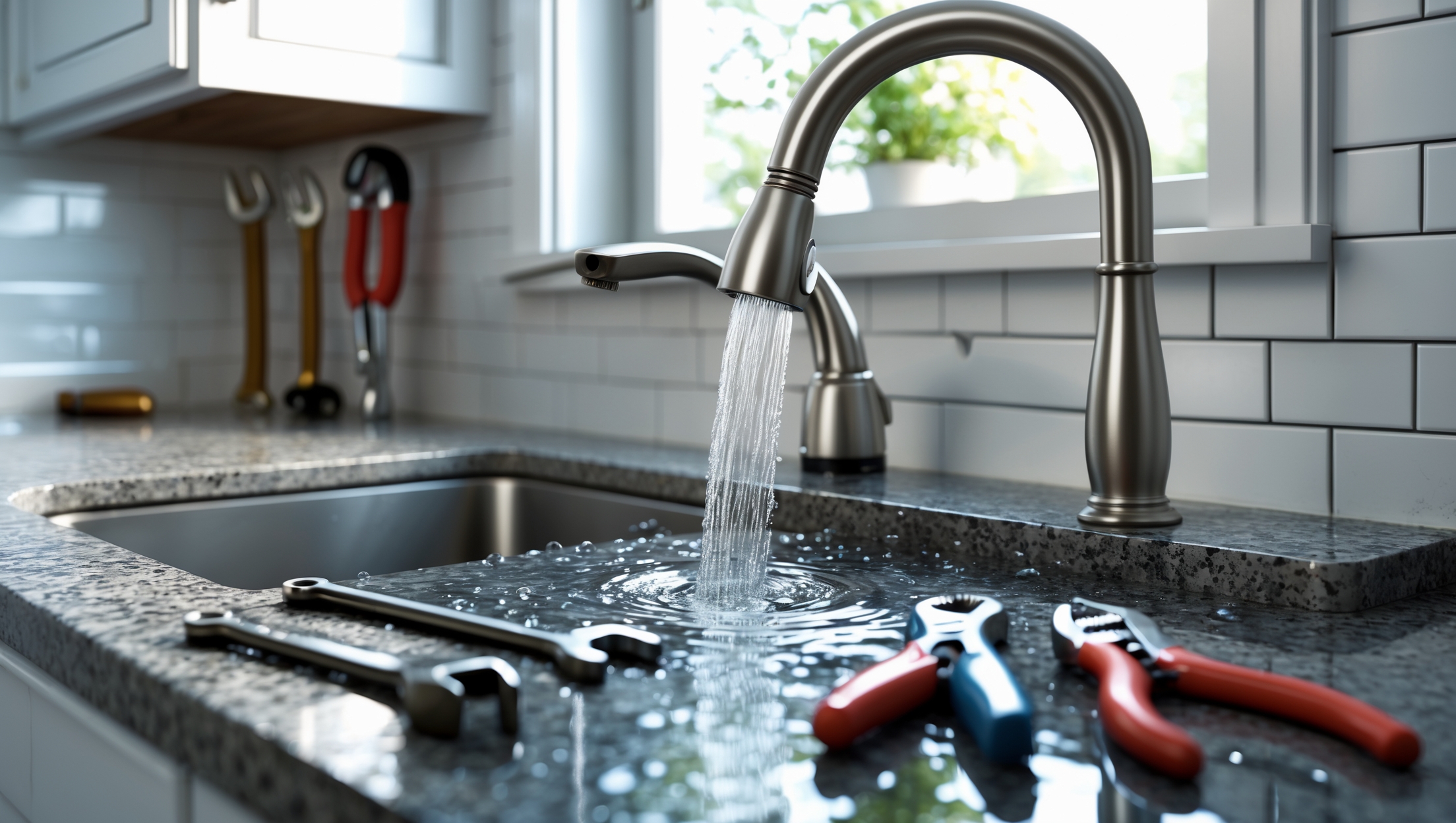
Introduction: Tackling Low Water Pressure with Confidence
Few plumbing issues are as frustrating—or as common—as low water pressure. Whether you’re struggling to rinse shampoo from your hair or waiting ages to fill a pot in the kitchen, weak water flow can disrupt your daily routine and signal underlying problems in your home’s plumbing. Many homeowners assume low water pressure means a major repair is inevitable, but the reality is often less daunting. With a systematic approach and some practical know-how, you can diagnose the root cause and resolve many pressure issues yourself, saving both time and money. This comprehensive guide walks you through step-by-step troubleshooting, from quick fixes to advanced solutions, and highlights when it’s time to call in a professional. By the end, you’ll feel empowered to restore strong, steady water flow throughout your home—and keep it that way.
Understanding Water Pressure: The Basics
What Is Water Pressure?
Water pressure refers to the force that drives water through your pipes and out of your faucets, measured in pounds per square inch (psi). Most residential plumbing systems function optimally at 40–60 psi. If pressure falls significantly below this range, daily fixtures and appliances can suffer.
Why Does Pressure Drop?
Pressure can drop for a variety of reasons, including supply issues from the municipal system, blockages, leaks, faulty fixtures, or aging infrastructure. Identifying the specific cause is critical for an effective fix.
Common Symptoms of Low Water Pressure
- Weak flow from faucets and showerheads
- Appliances (dishwasher, washing machine) take longer to fill
- Uneven pressure between fixtures or floors
- Sudden drop in pressure after years of normal flow
- Intermittent pressure fluctuations
Step 1: Pinpoint the Scope of the Problem
Is It Localized or Whole-House?
Before reaching for tools, determine if the pressure drop affects just one fixture or your entire home. Run cold and hot water at multiple sinks and showers. Note whether the problem is isolated (e.g., only in the kitchen) or widespread.
- Single Fixture: The issue is likely with the fixture, its shutoff valve, or a localized blockage.
- Multiple Fixtures or Whole House: The cause could be main supply issues, widespread blockages, or pressure regulation problems.
Check Neighbors’ Water Pressure
If your entire house has low pressure, ask neighbors if they’re experiencing similar issues. If so, the problem may be with the municipal supply—and out of your hands. Call your utility provider for updates.
Step 2: Easy Fixture-Level Fixes
Clean Faucet Aerators and Showerheads
Mineral buildup is a top culprit for weak flow at individual fixtures. Unscrew the aerator or showerhead and check for debris and scale.
- Soak components in vinegar for 30–60 minutes to dissolve minerals.
- Scrub with a toothbrush to remove stubborn deposits.
- Rinse and reinstall. Test the flow.
Inspect Shutoff Valves
Ensure the fixture’s shutoff valve (typically under the sink or behind toilets) is fully open. Sometimes, partially closed valves from previous repairs restrict flow.
Replace Clogged Cartridge or Washer
In older faucets, worn or clogged cartridges and washers can constrict water flow. Refer to your fixture’s manual for instructions on disassembly and replacement.
Step 3: Homewide Troubleshooting
Check the Main Shutoff Valve
Locate your home’s main water shutoff—often in the basement, crawl space, or where the main line enters the house. Verify it’s fully open. Sometimes, valves are left partially closed after repairs or emergencies.
Inspect the Pressure Regulator
Many homes have a pressure-reducing valve (PRV) installed near the main shutoff. If this valve malfunctions or is set too low, it can choke water flow throughout the house.
- Locate the PRV—it looks like a bell-shaped device on the main line.
- Check the setting (usually adjustable with a wrench). Standard is 50–60 psi.
- Listen for hissing or water hammer—signs of a faulty regulator.
Test for Leaks
Hidden leaks can reduce pressure and increase bills. To check:
- Turn off all faucets and water-using appliances.
- Read your water meter. Wait two hours without using water, then check again.
- If the reading changes, you likely have a leak.
Look for Pipe Corrosion or Blockage
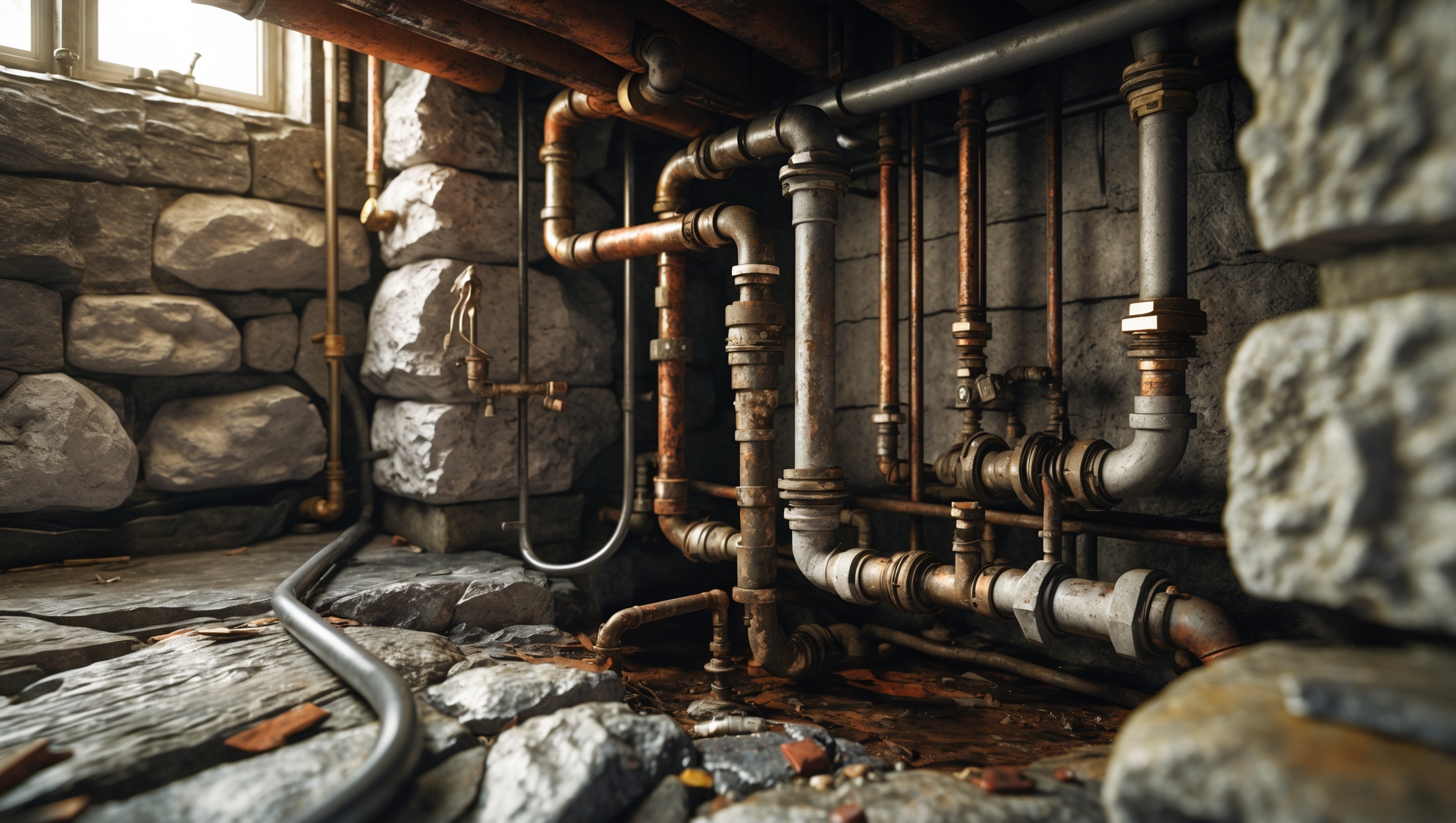
In older homes with galvanized steel or iron pipes, internal corrosion and scale can dramatically restrict water flow. Signs include rusty water, chronic low pressure, and visible corrosion at joints.
- If only some areas are affected, you may be able to replace sections of pipe.
- Widespread corrosion often calls for a full repipe. Consult a licensed plumber for assessment.
Step 4: Addressing Advanced Causes
Municipal Supply Issues
Municipalities occasionally lower pressure for repairs or during droughts. Utility work can also stir up sediment, causing temporary blockages. If you suspect this, contact your local water supplier for status updates.
Pressure Tank Problems (Well Systems)
If you rely on a well, the pressure tank or switch may be to blame. Check the pressure gauge (should read 40–60 psi). Inspect for leaks, faulty switches, or waterlogged tanks. These issues often require professional service.
Clogged Main Water Line
Tree roots, mineral scale, or debris can clog your main supply line. Symptoms include sudden, severe pressure drops throughout the home. Fixing main line obstructions typically requires specialized equipment and expertise.
Step 5: DIY Fixes for the Handy Homeowner
Replace Old or Clogged Pipes
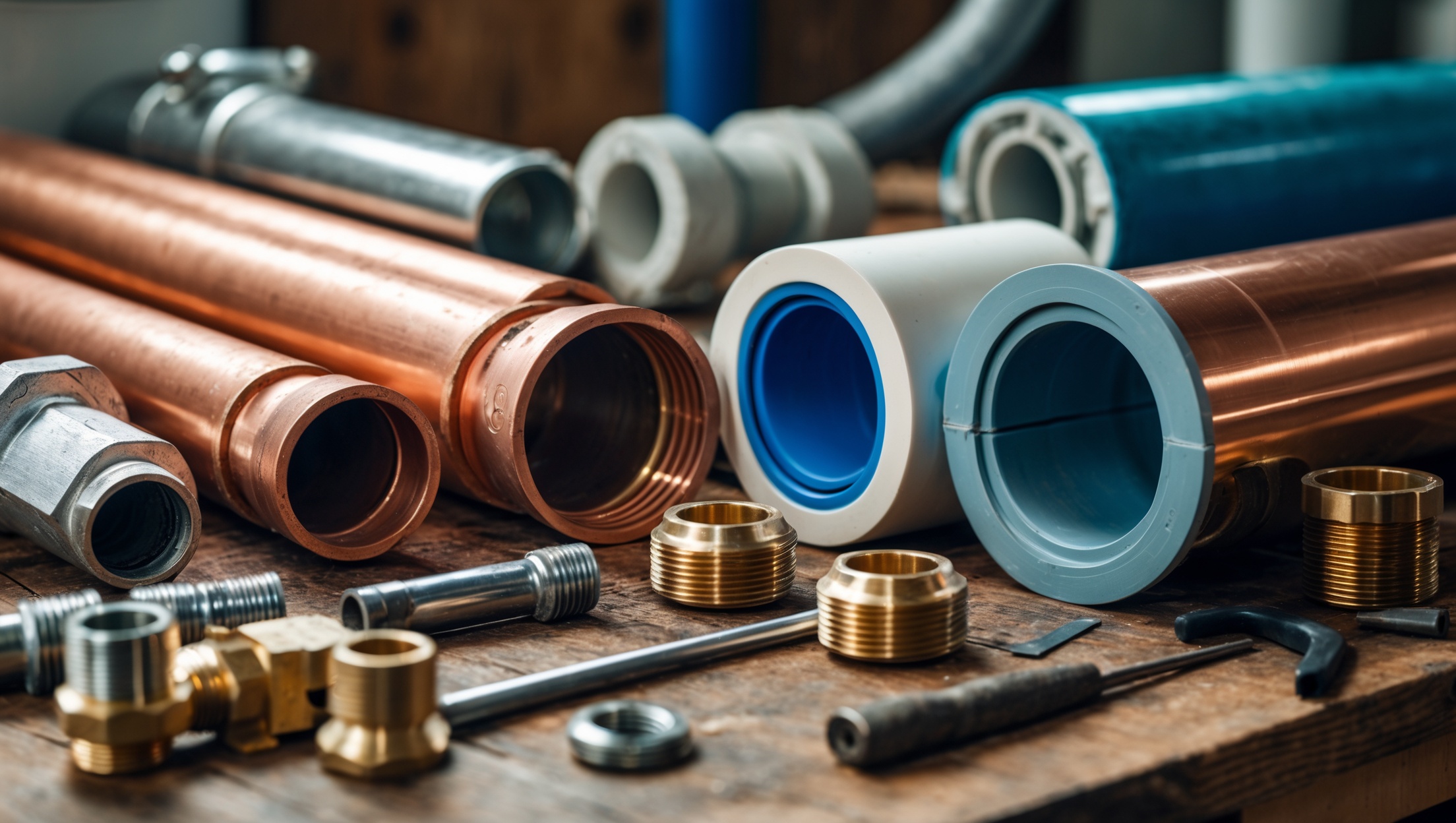
If corrosion or scale is limited to accessible sections, you may be able to swap out affected pipes yourself. Use PEX or copper for new runs, and follow local plumbing codes. Always shut off water and drain lines before cutting.
Install a Water Pressure Booster
In areas with chronically low municipal pressure, a booster pump can elevate flow throughout your home. These systems require electrical and plumbing connections; advanced DIYers can install them with careful planning, but many homeowners hire a pro.
Upgrade Fixtures
Old or water-saving fixtures may deliver unsatisfying flow. Modern, pressure-balanced faucets and showerheads can improve your experience without wasting water. Check for WaterSense-labeled products for efficiency and performance.
Step 6: When to Call a Professional
- Persistent low pressure after basic troubleshooting
- Signs of widespread pipe corrosion
- Suspected main line leaks or blockages
- Pressure regulator replacement or adjustment
- Well system or pressure tank repairs
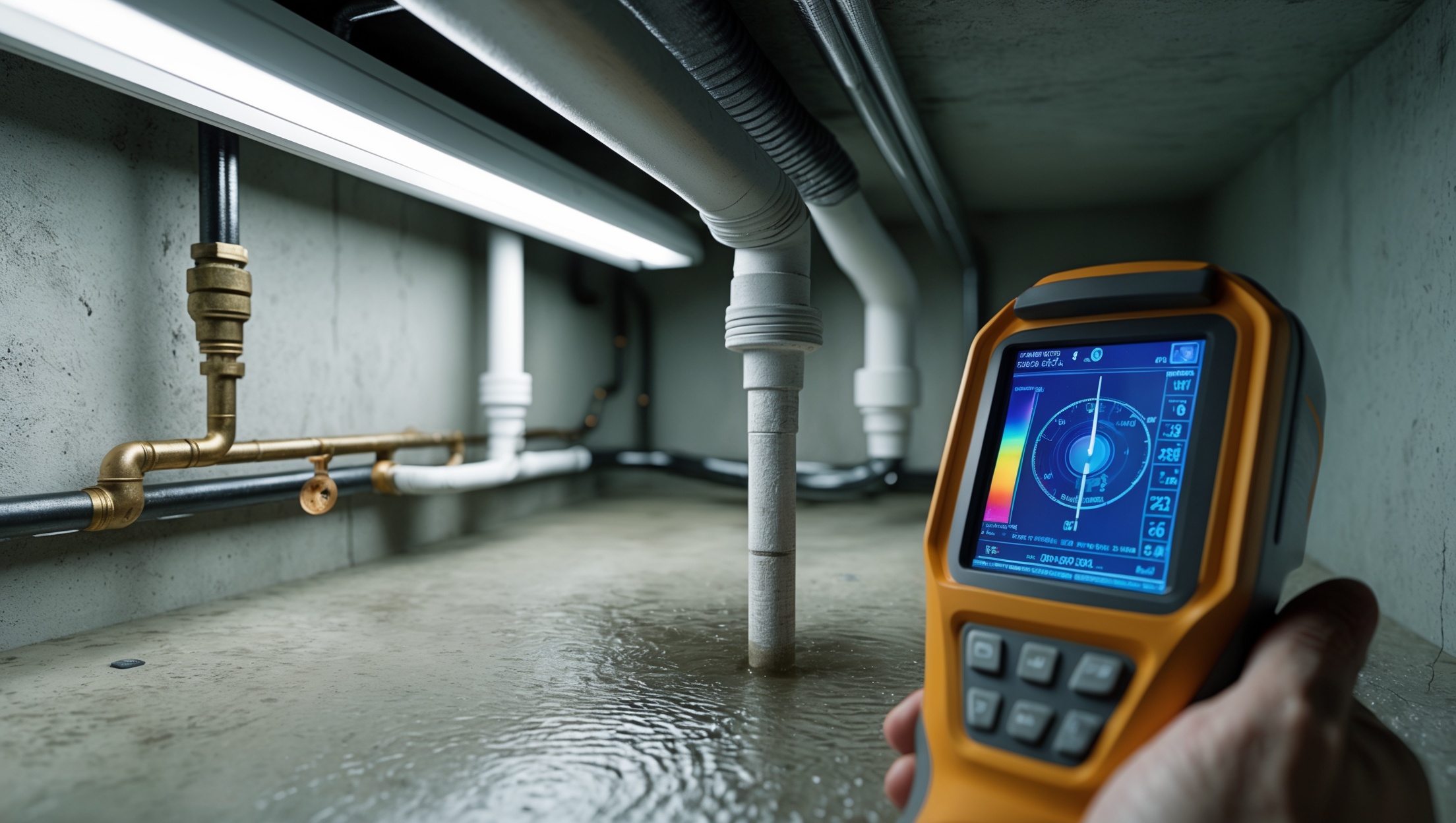
Licensed plumbers have the tools (such as inspection cameras and pressure gauges) and expertise to diagnose and resolve complex issues safely and efficiently.
Preventing Future Water Pressure Problems
Routine Maintenance
- Flush water heater annually to prevent sediment buildup
- Clean aerators and showerheads every 6–12 months
- Inspect visible pipes and valves for corrosion or leaks
- Monitor pressure regularly with an inexpensive gauge
Upgrade Plumbing Over Time
If your home is over 50 years old with original pipes, plan for staged upgrades. Modern materials like PEX offer superior flow and longevity compared to aging steel or iron.
Frequently Asked Questions
How can I measure my home’s water pressure?
Purchase an inexpensive pressure gauge at a hardware store. Screw it onto an outdoor hose bib or laundry faucet and open the valve fully. Read the psi on the dial. If it’s below 40 psi, you may have a pressure issue.
Is low hot water pressure different from low cold water pressure?
If only hot water is affected, the issue may lie with your water heater or its valve. Flush the heater and check for blockages at the outlet.
Can water softeners reduce pressure?
Yes, if the softener is clogged or undersized, it can restrict flow. Bypass the softener temporarily to see if pressure improves, then clean or replace units as needed.
Conclusion: Restore the Flow—And Your Peace of Mind
Low water pressure doesn’t have to be a mystery or a constant source of frustration. By methodically isolating the problem—starting with simple fixture checks and working up to whole-house systems—you can often restore strong, reliable flow with basic tools and some determination. Routine maintenance like cleaning aerators, monitoring pressure, and upgrading outdated pipes will help prevent future issues and extend the life of your plumbing. Remember, some scenarios—especially those involving pressure regulators, main lines, or hidden leaks—are best left to licensed professionals who have the right tools and experience. But even if you ultimately need expert help, your own troubleshooting will save time and ensure you’re informed about the work being done. With these step-by-step solutions, you’re well-equipped to tackle low water pressure head-on, ensuring comfort and convenience in every corner of your home.



Thomas Davis
You mentioned that most residential systems work best at 40–60 psi. How can I measure the water pressure in my home accurately, and do I need any special tools for that?