
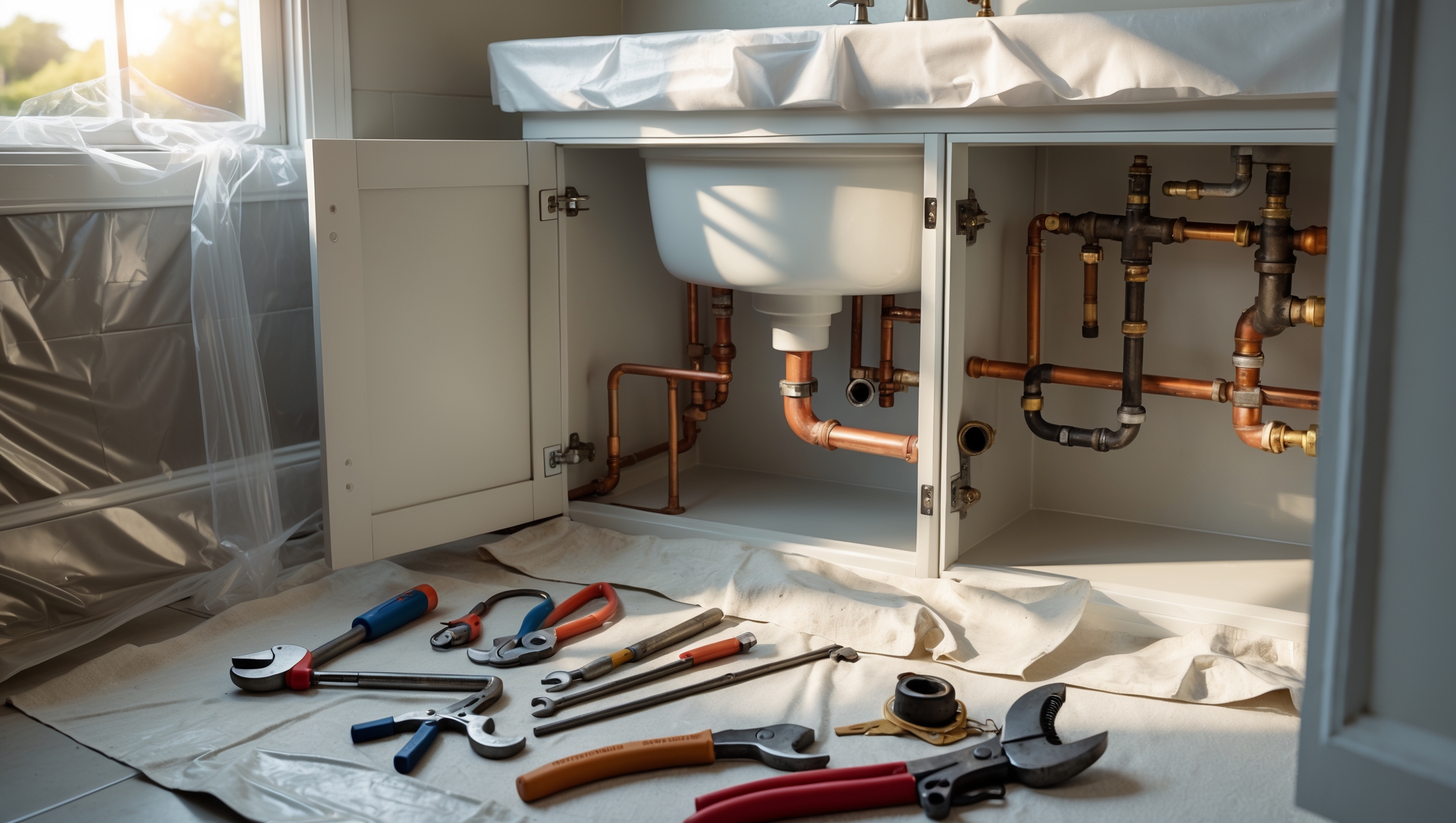
Introduction: Why DIY Plumbing Mistakes Matter
Taking plumbing repairs into your own hands can be empowering, cost-effective, and even enjoyable. However, plumbing is one area of home maintenance where a simple mistake can quickly become a costly disaster. Many first-time fixers jump into repairs with enthusiasm but little background knowledge, leading to leaks, water damage, and even code violations. Understanding the most common DIY plumbing mistakes—and knowing how to avoid them—is essential for anyone looking to tackle household plumbing projects safely and successfully.
This guide is designed specifically for the first-time fixer. We’ll cover the most frequent pitfalls that catch beginners off guard, explain why these mistakes happen, and provide step-by-step advice to help you avoid them. With the right preparation, tools, and know-how, you can handle many plumbing repairs confidently—and know when it’s time to call in a professional. Whether you’re fixing a leaky faucet or attempting your first drain replacement, this practical guide will help you steer clear of costly errors and set you up for DIY success.
Understanding Your Home’s Plumbing System
The Basics: Supply and Drainage
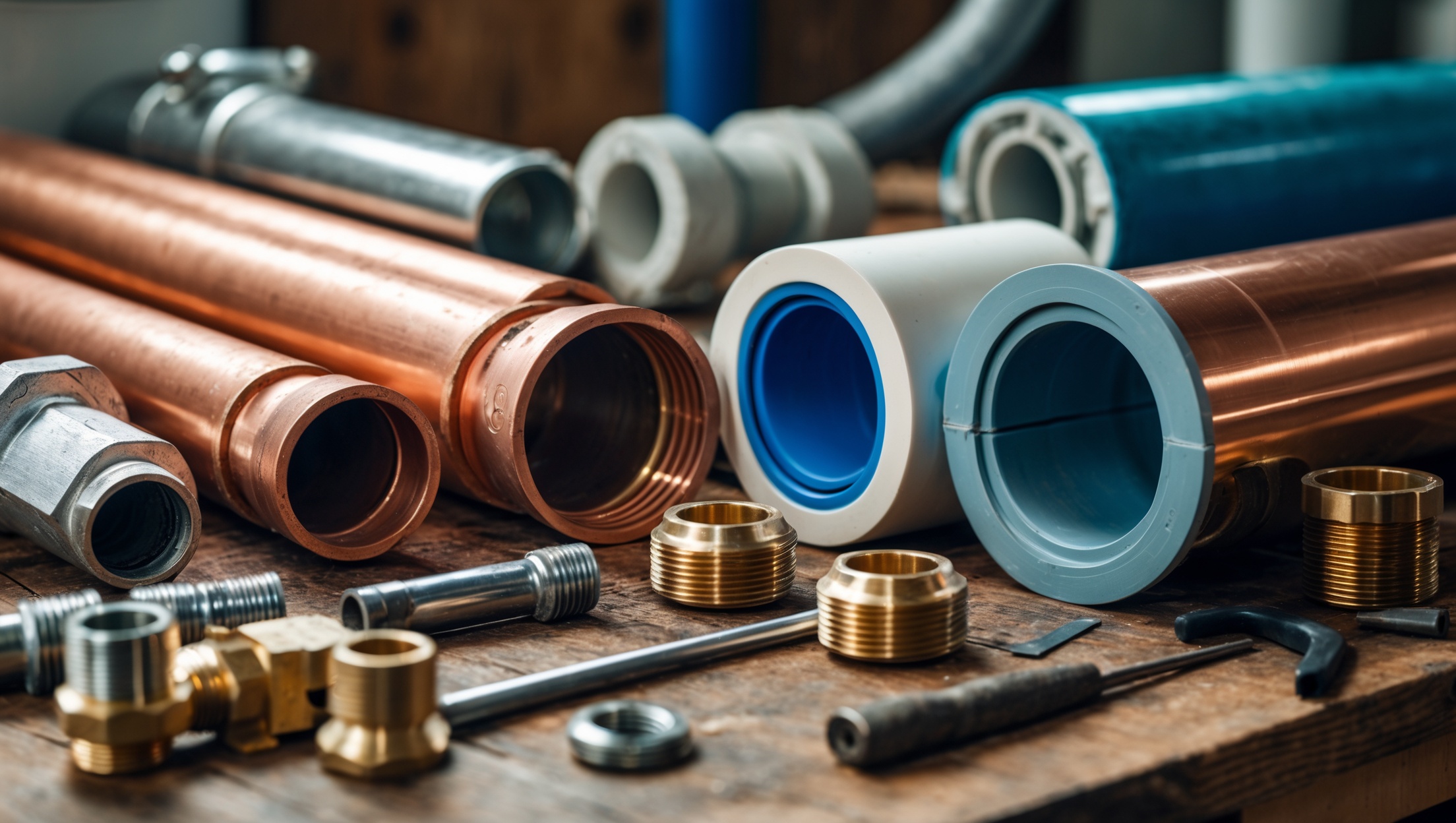
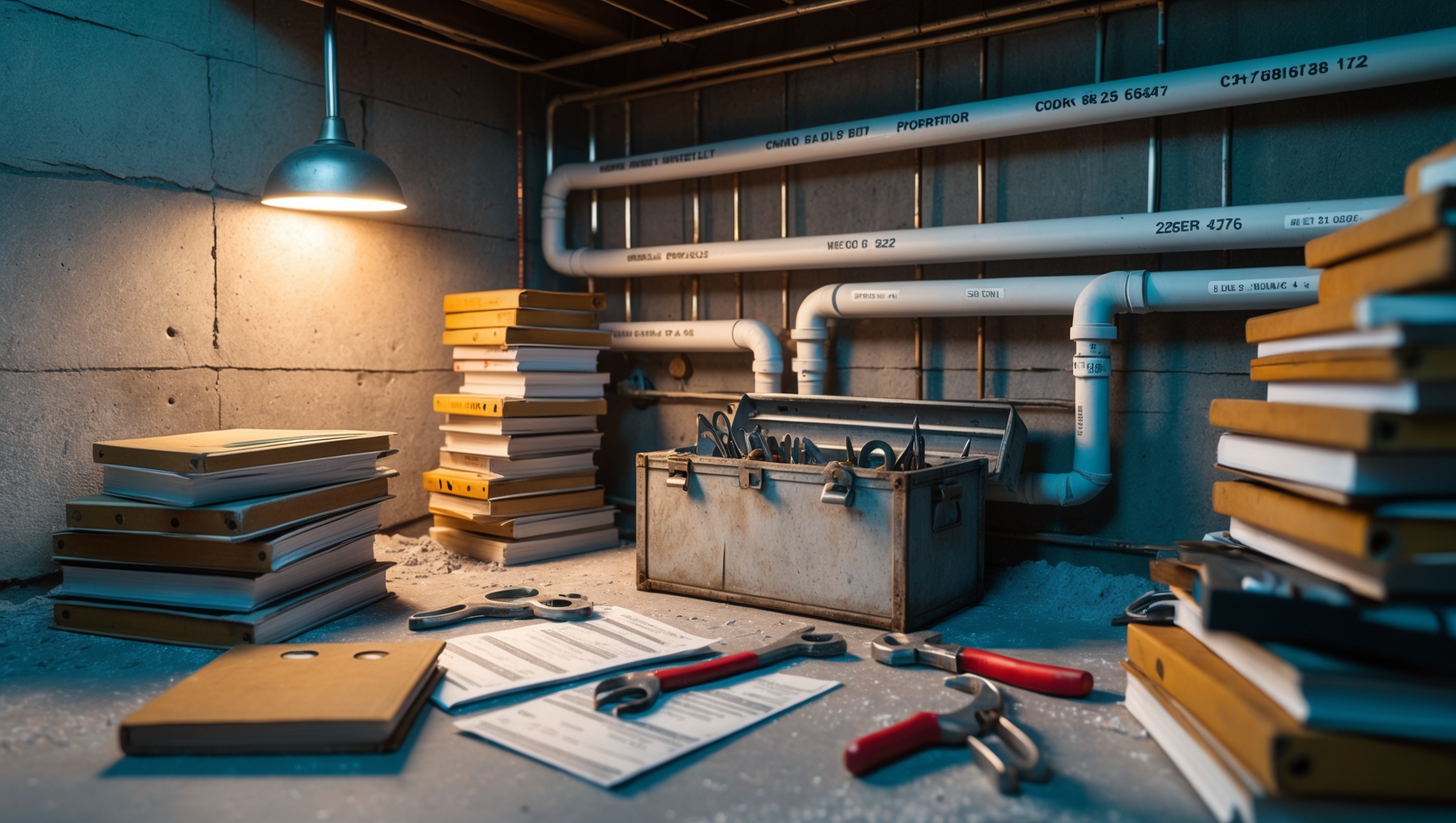
Before you pick up a wrench, it’s crucial to understand the two primary systems in your home’s plumbing: supply lines (bringing clean water in) and drainage (removing wastewater). Each system uses different pipes, fittings, and materials, and mixing them up is a common beginner’s mistake.
- Supply lines: Typically use copper, PEX, or CPVC. These lines are under pressure.
- Drainage pipes: Usually ABS or PVC. These lines rely on gravity and are not pressurized.
Know the Shutoff Valves
Before starting any repair, locate and test all relevant shutoff valves—both fixture-specific and the main water supply. Accidentally leaving water on is one of the quickest routes to a flooded room.
Top DIY Plumbing Mistakes and How to Avoid Them
1. Forgetting to Turn Off the Water
This is the classic beginner error. Even a simple repair can unleash a torrent if the water isn’t shut off first. Always turn off water at the nearest shutoff valve—or the main valve for major repairs—before loosening any fittings.
- Test that water is off by turning on the tap after shutting the valve.
- Keep towels and a bucket handy to catch any residual water in the lines.
2. Over-tightening Connections
It’s tempting to torque fittings as tight as possible, thinking it will stop leaks. In reality, overtightening can crack plastic fittings, strip threads, or warp rubber washers, all of which will cause leaks and require further repairs.
- Hand-tighten, then use a wrench for one additional quarter-turn—unless the manufacturer specifies otherwise.
- Stop if you feel increased resistance or hear cracking sounds.
3. Using the Wrong Tools
Improvising with pliers in place of a basin wrench, or using the wrong size pipe cutter, can damage fittings and pipes. Invest in basic plumber’s tools: pipe wrench, adjustable wrench, basin wrench, and a quality pipe cutter for copper or plastic pipes.
- Never use household tools not designed for plumbing (like channel locks on delicate supply lines).
- Rent specialty tools from a hardware store if you don’t want to buy them outright.
4. Skipping Proper Sealing Methods
Threads on pipe fittings require either plumber’s tape (Teflon) or pipe joint compound—sometimes both. Using the wrong sealant, or none at all, is a surefire way to cause leaks.
- Apply Teflon tape clockwise to male threads only.
- Never use Teflon tape on compression fittings—these seal via the ferrule, not threads.
- Check manufacturer instructions for recommended sealant types.
5. Mixing Incompatible Pipe Materials
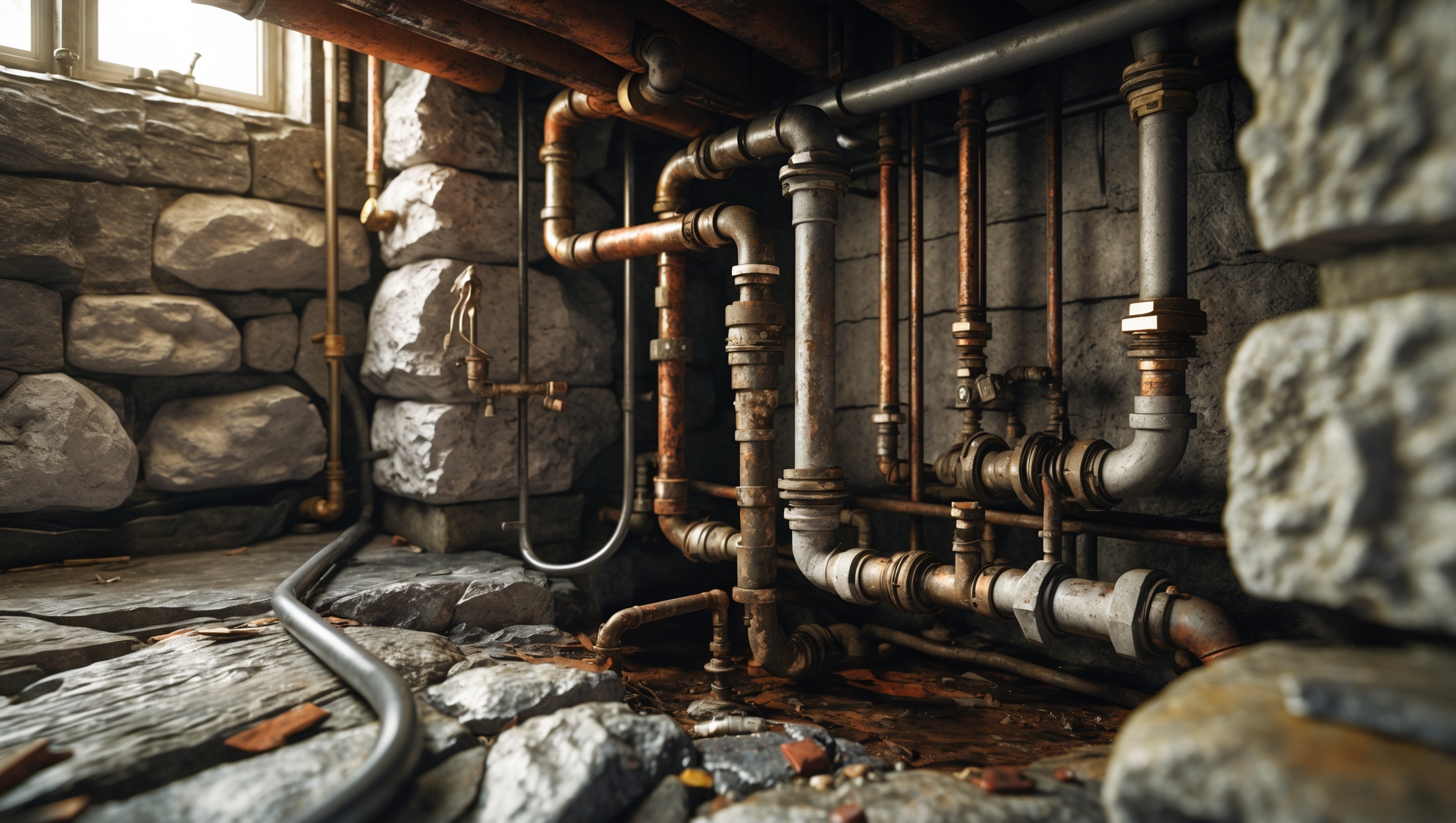
Joining copper to galvanized steel, or connecting different plastics without the right transition fittings, leads to corrosion, leaks, and code violations.
- Always use approved transition fittings (such as dielectric unions between copper and steel).
- Check compatibility before making any connections.
6. Not Checking for Local Code Compliance
Every municipality has its own plumbing codes regarding pipe materials, venting, and fixture installation. Ignoring codes can lead to failed inspections and expensive rework.
- Check local codes before beginning any substantial repair.
- Pull permits for larger jobs (like moving supply lines or adding fixtures).
7. Improper Slope on Drain Pipes
Drain pipes require a minimum slope—typically 1/4 inch per foot—to ensure waste flows away from your home. Too little slope causes clogs, while too much can allow water to outrun solids, also leading to clogs.
- Use a level to check slope when installing or repairing drains.
- Follow code requirements for your pipe diameter and material.
8. Reusing Old, Worn-Out Parts
Trying to save a few dollars by reusing corroded washers, gaskets, or supply lines is a false economy. These parts degrade over time and can fail soon after a repair.
- Replace washers, O-rings, and supply lines with every repair.
- If a fitting looks corroded or brittle, replace it.
9. Poor Fixture Alignment and Mounting
Misaligned faucets, loose toilets, and wobbly sinks are not just unsightly—they can cause leaks and damage over time. Take the time to measure, dry-fit, and secure all fixtures properly.
- Check fixture instructions for mounting and alignment requirements.
- Use a level and double-check before tightening final connections.
10. Neglecting to Test for Leaks
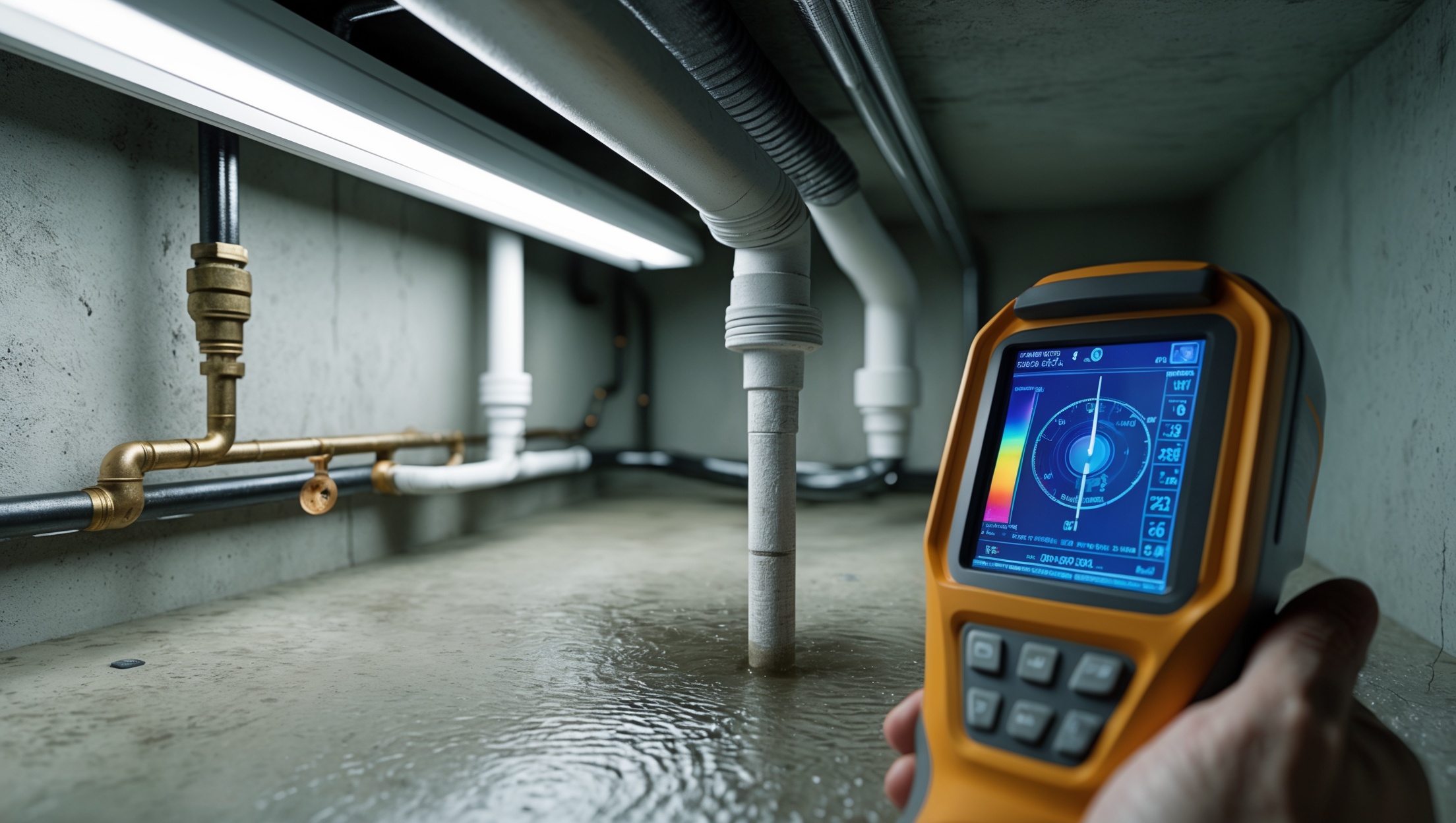
After every repair, test for leaks by running water at normal pressure. Inspect all joints, supply lines, and newly installed parts for drips or weeping connections.
- Wipe joints with a dry tissue to check for moisture.
- Retighten or reseal as needed before closing up cabinets or walls.
Step-by-Step: How to Avoid DIY Plumbing Pitfalls
Plan Your Repair
Research your specific repair. Watch reputable video tutorials, read manufacturer instructions, and make a list of required tools and materials. Double-check compatibility of all parts before purchase.
Prepare Your Workspace
- Clear the area of personal items and cleaning products.
- Place towels or a drip tray under the repair zone.
- Organize tools and keep a flashlight handy for dark spaces.
Shut Off Water and Power
- Turn off water at the nearest shutoff or main valve.
- For repairs involving water heaters or garbage disposals, switch off power at the breaker panel.
Disassemble Carefully
- Take photos before you start to guide reassembly.
- Keep small parts organized in a tray or cup.
Replace Parts and Reassemble
- Install new washers, supply lines, and fittings as needed.
- Follow instructions for applying sealants or tape.
- Hand-tighten first; use tools for a final snug fit.
Test Thoroughly
- Turn water on slowly while monitoring for leaks.
- Test function (run faucet, flush toilet, etc.).
- Check all connections with a dry tissue for hidden drips.
Essential Tools for DIY Plumbing Success
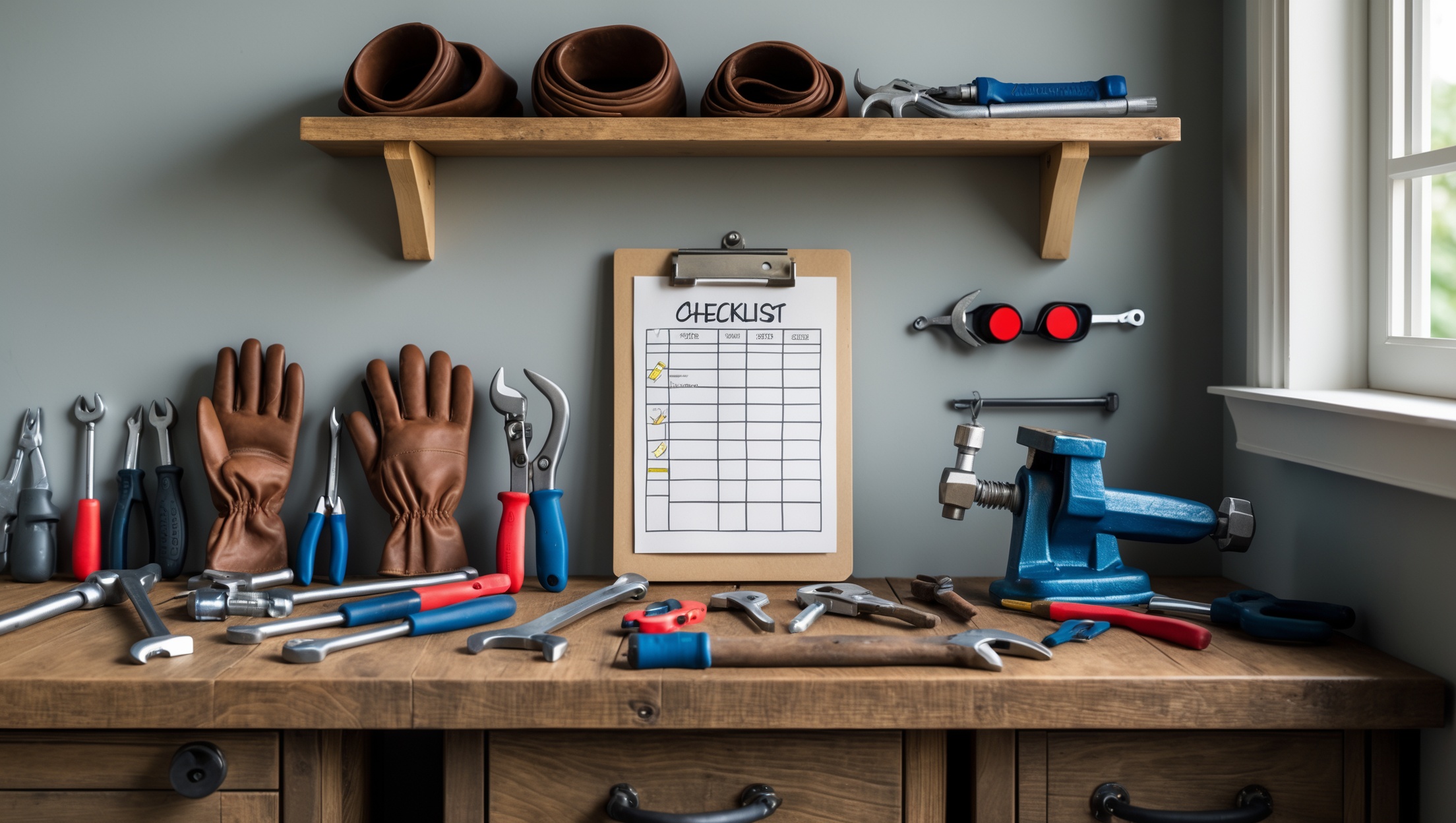
Having the right tools makes every repair safer and more effective. Here are the must-haves for most beginner-friendly plumbing jobs:
- Adjustable wrench: For supply lines and compression fittings.
- Basin wrench: Reaching faucet nuts under sinks.
- Pipe wrench: For iron pipes and stubborn fittings.
- Pipe cutter: Clean cuts on copper or plastic pipes.
- Plumber’s tape (Teflon tape): Sealing threaded connections.
- Plunger and auger: For clearing clogs safely.
- Bucket, towels, and flashlight: For cleanup and visibility.
When to Call a Professional
Even skilled DIYers should know their limits. If a job involves main supply lines, serious leaks inside walls, sewer lines, or gas-powered water heaters, it’s time to call a licensed plumber. Attempting repairs beyond your expertise can result in expensive property damage, voided insurance, or hazardous conditions.
- Major leaks that persist after basic troubleshooting
- Complete loss of water pressure to your home
- Gas line or gas appliance repairs
- Unexplained water pooling under floors or in walls
- Any work requiring a permit you’re not qualified to obtain
Real-World Case Study: Averted Disaster
Consider the case of a first-time homeowner who attempted a faucet replacement. Forgetting to turn off the water led to a flooded cabinet and damaged flooring, resulting in a $1,200 repair bill. By contrast, a neighbor who took the time to prepare, gather the right tools, and follow best practices completed the same repair in under an hour with no mess and a leak-free result. The difference? Attention to detail and respect for the process.
Conclusion: DIY Plumbing the Smart Way
Embarking on DIY plumbing projects can save you money, boost your confidence, and help you better understand your home. But it’s vital to recognize that plumbing is unforgiving of shortcuts and inattention. The most common mistakes—from not shutting off the water to mixing incompatible materials—can lead to leaks, water damage, and expensive callouts. By learning from the pitfalls of others, preparing carefully, and using the right tools and techniques, you can avoid the errors that turn a simple repair into a nightmare.
Above all, know your limits. There’s no shame in calling a professional for complex or high-stakes plumbing work. But for everyday repairs and maintenance, a bit of research, attention to detail, and respect for the basics will go a long way. Armed with the knowledge from this guide, you’ll be ready to tackle your next plumbing fix with confidence—and avoid the costly mistakes that trip up so many first-time fixers. Happy plumbing!



Michelle Thomas
When you mention knowing the difference between supply lines and drainage pipes, is there an easy way to physically tell them apart if you’re working under a sink? Sometimes it’s tough to figure out what’s what for a first-timer.