
Introduction: Why Plumbing Myths Persist and Why They Matter
Plumbing is one of those essential systems in every home and business that often goes unnoticed—until something goes wrong. When leaks, clogs, or strange noises emerge, many of us turn to the internet, neighbors, or well-meaning relatives for advice. Unfortunately, the plumbing world is rife with persistent myths and outdated “tricks” that can lead to costly mistakes, unnecessary repairs, and even dangerous situations. Separating fact from fiction is crucial, whether you’re a DIY enthusiast attempting a quick fix or a property owner aiming to maintain your investment. In this comprehensive guide, we’ll debunk the most widespread plumbing myths, explain the science and logic behind the truth, and equip you with practical, expert-backed knowledge. From the realities of “flushable” wipes to the best way to tackle slow drains, join us as we set the record straight and help you avoid common pitfalls that could cost you time, money, and peace of mind.
Myth #1: “Flushable” Wipes Are Safe for Your Pipes
Why This Myth Exists
Many wipes are marketed as “flushable,” implying they’re designed to break down like toilet paper. The convenience leads consumers to believe that flushing them is risk-free.
The Truth
Despite the label, most “flushable” wipes do not disintegrate quickly in water. Unlike toilet paper, they remain largely intact as they travel through your plumbing and municipal sewer systems. This resilience makes them notorious for creating blockages and contributing to “fatbergs”—massive clogs composed of non-degradable items and grease.
Consequences
- Clogged toilets and main sewer lines
- Expensive plumbing repairs
- Potential for raw sewage backups in your home
- Environmental harm to municipal wastewater infrastructure
Expert Advice
Only human waste and toilet paper should be flushed. Dispose of all wipes, paper towels, and hygiene products in the trash, regardless of their “flushable” claims.
Myth #2: Grease and Hot Water Down the Drain Keeps Pipes Clear
Why This Myth Exists
It’s a common belief that running hot water as you pour grease down the drain will keep it from solidifying and clogging pipes.
The Truth
Hot water may initially melt grease, but as it cools further down the pipe, the grease solidifies, sticking to the pipe walls and trapping other debris. Over time, this leads to stubborn clogs that are difficult and expensive to remove.
Consequences
- Gradual narrowing of pipes and eventual blockages
- Increased risk of backups in sinks and drains
- Potential for sewage overflows
Expert Advice
Never pour grease or oil down any drain. Instead, collect cooled grease in a container and dispose of it in the trash. Wipe pans with paper towels before washing to minimize residue.
Myth #3: All Plungers Are Created Equal
Why This Myth Exists
Most households own a single plunger, assuming it works for every type of clog and fixture.
The Truth
There are different plungers designed for specific applications:
- Cup Plunger: Flat-bottomed, best for sinks, tubs, and flat surfaces.
- Flange Plunger: Has an extended rubber flap, ideal for toilets as it creates a better seal in the drain opening.
- Accordion Plunger: Made of hard plastic, provides extra force for tough toilet clogs.
Consequences
- Ineffective plunging and incomplete clogs removal
- Risk of damaging fixtures with improper tools
Expert Advice
Keep at least two types of plungers: one for toilets and one for sinks. Use the correct plunger to maximize suction and avoid damaging your fixtures.
Myth #4: Lemon Peels Clean and Freshen Garbage Disposals
Why This Myth Exists
Citrus peels have a fresh scent and are often suggested as a natural way to clean garbage disposals.
The Truth
While lemon peels can temporarily mask odors, they do not clean the disposal’s blades or inner surfaces. In fact, fibrous peels can jam or dull the blades, and the oils may create a sticky coating inside the unit.
Consequences
- Reduced disposal efficiency due to blade gumming
- Potential for mechanical jams
- Persistent odors from organic buildup
Expert Advice
To clean your disposal, use ice cubes to help dislodge debris and a small amount of dish soap with cold water. For odor control, periodically grind small pieces of frozen vinegar or baking soda ice cubes.
Myth #5: Chemical Drain Cleaners Are Safe and Effective for All Clogs
Why This Myth Exists
Widely available at hardware stores, chemical drain cleaners promise a quick fix for slow drains and blockages.
The Truth
Chemical drain cleaners often contain caustic ingredients that can corrode pipes, especially in older or plastic plumbing. They may clear minor organic clogs, but are ineffective against more significant obstructions like tree roots, mineral buildup, or non-organic items.
Consequences
- Pipe damage and leaks due to corrosion
- Health hazards from fumes and chemical burns
- Environmental contamination from improper disposal
Expert Advice
Use mechanical methods such as plungers or drain snakes for minor clogs. For persistent or recurring blockages, contact a licensed plumber. Avoid regular use of chemical cleaners to protect your plumbing and health.
Myth #6: You Can Ignore Small Leaks—They’ll Fix Themselves
Why This Myth Exists
Dripping faucets or minor leaks often seem harmless or not worth immediate attention, especially if the drip is slow.
The Truth
Even small leaks waste significant amounts of water over time and can be early indicators of bigger issues such as deteriorating washers, corroded pipes, or high water pressure. Leaks never fix themselves and typically worsen, leading to more expensive repairs and possible water damage.
Consequences
- Higher water bills
- Structural damage from ongoing moisture
- Mold and mildew growth
Expert Advice
Address leaks promptly. Tighten connections, replace washers, or call a plumber to investigate the source before it escalates.
Myth #7: “Water Heaters Don’t Need Maintenance”
Why This Myth Exists
Water heaters are often installed in out-of-sight locations, leading to the misconception that they are “set it and forget it” appliances.
The Truth
All water heaters—tank or tankless—require regular maintenance to operate efficiently and safely. Sediment accumulation, corrosion, and faulty pressure relief valves can reduce efficiency, increase energy consumption, and pose safety risks.
Consequences
- Shortened lifespan of the water heater
- Higher energy bills due to reduced efficiency
- Risk of leaks or catastrophic tank failure
Expert Advice
Flush your water heater annually to remove sediment, test the pressure relief valve, and inspect for rust or leaks. Consult your manufacturer’s manual or a professional plumber for model-specific guidance.
Myth #8: Putting a Brick in Your Toilet Tank Saves Water
Why This Myth Exists
This old trick is meant to reduce the volume of water used with each flush by displacing water in the tank.
The Truth
Bricks can deteriorate in water, breaking apart and damaging internal toilet components. Improper displacement may also prevent your toilet from flushing completely, leading to multiple flushes and ultimately wasting more water.
Consequences
- Damage to toilet tank components
- Ineffective flushing and higher water usage
Expert Advice
Upgrade to a WaterSense-labeled low-flow toilet or install a dual-flush converter for real water savings. Avoid placing foreign objects in your tank.
Myth #9: All Pipe Materials Are Interchangeable
Why This Myth Exists
Modern plumbing offers a wide range of materials, leading some to believe they can mix and match as needed.
The Truth
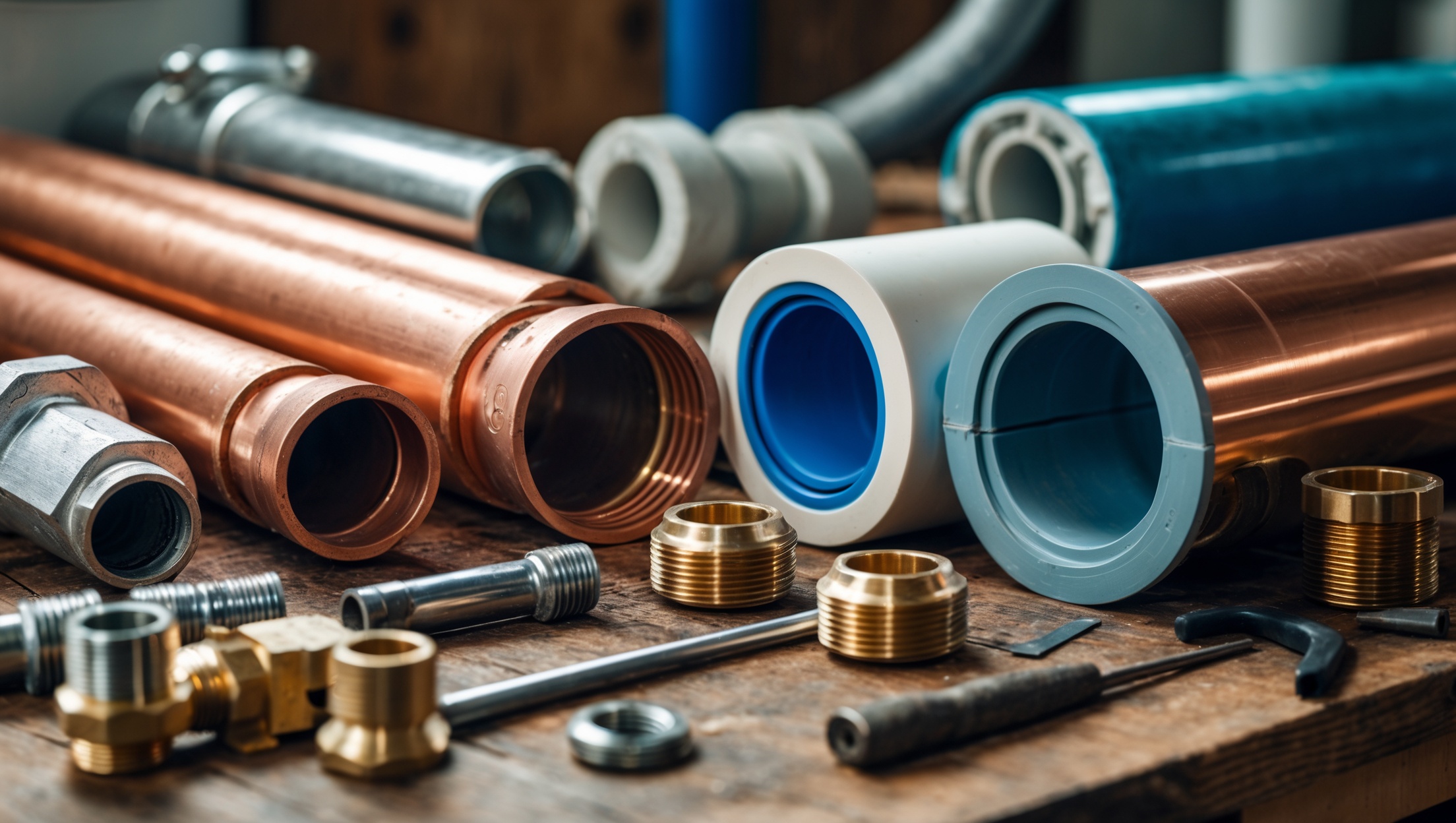
Each pipe material—copper, PEX, PVC, CPVC, galvanized steel—has unique properties, compatibility concerns, and best-use scenarios. For instance, connecting copper directly to galvanized steel without a dielectric union can cause rapid corrosion due to electrolysis.
Consequences
- Premature pipe failure from corrosion or chemical reactions
- Leaks at connection points
- Voided warranties due to improper installation
Expert Advice
Always consult local codes and manufacturer recommendations. Use the correct adapters and fittings when joining different materials, and avoid mixing incompatible pipes.
Myth #10: Plumbing Is an Easy DIY Project for Anyone
Why This Myth Exists
Popular home improvement shows make plumbing projects appear quick and straightforward, encouraging homeowners to tackle jobs without proper knowledge or permits.
The Truth
While some minor repairs—like replacing a faucet washer or clearing a simple clog—are suitable for DIY, most plumbing work requires specialized tools, a solid understanding of system design, and knowledge of local codes. Mistakes can lead to water damage, health hazards, and costly repairs.
Consequences
- Flooding from improper pipe connections
- Code violations leading to fines or insurance issues
- Safety risks from gas or sewer line errors
Expert Advice
Know your limits. When in doubt, consult a licensed plumber for complex or large-scale projects. Always secure necessary permits and inspections.
How to Identify Fact vs. Fiction in Plumbing Advice
Consult Reliable Sources
- Reputable plumbing industry websites
- Manufacturer manuals
- Licensed professionals in your area
- Local building codes and regulations
Be Wary of “Quick Fixes”
If a tip sounds too good to be true or promises an instant cure for a complex problem, verify it through multiple trusted sources before attempting it.
Understand the Science
Basic knowledge of water flow, pressure, and pipe materials can help you recognize faulty advice and avoid unintentional damage.
Conclusion: Make Informed Decisions and Protect Your Plumbing
Misconceptions about plumbing are more than harmless old wives’ tales—they can cause real, lasting damage to your home, wallet, and even your health. As we’ve explored, many commonly held beliefs about plumbing are rooted in half-truths, marketing myths, or outdated practices. From the dangers of “flushable” wipes to the pitfalls of DIY overconfidence, the consequences of following bad advice can range from minor annoyances to major emergencies. The good news is, with a little critical thinking and a commitment to reliable information, you can avoid these traps and keep your plumbing system running smoothly.
Remember: Not all “hacks” are created equal. When in doubt, prioritize expert guidance, manufacturer instructions, and local regulations over hearsay or internet shortcuts. Invest in proper maintenance, use the right tools, and don’t hesitate to call a professional for complex jobs. By debunking these pervasive myths, you empower yourself to make smarter choices, prevent costly repairs, and ensure the long-term health of your plumbing system. Stay curious, stay informed, and your pipes—and your peace of mind—will thank you for it.




Robert Jones
I’ve heard some plumbers claim that certain brands of “flushable” wipes break down faster and are less likely to cause clogs. Based on your experience, are there actually any brands that are truly safe for older home plumbing systems, or is it best to just avoid all wipes entirely?