Introduction: Laying the Foundation for Your Plumbing Business
The plumbing industry offers a unique blend of stability, demand, and growth opportunities for skilled professionals. Whether you’re a seasoned plumber ready to be your own boss or a business-minded individual aiming to enter the skilled trades, starting a plumbing business can be both rewarding and challenging. Unlike other service industries, plumbing requires strict adherence to regulations, a robust knowledge of tools and materials, and a thoughtful approach to customer service. In this guide, we’ll break down the process of launching a plumbing business from scratch—covering everything from legal requirements and budgeting to marketing strategies and day-to-day operational best practices. If you’re ready to trade in your wrench for a business plan (while keeping the wrench handy), read on for actionable, step-by-step advice designed to set you up for long-term success.
Step 1: Assess Your Skills and Credentials
Do You Meet the Requirements?
Before you even register a business name, you need to evaluate your plumbing skills and ensure you meet local licensing requirements. Most states and municipalities require plumbers to complete apprenticeship programs, pass standardized exams, and maintain active licenses. If you’re not yet licensed, research your jurisdiction’s training requirements and map out a path to completion. This may include:
- Completing a state-approved apprenticeship or vocational program
- Passing written and practical plumbing exams
- Fulfilling ongoing continuing education credits
- Obtaining a contractor’s license if you plan to hire employees or bid on larger projects
Specializations and Added Value
Consider whether to focus on residential, commercial, or specialty plumbing (such as green solutions or backflow prevention). The more specialized your skills, the more competitive your business will be in niche markets.
Step 2: Research and Register Your Business Structure
Choosing a Legal Entity
Decide between operating as a sole proprietor, partnership, LLC, or corporation. Each structure offers different advantages in terms of liability, taxation, and administrative complexity. Most independent plumbers choose an LLC for its balance of liability protection and flexibility, but consult with a legal advisor or accountant to determine the best fit.
- Sole Proprietorship: Simple to set up, minimal paperwork, but personal liability risk.
- LLC (Limited Liability Company): Shields personal assets, moderate paperwork, flexible tax options.
- Corporation: Best for larger operations, offers strong liability protection, more regulations.
Registering Your Business
Register your business name with the state and secure a federal Employer Identification Number (EIN) from the IRS for tax purposes. Check local requirements for additional permits or business licenses. Don’t forget to open a dedicated business bank account.
Step 3: Secure Proper Licensing and Insurance
Licensing
Beyond your personal plumbing license, your business may require:
- Plumbing contractor’s license
- Business operation or trade licenses
- Specialty permits for gas fitting, backflow prevention, or fire sprinklers
Each municipality may have unique requirements, so confirm with your local building or code enforcement office.
Insurance
- General Liability: Protects against third-party property damage or injuries.
- Workers’ Compensation: Required if you plan to hire employees.
- Commercial Auto: Covers vehicles used for business.
- Tools and Equipment: Protects expensive gear from loss, theft, or damage.
- Professional Liability (Errors & Omissions): Covers claims of faulty workmanship or advice.
Work with an insurance broker experienced in the trades to customize a policy for your needs.
Step 4: Budgeting and Financial Planning
Equipment and Startup Costs
A realistic budget is essential for a smooth launch. Create a detailed spreadsheet listing:
- Tools: Pipe wrenches, inspection cameras, pipe threaders, soldering kits, and more
- Vehicles: Reliable van or truck, shelving, storage bins
- Inventory: Pipes, fittings, valves, sealants, repair parts
- Licensing and Insurance: See previous section
- Marketing: Website, branding, initial advertising
- Office Supplies: Invoicing software, phone system, uniforms
Budget for at least 3-6 months of operating expenses, including rent (if applicable), utilities, and payroll. Factor in a cash reserve for emergencies or slow periods.
Pricing Your Services
Research local competitors to understand average hourly rates or flat fees for common services. Price competitively, but don’t undervalue your expertise. Build in overhead costs and a profit margin. Consider offering service contracts or maintenance plans to stabilize revenue.
Step 5: Acquire Tools, Equipment, and Vehicles
Essentials for Every Plumbing Business
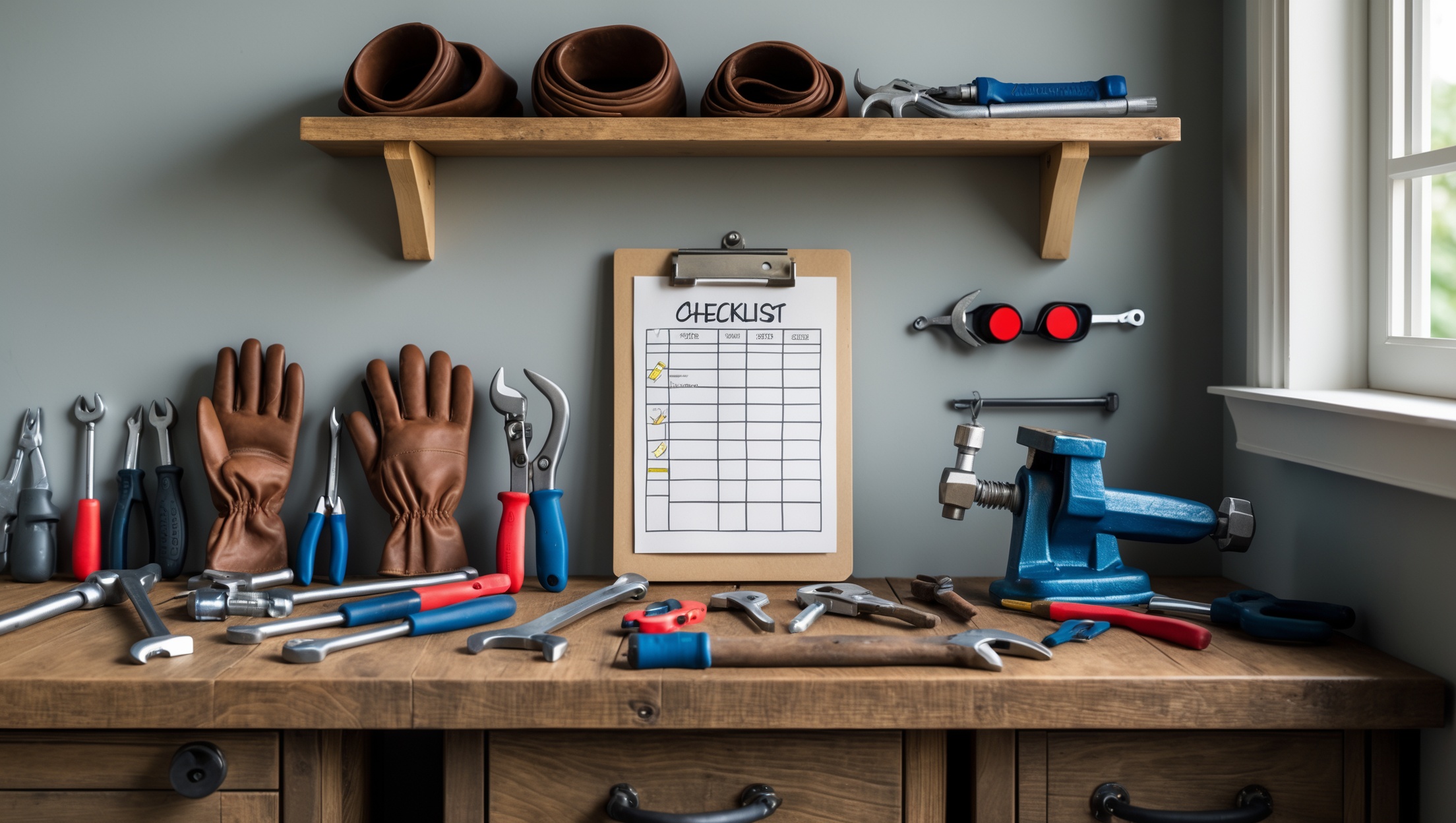
While your toolkit will evolve, every plumbing business should start with high-quality, durable tools:
- Assorted pipe wrenches and channel locks
- Pipe cutters (copper, PVC, PEX)
- Drain snakes and inspection cameras
- Soldering and brazing kits
- Pressure gauges and test plugs
- Leak detection devices
- Personal protective equipment (gloves, goggles, masks)
Vehicle Setup
Invest in a reliable work van or truck. Outfit it with shelves, bins, and racks to keep tools and parts organized and accessible. Branding your vehicle with your business name and contact information doubles as mobile advertising.
Step 6: Build Your Brand and Marketing Strategy
Branding Basics
Your brand is more than a logo—it’s your reputation, your promise to customers, and your competitive edge. Invest in professional branding elements, including:
- Business name and logo
- Consistent color scheme and uniforms
- Branded invoices, business cards, and marketing materials
Website and Online Presence
Develop a user-friendly website with clear service descriptions, contact information, and customer testimonials. Set up Google My Business, Bing Places, and relevant industry directories. Encourage satisfied customers to leave online reviews.
Effective Marketing Tactics
- Local SEO: Optimize your website for local keywords (“emergency plumber in [city]”).
- Pay-Per-Click (PPC): Invest in targeted ads for immediate visibility.
- Social Media: Share tips, before-and-after photos, and special offers on platforms popular in your area.
- Referral Programs: Offer discounts or incentives for customer referrals.
- Partnerships: Network with local contractors, real estate agents, and property managers.
Step 7: Set Up Operations and Administrative Systems
Invoicing and Accounting
Choose accounting software tailored for small service businesses (such as QuickBooks or FreshBooks). Automate invoicing, expense tracking, and payroll to minimize administrative headaches. Set clear payment terms and follow up on overdue invoices promptly.
Scheduling and Workflow
Implement scheduling software or apps to manage appointments, dispatch jobs, and track progress. Efficient workflow systems reduce downtime, prevent double bookings, and improve customer satisfaction.
Customer Communication
Establish reliable communication channels—dedicated phone line, email, and online contact forms. Respond promptly to inquiries, confirm appointments, and follow up after service calls to build lasting relationships.
Step 8: Compliance, Permits, and Record-Keeping
Job-Specific Permits
Many plumbing jobs require permits, especially those involving new installations, sewer connections, or gas lines. Stay up to date with your local building department’s rules. Neglecting permits can result in fines and jeopardize your business license.
Documentation
- Keep detailed records of permits, inspections, and warranty documentation.
- Store contracts, estimates, and invoices securely (digitally or physically).
- Track continuing education and license renewals to remain compliant.
Step 9: Hiring and Training Staff
When to Hire
Start solo or with a partner, but be ready to expand as demand grows. Signs you need help include regularly turning down jobs, missed appointments, or excessive overtime.
Hiring Process
- Write clear job descriptions for plumbers, apprentices, and administrative staff.
- Verify licenses and check references for all new hires.
- Onboard staff with safety training and customer service expectations.
Retaining Talent
Offer competitive wages, ongoing training, and safe working conditions. Foster a positive workplace culture to reduce turnover and build a strong reputation.
Step 10: Maintenance, Growth, and Continuous Improvement
Maintaining Equipment and Standards
Schedule regular maintenance for tools, vehicles, and safety equipment. Well-maintained gear reduces downtime and costly repairs. Replace worn-out tools promptly to maintain quality workmanship.
Seeking Feedback and Adapting
Actively solicit feedback from customers through surveys or online reviews. Address complaints promptly and use constructive criticism to refine your services. Stay informed about new technologies, regulations, and industry best practices by joining professional associations and attending trade events.
Scaling Your Business
- Expand service offerings (e.g., water filtration, radiant floor heating, eco-friendly solutions).
- Invest in advanced diagnostic tools or software for efficiency.
- Consider opening additional locations or franchising once your brand is established.
Conclusion: Turning Wrenches into Wins
Starting a plumbing business from scratch is a bold move, but with the right preparation and mindset, it’s a venture with significant potential for financial and personal fulfillment. By carefully assessing your credentials, choosing the appropriate business structure, securing licenses and insurance, and embracing sound financial planning, you lay a strong foundation for success. Equipping yourself with high-quality tools and vehicles, building a reputable brand, and leveraging effective marketing strategies will help you stand out in a competitive market. Just as important are the back-office essentials: streamlined operations, compliance with regulations, and a focus on customer communication.
Growth comes from not just meeting customer expectations, but exceeding them—whether through prompt service, advanced technical skills, or simply being a trustworthy professional. Invest in your team, stay current with industry developments, and never stop refining your business processes. The plumbing world is ever-changing, but the fundamentals of integrity, expertise, and reliability never go out of style. By following this practical, step-by-step setup guide, you’re not just launching a business—you’re creating a legacy of service and craftsmanship. Here’s to turning wrenches into wins, one satisfied customer at a time.