Introduction: Why Water-Efficient Plumbing Upgrades Matter
Water efficiency is no longer just a buzzword—it’s a practical necessity for homeowners looking to reduce utility bills, conserve environmental resources, and future-proof their properties. Outdated plumbing systems waste thousands of gallons annually, but with the right upgrades, you can make a significant impact both financially and ecologically. Whether you’re a DIY enthusiast, a seasoned plumber, or a homeowner planning renovations, understanding which plumbing upgrades deliver the most value is crucial. Not only do efficient fixtures and systems save water, but they also extend the lifespan of your plumbing, reduce the risk of leaks, and often increase property value. In this in-depth guide, we’ll explore the essential plumbing upgrades for water efficiency, breaking down the pros, cons, and installation tips for each. We’ll also address budgeting, common mistakes, and long-term maintenance, ensuring you have a trusted, actionable roadmap to a more sustainable home.
Understanding Water Efficiency: The Basics
What Defines a Water-Efficient Plumbing System?
A water-efficient plumbing system minimizes waste without sacrificing comfort or functionality. This involves selecting fixtures and appliances that use less water per use, optimizing water pressure, and ensuring leak-free operation. The U.S. EPA’s WaterSense program sets recognized standards for water-efficient products, making it easier for consumers to identify high-performing options.
Key Benefits of Water-Efficient Upgrades
- Lower Utility Bills: Reduced water usage directly translates to cost savings.
- Environmental Conservation: Every gallon saved helps preserve vital water resources.
- Decreased Wear on Plumbing: Less water flow means less stress on pipes and joints.
- Potential Rebates: Many municipalities offer rebates for WaterSense-certified upgrades.
High-Impact Plumbing Upgrades for Water Efficiency
1. Low-Flow Toilets and Dual-Flush Systems
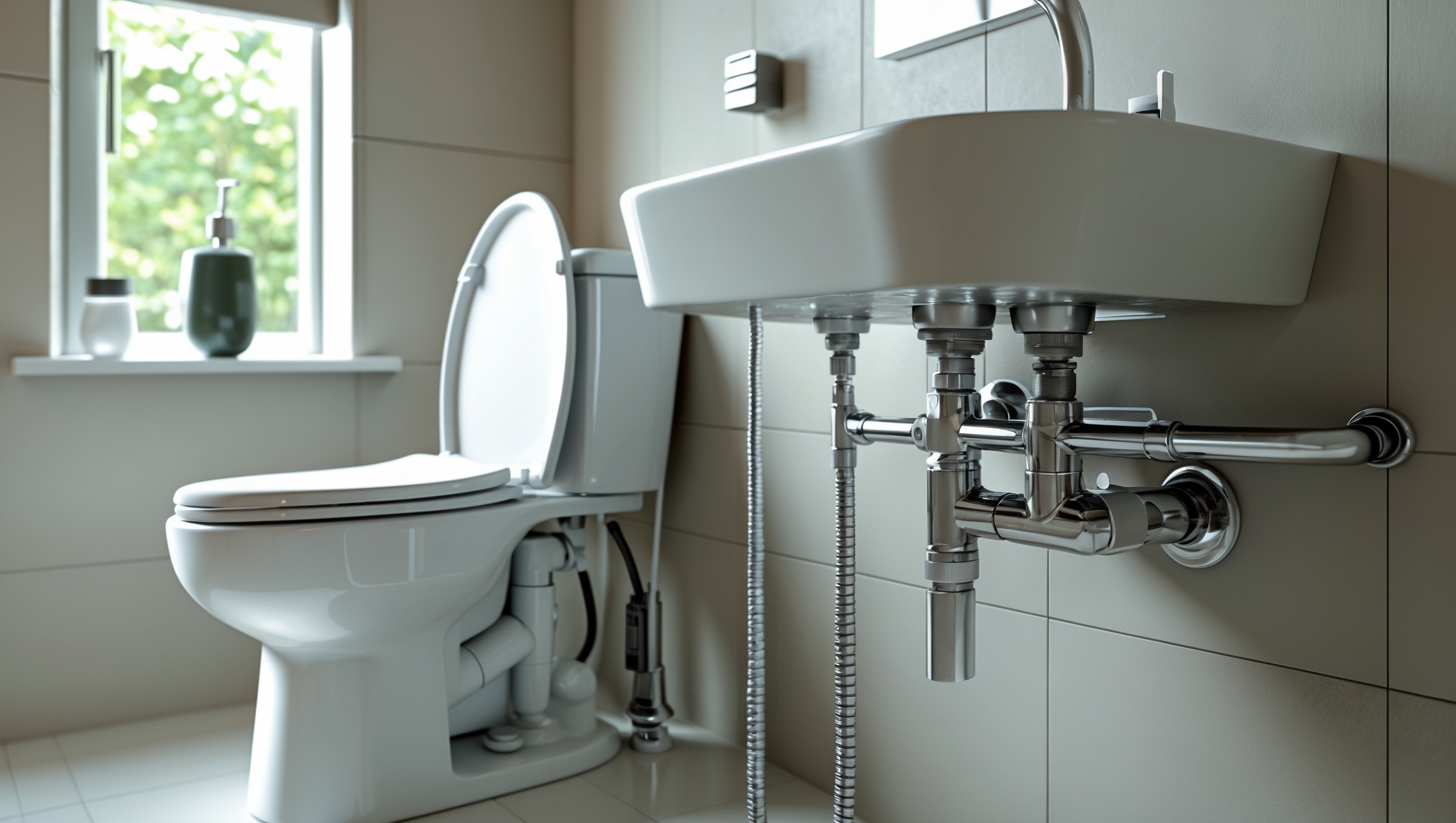
Toilets are among the largest water consumers in most homes. Traditional models can use up to 6 gallons per flush, while modern low-flow or dual-flush toilets use as little as 1.28 gallons. Dual-flush systems offer a full or partial flush, letting users control water use based on need.
- Installation Tips: Replacing a toilet is a manageable DIY project. Ensure the wax ring is properly seated to avoid leaks. Always check for local disposal options for old toilets, as some areas recycle porcelain.
- Recommended Standards: Look for WaterSense-labeled models.
2. High-Efficiency Showerheads
Showering accounts for nearly 17% of household water use. Standard showerheads use 2.5 gallons per minute (gpm), but WaterSense showerheads use 2.0 gpm or less—without sacrificing spray performance.
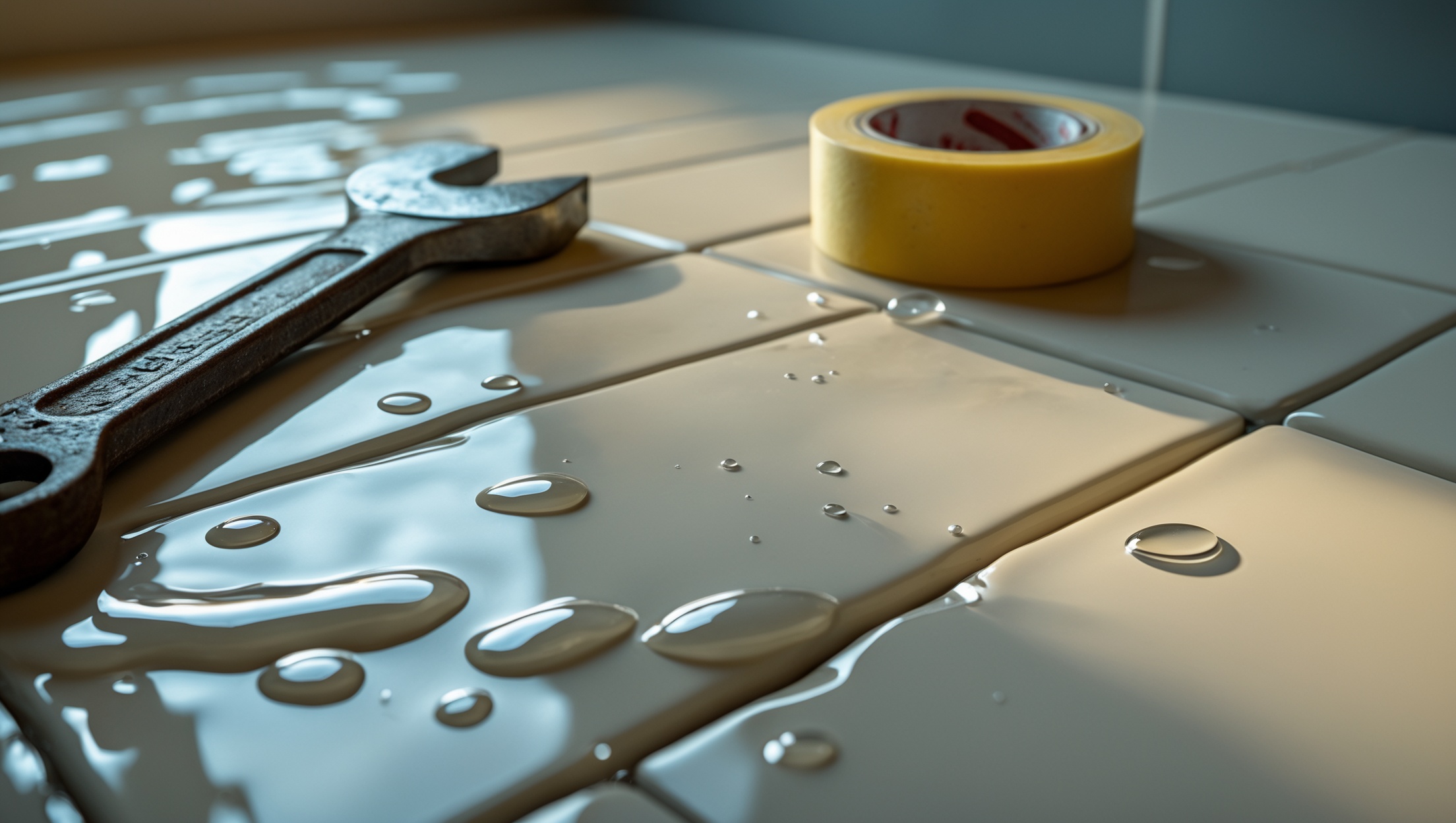
- Installation Tips: Replacing a showerhead is as simple as unscrewing the old one and attaching the new. Use plumber’s tape on the threads to ensure a tight seal.
- Feature to Consider: Models with adjustable spray settings can help balance comfort and efficiency.
3. Faucet Aerators
Faucet aerators mix air with water to reduce flow rates while maintaining pressure. Swapping out old aerators can cut sink water use by up to 30%.
- Installation Tips: Unscrew the old aerator, clean the threads, and hand-tighten the new aerator into place. Choose the right thread size for your faucet.
- Best Practices: Select aerators rated at 1.5 gpm or lower for maximum efficiency.
4. Upgrading to Water-Efficient Appliances
Dishwashers and washing machines have made significant strides in water efficiency. ENERGY STAR and WaterSense-certified appliances use sensors and advanced cycles to minimize water consumption.
- Dishwashers: Modern models use as little as 3–5 gallons per cycle.
- Washing Machines: High-efficiency (HE) front-loaders can use 10–15 gallons per load versus 30–40 in older top-loaders.
- Installation Considerations: Ensure proper leveling and supply line connections to prevent leaks and maximize efficiency. Always run full loads for best results.
5. Leak Detection and Smart Water Monitoring
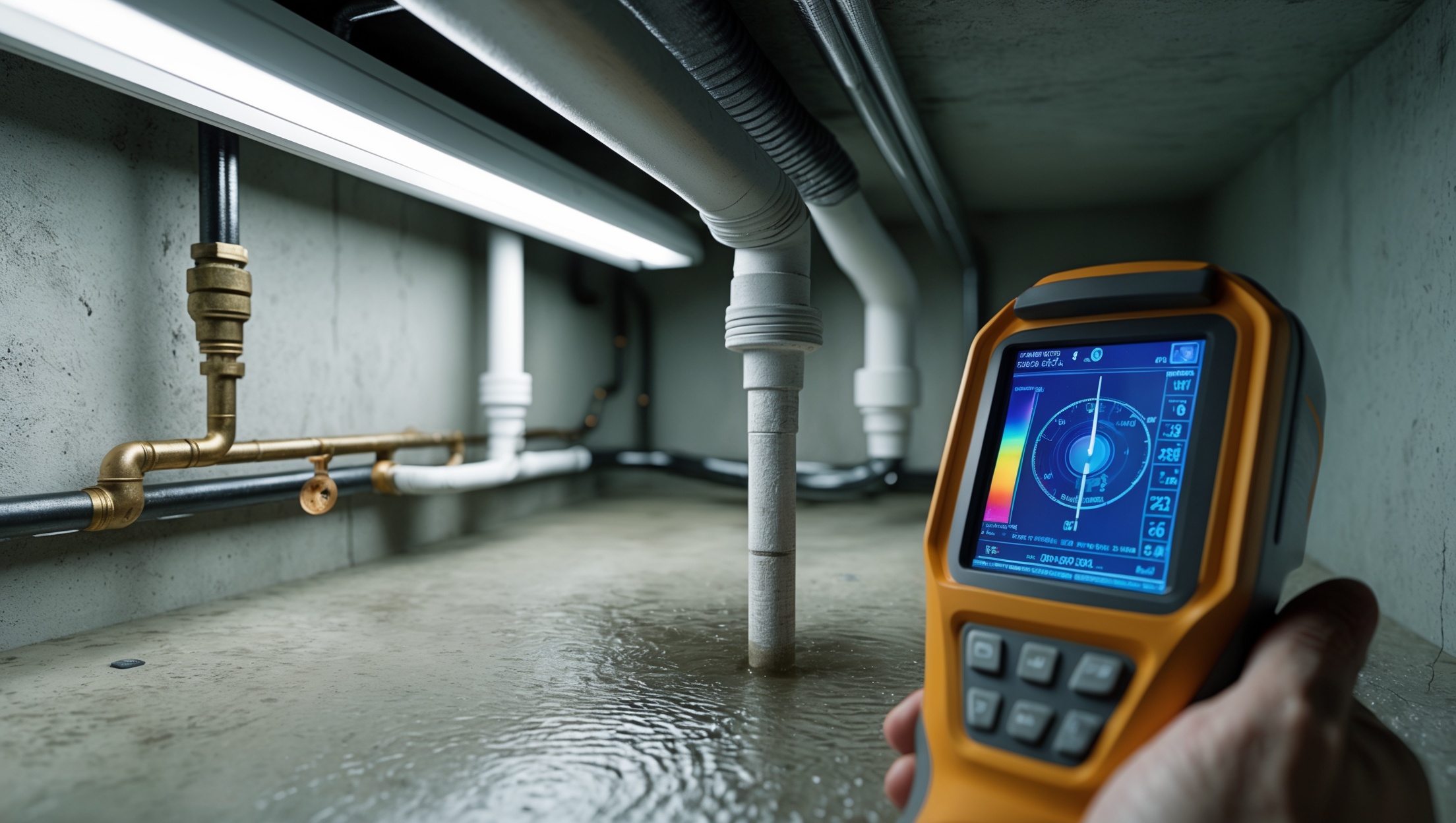
Even minor leaks can waste thousands of gallons per year. Installing smart leak detectors or integrated water monitoring systems can identify leaks in real-time, sending alerts to your smartphone and, in some cases, shutting off the supply automatically.
- Popular Options: Moen Flo, Phyn Plus, and other smart monitors integrate with home assistants.
- DIY or Pro Install: While some sensors are simple to place under sinks, whole-home systems often require a plumber for main line installation.
6. Pressure-Reducing Valves (PRVs)
High water pressure increases both consumption and wear on your pipes. Installing a PRV can bring household pressure down to the recommended 50–60 psi, reducing water flow without affecting daily use.
- Installation Tips: PRVs are typically installed where the main supply enters the home. A licensed plumber is recommended for proper sizing and setup.
- Maintenance: PRVs should be checked annually to ensure proper operation.
Cost Breakdown and Budgeting for Water-Efficient Upgrades
Initial Investment vs. Long-Term Savings
While some upgrades, like faucet aerators, cost only a few dollars, others—such as full appliance replacements—require more significant investment. However, water and energy bill savings can quickly offset these costs.
- Low-Flow Toilet: $150–$500 (plus installation)
- High-Efficiency Showerhead: $20–$100
- Faucet Aerators: $2–$15 each
- Smart Leak Detectors: $50–$500 depending on features
- Pressure-Reducing Valve: $75–$250 (plus labor)
- HE Dishwasher: $400–$1,200
- HE Washing Machine: $600–$1,500
Rebates and Incentives
Check with your local water utility or city government for available rebates on WaterSense or ENERGY STAR products. Some regions offer substantial incentives, especially for replacing old toilets or installing leak detection systems.
Common Mistakes to Avoid During Upgrades
- Ignoring Water Pressure: Installing low-flow fixtures without checking pressure can result in unsatisfactory performance.
- Poor Seal on Fixtures: Skipping plumber’s tape or improper tightening can lead to leaks.
- Choosing Non-Certified Products: Always look for WaterSense or ENERGY STAR labels to ensure genuine efficiency.
- Overlooking Old Supply Lines: Replace aging or corroded lines during fixture upgrades to prevent leaks.
- Incompatibility with Older Plumbing: Ensure new fixtures and valves fit your home’s existing infrastructure or plan for necessary adapters.
Step-by-Step: Installing a High-Efficiency Showerhead
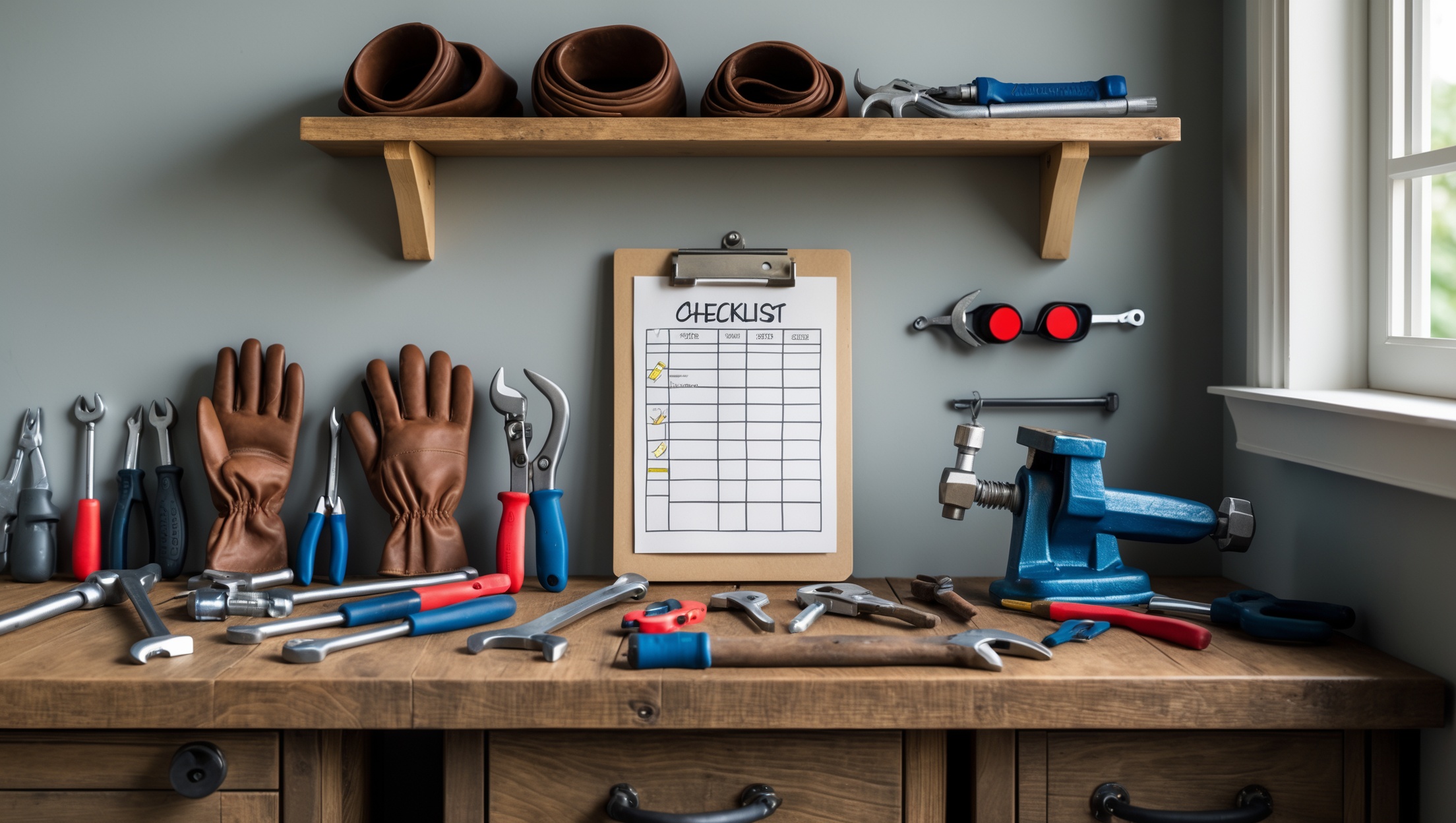
Tools and Materials Needed
- Adjustable wrench
- Plumber’s tape (Teflon tape)
- New WaterSense showerhead
- Soft cloth (to protect fixture finish)
Installation Steps
- Turn off the shower water supply.
- Use the wrench and cloth to gently unscrew the old showerhead.
- Clean the threads on the shower arm to remove debris or old tape.
- Wrap plumber’s tape clockwise around the threads (2–3 layers).
- Thread the new showerhead onto the arm by hand. Tighten carefully with the wrench and cloth.
- Turn on the water and check for leaks. If necessary, tighten further or reapply tape.
Maintenance Best Practices for Sustained Efficiency
- Regularly Inspect Fixtures: Check for drips, corrosion, or reduced flow every few months.
- Clean Aerators and Showerheads: Mineral buildup can block spray nozzles. Soak in vinegar to dissolve deposits.
- Test for Toilet Leaks: Add a few drops of food coloring to the tank; if color appears in the bowl without flushing, replace the flapper.
- Monitor Smart Devices: Keep firmware updated and test alarms monthly.
- Schedule Annual Plumbing Inspections: A pro can spot hidden leaks and recommend further efficiency upgrades.
Case Study: Water Efficiency Upgrade in a 1980s Home
When the Johnson family bought their 1980s ranch home, their first water bill was a shock. After a plumbing inspection, they implemented several upgrades:
- Replaced three old toilets with dual-flush models
- Installed WaterSense showerheads and faucet aerators
- Swapped their top-loading washer for a front-loader
- Added smart leak detectors in the basement and under sinks
Within a year, the Johnsons saw a 38% reduction in water usage, saving over $400 in utility costs. They also received a $150 rebate from their local water authority. This real-world example highlights the rapid return on investment and day-to-day benefits of prioritizing water efficiency upgrades.
Conclusion: Creating a Sustainable, Cost-Effective Future
Water-efficient plumbing upgrades represent one of the smartest investments you can make for your home. Beyond the immediate cost savings and reduced utility bills, these upgrades offer peace of mind—minimizing the risk of leaks, reducing the burden on aging infrastructure, and contributing to a more sustainable future. Whether you start small with faucet aerators or commit to whole-home appliance replacements, each step makes a measurable difference. Remember to research rebates, select certified products, and maintain your new systems for optimal performance. By staying informed and proactive, you don’t just protect your wallet—you help ensure water remains accessible for generations to come. Ready to take action? Use this guide as your blueprint for a smarter, more efficient plumbing system—and enjoy the rewards of a truly modern, environmentally friendly home.