Plumber Las Vegas News

Your trusted source for plumbing updates, DIY fixes, and industry insights in Las Vegas. Stay informed with practical tips, local trends, and expert advice for homeowners and professionals alike.

Plumbing Emergency Kits: What Every Homeowner Should Have Ready

Introduction: Why Every Home Needs a Plumbing Emergency Kit

Plumbing emergencies always seem to strike at the worst possible moment—late at night, on holidays, or when the weather outside is at its worst. Whether it’s a burst pipe, an overflowing toilet, or a sudden leak under the sink, these situations can escalate quickly, causing significant water damage, expensive repairs, and a great deal of stress. While you should always call a licensed plumber for major issues, being prepared with a well-stocked plumbing emergency kit can mean the difference between a minor inconvenience and a costly disaster. In this guide, we’ll break down exactly what every homeowner’s kit should include, why each item matters, and how to use them when time is of the essence. With a bit of preparation, you’ll be able to respond calmly and effectively to the most common plumbing crises, minimizing damage and keeping your household running smoothly until professional help arrives.

Understanding Plumbing Emergencies: Common Scenarios

What Qualifies as a Plumbing Emergency?

Not every leak or clog requires an immediate response, but certain situations demand prompt action. Here are the most frequent plumbing emergencies homeowners face:

  • Burst Pipes: Rapid water flow due to freezing, corrosion, or pressure buildup.
  • Major Leaks: Under sinks, from water heaters, or in visible piping.
  • Overflowing Toilets: Blockages causing water to spill onto floors.
  • Blocked Drains: Kitchen, bathroom, or main sewer lines causing backups.
  • Water Heater Failures: Leaks or malfunctions leading to flooding or loss of hot water.

For each of these, a fast, well-informed response can prevent thousands of dollars in repairs and preserve your home’s safety and comfort.

Essentials for Your Plumbing Emergency Kit: The Complete Checklist

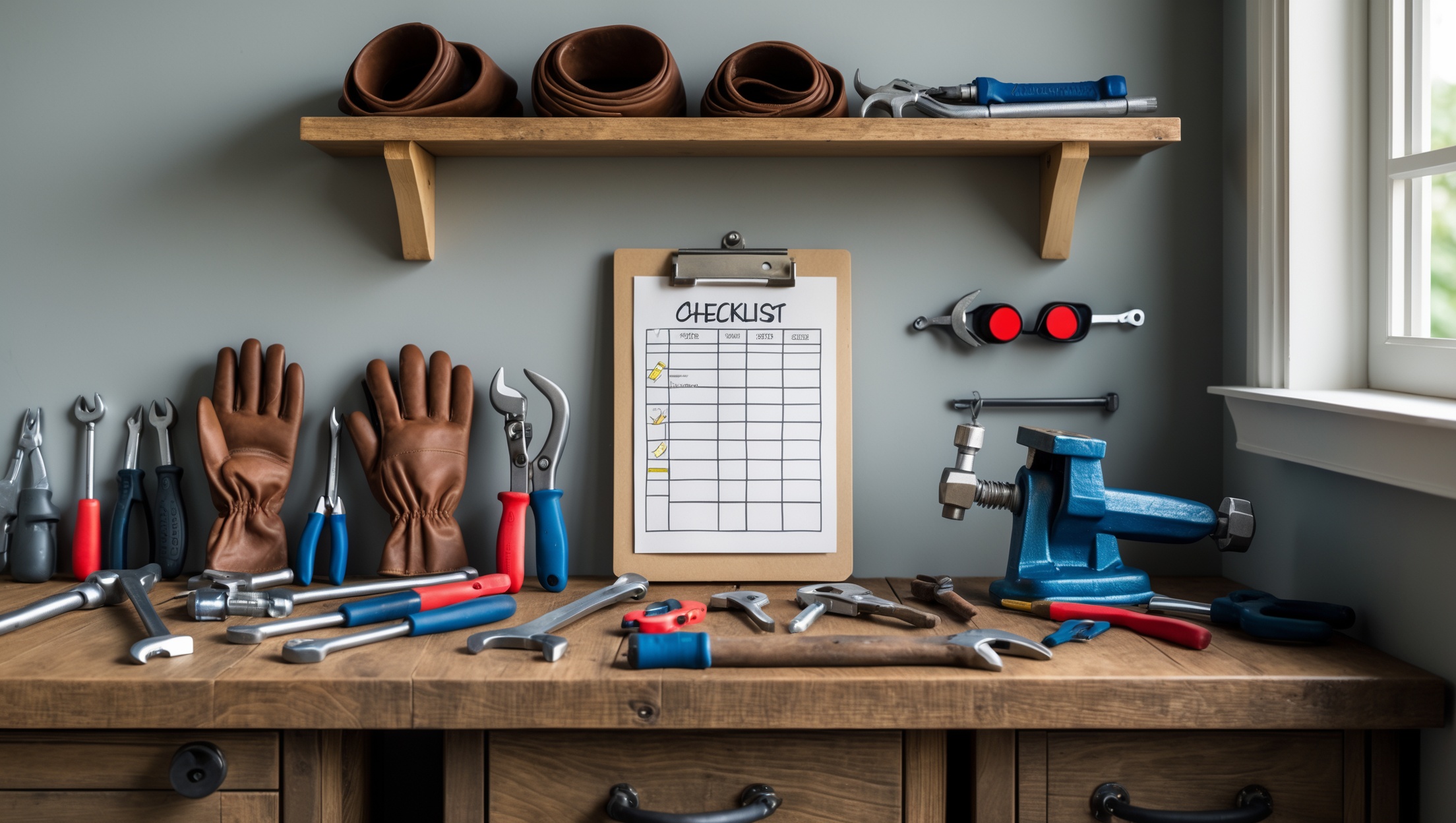
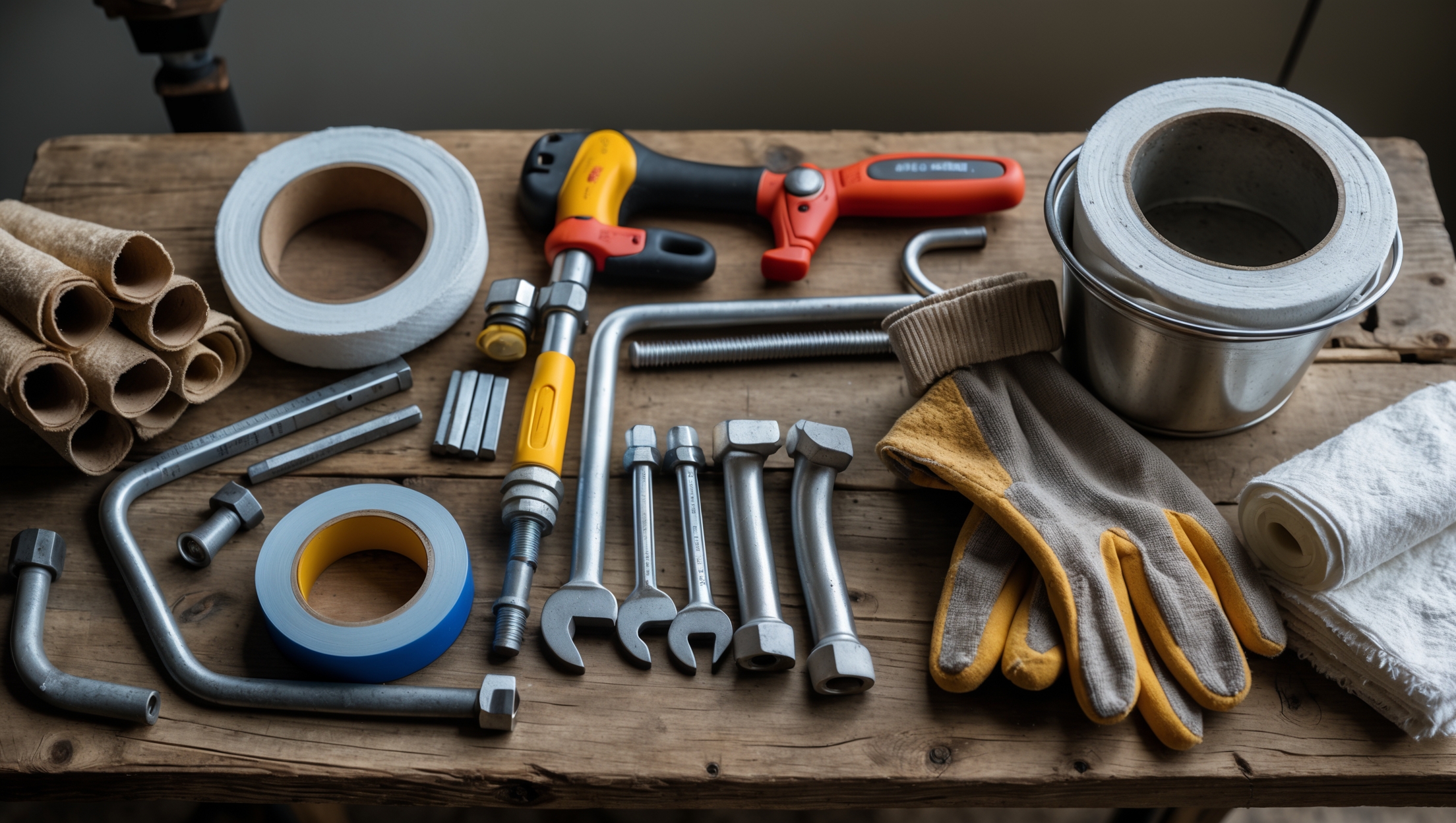
Every home is different, but the following items cover the majority of urgent plumbing situations. Store your kit in a clearly labeled container in an accessible spot—ideally under the kitchen sink, utility room, or garage. Make sure all household members know where it’s kept.

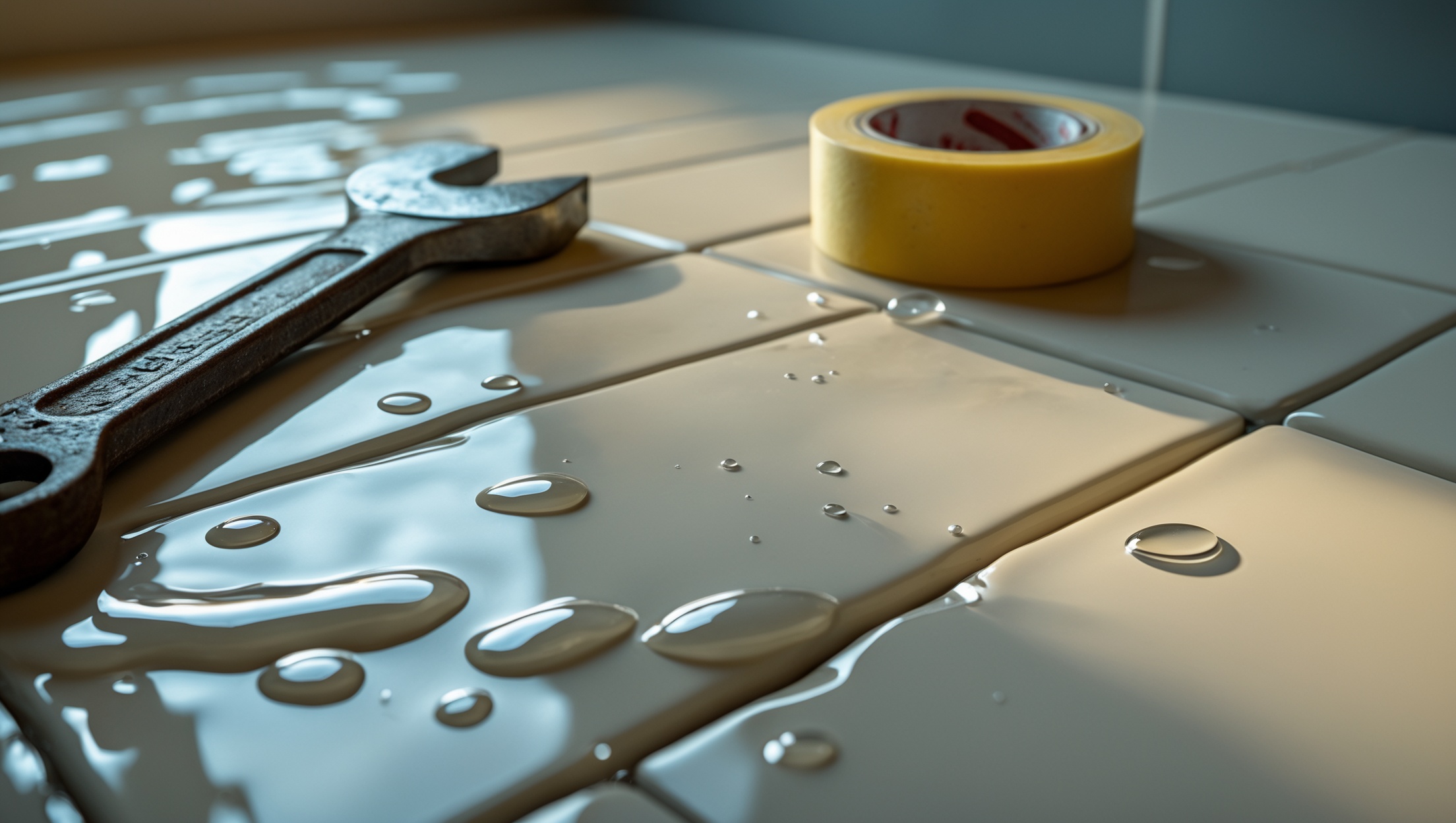
  • Adjustable Pipe Wrench: For gripping, turning, or tightening fittings on pipes of various sizes.
  • Channel Lock Pliers: Versatile for gripping pipes, nuts, and bolts.
  • Plunger (Cup and Flange Types): Cup plungers for sinks; flange plungers for toilets.
  • Plumber’s Tape (Teflon Tape): Creates watertight seals on threaded pipe joints.
  • Pipe Repair Clamp or Epoxy Putty: Temporary seal for small leaks or cracks.
  • Bucket (5-Gallon): Catches water from leaks or overflows.
  • Old Towels and Rags: For cleaning up spills and drying hands/tools.
  • Rubber Gloves: Protects hands from dirty water and sharp edges.
  • Flashlight (with Extra Batteries): Essential for working in dim spaces (under sinks, crawlspaces).
  • Allen Wrench Set: For certain garbage disposal resets and faucet repairs.
  • Utility Knife: Cutting tape, opening packages, or trimming materials.
  • Small Assortment of Pipe Fittings/Caps: End caps or push-fit connectors for temporary pipe sealing.
  • Zip Ties and Duct Tape: Quick fixes for holding hoses or patching minor leaks.
  • Toilet Auger (Optional): For stubborn toilet clogs a plunger can’t clear.
  • Water Shut-Off Tool (Meter Key): For homes with curbside water meters.
  • Clear Instructions: Printed step-by-step guidance for shutting off water and using kit items (helpful in a panic).

Kit Item Breakdown: Why Each Tool Belongs

Pipe Wrench and Channel Lock Pliers

Many emergency fixes require tightening or loosening connections—whether it’s a supply line, a leaky fitting, or a removal of a broken fixture. Pipe wrenches provide the grip and leverage needed for larger pipes, while channel lock pliers excel at smaller or oddly shaped fixtures. Together, they give you control over most plumbing hardware.

Plungers: Cup vs. Flange

Not all plungers are created equal. Cup plungers have a flat bottom and work best on sinks, bathtubs, and flat drains. Flange plungers have an extended rubber flap and are designed to seal the curved opening of toilet drains, delivering more effective suction for clearing toilet blockages. Keeping both in your kit ensures you’re ready for any clog.

Plumber’s Tape (Teflon Tape)

This thin, non-sticky tape wraps around the threads of pipe joints and fittings. It prevents leaks by filling the tiny gaps where water can escape, making it invaluable for quick repairs or when reattaching hoses and fixtures.

Pipe Repair Clamp and Epoxy Putty

When a pipe springs a leak, a repair clamp can provide an immediate, temporary solution. Simply position the clamp over the damaged area and tighten to compress the rubber gasket over the leak. Epoxy putty is another fast fix—knead the putty, apply it to the crack or hole, and allow it to cure. Both options buy you precious time until a plumber can make permanent repairs.

Bucket, Towels, and Rags

Containing water is your top priority when leaks or overflows happen. A sturdy bucket can catch water under a sink or water heater, while towels and rags soak up spills and keep floors dry. This prevents water from seeping into cabinets, walls, or flooring—areas prone to mold and long-term damage.

Rubber Gloves and Flashlight

Safety first! Gloves protect your hands from dirty water, hot pipes, or sharp edges. A flashlight is invaluable for inspecting leaks in dark corners and performing repairs when the power is out or access is limited.

Allen Wrenches and Utility Knife

Allen wrenches are often needed to reset garbage disposals or remove faucet handles. A utility knife is a universal tool that helps with cutting tape, opening boxes of fittings, or trimming sealant as needed.

Pipe Fittings, End Caps, Zip Ties, Duct Tape

Spare push-fit connectors or end caps let you quickly seal off a leaking supply line. Zip ties can keep hoses or pipes temporarily secured, and duct tape provides a basic, short-term seal for small leaks or to reinforce pipe repairs. None are permanent fixes but are invaluable in a pinch.

Toilet Auger (Optional)

If you have frequent toilet clogs, a toilet auger can clear blockages beyond the reach of a standard plunger. It’s a worthwhile addition to larger kits, especially in older homes with aging drain systems.

Water Shut-Off Tool

In some homes—especially older ones—the main water shut-off may require a special tool (meter key) to turn. Keep one in your kit if your shut-off valve isn’t a simple handle or is located at the curb.

Printed Instructions

In a crisis, it’s easy to forget steps. Keep a laminated or waterproof card with clear instructions for shutting off water, using plungers, applying tape, and contacting your plumber. This is especially useful if someone less handy needs to respond.

How to Use Your Kit During the Most Common Emergencies

1. Burst Pipe or Major Leak

  • Shut Off Water: Immediately turn off the main water supply. Know its location in advance.
  • Contain Water: Place a bucket under the leak; use towels to soak up excess.
  • Apply Pipe Clamp or Epoxy: Temporarily seal the crack or hole.
  • Call a Licensed Plumber: Even with a temporary fix, professional repair is necessary.

2. Overflowing Toilet

  • Stop the Flow: Remove the tank lid and push the flapper down. If needed, turn off the water supply valve behind the toilet.
  • Plunge: Use a flange plunger to clear the clog.
  • Auger (if needed): Insert the toilet auger if the plunger fails, following manufacturer instructions.
  • Clean Up: Use gloves and towels to sanitize the area.

3. Blocked Sink or Tub Drain

  • Plunge: Use a cup plunger for several firm, steady strokes.
  • Check Trap: Use channel lock pliers to remove the trap under the sink (place a bucket to catch water).
  • Clear and Reassemble: Clean out debris, reseal with plumber’s tape if needed, and tighten connections.

4. Leaking Water Heater

  • Shut Off Power: Turn off the breaker (electric) or gas supply (gas heater).
  • Shut Off Water: Use the dedicated valve above the heater or main shut-off.
  • Contain Leak: Place a bucket under the leak and use towels as needed.
  • Call a Professional: Water heater leaks can be hazardous; do not attempt complex repairs yourself.

Pro Tips for Maintaining and Upgrading Your Emergency Kit

  • Check Annually: Inspect all tools and supplies. Replace worn towels, expired putty, or dead batteries.
  • Keep It Mobile: Use a portable tote or toolbox with a handle for easy transport during an emergency.
  • Label Everything: Label compartments or bags for smaller items like fittings, tape, and gloves for fast access.
  • Customize for Your Home: Include extra fittings or specialty tools if your plumbing system has unique components.
  • Educate Household Members: Walk everyone through the kit contents and demonstrate how to shut off the water main and fixtures.

When to Use Your Kit—and When to Call a Professional

Your emergency kit is designed for damage control, not permanent repairs. Always call a licensed plumber if:

  • A pipe has burst or a major leak is ongoing.
  • You detect signs of water in walls, ceilings, or electrical outlets.
  • The leak involves your water heater, boiler, or main sewer line.
  • There is a sewage backup (risk of health hazards).

Use your kit to minimize damage, but don’t attempt repairs beyond your skill level. If in doubt, shut off the water and wait for the pros.

Frequently Asked Questions About Plumbing Emergency Kits

How much does a complete kit cost?

A basic kit using mid-range tools and supplies typically costs between $75 and $150. You can assemble it gradually, starting with essentials and upgrading over time.

Can I use household items as substitutes?

While duct tape and buckets are common household items, specialty items like plumber’s tape, repair clamps, and proper plungers are worth purchasing for reliability in an emergency.

Should renters keep a kit?

Absolutely. Renters are responsible for preventing further damage in emergencies, and having basic tools can help minimize issues before maintenance arrives.

How do I learn to use the kit?

Familiarize yourself with each item. Watch reputable online tutorials, read manufacturer instructions, and practice shutting off your water supply valve in advance.

Conclusion: Be Ready, Stay Calm, and Protect Your Home

Plumbing emergencies rarely give warning, but with the right preparation, you can turn a potential disaster into a manageable inconvenience. Assembling a plumbing emergency kit is a small investment of time and money that pays off the moment you’re faced with a burst pipe, clogged drain, or overflowing toilet. By understanding the purpose of each tool, practicing how to use them, and keeping your kit well-stocked and accessible, you’ll be empowered to act quickly and confidently. Remember, your kit is not a replacement for professional service, but it is your best defense against costly water damage and stress while you wait for help to arrive.

Take the time this week to gather your emergency kit supplies, review your home’s plumbing layout, and ensure every member of your household knows what to do. When the unexpected happens, you’ll be glad you took these proactive steps to safeguard your property and your peace of mind.

238 comments
Richard Perez

After using supplies from the kit during an emergency, what’s the best way to safely clean and restock them so I’m prepared for the next situation?

    Mario The Plumber

    Once you’ve used supplies from your plumbing emergency kit, start by cleaning any reusable tools with soap and water, then dry them thoroughly to prevent rust or mold. Dispose of any single-use items like gloves or rags. Make a checklist of what you’ve used and promptly replace those items, so your kit stays fully stocked and ready for future emergencies.

Patricia Gonzalez

Could you explain a bit more about what should go into the kit for water heater failures? I want to be sure I have the right supplies for that specific scenario.

    Mario The Plumber

    For water heater failures, your kit should include a pipe wrench or adjustable wrench for turning off water lines, Teflon tape for sealing threads during repairs, a flashlight in case the area is dark, towels or rags to soak up leaks, and a bucket to catch draining water. It’s also wise to keep the manufacturer’s manual and a spare pressure relief valve if possible. These items will help you manage leaks or shut down the heater safely until professional help arrives.

Emily Wilson

If a plumbing emergency happens in the winter and the main shutoff valve is frozen or hard to turn, do you have advice for getting it to budge safely, or is it better to just wait for a plumber?

    Mario The Plumber

    If your main shutoff valve is frozen or too stiff, try gently warming the area with a hair dryer or warm towels to help thaw any ice. Avoid using open flames or excessive force, as that could damage the valve. If it still won’t move or you’re unsure, it’s safest to wait for a plumber to avoid causing more damage.

Jason Rodriguez

You mentioned water heater failures as emergencies—are there certain signs I should look for in my water heater before it actually becomes an emergency, and what should I have in my kit specifically for that?

    Mario The Plumber

    Some signs your water heater might be heading for trouble include unusual noises (like banging or rumbling), water leaking around the base, rusty or discolored water, or inconsistent hot water. For your kit, keep a wrench for shutting off the water supply, a bucket for draining water, heavy-duty gloves, and a flashlight. Having the heater’s manual handy can also be a big help during an emergency.

Helen Harris

If after using the emergency kit items there’s still a leak or blockage, how long is it generally safe to wait for a plumber’s arrival before things risk getting worse? I’m trying to understand the timeframe for acting on these kinds of problems.

    Mario The Plumber

    If a leak or blockage isn’t controlled by your emergency kit, it’s best to call a plumber as soon as possible. For active leaks, waiting more than a few hours could lead to water damage or mold. For blockages, a complete drain backup should also be addressed within hours to avoid sewage issues. In both cases, sooner is always safer to prevent costly repairs.

Susan Gonzalez

If I have really limited space in my apartment, what are the absolute must-have items from your plumbing emergency kit checklist? I want to be prepared for things like overflowing toilets and leaks but can’t store a big kit.

    Mario The Plumber

    For limited space, focus on the essentials: a plunger (for toilets and drains), an adjustable wrench, a small roll of plumber’s tape, a pair of rubber gloves, and a few old towels or rags for quick cleanups. These items handle most urgent issues like overflows or small leaks without taking up much room.

Joshua Rodriguez

How do you know when a plumbing situation is something you can handle with the emergency kit yourself versus when you should absolutely call a plumber right away?

    Mario The Plumber

    You can usually handle minor issues like small leaks, dripping faucets, or clogged drains with your emergency kit. However, if you notice major water leaks, sewage backups, a burst pipe, or water flooding your home, it’s important to call a plumber immediately. Any situation involving contaminated water, gas lines, or if you can’t stop the leak with your kit, should be left to professionals.

Diane Moore

You list several plumbing emergencies like burst pipes and overflowing toilets. How do I know when my own repair attempt is enough and when I risk making things worse if I don’t call a plumber right away?

    Mario The Plumber

    If your repair stops the water flow, prevents further damage, and restores basic function, it’s often enough for minor issues. However, if you can’t stop a leak, water keeps overflowing, or you notice major water damage or sewer smells, it’s time to call a plumber. When in doubt, prioritizing safety and preventing further damage is best—don’t hesitate to seek professional help if you feel unsure.

Kimberly Smith

If I already have some basic tools at home, like pliers and a wrench, how much more would I need to add for a complete plumbing emergency kit as described here? Is there a recommended budget range for putting the kit together?

    Mario The Plumber

    Since you already have pliers and a wrench, you just need to add a few more essentials like a plunger, pipe tape, a small bucket, rags, a flashlight, adjustable wrench, plumber’s putty, and possibly spare washers. Most homeowners can put together a solid plumbing emergency kit for $30 to $75, depending on the quality and number of items you choose.

George Gonzalez

For someone on a tight budget, are there any lower-cost alternatives to some of the more specialized plumbing tools you recommend? It would be helpful to know where it makes sense to save versus splurge when assembling this kit.

    Mario The Plumber

    Absolutely, you don’t need every specialized tool to handle most basic plumbing emergencies. A sturdy plunger, adjustable wrench, duct tape, and a bucket can address many common issues and are budget-friendly. You can improvise with old towels for cleanup and use a flashlight app on your phone instead of buying a separate work light. Save your money for quality items like a plunger and wrench, but skip advanced tools unless you frequently DIY more complex repairs.

George Martinez

Could you clarify what specific tools should be in the plumbing emergency kit for someone living in an older house with a history of burst pipes? I want to be sure I am prepared for what seems most likely in my situation.

    Mario The Plumber

    For an older home prone to burst pipes, your emergency kit should include a heavy-duty pipe wrench, adjustable wrench, pipe repair clamps, plumber’s tape, a utility knife, a bucket, towels, a flashlight, and spare pipe connectors or couplings. It’s also wise to have a shut-off key for your main water valve and some rubber patches or hose clamps to temporarily seal leaks until a plumber arrives.

Joseph Anderson

The article mentions storing the kit in an accessible spot. Is there a recommended place in the house that makes the most sense, especially in case of a late-night emergency?

    Mario The Plumber

    A good spot for your plumbing emergency kit is near where you keep your main water shut-off valve, as you’ll often need to access both quickly. Many homeowners choose a utility closet, basement shelf, or under the kitchen sink—just make sure it’s easy to reach, even in the dark. Avoid storing it in locked or cluttered areas to save precious time during an emergency.

Charles Sanchez

You mention that every home should keep their emergency kit in an easily accessible spot. Do you have any tips for organizing the kit for quick use during stressful situations, especially if space is limited?

    Mario The Plumber

    To keep your emergency plumbing kit organized and easy to access, try using a clear plastic container with compartments or dividers. Label each section for items like wrenches, pipe tape, and towels. Store heavier tools on the bottom and the most frequently needed items on top. If space is tight, consider a sturdy tote bag that fits under a sink or in a closet. Make sure everyone in the household knows where it is and practice retrieving it quickly if needed.

Karen Johnson

In your checklist of plumbing emergency kit items, are there specific brands or types of pipe sealants and leak repair tapes you recommend for best results, especially for someone with little plumbing experience?

    Mario The Plumber

    For beginners, I recommend using pipe sealants like RectorSeal T Plus 2 or Oatey Great White, as they’re easy to apply and work well for most household pipes. For leak repair tape, look for self-fusing silicone tapes such as Rescue Tape or Gorilla Tape’s silicone version, since they’re simple to wrap and provide a strong seal without needing extra tools or skills.

Joshua White

If I need to use my kit in the middle of the night, are there any immediate safety precautions I should take before trying to stop a leak or unclog a drain, especially if I have kids or pets around?

    Mario The Plumber

    Before using your emergency kit at night, make sure everyone, especially kids and pets, stays away from the affected area to avoid slips or contact with water and tools. Turn off the main water supply if you’re dealing with leaks. Always wear gloves and, if it’s dark, use a flashlight for better visibility. Keep cleaning materials handy to address any spills quickly.

Michael Moore

In situations like an overflowing toilet, is it usually safe to try troubleshooting with the kit, or are there cases where it’s better to avoid using certain tools and just wait for a professional?

    Mario The Plumber

    For an overflowing toilet, it’s generally safe to use basic items from your emergency kit, like a plunger or turning off the water supply valve, to stop the immediate overflow. However, if you suspect a bigger issue like sewage backup, persistent clogs, or water coming from the base of the toilet, it’s best to avoid further troubleshooting and call a professional to prevent more damage.

Daniel Robinson

Could you go into more detail about how to safely shut off water in a rush during situations like a burst pipe or overflowing toilet? I worry I might miss a step and make things worse.

    Mario The Plumber

    Absolutely, here’s a clear process to safely shut off water during emergencies: First, locate your main water shut-off valve, usually found in the basement, garage, or where the main water line enters your home. Turn the valve clockwise (right) to close it. For isolated issues like an overflowing toilet, use the shut-off valve located behind the toilet near the floor. Turn it clockwise as well. If water is spraying, avoid electrical areas and, if safe, wear rubber-soled shoes. After shutting off the water, open a faucet to relieve pressure and help drain any remaining water.

Sandra Anderson

Does the list of emergency kit essentials change at all if you live in an older home with original plumbing? I’m not sure if I should add extra supplies or certain tools that might be more useful for aging pipes.

    Mario The Plumber

    Yes, for older homes with original plumbing, it’s wise to add a few extra items to your emergency kit. Consider including pipe repair clamps, extra rubber gaskets, and a pipe wrench suited for older fittings. Keep some plumber’s epoxy and Teflon tape on hand too, since leaks or breaks may occur more often in aging pipes. Inspect your pipes regularly and have contact info for a professional plumber just in case.

Sean Sanchez

Are there specific tools or products you recommend for homeowners on a tight budget who still want to assemble an effective plumbing emergency kit?

    Mario The Plumber

    For homeowners on a budget, focus on essentials that handle the most common plumbing emergencies. A basic kit should include a plunger, an adjustable wrench, plumber’s tape (Teflon tape), a pair of channel-lock pliers, and a multi-bit screwdriver. Add a small pipe repair clamp and a few old towels for quick leak control. These items are affordable, widely available, and very effective for most minor plumbing issues.

Charles Robinson

Can you clarify what specific tools or materials you recommend for temporarily sealing a burst pipe until a plumber arrives? I want to be sure I have the right items, especially for winter emergencies.

    Mario The Plumber

    For temporarily sealing a burst pipe, it’s helpful to have plumber’s epoxy putty, rubber patches or thick cloth, and hose clamps in your emergency kit. You can wrap the damaged area with rubber or cloth, secure it tightly with hose clamps, and use epoxy putty for extra sealing. Also, keep a bucket and towels nearby to manage leaks. These supplies can help contain the damage until a professional can make permanent repairs.

Joseph Moore

Could you clarify how often the supplies in a plumbing emergency kit should be checked or replaced? For example, do items like pipe sealant or rubber patches have a shelf life?

    Mario The Plumber

    It’s a good idea to check your plumbing emergency kit every six months. Many items, like pipe sealant, plumber’s tape, and rubber patches, do have a shelf life—usually printed on the packaging. Over time, these materials can dry out or lose effectiveness. Replace anything past its expiration date or that looks damaged to ensure your kit is always ready.

William Lee

Could you elaborate on the types of tools or supplies that would be most effective for someone dealing with repeated toilet overflows versus other types of plumbing emergencies?

    Mario The Plumber

    For repeated toilet overflows, a high-quality plunger and a toilet auger are essential, as these specifically address blockages in the toilet. Rubber gloves and absorbent towels are also helpful for quick cleanup. For other plumbing emergencies, include a pipe wrench, adjustable pliers, pipe tape, and a bucket in your kit. Having both types of supplies ensures you’re prepared for common toilet issues as well as leaks or pipe bursts elsewhere in your home.

Joshua Miller

If a burst pipe happens in the middle of the night and I have my emergency kit ready, what should be my very first step before even grabbing any tools? Should I turn off the main water supply immediately every time?

    Mario The Plumber

    Yes, your first step should always be to turn off the main water supply as quickly as possible when you discover a burst pipe. This helps prevent further water damage to your home. Once the water is off, you can safely use tools from your emergency kit to manage the situation until professional help arrives.

Joseph Gonzalez

If you live in an older home with fragile pipes, are there any extra items you’d recommend adding to the basic emergency kit beyond the standard checklist you mentioned here?

    Mario The Plumber

    For older homes with fragile pipes, it’s wise to add a few extra items to your emergency kit. Include pipe repair clamps sized for your pipe type, plumber’s epoxy putty for quick sealing, and extra towels or absorbent pads for leaks. Consider having a small pipe cutter and some replacement pipe sections if you’re comfortable with minor repairs. Also, keep a flashlight handy for low-light situations, as older homes often have less accessible plumbing.

John Harris

The article lists a lot of possible emergencies like burst pipes and overflowing toilets, but what would you say are the top three absolute must-have items for someone putting together a kit on a tight budget?

    Mario The Plumber

    For a budget-friendly plumbing emergency kit, I recommend focusing on three essentials: a heavy-duty adjustable wrench for turning off water valves, a reliable plunger for clearing clogged toilets and drains, and a roll of plumber’s (Teflon) tape to quickly seal minor leaks. These basics will help you handle most common plumbing emergencies without spending much.

Megan Thomas

You mention storing the plumbing emergency kit in an accessible spot—can you suggest specific locations that work best in smaller homes or apartments where storage space is limited?

    Mario The Plumber

    For smaller homes or apartments, good places to store your plumbing emergency kit include under the kitchen sink, inside a bathroom vanity cabinet, or in a hall closet. Some people use a sturdy container that can slide onto a closet shelf or fit behind a door. The key is to keep it somewhere you can quickly reach during an emergency, but out of the way of daily activities.

Charles Anderson

I noticed the list covers situations like major leaks and overflowing toilets. What should I do if my main water shut-off valve is hard to turn or I’m not even sure where it is?

    Mario The Plumber

    If you’re unsure where your main water shut-off valve is, take some time now to locate it—usually it’s found near where the water line enters your home, like in the basement, garage, or outside. If it’s difficult to turn, try gently applying lubricant to the handle and moving it back and forth to loosen it. If it’s still stuck, it’s best to call a plumber for assistance so you can be prepared for future emergencies.

Nathan Miller

In the case of a major leak from a water heater, are there any special tools or materials I should have in my emergency kit beyond what’s already listed in the article?

    Mario The Plumber

    For a major water heater leak, it’s wise to keep a pipe repair clamp or pipe patch kit in your emergency kit, as these can temporarily seal larger leaks until a plumber arrives. Additionally, consider having a bucket or large container for catching water, and heavy-duty gloves for safe handling. If your water heater has a specific shutoff tool, be sure to include that, too.

Julie Thomas

Could you elaborate on how to tell the difference between a small leak that can wait and a major leak that needs immediate attention, especially for someone who’s not very experienced with plumbing?

    Mario The Plumber

    A small leak is usually a slow drip or minor seepage that’s easy to contain with a bucket or towel and doesn’t cause rapid water buildup. A major leak, however, involves water escaping quickly, pooling fast, soaking carpets or floors, or coming from a burst pipe. If shutting off the water doesn’t stop it, or if you see signs of structural damage, treat it as an emergency and call a plumber right away.

Charles Lewis

After handling an overflowing toilet or a major leak with items from the kit, are there any key signs I should look for that mean I absolutely need to call a plumber right away, even if things seem under control?

    Mario The Plumber

    If you notice persistent water dripping, water stains appearing on walls or ceilings, a sudden drop in water pressure, or any strange odors coming from pipes after an emergency, it’s important to call a plumber promptly. Also, if you can’t fully stop the leak or the situation keeps recurring, professional help is needed, even if it looks managed for the moment.

Margaret Lopez

When dealing with an overflowing toilet, which items from the emergency kit should I use first to prevent water damage, and are there any common mistakes to avoid?

    Mario The Plumber

    In the event of an overflowing toilet, the first thing to use from your emergency kit is the shut-off valve tool or a pair of gloves to safely turn off the water supply behind the toilet. Next, grab absorbent towels or a mop to contain and soak up any spilled water. Avoid repeatedly flushing, as this can worsen the overflow. Also, make sure not to use chemical drain cleaners at this stage—they can damage your plumbing and make the situation harder to fix.

David Lee

Are there any budget-friendly alternatives for key items in the emergency plumbing kit, especially for homeowners who want to be prepared but can’t invest in professional-grade tools?

    Mario The Plumber

    Absolutely, there are affordable alternatives for most emergency plumbing kit essentials. For example, instead of a professional pipe wrench, a sturdy adjustable wrench can do the job. Basic plungers work well for most clogs and are inexpensive. For sealing minor leaks, standard duct tape or plumber’s tape is budget-friendly and effective in a pinch. Even a bucket and old towels for water containment don’t need to be specialized—just use what you already have at home.

Emily Brown

You mention that every home is different, so how should I adjust the kit recommendations if I have an older house with galvanized pipes instead of newer plumbing?

    Mario The Plumber

    For an older home with galvanized pipes, include a pipe wrench, penetrating oil, and replacement pipe sections or fittings specific to galvanized plumbing in your kit. These pipes are more prone to rust or corrosion, so a wire brush and Teflon tape are useful, too. It’s also a good idea to have a flashlight and extra towels, since leaks may be harder to spot or access in older homes.

Matthew Robinson

You mentioned that certain plumbing emergencies require a fast response to avoid major damage. Roughly how long do homeowners usually have to act before things get really serious, like with a burst pipe or water heater leak?

    Mario The Plumber

    With issues like a burst pipe or major water heater leak, every minute counts. Homeowners often have as little as 10 to 30 minutes before significant water damage starts occurring. Acting quickly—shutting off the main water supply and calling a plumber right away—can make a big difference in minimizing repair costs and damage to your home.

Rachel Lee

For a burst pipe scenario, do most of the recommended kit items help temporarily stop the leak, or are there specific products designed just for that emergency?

    Mario The Plumber

    In a burst pipe situation, several items from the recommended kit—like pipe clamps, plumber’s tape, and rubber patches—are meant to provide temporary fixes until a professional can make permanent repairs. However, there are also specialized products, such as pipe repair sleeves or epoxy putty, that are designed specifically for emergency pipe leaks. It’s a good idea to have both general tools and these specialized items in your kit.

Donna Thomas

For someone who isn’t super handy, are there any must-have items from your plumbing emergency kit checklist that are especially easy to use during a burst pipe or major leak?

    Mario The Plumber

    Absolutely, there are a few easy-to-use essentials you can keep on hand. A basic plunger and a roll of heavy-duty duct tape are simple to use and can help slow leaks temporarily. Having a large bucket is useful for catching water, and knowing where your main water shut-off valve is will help you stop the flow quickly. These items and steps don’t require special skills.

Lisa Sanchez

You mention storing the kit in an accessible spot—do you have any tips for keeping tools organized and easily reachable during a stressful plumbing emergency, especially if you have kids or pets in the house?

    Mario The Plumber

    To keep your plumbing emergency kit organized and safe with kids or pets around, use a sturdy, lidded plastic container and label it clearly. Store it on a high shelf in a utility closet or garage—somewhere adults can easily reach but kids and pets can’t. Inside, use smaller containers or zip bags to group items like wrenches, tape, and gloves, so you can quickly grab what you need without digging around.

Tyler Jones

When it comes to burst pipes, does your emergency kit checklist include materials or tools for temporary pipe patches, and if so, could you recommend specific types or brands for homeowners unfamiliar with plumbing supplies?

    Mario The Plumber

    Yes, the emergency kit checklist does recommend having materials for temporary pipe patches. For homeowners new to plumbing, a self-fusing silicone repair tape or a pipe repair clamp are both easy and effective. Popular brands include Rescue Tape for silicone tape and SharkBite or Oatey for repair clamps. These items can quickly stop leaks until a plumber can make a permanent fix.

Michelle Brown

Could you give a rough estimate of how much putting together a complete plumbing emergency kit might cost? I want to make sure I don’t overspend but still have everything I need for the situations you described.

    Mario The Plumber

    Putting together a complete plumbing emergency kit as described in the article typically costs between $50 and $120, depending on the brands and quality of tools and supplies you choose. Basic items like a plunger, pipe wrench, plumber’s tape, and leak sealant are quite affordable, while specialty tools or higher-end versions may increase the total. Focusing on essentials will help you stay within budget and still be well-prepared.

James Clark

You mention that plumbing emergencies like burst pipes and major leaks need fast action, but how can I tell the difference between a quick fix I can handle myself and a problem that requires calling a professional right away?

    Mario The Plumber

    If you notice a minor leak or a dripping faucet, you can often manage it temporarily by shutting off the water supply and using your emergency kit to stop the flow. However, if a pipe bursts, water is gushing, or you can’t control the leak with your kit, it’s time to call a professional immediately. Any situation involving sewage, flooding, or water near electrical outlets also needs expert help right away.

David Hernandez

When shopping on a budget, which items from your plumbing emergency kit checklist are truly must-haves, and which could be considered optional if you need to cut down on initial costs?

    Mario The Plumber

    If you’re shopping on a budget, the must-have items from the plumbing emergency kit are a plunger, an adjustable wrench, duct tape, a bucket, and some basic towels or rags. These essentials handle most minor leaks and clogs. Items like a pipe cutter, plumber’s tape, and specialty gloves are helpful but can be considered optional if you need to reduce costs initially. You can always add these optional tools later as your budget allows.

Christopher Sanchez

Can you explain how to tell the difference between a leak that can be temporarily fixed with a home emergency kit versus one that really requires professional help right away? I want to avoid making things worse while waiting for the plumber.

    Mario The Plumber

    If the leak is minor—like a slow drip from a pipe joint or a trickle under a sink—it can usually be managed with plumber’s tape, a pipe clamp, or a bucket while you wait for a professional. However, if water is gushing, flooding, or coming from a main water line, shut off your water immediately and call a plumber, as temporary fixes won’t hold and could cause damage. Also, if you see signs of electrical hazards or sewage, seek urgent professional help.

Brian Robinson

You mention that water heaters can fail and cause flooding—does your kit checklist include anything specific for handling hot water issues, or would those be addressed differently than leaks from pipes or sinks?

    Mario The Plumber

    The kit checklist in the article focuses mostly on general plumbing emergencies, like leaks from pipes or sinks, but it can also help with hot water heater issues. Items like a shut-off tool, heavy-duty gloves, and absorbent towels are useful for both scenarios. However, for water heater problems, I’d also suggest including a flashlight and knowing where your water heater’s shut-off valve is located, as well as how to turn off the power or gas supply safely.

Sarah Jackson

When dealing with major leaks, how can I tell if it’s safe to tackle it myself with the kit or if it’s best to wait for a professional? Are there specific signs to look for?

    Mario The Plumber

    If a major leak is causing fast-rising water, flooding near electrical outlets, or you can’t locate the source or main shutoff valve, it’s safest to call a professional right away. If the leak is slow, accessible, and you can stop it with your kit without risk to your safety, you can attempt a temporary fix. Always watch for signs of structural damage or contaminated water—these require immediate expert help.

Thomas Jones

In situations where there is a burst pipe due to freezing, do you have any advice on which emergency kit items are most effective for slowing or stopping the water flow until professionals get there?

    Mario The Plumber

    If you have a burst pipe from freezing, quickly shutting off your main water valve is crucial. In your emergency kit, have pipe repair clamps, rubber patches, duct tape, and heavy-duty towels or rags. Wrap the burst section with rubber, then secure it tightly with a clamp or tape to slow leaks. Buckets are also handy for catching water until help arrives.

Kimberly Rodriguez

You mentioned that every home should have a clearly labeled emergency kit in an accessible spot. Is there a particular type of container or storage solution that works best for keeping everything organized, especially in tight spaces like apartments?

    Mario The Plumber

    A compact, durable plastic toolbox or tackle box works really well for plumbing emergency kits, especially in tight spaces like apartments. These containers have built-in compartments for small items and can be easily labeled on the outside. You might also consider a clear plastic storage bin with a secure lid, which lets you quickly see what’s inside. Both options are stackable and fit easily in closets or under sinks.

Emily Perez

If I live in an older house where pipes might be more prone to bursting, are there extra items I should add to my plumbing emergency kit compared to what the article lists?

    Mario The Plumber

    For older homes with a higher risk of pipe bursts, it’s wise to add a few extras to your emergency kit. Include pipe repair clamps and rubber pipe patching material for temporary leaks, extra towels or absorbent pads for water cleanup, and a wet/dry vacuum if possible. Having a list of local emergency plumbers handy and knowing where your main water shut-off valve is located are also important precautions.

Michael Sanchez

The article mentions storing the kit somewhere accessible. Is there a specific place you recommend that won’t be affected by moisture or temperature changes, like the garage or a utility closet?

    Mario The Plumber

    A utility closet inside your home is usually the best spot for a plumbing emergency kit. This keeps it safe from moisture and temperature extremes that are common in garages or basements. Pick a place that’s easy to reach, like a hallway or laundry room closet, but away from children and pets for safety.

Jennifer Perez

When it comes to burst pipes caused by freezing, is there anything I should add to the kit during winter months that isn’t necessary in warmer seasons?

    Mario The Plumber

    For winter months, it’s wise to add pipe insulation sleeves and heat tape to your emergency kit, as these can help prevent freezing in the first place. Having a small space heater or heat lamp handy can also be useful for thawing frozen areas safely. Make sure your kit includes extra towels or rags to quickly absorb any water from a burst, and keep a list of emergency plumber contacts updated in case you need quick assistance.

Betty Moore

If I’m on a tight budget, are there any specific items in the recommended emergency kit that are absolutely essential to have right away, versus things I could add later as funds allow?

    Mario The Plumber

    If you’re on a tight budget, focus on just a few basics to start: a plunger, pipe wrench, bucket, and some adjustable pliers. These items will help you handle most minor leaks or clogs right away. You can always add things like plumber’s tape, spare washers, and pipe sealant as your budget allows.

Jessica Sanchez

If a pipe bursts in the middle of the night, which items from the emergency kit should I use first to minimize water damage before the plumber arrives? I’m worried about reacting quickly when stressed out.

    Mario The Plumber

    If a pipe bursts, quickly shut off your home’s main water valve first to stop the flow. Next, use towels, buckets, or a wet/dry vacuum from your emergency kit to catch and contain any leaking water. You can also use plumber’s tape or pipe repair clamps to temporarily seal the leak until the plumber arrives. Having these items easily accessible will help you act fast, even if you’re feeling stressed.

Brian Robinson

I’m curious about budget-friendly options: Are there any DIY alternatives for some of the kit items, especially for people who might not want to buy specialized plumbing tools right away?

    Mario The Plumber

    Absolutely, there are several budget-friendly DIY alternatives you can use. For example, a sturdy bucket or large bowl can substitute for a professional drain pan, and old towels or rags can help manage leaks temporarily. Instead of a pipe wrench, you could use a pair of adjustable pliers for minor tasks. Duct tape can also work as a quick fix to seal small leaks until you can get proper materials. These basic household items can help you handle emergencies without needing to invest in specialized plumbing tools right away.

Julie Thompson

How much should I expect to spend putting together a decent plumbing emergency kit for an average-sized home? Are there any parts I could safely skip to save money?

    Mario The Plumber

    Putting together a basic plumbing emergency kit for an average-sized home usually costs between $50 and $100, depending on the brands and quality you choose. Essentials like a plunger, pipe wrench, plumber’s tape, and basic washers are quite affordable. You can safely skip specialty items like a pipe cutter or basin wrench if you’re only planning to handle minor leaks and clogs, which helps keep costs down.

Andrew Martinez

For a college student living off campus in an older house, are there budget-friendly alternatives to some of the items in a standard emergency plumbing kit?

    Mario The Plumber

    Absolutely, you can put together a budget-friendly kit. Instead of a full pipe wrench, try a sturdy adjustable wrench. Instead of commercial leak sealant, plumber’s tape and duct tape are inexpensive but effective for small leaks. A plastic bucket and some old towels work just as well as pricier cleanup supplies. A basic plunger is essential and usually cheap. This setup should cover most minor plumbing issues without costing much.

Daniel Gonzalez

The article lists several types of plumbing emergencies, but is there an item in your recommended kit that’s especially versatile for handling multiple situations, like both leaks and blockages?

    Mario The Plumber

    A heavy-duty plunger is one of the most versatile tools in a plumbing emergency kit. It can be used to clear many types of drain blockages and even help manage minor leaks by stopping water flow temporarily until repairs are made. Having a good plunger on hand can address both clogged drains and certain leak situations effectively.

George Martin

The article mentions keeping the kit accessible, but in smaller homes or apartments, where would be the best place to store it to prevent accidental damage or tampering, especially if you have kids or pets running around?

    Mario The Plumber

    In smaller homes or apartments, a good spot for your plumbing emergency kit is a high shelf in a hallway closet or inside a laundry area cabinet—places that are easy for adults to reach but out of sight and out of reach of children and pets. This helps prevent tampering or accidental damage, while still keeping the kit accessible in case of an emergency.

Aaron Harris

Could you explain a bit more about what you should do right after discovering a burst pipe, before the plumber gets there? Is there a specific item in the kit that’s most important for that situation?

    Mario The Plumber

    After discovering a burst pipe, the first thing you should do is turn off the main water supply to your home to stop further flooding. Then, open your faucets to drain any remaining water from the pipes. The most important item from your emergency kit in this situation is a pipe repair clamp or heavy-duty waterproof tape, which you can use to temporarily seal the burst area until the plumber arrives.

Joshua Jackson

For households in colder regions where pipes might freeze, should the emergency kit include anything extra that isn’t listed in your general checklist?

    Mario The Plumber

    For colder regions where frozen pipes are a concern, consider adding pipe insulation materials like foam sleeves or heat tape to your emergency kit. It’s also smart to keep a portable space heater or heating pads on hand to help thaw frozen areas safely. Finally, a list of local emergency plumbers experienced with winter issues can be helpful.

George Moore

I noticed the article says to keep the emergency plumbing kit in an accessible spot. Do you have any tips on the best location in the house to store it so it’s easy to grab during a midnight emergency, especially if you have kids or pets?

    Mario The Plumber

    A great spot for your emergency plumbing kit is near where you’re most likely to need it—like under the kitchen sink or in a hall closet close to the main water shut-off valve. Make sure it’s up high or inside a latched container if you have young kids or curious pets, so it’s both easy for adults to access and safe for your family.

Tyler Perez

If a major leak starts under the sink in the middle of the night, how long is it generally safe to wait before calling a plumber if I use items from the emergency kit to control the situation?

    Mario The Plumber

    If you manage to stop or slow the leak using your emergency kit—by shutting off the water and using pipe tape or a repair clamp—you may be able to wait until morning if there’s no ongoing dripping or water damage risk. However, if water continues to escape or the leak is near electrical outlets, it’s safest to call a plumber immediately, regardless of the hour.

Kimberly Davis

Once you’ve used your emergency kit during a plumbing incident, what are the best next steps to take while waiting for a licensed plumber, especially to prevent further damage or mess?

    Mario The Plumber

    After using your emergency kit to stop leaks or control water flow, shut off the main water supply if you haven’t already. Mop up excess water with towels or a wet/dry vacuum to prevent water damage. Move valuables and electronics away from affected areas. Avoid using plumbing fixtures until the plumber arrives and keep the area as dry as possible to minimize potential damage or mold growth.

John Lewis

If a pipe bursts in the middle of the night and I have your emergency kit ready, what is the very first thing I should do before trying to use any of the tools?

    Mario The Plumber

    If a pipe bursts, the very first thing to do is turn off your home’s main water supply. This will stop water from gushing out and help limit the damage. Once the water is off, you can safely use the tools in your emergency kit to contain the leak and clean up the area.

George Lopez

You mention storing the kit in an accessible spot. Any advice on the best location for homes with kids or pets so it’s secure but still easy to reach in a hurry?

    Mario The Plumber

    For homes with kids or pets, a good spot for your plumbing emergency kit is a high shelf in a utility closet, laundry room, or garage—somewhere out of children’s and animals’ reach, but still easy for adults to access quickly. Make sure everyone in the household who may need it knows exactly where it is.

Jessica Thomas

Can you explain the difference between a plumbing situation that requires immediate kit use versus something that can wait until normal business hours for a plumber? Sometimes it’s hard for me to tell how urgent a leak or clog actually is.

    Mario The Plumber

    A plumbing emergency usually means water is actively leaking or flooding, which can cause damage to your home or poses a safety risk. For example, a burst pipe, rapidly spreading leak, or sewage backup needs immediate attention and use of your kit. Minor drips, slow drains, or a toilet that flushes slowly can usually wait until normal business hours. If you can’t stop water flow with your kit, it’s urgent.

Rachel Thompson

For homeowners on a tight budget, are there any lower-cost alternatives or DIY options for some of the plumbing emergency kit essentials you listed, especially for things like burst pipe repairs?

    Mario The Plumber

    Absolutely, there are affordable alternatives for many plumbing emergency kit items. For burst pipes, you can use a heavy-duty plastic bag and duct tape to create a temporary seal until repairs can be made. Old towels or rags work well for soaking up leaks. A simple adjustable wrench from a discount store can substitute for expensive tools. Just make sure you know where your main water shut-off valve is, as turning off the water quickly is key in any emergency.

Ashley Thomas

My house has an older water heater that sometimes leaks a bit. Would the recommended kit items help in this situation, or is there something additional that would be good to add specifically for water heater issues?

    Mario The Plumber

    The recommended plumbing emergency kit items, like pipe tape, towels, and a bucket, can definitely help manage small leaks from your water heater. For older units, it’s also smart to keep a water heater drain hose, a wrench sized for the drain valve, and perhaps a spare pressure relief valve. These extras can make it easier to address leaks or perform a quick drain if needed.

Tyler Williams

When you mention storing the kit in an accessible spot, is there a recommended location that stays safe from kids or pets but is still easy to get to in a hurry during an emergency?

    Mario The Plumber

    A good spot for your plumbing emergency kit is a high shelf in a pantry, laundry room, or utility closet. This keeps it out of reach of children and pets but still lets you grab it quickly when needed. Just make sure everyone in your household who may need it knows where it is, and avoid locking it away where access might be delayed.

Tyler Rodriguez

If I run into a blocked drain, is it better to use a plunger or a drain snake first? I’d like a bit more guidance on which situations call for each tool in the emergency kit.

    Mario The Plumber

    For a blocked drain, it’s usually best to start with a plunger. Plungers are effective for simple clogs, especially in sinks or toilets, and are less likely to damage pipes. If plunging doesn’t clear the blockage, or if you suspect the clog is deeper in the pipe, then use a drain snake. Reserve the snake for tougher or persistent clogs that the plunger can’t resolve.

Anthony White

The article mentions using the kit to handle overflowing toilets and blocked drains. Could you explain how to safely use these items for a backup without making the situation worse or damaging the plumbing?

    Mario The Plumber

    When dealing with an overflowing toilet, turn off the water supply valve behind the toilet first. Use the plunger from your kit to create a seal and plunge gently but firmly. For blocked drains, ensure you use a plunger or a drain snake—never force a metal object down the pipe, as this could cause damage. Always avoid using harsh chemicals, as they can harm your plumbing. If water keeps rising or you’re unsure, it’s safest to call a professional.

Charles Smith

You listed water heater failures as a common plumbing emergency—are there any specific items or steps homeowners should add to the kit to better respond to hot water tank leaks or breakdowns?

    Mario The Plumber

    For water heater leaks or breakdowns, it’s wise to include a pipe wrench in your kit for shutting off supply valves, plus a heavy-duty bucket to catch leaks. Absorbent towels or rags are helpful for quick clean-up. Have the water heater manual on hand for reference and consider labeling the shut-off valve location in advance so you can act fast if needed.

Patricia Lewis

Can you give more insight on what to do if a water heater failure suddenly causes flooding? Are there specific steps or items in the kit that are especially useful for this kind of emergency compared to other situations?

    Mario The Plumber

    If your water heater suddenly fails and causes flooding, the first steps are to turn off the water supply to the heater and shut off the power (electricity or gas) to prevent hazards. Items in your emergency kit that are especially useful here include a heavy-duty wrench for shutting valves, absorbent towels or rags, a wet/dry vacuum to remove water, and a mop bucket. Having a flashlight handy is important if the area is poorly lit. These items are particularly relevant for water heater flooding compared to smaller leaks elsewhere.

Betty Thompson

When putting together a plumbing emergency kit as suggested, are there certain brands or quality levels of tools and supplies you recommend, especially for items like pipe wrenches or leak sealing tape?

    Mario The Plumber

    When assembling your plumbing emergency kit, it’s wise to choose mid-range or professional-grade tools rather than the cheapest options, as they’ll last longer and work more reliably. For pipe wrenches, brands like Ridgid and Irwin are known for durability. For leak sealing tape, look for products labeled as plumber’s or self-fusing silicone tape; brands like 3M or Gorilla are reputable. While specific brands aren’t required, prioritizing sturdy, well-reviewed items will make your kit much more effective.

Richard Jones

You mention a variety of common scenarios like water heater failures and overflowing toilets. Are there any specialty tools or materials that are particularly helpful for those issues that most people might overlook in their kits?

    Mario The Plumber

    For water heater failures, a water heater element wrench and a multimeter can be very useful, though they aren’t always included in basic kits. For overflowing toilets, a closet auger is more effective than a standard plunger for clearing deep clogs. Many people also overlook having pipe insulation tape and extra shut-off valve washers, which can help with quick fixes in both situations.

Julie Johnson

I’m unsure how often I should check or refresh my plumbing emergency kit once it’s assembled. Do these supplies have a shelf life, or are there any parts that tend to need replacement over time?

    Mario The Plumber

    Some items in your plumbing emergency kit, like pipe sealant, plumber’s tape, or rubber washers, can degrade over time, so it’s smart to check your kit every 6 to 12 months. Look for dried-out compounds, expired sealants, rusted tools, and worn gloves. Replace anything that looks damaged or no longer effective to ensure your kit is always ready in an emergency.

Helen Wilson

How much should I expect to spend assembling a complete plumbing emergency kit for a standard single-family home, and are there any budget-friendly alternatives for the more specialized tools?

    Mario The Plumber

    For a standard single-family home, assembling a complete plumbing emergency kit typically costs between $50 and $150, depending on the brands and tools you choose. For specialized tools like a pipe wrench or basin wrench, you can often find budget-friendly alternatives at hardware stores or consider borrowing or renting them for occasional use. Prioritize essentials first, then add specialized tools as your budget allows.

Ashley White

The article mentions storing the kit in an accessible spot. Are there any specific places in the home you recommend or places to avoid so I can reach the kit quickly during an emergency?

    Mario The Plumber

    It’s best to store your plumbing emergency kit somewhere that’s easy to reach, like under the kitchen sink, in a bathroom cabinet, or in a utility closet near the main water shut-off valve if possible. Try to avoid placing the kit in the basement if flooding is a risk, or in high, hard-to-reach shelves. The key is keeping it in a spot everyone in your household can quickly access during an emergency.

Michael Lewis

How much should I expect to spend putting together a complete plumbing emergency kit like you describe? Are there budget-friendly options for some of the more specialized tools?

    Mario The Plumber

    You can expect to spend between $40 and $100 for a basic plumbing emergency kit, depending on the brands and quality of tools you choose. For specialized tools like a pipe wrench or basin wrench, budget-friendly options are available at most hardware stores and work well for occasional home use. Consider starting with essentials, then add specialized items as needed to keep costs manageable.

Thomas Brown

Could you give an idea of the typical cost range for assembling a quality plumbing emergency kit like the one you describe? I want to be prepared but also stay within a reasonable budget.

    Mario The Plumber

    Assembling a quality plumbing emergency kit typically costs between $40 and $100, depending on the brands and quantities you choose. Basic tools like a plunger, wrench, and pipe tape are generally inexpensive, but adding items like a pipe cutter or specialty sealants can increase the total. Buying items individually often lets you stay within your budget, so prioritize the essentials first.

Joseph Williams

If I’ve already experienced an overflowing toilet a couple of times this year, does that indicate something more serious than a one-off emergency, and should I consider upgrading my kit or calling a plumber for a deeper inspection?

    Mario The Plumber

    If your toilet has overflowed multiple times recently, it’s likely a sign of an underlying plumbing issue such as a blockage or a problem with the toilet mechanism. While a well-stocked emergency kit is helpful, it’s wise to call a professional plumber for a thorough inspection to prevent bigger problems. Upgrading your kit is good, but addressing the root cause is important.

Betty Rodriguez

Is there a way to adapt the emergency kit checklist from the article for a small business location with multiple bathrooms, or would you recommend separate kits for each area? I want to make sure we’re prepared for any plumbing emergencies that might affect operations.

    Mario The Plumber

    You can adapt the emergency kit checklist for a small business by creating a larger, centralized kit with extra supplies to handle issues in multiple bathrooms. It’s helpful to keep some basic items, like plungers and towels, in or near each bathroom for quick access, but main tools and repair materials can be stored in one easily accessible location. This approach balances preparedness with efficiency.

Sarah Hernandez

After using the emergency kit to temporarily fix a leak under the sink, how soon should I expect a professional plumber to follow up, and what temporary repairs will actually last several days if needed?

    Mario The Plumber

    After using your emergency kit for a temporary fix, it’s best to contact a professional plumber as soon as possible—ideally within 24 to 48 hours. Temporary repairs like plumber’s tape or pipe clamps can sometimes hold for a few days, but they aren’t meant for long-term use. Monitor the area closely for further leaks and avoid using the sink if you notice any worsening.

Nathan Miller

The article mentions that burst pipes are a top emergency—if this happens, should I always shut off the main water supply, or are there situations where using a local shut-off valve is enough to contain the problem?

    Mario The Plumber

    If a burst pipe occurs, shutting off the main water supply is usually the quickest way to prevent widespread water damage, especially if you’re unsure where the leak is or if it’s severe. However, if the burst is isolated and you know the location of a local shut-off valve that controls only the affected area, using that valve can be enough. Always assess the situation—when in doubt, turn off the main supply until repairs are made.

Aaron Jackson

I’m on a pretty tight budget and want to be prepared, but are there certain essentials from the list that you’d recommend getting first, before building up the rest of the kit later on?

    Mario The Plumber

    Absolutely, you can start with the most crucial items for immediate plumbing emergencies: a plunger, an adjustable wrench, duct tape (for temporary pipe leaks), and a bucket to catch water. These basics cover most urgent issues. As your budget allows, you can add pipe sealant, plumber’s tape, and a flashlight to be even better prepared.

Andrew Johnson

If I have an older home with some original plumbing, are there specific tools or materials that should be added to the emergency kit beyond what you recommend for newer houses?

    Mario The Plumber

    For older homes with original plumbing, it’s a good idea to include a pipe repair clamp and extra rubber gaskets, since joints and pipes may be more prone to leaks. Having a pipe cutter and some pipe sealing tape can also help, especially if you have older galvanized or cast iron pipes. Consider stocking replacement washers and different-sized wrenches, as fittings might not match newer standards.

Karen Harris

For someone on a tight budget who’s just getting started, which items from your checklist would you suggest buying first to cover the most urgent plumbing risks?

    Mario The Plumber

    If you’re just starting out and need to prioritize, begin with a plunger, adjustable wrench, plumber’s tape, and a small bucket. These basics handle the most common emergencies like clogs and minor leaks. If possible, add a pair of work gloves and some old towels, which are inexpensive and useful for clean-up. With these essentials, you’ll be prepared for most urgent plumbing issues without spending much.

Margaret White

For budget-conscious homeowners, are there any lower-cost alternatives to some of the essentials on the emergency kit checklist that still get the job done safely?

    Mario The Plumber

    Absolutely, there are affordable alternatives for most plumbing emergency kit essentials. For example, instead of a premium pipe wrench, a sturdy adjustable wrench works for many basic fixes. Simple rubber gloves can replace heavy-duty versions for short-term use, and a basic plunger is often as effective as pricier models. Just make sure any alternative you choose is durable enough for the job and used safely.

Megan Harris

How often should you check your emergency kit to make sure items like rubber gaskets or sealants haven’t dried out or expired? I imagine some things might go bad just sitting around.

    Mario The Plumber

    It’s a good idea to check your plumbing emergency kit at least twice a year. Items like rubber gaskets and sealants can dry out or lose their effectiveness over time, especially if stored in warm or humid conditions. When inspecting your kit, look for any signs of cracking, hardening, or expired dates, and replace anything that seems questionable.

Jennifer Martinez

For situations like an overflowing toilet, your checklist sounds helpful, but are there certain products or tools that are better for older plumbing systems or if I have children in the house?

    Mario The Plumber

    For older plumbing systems, it’s wise to keep a heavy-duty plunger and a flange plunger, which seal better on older toilets. Consider a toilet auger for tough clogs, but use it gently to avoid damaging pipes. If you have children, store all chemicals and sharp tools out of reach, and choose non-toxic, child-safe gloves and cleaning products. These adjustments will make your emergency kit safer and more effective for your needs.

Sean Martin

I’ve never dealt with a burst pipe before. Can you walk me through the first steps I should take using items from the kit if I discover water spraying everywhere in the middle of the night?

    Mario The Plumber

    If you find a burst pipe spraying water, immediately locate and turn off your home’s main water shut-off valve to stop the flow. Use a flashlight from your emergency kit if it’s dark. Next, grab towels and a bucket to contain or soak up water and prevent further damage. If you have pipe repair tape or a pipe clamp in your kit, apply it to the damaged section as a temporary fix. Once things are under control, call a plumber for a permanent repair.

Matthew Wilson

When it comes to burst pipes, how effective are DIY plumbing kits for temporary fixes until a licensed plumber can show up? Any specific tools that you would prioritize if you can only start with a few?

    Mario The Plumber

    DIY plumbing kits can be quite effective for short-term fixes on burst pipes, helping to reduce water damage until a professional arrives. For the basics, prioritize a pipe repair clamp, plumber’s tape (Teflon tape), and some heavy-duty pipe putty. These items let you seal leaks quickly and limit flooding. Always remember, though, these are temporary measures and a licensed plumber should handle the permanent repair.

Margaret Davis

Is it possible to use the same basic emergency kit for both older and newer homes, or would you recommend different supplies depending on the age and type of plumbing in the house?

    Mario The Plumber

    You can use a basic plumbing emergency kit for both older and newer homes, as essentials like pipe wrenches, pliers, plumber’s tape, and a plunger are universally helpful. However, if your home has unique plumbing materials—like galvanized pipes in older homes or PEX in newer ones—you might want to add specialized fittings or repair clamps compatible with your system.

Michael Moore

Are there specific tips for organizing the kit so that family members who aren’t handy can still find and use the right tools in a real emergency?

    Mario The Plumber

    Absolutely, it’s helpful to keep your plumbing emergency kit in a clearly labeled container and use dividers or small boxes for grouping similar items. Attach simple instructions or color-coded labels to each tool and supply, so even those without plumbing experience can quickly identify and use them. Placing a laminated checklist of kit contents and basic emergency steps inside the lid can be a real lifesaver during stressful situations.

Diane Moore

About the burst pipes scenario, how quickly should I try to shut off the main water supply, and do you have any advice for labeling or finding the shutoff valve quickly in an emergency?

    Mario The Plumber

    You should try to shut off the main water supply immediately if you suspect a pipe has burst, as this can minimize water damage. To make it easier in an emergency, clearly label the shutoff valve with a bright tag or tape. It’s helpful to show everyone in your household where the valve is located and practice turning it off, so no time is lost during an actual emergency.

Karen Hernandez

You mentioned storing the kit in an accessible spot, but is there a best place to keep it if I live in a multi-story house or an apartment? I want to be sure I can grab it quickly if there’s a leak.

    Mario The Plumber

    For a multi-story house, the best spot is usually near the main water shutoff valve, often in a basement or utility area, since you’ll want to reach both the kit and the valve quickly. If you live in an apartment, keep the kit in a hallway closet or under the kitchen sink—close to where most plumbing problems happen and easy to grab in a hurry.

Brian Hernandez

When handling a burst pipe or major leak before a plumber can get here, is it safe to use the main shut-off valve on my own, and do you have any tips for quickly locating it in an emergency?

    Mario The Plumber

    Yes, it’s both safe and important to use your main shut-off valve during a burst pipe or major leak. This will stop water flow and help minimize damage until professional help arrives. To locate the valve quickly, check along the perimeter of your home where the water line enters—often in basements, garages, or utility rooms. It’s a good idea to familiarize yourself with its exact spot in advance and keep the area clear for fast access.

Anthony Taylor

Could you clarify how to tell when a leak or clog is something I can safely tackle with the kit, versus a situation where I should shut off the water and wait for a plumber?

    Mario The Plumber

    If a leak or clog is minor—like a dripping faucet, a slow drain, or a small under-sink leak you can spot and access—your emergency kit is likely enough. However, if water is gushing, flooding, or you can’t identify the source, or if a clog is causing backups into other fixtures, shut off your water supply and call a plumber. Severe leaks, burst pipes, or sewage backups always need professional help.

Susan Lee

The article lists water heater failures as one of the emergencies. Could you clarify what specific tools or materials should be in the kit for a water heater leak versus, say, a major pipe leak?

    Mario The Plumber

    For a water heater leak, your kit should include a pipe wrench for turning off water connections, plumber’s tape to seal minor leaks, towels or rags for cleanup, and a bucket to catch dripping water. For a major pipe leak, add pipe repair clamps, heavy-duty duct tape, and extra pipe fittings. Both situations require a flashlight and access to your water shutoff valve tool.

Karen Williams

If I’m trying to put together a plumbing emergency kit on a tight budget, which three items would you say are absolutely essential and which ones could I add later?

    Mario The Plumber

    If you’re working with a limited budget, focus on these three essentials: a plunger (to handle most clogs), an adjustable wrench (for tightening or loosening fittings), and plumber’s tape (to seal minor leaks). You can always add items like a pipe cutter, heavy-duty gloves, or a bucket as funds allow. These basics should help you manage most urgent situations until you can get more supplies.

Sean Sanchez

The article mentions handling overflowing toilets and burst pipes. Are there any special safety precautions I should take before trying to stop the water myself?

    Mario The Plumber

    Absolutely, safety comes first in any plumbing emergency. Before you try to stop the water, turn off the main water supply to prevent further flooding. If water is near electrical outlets or appliances, avoid the area to reduce the risk of electric shock. Wear rubber gloves and boots if possible, and remember not to use electrical devices in wet areas. If you’re unsure or the situation feels dangerous, it’s best to call a professional immediately.

Mary Sanchez

If my house has older plumbing and is prone to corrosion, are there any extra items I should add to the basic emergency kit you recommend?

    Mario The Plumber

    For older plumbing that’s prone to corrosion, consider adding pipe repair clamps, extra pipe tape, and replacement washers to your emergency kit. Including a small wire brush can help clean off corrosion before making temporary fixes. It’s also wise to keep a flashlight handy to inspect hidden pipes, and a few extra towels or rags to handle unexpected leaks.

Mary Hernandez

Would you recommend keeping separate kits for different areas, like the kitchen versus the bathroom, or is one central kit usually enough for the types of emergencies described here?

    Mario The Plumber

    A single, well-stocked central kit is generally enough for most plumbing emergencies described in the article. This makes it easy to grab what you need quickly, regardless of where the issue occurs. Just be sure your kit includes items versatile enough for both kitchens and bathrooms, like pipe wrenches, plumber’s tape, and towels. You can always adjust your kit if you notice you need specific tools for certain rooms.

Susan Lee

For someone who’s never dealt with a water heater leak before, are there any warning signs to watch for so I might catch the problem early, before it becomes a full-blown emergency?

    Mario The Plumber

    Absolutely, catching a water heater leak early can save a lot of trouble. Look out for moisture or puddles forming around the base of your water heater, rust or corrosion on the tank or pipes, strange hissing or popping noises, or a noticeable drop in hot water supply. Also, any unusual smell or discoloration in your water can be a sign. Regularly check these areas so you can spot issues before they turn into emergencies.

Barbara Sanchez

For someone who’s never dealt with a burst pipe before, could you explain what the first steps should be using the kit until a professional can get there?

    Mario The Plumber

    If a pipe bursts, the first thing to do is shut off your home’s main water valve to stop the flow. Next, use towels or a bucket from your kit to soak up or collect any leaking water to minimize damage. If you have pipe repair tape or a pipe clamp in your kit, wrap or clamp the burst section as a temporary fix. Finally, turn off electricity if water is near outlets and wait for the plumber.

Jennifer Miller

Once you’ve used your emergency kit to control a leak or a burst pipe, what are the next steps before a plumber arrives? Should I turn off the main water supply if it’s a major leak?

    Mario The Plumber

    Yes, if you’re dealing with a major leak or burst pipe, you should turn off your home’s main water supply as soon as you’ve controlled the situation with your emergency kit. This helps prevent further water damage. After shutting off the water, mop up excess water if it’s safe, and move valuables out of the affected area. Then wait for the plumber to arrive.

Susan Martinez

In a situation where the main water shut-off valve is old or hard to operate, does your recommended kit include any tools or steps for safely turning the water off during an emergency?

    Mario The Plumber

    If your main water shut-off valve is tough to operate, it’s a good idea to add a pair of adjustable pliers or a pipe wrench to your emergency kit. These tools can help you grip and turn stubborn valves. Also, keep some lubricant like WD-40 handy in case the valve is stuck. Familiarize yourself with the valve’s location and check it periodically to make sure it still works.

George Brown

After using the emergency kit to handle a small leak or blockage, what steps should I take before calling a plumber? Are there temporary fixes that are safe to leave in place for a few days?

    Mario The Plumber

    After using your emergency kit, make sure you turn off the water supply to prevent further damage. Clean up any water to avoid slipping or mold growth. Temporary fixes like plumber’s tape on a leak or a bucket under a slow drip are safe for a short time, but avoid leaving clamps or patch kits on high-pressure pipes for more than a day or two. Always monitor the area and call a plumber if you notice worsening leaks or damage.

Robert Garcia

You mention how quick action can prevent thousands in damage. Is there an estimate of how much time you realistically have to act before water damage becomes severe in cases like overflowing toilets or major leaks?

    Mario The Plumber

    In most cases, you have about 15 to 30 minutes to act before water from something like an overflowing toilet or a major leak can start causing significant damage to floors, walls, or ceilings. The sooner you shut off the water supply and start cleanup, the better your chances of minimizing costly repairs.

Barbara Thompson

Your list includes items for most plumbing issues, but what about if you live in an older home? Are there any special supplies or precautions you would add for houses with older plumbing systems?

    Mario The Plumber

    Older homes often have unique plumbing challenges due to aging pipes and outdated materials. Along with the standard kit, it’s wise to keep a pipe wrench that fits older-style fittings, extra pipe clamps, and repair tape specifically for metal pipes. You might also consider leak detection dye tablets to spot hidden leaks. Knowing where your main water shut-off valve is—and making sure it still works—is especially important in older homes.

Betty Sanchez

In the case of a sudden major leak under the sink, are there any specific steps I should take with the kit items you list before shutting off the main water supply, or is cutting off the water always the first move?

    Mario The Plumber

    If you notice a major leak under the sink, your first priority should be to stop the water flow. If you can access a shutoff valve under the sink, use it before reaching for the main water supply—this limits disruption to the rest of the house. Once the water is off, use your kit items like towels, a bucket, and plumber’s tape to manage cleanup and limit further damage until repairs can be made.

Diane Lewis

Could you provide a detailed list of exactly what should go into a basic plumbing emergency kit for a homeowner, and explain if there are certain items that are specifically important during winter months when burst pipes are more likely?

    Mario The Plumber

    A basic plumbing emergency kit should include a heavy-duty plunger, adjustable wrench, pipe wrench, plumber’s tape (Teflon tape), pipe repair clamp, bucket, rags or towels, flashlight with extra batteries, and rubber gloves. For winter, it’s especially important to have pipe insulation, heat tape, and a portable space heater. These help prevent and manage burst pipes, which are more common in freezing temperatures. Having these items on hand can help you respond quickly to plumbing emergencies and minimize water damage.

Aaron White

In a situation where there’s a major leak under the sink, which items from your checklist should be used first and are there any common mistakes homeowners make when trying to stop the water?

    Mario The Plumber

    If you have a major leak under the sink, you should first use the shut-off valve to stop the water supply. If water continues to flow, locate your main water shut-off valve and turn it off. Next, grab towels or absorbent cloths to soak up standing water and use a bucket to catch any drips. A common mistake is not shutting off the water quickly enough or using tape or sealants before the water is fully stopped, which can make the problem worse.

Richard Hernandez

You mentioned that burst pipes are a common emergency. How do I safely shut off the water if I’ve never done it before, and is there a tool in the emergency kit to make this easier for beginners?

    Mario The Plumber

    To safely shut off your water in case of a burst pipe, locate your main water shut-off valve—usually near where the water line enters your home. Turn the valve clockwise to close it. If it’s a hard-to-turn wheel or lever, a water shut-off wrench or adjustable wrench from your emergency kit can really help. Be sure to familiarize yourself with the valve’s location and practice turning it off ahead of time so you’re prepared.

Helen Perez

After using items from the kit to address an issue like a major leak or overflowing toilet, what are the best steps to take to prevent further damage while waiting for a professional plumber?

    Mario The Plumber

    After handling the immediate issue with your emergency kit, turn off the main water supply if you haven’t already. Mop up excess water to reduce the risk of damage or mold. Move nearby valuables and electronics to a dry area. If you used any buckets or towels, check and replace them as needed to keep the area as dry as possible. Finally, avoid using affected fixtures until the plumber arrives.

David Jones

If we already have some basic tools at home, like a plunger and adjustable wrench, what are the most essential extra items you’d suggest adding to be truly prepared for common emergencies like burst pipes or leaks?

    Mario The Plumber

    Since you already have a plunger and adjustable wrench, consider adding a pipe repair clamp, plumber’s tape (Teflon tape), heavy-duty towels or rags, a bucket, rubber gloves, and a flashlight with spare batteries. Also, having a shutoff valve key and some pipe sealant putty on hand can make a big difference when handling leaks or burst pipes until a professional can arrive.

Robert Wilson

If a major leak starts under the sink and I have your recommended kit ready, what should I do first to minimize water damage before the plumber arrives?

    Mario The Plumber

    If you spot a major leak under the sink, first turn off the water supply valve under the sink or the main shut-off if needed. Quickly use towels or the absorbent pads from your kit to soak up pooling water. Place a bucket or container under the leak to catch drips, and use plumber’s tape or a pipe clamp from your kit to temporarily stop or slow the leak until the plumber arrives.

Margaret Davis

Can your recommended kit also cover clogged sewer line situations, or would that require additional or different supplies beyond what’s listed?

    Mario The Plumber

    The basic plumbing emergency kit in the article is great for minor clogs, but a clogged sewer line usually needs heavier-duty tools like a sewer auger or a plumber’s snake, which aren’t typically included. For sewer line issues, having protective gloves, a bucket, and disinfectant is useful, but you might need to rent or purchase specialized equipment or contact a professional.

Michelle Martin

You mention storing the kit in an accessible spot—would it make sense to keep some of these tools in multiple locations, like both the bathroom and kitchen, or is one central kit fine for most emergencies?

    Mario The Plumber

    Keeping one central plumbing emergency kit is usually enough for most households, as long as it’s easy to grab quickly. However, if you have a larger home or worry about reaching a kit in time—especially if leaks could happen far from the main storage spot—it can be helpful to keep smaller kits or just a few basic tools in both the bathroom and kitchen. Choose what makes the most sense for your home’s layout and your peace of mind.

Matthew Davis

If a homeowner is on a tight budget, are there a few essential items from your checklist they should prioritize above all others for the most common plumbing emergencies?

    Mario The Plumber

    If you’re working with a tight budget, I recommend prioritizing a good plunger, an adjustable wrench, plumber’s tape (Teflon tape), and a flashlight. These basics can help you handle the most common emergencies like clogged drains, minor leaks, and loose fittings. If possible, also keep a few rags or towels on hand to manage unexpected water spills.

Jason Davis

If I put together this plumbing emergency kit for my home, how often should I replace or check the supplies to make sure everything is in working order? Are there any items that expire or need regular updating?

    Mario The Plumber

    It’s wise to check your plumbing emergency kit at least once a year. Some items, like pipe sealants, plumber’s tape, or rubber gaskets, can dry out or lose effectiveness over time, so check their expiration dates. Batteries for flashlights and gloves may also need replacing. Tools like wrenches and plungers typically last longer but should still be inspected for rust or damage during your yearly review.