Plumber Las Vegas News

Your trusted source for plumbing updates, DIY fixes, and industry insights in Las Vegas. Stay informed with practical tips, local trends, and expert advice for homeowners and professionals alike.

Plumbing Drain Maintenance: Pro Techniques to Prevent Costly Clogs

Introduction: The True Cost of Neglecting Drain Maintenance

Clogged drains are more than just an irritating inconvenience—they’re one of the most common sources of expensive plumbing emergencies. When left unchecked, slow or blocked drains can lead to overflowing sinks, water damage, foul odors, and even pipe bursts that require urgent, costly repairs. Yet, most homeowners and even some pros underestimate how routine drain maintenance can save thousands over the life of a plumbing system. In this guide, you’ll learn not only why drain maintenance matters, but also the exact pro-level techniques, tools, and routines that keep drains running clear year-round. Whether you’re a DIY enthusiast determined to avoid mishaps or a plumbing professional seeking to improve client satisfaction, these expert insights will help you prevent the most common—and costly—clog scenarios. Say goodbye to emergency calls and hello to hassle-free drains with these actionable strategies.

The Science Behind Drain Clogs: What Really Happens in Your Pipes

Understanding how and why drains clog is the first step toward effective prevention. Most household plumbing clogs are caused by the gradual buildup of organic debris, grease, soap scum, hair, and foreign objects. Over time, these materials accumulate on the inner walls of pipes, narrowing the passageway. Water flow slows, and the risk of a complete blockage increases exponentially.

Common contributors to drain problems include:

  • Grease and fats: These solidify inside pipes, especially kitchen drains, creating sticky traps for other debris.
  • Hair and soap scum: The leading cause of bathroom drain clogs, forming dense mats that resist water flow.
  • Food waste: Even with a garbage disposal, fibrous or starchy foods can become lodged in pipes.
  • Foreign objects: Children’s toys, jewelry, and hygiene products can all become accidental obstructions.
  • Mineral scale: Hard water deposits constrict pipes and reduce drainage efficiency over time.

By understanding these factors, you’ll be better equipped to choose the right maintenance methods and avoid common mistakes that actually make clogs worse.

Essential Tools and Products for Pro-Level Drain Maintenance

Before diving into techniques, let’s cover the tools and products every homeowner or pro should have on hand for effective drain upkeep:

  • Manual drain snakes (augers): For physical removal of deep, stubborn clogs.
  • Plunger (cup and flange styles): For clearing blockages in sinks, tubs, and toilets.
  • Drain cleaning brush: Flexible, long brushes for scrubbing inside pipes and traps.
  • Wet/dry vacuum: Useful for pulling blockages out of accessible drains, especially after trap removal.
  • Enzyme-based drain cleaners: Safe, eco-friendly products that break down organic debris without harming pipes.
  • Pipe inspection camera (optional): For pros or advanced DIYers, to visually identify buildup or obstructions.
  • Gloves, goggles, and work apron: For protection from splashes and debris during maintenance.

Avoid harsh chemical drain cleaners—they can cause pipe damage, environmental harm, and are often ineffective for stubborn clogs.

Step-by-Step Drain Maintenance Routine: Kitchen, Bathroom, and Beyond

Kitchen Drain Maintenance

  • Weekly: Run hot water down the drain for 1–2 minutes after dishwashing to melt away residual grease.
  • Monthly: Pour a mixture of one cup baking soda followed by one cup vinegar into the drain. Let it fizz for 10–15 minutes, then flush with hot water.
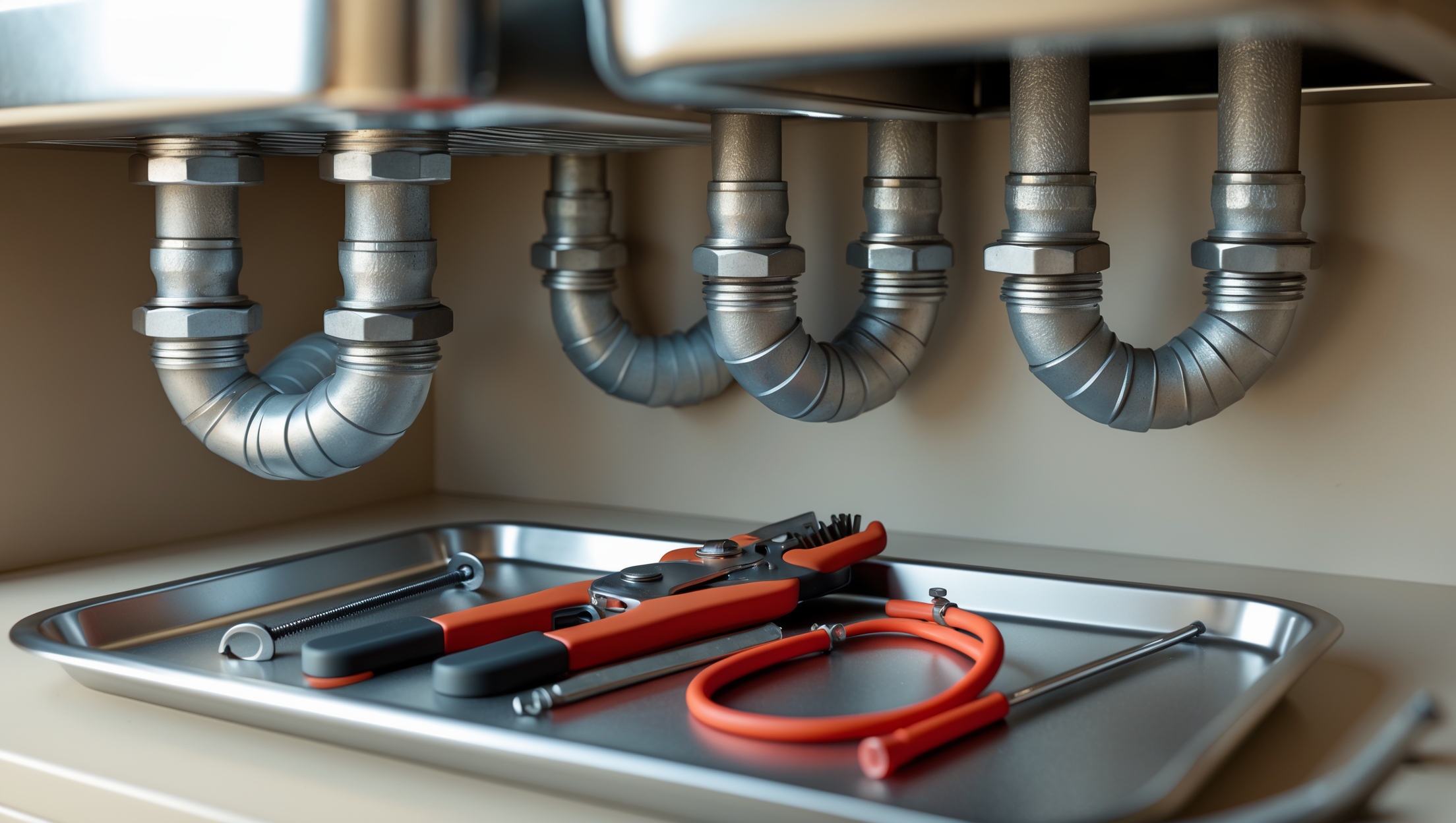
  • Quarterly: Remove and clean the P-trap under the sink. Inspect for buildup and clear any debris using a brush or wet/dry vacuum.
  • Best Practices: Always scrape food scraps into the trash or compost before rinsing dishes. Never pour fats, oils, or grease down the drain. Use a mesh sink strainer to catch debris.

Bathroom Sink, Tub, and Shower Drains

  • Weekly: Remove visible hair and debris from drain covers. Rinse with hot water.
  • Monthly: Apply enzyme-based drain cleaner according to the manufacturer’s instructions.
  • Quarterly: Remove and clean drain stoppers and strainers. Use a drain brush to scrub inside accessible pipes and traps.
  • Best Practices: Install hair catchers in sinks and tubs. Avoid rinsing large quantities of soap or shaving cream into drains.

Floor Drains, Laundry, and Utility Sinks

  • Monthly: Pour a bucket of hot, soapy water into unused floor drains to maintain water seals and prevent odors.
  • Every 6 months: Clean out lint, dirt, and sediment from laundry sink and floor drain strainers. Use a wet/dry vacuum for stubborn debris.
  • Best Practices: Ensure all drain covers are intact. Never sweep debris into floor drains.

Pro Techniques: Preventing Clogs Before They Start

1. Proactive Enzyme Maintenance

Enzyme-based drain treatments break down organic buildup without damaging pipes. Unlike caustic chemicals, they’re safe for regular use and septic systems. Apply monthly to all major drains—especially in kitchens and bathrooms—to keep pipes clear and odor-free.

2. Hot Water Flushes (The Right Way)

Routine flushing with hot (not boiling) water helps melt and move away grease and soap scum. For kitchen sinks, follow each greasy meal prep with a minute-long hot water flush. Caution: never pour boiling water into porcelain sinks or PVC pipes, as it can cause cracks or warping.

3. Routine P-Trap Inspections

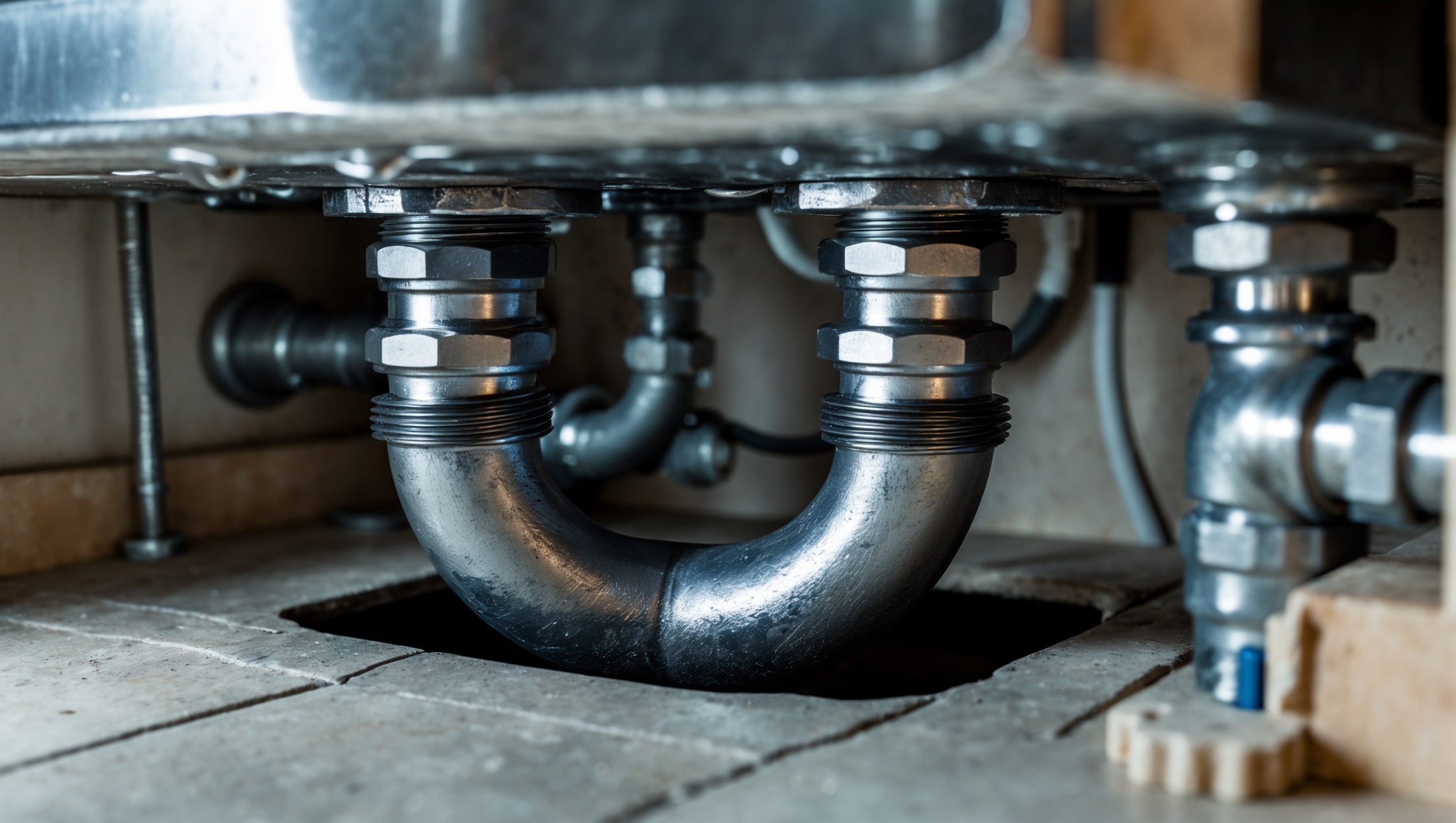
The P-trap under every sink is a prime collection point for debris. Every few months, place a bucket beneath, unscrew the trap, and manually clean out any buildup. Reinstall securely and check for leaks.

4. Physical Snaking Before Problems Escalate

Don’t wait for a full clog. If you notice slow drainage, use a manual auger to break up and remove obstructions. For recurring issues, inspect with a camera to identify root causes—such as sagging pipes or improper slopes.

5. Smart Use of Strainers and Drain Covers

High-quality mesh strainers in sinks, tubs, and showers are the first line of defense. Clean them regularly and replace as needed. For floor drains, ensure covers fit snugly to prevent debris entry.

Drain Maintenance for Special Situations

Homes with Septic Systems

  • Avoid chemical drain cleaners entirely—they can disrupt septic bacteria, leading to system failure.
  • Use septic-safe enzyme treatments and schedule professional septic tank pumping every 3–5 years.

Hard Water Areas

  • Install a water softener to reduce mineral buildup inside pipes and fixtures.
  • Descale faucet aerators and showerheads every few months with vinegar soaks.

Older Homes with Cast Iron or Galvanized Pipes

  • Inspect regularly for corrosion flakes and rust inside traps and drain lines.
  • Consider professional pipe inspection and early replacement if frequent clogs or slow drains occur.

When to Call a Professional: Red Flags and Limitations

While routine maintenance prevents most clogs, some situations require a pro’s expertise:

  • Persistent slow drains throughout the home (may indicate main sewer line obstruction or tree root intrusion).
  • Foul odors that persist after cleaning (possible venting or trap issues).
  • Backflow or water appearing in lower-level fixtures when upper drains are used.
  • Visible leaks or water damage around drain pipes.
  • No improvement after basic snaking or enzyme treatments.

Professionals have access to high-powered augers, hydro jetters, and camera inspection tools that safely clear and diagnose severe blockages with minimal pipe damage.

Eco-Friendly and Long-Term Drain Care Strategies

Green Cleaning Alternatives

Harsh chemical drain cleaners can damage pipes, harm the environment, and pose health risks. Instead, embrace these green alternatives:

  • Baking soda and vinegar: Effective for dissolving minor buildup in kitchen and bathroom drains.
  • Boiling water (with care): Safe for metal drains, not for PVC or porcelain.
  • Enzyme-based cleaners: Maintain healthy pipe ecosystems and support septic function.

Upgrading to Low-Maintenance Fixtures

  • Consider new drain assemblies with built-in, removable baskets for easier cleaning.
  • Install high-efficiency garbage disposals that grind food waste more thoroughly, reducing pipe buildup.

Educating the Household

  • Teach all residents (including children) what should and should not go down each drain.
  • Post simple drain maintenance checklists in kitchens and bathrooms to encourage routines.

Case Studies: Real-Life Wins with Regular Drain Maintenance

Case 1: The Kitchen Sink Save

A homeowner noticed their kitchen sink was draining slowly every few weeks. Instead of using repeated chemical cleaners, they began a monthly regimen of baking soda and vinegar flushes, installed a mesh strainer, and cleaned the P-trap quarterly. The result: no more clogs, no plumber visits, and savings of over $300 per year in avoided service calls.

Case 2: The Apartment Building Solution

A property manager implemented quarterly professional drain snaking and monthly enzyme treatments in a 12-unit building. Previously, clogs occurred almost monthly. After 12 months, emergency calls dropped by 90%, and tenant satisfaction soared, justifying the modest investment in routine maintenance.

Conclusion: A Few Minutes Now Saves Big Hassles Later

Preventing plumbing clogs isn’t about luck—it’s about consistency, knowledge, and a bit of elbow grease. The most expensive drain disasters almost always begin with minor, preventable buildup. By adopting the pro techniques outlined in this guide—regular flushing, periodic physical cleaning, enzyme treatments, and smart use of strainers—you’ll keep your plumbing system healthy, efficient, and free of headaches. The tools and steps may seem simple, but the payoff is substantial: fewer emergencies, lower repair bills, and peace of mind knowing your home or business is protected against avoidable plumbing failures.

Whether you’re a DIYer or a pro, remember: drain maintenance isn’t a one-time fix; it’s an ongoing habit that pays for itself many times over. Make these routines part of your regular household or professional checklist, and enjoy years of trouble-free drains. If you ever encounter persistent problems or signs of deeper issues, don’t hesitate to call in a professional—sometimes, expert intervention is the fastest route to lasting solutions. For everything else, these proven tips will keep your drains flowing clear and your plumbing worries at bay.

132 comments
Brian Garcia

As a small business owner, I worry about hard water affecting our pipes over time. You mention mineral scale as a contributor—are there specific maintenance steps or products you recommend for preventing or removing mineral buildup in commercial settings?

    Mario The Plumber

    Hard water can indeed lead to mineral scale buildup, especially in commercial plumbing where usage is high. To prevent this, consider installing a water softener, which treats water before it enters your pipes. For existing buildup, commercial descaling products designed for plumbing systems can help dissolve scale—just ensure they’re safe for your specific pipe materials. Regular professional pipe inspections and flushing can also keep buildup under control.

Sean Smith

I noticed the article mentions mineral scale buildup from hard water as a contributor to clogs. Are there specific maintenance steps or tools you recommend for dealing with hard water deposits in older pipes without replacing them entirely?

    Mario The Plumber

    To address mineral scale from hard water in older pipes, consider regularly flushing your drains with a mixture of vinegar and hot water to help dissolve deposits. For tougher buildup, enzyme-based drain cleaners or descaling products made for plumbing can be effective. You might also use a pipe brush or flexible plumbing snake for physical removal in accessible areas. Installing a water softener is a longer-term solution, but for maintenance, these steps can help minimize scale without replacing your pipes.

Sean Thompson

If mineral scale from hard water is a problem, would installing a water softener significantly reduce the risk of clogs, or are there still other maintenance steps I should be taking regularly along with that?

    Mario The Plumber

    Installing a water softener can greatly reduce the buildup of mineral scale in your plumbing, which helps prevent clogs related to hard water. However, it’s still important to follow regular maintenance, like clearing hair and debris from drains, avoiding grease disposal down sinks, and occasionally flushing drains with hot water. These steps keep your pipes in good shape even with softened water.

George Williams

You mention that mineral scale from hard water can contribute to clogged pipes over time. Are there maintenance routines or specific products you recommend to deal with hard water deposits before they actually start causing drainage issues?

    Mario The Plumber

    Mineral scale from hard water can build up gradually, so routine maintenance is key. Flushing your drains with a solution of white vinegar and hot water once a month helps dissolve early deposits. Installing a water softener is another effective option to reduce mineral content at the source. For tougher buildup, descaling solutions made for plumbing can be used periodically, following the manufacturer’s instructions.

Robert Williams

If someone already has a slow bathroom drain most likely caused by hair and soap scum, what are the first steps you’d recommend before calling in a professional? Are there any DIY fixes that actually work and are safe for older pipes?

    Mario The Plumber

    If your bathroom drain is slow due to hair and soap scum, try removing the drain cover and using a plastic drain snake or a bent wire hanger to gently pull out visible clogs. Flushing with hot (not boiling) water can help loosen soap buildup. You can also pour a mix of baking soda followed by vinegar down the drain, wait 10–15 minutes, then rinse with hot water. These methods are generally safe for older pipes, but avoid harsh chemical cleaners as they may cause damage.

Ashley Brown

If mineral scale from hard water is an issue, are there affordable ways for college students or renters to address it without investing in an expensive water softener system?

    Mario The Plumber

    Absolutely, there are budget-friendly ways to manage mineral scale if you’re dealing with hard water. Regularly flushing your drains with a mixture of white vinegar and hot water can help break down mineral deposits. Using a commercial descaling solution occasionally is another option. Also, installing inexpensive faucet aerators or showerhead filters designed to reduce mineral buildup can make a noticeable difference without major investment.

Julie Robinson

If someone is looking to set up a routine drain maintenance schedule, how often should different types of drains (kitchen, bathroom, laundry) be serviced, and does frequency depend on the type of use or household size?

    Mario The Plumber

    The frequency of drain maintenance does depend on both usage and household size. For most homes, kitchen drains should be checked and cleaned monthly due to food and grease buildup. Bathroom drains can be serviced every 2–3 months, since hair and soap are the main culprits. Laundry drains generally need attention every 3–6 months, but larger families or heavy use may require more frequent checks. Adjust these intervals based on how often each drain is used.

Jessica Moore

In the article, you mention that mineral scale from hard water can really add up in pipes over time. What’s the most effective way to prevent or remove that buildup without using harsh chemicals? I live in an area with pretty hard water, so this is a real concern for me.

    Mario The Plumber

    To prevent mineral scale buildup from hard water, installing a water softener is one of the most effective solutions, as it treats the water before it even enters your pipes. For existing buildup, flushing your drains regularly with a hot water and vinegar solution can help break down some mineral deposits without harsh chemicals. Just heat a few cups of vinegar, pour it down the drain, let it sit for an hour, then flush with hot water.

Nancy Jackson

When you mention that grease and fats solidify inside pipes, is there a specific temperature range in home environments where this happens most rapidly? I’m trying to pinpoint how much hot vs. cold water flushing after cooking actually helps in a typical kitchen setup.

    Mario The Plumber

    Grease and fats tend to solidify most rapidly when temperatures drop below about 40–50°F (4–10°C), but even at typical room or tap water temperatures, they start to cool and harden. Flushing with hot water may temporarily move grease further down the pipe, but as the water cools, grease can still solidify. Using cold water actually helps fats harden quickly, so they get chopped by the disposal and can be trapped by strainers, but the best approach is to avoid pouring grease down the drain altogether.

Ashley Gonzalez

Regarding grease and fats solidifying in kitchen drains, do professional plumbers advise any particular cleaning schedule or at-home remedy to reduce this risk, especially for larger households that cook frequently?

    Mario The Plumber

    For households that cook often, plumbers typically recommend pouring boiling water down the kitchen drain once a week to help melt and move along any grease buildup. Additionally, wiping greasy pans with a paper towel before washing them can greatly reduce the risk. Some plumbers also suggest using a mixture of hot water and dish soap regularly, which helps break down fatty residues before they solidify.

Kimberly Robinson

As a small business owner with an older building, I’m concerned about recurring slow drains. In your experience, do hard water mineral deposits build up faster in commercial properties than in homes, and should our maintenance schedule be more frequent?

    Mario The Plumber

    Hard water mineral deposits can indeed build up faster in commercial properties, especially if your business uses a lot of water daily or the pipes are older. Commercial plumbing often sees more frequent use than residential systems, which accelerates buildup. Scheduling drain maintenance more often—every 3 to 6 months instead of annually—can help prevent slow drains and costly repairs. Regular inspections and descaling are especially important for older buildings.

Thomas Thompson

Is there a low-budget solution you’d recommend for breaking up stubborn soap scum or hair clogs in the bathroom, or do I need to invest in pro-level tools and chemicals?

    Mario The Plumber

    You don’t need to invest in expensive tools or chemicals for most bathroom clogs. For stubborn soap scum or hair, try pouring a mixture of hot water, baking soda, and vinegar down the drain, then wait about 30 minutes before flushing with more hot water. A simple drain snake or even a bent wire hanger can also help pull out hair. These solutions are low-budget and often very effective.

Linda Miller

For someone on a tight budget, what are the most cost-effective tools or methods from the article that actually make a significant difference in preventing common clogs, especially compared to more expensive professional options?

    Mario The Plumber

    Using a drain strainer is one of the most affordable and effective tools mentioned in the article—it catches hair and debris before they enter your pipes. Regularly flushing drains with hot water and baking soda is another low-cost method that helps prevent buildup. These simple steps are highly effective at preventing clogs and cost much less than professional equipment or services.

Daniel Jackson

In terms of a regular schedule, how often should homeowners perform the drain maintenance routines recommended here to really avoid costly issues? Is once a month overkill, or not enough?

    Mario The Plumber

    A monthly schedule for drain maintenance is actually ideal for most homes. It’s frequent enough to prevent buildup but not excessive. If your household puts a lot down the drains—like cooking oils or hair—you might benefit from checking key drains every two weeks. Otherwise, sticking with once a month is a practical routine for avoiding costly clogs.

Andrew Williams

Are there specific differences in maintenance routines between homes with hard water versus soft water, since mineral scale seems to play a role? Would you recommend certain preventive measures for hard water situations?

    Mario The Plumber

    Yes, homes with hard water do require some different maintenance steps since mineral scale can build up in pipes and drains more quickly. For hard water, it’s helpful to regularly flush drains with hot water and use a vinegar solution to help dissolve mineral deposits. Installing a water softener can also greatly reduce scale buildup and make overall plumbing maintenance easier.

Michelle Hernandez

As someone watching costs closely, what are the most budget-friendly maintenance steps I can take now to avoid those expensive emergency calls you mentioned? Are there any specific routines that really save the most money for small businesses?

    Mario The Plumber

    To keep costs down, focus on regular flushing of your drains with hot water and use strainers to catch debris in sinks. Avoid pouring grease or coffee grounds down the drain, as these often cause blockages. For small businesses, scheduling a quick weekly visual check for slow drains and using an enzyme-based cleaner monthly can go a long way in preventing bigger, more expensive problems.

James Lee

You mention that grease and fats are a big culprit for kitchen drain clogs. Is there a recommended way to safely dispose of cooking oil besides just tossing it in the trash? I always wonder what methods plumbers actually suggest.

    Mario The Plumber

    Plumbers usually recommend letting cooking oil cool, then pouring it into a sealable container like a used jar or bottle before throwing it in the trash. For larger amounts, you might want to check if your local recycling center accepts used cooking oil, as some places collect it for recycling into biodiesel. Never pour oil down the drain, as it can solidify and cause stubborn clogs.

John Robinson

For someone new to plumbing DIY, what would you say is the easiest pro-level technique to start with from your guide, and are there any specialized tools you recommend beginners invest in first to avoid accidental damage?

    Mario The Plumber

    For beginners, regularly flushing drains with hot water and a bit of dish soap is the easiest pro-level technique to start with, as it helps prevent buildup without harsh chemicals. For tools, I’d recommend a quality plunger and a non-marring plastic drain snake—both are beginner-friendly and effective for clearing minor clogs without risking pipe damage.

Rachel Williams

You mentioned garbage disposals still letting fibrous or starchy foods become lodged in pipes. Are there certain foods you would always avoid putting down a disposal, or is it more about using enough water and regular cleaning?

    Mario The Plumber

    It’s definitely wise to avoid putting fibrous foods like celery, corn husks, and onion skins, as well as starchy foods such as potato peels and rice, down your garbage disposal. These items can tangle or swell and cause blockages. Even with plenty of water and regular cleaning, it’s best to keep these out of your disposal to prevent clogs.

Barbara Smith

When you talk about routine drain maintenance saving thousands over time, what kind of maintenance schedule would you recommend for a typical family home? Monthly, quarterly, or only as needed?

    Mario The Plumber

    For a typical family home, a monthly drain maintenance routine is ideal. This includes flushing drains with hot water, using a safe enzymatic cleaner, and checking for slow drainage. You can inspect and clean drain stoppers every few months. Regular monthly attention helps catch buildup early and minimizes the risk of expensive clogs.

Elizabeth Wilson

For people living in older college apartments with questionable plumbing, what are the quickest DIY steps from the article that could help prevent emergency clogs, especially when regular access to professional help is limited?

    Mario The Plumber

    For older college apartments, a few quick DIY steps can make a big difference. Regularly flush drains with hot water to help clear buildup. Don’t pour grease or coffee grounds down the sink. Use a drain strainer to catch hair and debris. If you notice slow draining, try a mixture of baking soda and vinegar, followed by hot water. These simple habits can help reduce the risk of emergency clogs when professional help isn’t readily available.

Richard Jones

If someone already has slow drains but no complete blockage yet, what are the first things they should try before calling a plumber? Are DIY drain snakes safe for beginners?

    Mario The Plumber

    If you have slow drains but no full blockage, start by flushing the drain with hot water and a small amount of dish soap to break up grease. You can also try a mixture of baking soda and vinegar. For minor clogs, a plunger is safe and effective. DIY drain snakes are generally safe for beginners—just be gentle and avoid forcing the tool, as aggressive use can damage pipes.

Aaron Lewis

You mentioned mineral scale from hard water as a cause of clogs. Are there any DIY methods to prevent or reduce mineral buildup in pipes, or is installing a water softener pretty much the only long-term fix?

    Mario The Plumber

    You do have some DIY options to help reduce mineral buildup, like regularly flushing your pipes with a vinegar solution or using commercial descaling products. These methods can help dissolve some of the deposits, but they need to be done routinely for best results. However, for a more long-term and low-maintenance solution, a water softener is generally the most effective way to prevent mineral scale from forming in the first place.

Jessica Clark

You mention that hair and soap scum are the leading cause of bathroom drain clogs. Do you have any specific tips or products for preventing them from building up in the first place, especially in showers with heavy use by kids?

    Mario The Plumber

    To keep hair and soap scum from clogging your shower drains, try installing a mesh drain catcher or hair trap—they’re easy to remove and clean. Encourage everyone to brush hair before showering to reduce loose strands. Using liquid soap instead of bar soap can also help minimize soap scum buildup. For extra precaution, run hot water down the drain after showers to help flush away residues before they settle.

Brian Johnson

After reading about how hair and soap scum create tough clogs in bathroom drains, I’m wondering what kind of maintenance schedule you recommend for households with long-haired family members. How often should we be doing preventative cleaning?

    Mario The Plumber

    For homes with long-haired family members, it’s wise to perform preventative cleaning every one to two weeks. Regularly remove visible hair from drain covers after each shower, and use a safe enzyme-based drain cleaner or a mixture of baking soda and vinegar monthly to keep soap scum and buildup at bay. This routine will help minimize the chances of tough clogs forming over time.

Aaron Lopez

I noticed the article talked about hard water mineral scale being a problem. How can I tell if mineral buildup is causing my slow drains, and is it something that can be fixed without calling a plumber every time?

    Mario The Plumber

    Mineral buildup from hard water often shows up as a white or chalky residue around faucets or drain openings. If your drains are slow, and you see this residue, mineral scale may be the cause. You can try pouring a mixture of vinegar and hot water down the drain to help dissolve some deposits. If the problem keeps coming back, using a water softener can help prevent future buildup. For stubborn issues, occasional professional cleaning might still be needed.

Nathan Jackson

If a homeowner already has some minor slow drainage, are there specific pro-level tools or techniques from your guide that can be safely used as a first line of defense before calling in a professional?

    Mario The Plumber

    If you’re noticing minor slow drainage, using a drain snake (also called a hand auger) is a professional tool that homeowners can use safely to clear small clogs. You can also try pouring a mixture of hot water and dish soap down the drain to break up grease. Avoid chemical drain cleaners, as they can damage pipes. Regularly cleaning drain stoppers and strainers can help maintain flow as well.

Sean Thomas

If a bathroom drain is already draining slowly due to hair and soap scum, is it better to try a mechanical method like a drain snake first, or can those enzyme-based cleaners work just as well for clearing out dense mats?

    Mario The Plumber

    When dealing with a slow bathroom drain caused by hair and soap scum, a mechanical method like a drain snake tends to be more effective, especially for dense blockages. Enzyme-based cleaners are useful for regular maintenance and breaking down minor buildup over time, but they often aren’t strong enough to clear out thick, tangled mats. Starting with a drain snake should give you quicker results.

Nancy Brown

How often should routine drain maintenance be performed in a typical family home to really avoid those costly emergency repairs you mentioned? Is there a seasonal schedule or checklist you would recommend?

    Mario The Plumber

    For most family homes, performing routine drain maintenance every three to six months is ideal to prevent major clogs and emergency repairs. It’s also smart to do a seasonal check—especially in spring and fall—when you can flush drains with hot water, clear hair or debris from bathroom drains, and inspect traps under sinks. Don’t forget to run water in unused bathrooms to keep traps filled and odors away.

Robert Martinez

I know that hair and soap scum are leading causes of bathroom drain issues. If a slow drain has already developed, do you have troubleshooting tips or safe tools to clear it before it turns into a complete blockage?

    Mario The Plumber

    If your drain is already slow, try removing visible hair with a bent wire or a plastic drain snake. Pouring a mixture of baking soda followed by vinegar down the drain can help loosen soap scum. Let it fizz for 10–15 minutes, then flush with hot water. If the clog persists, a plunger designed for sinks can be effective. Avoid harsh chemical drain cleaners, as they may damage pipes.

Joseph Robinson

If I already have slow-draining sinks, is it too late to start some of these pro-level maintenance routines, or do I need to call in a plumber first to clear any existing buildup?

    Mario The Plumber

    If your sinks are already draining slowly, it’s best to address the current clog before starting any maintenance routines. Pro-level maintenance works best on clear drains. You can try using a plunger or a safe enzymatic drain cleaner first. If that doesn’t help, calling a plumber to clear out the buildup ensures your drains are fully open for ongoing maintenance to be effective.

David Garcia

I’ve noticed that even with regular cleaning, our bathroom sinks tend to develop slow drainage after a few months. Could this point to a bigger issue further down the line, or is it usually just hair and soap scum closer to the drain opening?

    Mario The Plumber

    If regular cleaning only helps temporarily, there could be a buildup further down the drain that simple cleaning can’t reach. While hair and soap scum near the opening are common causes, persistent slow drainage sometimes points to partial clogs deeper in the pipes or issues with venting. You might want to try a deeper cleaning with a drain snake or consider having a plumber inspect the line if the problem keeps returning.

Joshua Rodriguez

The guide says routine drain maintenance can prevent emergencies. How often should a regular homeowner do these pro-level routines to really make a difference, and do you recommend a schedule for both kitchen and bathroom drains?

    Mario The Plumber

    For most homes, doing a thorough drain maintenance routine once a month is enough to prevent clogs and emergencies. In the kitchen, focus on removing grease and food debris monthly. For bathroom drains, clear hair and soap buildup every 4–6 weeks. If you have a larger family or heavy use, consider checking drains every two weeks. Setting a reminder on your calendar can help you stay consistent.

John Gonzalez

If I have a slow-draining bathroom sink but no complete blockage yet, what are the best first steps I can take myself before things get worse? Should I avoid chemical drain cleaners, or are there safe ones for DIYers?

    Mario The Plumber

    For a slow-draining bathroom sink, start by removing and cleaning the sink stopper, as hair and debris often collect there. Use a plunger or a plastic drain snake to dislodge buildup in the drain. It’s best to avoid chemical drain cleaners, as they can damage pipes over time. Instead, try flushing the drain with hot (not boiling) water or a baking soda and vinegar mix. If the issue persists, consider contacting a professional.

Daniel Martinez

How often should a typical family run these pro-level maintenance routines to prevent clogs? Is once a month enough, or is that overkill? We want to keep things low-maintenance but avoid emergencies.

    Mario The Plumber

    For most families, doing these pro-level drain maintenance routines every 2 to 3 months is usually enough to prevent clogs while keeping things low-maintenance. Monthly routines can be a bit much unless you have a larger household or frequent issues. Always address slow drains right away and avoid flushing grease or debris for best long-term results.

John Lee

You mentioned that mineral scale from hard water can constrict pipes over time. Can you explain some effective ways to prevent or treat this if you live in an area with really hard water? Are water softeners worth the investment compared to regular maintenance routines?

    Mario The Plumber

    Mineral scale is a common issue in hard water areas. Installing a water softener is often the most effective long-term solution, as it reduces minerals before they enter your pipes. Regular maintenance routines, such as flushing your drains with vinegar and hot water, can help but are less effective than a softener for severe hardness. Water softeners can be worth the investment if you want to prevent buildup and extend the life of your plumbing system.

Sarah Lewis

In the section about kitchen drains, you mention grease and fats as a main culprit. Is there a specific commercial degreaser or enzyme treatment you’d recommend for high-traffic food businesses to keep this under control?

    Mario The Plumber

    For high-traffic food businesses, enzyme-based drain treatments are generally a great choice because they break down fats and grease safely over time. Look for commercial-grade options labeled as bio-enzymatic or bacterial drain cleaners. Brands like Bio-Clean and Zep have reliable products used by professionals. Just be sure to follow the manufacturer’s instructions and avoid mixing with harsh chemicals for best results.

Aaron Davis

You note that food waste—even with a garbage disposal—can cause clogs. Could you clarify which types of food items are most risky, and are there specific disposal practices you recommend to minimize the chance of a backup?

    Mario The Plumber

    The riskiest food items for drains include grease, oils, coffee grounds, eggshells, pasta, rice, and fibrous vegetables like celery or potato peels. Even with a garbage disposal, these can cause buildup and clogs. To avoid problems, scrape food waste into the trash or compost, use plenty of cold water while running your disposal, and avoid pouring fats or oils down the sink.

Julie Thompson

I noticed the article talks about routine drain maintenance saving thousands over the life of a plumbing system. What kind of maintenance schedule do most pros recommend for a typical household to avoid costly emergencies?

    Mario The Plumber

    Most professionals recommend monthly drain maintenance for a typical household, which includes flushing drains with hot water and using a mixture of baking soda and vinegar to clear minor buildup. Every six months, it’s wise to check and clean drain traps, and annually, have a plumber perform a thorough inspection to catch issues early. Staying on this schedule helps prevent major clogs and costly emergency repairs.

Kevin Johnson

I’m curious about how often I should be doing these pro-level drain maintenance routines you described. Is once a month ideal, or does frequency change depending on the number of people in the household?

    Mario The Plumber

    The ideal frequency for drain maintenance can depend on your household size and usage. For most homes, monthly routines are a good rule of thumb. However, if you have a larger household or notice heavier use (like frequent cooking or showering), you might want to do these maintenance steps every two to three weeks to prevent buildup. Smaller households can often stick to a once-a-month schedule.

Betty Perez

If I already have slow drains in my bathroom, how do I tell if it’s mostly hair and soap buildup or if there’s something else causing it, like mineral deposits? Would the maintenance routines in your article help with both issues?

    Mario The Plumber

    Slow drains in bathrooms are most often caused by hair and soap buildup, especially if you notice the problem in sinks, tubs, or showers. Mineral deposits usually develop over a longer time and are more common in areas with hard water. Try the maintenance routines suggested in the article, like regular cleaning and using baking soda and vinegar. These steps can help with both hair/soap buildup and some mineral deposits. If the drain remains slow after cleaning, it could indicate a more serious blockage or mineral buildup that might require professional attention.

Megan Lee

For a homeowner trying to decide between chemical drain cleaners and mechanical tools (like snakes or augers), what are the pros and cons of each method in terms of long-term pipe health and effectiveness?

    Mario The Plumber

    Chemical drain cleaners can quickly clear minor clogs, but frequent use can damage pipes over time, especially older or PVC ones, and may not fully remove stubborn blockages. Mechanical tools like snakes or augers are safer for your plumbing, as they physically remove clogs without harming pipes, making them a better long-term choice for pipe health and effectiveness. If a clog is persistent, mechanical methods are generally more reliable.

Julie White

What is a realistic budget range for homeowners to expect if they want to implement a year-round, proactive drain maintenance routine using the pro-level techniques discussed in your guide?

    Mario The Plumber

    Homeowners can expect to budget around $100 to $300 per year for a proactive drain maintenance routine using professional techniques. This includes costs for quality enzyme-based cleaners, preventive tools like drain screens, and occasional professional inspections. If you choose to have a plumber perform annual maintenance, the cost may be on the higher end. DIY approaches with recommended products typically stay closer to the lower end of the range.

Michael Martin

How often should I be doing routine maintenance to avoid those emergency calls you mentioned? Is there a recommended schedule for different types of drains, like kitchen versus bathroom, to minimize risk and expense?

    Mario The Plumber

    Routine maintenance is key to keeping drains clear and avoiding emergencies. For kitchen drains, aim for monthly cleanings since grease and food particles build up quickly. Bathroom drains, including sinks and tubs, generally need cleaning every two to three months due to hair and soap residue. Toilets and main lines benefit from a professional inspection and cleaning once a year. Sticking to this schedule helps minimize clogs and unexpected repair costs.

Charles Lewis

The article discusses how hair and soap scum are main causes of bathroom drain clogs. Are there any DIY methods or affordable tools you’d suggest for regularly removing this buildup before it becomes a major issue?

    Mario The Plumber

    Absolutely! Regularly using a plastic drain snake or hair removal tool can help pull out hair and soap scum before they cause clogs. Pouring boiling water down the drain once a week can help break up residue. Additionally, a mixture of baking soda followed by vinegar can help clear minor buildup and keep your drains fresh.

Joseph Davis

I noticed you mention both grease and food waste as common causes of kitchen drain clogs. Is it better to use a strainer, avoid pouring grease and scraps down the sink altogether, or do both for best prevention? Sometimes I feel like even with a strainer, things still slip through.

    Mario The Plumber

    It’s definitely best to do both: avoid pouring grease and food scraps down the sink, and use a strainer as an extra layer of protection. Grease can coat pipes even in liquid form, and small food bits can slip through strainers or build up over time. Wipe greasy pans with a paper towel before washing, and dispose of food waste in the trash or compost when possible. This combined approach gives you the best chance of preventing clogs.

Mark Clark

As a parent of two little kids, I’m always worried about them dropping things like toys or small objects down the drains. Are there any specific preventative measures I can use to keep foreign objects out, besides just the basic drain covers?

    Mario The Plumber

    Along with standard drain covers, consider installing mesh strainers or dome-shaped stoppers, which are more effective at catching small objects. For bathroom sinks and tubs, you can use pop-up stoppers that seal when not in use. Teaching your kids about what shouldn’t go near the drain is also helpful, but these physical barriers give added peace of mind.

Brian Lee

Can you compare the effectiveness and cost of regular chemical drain cleaners versus physical tools like snakes or drain brushes for preventing clogs? Are there situations when one is clearly better or safer than the other?

    Mario The Plumber

    Chemical drain cleaners can be convenient and inexpensive, but they may damage pipes over time and aren’t always effective against major or physical blockages. Physical tools like snakes and drain brushes are often more effective for stubborn clogs and safer for your plumbing. For ongoing prevention, regular brushing or snaking is generally better and avoids harsh chemicals. Chemical cleaners might be suitable for minor, early-stage buildup, but for tough or recurrent clogs, mechanical tools are the safer and more reliable choice.

Thomas Ramirez

You mentioned that grease and fats are a big culprit in kitchen drain clogs. Is there a particular cleaning routine or product you’ve found most effective for breaking down grease buildup before it hardens?

    Mario The Plumber

    To prevent grease buildup, wiping pans and dishes with a paper towel before washing is a simple first step. For cleaning, pouring a pot of hot (not boiling) water down the drain once a week helps flush away greasy residues. Some people also use a mixture of baking soda followed by vinegar, letting it fizz for 10-15 minutes before rinsing with hot water. Avoid harsh chemical drain cleaners, as they can damage pipes over time.

Daniel Thomas

Could you clarify whether regular use of chemical drain cleaners is safe for commercial plumbing systems, or does it contribute to pipe wear and eventual blockage like grease or mineral buildup?

    Mario The Plumber

    Regular use of chemical drain cleaners is not recommended for commercial plumbing systems. While they might clear minor clogs temporarily, these chemicals can be harsh on pipes, leading to corrosion and deterioration over time. This damage may actually increase the risk of blockages from grease or mineral buildup, and can also cause costly repairs. Mechanical cleaning and preventive maintenance are safer, more effective options for keeping drains clear.

Joseph Garcia

You talk about grease solidifying in pipes, especially in kitchen drains. Is there a recommended product or homemade solution for breaking down existing grease buildup without harming the plumbing?

    Mario The Plumber

    To break down existing grease buildup safely, you can pour a mixture of very hot water and a small amount of dish soap down the drain. This helps dissolve and move some of the grease. Avoid using harsh chemicals, as they can damage pipes over time. For tougher buildup, enzyme-based drain cleaners are gentle on plumbing and effective at breaking down organic material, including grease.

James Sanchez

For someone renting an apartment and not allowed to do major plumbing work, which of the pro-level techniques you talked about can actually be used without risking damage or violating lease terms?

    Mario The Plumber

    As a renter, you can safely use several pro-level techniques without violating your lease. Regularly pour boiling water down drains to clear minor buildups, use a hair catcher in the shower, and avoid flushing grease or debris down sinks. Using enzymatic drain cleaners (not chemical ones) is typically safe and effective, but always check your lease or ask your landlord before using any product. Avoid disassembling pipes or using mechanical snakes unless your landlord approves.

Joseph Harris

You mentioned the buildup of mineral scale as a cause of drain clogs due to hard water. Are there any specific products or techniques that work best to prevent or remove this scale, especially for older pipes?

    Mario The Plumber

    For older pipes affected by mineral scale from hard water, using a vinegar flush is a gentle, natural way to help break down buildup—pouring hot vinegar down the drain and letting it sit before flushing with hot water can be effective. Commercial descaling products labeled safe for plumbing are also available; just be sure to check compatibility with your pipe material. Installing a water softener is a longer-term solution to prevent future scale buildup.

Elizabeth Thompson

When you mention that even with a garbage disposal, fibrous or starchy foods can clog pipes, does that mean those foods should never go down the disposal at all? If so, what’s the safest way to dispose of them?

    Mario The Plumber

    Yes, it’s best to avoid putting fibrous foods like celery or starchy foods like potato peels down the garbage disposal, as they can cause clogs even if chopped up. The safest way to dispose of them is to throw them in your regular trash or compost bin if you have one. This helps keep your pipes clear and reduces the risk of blockages.

Ashley Perez

If a drain already has slow flow but is not completely blocked, should I try a specific troubleshooting routine from the article before calling a plumber? What signs suggest it’s time to get professional help versus a DIY fix?

    Mario The Plumber

    If your drain is slow but not fully blocked, you can try the DIY troubleshooting suggestions from the article first, such as removing visible debris or using a safe drain cleaner. Signs that you should call a plumber include recurring slow drains even after cleaning, foul odors, water backing up, gurgling noises, or if several drains in your home slow down at once. These indicate a bigger issue that likely needs professional attention.

Nancy Brown

I’m interested in the routine maintenance routines you suggest to avoid slow or blocked drains. Could you outline what a monthly versus an annual maintenance schedule should look like for the average homeowner?

    Mario The Plumber

    For monthly drain maintenance, flush your drains with hot water and use a mixture of baking soda and vinegar to help break down buildup. Avoid pouring grease or food scraps down the sink. Annually, consider a more thorough cleaning—either by using an enzyme-based drain cleaner or scheduling a professional inspection and cleaning. These steps can greatly reduce the risk of slow or blocked drains.

William Davis

I get a lot of hair buildup in my bathroom drains despite using strainers. Are there any pro-level tools or techniques you suggest for getting deep clogs out, or is it worth calling a plumber at that point?

    Mario The Plumber

    If hair buildup keeps causing clogs even with strainers, you might try a drain snake or auger—these tools can reach deep into the pipes to pull out or break up hair. For regular maintenance, enzyme-based drain cleaners help dissolve organic buildup without harming your pipes. If you still face slow drains after using these, or if water backs up persistently, calling a plumber is a good idea to prevent bigger issues.

Karen Jackson

The section about soap scum and hair causing bathroom drain clogs hit home for me. If a shower drain is already starting to slow, are there any immediate troubleshooting steps to try before having to call in a professional?

    Mario The Plumber

    If your shower drain is slowing, you can try a few things before calling a professional. First, remove any visible hair or debris from the drain cover. Next, pour very hot (not boiling) water down the drain to help dissolve soap scum. You can also use a plastic drain snake or a bent wire hanger to gently fish out trapped hair just below the surface. If these steps don’t help, a mixture of baking soda followed by vinegar can sometimes loosen minor clogs. Avoid using chemical drain cleaners, as they might damage your pipes.

Diane Ramirez

When slow draining is the only warning sign, what are some practical first steps a homeowner can take before calling in a plumber, based on the expert techniques you highlighted?

    Mario The Plumber

    If you’re noticing slow draining, start by removing any visible debris from the drain and strainer. Next, pour hot (not boiling) water down the drain to help dissolve grease buildup. You can also use a plunger to try and dislodge minor clogs. Avoid chemical drain cleaners, as they can damage pipes. If these steps don’t help, it may be time to consult a professional.

James Sanchez

When it comes to dealing with slow drains, how can I tell the difference between a minor blockage I can handle myself and a bigger plumbing issue that needs professional attention?

    Mario The Plumber

    If water is draining slowly but not backing up, and simple fixes like plunging or using a drain snake help, it’s likely a minor blockage you can handle. However, if several drains are slow at once, you notice bad odors, gurgling sounds, or water backing up, these indicate a bigger issue in the plumbing system. In those cases, it’s best to call a professional.

Jennifer Ramirez

You mention that grease and fats are major contributors to kitchen drain clogs. Is there a safe way to occasionally flush out built-up grease without using harsh chemicals, or is regular cleaning the only real solution?

    Mario The Plumber

    Flushing kitchen drains with very hot water and a small amount of dish soap can help break down some grease, but it won’t remove heavy buildup. Pouring boiling water down the drain once a week also helps prevent minor buildup. However, regular cleaning and avoiding pouring grease or fats down the drain are the most effective ways to prevent clogs.

James Garcia

If I already have a slow-draining bathroom sink but no complete blockage yet, what are some immediate steps I can take to avoid an emergency plumber call?

    Mario The Plumber

    If your bathroom sink is draining slowly, start by removing and cleaning the drain stopper—it often collects hair and debris. Next, flush the drain with a mixture of hot (not boiling) water and dish soap. If that doesn’t help, try a plunger to clear minor clogs. Avoid chemical drain cleaners, as they can damage pipes. Regularly repeating these steps can help keep the drain flowing.

Margaret Lopez

You mentioned that even with a garbage disposal, certain foods like fibrous or starchy items can still clog pipes. Are there specific disposal habits or types of foods that are safer to send down the garbage disposal, or is it better to avoid using it altogether for food waste?

    Mario The Plumber

    Garbage disposals can handle small amounts of soft, non-fibrous food scraps like fruit peels, cooked vegetables, and small bits of meat. It’s best to avoid starchy foods like potato peels, pasta, rice, and fibrous items such as celery or corn husks. For better drain health, scrape most food waste into the trash or compost and use the disposal sparingly with plenty of cold water.

Jason Robinson

If I accidentally dropped a small object like a ring down the bathroom sink, is it possible for me to retrieve it myself without damaging anything, or does that usually require professional help?

    Mario The Plumber

    You can often retrieve a small object like a ring from the bathroom sink yourself. First, turn off the water supply. Then, place a bucket under the U-shaped pipe (P-trap) beneath the sink. Carefully unscrew the slip nuts and remove the P-trap; most rings get trapped there. After retrieving the object, reattach the pipe and tighten the nuts. If the ring isn’t there or you’re unsure, calling a professional is a good idea.

Helen Taylor

If a homeowner already has slow drainage but no visible blockage, which maintenance routine from your article would you recommend they try first before calling in a professional? Are there early signs they should watch for to prevent escalation?

    Mario The Plumber

    If you’re dealing with slow drainage but can’t see a blockage, try the hot water flush method first—pouring a kettle of boiling water down the drain can help break up early buildup. You can also use a mixture of baking soda and vinegar, letting it sit before flushing with hot water. Watch for early signs like gurgling sounds, foul odors, or water backing up, as these may point to worsening clogs that need prompt attention.

Emily Johnson

If a drain is already running slowly due to grease or hair buildup, what’s the safest initial step for a DIYer before calling in a professional? Are there specific warning signs that indicate it’s time to stop attempting fixes on my own?

    Mario The Plumber

    To start, try removing visible hair or debris with a drain snake or a bent wire. For grease, pour very hot (not boiling) water down the drain, followed by dish soap, and let it sit. Avoid chemical cleaners, as they can damage pipes. If you notice water backing up, foul odors, or hear gurgling sounds even after basic efforts, it’s time to call a professional to prevent further issues.