
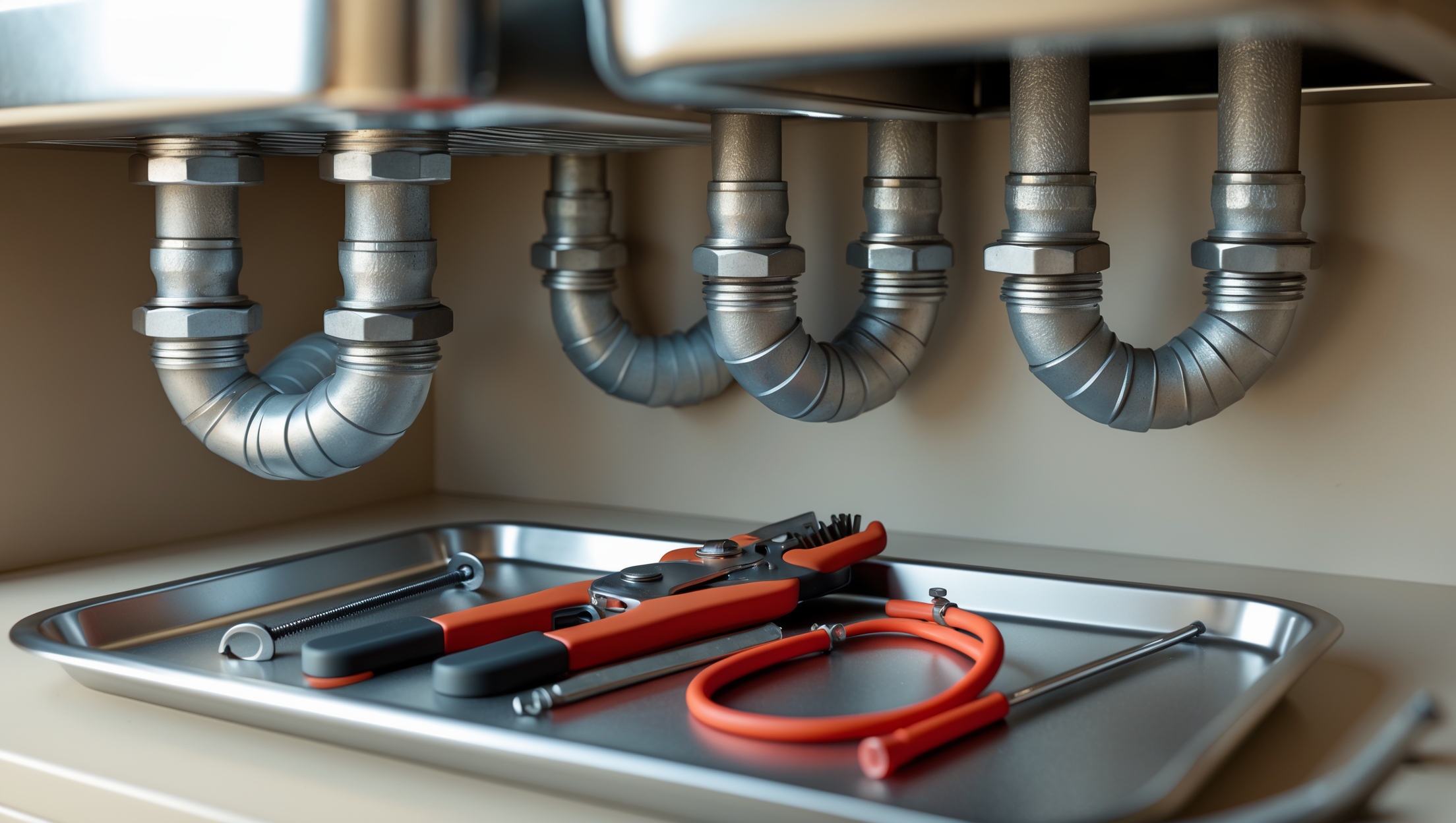
Introduction: The True Cost of Neglecting Drain Maintenance
Clogged drains are more than just an irritating inconvenience—they’re one of the most common sources of expensive plumbing emergencies. When left unchecked, slow or blocked drains can lead to overflowing sinks, water damage, foul odors, and even pipe bursts that require urgent, costly repairs. Yet, most homeowners and even some pros underestimate how routine drain maintenance can save thousands over the life of a plumbing system. In this guide, you’ll learn not only why drain maintenance matters, but also the exact pro-level techniques, tools, and routines that keep drains running clear year-round. Whether you’re a DIY enthusiast determined to avoid mishaps or a plumbing professional seeking to improve client satisfaction, these expert insights will help you prevent the most common—and costly—clog scenarios. Say goodbye to emergency calls and hello to hassle-free drains with these actionable strategies.
The Science Behind Drain Clogs: What Really Happens in Your Pipes
Understanding how and why drains clog is the first step toward effective prevention. Most household plumbing clogs are caused by the gradual buildup of organic debris, grease, soap scum, hair, and foreign objects. Over time, these materials accumulate on the inner walls of pipes, narrowing the passageway. Water flow slows, and the risk of a complete blockage increases exponentially.
Common contributors to drain problems include:
- Grease and fats: These solidify inside pipes, especially kitchen drains, creating sticky traps for other debris.
- Hair and soap scum: The leading cause of bathroom drain clogs, forming dense mats that resist water flow.
- Food waste: Even with a garbage disposal, fibrous or starchy foods can become lodged in pipes.
- Foreign objects: Children’s toys, jewelry, and hygiene products can all become accidental obstructions.
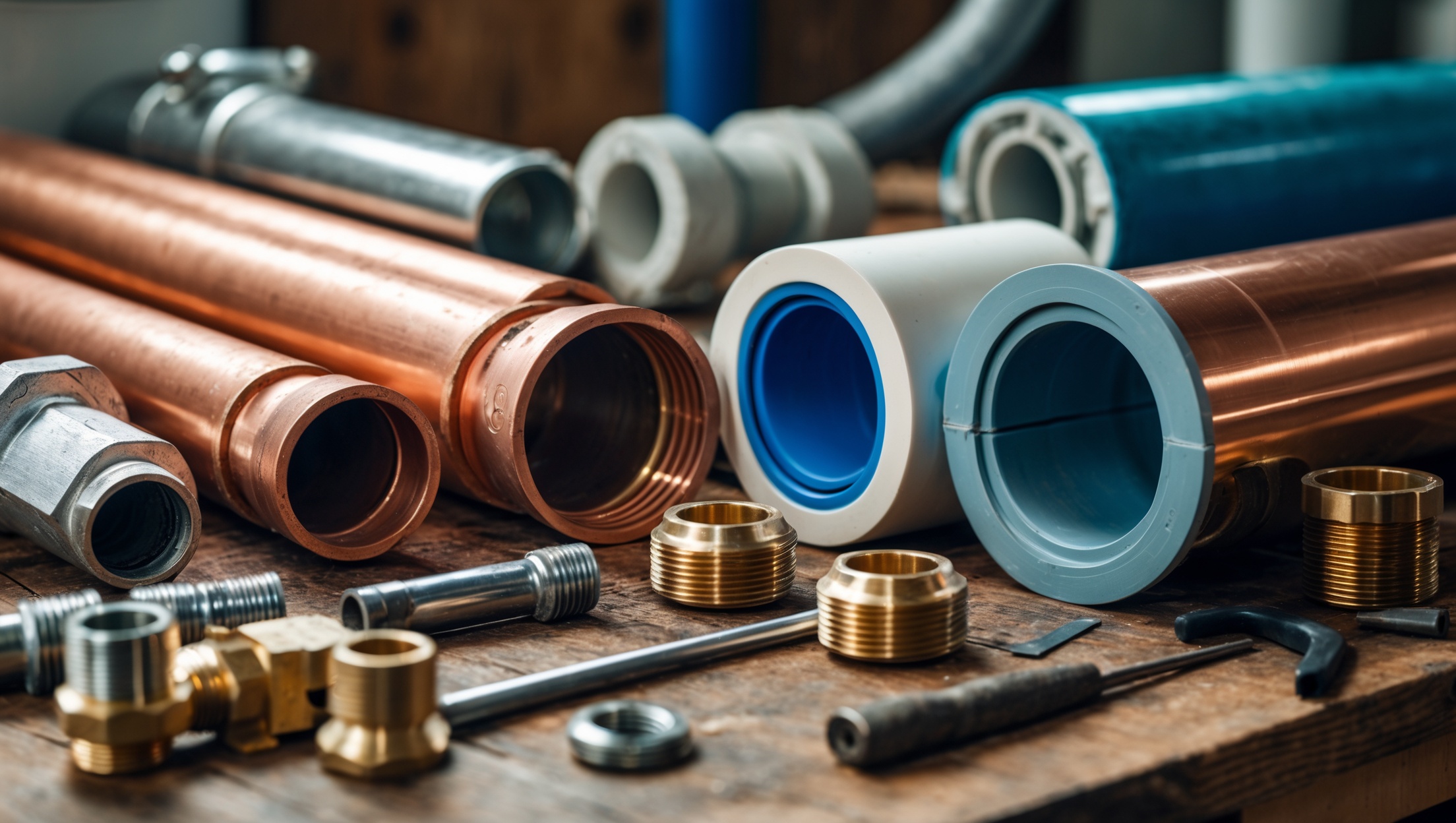
- Mineral scale: Hard water deposits constrict pipes and reduce drainage efficiency over time.
By understanding these factors, you’ll be better equipped to choose the right maintenance methods and avoid common mistakes that actually make clogs worse.
Essential Tools and Products for Pro-Level Drain Maintenance
Before diving into techniques, let’s cover the tools and products every homeowner or pro should have on hand for effective drain upkeep:
- Manual drain snakes (augers): For physical removal of deep, stubborn clogs.
- Plunger (cup and flange styles): For clearing blockages in sinks, tubs, and toilets.
- Drain cleaning brush: Flexible, long brushes for scrubbing inside pipes and traps.
- Wet/dry vacuum: Useful for pulling blockages out of accessible drains, especially after trap removal.
- Enzyme-based drain cleaners: Safe, eco-friendly products that break down organic debris without harming pipes.
- Pipe inspection camera (optional): For pros or advanced DIYers, to visually identify buildup or obstructions.
- Gloves, goggles, and work apron: For protection from splashes and debris during maintenance.
Avoid harsh chemical drain cleaners—they can cause pipe damage, environmental harm, and are often ineffective for stubborn clogs.
Step-by-Step Drain Maintenance Routine: Kitchen, Bathroom, and Beyond
Kitchen Drain Maintenance
- Weekly: Run hot water down the drain for 1–2 minutes after dishwashing to melt away residual grease.
- Monthly: Pour a mixture of one cup baking soda followed by one cup vinegar into the drain. Let it fizz for 10–15 minutes, then flush with hot water.
- Quarterly: Remove and clean the P-trap under the sink. Inspect for buildup and clear any debris using a brush or wet/dry vacuum.
- Best Practices: Always scrape food scraps into the trash or compost before rinsing dishes. Never pour fats, oils, or grease down the drain. Use a mesh sink strainer to catch debris.
Bathroom Sink, Tub, and Shower Drains
- Weekly: Remove visible hair and debris from drain covers. Rinse with hot water.
- Monthly: Apply enzyme-based drain cleaner according to the manufacturer’s instructions.
- Quarterly: Remove and clean drain stoppers and strainers. Use a drain brush to scrub inside accessible pipes and traps.
- Best Practices: Install hair catchers in sinks and tubs. Avoid rinsing large quantities of soap or shaving cream into drains.
Floor Drains, Laundry, and Utility Sinks
- Monthly: Pour a bucket of hot, soapy water into unused floor drains to maintain water seals and prevent odors.
- Every 6 months: Clean out lint, dirt, and sediment from laundry sink and floor drain strainers. Use a wet/dry vacuum for stubborn debris.
- Best Practices: Ensure all drain covers are intact. Never sweep debris into floor drains.
Pro Techniques: Preventing Clogs Before They Start
1. Proactive Enzyme Maintenance
Enzyme-based drain treatments break down organic buildup without damaging pipes. Unlike caustic chemicals, they’re safe for regular use and septic systems. Apply monthly to all major drains—especially in kitchens and bathrooms—to keep pipes clear and odor-free.
2. Hot Water Flushes (The Right Way)
Routine flushing with hot (not boiling) water helps melt and move away grease and soap scum. For kitchen sinks, follow each greasy meal prep with a minute-long hot water flush. Caution: never pour boiling water into porcelain sinks or PVC pipes, as it can cause cracks or warping.
3. Routine P-Trap Inspections
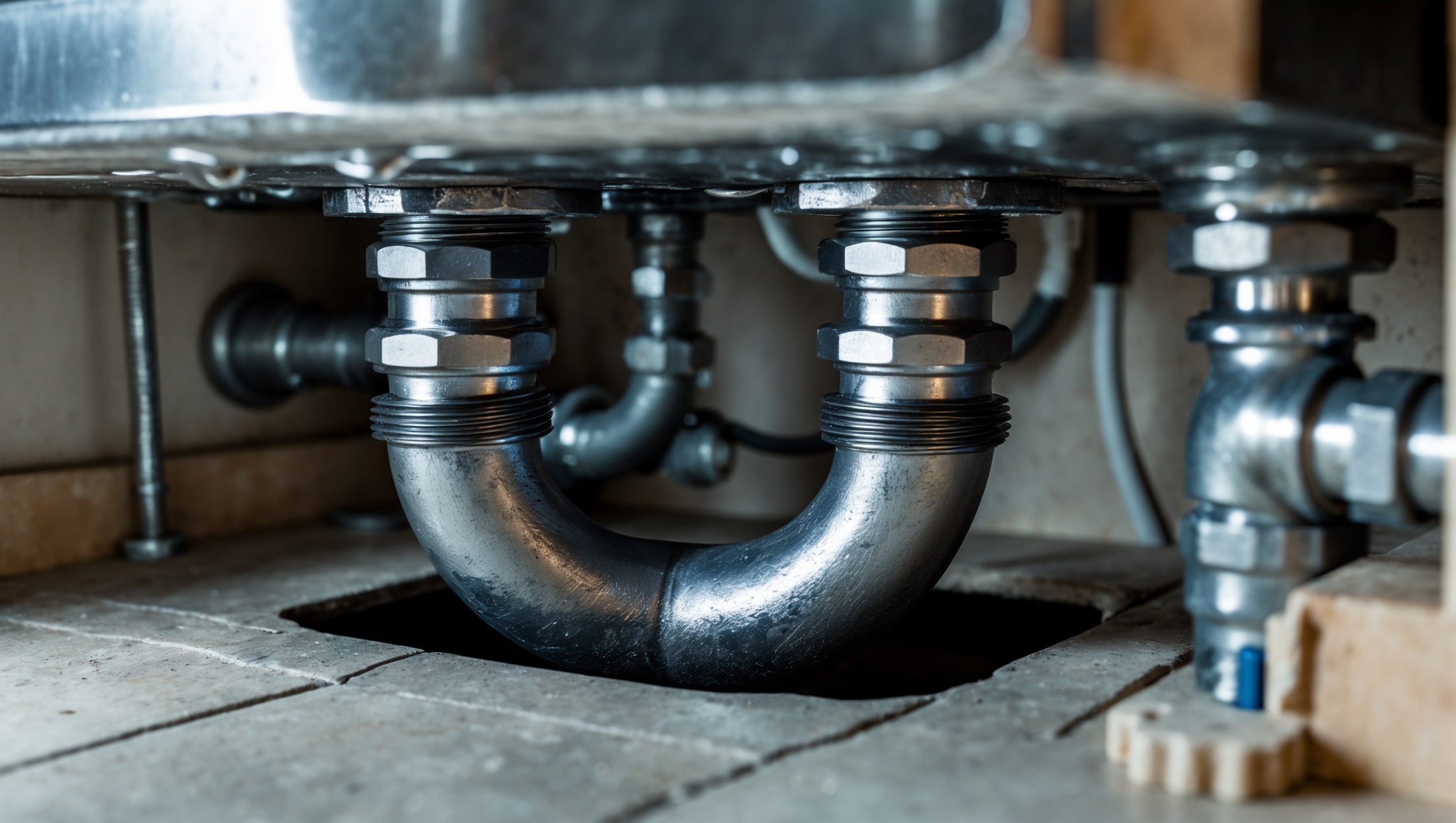
The P-trap under every sink is a prime collection point for debris. Every few months, place a bucket beneath, unscrew the trap, and manually clean out any buildup. Reinstall securely and check for leaks.
4. Physical Snaking Before Problems Escalate
Don’t wait for a full clog. If you notice slow drainage, use a manual auger to break up and remove obstructions. For recurring issues, inspect with a camera to identify root causes—such as sagging pipes or improper slopes.
5. Smart Use of Strainers and Drain Covers
High-quality mesh strainers in sinks, tubs, and showers are the first line of defense. Clean them regularly and replace as needed. For floor drains, ensure covers fit snugly to prevent debris entry.
Drain Maintenance for Special Situations
Homes with Septic Systems
- Avoid chemical drain cleaners entirely—they can disrupt septic bacteria, leading to system failure.
- Use septic-safe enzyme treatments and schedule professional septic tank pumping every 3–5 years.
Hard Water Areas
- Install a water softener to reduce mineral buildup inside pipes and fixtures.
- Descale faucet aerators and showerheads every few months with vinegar soaks.
Older Homes with Cast Iron or Galvanized Pipes
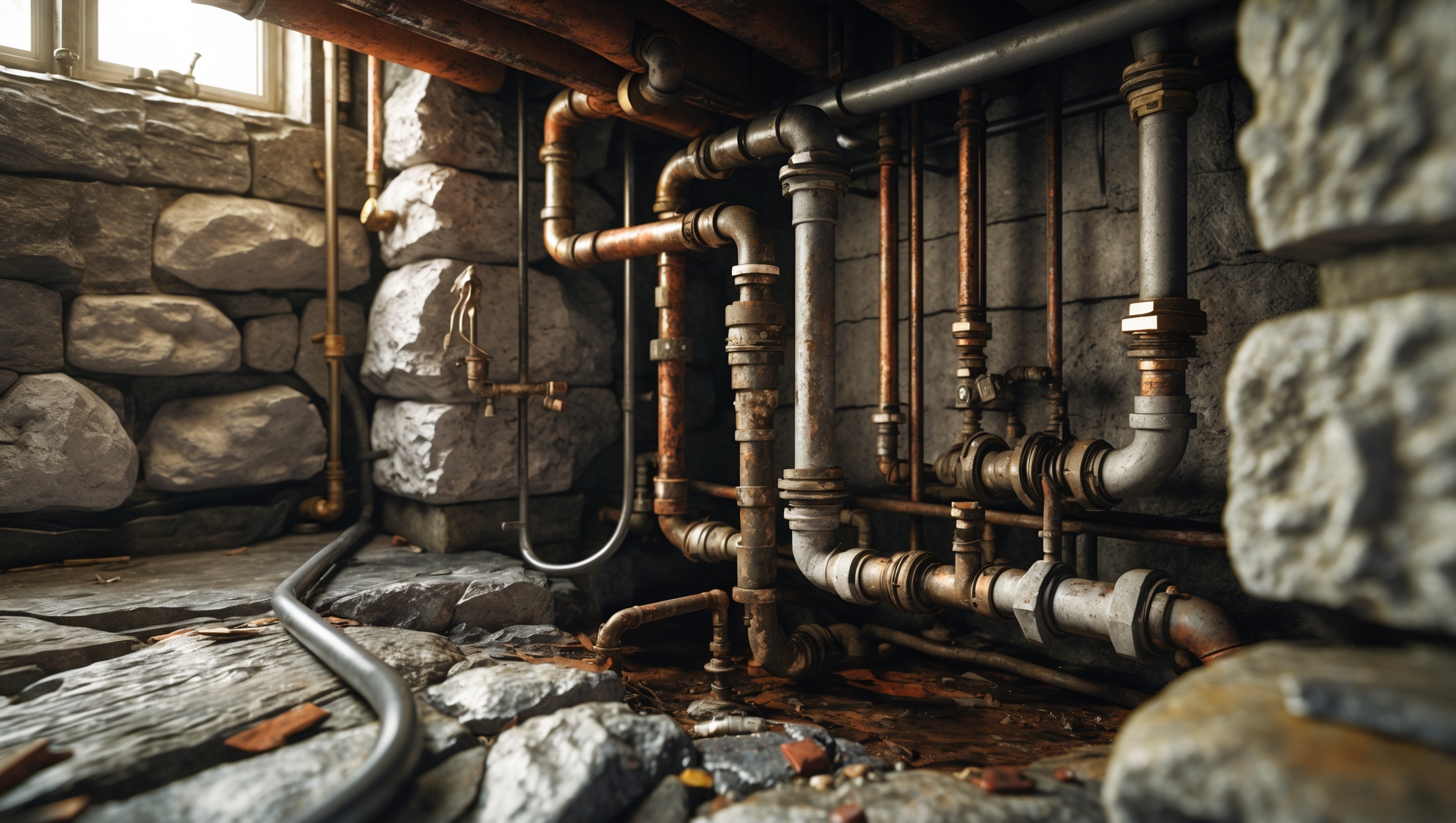
- Inspect regularly for corrosion flakes and rust inside traps and drain lines.
- Consider professional pipe inspection and early replacement if frequent clogs or slow drains occur.
When to Call a Professional: Red Flags and Limitations
While routine maintenance prevents most clogs, some situations require a pro’s expertise:
- Persistent slow drains throughout the home (may indicate main sewer line obstruction or tree root intrusion).
- Foul odors that persist after cleaning (possible venting or trap issues).
- Backflow or water appearing in lower-level fixtures when upper drains are used.
- Visible leaks or water damage around drain pipes.
- No improvement after basic snaking or enzyme treatments.
Professionals have access to high-powered augers, hydro jetters, and camera inspection tools that safely clear and diagnose severe blockages with minimal pipe damage.
Eco-Friendly and Long-Term Drain Care Strategies
Green Cleaning Alternatives
Harsh chemical drain cleaners can damage pipes, harm the environment, and pose health risks. Instead, embrace these green alternatives:
- Baking soda and vinegar: Effective for dissolving minor buildup in kitchen and bathroom drains.
- Boiling water (with care): Safe for metal drains, not for PVC or porcelain.
- Enzyme-based cleaners: Maintain healthy pipe ecosystems and support septic function.
Upgrading to Low-Maintenance Fixtures
- Consider new drain assemblies with built-in, removable baskets for easier cleaning.
- Install high-efficiency garbage disposals that grind food waste more thoroughly, reducing pipe buildup.
Educating the Household
- Teach all residents (including children) what should and should not go down each drain.
- Post simple drain maintenance checklists in kitchens and bathrooms to encourage routines.
Case Studies: Real-Life Wins with Regular Drain Maintenance
Case 1: The Kitchen Sink Save
A homeowner noticed their kitchen sink was draining slowly every few weeks. Instead of using repeated chemical cleaners, they began a monthly regimen of baking soda and vinegar flushes, installed a mesh strainer, and cleaned the P-trap quarterly. The result: no more clogs, no plumber visits, and savings of over $300 per year in avoided service calls.
Case 2: The Apartment Building Solution
A property manager implemented quarterly professional drain snaking and monthly enzyme treatments in a 12-unit building. Previously, clogs occurred almost monthly. After 12 months, emergency calls dropped by 90%, and tenant satisfaction soared, justifying the modest investment in routine maintenance.
Conclusion: A Few Minutes Now Saves Big Hassles Later
Preventing plumbing clogs isn’t about luck—it’s about consistency, knowledge, and a bit of elbow grease. The most expensive drain disasters almost always begin with minor, preventable buildup. By adopting the pro techniques outlined in this guide—regular flushing, periodic physical cleaning, enzyme treatments, and smart use of strainers—you’ll keep your plumbing system healthy, efficient, and free of headaches. The tools and steps may seem simple, but the payoff is substantial: fewer emergencies, lower repair bills, and peace of mind knowing your home or business is protected against avoidable plumbing failures.
Whether you’re a DIYer or a pro, remember: drain maintenance isn’t a one-time fix; it’s an ongoing habit that pays for itself many times over. Make these routines part of your regular household or professional checklist, and enjoy years of trouble-free drains. If you ever encounter persistent problems or signs of deeper issues, don’t hesitate to call in a professional—sometimes, expert intervention is the fastest route to lasting solutions. For everything else, these proven tips will keep your drains flowing clear and your plumbing worries at bay.







Brian Garcia
As a small business owner, I worry about hard water affecting our pipes over time. You mention mineral scale as a contributor—are there specific maintenance steps or products you recommend for preventing or removing mineral buildup in commercial settings?