Plumber Las Vegas News

Your trusted source for plumbing updates, DIY fixes, and industry insights in Las Vegas. Stay informed with practical tips, local trends, and expert advice for homeowners and professionals alike.

Water Heater Maintenance: Extend Lifespan and Reduce Energy Bills

Introduction: Why Water Heater Maintenance Matters

For most homeowners, the water heater is a silent workhorse—reliably delivering hot water for showers, laundry, and dishes, often without a second thought. Yet, like any mechanical system, your water heater needs regular care to perform efficiently and avoid costly breakdowns. Neglecting maintenance can lead to higher energy bills, unreliable hot water, and even catastrophic leaks or water damage. Whether you rely on a traditional tank-style unit or a modern tankless model, understanding and implementing a water heater maintenance routine is essential for comfort, safety, and savings. This guide breaks down exactly how to extend your water heater’s lifespan, optimize its performance, and prevent common pitfalls—empowering both DIYers and those who prefer to hire a pro. We’ll cover practical, step-by-step maintenance strategies, the tools required, troubleshooting for common issues, and tips for knowing when it’s time to repair or replace your system.

Understanding Your Water Heater: Types and Anatomy

Tank vs. Tankless: Key Differences

Before diving into maintenance, identify your water heater type. The two most common residential models are:

  • Tank-Style Water Heaters: Store and heat a fixed volume of water (typically 30–80 gallons). Can be powered by electricity, natural gas, or propane. Most common in North America.
  • Tankless (On-Demand) Water Heaters: Heat water only as needed, offering energy efficiency and endless hot water. Require different maintenance routines than tanks.

Key Components to Know

  • Tank: Steel vessel that stores water (tank models only).
  • Heating Element or Burner: Electric coils or gas burners responsible for heating.
  • Anode Rod: Sacrificial metal rod that attracts corrosive elements, prolonging tank life.
  • Temperature and Pressure Relief (T&P) Valve: Safety device that releases water if pressure or temperature exceeds safe limits.
  • Drain Valve: Used to flush sediment from the tank.
  • Thermostat: Controls water temperature.
  • Heat Exchanger: (Tankless only) Heats water as it passes through the unit.

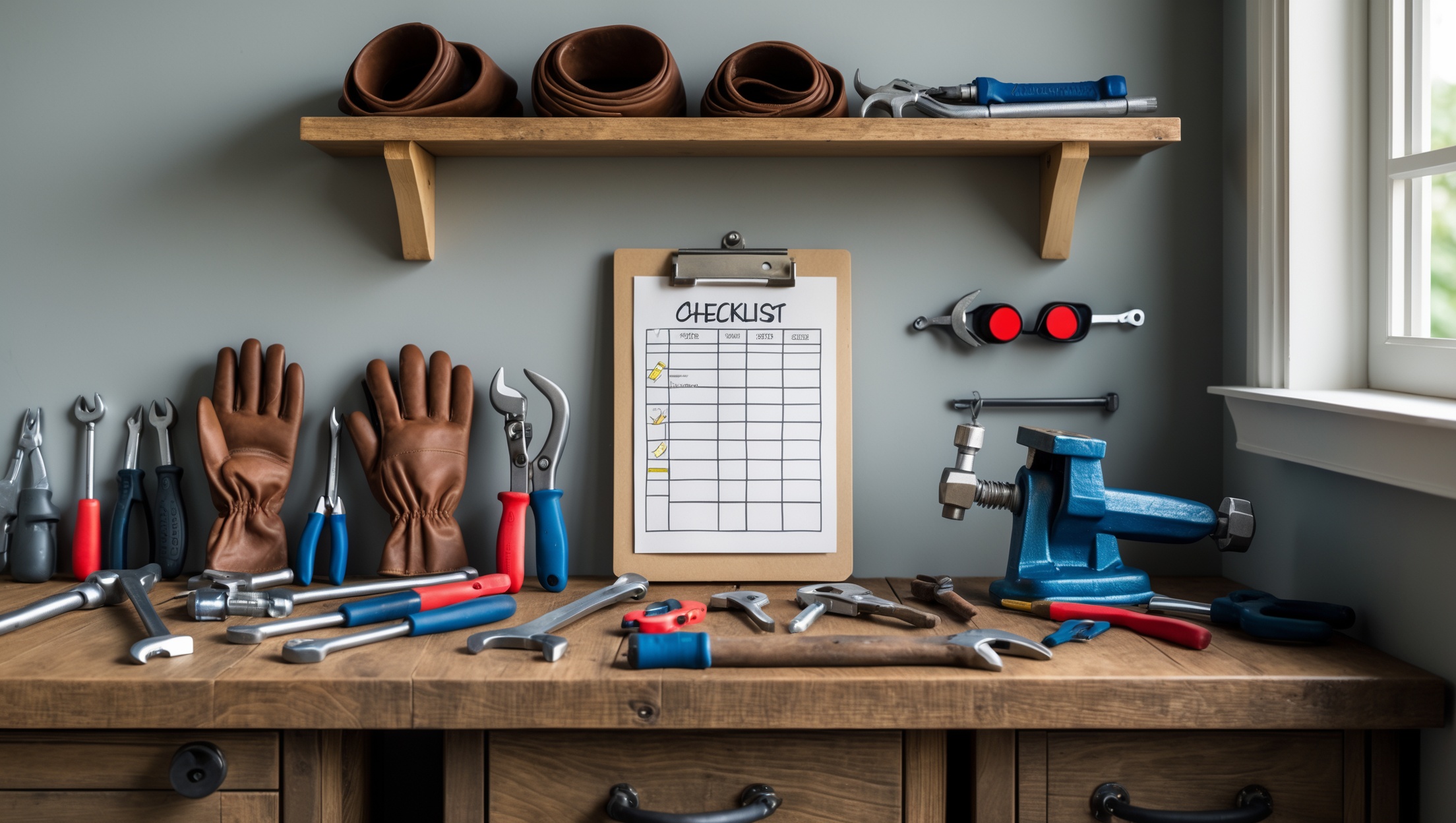
Maintenance Tools & Supplies Checklist

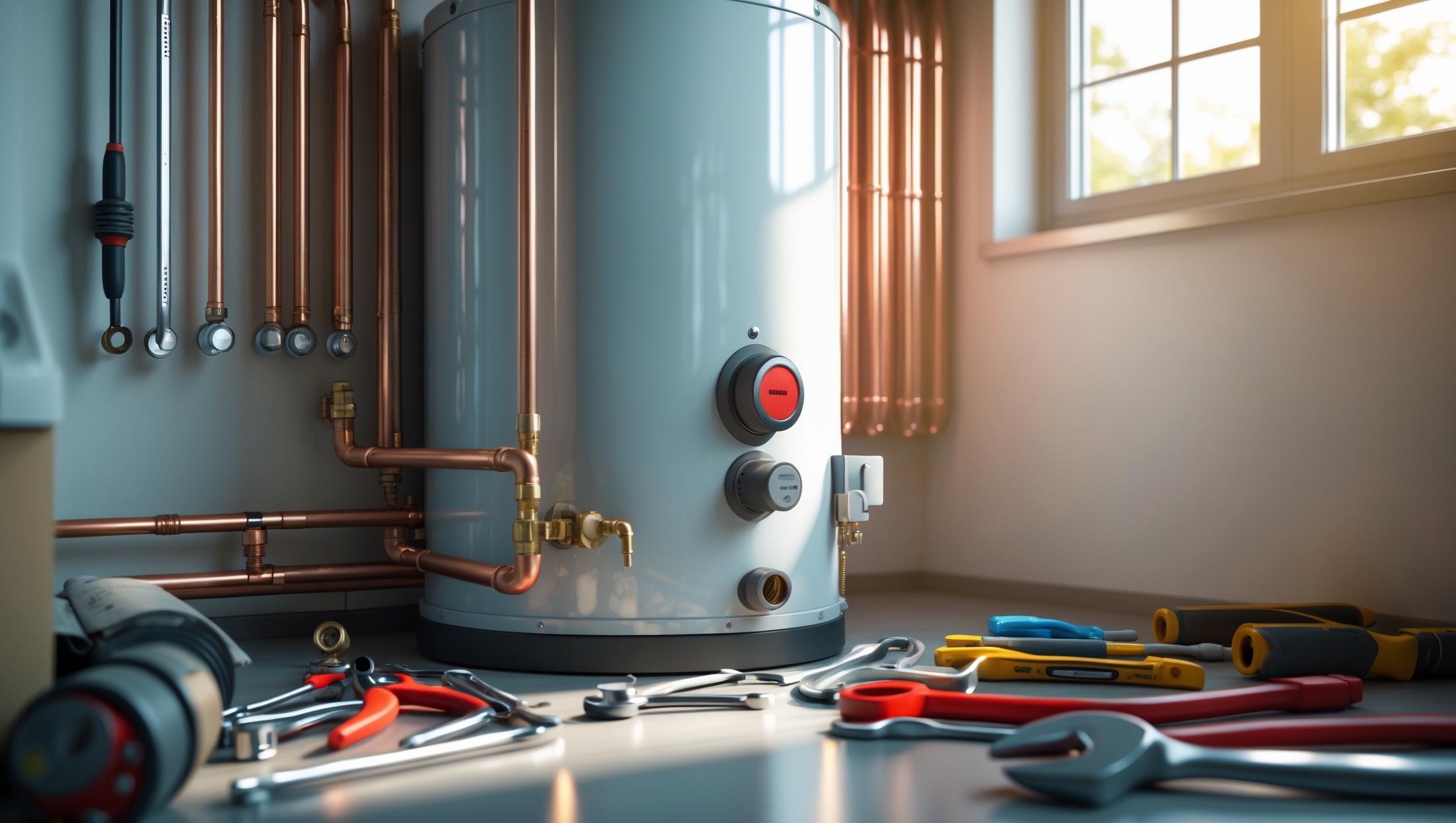
  • Adjustable wrench
  • Flathead screwdriver
  • Garden hose
  • Buckets
  • Rags or towels
  • Replacement anode rod (if needed)
  • Plumber’s tape (Teflon tape)
  • Shop vacuum (for stubborn sediment, optional)
  • White vinegar (for tankless descaling)
  • Multimeter (for electrical models)
  • Protective gloves and safety goggles

Step-by-Step Maintenance for Tank-Style Water Heaters

1. Safety First: Shut Down the Unit

  • For electric: Switch off the circuit breaker.
  • For gas: Turn gas control knob to the ‘pilot’ or ‘off’ position.
  • Allow water to cool (wait at least 2 hours to avoid burns).

2. Check the T&P Valve

Lift the test lever on the temperature and pressure relief valve. Water should flow freely from the discharge pipe, then stop once released. If not, replace the valve immediately—this is a critical safety feature.

3. Drain and Flush Sediment

  • Turn off the cold water supply valve.
  • Connect a garden hose to the drain valve and run the hose to a floor drain or outside.
  • Open a hot water tap in the house to prevent vacuum lock.
  • Open the drain valve and let the tank empty.
  • Once drained, briefly turn on the cold water supply to stir up and flush out remaining sediment. Repeat until water runs clear.
  • Close the drain valve, disconnect the hose, and refill the tank by reopening the cold supply. Restore power or gas only once the tank is full.

4. Inspect and Replace the Anode Rod

  • Locate the anode rod (usually under a hex head on top of the tank).
  • Use a socket wrench to unscrew it. If the rod is less than ½ inch thick or coated in calcium, replace it.
  • Wrap new rod threads with plumber’s tape before installing.

5. Check for Leaks and Corrosion

  • Inspect all connections, the bottom of the tank, and the floor around the unit for signs of rust, corrosion, or moisture.
  • Tighten any loose fittings and note any persistent leaks for professional repair.

6. Test the Thermostat and Temperature Setting

  • Recommended temperature: 120°F (49°C) for energy savings and to prevent scalding.
  • Adjust thermostat as needed. Use a thermometer at a faucet to verify.

Tankless Water Heater Maintenance: What’s Different?

1. Power Down and Isolate

  • Turn off electrical power or set gas to ‘off’.
  • Shut off water supply valves to the unit.

2. Flush and Descale the System

  • Connect hoses to the cold and hot water service ports (refer to your model’s manual).
  • Circulate undiluted white vinegar using a small pump through the heat exchanger for 45–60 minutes to dissolve scale and mineral buildup.
  • Flush with clean water to remove vinegar residue.

3. Clean the Inlet Filter

  • Locate and remove the cold water inlet filter.
  • Rinse under running water to remove debris.
  • Reinstall securely before restarting the system.

4. Inspect and Test

  • Check for leaks at all connections after restarting.
  • Test temperature and flow at the nearest faucet.

Annual Water Heater Maintenance Checklist

  • Test T&P valve
  • Flush tank or descale heat exchanger
  • Inspect anode rod (tank models)
  • Check for leaks, corrosion, and signs of wear
  • Verify temperature setting
  • Clean around the heater for airflow and safety
  • Check exhaust venting (gas models)
  • Clean inlet screens or filters (tankless only)

Energy-Saving Tips for Water Heaters

  • Insulate exposed hot water pipes to reduce standby heat loss.
  • Install a water heater blanket (for older, uninsulated tanks).
  • Lower temperature setting to 120°F (49°C).
  • Use low-flow fixtures to reduce hot water demand.
  • Schedule showers and laundry to avoid peak usage (helps tankless units work more efficiently).
  • Replace aging units with ENERGY STAR models for long-term savings.

Troubleshooting Common Water Heater Problems

1. No Hot Water

  • Check power supply or pilot light (electric/gas).
  • Test heating elements (electric) with a multimeter.
  • Reset high-temperature cutoff switch.

2. Not Enough Hot Water

  • Increase tank thermostat setting if safe.
  • Flush sediment buildup.
  • Check for undersized unit or increased household demand.

3. Water Leaks

  • Inspect valves, connections, and tank bottom for leaks.
  • Replace failing T&P valve or drain valve if needed.
  • If tank itself is leaking, replacement is required.

4. Strange Noises

  • Popping or rumbling noise is often sediment boiling—flush the tank.
  • Hissing may indicate scale buildup on electric elements.

5. Discolored or Smelly Water

  • Flush tank and replace anode rod (rotten egg smell indicates sulfur bacteria).
  • Consult a plumber for persistent odor or rust.

When to Repair vs. Replace Your Water Heater

Signs It’s Time for Replacement

  • Tank is over 10–12 years old (tankless: 15–20 years)
  • Rusty water or tank corrosion
  • Frequent repairs or leaks
  • Higher energy bills without explanation
  • Visible cracks or excessive rust on the tank

Repairable Issues

  • Replaceable heating element or thermostat
  • Leaking T&P or drain valve
  • Anode rod replacement
  • Minor wiring or pilot light adjustments

Professional Maintenance: When to Call a Plumber

While most basic maintenance can be performed by a careful DIYer, call a licensed plumber if you notice:

  • Persistent leaks, pooling water, or signs of tank failure
  • Unusual smells (gas, burning, or rotten eggs)
  • Complex electrical or gas issues
  • Repeated tripping of circuit breakers
  • Unfamiliar or confusing error codes (tankless models)

Professional servicing is especially recommended for multi-family properties, commercial systems, and when the water heater is located in a place where leaks could cause major damage.

Conclusion: Making Water Heater Maintenance a Habit

Water heater maintenance isn’t just about prolonging the life of your equipment—it’s about ensuring the safety, efficiency, and comfort of your home. A well-maintained water heater can save you hundreds of dollars annually in energy costs, reduce the risk of inconvenient breakdowns, and provide peace of mind knowing that your hot water supply is reliable. With just a few hours each year, you can flush sediment, check safety features, and spot small issues before they become big problems. Tankless or tank-style, the same principle holds: prevention is far cheaper and easier than dealing with a flooded basement or a cold shower on a winter morning. Don’t wait for a leak or an ice-cold tap to remind you—put these maintenance steps on your calendar, gather the right tools, and take charge of your home’s hot water health. And if you ever feel uncertain, don’t hesitate to call a plumbing professional. A little attention now guarantees comfort, efficiency, and savings for years to come.

136 comments
Linda Thomas

I have a tank-style water heater that’s about 10 years old. How often should I be checking or replacing the anode rod to make sure I’m preventing corrosion, and is this something I can do myself or do I need a professional?

    Mario The Plumber

    For a tank-style water heater, it’s recommended to check the anode rod every 2 to 3 years, especially since your unit is already 10 years old. If the rod is heavily corroded (less than half an inch thick or coated with calcium), it should be replaced. Many homeowners do this themselves using basic tools, but if you’re not comfortable turning off the water, draining the tank, and removing the rod, hiring a professional is a good idea.

Emily Martin

When it comes to sediment buildup, does the age of the water heater or the type of fuel (electric vs. gas) play a bigger role in how often you should flush the tank?

    Mario The Plumber

    The age of your water heater generally plays a bigger role than the fuel type in how often you should flush the tank. Older heaters are more likely to have accumulated sediment, so they may need more frequent flushing. While both electric and gas heaters experience sediment buildup, the maintenance interval is mostly determined by usage, water hardness, and the heater’s age rather than whether it’s electric or gas.

Julie Jackson

If I start noticing inconsistent water temperature in our office, does that point more toward an issue with the heating element, the thermostat, or something else entirely? The article mentions troubleshooting but I’m not sure where to start.

    Mario The Plumber

    Inconsistent water temperature is often linked to either the thermostat or the heating element. Start by checking the thermostat settings to ensure they’re correct and consistent. If the problem persists, the heating element might be malfunctioning, especially if only some water is hot. Sediment buildup inside the tank can also cause fluctuations, so consider flushing the tank as the article suggests. If you’re unsure, a professional inspection can pinpoint the issue.

Jessica Anderson

I’m curious about the costs involved when hiring a pro to perform the maintenance steps described here, compared to doing it myself. Is there a general range I should expect for basic annual service?

    Mario The Plumber

    Hiring a professional to perform basic annual water heater maintenance typically costs between $100 and $200, depending on your location and the complexity of the service. Doing it yourself mainly involves the cost of supplies, which is usually under $40. While DIY is cheaper, having a pro ensures a thorough inspection and may catch issues early, potentially saving money in the long run.

Margaret Brown

For those of us on a college budget, are there any cheap tools or essentials you would recommend for basic water heater maintenance that could help avoid bigger repair costs later on?

    Mario The Plumber

    Absolutely, you can do basic water heater maintenance on a budget. A flathead screwdriver is often all you need to drain the tank and remove sediment. A bucket and a short garden hose are also inexpensive essentials for flushing the tank. If you want to check the temperature setting or inspect the anode rod, a socket wrench might come in handy. Doing these simple tasks once or twice a year can help prevent costly repairs down the road.

Robert Davis

I’m trying to keep my energy bills down. Is there a noticeable difference in energy savings between keeping up with maintenance on an older tank water heater versus switching to a new tankless model?

    Mario The Plumber

    Regular maintenance on an older tank water heater can improve its efficiency and help lower your energy bills, but switching to a new tankless model usually offers greater energy savings overall. Tankless water heaters heat water only when needed, which reduces standby energy loss common with tanks. If your current unit is quite old, upgrading to tankless could result in noticeably lower energy costs.

William White

My business is on a tight budget, so I’m wondering which water heater maintenance tasks absolutely need a professional, and which ones I could reasonably handle myself with basic tools.

    Mario The Plumber

    You can handle basic tasks like draining the tank to remove sediment, checking the temperature setting, and inspecting for visible leaks or corrosion with just simple tools. However, for more complex jobs—such as inspecting or replacing the anode rod, testing the pressure relief valve, or addressing electrical or gas connections—it’s safest to hire a professional. This helps prevent safety risks and costly damage.

Kevin Harris

What are the warning signs that my water heater is about to fail or might need replacement, as opposed to just needing a quick repair or regular maintenance?

    Mario The Plumber

    Some signs your water heater may be failing and could need replacement include rusty or discolored water, strange noises like rumbling or popping, water pooling around the base, or a noticeable drop in hot water supply. If you notice leaks from the tank itself or if the unit is over 10–12 years old, replacement is often needed. Issues like minor leaks at fittings, inconsistent temperature, or lack of maintenance are usually repairable.

William Gonzalez

How often should a homeowner be flushing out the sediment from the tank, and is this something I can easily do myself, or is it safer to hire a professional for that part?

    Mario The Plumber

    Homeowners should typically flush sediment from their water heater tanks once a year. This helps prevent buildup that can reduce efficiency and lifespan. Many people do this themselves by following the manufacturer’s instructions—usually involving turning off the heater, attaching a hose to the drain valve, and letting the water run out. If you’re uncomfortable with handling water and electrical or gas connections, it’s perfectly reasonable to hire a professional for peace of mind.

Betty Perez

Do you have any tips for busy families who can’t do all the steps themselves? What’s the most important basic maintenance task to prioritize if our schedule is really tight?

    Mario The Plumber

    If you’re pressed for time, the most important basic maintenance task to prioritize is flushing a small amount of water from the tank once or twice a year to reduce sediment buildup. This can help maintain efficiency and extend your water heater’s lifespan. If it’s tough to do even this, consider scheduling a yearly professional checkup—they can handle the maintenance for you.

Karen Lopez

For those of us considering whether to repair or replace an older water heater, is there a general rule or a set of signs that means replacement is the most practical option? I’m concerned about making the right financial decision.

    Mario The Plumber

    If your water heater is over 10–12 years old, needs frequent repairs, shows signs of rust or leaking, or isn’t heating water efficiently, it’s usually more practical to replace it. Repairing older models often adds up over time, so if repair costs approach half the price of a new unit, replacement is generally the better financial choice.

James Thomas

The article mentions draining the tank to flush out sediment. Can you explain how I know when it’s time to do this? Also, how much water am I supposed to drain each time, especially if I have an 80-gallon tank?

    Mario The Plumber

    You’ll know it’s time to flush your water heater when you notice popping or rumbling noises, cloudy or rusty water, or reduced hot water output. For routine maintenance, it’s recommended to drain a few gallons (about 5–10) every 6–12 months. If it hasn’t been done in a while or you notice lots of sediment, consider draining the entire tank to thoroughly flush it.

Diane Martin

How do you know when it’s finally time to replace your water heater instead of just repairing it? Are there certain warning signs or performance drops that definitely mean a replacement is needed?

    Mario The Plumber

    Some clear signs that it’s time to replace your water heater include persistent leaks around the tank, rust-colored or cloudy water, unusual noises like rumbling or banging, and a noticeable drop in hot water supply or temperature. If your unit is over 10-12 years old and needing frequent repairs, a replacement is often more cost-effective than continued fixes.

Rachel Harris

How can a homeowner tell when their water heater has reached the point where replacement is more cost effective than continued repairs? Are there any telltale signs or age limits mentioned in your maintenance guide?

    Mario The Plumber

    If your water heater is over 10–15 years old, frequently needs repairs, or no longer heats water efficiently, it may be time for a replacement. Signs like rust-colored water, leaks, rumbling noises, or rising energy bills also suggest replacement could be more cost-effective than continued repairs. Our guide highlights these warning signs to help homeowners make an informed decision.

Nathan Thompson

If my energy bills have suddenly gone up, is there a way to tell from basic water heater maintenance tasks whether my system is the cause? Are there common signs to look for before calling a professional?

    Mario The Plumber

    Yes, there are a few signs you can check during basic maintenance. Listen for unusual noises like popping or rumbling from your water heater, which can mean sediment buildup is making it less efficient. Also, feel the water temperature—if it’s inconsistent or not as hot, that’s another clue. Inspect for leaks or rust around the tank, and make sure the thermostat is set correctly. If you notice any of these issues, it could be impacting your energy bills and may warrant a professional inspection.

Megan Hernandez

When talking about flushing sediment from the tank, how can I tell if there’s a serious build-up that’s affecting energy efficiency before actual problems show up?

    Mario The Plumber

    One sign of significant sediment buildup is if your water heater starts making rumbling or popping noises as it heats up. You might also notice water taking longer to heat or fluctuating temperatures. If your energy bills have gone up without changes in usage, that could be another indicator. Checking for these early symptoms can help you address sediment issues before they cause bigger problems.

Anthony Anderson

Could you clarify how the maintenance steps differ between tank and tankless water heaters? I have a tankless unit and want to make sure I’m not missing any important tasks that apply specifically to my system.

    Mario The Plumber

    Tank water heaters need regular flushing to remove sediment from the tank, checking the anode rod, and inspecting the temperature and pressure relief valve. For tankless units like yours, the focus is on descaling to remove mineral buildup—usually every 6 to 12 months, depending on water hardness. Also, clean or replace inlet filters and check vents for blockages. These steps help keep your tankless system efficient and prolong its lifespan.

Betty Wilson

Could you explain a bit more about the anode rod? How often does it usually need to be replaced, and what signs should I look for to know if it’s time to change it before any damage happens?

    Mario The Plumber

    The anode rod is a crucial part inside your water heater that helps prevent tank corrosion by attracting minerals that would otherwise damage the tank lining. Typically, it should be checked every 1 to 3 years and replaced about every 3 to 5 years, depending on water quality. Signs it needs replacing include significant thinning, being coated in calcium, or if more than six inches of the core wire is exposed. Addressing this early can help avoid costly tank repairs.

Sandra Perez

Is there a general rule of thumb for when it’s more cost-effective to replace a water heater instead of continuing repairs, especially for small businesses with tight budgets?

    Mario The Plumber

    A good rule is to consider replacement if your water heater is over 10 years old, needs frequent repairs, or if repair costs exceed half the price of a new unit. For small businesses, older heaters are often less energy efficient, so upgrading may save money on bills and reduce downtime from unexpected breakdowns.

Charles Lopez

If someone has not performed any maintenance on their water heater in several years, what would be the recommended first steps to avoid potential leaks or damage?

    Mario The Plumber

    If a water heater hasn’t been maintained in years, start by turning off the power or gas supply for safety. Inspect the unit for visible rust, leaks, or corrosion. Next, drain a few gallons from the tank to remove sediment, but avoid draining completely if you’re unsure about the condition. Consider having a professional plumber check the anode rod and perform a full inspection to address any hidden issues.

Nancy Rodriguez

You mentioned sediment buildup in tank models. What are some early warning signs that sediment is becoming a problem before it leads to major issues or inefficiency?

    Mario The Plumber

    Some early warning signs of sediment buildup in tank water heaters include popping or rumbling noises from the tank, water that heats up more slowly than usual, fluctuating water temperatures, and a slight reduction in hot water supply. Discolored or cloudy hot water can also indicate sediment. Catching these signs early makes it easier to address the issue before it affects efficiency or causes damage.

Aaron Hernandez

If I notice my hot water running out faster than usual or the water isn’t as hot, should I try any maintenance steps first, or is it usually a sign the water heater needs professional repair or even replacement?

    Mario The Plumber

    If your hot water runs out quickly or isn’t as hot, you can try a few basic maintenance steps first. Flushing the tank to remove sediment, checking the thermostat setting, and inspecting for visible leaks are good starting points. If these steps don’t resolve the issue, or you notice rust, strange noises, or persistent problems, it’s wise to call a professional. Replacement is usually only needed if your unit is old or badly damaged.

Michael Miller

With busy schedules, I’m wondering how much time I should set aside for basic maintenance like flushing sediment or checking the T&P valve. Is this something that can be handled in an afternoon?

    Mario The Plumber

    You can absolutely handle basic water heater maintenance in an afternoon. Flushing sediment from the tank and checking the T&P valve usually takes about 1–2 hours, depending on your familiarity and the setup of your heater. Setting aside an afternoon once a year should be more than enough to complete these tasks and keep your system running efficiently.

Rachel Harris

If someone ignores water heater maintenance for several years, what are some early warning signs that trouble might be starting before a major leak or failure happens?

    Mario The Plumber

    If a water heater hasn’t been maintained for years, you might notice signs like water taking longer to heat, rumbling or popping noises, rusty or discolored water, or a decrease in hot water supply. Small leaks, moisture around the base, or fluctuating water temperatures can also be early warnings that something is wrong before a major failure occurs.

Charles Ramirez

If I’m on a tight budget, what are the absolute must-do maintenance steps that will give me the most impact on extending the lifespan of my water heater and keeping energy bills down?

    Mario The Plumber

    If you’re working with a tight budget, focus on two key maintenance tasks: flushing the tank once a year to remove sediment buildup and checking the pressure relief valve to ensure it’s working properly. These steps help your water heater run efficiently and prevent costly damage, making them the most effective actions for both extending its life and keeping energy bills lower.

Mark Garcia

If my water heater is already a few years old and I’ve never flushed it or checked the T and P valve, is there a specific order I should tackle these tasks in, or can I address them all at once?

    Mario The Plumber

    It’s usually best to check the T and P (temperature and pressure) valve first, as this is a quick safety check. Once that’s confirmed to be working properly, you can move on to flushing the tank. Flushing removes sediment buildup, which can improve efficiency and prolong your heater’s life. Handle each step separately for safety and to spot any issues as you go.

Brian Brown

I’m a bit confused about how often I actually need to flush the sediment out of a regular tank-style water heater. Does the frequency depend on how hard the water is or the size of the tank?

    Mario The Plumber

    Yes, both water hardness and tank size affect how often you need to flush your water heater. If you have hard water, sediment builds up faster, so flushing once every 6 months is ideal. With softer water, once a year may be enough. Larger tanks might also need more frequent flushing due to the greater water volume. Regular maintenance keeps your heater efficient and extends its lifespan.

Kevin White

I’m trying to budget for ongoing maintenance. Are there some maintenance steps that can help lower my energy bills right away, or is improved efficiency more of a long-term benefit?

    Mario The Plumber

    Some maintenance steps can lower your energy bills almost immediately. For example, flushing the tank to remove sediment helps your water heater run more efficiently right away. Checking and adjusting the thermostat to 120°F also cuts down unnecessary energy use. While some benefits—like longer lifespan—take time to show, these quick actions can help you see energy savings on your next bill.

Robert Martin

Any tips for flushing the drain valve if you’re a busy parent without a lot of extra time? I want to keep up with maintenance, but I need to make it as quick and simple as possible in my schedule.

    Mario The Plumber

    If you’re short on time, you can do a quick flush by attaching a garden hose to the drain valve, letting a few gallons of water run out, and then closing the valve. This helps remove some sediment without a full tank drain. Try to do this every few months—it only takes about 10–15 minutes and keeps maintenance manageable.

Ashley Garcia

Is there a noticeable difference in energy bills after performing regular water heater maintenance as suggested? I’m trying to determine if the upfront effort and cost will actually pay off within the first year or two.

    Mario The Plumber

    Yes, you can usually see a noticeable reduction in energy bills after following regular water heater maintenance, such as flushing the tank and checking the thermostat. Many users report savings of 5–15% on their water heating costs. While results vary based on your heater’s age and condition, the modest upfront effort and cost often pay for themselves within a year or two through lower energy usage and fewer repairs.

Rachel Smith

When troubleshooting common water heater issues, how do you tell if the problem means it’s time for a repair or if a full replacement is necessary? Are there any clear signs to watch for?

    Mario The Plumber

    When troubleshooting, look for signs like age (over 10-15 years old), rusty water, frequent leaks, unusual noises, or consistently insufficient hot water. Minor issues like a faulty thermostat or heating element can often be repaired. However, if the tank itself is leaking, corrosion is visible, or repair costs are high compared to a new unit, it’s usually time to consider a replacement.

Lisa Johnson

The article lists the T&P valve as a key safety component. Is there a simple way to test whether my T&P valve is still working properly, and what could go wrong if it fails?

    Mario The Plumber

    To check your T&P (temperature and pressure relief) valve, place a bucket under its discharge pipe, then carefully lift the valve’s test lever for a few seconds—water should flow out and stop once you release it. If nothing comes out or it leaks afterward, the valve may be faulty. A failed T&P valve can lead to dangerous pressure buildup, risking tank rupture or explosion, so replace it if you notice issues.

John Martin

If I want to extend the lifespan of my water heater on a tight student budget, which single maintenance task would have the biggest impact for the least cost and effort?

    Mario The Plumber

    Flushing the tank once a year is probably the most effective and affordable task you can do. It helps remove sediment buildup, which can cause your water heater to work harder and wear out faster. All you need is a bucket and a hose, and it usually takes less than an hour.

Nathan Moore

Could you clarify which maintenance tasks from your guide require professional assistance versus those that are safe and straightforward for a DIY homeowner to perform?

    Mario The Plumber

    Sure! Tasks like draining the tank to remove sediment, checking the temperature setting, and inspecting the pressure relief valve are generally safe for most DIY homeowners. However, if you need to replace the heating element, address electrical issues, or spot signs of leaking or corrosion, it’s best to call a professional. Regular DIY tasks help, but anything involving gas, electricity, or major repairs should be left to experts for safety.

Richard Thompson

For someone who doesn’t have a lot of plumbing experience, which maintenance tasks are generally safe to try on my own, and which parts of the routine would you advise leaving to a professional?

    Mario The Plumber

    You can safely handle tasks like adjusting the thermostat, checking for leaks, and draining a small amount of water from the tank to remove sediment—just be sure to turn off power and water first. More complex jobs like replacing the anode rod, working with electrical or gas connections, or fixing pressure valves are best left to a professional to avoid safety risks.

Kevin Martin

My water heater is making some odd rumbling noises lately. The article briefly mentions sediment, but what are the best steps for flushing out a tank, and is it something someone with minimal DIY experience can handle safely?

    Mario The Plumber

    Rumbling noises often point to sediment buildup in your water heater. Flushing the tank can usually resolve this and is manageable for those with basic DIY skills. You’ll need to turn off the heater and water supply, attach a hose to the drain valve, and carefully drain the tank until clear water runs out. Let the tank refill before turning the heater back on. If you’re unsure, consider having a professional assist the first time.

Susan Martinez

Could you explain how often the anode rod in a tank-style water heater should be checked or replaced? I noticed you mentioned its role in protecting the tank, but I’m not clear on the timeframe or warning signs that it’s wearing out.

    Mario The Plumber

    The anode rod in a tank-style water heater should generally be checked every 1 to 2 years. If it’s significantly corroded (more than 50% worn away or coated with calcium), it’s time to replace it. Warning signs include rusty water, a rotten egg smell, or visible corrosion on the rod itself when inspected. Regular checks help prevent tank damage and prolong the heater’s life.

James Thomas

You talked about the differences in maintenance between tank and tankless models. Is there a time of year that’s best for performing these tasks, or does seasonality not matter much for either type?

    Mario The Plumber

    Seasonality doesn’t matter much for water heater maintenance, whether you have a tank or a tankless model. The most important thing is to perform routine tasks once a year, regardless of the season. However, some people prefer to do maintenance in the spring or fall, since those times are less busy and the weather is moderate, making any outdoor work more comfortable.

Thomas White

For someone on a tight budget, which maintenance tasks have the biggest impact on extending a water heater’s lifespan and reducing energy bills, versus steps that could be considered optional or less urgent?

    Mario The Plumber

    Focusing on simple, high-impact tasks can save you money. Draining a few gallons from the tank every 6–12 months helps remove sediment and improves efficiency—this is key for both lifespan and lower bills. Also, check and adjust the thermostat to 120°F to avoid overheating. Insulating the first few feet of hot water pipes is affordable and reduces heat loss. Tasks like full tank flushes or replacing the anode rod are helpful but can be considered less urgent if your budget is tight.

Brian Garcia

When it comes to energy bills, do tankless water heaters really save that much more money over time compared to tank-style ones, considering any extra maintenance costs or installation expenses?

    Mario The Plumber

    Tankless water heaters are typically more energy-efficient because they only heat water as needed, which can lower energy bills compared to tank-style models that keep water hot all the time. However, installation costs for tankless units are usually higher, and some maintenance, like descaling, may be needed more often depending on water hardness. Over many years, the energy savings can offset the upfront costs, but actual savings will depend on your hot water usage and local utility rates.

Betty Taylor

For homeowners on a tight budget, which basic maintenance tasks would you recommend prioritizing to get the most benefit in terms of energy savings and lifespan extension for a traditional tank-style water heater?

    Mario The Plumber

    If you’re working with a tight budget, focus on these key tasks: flush a few gallons of water from the tank yearly to remove sediment, check and adjust the thermostat to 120°F for energy savings, and inspect for leaks or rust around the base. Also, test the pressure relief valve once a year. These steps require minimal cost but can significantly improve efficiency and lifespan.

Richard Lopez

If energy bills are already higher than normal, what would be the first maintenance step you’d recommend to troubleshoot a potentially inefficient water heater before calling a pro?

    Mario The Plumber

    If your energy bills are higher than usual, start by checking and adjusting your water heater’s thermostat. Sometimes it’s set too high, which wastes energy. Next, look for any signs of sediment buildup by listening for rumbling or popping noises from the tank. Draining a few gallons of water from the tank can help clear out sediment. These simple checks can often improve efficiency before you need professional help.

Thomas Anderson

I’m trying to stick to a tight budget. Are there any DIY maintenance tasks from your guide that make the biggest impact on energy bills without needing to hire a professional?

    Mario The Plumber

    Flushing your water heater tank once or twice a year is one of the most effective DIY tasks for improving efficiency and cutting energy costs. You can also turn down the thermostat to around 120°F, which saves energy and is easy to do yourself. These steps don’t require a professional and can make a noticeable difference on your bills.

Julie White

When it comes to reducing energy bills, are there specific maintenance tasks that make a noticeable difference, or would upgrading to a newer tankless model provide better long-term savings?

    Mario The Plumber

    Regular maintenance tasks like flushing the tank to remove sediment, checking the anode rod, and insulating pipes can noticeably improve water heater efficiency and help reduce energy bills. However, if your unit is older or frequently in need of repairs, switching to a newer tankless water heater generally offers greater long-term savings due to higher efficiency and lower standby energy loss.

Anthony Taylor

I noticed you list the T&P valve as a key safety feature. How can I test if my temperature and pressure relief valve is working right, and what steps should I take if it seems faulty?

    Mario The Plumber

    To test your T&P valve, place a bucket under the discharge pipe, then gently lift the valve’s lever. Water should flow out and stop when you release it. If the valve doesn’t operate smoothly, leaks, or won’t reset, it may be faulty. In that case, turn off your water heater and contact a licensed plumber to replace the valve, as it’s a crucial safety component.

Anthony Anderson

I noticed the article mentions both electric and gas tank-style water heaters. Are there any specific maintenance steps that differ between electric and gas models, especially when it comes to the heating element versus the burner?

    Mario The Plumber

    Yes, there are a few key differences in maintaining electric versus gas tank-style water heaters. For electric models, you’ll want to periodically inspect and, if needed, replace the heating elements since these are prone to mineral buildup. For gas models, focus on checking and cleaning the burner and the pilot light area to keep them free of dust or debris. Both types should have their tanks flushed regularly, but pay special attention to these model-specific parts during your routine maintenance.

Lisa Wilson

If my water heater is already showing signs of unreliable hot water, would starting maintenance now help improve performance, or does that indicate it’s likely time to consider a replacement?

    Mario The Plumber

    If your water heater is already struggling to provide consistent hot water, basic maintenance might help if the problem is due to sediment build-up or a minor issue. However, frequent temperature fluctuations or running out of hot water quickly can signal more significant wear or aging components. In that case, maintenance may offer only a temporary fix, and it could be time to start planning for a replacement.

Richard Robinson

Since hiring a pro can get expensive, are there any maintenance tasks listed here that a first-timer should definitely NOT attempt themselves? I want to avoid making a costly mistake.

    Mario The Plumber

    It’s wise to be cautious. Tasks like draining the tank, checking the pressure relief valve, and adjusting the thermostat are generally safe for beginners if you follow the instructions carefully. However, any electrical work or repairs involving gas lines should be left to a licensed professional, as mistakes can be dangerous and costly. If you’re unsure about any step, it’s best to consult an expert.

Christopher Sanchez

If I wanted to start doing routine maintenance myself, which specific tools would I need for both tank and tankless models, and are there any affordable starter kits you’d recommend for a beginner on a budget?

    Mario The Plumber

    For both tank and tankless water heaters, you’ll need a basic set of tools: an adjustable wrench, a flathead and Phillips screwdriver, a bucket, rags, and a garden hose for draining tanks. For tankless models, a submersible pump and white vinegar are needed for descaling. Many home improvement stores offer water heater maintenance kits that include essentials like hoses and flushing adapters at budget-friendly prices—just check the product details to match your heater type.

Matthew White

My water heater is about ten years old and sometimes takes longer than usual to heat up. Based on your troubleshooting tips, is this a sign I should repair certain parts or is it likely time to start budgeting for a replacement?

    Mario The Plumber

    If your water heater is taking longer to heat up at ten years old, it could be due to issues like sediment buildup or a failing heating element, which might be repaired. However, since most water heaters last 8 to 12 years, it’s wise to start planning for a replacement while considering minor repairs in the meantime. Regular maintenance can help, but a unit this age is nearing the end of its lifespan.

Joseph Miller

For households on a tight budget, which maintenance tasks are the most cost-effective for extending the lifespan of a water heater? Are there any tips for doing these tasks safely without hiring a professional?

    Mario The Plumber

    For budget-conscious households, the most cost-effective water heater maintenance tasks are flushing the tank once a year to remove sediment, checking and replacing the anode rod every few years, and inspecting for leaks. To do these safely, always turn off the power (or gas) and let the tank cool before starting. Use gloves and eye protection when draining water. If you’re unsure about any step, consult the manufacturer’s manual for specific instructions.

Joshua Martin

In terms of budgeting for annual maintenance, do you have an estimate of what basic preventative care for a gas water heater would cost for a small business, assuming we hire a professional instead of doing it ourselves?

    Mario The Plumber

    For a small business, hiring a professional for basic annual maintenance on a gas water heater typically costs between $100 and $250, depending on your location and the complexity of your system. This usually covers inspection, flushing the tank, checking components, and ensuring safe operation. Prices can vary, so getting a few local quotes is a good idea.

Helen Harris

You mentioned the anode rod helps prevent corrosion in tank-style water heaters. How do I know when it’s time to replace that part, and is it something that can be checked during regular maintenance?

    Mario The Plumber

    You can usually check the anode rod during regular water heater maintenance. If the rod is less than half an inch thick or is coated in calcium, it’s a good idea to replace it. Most homeowners check it every 1-2 years. If you’re unsure about removing it, a plumber can do this quickly during an annual service visit.

Anthony Miller

I’m a bit confused about the tools needed for basic water heater maintenance. Could you provide a short list of what’s essential for a DIYer just starting out?

    Mario The Plumber

    Absolutely, for basic water heater maintenance, a few essential tools will help you get started. You’ll need an adjustable wrench, a flathead screwdriver, a garden hose (for draining the tank), a bucket, and possibly a socket wrench for anode rod removal. Having a towel or rag nearby is also handy for any spills. With these, you should be able to handle most routine maintenance tasks.

Charles Miller

How often should the anode rod be inspected or replaced in a standard tank-style water heater, and does this timeframe change depending on the local water quality?

    Mario The Plumber

    The anode rod in a standard tank-style water heater should typically be inspected every 1 to 2 years. If your area has hard or aggressive water, you may need to check it more often, even yearly, since poor water quality can cause the rod to deteriorate faster. Replacing the rod when it’s significantly worn helps prevent tank corrosion and extends the heater’s lifespan.

Kimberly Moore

Could you explain more about the anode rod you mentioned? How often should I be checking or replacing it, and is this something a beginner might be able to do safely on their own or does it need a pro?

    Mario The Plumber

    The anode rod is a crucial part inside your water heater that helps prevent tank corrosion by attracting minerals that would otherwise rust the metal. It’s a good idea to check the anode rod every 1 to 2 years. If it’s heavily corroded or worn down to less than half an inch thick, it should be replaced. Many handy beginners can handle the job with basic tools, but be sure to turn off the heater and water supply first. If you’re unsure or uncomfortable, calling a professional is always a safe bet.

Elizabeth Brown

How do the typical maintenance costs compare between tank and tankless systems over a 5 to 10 year period? I want to budget smarter before deciding what kind of unit to install in my next home.

    Mario The Plumber

    Maintenance costs for tank water heaters are generally lower per visit, averaging around modest annual flushes and occasional part replacements like anode rods. Over 5 to 10 years, you might spend less than with tankless units, which require more frequent descaling (especially in hard water areas) and professional servicing to maintain warranty and efficiency. While initial installation for tankless is higher, expect to budget a bit more for maintenance compared to tanks, though their longer lifespan may offset this over time.

Joshua Lewis

Can you explain how often the anode rod in a tank-style water heater should be checked or replaced to really make a difference in its lifespan? Is this something a homeowner can do themselves or is it best to hire a professional?

    Mario The Plumber

    The anode rod in a tank-style water heater should ideally be checked every 1 to 3 years, depending on your water quality and heater model. Replacing it when it’s substantially corroded can significantly extend your heater’s lifespan. Many handy homeowners can check and replace the anode rod themselves using basic tools, but if you’re unsure or uncomfortable with the process, hiring a professional is a safe option.

Jennifer Jackson

You mentioned flushing sediment from the tank—how often is that supposed to be done? And what can happen if I skip that step for a few years?

    Mario The Plumber

    Flushing sediment from your water heater tank is generally recommended once a year. If you skip this step for several years, sediment can build up and cause issues like reduced heating efficiency, higher energy bills, strange noises, and even shorten your heater’s lifespan by causing corrosion or clogs. Regular flushing helps prevent these problems and keeps your heater working well.

Andrew Garcia

The article mentions both tank and tankless heaters need different maintenance. If I recently switched from a tank to a tankless model, what are the main maintenance differences I should look out for in terms of frequency and tasks?

    Mario The Plumber

    With a tankless water heater, sediment buildup is less of an issue than with tank models, but regular descaling is still important, especially in areas with hard water. Typically, tankless units should be flushed and descaled once a year, compared to every 1-3 years for tanks. Also, tankless models have filters that need cleaning every few months. Unlike tanks, you won’t need to check anode rods, but keeping the intake vent clear is essential.

Jennifer Sanchez

Is there a noticeable difference in energy bills right away after doing basic maintenance like flushing the tank or replacing the anode rod, or does it take a while to see any cost savings?

    Mario The Plumber

    You might not see a dramatic drop in your energy bills immediately after basic maintenance like flushing the tank or replacing the anode rod. However, these tasks help your water heater run more efficiently, so you should notice gradual savings over the next few billing cycles. Regular maintenance also prevents bigger issues that can increase energy use in the long run.

William Garcia

If my water heater has been making rumbling noises lately, is that likely caused by sediment buildup? I saw you mentioned flushing the tank, but are there any signs that it might be time to just replace the whole unit instead?

    Mario The Plumber

    Rumbling noises are often a sign of sediment buildup in the tank, which can usually be addressed by flushing the water heater. However, if your heater is over 10-12 years old, has visible leaks, rust around the base, or you notice inconsistent hot water, those are signs it might be time to consider a replacement instead of just maintenance.

Christopher Taylor

Could you go into more detail on which maintenance tasks can realistically be done by a non-specialist versus when it really makes sense to hire a professional? We’re trying to manage costs for our small team.

    Mario The Plumber

    Many routine water heater tasks are safe for non-specialists, such as checking the temperature setting, draining a few gallons from the tank to flush out sediment, and inspecting for leaks or rust. You can also test the pressure relief valve by lifting its lever. However, if you notice persistent leaks, strange noises, or issues with wiring or gas lines, it’s best to call a professional, as these problems can be hazardous or require specialized tools.

Andrew Martin

My water heater is about eight years old, and I haven’t done any maintenance yet. Based on your article, should I start with certain steps first, or is it better to call a professional for an older unit like mine?

    Mario The Plumber

    Since your water heater is eight years old and hasn’t had any maintenance, it’s wise to start with a professional inspection. Older units can develop issues that may not be obvious, and a technician can check for safety concerns, flush the tank if needed, and advise if any parts need replacement. After this initial checkup, you can handle basic maintenance like draining sediment and checking the anode rod.

Betty Perez

How long does a typical maintenance routine take for the average homeowner, and are there any safety precautions that should be taken before starting work on either a gas or electric water heater?

    Mario The Plumber

    A typical maintenance routine for a water heater usually takes about 1 to 2 hours for most homeowners. Before starting, it’s important to turn off the power supply: switch off the circuit breaker for electric models, or set the gas control to the pilot position for gas heaters. Also, let the unit cool down and shut off the water supply to avoid burns or accidental leaks.

Mary Smith

I have a traditional tank-style water heater, about 10 years old, and I’ve never checked the anode rod before. How do I know if it needs to be replaced, and does doing so actually make a noticeable difference in performance or lifespan?

    Mario The Plumber

    For a water heater that’s 10 years old, it’s very likely the anode rod is worn out. Signs it needs replacing include rusty water, a sulfur smell, or visible corrosion if you check it. Replacing the anode rod can slow tank corrosion and help prevent leaks, often adding years to your heater’s life, even if performance doesn’t dramatically change right away.

Sarah Ramirez

Is it possible to perform most of these maintenance tasks with common household tools, or would I need to invest in specialized equipment? I’m trying to figure out if it’s cheaper to do it myself versus hiring someone.

    Mario The Plumber

    Most routine water heater maintenance tasks can be done with basic household tools like a wrench, screwdriver, bucket, and garden hose. Tasks such as draining the tank, checking the pressure relief valve, and adjusting the thermostat generally don’t need specialized equipment. However, if you encounter issues like replacing heating elements or dealing with significant rust, you might need specific tools or professional help. For regular upkeep, DIY is a cost-effective choice if you’re comfortable with simple tools.

Donna Johnson

My water heater’s T&P valve has released water a couple of times this year. According to your article, is this something I should be worried about, or is occasional release considered normal?

    Mario The Plumber

    An occasional release of water from the T&P (temperature and pressure) valve can happen if the water heater is under high pressure or if temperatures temporarily spike. However, if this happens more than once or twice a year, it could indicate underlying issues like high water pressure, a faulty valve, or temperature settings that are too high. It’s a good idea to have a plumber inspect your system to ensure everything is working safely.