

Introduction: Why Plumbing Tool Maintenance Matters
Whether you’re a seasoned professional or a dedicated DIYer, your plumbing tools are your most essential allies. The right wrench, pipe cutter, or auger can mean the difference between a smooth repair and a costly disaster. Yet, too often, tool maintenance is neglected—leading to rusted wrenches, jammed cutters, and sudden tool failures when you need them most. Investing time in proper tool care not only extends the life of your equipment but also ensures safety, efficiency, and reliable results on every job.
This guide will walk you through the practical steps of maintaining your plumbing tools—from daily cleaning routines to seasonal deep care, smart storage solutions, and recognizing when it’s time for repair or replacement. You’ll learn how to prevent the most common causes of tool damage, the best products and practices for various materials, and how regular maintenance can ultimately save you money and stress. Whether you operate a busy plumbing business or tackle home repairs on weekends, adopting these strategies will keep your toolkit—and your reputation—in excellent condition.
Common Plumbing Tools and Their Specific Maintenance Needs
Wrenches (Pipe, Basin, Adjustable)
Wrenches are the workhorses of plumbing, often exposed to water, grime, and corrosion. After each use, wipe down with a dry cloth to remove moisture and debris. For stubborn grime, use a wire brush. Regularly inspect for rust, especially around the jaws and adjustment mechanisms. Apply a light machine oil to moving parts every few weeks to prevent seizing.
- Pipe wrenches: Check the teeth for wear. Replace or re-sharpen if grip is compromised.
- Basin wrenches: Lubricate the pivoting head and ensure the telescoping shaft slides smoothly.
Pipe Cutters
Pipe cutters are precision tools. After each use, clean off metal shavings and debris. Check the cutting wheel for nicks or dullness—replace as needed. A drop of oil on the wheel and adjustment knob extends life and ensures a smooth cut every time.
Plungers and Augers (Drain Snakes)
Sanitation is critical with these tools. Rinse thoroughly after each use, especially if used on waste lines. Disinfect with a bleach solution to prevent odor and bacterial buildup. Dry completely before storing to avoid mildew and rust on metal components. Inspect cables for kinks or breaks and lubricate moving parts as recommended by the manufacturer.
Pliers (Tongue-and-Groove, Needle-Nose)
Pliers are often exposed to water and corrosion. Clean with a wire brush if necessary, dry thoroughly, and apply a light coat of oil to the joint. Store in a dry place to prevent rust.
Teflon Tape, Sealants, and Consumables
While not tools in the strictest sense, proper storage of consumables prevents waste. Keep Teflon tape in sealed bags or containers to avoid moisture and dust. Sealant tubes should be tightly closed and stored upright.
Daily and Weekly Maintenance Routines
Post-Job Cleaning
After every job, take a few minutes to wipe down all tools. Remove any dirt, water, or chemical residue with a clean rag. For greasy tools, use a degreasing wipe or mild detergent and water. Be sure to dry thoroughly to prevent corrosion.
Weekly Inspection
Set aside time each week to inspect your tools. Look for signs of:
- Rust or corrosion
- Loose handles or grips
- Worn or damaged teeth on wrenches and pliers
- Frayed or kinked cables on augers
Address minor issues immediately—tighten screws, oil moving parts, and replace damaged components before they cause bigger problems.
Deep Cleaning: Monthly and Seasonal Tool Care
Soaking and Scrubbing
Give your most-used tools a monthly deep clean. Submerge metal tools in a solution of warm water and mild detergent for 10–15 minutes. Use a wire brush to scrub away built-up grime and rust. Rinse thoroughly and dry completely to avoid flash rust.
Rust Removal Techniques
- Light Rust: Use a paste of baking soda and water or a commercial rust remover. Scrub with a wire brush, then rinse and dry.
- Heavy Rust: Soak in white vinegar for several hours. For stubborn spots, use fine steel wool. Repeat as necessary, then neutralize with water and dry.
Lubrication and Protection
After cleaning, apply a thin layer of light machine oil or a specialized tool lubricant to all moving parts, hinges, and metal surfaces. Wipe away excess to avoid attracting dust. For tools stored long-term, consider a rust-inhibitor spray or tool wax for added protection.
Smart Storage Solutions
Toolboxes and Bags
Store tools in a sturdy, dry toolbox or dedicated tool bag. Use foam or fabric liners to prevent metal-on-metal contact, which can dull edges and promote corrosion. Keep consumables (like tape and sealants) in separate compartments to avoid contamination.
Wall Racks and Pegboards
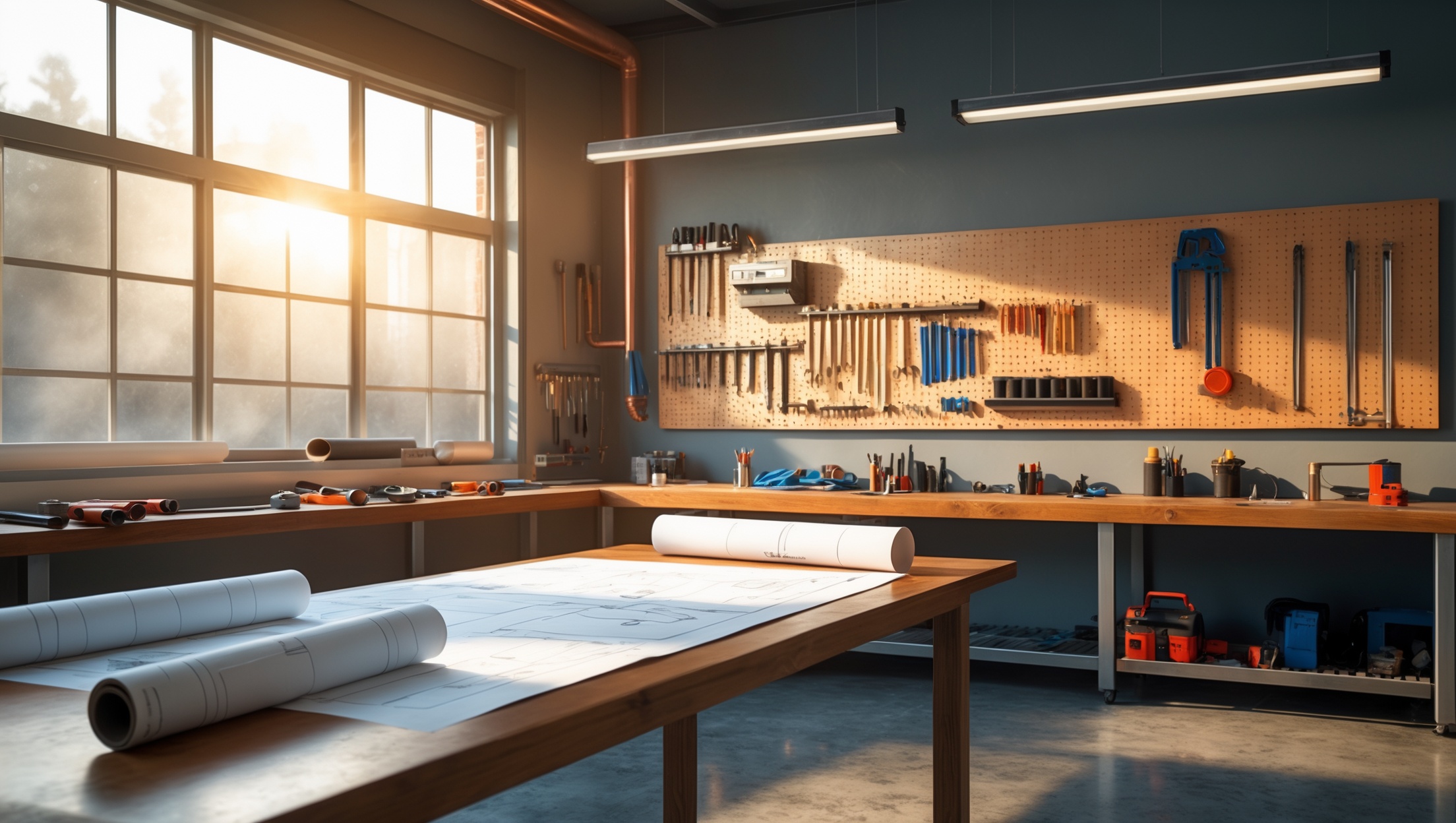
For garages and workshops, install wall racks or pegboards to hang commonly used tools. This promotes air circulation and makes it easier to spot missing or damaged items at a glance.
Climate Control
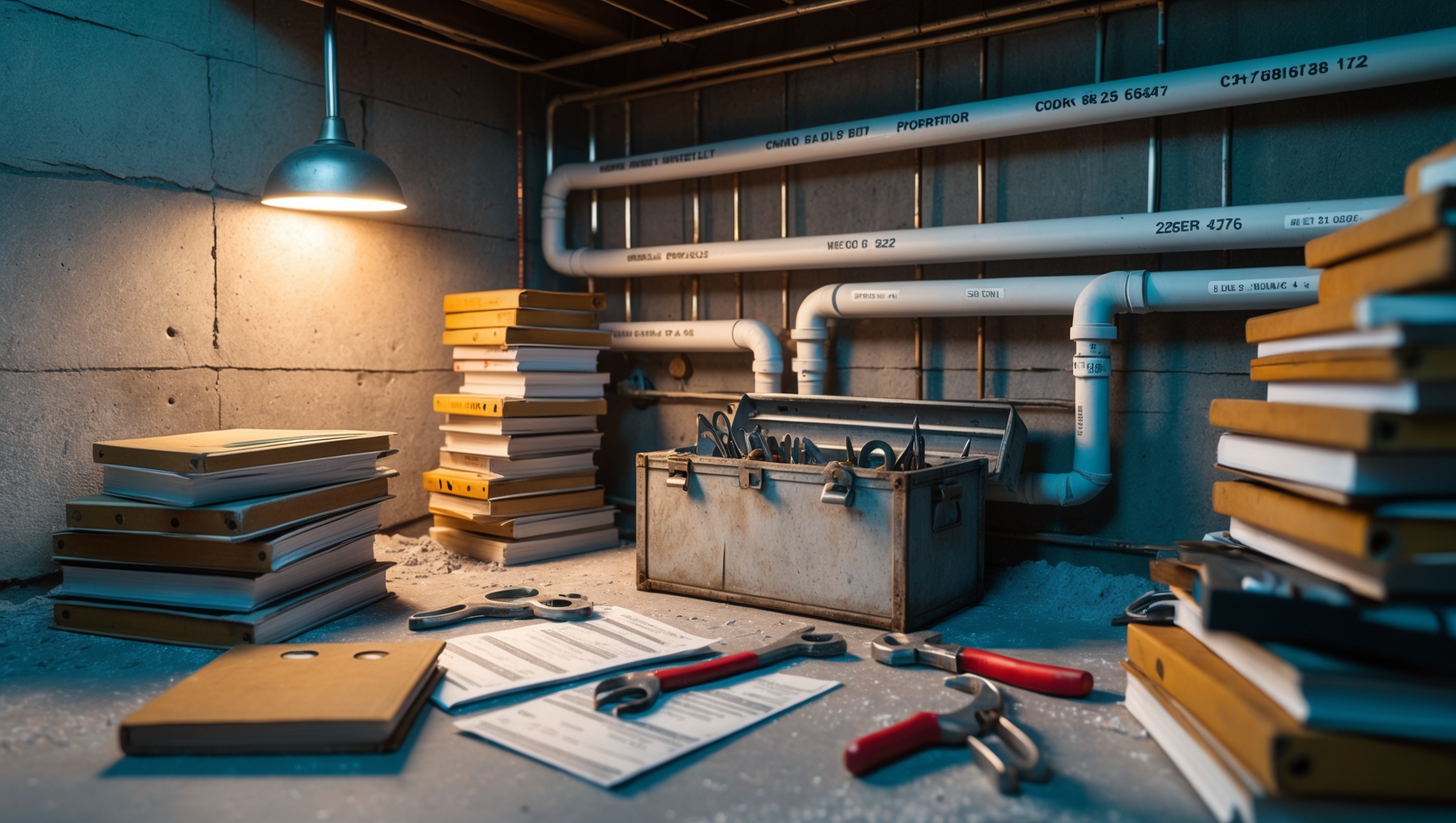
Avoid storing tools in damp or unheated spaces, especially in humid climates or during the winter. Basements and garages are prone to condensation—use silica gel packs or dehumidifiers to keep moisture at bay. For van-based professionals, ventilate storage areas and avoid leaving wet tools in closed vehicles overnight.
Repair, Sharpening, and Replacement
When to Repair
- Loose or cracked handles: Tighten or replace as needed. Wooden handles can be sanded smooth and treated with linseed oil.
- Worn adjustment knobs: Replace worn hardware to maintain tool performance.
Sharpening Blades and Cutters
Pipe cutters and utility knives lose efficiency when dull. Use a sharpening stone or dedicated sharpening tool. Always follow manufacturer guidelines for blade angle and technique. Replace blades that show chips or excessive wear.
Signs It’s Time to Replace a Tool
- Persistent rust or pitting that compromises strength
- Worn-down, rounded-off wrench jaws
- Cracked or broken handles that can’t be safely repaired
- Loose or jammed moving parts that resist repair
Investing in a quality replacement is cheaper—and safer—than risking a job with compromised equipment.
Best Practices for Specialized Plumbing Equipment
Inspection Cameras
Clean camera heads with a non-abrasive, damp cloth after each use. Avoid harsh chemicals. Store in a padded case to protect lenses and electronics from shock and moisture. Charge batteries fully before storage to extend their lifespan.
Pipe Threaders and Press Tools
Disassemble and clean after each project. Check for metal shavings in moving parts. Lubricate as recommended, and store in original cases to protect calibration and alignment.
Pressure Testers and Gauges
Wipe down after each use, especially after exposure to water or chemicals. Store upright in a dry, temperature-stable environment. Calibrate annually or as required by manufacturer guidelines.
Tool Maintenance Safety Precautions
- Always disconnect power before cleaning or servicing electric tools.
- Wear gloves and eye protection when using wire brushes or chemicals.
- Work in a well-ventilated area when using solvents or rust removers.
- Keep sharp tools sheathed or in dedicated compartments to prevent injury.
Maximizing Return on Investment: The Business Case for Tool Care
For plumbing professionals and business owners, regular tool maintenance is more than good practice—it’s a direct investment in your bottom line. Well-maintained tools reduce downtime, ensure consistent quality, and minimize unexpected costs for replacements or repairs. A clean, organized toolkit also reflects professionalism to your clients and can be a deciding factor in repeat business and referrals.
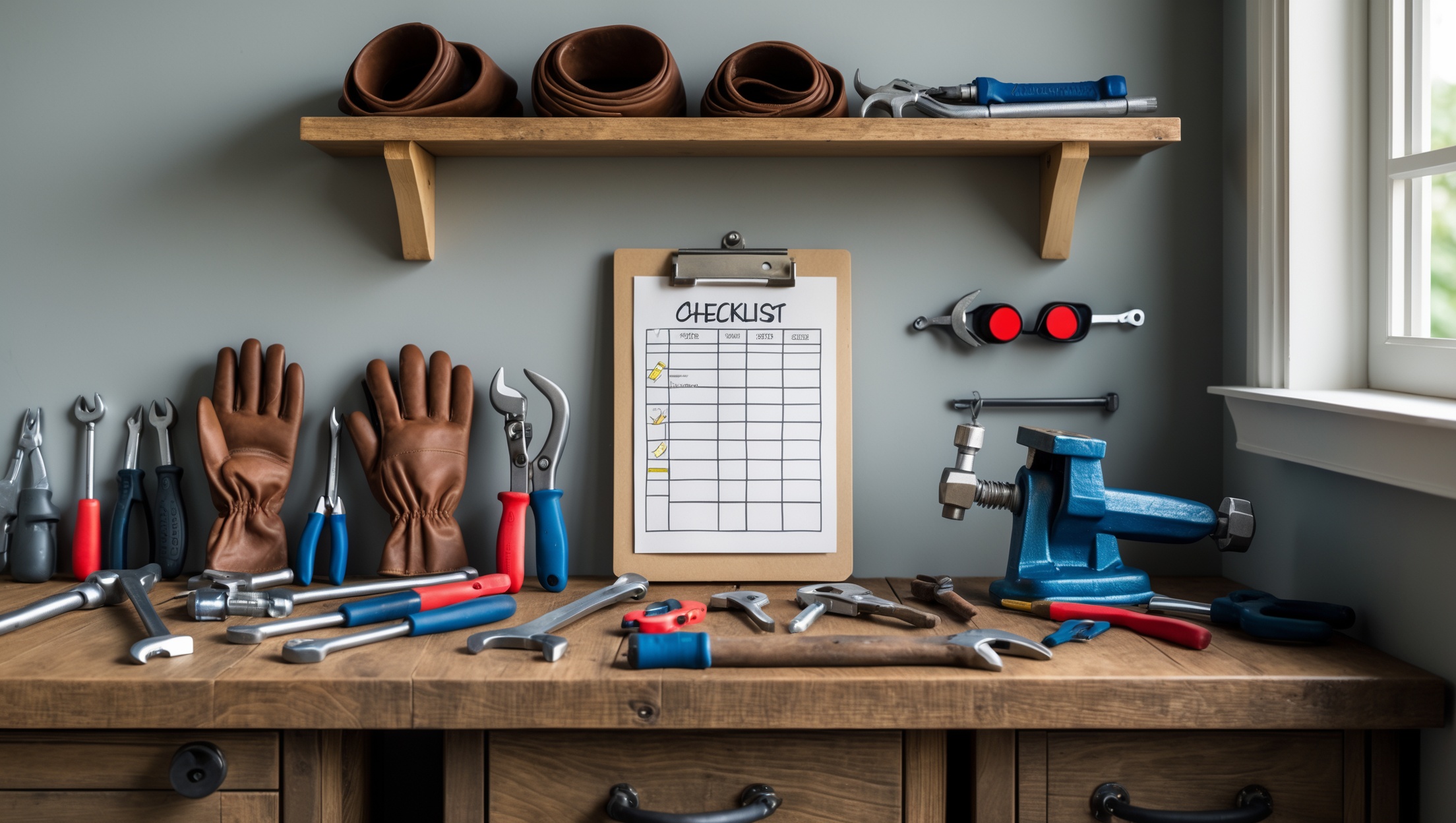
Consider implementing a maintenance log for your team. Track usage, maintenance, and repairs for each major tool. This not only helps with warranty claims but also informs future purchasing decisions and budgeting.
Maintenance Myths: What Not to Believe
- Myth: “Stainless steel tools never rust.”
Fact: Stainless steel resists rust but is not immune—proper cleaning and drying are still necessary. - Myth: “WD-40 is a substitute for all tool lubricants.”
Fact: WD-40 displaces moisture but doesn’t provide long-term lubrication. Use dedicated machine oil for moving parts. - Myth: “If a tool looks clean, it doesn’t need maintenance.”
Fact: Internal mechanisms and hidden corrosion require periodic inspection and care.
Conclusion: Building Habits for Long-Lasting Tools
Maintaining your plumbing tools might seem like a small task in the grand scheme of a busy workweek, but it pays major dividends over time. From preventing unexpected breakdowns to ensuring safety and professionalism on every job, regular maintenance is the silent partner in your plumbing success. By cleaning, inspecting, lubricating, and storing your equipment with care, you extend the lifespan of every tool and reduce the risk—and cost—of sudden replacements.
Start by integrating quick daily cleanings and weekly inspections into your workflow. Schedule monthly deep cleans and address minor repairs before they become liabilities. Invest in smart storage solutions and climate control for your workshop or vehicle. And perhaps most importantly, educate your team or family on the importance of tool care—making it a shared responsibility rather than an afterthought.
Whether you’re running a plumbing business or simply want to keep your home toolkit in top shape, these habits will help you work smarter, safer, and more efficiently. Remember: the best tools are the ones you can rely on, year after year.



Linda Miller
For someone who only does occasional DIY plumbing, how often should I do the ‘seasonal deep care’ you talk about? Is once a year enough, or does it depend on how frequently I use my tools?