
Introduction: The Hidden Challenges of Plumbing Renovations in Older Homes
Renovating an older home is both a thrilling opportunity and a daunting challenge—especially when it comes to plumbing. Whether you’re transforming a century-old Victorian or updating a mid-century bungalow, plumbing upgrades are often unavoidable. Unfortunately, these projects aren’t as simple as replacing a pipe or swapping out a fixture. Older homes come with a unique set of obstacles: outdated materials, unknown layouts, and, most critically, a maze of permitting and compliance issues. Homeowners and contractors alike often underestimate the complexity of securing proper permits and ensuring code compliance for plumbing renovations in older structures. Overlooking these steps can result in costly fines, failed inspections, or even hazardous conditions. This guide unpacks the nuances of navigating plumbing permits for older homes—arming you with practical insight, actionable steps, and the know-how to avoid the most common pitfalls. Whether you’re a DIY enthusiast or a professional, understanding the intersection of heritage construction and modern regulations is essential for a safe, legal, and successful renovation.
Why Permits Matter More in Older Homes
Permits aren’t just bureaucratic hurdles—they’re vital to ensuring that any work done on your property meets current safety standards. In older homes, plumbing systems may have been installed decades before modern codes existed. Materials like lead pipes, outdated venting, and non-standard layouts are common. Renovation work often triggers code upgrades that require permits, even when making minor changes. Skipping the permit process can lead to:
- Failed inspections that require costly rework.
- Legal liability if future occupants are harmed by non-compliant work.
- Issues with insurance claims or resale if unpermitted work is discovered.
Permits ensure your upgrades are safe, legal, and recognized by municipal authorities. They also protect your investment by providing a paper trail of compliant improvements.
Understanding the Permit Process: What’s Different for Older Homes?
Special Considerations for Heritage and Historical Properties
If your property is listed as a heritage or historical home, additional layers of regulation may apply. Local preservation boards often require separate approvals before plumbing work can begin. Even if the plumbing changes are not visible from the exterior, interior modifications can impact your home’s status and require special documentation.
Common Permit Types for Plumbing Work
Depending on the scope of your project, you may need one or more of the following permits:
- Plumbing Permit: Required for replacing pipes, moving fixtures, or any change to the supply, waste, or vent systems.
- Building Permit: Necessary if the plumbing work is part of a larger renovation that alters walls, floors, or structural elements.
- Demolition Permit: Sometimes needed to remove walls or floors to access plumbing in older homes.
- Special Heritage Approval: For protected properties, this may be needed before any work begins.
Key Differences in Permit Applications for Older Homes
When applying for plumbing permits in an older home, expect to provide more detailed plans and documentation. Inspectors may require:
- Diagrams of existing plumbing layouts (even if they’re incomplete).
- Material specifications, especially if replacing lead or galvanized pipes.
- Proof of compliance with both current and, in some cases, historical codes.
Delays are common, as inspectors often need to assess the safety of existing systems and may require upgrades beyond the initial project scope.
Common Permit Pitfalls in Older Home Renovations
1. Undocumented or Hidden Plumbing Work
Many older homes have undergone decades of renovations—some permitted, some not. Hidden plumbing lines, makeshift repairs, and undocumented modifications are common. These can:
- Complicate permit approval, as inspectors may demand all existing work be brought up to code.
- Trigger additional permits if unsafe or non-compliant work is discovered.
2. Discovering Outdated or Banned Materials
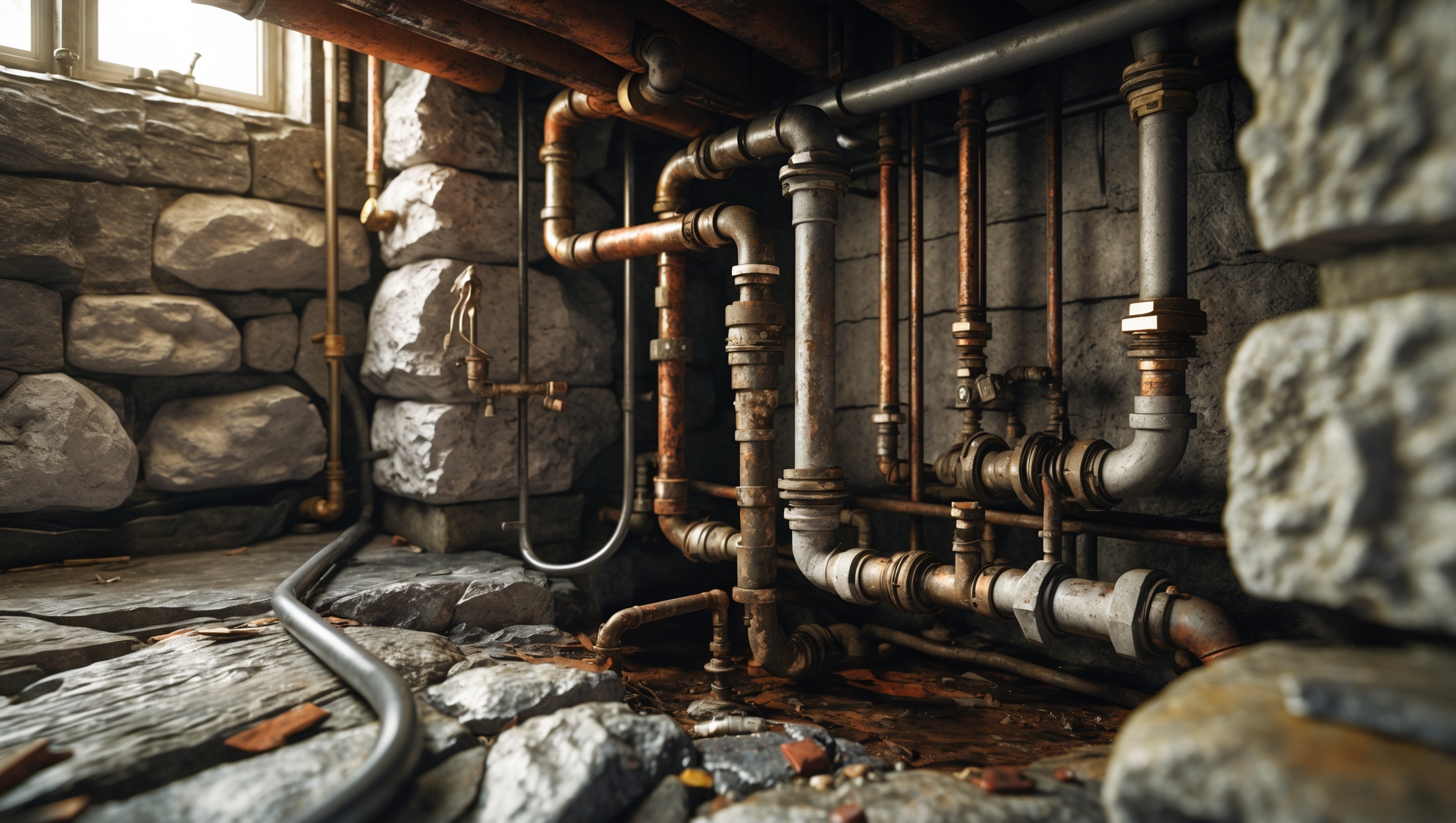
Lead pipes, galvanized steel, and even certain types of cast iron are commonly found in homes built before the 1970s. Modern codes often require these materials to be replaced. This can:
- Expand the project scope and cost.
- Delay permit approval until replacement plans are submitted.
3. Incomplete or Inaccurate Plumbing Layouts
Blueprints for older homes are often missing or inaccurate. Without clear diagrams, inspectors may require exploratory demolition to verify pipe locations and conditions. Factor this possibility into your timeline and budget.
4. Overlooking Local Amendments to Plumbing Codes
While national or state plumbing codes provide a baseline, municipalities often have stricter rules for older homes—especially those in historic districts or flood-prone areas. Always check with your local building department for area-specific requirements.
Step-by-Step: Navigating the Permit Process for Older Home Plumbing
Step 1: Research Your Home’s History
Gather all available records, including past permits, blueprints, and inspection reports. Visit your local building department or municipal archives. The more you know about previous work, the easier your permit application will be.
Step 2: Consult with a Licensed Plumber Experienced in Older Homes
Not all plumbers understand the quirks of vintage plumbing systems. Choose one with a portfolio of older home renovations. They’ll know what inspectors look for and how to document existing conditions.
Step 3: Prepare Detailed Plans and Photos
Include as much information as possible:
- Photos of existing plumbing, especially problem areas.
- Sketches or diagrams (even hand-drawn) of current layouts.
- Proposed changes with materials lists.
Step 4: Submit Permit Applications Early
Older home projects often trigger additional review. Submit your paperwork well in advance. Be prepared to answer questions and provide supplemental documentation as requested.
Step 5: Schedule Pre-Work Inspections
Some municipalities offer (or require) pre-work inspections for renovations in older homes. This helps identify hidden issues before work begins and can speed up final approval.
Step 6: Communicate with Inspectors Throughout the Project
Keep lines of communication open. Invite inspectors to review discoveries (like hidden pipes) as they’re uncovered. This prevents surprises during final inspections.
Cost Breakdown: Permitting and Compliance for Vintage Plumbing
Permit Fees
Permit fees vary widely, but expect plumbing permits for older homes to cost more than for newer properties. Factors include:
- Project scope (full system replacement vs. minor repair).
- Additional inspections for historical or hazardous materials.
- Special review board fees for protected properties.
Typical range: $100–$1000+, depending on local regulations.
Required Upgrades and Associated Costs
Inspectors may mandate upgrades to:
- Replace lead or galvanized piping (material & labor costs).
- Install modern venting or backflow prevention devices.
- Upgrade fixtures to meet water efficiency standards.
These requirements can significantly increase your budget. Always allow a contingency fund of at least 20% for surprise code-related upgrades.
Potential Fines and Rework Costs
Skipping permits or failing inspections can result in:
- Demolition of finished work to expose unpermitted plumbing for inspection.
- Fines for non-compliance (often $500+).
- Higher insurance premiums or denied claims.
Case Study: Permit Surprises in a 1920s Bungalow
Background: A homeowner in the Midwest purchased a 1920s bungalow and planned a kitchen and bathroom renovation. The initial scope involved relocating a few fixtures and replacing visible pipes.
Permit Application: The city required plumbing and building permits. During the pre-work inspection, the inspector identified undocumented lead pipes in the crawlspace and galvanized drain lines.
Challenges:
- The homeowner was required to replace all lead pipes, not just those in the renovation area.
- Additional demolition was needed to access concealed lines.
- Historical district rules required review and approval of all proposed fixture styles.
Outcome: The total project cost doubled, and the timeline extended by six weeks. However, the home now has safer, code-compliant plumbing and a clear paper trail for future resale.
Best Practices: Smooth Sailing Through the Permit Maze
- Start Early: Begin the permit process as soon as you start planning your renovation.
- Document Everything: Take before-and-after photos and keep copies of all paperwork.
- Work with Pros: Hire plumbers and contractors with proven experience in older homes.
- Budget for Surprises: Set aside extra funds and time for unexpected code upgrades.
- Stay Informed: Read up on local codes and historical requirements before starting work.
- Communicate: Keep in regular contact with inspectors and municipal authorities.
Conclusion: Future-Proofing Your Vintage Home with Smart Permitting
Renovating the plumbing in an older home is rarely straightforward. The charm and character of vintage properties come with a host of hidden challenges, from outdated materials to long-lost building records. However, with careful planning and a proactive approach to permits and compliance, it’s possible to transform these obstacles into opportunities for safer, more efficient, and more valuable living spaces. Permits aren’t just red tape—they’re a roadmap for upgrading your home in a way that honors its history and ensures its future. By understanding the unique requirements of older homes, assembling detailed documentation, and maintaining open communication with experts and inspectors, you can avoid costly mistakes and delays. The investment in proper permitting pays off in peace of mind, improved safety, and stronger resale value. Whether you’re a homeowner embarking on a DIY journey or a contractor specializing in heritage properties, navigating the permit process with diligence and foresight is the cornerstone of any successful plumbing renovation in older homes.
In summary: do your homework, budget for surprises, and treat the permit process as a vital part of your renovation strategy—not an afterthought. With the right knowledge and support, you can breathe new life into your vintage home while staying firmly on the right side of the law and modern safety standards.









Mary Rodriguez
I’m curious if there’s any way to get exceptions or alternative approvals when older plumbing materials like galvanized or lead pipes are uncovered during a renovation. Can you ever keep those in place if they’re still in decent shape, or do permits always require full replacement to meet current code?