

Introduction: Why Modern Plumbing Fixtures Matter
Plumbing fixtures are the unsung heroes of our homes, delivering water where we need it and removing waste efficiently. Yet, many homeowners overlook the benefits of upgrading outdated fixtures—missing out on improved efficiency, water savings, and comfort. Modern plumbing fixtures offer more than just sleek aesthetics; they’re engineered for performance, safety, and environmental responsibility. Whether you’re motivated by the rising cost of utilities, sustainability goals, or simply the desire for a more comfortable daily routine, understanding how to choose, install, and maintain modern fixtures is key. In this guide, we’ll walk you through the process of selecting the right fixtures for your needs, offer detailed installation advice, and cover maintenance practices that ensure your investment pays off for years to come. If you’re ready to boost your home’s value, slash utility bills, and enjoy the latest in plumbing innovation, you’re in the right place.
Understanding Today’s Plumbing Fixture Options
Types of Fixtures to Consider
- Faucets: Kitchen, bathroom, utility room—each with unique requirements and styles.
- Showerheads: Fixed, handheld, rain, and multi-setting models.
- Toilets: Gravity-flush, pressure-assisted, dual-flush, and smart toilets.
- Sinks: Undermount, vessel, wall-mounted, and pedestal designs.
- Tubs: Soaking, whirlpool, air bath, and walk-in bathtubs.
Key Innovations in Modern Fixtures
- Water Efficiency: EPA WaterSense-labeled faucets, toilets, and showerheads can reduce water use by 20% or more without sacrificing performance.
- Touchless Technology: Motion-activated faucets and flush valves improve hygiene and reduce water waste.
- Smart Features: App-controlled showers, leak detection sensors, and self-cleaning toilets.
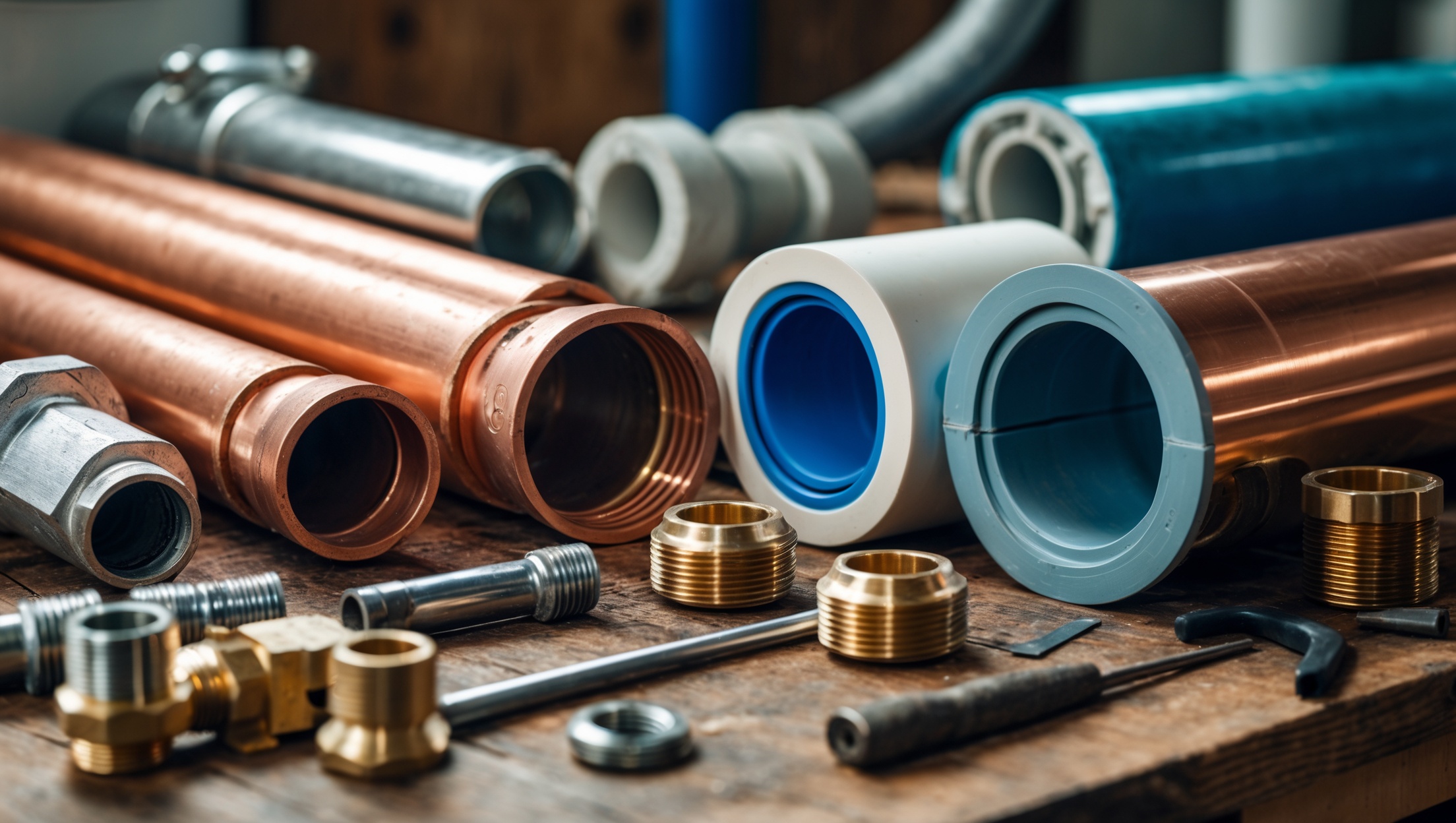
- Material Advancements: Spot-resistant stainless steel, PEX supply lines, and ceramic disc valves for longer life and fewer leaks.
How to Choose the Right Fixtures for Your Needs
Assessing Your Priorities
- Water Savings: Look for WaterSense or similar certifications.
- Durability: Favor solid brass or stainless steel over plastic components.
- Maintenance Needs: Choose fixtures with easy-clean finishes and accessible parts.
- Style and Finish: Coordinate with existing decor and consider timeless over trendy for resale value.
Comparing Features and Specifications
Examine flow rates, pressure requirements, installation compatibility, and warranty terms. For example, some high-efficiency toilets (HETs) require specific drain and vent configurations, while touchless faucets may need a nearby power source. Always check manufacturer specs before purchasing.
Budgeting for Upgrades
- Fixture Cost: Expect to pay more for smart features or designer finishes.
- Installation Supplies: Factor in supply lines, shutoff valves, mounting hardware, and sealants.
- Professional Labor: While many installations are DIY-friendly, complex retrofits may require a licensed plumber.
- Potential Rebates: Local utilities may offer incentives for WaterSense-labeled products.
Step-by-Step Fixture Installation Guide
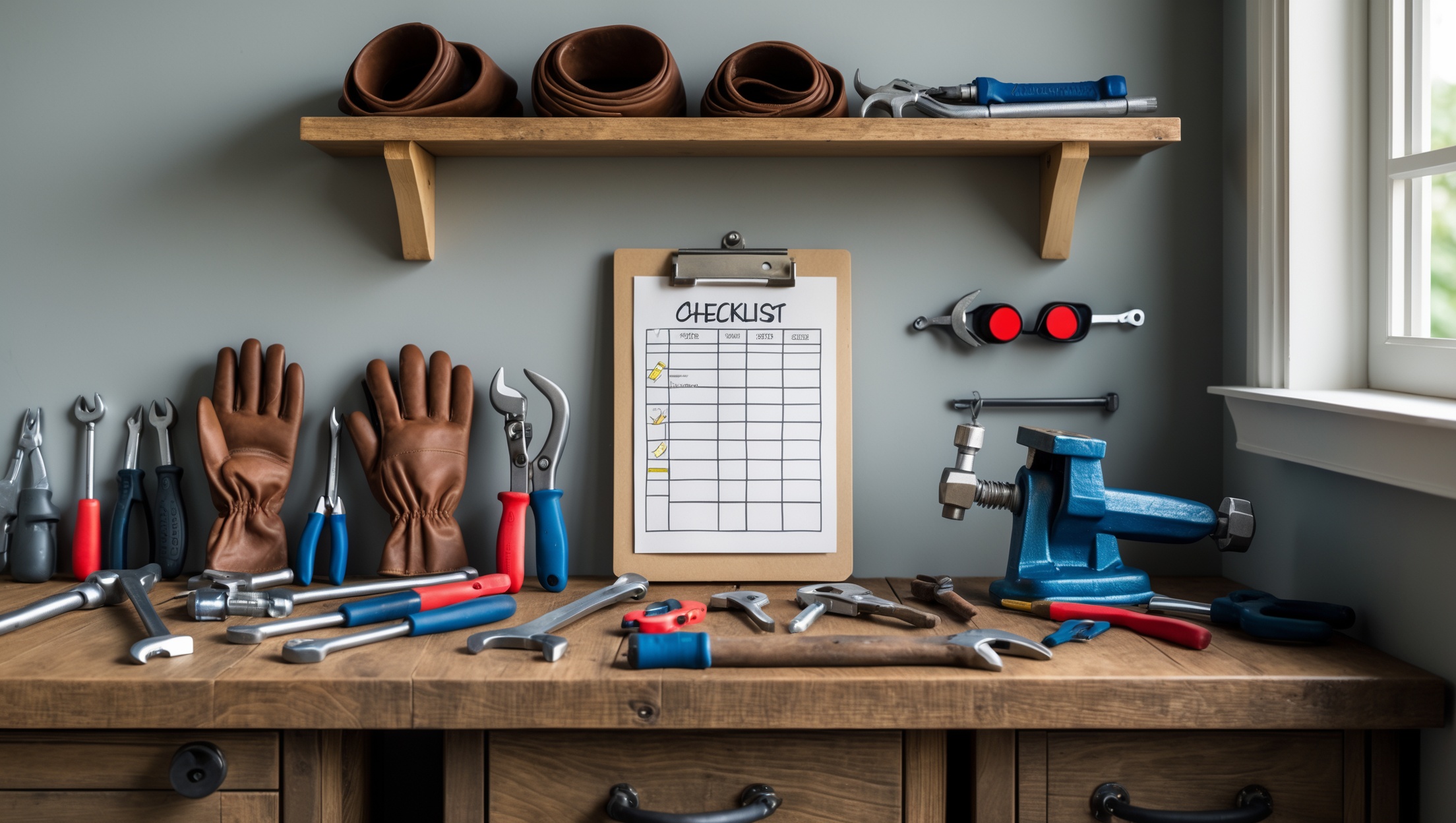
Tools & Materials Checklist
- Adjustable wrench
- Basin wrench
- Channel-lock pliers
- Plumber’s putty or silicone caulk
- Pipe tape (Teflon tape)
- Bucket and towels
- Screwdrivers
- Level
- Replacement supply lines or hoses (as needed)
General Installation Steps (Applicable to Faucets, Showerheads, and Toilets)
- Shut Off Water Supply: Locate and close the relevant shutoff valves.
- Remove Old Fixture: Disconnect supply lines and carefully uninstall the existing unit.
- Prepare the Area: Clean the mounting surface and inspect for corrosion, leaks, or damage.
- Install New Fixture: Follow manufacturer instructions exactly—apply Teflon tape to threads, use plumber’s putty or silicone as needed, and ensure all gaskets are properly seated.
- Reconnect Supply Lines: Use new supply hoses if old ones show wear or corrosion.
- Turn On Water and Check for Leaks: Open the valve slowly, check connections, and make adjustments as needed.
- Test Operation: Run water, check for proper function, and verify there are no drips or leaks.
Special Considerations
- Some smart fixtures require electrical wiring or batteries—plan for access and safety.
- Wall-mounted or vessel sinks may need specialized brackets or supports.
- Toilets with skirted designs or concealed traps can complicate installation—read all instructions before starting.
Maintenance Best Practices for Modern Fixtures
Routine Cleaning
- Wipe fixtures weekly with a soft, damp cloth; avoid abrasive cleaners that can damage finishes.
- Use vinegar or a mild descaling solution to remove mineral buildup from aerators and showerheads.
- Clean faucet aerators and showerhead screens every 3–6 months to maintain flow and prevent clogging.
Preventing and Addressing Leaks
- Inspect supply lines and connections annually for signs of wear or moisture.
- Replace worn washers, cartridges, or seals promptly to prevent water waste and damage.
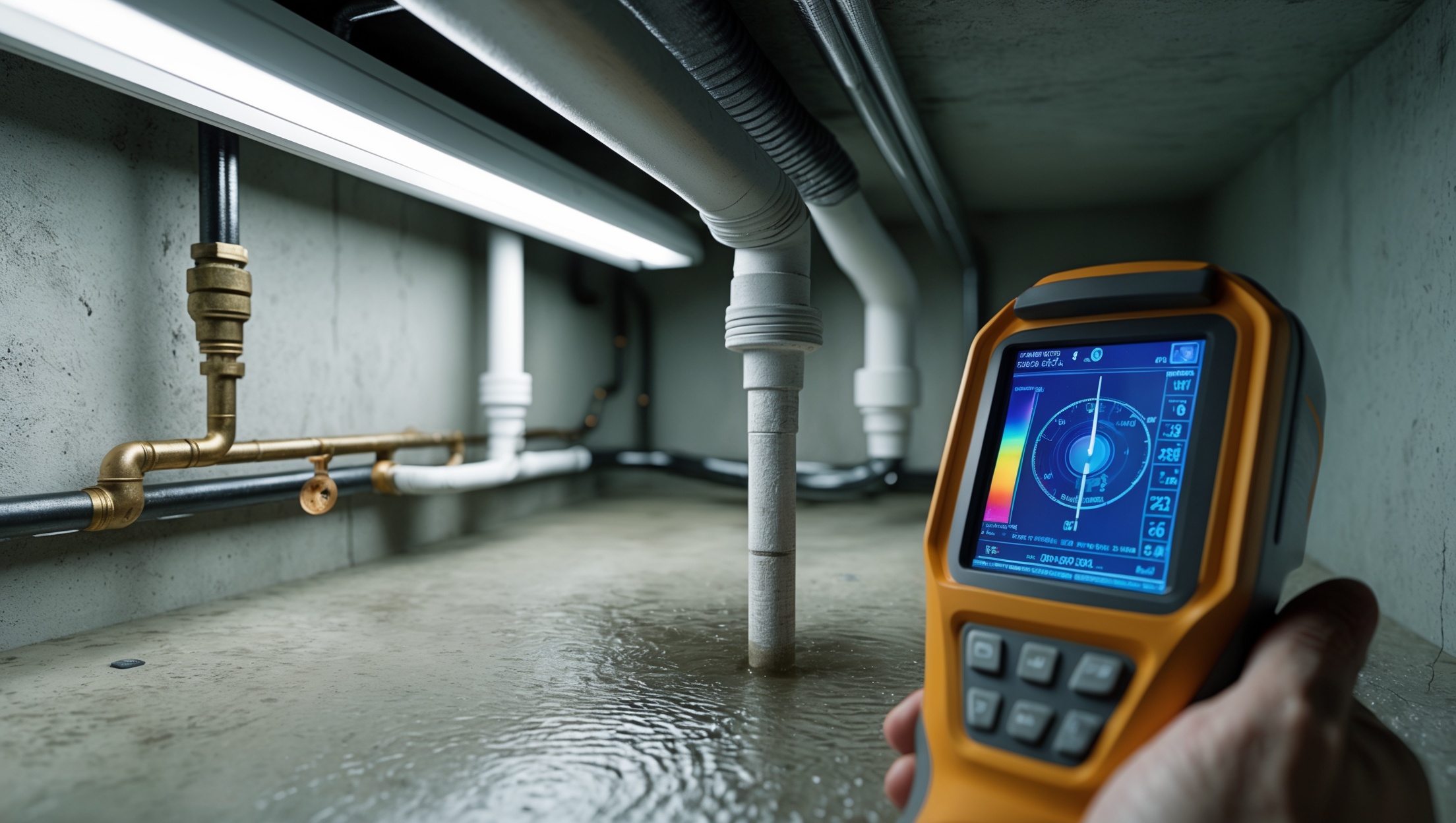
- Check for slow leaks by monitoring water meter readings when all fixtures are off.
Maintaining Smart and Touchless Fixtures
- Replace batteries or check power supply regularly; low power can cause erratic operation.
- Keep sensors clean and unobstructed for reliable performance.
- Update software or firmware as recommended by the manufacturer.
Common Pitfalls and How to Avoid Them
- Overtightening Connections: This can damage threads and cause leaks—hand-tighten, then use a wrench for a snug fit (usually a quarter turn more).
- Skipping the Prep Work: Always clean and dry the mounting surface; leftover debris can compromise seals.
- Ignoring Manufacturer Instructions: Small details matter, especially with high-tech fixtures.
- Using Incompatible Parts: Match supply line sizes and thread types exactly.
- Neglecting Shutoff Valves: Old or stuck valves can fail—test and replace as needed during upgrades.
How Upgrades Impact Home Value and Comfort
Water and Utility Savings
Upgrading to WaterSense-certified fixtures can save the average family up to 700 gallons of water annually per faucet and over 13,000 gallons per year with a high-efficiency toilet. Lower water use translates directly into smaller utility bills and a lighter environmental footprint.
Increased Property Value
Modern, stylish, and efficient fixtures are a selling point for buyers. Document your upgrades with receipts and photos to maximize appraisal value and buyer confidence.
Enhanced Everyday Comfort
Features like thermostatic shower valves, easy-clean coatings, and touchless operation can make daily routines more enjoyable and accessible for all ages.
Troubleshooting and When to Call a Pro
DIY-Friendly Issues
- Minor leaks at supply lines or aerators
- Low water pressure from clogged screens
- Simple cartridge or washer replacements
When to Hire a Professional
- Major leaks or water damage
- Electrical issues with smart fixtures
- Modifying drain or supply line locations
- Upgrading to pressure-assisted or wall-mounted toilets
Don’t hesitate to consult a licensed plumber for complex installations or if you encounter persistent problems. The cost of expert service is often far less than the expense of correcting DIY errors.
Conclusion: Maximizing the Benefits of Modern Plumbing Fixtures
Upgrading your plumbing fixtures is one of the most effective ways to improve your home’s efficiency, comfort, and value without a major renovation. With today’s wide range of options, you can tailor your choices to suit your style, sustainability goals, and budget. By understanding fixture features, carefully planning your installation, and following best practices for maintenance, you’ll enjoy years of trouble-free performance and savings. Remember, investing a little more in quality now pays off through lower bills, fewer repairs, and increased property appeal. Don’t be intimidated by the process—most fixture upgrades are well within the reach of a handy homeowner, and expert help is always available for the trickier jobs. Whether you’re swapping out a single faucet or planning a whole-home refresh, your efforts will yield tangible benefits for your household and the planet. Start today, and experience the daily rewards of modern plumbing done right.



Julie Martin
For my small business, I want to upgrade all restroom faucets to touchless ones. Are there specific challenges or extra plumbing requirements when switching from traditional faucets to these motion-activated models?