
Introduction: Why Plumbing Cost Clarity Matters
Few things unsettle homeowners and property managers like an unexpected plumbing bill. Plumbing is essential, yet its costs can be surprisingly opaque. Whether you’re facing a leaky faucet, planning a kitchen renovation, or considering a full-scale plumbing upgrade, understanding the financial side of each project is key to a successful outcome. Many people underestimate or misunderstand the factors that drive plumbing costs—labor, materials, permits, and hidden complications can quickly balloon your budget. This comprehensive guide is designed to demystify plumbing expenses, giving you the insight and practical tools necessary to budget confidently for repairs, renovations, and upgrades. We’ll break down the average costs for common projects, discuss variables that affect pricing, and offer actionable advice for managing your plumbing budget. By the end, you’ll be equipped to plan ahead, compare quotes intelligently, and avoid unpleasant surprises—no matter your plumbing need.
Understanding the Components of Plumbing Costs
Labor: The Largest Slice of the Pie
Labor typically accounts for 50-70% of most plumbing bills. The hourly rate for a licensed plumber can range from $80 to $150, depending on your region and the complexity of the job. Emergency or after-hours calls may double this rate. Larger projects might be quoted as a flat fee, but most repairs are billed by the hour. Apprentice or unlicensed labor may be cheaper, but using licensed professionals ensures compliance and quality.
Materials: More Than Just Pipes
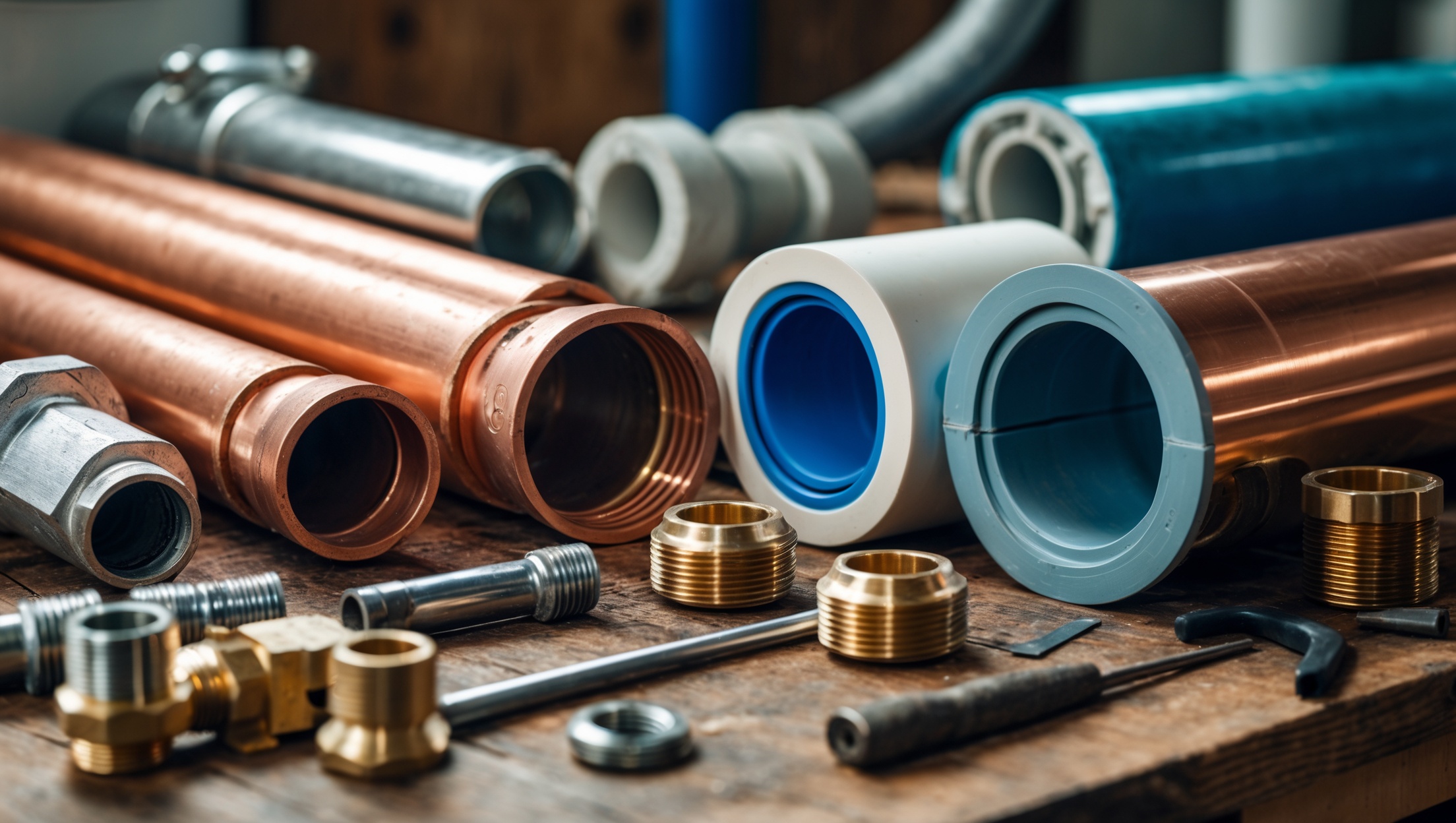
The cost of materials varies dramatically based on your choice of fixtures, pipe materials, and finishes. For example, PEX tubing is generally less expensive than copper. High-end faucets and specialty fittings can quickly add up, especially in kitchens and bathrooms. Always ask for itemized estimates to see where your money is going.
Permits and Compliance
Many plumbing projects require local permits—especially when moving pipes, adding fixtures, or working on gas lines. Permit fees range from $50 to $500+, depending on your municipality and project scope. Skipping permits can lead to fines and costly rework if your installation doesn’t meet code.
Hidden Variables: The Cost of the Unknown
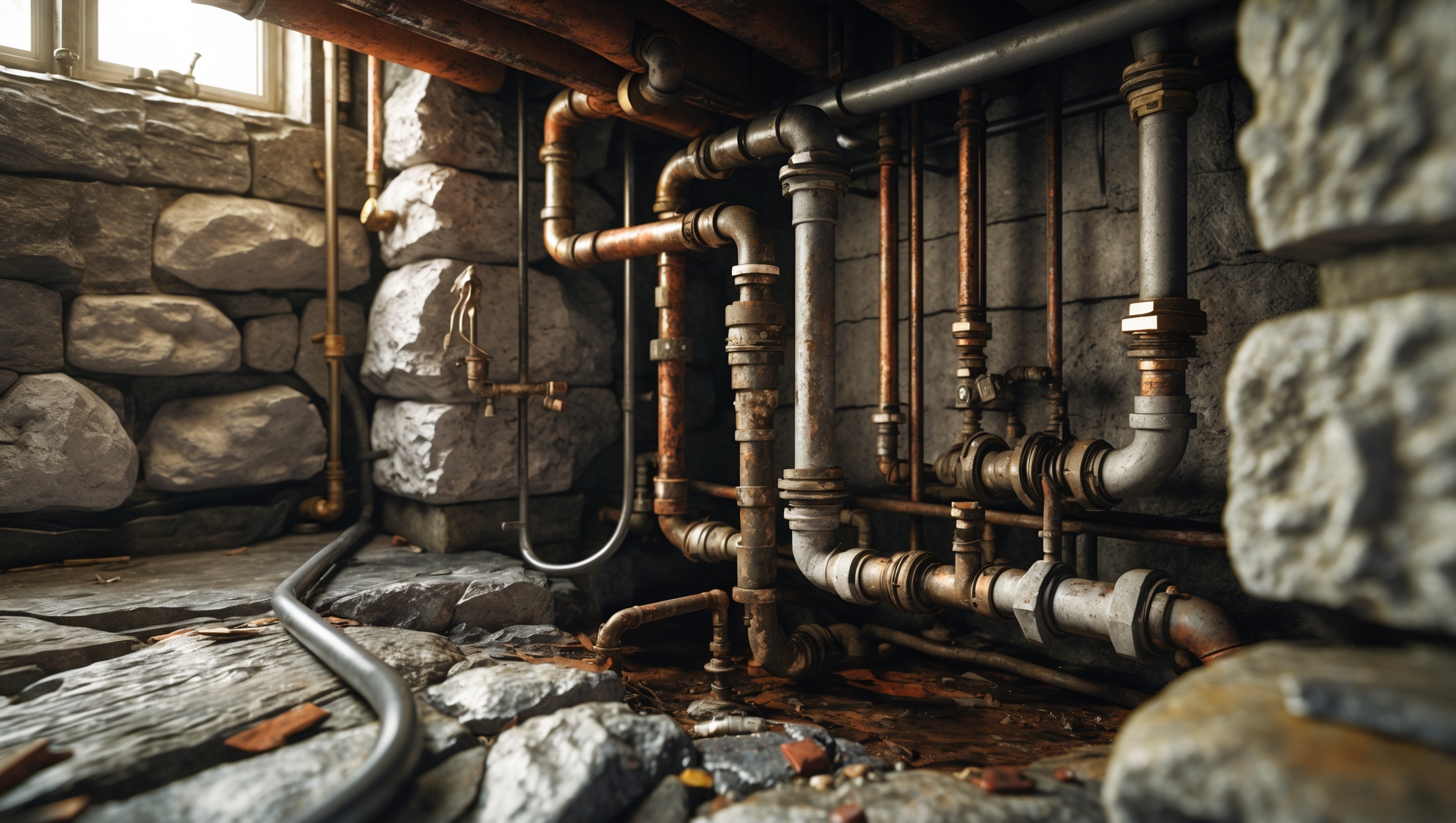
Older homes, inaccessible pipes, or previous DIY work can introduce complications. Plumbers often discover corroded lines, outdated materials, or code violations mid-project. These surprises may require extra time, materials, or specialty equipment, all of which add to the final bill.
Common Plumbing Repairs: What Should You Expect to Pay?
- Leaky Faucet Repair: $100–$250. Includes labor and basic replacement parts.
- Toilet Repair: $150–$300. Flapper, fill valve, or wax ring issues are common.
- Clogged Drain: $125–$300. Depends on drain location and severity of the clog.
- Water Heater Repair: $150–$700. Cost varies by part (thermostat, element) and tank accessibility.
- Burst Pipe Repair: $400–$1,500. Includes pipe replacement, possible wall/floor repair, and water cleanup.
Always request a written estimate before work begins. For recurring issues or outdated systems, consider whether a full replacement would be more cost-effective long-term.
Renovations and Upgrades: Budgeting for Bigger Projects
Bathroom Remodel
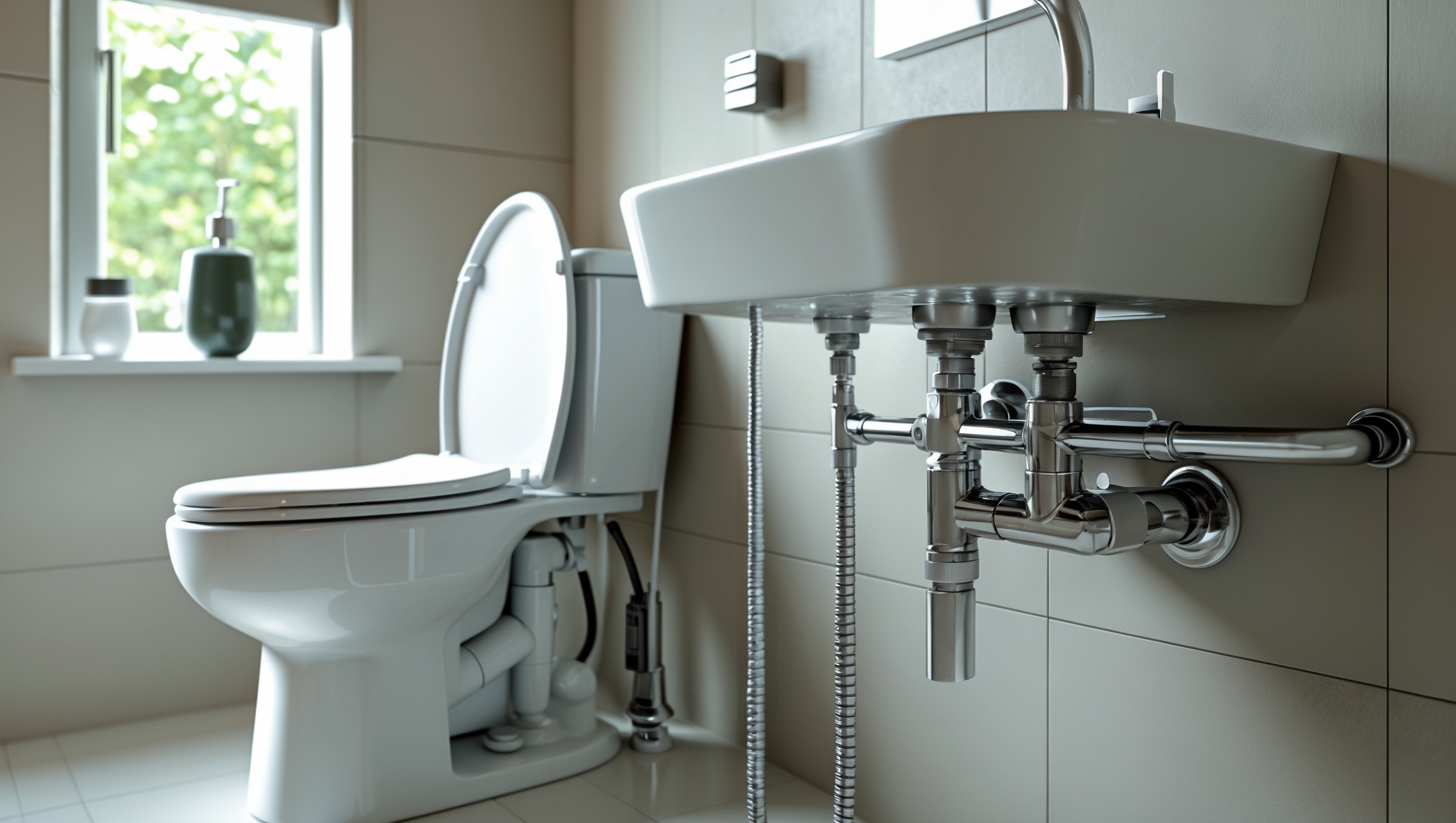
- Simple Fixture Swap: $1,000–$3,000 (replace toilet, sink, faucets without moving pipes)
- Full Remodel: $5,000–$15,000+ (moving plumbing, luxury fixtures, tile work)
Kitchen Renovation
- Sink/Faucet Replacement: $300–$1,200
- Dishwasher Installation: $400–$1,500
- Full Kitchen Plumbing: $4,000–$12,000+ (multiple water lines, gas lines, under-slab work)
Whole-House Repipe
- PEX Repiping: $4,000–$10,000 for an average home
- Copper Repiping: $8,000–$15,000+
Factors like home size, pipe accessibility, and local code requirements influence the final price. Always budget 10-20% extra for unforeseen issues, especially in homes over 30 years old.
Hidden Costs and How to Avoid Them
Demolition and Restoration
Accessing pipes often means cutting into walls, floors, or ceilings. Restoration—patching drywall, repainting, or repairing tile—can add hundreds or even thousands to your project. Clarify whether your plumber includes these costs in their estimate or if you’ll need to hire a separate contractor.
Disposal Fees
Old fixtures, pipes, and debris may incur disposal fees. Ask if these are included in your quote.
Permit Re-Inspections
If your project fails the first inspection due to code issues, you may pay for re-inspection fees and additional labor.
Travel Charges
Some plumbers charge extra for travel outside their standard service area. Confirm this upfront, especially in rural locations.
How to Get Accurate Estimates
Request Detailed, Itemized Quotes
A trustworthy plumber will provide an itemized estimate, listing labor, materials, permits, and contingencies separately. This transparency helps you compare bids and ask informed questions.
Ask About Allowances and Overages
If your job involves choosing fixtures or finishes, your plumber may include an “allowance” in the quote. Clarify what’s included and what happens if your selections exceed this amount.
Get Multiple Quotes
Obtain at least three quotes for major projects. Be wary of bids that seem unusually low—they may indicate shortcuts, exclusions, or inexperience.
Budgeting Tips for Every Plumbing Project
- Pad Your Budget: Reserve an extra 10-20% for unplanned issues.
- Prioritize Needs: Tackle urgent repairs before cosmetic upgrades.
- Bundle Services: Combining multiple small jobs in one visit can reduce labor charges.
- DIY Where Appropriate: Homeowners can often handle tasks like fixture replacement or minor leaks, but leave major work to licensed pros.
- Negotiate Payment Terms: For large projects, see if your plumber offers phased payments or financing options.
- Check for Rebates: Some municipalities and utilities offer rebates for water-efficient fixtures or pipe upgrades.
Case Study: A Real-World Cost Breakdown
Situation: A homeowner plans to renovate a 30-year-old bathroom, replacing the tub, toilet, sink, and relocating the shower. The house has outdated galvanized pipes.
- Labor (licensed plumber, 5 days): $3,000
- Materials (fixtures, piping): $2,500
- Permit fees: $350
- Demolition and disposal: $700
- Drywall and tile restoration: $1,200
- Contingency (10%): $775
- Total: $8,525
In this case, unexpected corrosion required more pipe replacement than initially planned. Because the homeowner padded the budget and requested detailed, upfront quotes, the project stayed on track without financial stress.
How to Avoid Costly Mistakes
Don’t Skip Permits
Unpermitted work can result in hefty fines and must often be redone before a home sale. Always confirm permit requirements before starting any major plumbing project.
Beware of DIY Overreach
While DIY fixes can save money, attempting complex repairs without the right tools or knowledge can lead to water damage, compliance issues, and higher costs down the line. Know when to call a pro.
Choose Fixtures Wisely
Don’t be swayed by flashy finishes if they don’t fit your budget. Focus on reliability and compatibility with your existing plumbing system. Sometimes, mid-range fixtures offer the best balance of quality and value.
Conclusion: Plan Ahead for Plumbing Peace of Mind
Plumbing projects—whether they’re quick repairs, thorough renovations, or ambitious upgrades—represent a significant investment in your property’s safety, comfort, and value. By understanding the detailed components of plumbing costs, you put yourself in the driver’s seat for every project. Take the time to gather detailed, itemized estimates, allowing you to compare bids fairly and spot potential red flags. Budgeting is about more than just tallying expenses; it’s about anticipating the unknown, prioritizing urgent needs, and making informed choices that fit your unique situation.
Remember, the cheapest bid isn’t always the best. Reliable work from licensed professionals may cost more upfront but can save you thousands by avoiding code violations, leaks, and premature failures. Don’t hesitate to ask questions, request clarification, and negotiate payment terms. And above all, plan for the unexpected—adding a contingency buffer is a small price for peace of mind.
With the right approach, plumbing projects become opportunities to improve your home and boost its value, rather than sources of stress and surprise expenses. Use this guide as your trusted reference, and tackle your next plumbing project with clarity and confidence.




Linda Gonzalez
How can I compare quotes from multiple plumbers to be sure I’m not overpaying, especially when the estimates break down labor and materials differently?