Introduction: Why Insurance is Critical for Plumbing Businesses
Running a plumbing business means managing a steady stream of jobs, clients, and challenges. But one overlooked mistake or unexpected incident can threaten your entire operation. That’s why having the right insurance coverage is not just a legal obligation in many cases—it’s an essential pillar of your business stability. From accidental property damage on a job site to employee injuries or even claims of professional negligence, the risks facing plumbers are varied and can be costly. Without proper insurance, a single claim could put your company out of business or leave you personally liable for massive financial losses.
Insurance is more than a necessary expense—it’s a strategic investment. The right policies can offer peace of mind, demonstrate professionalism to clients, and even help you win commercial contracts that require proof of coverage. Yet, many plumbers remain confused about which types of insurance are truly necessary, how much coverage to carry, and how to avoid overpaying for policies that may not fit their needs. This in-depth guide is designed to clarify every aspect of insurance for plumbing businesses. We’ll break down the core coverage types, explain how to handle claims efficiently, and share actionable tips to manage your insurance costs without sacrificing protection. Whether you’re a solo operator or manage a team of technicians, understanding these essentials will help you safeguard your business, reputation, and financial future.
Core Insurance Types Every Plumbing Business Needs
General Liability Insurance
General liability insurance is foundational for any plumbing business. It protects against third-party claims of bodily injury, property damage, or personal injury that occur as a result of your business operations. For example, if a client trips over your tools and gets hurt, or if a water line installation goes wrong and floods a customer’s home, this policy handles the associated legal and medical costs. Most commercial clients will require proof of general liability before allowing you on their premises.
- Typical Coverage Limits: $1 million per occurrence / $2 million aggregate
- What’s Covered: Customer injuries, property damage, legal defense costs
- What’s Not Covered: Employee injuries (requires workers’ compensation), professional errors (needs E&O), intentional damage
Workers’ Compensation Insurance
If you employ others—even just one part-time helper—most states require you to carry workers’ compensation insurance. This policy covers medical expenses, lost wages, and rehabilitation costs if an employee is injured or becomes ill as a result of work. It also protects your business from employee lawsuits related to workplace injuries.
- Who Needs It: Any business with employees (check state regulations for solo operators)
- Key Benefits: Covers employee injuries and illnesses, shields business from most injury lawsuits
- Cost Factors: Payroll size, type of plumbing work, claims history
Commercial Auto Insurance
Plumbing businesses rely on vehicles to transport tools, equipment, and personnel. Personal auto policies rarely cover vehicles used for business purposes, so a commercial auto policy is critical. It covers liability and physical damage if your business vehicle is involved in an accident, as well as theft, vandalism, or weather-related damage.
- Coverage Options: Liability, collision, comprehensive, uninsured/underinsured motorist
- Vehicles Covered: Vans, trucks, cars used for business
- Additional Riders: Coverage for tools and equipment in transit
Professional Liability (Errors & Omissions) Insurance
Even the most skilled plumbers can make mistakes or face accusations of negligence. Professional liability insurance, also called errors and omissions (E&O), covers claims related to faulty workmanship, design errors, or failure to deliver promised services. If a client sues over a plumbing system that fails due to a design or installation mistake, E&O insurance pays for your legal defense and potential settlements.
- Who Needs It: Any plumbing business offering design, consultation, or installation services
- Typical Claims: Improper installation, incorrect recommendations, missed code requirements
Tools and Equipment Coverage
Your tools are the lifeblood of your business. Tools and equipment coverage—sometimes called inland marine insurance—protects your gear from theft, loss, or damage, whether it’s at the shop, on the road, or at a job site. Standard property insurance often only covers items at your primary business location, so this type is essential for mobile operations.
- What’s Covered: Hand tools, power tools, specialized plumbing equipment, portable machinery
- Where Covered: On job sites, in vehicles, at your shop
Commercial Property Insurance
If you own or lease a shop, warehouse, or office, commercial property insurance protects the building and its contents from fire, theft, vandalism, and certain weather events. It covers physical assets like your office furniture, inventory, and computers as well as the building itself if you own it.
- Key Coverage: Building, fixtures, inventory, computers, furniture
- Important Exclusions: Floods and earthquakes (often require separate policies)
Umbrella Liability Insurance
Umbrella liability insurance sits on top of your other liability policies, providing extra protection when claims exceed your primary policy limits. For example, if you face a major lawsuit and your general liability coverage maxes out at $1 million, an umbrella policy can provide an additional $1 million or more in coverage.
- Best For: Businesses with high-value contracts or those seeking extra peace of mind
- What It Covers: Claims that exceed other policy limits
Understanding Compliance: Meeting Legal and Contractual Insurance Requirements
State and Local Regulations
Insurance requirements for plumbers vary by state and locality. Most states mandate workers’ compensation for employees, and some require minimum general liability coverage to obtain or renew a contractor’s license. Additionally, municipalities may have unique rules for plumbing contractors working on public projects. Always check with your local licensing board or regulatory authority to stay compliant.
- Tip: Keep digital and hard copies of your certificates of insurance on hand for inspections or client requests.
Contractual Obligations
Many commercial clients, property managers, and general contractors require proof of specific insurance coverage before hiring you. Review all contracts carefully, as some may stipulate higher coverage limits, certain policy endorsements, or name the client as an additional insured. Failing to meet these requirements can lead to lost jobs or costly contract disputes.
Certificates of Insurance
Always provide up-to-date certificates of insurance (COIs) upon request. These documents prove your coverage and often need to list clients as additional insureds. Work with your insurance agent to ensure COIs are accurate and updated whenever your policies renew or change.
How to File and Manage Insurance Claims: A Step-by-Step Guide
Immediate Actions After an Incident
- Ensure everyone’s safety and address urgent hazards (e.g., shut off water, call emergency services if needed).
- Document the incident thoroughly: take photos, write detailed notes, and gather witness statements as soon as possible.
- Secure the area to prevent further damage or injury.
Contacting Your Insurer
Notify your insurance provider as soon as possible after an incident. Delays may jeopardize your claim. Most insurers offer 24/7 hotlines for urgent claims. Be prepared with your policy number, incident details, and supporting documentation.
Providing Documentation
- Submit all requested documentation: photos, repair estimates, police or fire reports (if applicable), and witness statements.
- Keep a detailed log of all communications with your insurer and any third parties involved in the claim.
Working with Adjusters
An insurance adjuster will assess the damage, review your documentation, and may visit the job site. Cooperate fully, provide clear information, and ask for a written summary of their findings.
Tracking the Claim
- Follow up regularly on the claim’s status.
- Request updates in writing and keep all correspondence for your records.
- Dispute any discrepancies promptly and in writing.
Best Practices for Smooth Claims
- Maintain accurate records of all jobs, including client communications and before/after photos.
- Train all employees on incident reporting protocols.
- Review insurance policies annually to ensure adequate coverage levels as your business grows.
Cost-Saving Strategies: Getting the Right Coverage Without Overpaying
Bundle Policies
Many insurers offer package deals for small businesses, such as a Business Owner’s Policy (BOP) that includes general liability and property insurance at a reduced rate. Bundling multiple coverages with one provider often yields significant discounts.
Increase Deductibles
Raising your deductibles—the amount you pay out of pocket per claim—can lower your premium costs. Just ensure you have enough cash reserves to cover higher deductibles if a claim arises.
Adjust Coverage Limits Carefully
Review your business assets, contracts, and risk exposure annually. Avoid overinsuring for unlikely risks, but never skimp on required or core coverage. Consult with an experienced agent who understands the plumbing trade to tailor your policies appropriately.
Implement Risk Management Practices
- Establish safety protocols and regular staff training to reduce workplace injuries.
- Maintain and secure all tools and vehicles to prevent theft and accidents.
- Perform background checks on employees and verify appropriate licensing.
Many insurers reward businesses with strong risk management programs via lower premiums or policy credits.
Review Policy Annually
Your business evolves, and so should your insurance. Meet with your agent yearly to review changes in revenue, staff count, locations, or equipment. Update coverage as needed and ask about new discounts for which you may now qualify.
Shop Around
Don’t renew policies automatically. Compare quotes from multiple reputable insurers every few years. Look beyond price—review claim satisfaction ratings, industry experience, and the ease of working with their agents. A slightly higher premium may be worthwhile if it comes with better service or faster claims processing.
Real-World Scenarios: How Insurance Protects Plumbing Businesses
Case Study 1: Property Damage on the Job
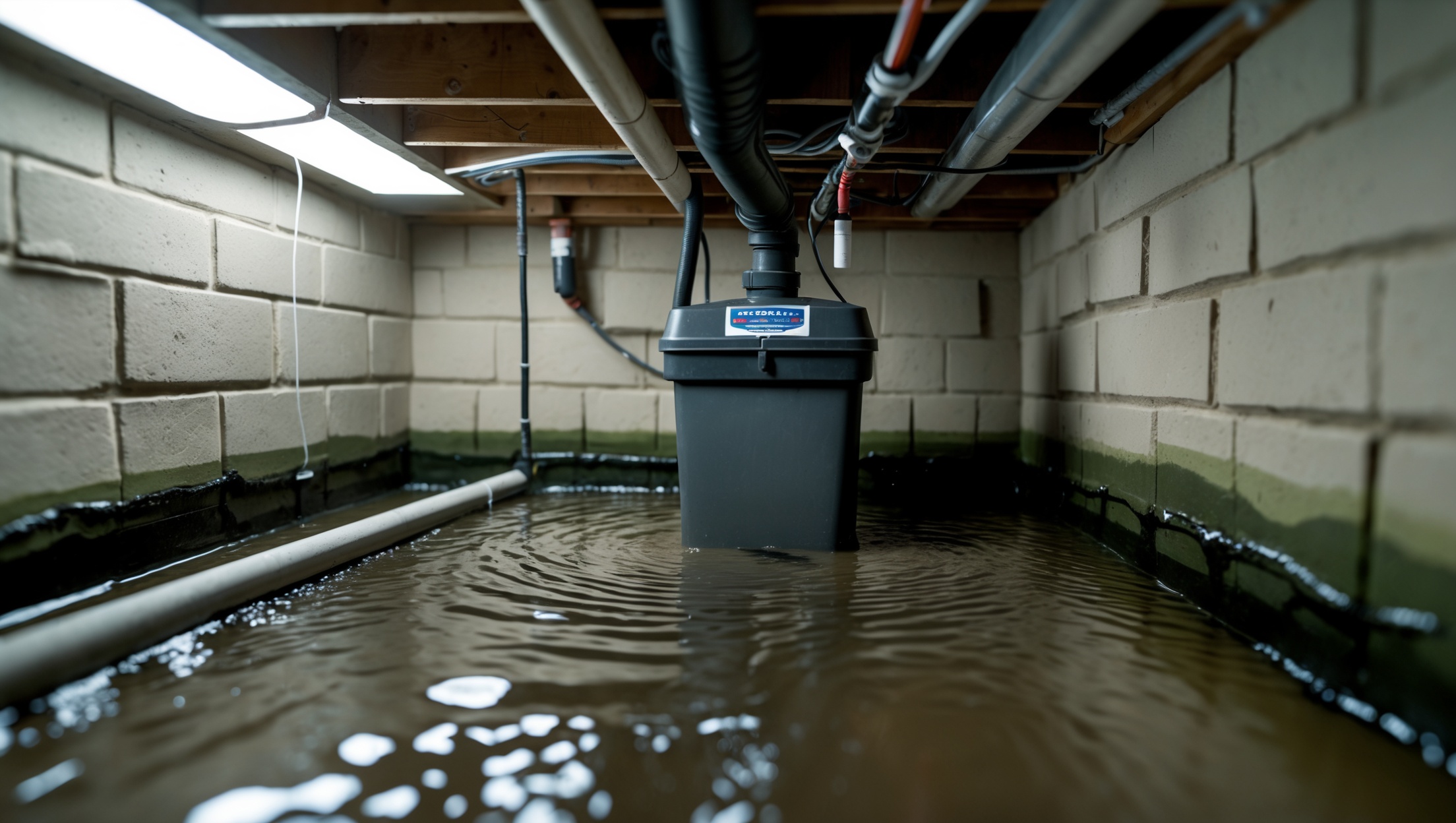
During a bathroom renovation, a plumber accidentally punctures a water supply line, causing major flooding that damages hardwood floors and drywall. The homeowner files a $24,000 claim for repairs. The plumber’s general liability insurance covers the cost, minus the deductible, and provides legal representation when the client threatens a lawsuit over delayed repairs.
Case Study 2: Employee Injury
An apprentice slips on a wet floor at a job site and fractures their wrist. Workers’ compensation insurance covers all medical expenses and lost wages during recovery, preventing a potential lawsuit and helping the employee return to work safely.
Case Study 3: Stolen Tools
A plumbing contractor’s van is broken into overnight, and $8,000 worth of tools and diagnostic equipment are stolen. Thanks to tools and equipment coverage, the business recoups most of the loss, minimizing downtime and avoiding costly out-of-pocket replacement expenses.
Case Study 4: Professional Negligence Claim
After a large commercial installation, a building manager claims the plumbing system was improperly designed, leading to chronic leaks and water damage. The client files a professional negligence claim for $70,000. The plumber’s E&O insurance covers legal defense costs and a negotiated settlement, preserving the company’s reputation and finances.
Frequently Overlooked Insurance Gaps in Plumbing Businesses
- Flood and Earthquake Insurance: Standard property policies usually exclude these perils. Assess your risk and consider supplemental coverage if you operate in vulnerable areas.
- Cyber Liability: If you store client information or accept online payments, cyber liability insurance protects against data breaches and cyberattacks.
- Employment Practices Liability: Covers claims of wrongful termination, harassment, or discrimination made by employees.
- Business Interruption Insurance: Provides financial support if your business is unable to operate due to a covered loss (e.g., fire, major theft).
Choosing the Right Insurance Agent or Broker
The insurance landscape is complex, and policies vary widely in their terms and exclusions. Work with an agent or broker who specializes in the construction trades, especially plumbing. Ask for references from other trade professionals, and ensure your agent:
- Understands plumbing-specific risks and regulatory requirements.
- Explains policy options and exclusions clearly.
- Offers annual policy reviews and claims support.
- Represents reputable insurers with strong claims records.
Conclusion: Protecting Your Plumbing Business’s Future
Insurance is one of the most important investments you can make in your plumbing business. The right policies not only shield you from devastating financial losses but also empower you to operate with confidence, pursue larger contracts, and build lasting relationships with clients. By understanding the core insurance types—general liability, workers’ compensation, commercial auto, professional liability, tools and equipment, and property coverage—you lay a strong foundation for business resilience.
But don’t stop there. Regularly review your coverage as your business evolves, implement risk management best practices to minimize claims, and work with an agent who truly understands the plumbing trade. Stay proactive about compliance and contractual insurance requirements to avoid costly disputes or missed opportunities. And when incidents do occur, follow best practices for claims reporting and documentation to ensure prompt, fair resolution.
Ultimately, insurance isn’t about avoiding risk altogether—it’s about managing it wisely. With the right coverage and a little diligence, you can focus on what matters most: delivering quality work, growing your reputation, and securing your business’s future for years to come.