

Introduction: Why Insurance Matters for DIY Plumbing
DIY plumbing projects can be empowering and cost-effective. Whether you’re fixing a leaky faucet, upgrading a bathroom, or installing a new appliance, tackling plumbing repairs yourself offers flexibility and satisfaction. Yet, many homeowners overlook a crucial aspect: insurance. What happens if something goes wrong? Will your homeowner’s policy cover accidental water damage from a failed repair? Are there exclusions for DIY work? Understanding the intersection of insurance and DIY plumbing is critical to protect your investment, avoid unexpected expenses, and ensure peace of mind. This guide demystifies insurance essentials for homeowners who take plumbing matters into their own hands, outlining coverage options, policy exclusions, risk management strategies, and actionable steps to stay protected throughout your DIY journey.
Understanding Homeowners Insurance: Plumbing Coverage Basics
What Is Typically Covered?
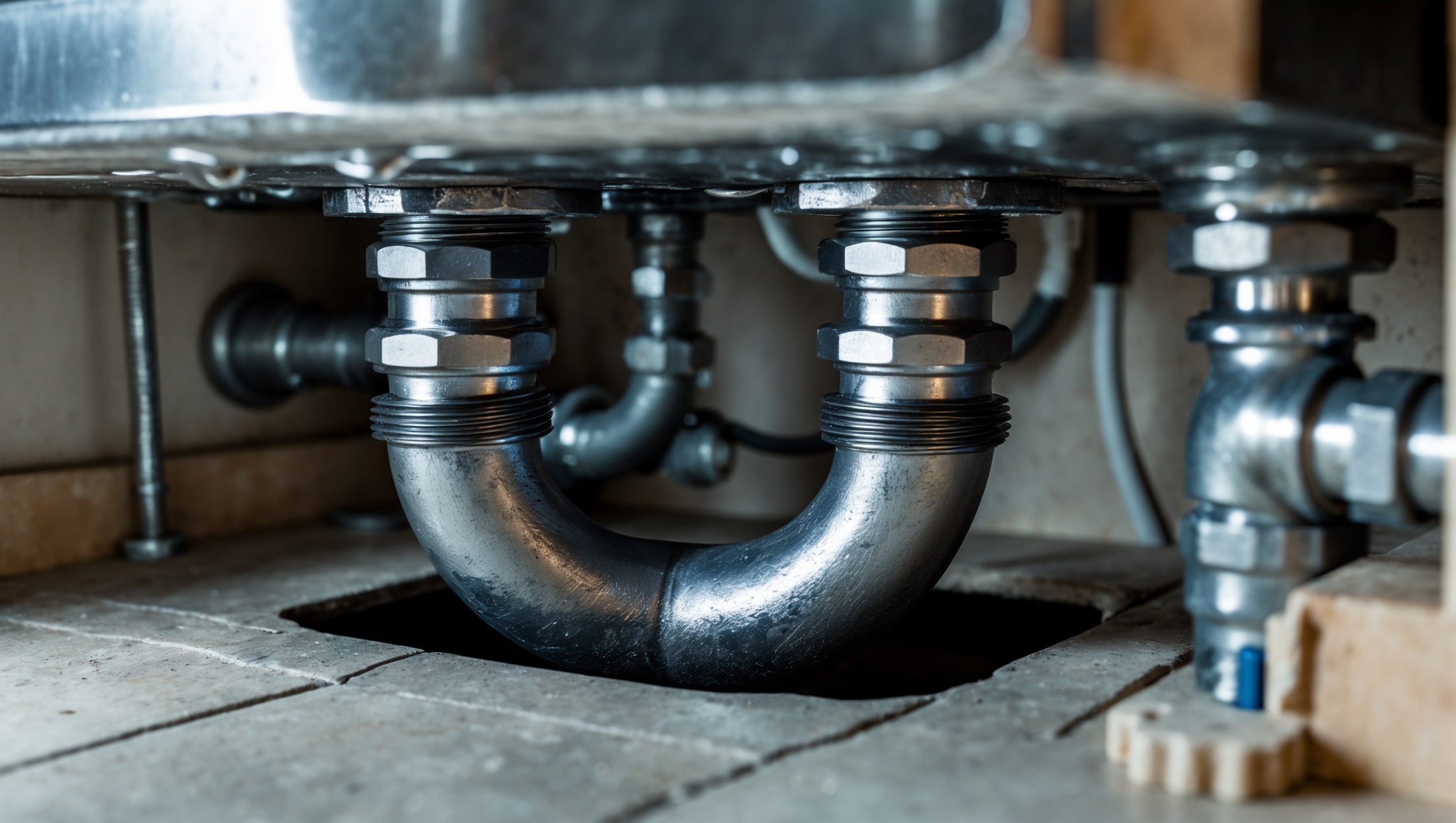
Most standard homeowners insurance policies provide coverage for sudden and accidental water damage caused by plumbing failures. Examples include:
- Burst pipes during winter freeze
- Unexpected leaks from a water heater
- Overflowing toilets or washing machines causing damage to floors/walls
In these scenarios, insurance may cover the cost to repair the damage to your property (e.g., drywall, flooring) but not always the faulty plumbing itself.
What’s Not Covered?
Key exclusions often include:
- Gradual leaks or seepage, especially if due to neglect
- Pre-existing damage that wasn’t addressed promptly
- Flooding from external sources (requires separate flood insurance)
- Intentional damage or gross negligence
DIY work introduces additional complexities, which we’ll unpack in the next section.
DIY Plumbing and Insurance: How Does It Affect Your Coverage?
Policy Language on DIY Repairs
Insurance companies increasingly specify policy terms regarding homeowner-performed repairs. Some may explicitly exclude coverage for damages caused by non-licensed work, especially if local law or code requires a licensed plumber for the task.
Typical policy language to look for:
- “Work must be performed by a qualified professional…”
- “No coverage for losses arising from unpermitted or non-compliant repairs…”
Common DIY Scenarios and Insurance Outcomes
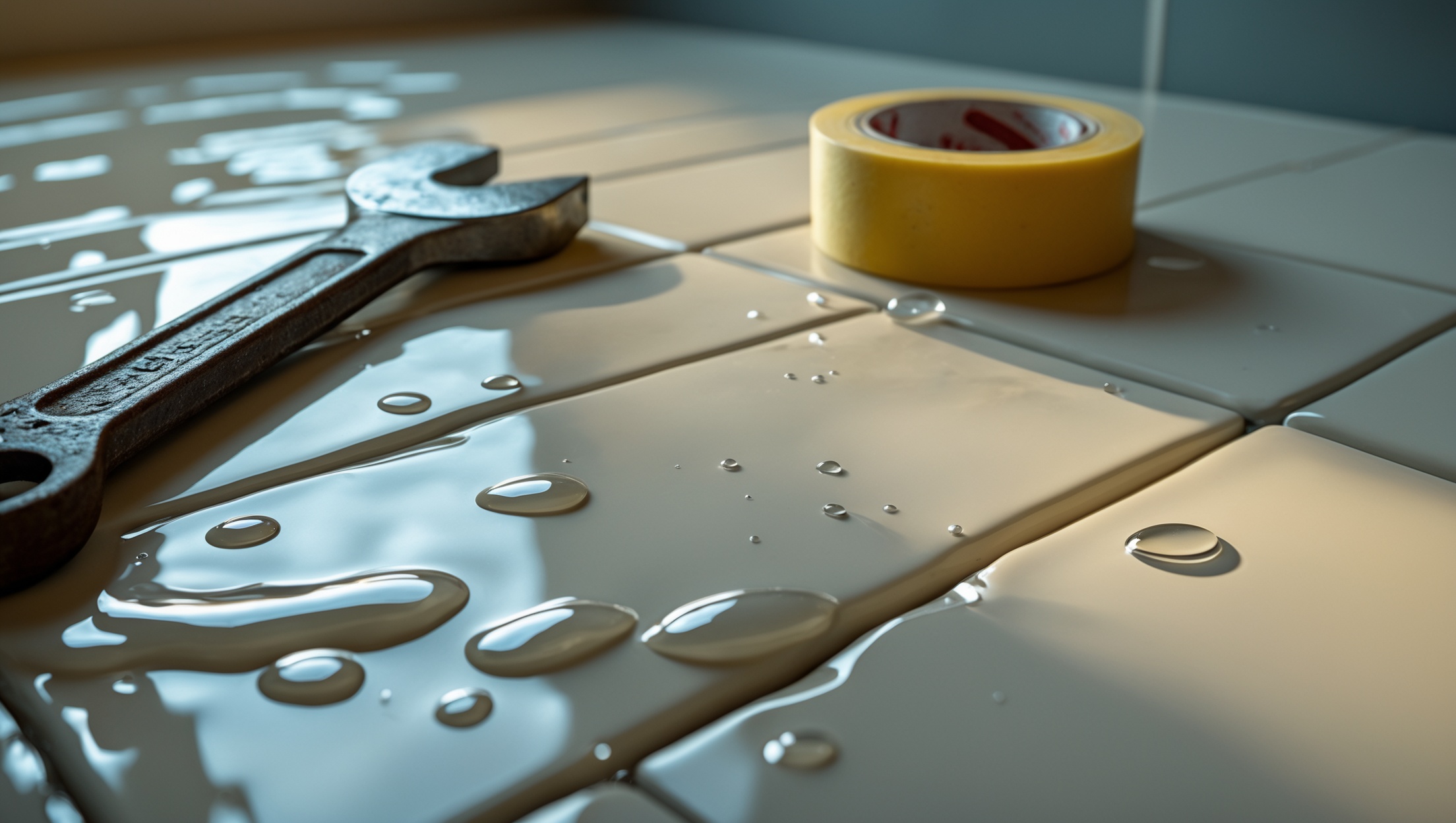
- Minor Repairs (e.g., replacing a faucet): Usually covered if accidental damage occurs, provided the work didn’t violate local codes or policy terms.
- Major Alterations (e.g., re-piping, moving plumbing lines): May be excluded unless performed by a licensed professional with required permits.
- Unpermitted Work: If you skip permits where required, insurance may deny claims—even if the work was otherwise sound.
Permits, Compliance, and Insurance: The Crucial Connection
Why Permits Matter
Permits are not just bureaucratic hurdles—they ensure your work meets safety and code standards. Insurance carriers often require that significant plumbing work be permitted and inspected. If you skip this step, you risk claim denial even for accidental water damage. Always verify with your municipality which projects require permits, such as:
- Installing new supply or drain lines
- Remodeling kitchens or bathrooms
- Relocating fixtures (toilets, sinks)
Documentation Best Practices
- Keep copies of permits and inspection reports.
- Take before-and-after photos of your work.
- Retain receipts for parts and materials used.
- Document any professional consultations or code reference materials utilized.
Should you need to file a claim, thorough documentation demonstrates diligence and compliance, strengthening your case.
Common Insurance Pitfalls for DIY Plumbers
1. Assuming All Water Damage Is Covered
Water damage caused by slow leaks or improper installations is often excluded. For example, if a DIY-installed supply line drips for months before causing visible damage, insurance may argue this was preventable and deny the claim.
2. Underestimating the Role of Building Codes
Non-compliant installations (e.g., using the wrong pipe type, improper venting, or insufficient access panels) can void coverage. Codes exist to prevent failures; ignoring them signals risk to insurers.
3. Failing to Notify Your Insurance Carrier
If you significantly alter your plumbing system, you may be required to inform your insurer. Some policies stipulate notification for major changes to maintain coverage. Review your policy and ask your agent if in doubt.
4. Skipping Professional Help When Needed
Complex projects (e.g., re-piping, gas water heater installs) often require licensed professionals. Attempting these without proper expertise or permits not only risks your home but also your insurance protection.
How to Protect Yourself: Proactive Insurance Steps for DIY Projects
1. Review Your Policy Before Starting
Read your homeowners insurance policy carefully. Look for exclusions regarding non-professional work, plumbing, and water damage. If the language is unclear, contact your insurance agent and ask:
- Are DIY plumbing projects covered?
- Which repairs require a licensed professional?
- Will my premium or coverage change if I undertake renovations?
2. Consider Optional Endorsements
Some insurers offer endorsements or riders for additional protection, such as:
- Water backup coverage (for sump pump or drain backups)
- Service line protection (covers buried pipes between house and street)
- Equipment breakdown insurance (for water heaters, boilers, etc.)
Ask if these are available and whether they extend to homeowner-performed work.
3. Maintain High Standards of Workmanship
Follow manufacturer instructions, local codes, and best practices. Use approved materials and tools. Double-check connections, test for leaks, and have major work inspected whenever possible.
4. Don’t Skip Permits or Inspections
Even experienced DIYers should obtain permits for significant work. Inspections provide a paper trail and third-party verification that your project meets standards—both valuable if you need to file an insurance claim later.
5. Document Everything
- Keep a project journal: note dates, steps taken, and observations.
- Photograph each stage of the repair or installation.
- Retain all receipts and permit paperwork.
- If you consult a professional for advice, keep a record of their input.
Real-World Case Studies: Insurance Claims and DIY Plumbing
Case Study 1: Success Story with Proper Compliance
Sarah, a homeowner in Ohio, replaced a leaking toilet supply line herself. She secured a permit (required in her jurisdiction), followed code, and took before-and-after photos. Months later, a different supply line burst, damaging her floor. The insurer asked for documentation and, seeing her diligence and compliance, approved her claim without issue.
Case Study 2: Denied Claim from Unpermitted Work
Mike undertook a full bathroom remodel, moving the tub and rerouting pipes, but didn’t obtain permits. A faulty joint he installed failed, flooding two rooms. His insurer denied coverage, citing unpermitted, non-professional work in violation of policy and local code. Mike was left with a hefty repair bill and the cost of redoing the work to code.
Case Study 3: Gradual Leak Not Covered
An aging copper line slowly leaked behind drywall after a DIY repair by the homeowner. Damage was substantial by the time it was discovered. The insurer denied the claim, arguing that the loss resulted from gradual seepage and poor workmanship—not a sudden accidental event.
Frequently Asked Questions: Insurance and DIY Plumbing
Will insurance cover me if I make a mistake during a DIY repair?
It depends on your policy, the nature of the mistake, and local codes. Mistakes that result in sudden, accidental damage might be covered if the work was permitted and code-compliant. Gross negligence, unpermitted work, or gradual leaks are usually excluded.
Do I need to tell my insurer about every DIY plumbing job?
For minor repairs, probably not. For significant changes (e.g., remodels, moving lines), notifying your insurer is wise and may be required by your policy.
Can I get special insurance for DIY projects?
Some insurers offer endorsements for renovations or water backup coverage. Standard homeowner’s insurance rarely covers damage from non-compliant or unpermitted DIY work.
What’s the biggest insurance risk for DIY plumbing?
Unpermitted or non-code-compliant work, and failure to document your process. These can void coverage and lead to denied claims.
Conclusion: Navigating DIY Plumbing with Insurance Confidence
Tackling plumbing repairs on your own can be deeply rewarding, saving money and teaching valuable skills. However, it’s essential not to overlook the insurance side of the equation. Too many homeowners discover—often after a costly mishap—that their policies don’t cover DIY-related water damage, especially if work was unpermitted or failed to meet local codes. To protect yourself:
- Read your policy carefully and clarify any ambiguities with your agent.
- Never skip permits or required inspections for significant plumbing work.
- Follow best practices, building codes, and manufacturer instructions precisely.
- Document your entire process, including permits, photos, receipts, and any professional consultations.
- Consider supplemental coverage for water backup or service lines if your projects increase risk.
Remember, insurance is designed to protect you from the unexpected—not from avoidable mistakes or regulatory shortcuts. By taking a proactive approach, you can enjoy the benefits of DIY plumbing while ensuring your investment and home are shielded from the financial fallout of unforeseen accidents. When in doubt, consult both your local building department and your insurance provider. With the right preparation and attention to detail, you can take charge of your plumbing projects—and your peace of mind.



Emily Gonzalez
If I accidentally cause a leak while replacing a faucet myself and it ruins part of my flooring, will my homeowners insurance usually cover the repairs to the floor, or could my claim be denied because I did the work without a licensed plumber?